北方稀土

Search documents
深夜重大!证监会批准铂钯期货,新能源金属定价权争夺战打响第一枪
Sou Hu Cai Jing· 2025-11-10 14:53
Core Viewpoint - The approval of platinum and palladium futures and options by the Guangzhou Futures Exchange marks a significant shift in China's control over pricing in the global market for these critical metals, which are essential for the green energy transition [1][3]. Group 1: Market Dynamics - China consumes over 20% of the world's platinum and palladium but has historically lacked pricing power, being subject to annual price fluctuations exceeding 20% [1][3]. - The volatility in prices is exacerbated by geopolitical tensions and shipping cost fluctuations, with platinum prices showing annual volatility over 20% and palladium's daily volatility reaching 1.58% [3]. - The introduction of futures contracts is expected to stabilize costs for domestic companies, allowing them to hedge against price fluctuations [3]. Group 2: Strategic Implications - The launch of futures is not just a financial innovation but also a strategic move aligned with national policies aimed at resource integration and balanced profit distribution across the supply chain [6]. - The 2025 policy document emphasizes controlling low-level capacity expansion and shifting from resource output to technology standard output, indicating a strategic pivot in the industry [6]. Group 3: Investment Opportunities - The approval of platinum and palladium futures has already led to significant gains in related sectors, with a notable 82% increase in the performance of ETFs tracking the new energy metals sector [8]. - Companies like Zijin Mining and others with core resource advantages have seen their stock prices double, reflecting strong market demand against a backdrop of supply constraints [8]. - The demand for aluminum in new energy vehicles is projected to increase by 30%, while the photovoltaic industry is expected to consume 4 million tons of aluminum by 2030, creating further investment opportunities [8]. Group 4: Industry Challenges - Despite the positive outlook, there are emerging risks, including potential price corrections due to shifts in global commodity cycles and demand fluctuations in downstream sectors like photovoltaics and electric vehicles [10]. - The industry is experiencing significant differentiation, with some sectors like electrolytic nickel seeing production increases while others like industrial silicon and refined cobalt face challenges due to capacity reductions and policy disruptions [11]. - The performance of companies within the sector is increasingly varied, with some firms reporting substantial profit increases while others struggle with cost pressures, suggesting that diversified investment strategies may be more prudent [11].


解密主力资金出逃股 连续5日净流出579股
Zheng Quan Shi Bao Wang· 2025-11-10 09:29
Core Insights - A total of 579 stocks in the Shanghai and Shenzhen markets have experienced net outflows of main funds for five consecutive days or more as of November 10 [1] - The stock with the longest continuous net outflow is Yageo, with 25 days, followed by Meg Intelligent with 22 days [1] - The largest total net outflow amount is from Xian Dao Intelligent, with a cumulative outflow of 4.379 billion yuan over eight days [1] Group 1: Stocks with Longest Net Outflows - Yageo has seen net outflows for 25 consecutive days [1] - Meg Intelligent has experienced net outflows for 22 consecutive days [1] Group 2: Stocks with Largest Net Outflow Amounts - Xian Dao Intelligent has a total net outflow of 4.379 billion yuan over eight days [1] - Northern Rare Earth follows with a net outflow of 4.118 billion yuan over the same period [1] - The stock Zhinanzhen has a net outflow of 4.024 billion yuan over eight days [1] Group 3: Stocks with Highest Net Outflow Ratios - *ST Zhongzhuang has the highest net outflow ratio, with a 5-day decline of 3.99% [1] - Other notable stocks with significant net outflow ratios include Xian Dao Intelligent (8.55%) and Northern Rare Earth (8.12%) [1] Group 4: Performance of Affected Stocks - Xian Dao Intelligent has seen a cumulative decline of 16.78% over the past eight days [1] - Northern Rare Earth has declined by 7.76% during the same period [1] - Zhinanzhen has experienced a decline of 14.85% [1]


重视锂权益配置,电力短缺铝供给逻辑强化
Changjiang Securities· 2025-11-10 08:13
Investment Rating - The report maintains a "Positive" investment rating for the industry [7] Core Views - The overall industrial metal prices have experienced a decline, particularly in the overseas market, primarily due to liquidity issues in the US banking system. The government shutdown has led to a tightening of cash balances, impacting global risk assets. Concerns over power shortages in North America due to data center developments have raised fears of production halts in high-energy-consuming sectors like aluminum and zinc, resulting in relatively strong prices for these commodities. The lithium industry has seen a turnaround, with improving supply-demand fundamentals. The uncertainty in overseas resource development and weak profitability due to low lithium prices have peaked capital expenditures in the industry by 2024-2025, with a confirmed trend of declining supply growth from 2026 to 2028. By 2026, equity values are expected to outperform commodity prices, potentially leading the market out of a downturn [2][4][5]. Summary by Sections Precious Metals - The ongoing US government shutdown has heightened risk aversion, which is expected to drive gold prices higher in the short term. The report emphasizes that gold prices are currently stabilizing rather than indicating a trend reversal. Historically, gold prices tend to peak early in a rate-cutting cycle, and the current macroeconomic environment suggests that gold may not have reached its peak yet. The report maintains a positive outlook for gold, suggesting that the market is entering a phase of systematic re-evaluation [4]. Industrial Metals - The report highlights a long-term positive outlook for copper and aluminum. Recent price adjustments in these metals are attributed to liquidity issues in the US. The report notes that copper inventories have increased by 4.68% week-on-week and 25.01% year-on-year, while aluminum inventories have decreased by 0.49% week-on-week and 13.31% year-on-year. The report suggests that despite short-term fluctuations, the long-term economic outlook and supply-demand structure will favor a strong cycle for copper and aluminum [4][5]. Energy and Minor Metals - The lithium sector is expected to see a supply inflection point and a new demand cycle. The report indicates that the darkest period for the lithium industry has passed, with a clear trend of improving supply-demand fundamentals. The demand for lithium is projected to grow significantly due to stable domestic power needs and the acceleration of solid-state battery industrialization. The report also highlights the strategic importance of rare earths and tungsten, with expectations of a new upward trend in prices due to supply constraints and increased demand [5][24]. Supply Dynamics - The report discusses the high concentration of supply in cobalt and nickel, with specific attention to the Democratic Republic of Congo's cobalt quotas and Indonesia's tightening supply policies for nickel. These factors are expected to support long-term price increases for both cobalt and nickel, benefiting resource-oriented companies [5][24].




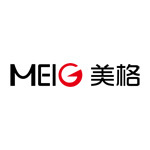
国城矿业涨停,31亿巨资“买矿”!有色50ETF(159652)放量冲高,一度涨超2%!供给端挺价持续,铜价中枢有望上行!
Sou Hu Cai Jing· 2025-11-10 03:36
Core Viewpoint - The news highlights the performance of the Nonferrous Metal ETF (159652) and its underlying index components, indicating a mixed performance among major stocks, with some experiencing significant gains while others faced declines [1][2]. Group 1: ETF Performance - The Nonferrous Metal ETF (159652) closed at 1.523, with a slight increase of 0.66% [1]. - The ETF's trading volume was 524,900, with a turnover rate of 2.83% [1]. - The ETF's net asset value (NAV) was reported at 1.5152, with a premium/discount rate of 0.51% [1]. Group 2: Component Stocks - Major stocks such as Guocheng Mining and Ganfeng Lithium saw significant increases, with Guocheng Mining hitting the daily limit [2]. - The stock of China Aluminum and Shandong Gold also rose by over 2% [2]. - In contrast, stocks like Northern Rare Earth and Huayou Cobalt experienced declines [2]. Group 3: Market Sentiment and Economic Indicators - The Federal Reserve's recent statements indicate a shift in interest rate expectations, with a decrease in the likelihood of rate cuts in December and January [3]. - The market is awaiting a liquidity turning point, which could impact precious metal prices positively in the future [4]. Group 4: Industrial Metal Insights - The supply side for industrial metals remains tight, with ongoing disruptions in copper mining affecting prices positively [5]. - The aluminum market is expected to enter an upward cycle due to a projected shortage, with recent price increases noted [5]. Group 5: Investment Opportunities - The Nonferrous Metal ETF (159652) is highlighted as a leading investment option due to its high "gold and copper content" and concentration in strategic metals [6]. - The ETF's index has shown a cumulative return of 131% since 2022, driven by earnings rather than valuation expansion [8].

冲击4连涨!有色金属ETF(512400)高开涨超2%,国城矿业涨停,有色等顺周期板块配置价值凸显
Sou Hu Cai Jing· 2025-11-10 02:25
Core Viewpoint - The recent performance of the non-ferrous metal ETF (512400) indicates a strong upward trend, driven by significant inflows and positive market sentiment towards the sector, particularly in light of ongoing central bank policies and global demand for gold and battery materials [1][2]. Group 1: Market Performance - As of November 10, 2025, the non-ferrous metal ETF (512400) rose by 2.19%, marking its fourth consecutive increase, with a trading volume of 240 million yuan [1]. - The CSI Shenwan Non-Ferrous Metal Index surged by 2.14%, with notable gains from constituent stocks such as Guocheng Mining (+9.99%), Hunan Gold (+6.21%), and Shengxin Lithium Energy (+5.90%) [1]. - Over the past 21 trading days, the non-ferrous metal ETF (512400) has seen a net inflow of 884 million yuan [1]. Group 2: Central Bank and Gold Demand - The central bank's latest report shows that as of the end of October, its gold reserves increased to 7.409 million ounces, up by 30,000 ounces from September, marking the 12th consecutive month of accumulation [1]. - Long-term forecasts suggest that interest rate cuts and policies from former President Trump may drive gold prices higher, with central bank purchases providing a supportive floor for prices [1]. Group 3: Battery and Storage Demand - According to CITIC Securities, the energy storage policy in 2025 is expected to drive an unexpected increase in demand for energy storage batteries, with improvements in battery capacity and trade-in policies boosting demand for power batteries [1]. - The global demand for lithium salt is anticipated to continue exceeding expectations, supported by the ongoing growth in energy storage and power battery sectors [1]. Group 4: Investment Opportunities - Recent market trends indicate a bullish sentiment towards cyclical sectors, particularly in coal, non-ferrous metals, certain chemicals, new energy, photovoltaic industry chains, and memory storage [2]. - Non-ferrous metals, steel, and building materials are highlighted as potential cyclical investment opportunities based on supply-side changes and free cash flow levels [2]. Group 5: Index Composition - The CSI Shenwan Non-Ferrous Metal Index comprises 50 listed companies selected from the non-ferrous metals and non-metallic materials sectors to reflect the overall performance of the industry in the Shanghai and Shenzhen markets [2]. - The top ten weighted stocks in the index include Zijin Mining, Northern Rare Earth, Luoyang Molybdenum, Huayou Cobalt, China Aluminum, Shandong Gold, Zhongjin Gold, Tianqi Lithium, Ganfeng Lithium, and China Rare Earth [2].
供给收缩叠加长单价格上调,钨价创历史新高 | 投研报告
Zhong Guo Neng Yuan Wang· 2025-11-10 02:03
Group 1: Tungsten Market - Black tungsten concentrate price increased by 12.23% to 312,000 CNY/ton, and ammonium paratungstate price rose by 13.30% to 460,000 CNY/ton [1][3] - Supply side shows a reduction in tungsten concentrate mining indicators, with mines generally slowing production pace, leading to tighter industry circulation [1][3] - Domestic demand remains stable, primarily driven by essential procurement, with recent APT procurement prices for early November rising by 52,000 CNY/ton, boosting market bullish sentiment [1][3] Group 2: Rare Earth Market - Rare earth supply and demand are both weak, with praseodymium-neodymium oxide rising by 10.49% to 553,000 CNY/ton, while dysprosium oxide increased by 1.63% to 1,560,000 CNY/ton [2] - The Chinese Ministry of Commerce announced new export controls on rare earth items and technologies, targeting violations of existing measures [2] - Supply side sees some production companies controlling output due to cost pressures, while demand from downstream magnetic material companies remains low [2] Group 3: Molybdenum Market - Molybdenum concentrate price decreased by 9.78% to 3,965 CNY/ton, and molybdenum iron price fell by 7.62% to 254,500 CNY/ton [2] - Supply side indicates signs of shrinking molybdenum concentrate, while demand from steel procurement is increasing but facing price pressure from steel mills [2] Group 4: Tin Market - Tin prices are experiencing a weak supply-demand balance, with SHFE tin down by 0.28% to 283,500 CNY/ton and LME tin up by 0.35% to 36,100 USD/ton [3] - Supply side affected by low operating rates of refining tin smelting enterprises due to raw material shortages from Myanmar [3] - High tin prices are leading to low replenishment willingness in the electronics and home appliance sectors, with downstream manufacturers primarily engaging in essential procurement [3] Group 5: Antimony Market - Antimony ingot price decreased by 6.27% to 149,500 CNY/ton, and antimony concentrate price fell by 7.07% to 131,500 CNY/ton [4] - Supply side sees tight domestic antimony raw materials due to a halt in overseas mines entering the domestic market, coupled with weak smelting profitability [4] - Demand remains focused on essential procurement, with strong demand in the photovoltaic sector, while short-term export demand is under pressure [4] Group 6: Nuclear Fusion New Materials - The commercialization of controlled nuclear fusion is accelerating, with upstream materials expected to benefit significantly [5] - Domestic advancements include breakthroughs in the localization of second-generation high-temperature superconducting strips [5] - Internationally, significant investments and reports on fusion research are emerging, indicating a growing interest in the sector [5]
行业周报:有色金属周报:全球缺电行情持续,看好电解铝后续走势-20251109
SINOLINK SECURITIES· 2025-11-09 12:46
Investment Ratings - The report maintains a positive outlook on copper, aluminum, and precious metals, indicating high market activity and potential for investment [12][34][62] Core Insights - Copper prices have shown a slight decline, but the overall market remains robust with increasing demand and production recovery [13][14] - Aluminum market is experiencing a turning point with supply constraints and stable demand, leading to potential price increases [14] - Precious metals, particularly gold, are stabilizing amidst geopolitical tensions and economic uncertainties, suggesting a favorable investment environment [15] Summary by Sections Copper - LME copper price decreased by 1.80% to $10,695.00 per ton, while domestic prices fell by 1.23% to 86,000 yuan per ton [13] - Domestic copper inventory increased to 203,300 tons, marking a three-year high, with a notable rise in production rates among major cable manufacturers [13][14] - The demand for copper is recovering as prices decline, leading to improved order volumes and production rates [13] Aluminum - LME aluminum price decreased by 0.90% to $2,862.00 per ton, while domestic prices increased by 1.53% to 21,600 yuan per ton [14] - Domestic electrolytic aluminum inventory reached 622,000 tons, with a slight increase in production rates among downstream processing enterprises [14] - The aluminum market is facing challenges due to environmental regulations and seasonal demand fluctuations, but there is potential for recovery in specific sectors [14] Precious Metals - COMEX gold price decreased by 0.15% to $4,007.80 per ounce, with SPDR gold holdings increasing to 1,042.06 tons [15] - The gold market is influenced by ongoing U.S. government shutdowns and geopolitical risks, maintaining a strong but volatile trading environment [15] - The overall sentiment in the precious metals market remains positive, with expectations of price stabilization and potential upward movement [15] Rare Earths - Prices for praseodymium and neodymium oxide increased by 4.23%, driven by heightened demand expectations following the suspension of export control measures [34] - The rare earth sector is expected to see significant price increases due to supply constraints and strategic importance in various industries [34] Antimony - Antimony prices decreased by 6.89%, but the market outlook is improving due to potential recovery in export demand and stable domestic consumption [36] - The report suggests that resource scarcity and reduced global supply could lead to upward price adjustments in the future [36] Tin - Tin prices slightly decreased by 0.12%, but the market is expected to remain resilient due to ongoing supply chain disruptions and stable demand [37] - The report highlights the impact of regulatory actions in Indonesia aimed at curbing illegal mining, which may support future price stability [37] Lithium - Lithium carbonate prices increased by 2.14% to 80,600 yuan per ton, with production levels showing a slight rise [62] - The lithium market is experiencing strong demand growth, particularly in the energy storage and electric vehicle sectors, which is expected to support prices [62]



供给收缩叠加长单价格上调,钨价创历史新高:——小金属&新材料双周报(2025/10/27-2025/11/7)-20251109
Hua Yuan Zheng Quan· 2025-11-09 12:10
Investment Rating - Investment rating: Positive (maintained) [4] Core Views - The report highlights a mixed supply and demand situation in the rare earth sector, with prices for praseodymium and neodymium oxide increasing by 10.49% to 553,000 CNY/ton, while dysprosium oxide rose by 1.63% to 1,560,000 CNY/ton. However, terbium oxide saw a decline of 1.71% to 6,625,000 CNY/ton [4][11] - Molybdenum prices are experiencing fluctuations, with molybdenum concentrate prices dropping by 9.78% to 3,965 CNY/ton, and molybdenum iron (Mo60) prices decreasing by 7.62% to 254,500 CNY/ton [4][20] - Tungsten prices have reached historical highs due to supply constraints and price increases in long-term contracts, with black tungsten concentrate prices rising by 12.23% to 312,000 CNY/ton and ammonium paratungstate prices increasing by 13.30% to 460,000 CNY/ton [4][28] - Tin prices are fluctuating with SHFE tin down by 0.28% to 283,510 CNY/ton, while LME tin increased by 0.35% to 36,050 USD/ton [4][32] - Antimony prices are under pressure, with antimony ingot prices falling by 6.27% to 149,500 CNY/ton and antimony concentrate prices down by 7.07% to 131,500 CNY/ton [4][40] - The report notes that the controllable nuclear fusion industry is accelerating commercialization, with upstream materials expected to benefit significantly [4][5] Summary by Sections Rare Earths - Supply and demand are weak, with praseodymium and neodymium oxide prices rising by 10.49% to 553,000 CNY/ton [4][11] - The report suggests monitoring companies like Guangsheng Youse and China Rare Earth [4] Molybdenum - Molybdenum concentrate prices decreased by 9.78% to 3,965 CNY/ton, while molybdenum iron prices fell by 7.62% to 254,500 CNY/ton [4][20] - Suggested company to watch: Jinduicheng Molybdenum [4] Tungsten - Black tungsten concentrate prices increased by 12.23% to 312,000 CNY/ton, and ammonium paratungstate prices rose by 13.30% to 460,000 CNY/ton [4][28] - Recommended companies include Zhongtung High-tech and Xiamen Tungsten [4] Tin - SHFE tin prices fell by 0.28% to 283,510 CNY/ton, while LME tin prices rose by 0.35% to 36,050 USD/ton [4][32] - Companies to focus on: Yunnan Tin and Huaxi Silver Tin [4] Antimony - Antimony ingot prices dropped by 6.27% to 149,500 CNY/ton, and concentrate prices fell by 7.07% to 131,500 CNY/ton [4][40] - Companies to monitor include Huaxi Silver and Hunan Gold [4] Nuclear Fusion New Materials - The commercialization of controllable nuclear fusion is accelerating, with significant benefits expected for upstream materials [4][5]
2025年12月沪深300、上证50和科创50等指数调整名单预测
Shenwan Hongyuan Securities· 2025-11-08 12:42
- The report predicts adjustments to the constituent stocks of major indices, including CSI 300, CSI 500, CSI 1000, CSI 2000, SSE 50, and STAR 50, based on publicly available index compilation rules and data [5][10][16][18][20] - CSI 300 Index is constructed by selecting the top 50% stocks based on average daily trading volume over the past year, followed by the top 300 stocks ranked by average daily market capitalization, while adhering to a 10% adjustment limit, priority for old samples, and a 20% buffer zone rule [5] - The adjustment prediction for CSI 300 Index involves calculating the average daily market capitalization and trading volume of A-shares over the past year, excluding stocks with suspension, violations, or financial reporting issues [5] - The report defines a "shock coefficient" to measure the price impact and duration caused by passive index fund rebalancing, calculated as: $ Shock Coefficient = (Passive Buy Amount - Passive Sell Amount) / Average Daily Trading Volume $ This coefficient is applied to assess the impact of adjustments on stocks [6][9] - CSI 500 Index is constructed by excluding CSI 300 constituent stocks and the top 300 stocks by average daily market capitalization over the past year, followed by removing the bottom 20% stocks by average daily trading volume, and selecting the top 500 stocks by market capitalization, adhering to a 10% adjustment limit, priority for old samples, and a 10% buffer zone rule [10] - CSI 1000 Index is constructed by excluding CSI 800 constituent stocks, the top 300 stocks by market capitalization, and stocks with insufficient liquidity (bottom 20% by trading volume), selecting the top 1000 stocks by market capitalization over the past year [16] - CSI 2000 Index is constructed by excluding CSI 800 and CSI 1000 constituent stocks, the top 1500 stocks by market capitalization, and selecting the top 2000 stocks by market capitalization over the past year [16] - SSE 50 Index is constructed by selecting the top 50 stocks by market capitalization and liquidity from the Shanghai Stock Exchange, adhering to adjustment rules similar to other indices [18] - STAR 50 Index is constructed by selecting the top 50 stocks by market capitalization from STAR Market, excluding stocks with delisting risks, major violations, or low liquidity (bottom 10% by trading volume) [20] - The report predicts adjustments to the STAR 50 Index, with two stocks, Aojie Technology-U and Shengke Communication-U, being added [20] - The shock coefficients for the predicted adjustments are calculated for each stock, with the highest coefficients observed for stocks such as Guangqi Technology and Ningbo Port in CSI 300, and Sheneng Shares and Suzhou Supor in CSI 500 [7][11][19][21]





特朗普乖乖履行承诺,中方还手握三张王牌,每招都能卡美国软肋
Sou Hu Cai Jing· 2025-11-07 18:40
Group 1: Trade Relations and Agreements - The US announced the cancellation of the 10% "fentanyl tariff" on Chinese goods starting November 10, 2025, and extended the 24% "reciprocal tariff" exemption for one year, marking a significant easing of trade tensions between the US and China [2] - The US also suspended the 301 investigation measures against Chinese maritime transport, international logistics, and shipbuilding industries, while China reciprocated by halting countermeasures against US fentanyl tariffs and suspending the 24% tariff for one year [2] - The market reacted positively to these developments, with Asian stock markets and crude oil futures rising, reflecting international expectations for improved US-China trade relations [2] Group 2: Rare Earth Elements - China announced an expansion of rare earth export controls, adding five new elements to the list, bringing the total to 12 restricted types, which underscores China's dominance in the rare earth sector [3][5] - China holds 37% of global rare earth reserves and over 60% of production, controlling more than 90% of the global rare earth separation and purification capacity, which is critical for high-tech industries [5] - New regulations require that products containing trace amounts of Chinese-origin rare earths must obtain Chinese approval for export, indicating that even if Western countries find rare earth mines, they cannot bypass China's processing capabilities [5] Group 3: Agricultural Commodities - China is the world's largest soybean consumer and importer, with annual consumption exceeding 120 million tons, while domestic production is only about 20 million tons, leading to over 80% reliance on imports [7] - Following a halt in soybean purchases from the US, the US soybean market faced difficulties, prompting calls for negotiations to restore trade [7] - Brazil has replaced the US as China's largest soybean supplier, with China purchasing at least 2.4 million tons from Brazil, which is nearly one-third of its usual monthly import volume [7] Group 4: Fentanyl and Drug Policy - The fentanyl issue plays a unique role in US-China trade negotiations, with the US previously imposing tariffs on Chinese goods citing fentanyl concerns, despite China's early actions to regulate fentanyl substances [9][10] - The agreement in 2025 included the US canceling the 10% fentanyl tariff, reflecting progress in cooperation on this issue [9] - China has maintained a strict anti-drug policy and has cooperated with the US on drug control since 1985, establishing frameworks for functional cooperation despite political tensions [9][14] Group 5: Strategic Implications - The coordinated use of rare earths, soybeans, and fentanyl in trade negotiations has allowed China to gain the upper hand in the US-China trade conflict, with the US making significant concessions [12][14] - The US's reliance on Chinese rare earth processing and the impact of soybean trade on US agricultural states highlight the interconnectedness of these issues [12][14] - The trade agreement reflects a balance of interests, with both sides making concessions to achieve a more stable trade relationship [14]