零跑

Search documents
蔚来行至临界点
Hua Er Jie Jian Wen· 2025-08-14 08:41
Core Viewpoint - NIO has reached a critical turning point with the successful launch of the L90 model, leading to a significant increase in sales and stock price, indicating a positive shift in market perception and confidence in its long-term strategy [2][3]. Group 1: Sales and Market Performance - The L90 model has achieved over 4,000 deliveries within ten days of its launch, ranking second in the large SUV weekly sales chart, surpassing the combined sales of Li Auto's L9 and L8 [2]. - NIO's stock price surged over 40% in July, reflecting investor optimism following the L90's pre-sale [2]. - Cumulative deliveries for NIO reached 135,000 units from January to July, marking a historical high with a year-on-year growth of 25.2% [15]. Group 2: Strategic Shifts and Industry Trends - NIO has shifted from a personnel optimization strategy to a large-scale recruitment of 800 sales personnel from traditional luxury car brands, indicating strong confidence in future sales, particularly for the L90 [4]. - The electric vehicle market is experiencing a significant shift towards pure electric models, with pure electric vehicle sales growing by 35.2% year-on-year, while range-extended vehicles saw a decline of 10.4% in July [5][6]. - The establishment of extensive charging infrastructure, with nearly 14 million charging stations nationwide, has alleviated range anxiety, enhancing the competitiveness of pure electric vehicles [6][7]. Group 3: Financial Outlook and Challenges - Despite the positive sales momentum, NIO has faced significant financial pressure, with cumulative losses exceeding 80 billion yuan and a net loss of 22.4 billion yuan in 2024 alone [9][10]. - NIO's CEO has set a target for profitability by Q4 2025, emphasizing the need for improved execution and operational efficiency to achieve this goal [14][17]. - The company aims to achieve a monthly sales target of over 50,000 units across its three brands, with a gross margin target of 17%-18% and a sales management expense ratio of around 10% [13][16].


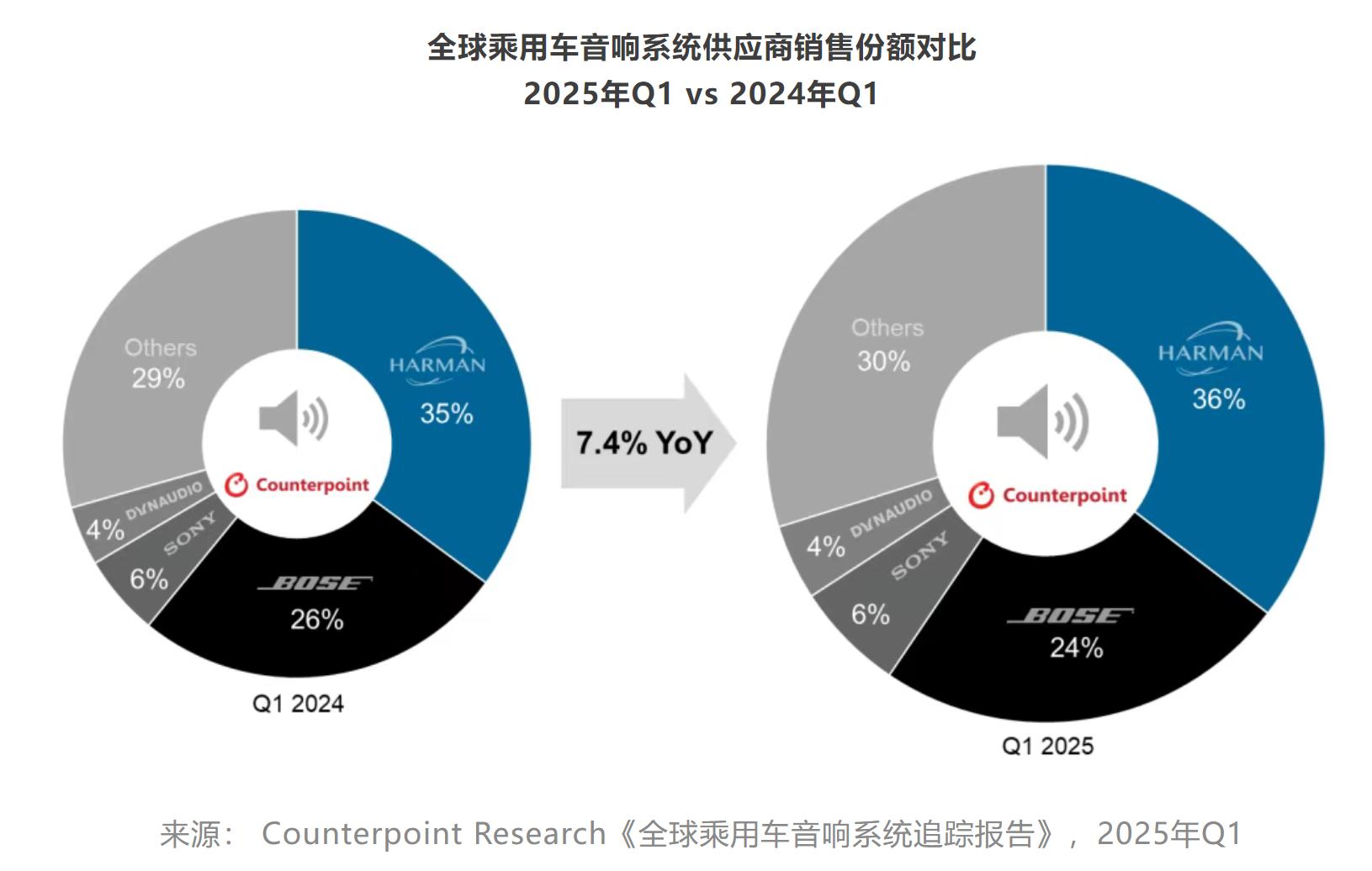
Counterpoint:全球乘用车音响系统市场由Harman和Bose主导 两家厂商合计贡献近60%的总销售额
Zhi Tong Cai Jing· 2025-08-14 01:29
Group 1 - The global passenger car audio system market is dominated by Harman and Bose, which together account for nearly 60% of total sales [1] - AAC Technologies is the only Chinese company among the top ten suppliers in the market [1] - Chinese automotive brands such as Sonavox, WANOS, Nobo Automotive, and ADS Audio are rapidly emerging as they expand their influence globally [1] Group 2 - Chinese automakers are actively increasing the number of speakers in high-end models, with brands like NIO, Zeekr, and BYD launching vehicles equipped with over 20 speakers [4] - Despite the high speaker count in premium models, Chinese manufacturers are also focusing on producing more cost-effective electric vehicles with fewer speakers, reducing the average maximum speaker count in the market [4] - The competition in the car audio system market is being reshaped by the increasing integration of software-defined audio features, allowing for personalized audio experiences through OTA updates [4] - Advanced audio systems are becoming a core differentiating factor in consumer purchasing decisions, particularly in China, where consumers are willing to pay a premium for top-tier sound experiences [4]

中创新航(3931.HK):利润率预期具进一步提高的空间
Ge Long Hui· 2025-08-12 18:57
Group 1: Company Performance - Zhongchuang Innovation (03931.HK) announced a profit increase of 70% to 90% for the first half of 2025, with net profit expected to reach between 710 million RMB and 790 million RMB, potentially exceeding the 75.4% growth seen in Q1 [1] - In Q1 2025, the total revenue of Zhongchuang Innovation grew approximately 42% to 6.9 billion RMB, with stable sales prices for power batteries despite market price declines [1] - The company achieved a power battery installation volume of 19.5 GWh in China for the first half of 2025, marking a year-on-year increase of 40.7% and a significant market share rise to 7.5% by June [1] Group 2: Industry Trends - China's power battery sales volume reached approximately 485.5 GWh in the first half of 2025, a year-on-year increase of 51.6%, with lithium iron phosphate and ternary battery sales at 354.8 GWh and 129.8 GWh respectively [2] - The demand for power batteries is primarily driven by the growth in new energy vehicle sales, which increased by 33.3% year-on-year to 5.468 million units in 2025 [2] - The penetration rate of new energy vehicles rose to 53.3% in June, with new force brands maintaining a retail share of around 20% [2] Group 3: Energy Storage Business - Zhongchuang Innovation's energy storage business is experiencing stable growth, with significant monthly shipment increases and a target of 45 GWh for annual shipments [3] - The growth of energy storage battery shipments is currently limited by production capacity, but improvements in capacity release and direct supply ratios are expected to sustain high growth rates [3] - The company anticipates further profit margin improvements due to increased shipment volumes and stable pricing, with larger new projects expected to enhance profit levels in 2026-2027 [3]
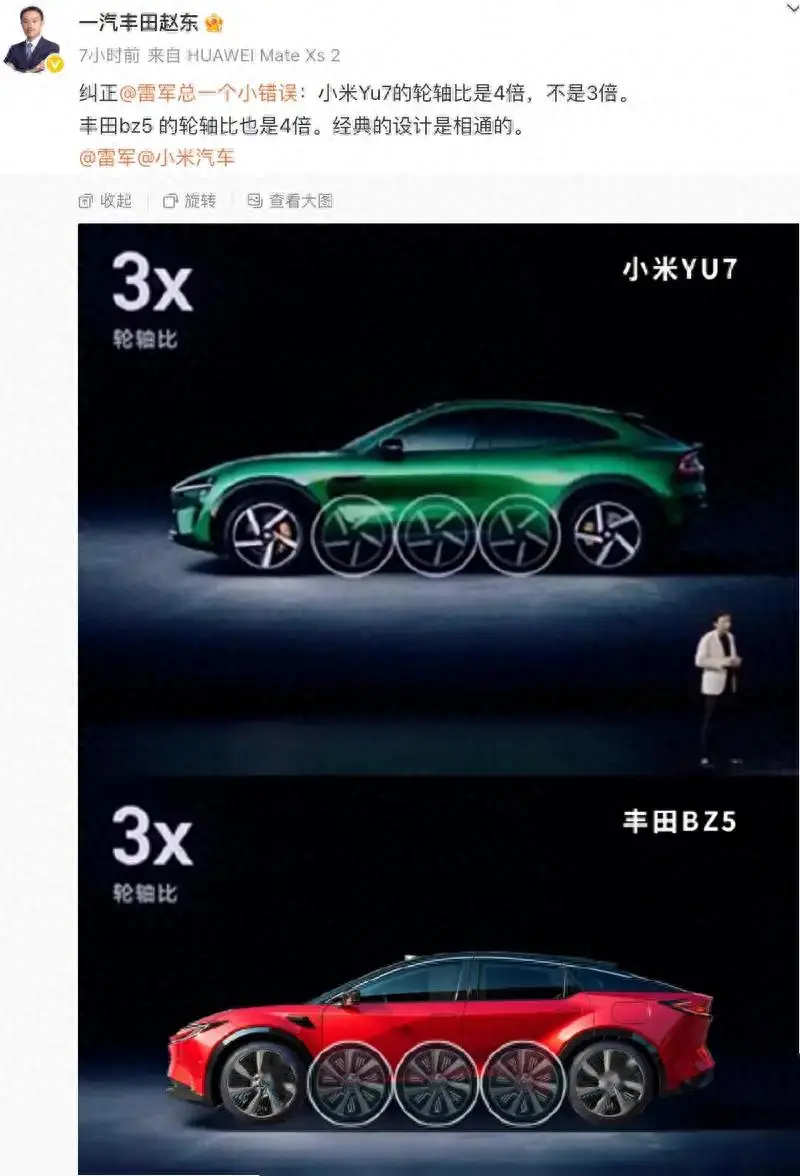
都市车界|“轮轴比”之争为哪般?汽车营销内卷几时休
Qi Lu Wan Bao· 2025-08-12 07:53
Core Viewpoint - The article highlights the intensifying competition in the Chinese electric vehicle (EV) market, focusing on the marketing tactics and technical claims made by various companies, particularly Xiaomi and traditional automakers like Toyota. It emphasizes the need for standardized definitions and testing methods for automotive parameters to prevent misleading information. Group 1: Market Dynamics - The Chinese EV market is entering a phase of fierce competition, with sales data from July indicating a rapid increase in brand concentration among leading manufacturers [4] - Xiaomi has successfully entered the top tier of the market with its SU7 and YU7 models, while Leap Motor has also seen significant growth, with July deliveries surpassing 50,000 units [5] - In contrast, Li Auto's July sales fell by 39.74% year-on-year, and NIO has accumulated losses exceeding 100 billion yuan, struggling to produce a popular model [6] Group 2: Marketing and Technical Claims - The dispute over the definition of "wheel axle ratio" between Xiaomi and Toyota reveals deeper issues in the marketing strategies of Chinese EVs, where parameters like acceleration time and range can be manipulated for better presentation [3][8] - The price war in the industry has led to significant price reductions, with new energy vehicle prices in Shenzhen dropping by 5-10% this year [10] - Companies like BYD are shifting focus from hardware development to algorithm optimization, enhancing their autonomous driving capabilities without the lengthy development cycles associated with chip production [14] Group 3: Policy and Industry Standards - The Ministry of Industry and Information Technology (MIIT) is taking steps to address "involution" in the industry, emphasizing the need for fair competition and the establishment of a mechanism for the exit of "zombie enterprises" [17] - The MIIT has identified five key technological areas for development, including battery materials and autonomous driving systems, indicating a strategic shift towards innovation [19] - Experts suggest that standardizing automotive parameters and definitions is crucial to prevent consumer confusion and misinformation in the rapidly evolving market [20]




“印度主导的这个市场,中国品牌领先了”
Guan Cha Zhe Wang· 2025-08-11 15:43
Core Insights - The electric vehicle (EV) market in Nepal is rapidly growing, with Chinese brands dominating the market, accounting for 79.86% of the 16,701 EVs sold in the country [1][5][8] - The share of electric vehicles in total four-wheeled vehicle imports in Nepal is projected to reach 73% in the fiscal year 2024-2025, making it one of the highest globally [1][5][8] - The competition between Chinese and Indian EV manufacturers is intensifying, as evidenced by the recent auto show in Kathmandu, which showcased various models and offered significant discounts [2][4] Industry Overview - The auto show in Kathmandu highlighted the fierce competition for market dominance in Nepal's EV sector, with Chinese brands clearly leading [2] - BYD has emerged as one of the best-selling EV brands in Nepal, with its Atto 1 model priced at 2.89 million NPR attracting considerable attention [4] - The introduction of high-end models like the Zeekr X, priced at 8.5 million NPR, indicates a growing market for luxury EVs in Nepal [5] Market Dynamics - The import of electric vehicles in Nepal has seen a dramatic increase from just 236 units in the fiscal year 2019-2020 to 16,701 units in the latest fiscal year, reflecting a growth of 23.33% [6][8] - The total value of imported electric vehicles reached 41.23 billion NPR, contributing to a significant portion of the overall vehicle import value of 50.88 billion NPR [5][6] - The shift in consumer preference towards electric vehicles has been influenced by the introduction of affordable models and improved infrastructure, as well as a growing awareness of environmental issues [8][9] Competitive Landscape - Indian manufacturers, once the dominant players, are facing challenges due to the rapid advancements and competitive pricing of Chinese EVs [7][8] - The presence of female entrepreneurs as a significant customer segment for brands like BYD indicates a shift in the demographic profile of EV buyers in Nepal [8] - The Nepalese government is actively seeking to reduce reliance on fossil fuels, which aligns with the increasing popularity of electric vehicles [9]
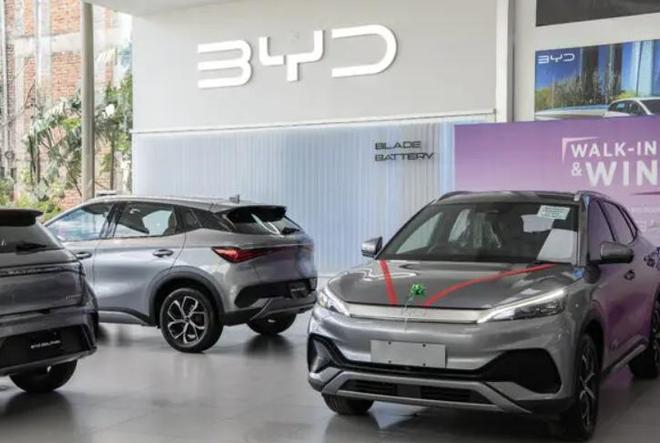
“中国品牌主导尼泊尔电动汽车市场,印度落后了”
Guan Cha Zhe Wang· 2025-08-11 15:38
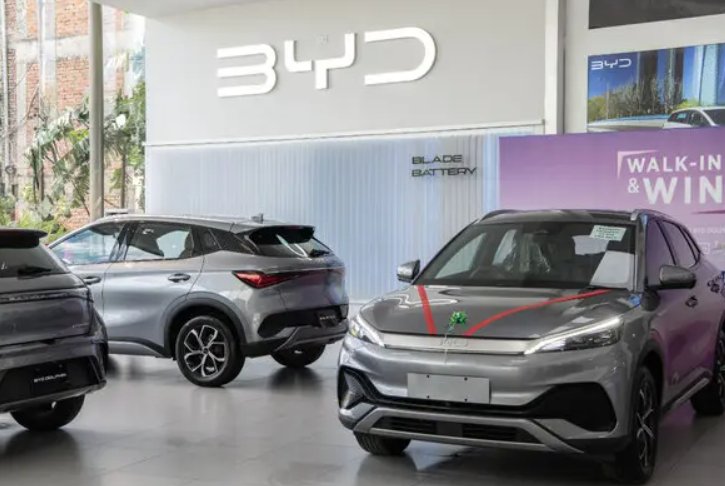
Core Insights - The electric vehicle (EV) market in Nepal is rapidly growing, with Chinese brands dominating the market share, accounting for approximately 79.86% of the total EV sales [1][5][8] - The proportion of electric vehicles among all imported four-wheeled passenger cars in Nepal is projected to reach 73% in the fiscal year 2024-2025, making it one of the highest globally [1][5][8] - The competition between Chinese and Indian electric vehicle manufacturers is intensifying, as evidenced by the recent auto show in Kathmandu, which showcased numerous attractive offers [2][5] Market Dynamics - In the previous fiscal year, Nepal imported 16,701 electric vehicles, with a total value of 41.23 billion Nepalese Rupees, reflecting a year-on-year growth of 23.33% in electric vehicle imports [5][6] - The overall import of four-wheeled vehicles in Nepal increased by 27.04%, indicating a strong demand for vehicles in general [5][6] - Five years ago, the market was significantly different, with only 236 electric vehicles imported in the fiscal year 2019-2020, valued at 674 million Nepalese Rupees [6][7] Brand Performance - BYD has emerged as one of the best-selling electric vehicle brands in Nepal, with its Atto 1 model priced at 2.89 million Nepalese Rupees attracting significant attention at the auto show [4][8] - The Zeekr X, a luxury electric vehicle from China, has also gained traction, with over 50 units sold in its first year in Nepal [5][8] - The Tata Nexon, an Indian electric vehicle, was previously popular among consumers, but the entry of Chinese brands has shifted market dynamics [6][8] Consumer Trends - There is a notable increase in female consumers in the electric vehicle market, with women accounting for approximately 40% of buyers for certain BYD models [8] - The growing acceptance of electric vehicles among Nepali consumers is attributed to improved infrastructure and increased competition, which has raised customer expectations [8][9] Government and Economic Context - The Nepali government is actively seeking to reduce reliance on imported fossil fuels and improve air quality, with electric vehicles playing a crucial role in this strategy [8][9] - The customs data indicates that nearly 70% of the electric vehicles imported into Nepal last year were from China, highlighting the significant influence of Chinese manufacturers in the market [8][9]
多家车企发布7月份销售数据,智能网联汽车ETF(159872)上涨近2%
Xin Lang Cai Jing· 2025-08-11 03:34
Group 1 - The China Securities Car Networking Theme Index (930725) has seen a strong increase of 1.64%, with significant gains in constituent stocks such as Wutong Technology (002331) up 10.06%, Aerospace Science and Technology (000901) up 10.03%, and Dongfeng Technology (600081) up 4.89% [1] - BYD continues to lead the market with July sales of 344,300 vehicles, showing a year-on-year growth of only 0.6%, but cumulative sales for the year are approaching 2.5 million units, indicating sustained scale effects [1] - SAIC Motor's vehicle sales reached 338,000 units in July, marking a year-on-year increase of 34.2%, achieving seven consecutive months of growth [1] - Geely Automobile Group reported July sales of 237,700 vehicles, a year-on-year increase of 58%, with sales exceeding 200,000 units for 11 consecutive months [1] - The new energy vehicle sector showed remarkable performance with monthly sales of 130,100 units, a year-on-year increase of 120%, and a penetration rate of 55% [1] - New entrants in the market, such as Leap Motor and Xpeng, have experienced significant growth driven by popular products [1] Group 2 - Everbright Securities highlights that the commercialization scale of domestic and international Robotaxi may reach a turning point, favoring autonomous driving companies with advantages in technology, ecosystem, and operations [2] - The industry is expected to shift from price-cutting strategies to technology upgrades and cost reductions, with attention on the implementation of anti-involution strategies at the local level [2] - The Smart Connected Vehicle ETF closely tracks the China Securities Car Networking Theme Index, which includes companies related to content and service providers, software providers, hardware providers, and automobile manufacturers to reflect the overall performance of car networking listed companies [2] - As of July 31, 2025, the top ten weighted stocks in the China Securities Car Networking Theme Index include SAIC Motor (600104), CATL (300750), Hongfa Technology (600885), Dahua Technology (002236), Desay SV (002920), iFlytek (002230), Huichuan Technology (300124), Huayu Automotive (600741), OFILM (002456), and BYD (002594), collectively accounting for 49.41% of the index [2]


中泰国际每日晨讯-20250811
ZHONGTAI INTERNATIONAL SECURITIES· 2025-08-11 02:26
Market Overview - The Hong Kong stock market rebounded last week, with the Hang Seng Index rising 1.4% to close at 24,858 points and the Hang Seng Tech Index increasing 1.2% to 5,460 points. The average daily trading volume decreased by 22.1% week-on-week to over 226.5 billion HKD, while net inflow from the Stock Connect was 21.7 billion HKD. All 12 major sectors in the Hong Kong stock market saw gains, with the materials sector surging 11.0% and the healthcare sector rising only 0.1%, the lowest performer [1]. Earnings Expectations - Current earnings expectations for Hong Kong stocks remain robust, with projected earnings growth rates of 2.7% and 8.5% for 2025 and 2026, respectively. The upstream resources sector benefits from anti-involution policies, coupled with stabilization in the Chinese bond market supporting earnings upgrades. However, short-term valuations have significantly recovered, with the Hang Seng Index's forecast PE returning to mid-range levels of 2018-2019, leading to a high-level consolidation phase in the market [1]. Sector Performance - The automotive sector saw a counter-trend increase last week, with new energy vehicle stocks like Li Auto and NIO rising 1%-3%. Dongfeng Motor surged 22.8% due to domestic anti-involution policies and potential state-owned enterprise restructuring news, outperforming its peers [3]. Industry Dynamics - The environmental, photovoltaic, wind power, natural gas, and electric equipment sectors have shown relative outperformance against the market, with average leads of 1.0%, 2.2%, 0.2%, 17.0%, and 2.2% percentage points, respectively, as of July 31. Conversely, the thermal power, nuclear power, and water supply sectors lagged behind by 0.6%, 6.1%, and 0.5% percentage points, respectively [4]. Power Generation Sector - The thermal power sector is expected to be impacted by rising coal prices, with July coal prices showing a narrowing year-on-year decline. The seasonal increase in coal demand has led to a month-on-month rise in prices, while coal inventories at major ports have decreased [5]. Electric Equipment Sector - The launch of the Yarlung Tsangpo River hydropower project, with a total investment of 1.2 trillion RMB and an expected capacity of 60-70 GW, is anticipated to significantly boost the national hydropower capacity. However, the long construction period may limit short-term profitability for related electric equipment manufacturers, who may face challenges in passing on rising costs to investors [6]. Photovoltaic Sector - As of July 30, the average price of polysilicon rose to 4.94 USD/kg, reflecting a year-on-year increase of 13.3% and a month-on-month increase of 17.1%. In contrast, the average price of photovoltaic modules decreased by 22.4% year-on-year, indicating that downstream demand needs to strengthen to confirm the price increases in polysilicon [7]. Stock Recommendations - Harbin Electric (1133 HK) is positioned to benefit from the Yarlung Tsangpo project, with a projected 95.0% year-on-year increase in net profit for the first half of 2025. Hong Kong and China Gas (1083 HK) expects moderate growth in natural gas sales, with a projected dividend yield of 4.8% for FY25. Cheung Kong Infrastructure (1038 HK) is stable in its operations across public utilities in the UK and Australia/New Zealand, also projecting a 4.8% dividend yield for FY25 [8]. Pharmaceutical Sector - The healthcare sector has shown strong performance, with the Hang Seng Healthcare Index rising 22.8% last month, outperforming the Hang Seng Index by nearly 20 percentage points. Policy support for innovative drug development and successful overseas collaborations for Chinese pharmaceutical companies have contributed to this growth [10]. Policy Developments - The government plans to establish a new directory for innovative drugs and support the use of medical insurance data for drug development, which is expected to enhance the sales of high-priced innovative drugs and accelerate research and development processes [11]. Drug Procurement Policy - The latest drug procurement policy is expected to trend towards moderation, allowing medical institutions to select brands for procurement, which may benefit high-quality products. The new rules aim to ensure that the lowest bids are reasonable and not below cost, thus maintaining the quality of procured drugs [12]. Key Individual Stocks - China Biologic Products (1177 HK) is projected to achieve double-digit growth in product sales revenue for 2025, bolstered by a significant milestone payment from Merck. Haijia Medical (6078 HK) is expected to benefit from the easing of government policies regarding medical insurance, which may improve its operating environment [13].
电力设备及新能源周报20250810:7月新势力销量公布,土耳其光伏电池进口价格上调-20250810
Minsheng Securities· 2025-08-10 07:27
Investment Rating - The report maintains a "Recommended" rating for key companies in the electric power equipment and new energy sectors, including CATL, Keda, and others [4][5]. Core Insights - The new energy vehicle market shows strong growth, with several new players achieving record sales in July 2025, particularly Leap Motor, which delivered 50,129 units, marking a significant increase [2][10]. - Turkey's photovoltaic battery import prices have been raised significantly, from USD 85/kg to USD 170/kg, indicating a 100% increase, which will impact the supply chain dynamics [3][32]. - The report highlights the ongoing digitalization efforts within the State Grid, with a total of 1.75 billion yuan awarded in contracts for digital equipment [4]. Summary by Sections New Energy Vehicles - In July 2025, several new energy vehicle manufacturers reported strong delivery numbers, with Leap Motor leading at 50,129 units, followed by Zeekr and Xpeng with 44,193 and 37,717 units respectively [2][10]. - BYD continues to dominate the market with 344,296 units delivered in July, totaling over 2.49 million units for the year [2][18]. New Energy Generation - Turkey's trade department announced a significant increase in the import reference price for photovoltaic batteries, which will take effect 60 days after the announcement, reflecting a major shift in the market [3][32]. - The report notes that despite Turkey's efforts to localize production, the current domestic battery capacity is insufficient, leading to continued reliance on Chinese imports [3][37]. Electric Power Equipment and Automation - The State Grid has publicly announced the results of its digital equipment bidding, with a total contract value of 1.75 billion yuan across various categories, including servers and network equipment [4][22]. - Key companies to watch in this sector include CATL, Keda, and others, which are expected to benefit from ongoing digitalization and infrastructure investments [4][22]. Market Performance - The electric power equipment and new energy sector saw a weekly increase of 1.94%, with the new energy vehicle index showing the highest growth at 4.71% [1][4]. - The report emphasizes the competitive landscape in the new energy vehicle market, with increasing delivery volumes indicating a robust demand [2][10].




卖车销售盆满钵满,卖车老板赔得退网?
创业邦· 2025-08-09 01:09
Core Viewpoint - The article highlights the contrasting experiences of individual car salespeople who can earn high incomes from selling popular new models, while traditional dealerships face significant financial challenges and a wave of closures due to declining profitability and market pressures [9][16][32]. Group 1: Sales Performance and Challenges - In late 2023, the launch of the AITO M9 saw salespeople achieving remarkable sales figures, with one salesperson selling 28 units in a month [6][8]. - Despite the potential for high earnings, the reality for many salespeople is marked by intense work pressure and high turnover rates, as many leave due to the demanding nature of the job [12][15]. - The sales environment is increasingly competitive, with new models from various brands entering the market, yet many salespeople report low sales during off-peak months [10][13]. Group 2: Dealership Financial Struggles - The China Automobile Dealers Association predicts that over 4,400 dealerships will close in 2024, with a loss rate among dealers reaching 41.7% [9][17]. - Price inversion affects 84.4% of dealerships, with over 60.4% experiencing a price drop exceeding 15% [17][18]. - Major dealership groups like Zhongsheng Holdings and Yongda Automotive are experiencing significant declines in new car sales and profitability, with some reporting net profit drops of over 80% [19][20]. Group 3: After-Sales Service as a Revenue Stream - After-sales services are becoming a crucial revenue source for traditional dealerships, with Zhongsheng Holdings reporting a 9.6% increase in after-sales revenue in 2024 [25][26]. - The focus on after-sales services is seen as a potential lifeline for dealerships struggling with new car sales [25][32]. Group 4: Industry Transformation and Future Outlook - The article discusses the need for dealerships to adapt to changing market conditions, emphasizing collaboration with manufacturers and a shift towards after-sales and user engagement strategies [32]. - The success of individual salespeople and mid-sized dealerships in the new energy vehicle market illustrates the potential for growth and adaptation within the industry [30][32]. - The ongoing transformation in the automotive industry highlights the importance of flexibility and innovation for both dealerships and sales personnel to thrive in a competitive landscape [32].