
华润啤酒

Search documents
元气森林不想再“依赖”气泡水
Guo Ji Jin Rong Bao· 2025-11-22 00:11
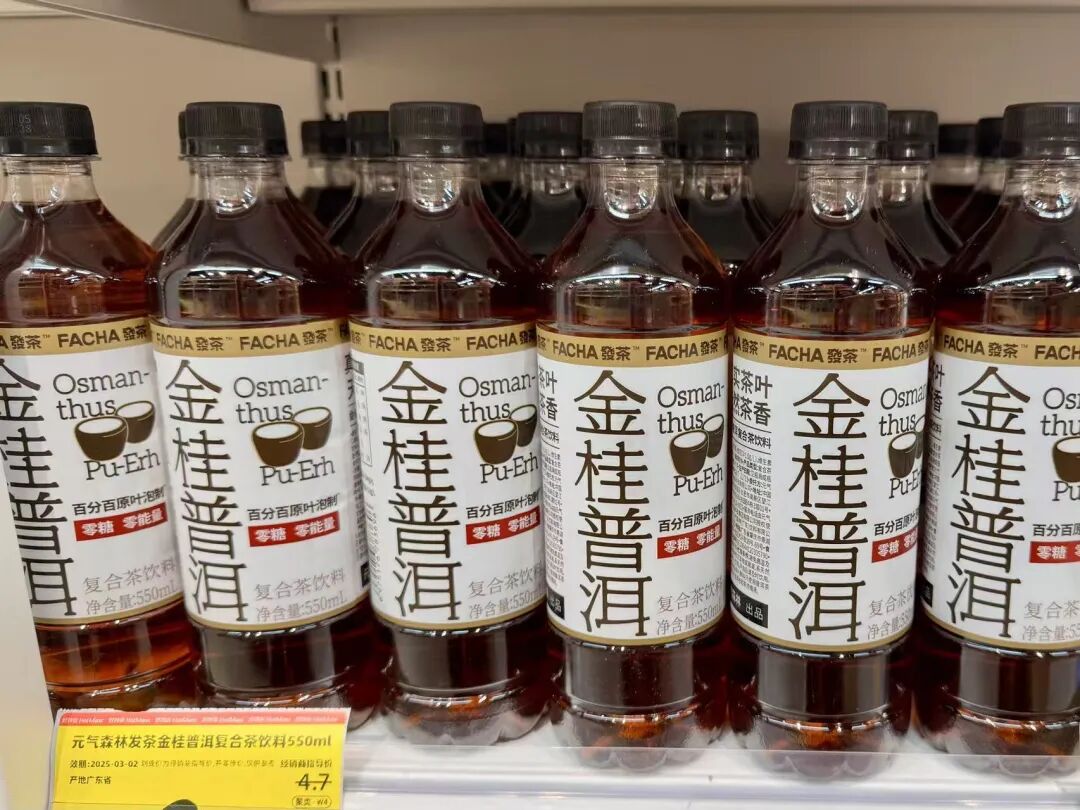
Core Insights - The founder of Yuanqi Forest, Tang Binsen, has shifted the company's focus from a strong reliance on sugar-free beverages to a broader product range, indicating a long-term vision for the brand's growth [1][3] Group 1: Company Strategy - Yuanqi Forest announced a strategic adjustment to spin off its dairy brand, Beihai Pasture, into an independent entity, allowing the company to concentrate on beverage product development [3] - The company aims to reduce its dependency on its flagship product, sparkling water, by diversifying its product portfolio, which now includes electrolyte water, tea beverages, and traditional Chinese health drinks [3][6] Group 2: Financial Performance - Yuanqi Forest reported a 26% year-on-year growth in overall performance, maintaining double-digit growth for three consecutive years [3] - The company achieved a revenue scale of approximately 11.7 billion yuan in the previous year, with projections indicating revenues exceeding 14 billion yuan this year, positioning it among the top ten in China's beverage industry [3] Group 3: Market Positioning - The company has shifted its market positioning from a premium brand to a more value-oriented approach, as evidenced by the pricing strategy for its second-largest product, iced tea, which is competitively priced at 5-6 yuan for 900ml [4] - Yuanqi Forest's product mix is now more diverse and stable, featuring sugar-free and low-sugar options, which enhances its market prospects [3] Group 4: Operational Insights - The company has adopted a more cautious and disciplined approach in recent years, focusing on solidifying its foundational operations and stabilizing relationships with distributors [6] - Tang Binsen emphasized the importance of respecting market dynamics and maintaining operational efficiency without unnecessary disruptions [6]

新进展!央企整合重点项目集中签约
证券时报· 2025-11-21 14:00
Core Insights - The article discusses the recent meeting organized by the State-owned Assets Supervision and Administration Commission (SASAC) to promote the specialized integration of central enterprises, highlighting the signing of key projects in various strategic sectors [2][4]. Group 1: Meeting Overview - The meeting on November 21 focused on summarizing the progress of specialized integration efforts among central enterprises and included a signing ceremony for key projects [2]. - A total of 17 units participated in the concentrated signing of key projects, which primarily involve critical fields such as new materials, artificial intelligence, cruise operation, inspection and testing, and aviation logistics [7][6]. Group 2: Strategic Directions - SASAC emphasized five key principles for advancing the specialized integration of central enterprises: proactive planning, resource optimization, capability enhancement, integration for competitive advantage, and collaborative efforts [4][3]. - The meeting underscored the importance of aligning with national strategies, promoting technological innovation, and enhancing the core competitiveness of enterprises through systematic and innovative approaches [4]. Group 3: Participating Entities - The signing involved a diverse range of participants, including local governments, central enterprises, private companies, and technology innovation clusters, showcasing a broad collaboration across different sectors [6][9]. - Notable participants included major companies such as China National Petroleum Corporation, China First Automobile Works, and DJI Innovation, indicating a strong representation from both state-owned and private sectors [6][8].
央企专业化整合再推进,17家单位8组合作项目签约
Mei Ri Jing Ji Xin Wen· 2025-11-21 10:55
Core Points - The State-owned Assets Supervision and Administration Commission (SASAC) held a meeting to promote the specialized integration of central enterprises, emphasizing the importance of optimizing the layout and structural adjustment of the state-owned economy as per the directives from Xi Jinping [1][2] - Central enterprises have been actively engaged in specialized integration, focusing on national strategies, technological innovation, and high-quality development, leading to improved resource allocation efficiency and enhanced core competitiveness [1] - A total of 17 units from 8 groups signed key project agreements in critical areas such as new materials, artificial intelligence, cruise operations, inspection and testing, and air logistics [2] Group 1 - The meeting highlighted the need for central enterprises to proactively plan and strengthen strategic leadership while preventing internal competition and optimizing industry resource allocation [1] - Emphasis was placed on enhancing capabilities for new integration and creating integrated competitive advantages through collaboration [1] - The meeting included exchanges from major central enterprises such as Aviation Industry Corporation, Sinopec, FAW Group, China Minmetals, China Resources Group, and China National Building Material [2]
平安证券(香港)港股晨报-20251121
Ping An Securities Hongkong· 2025-11-21 03:18
Market Overview - The Hong Kong stock market experienced fluctuations, with the Hang Seng Index closing at 23,831 points, down 145 points or 0.61% [1] - The market turnover decreased to 82.799 billion, with net inflows of 484 million from the Hong Kong Stock Connect [1] - The US stock market opened high but closed lower, with the Dow Jones down 0.84%, S&P 500 down 1.56%, and Nasdaq down 2.15% [2] Investment Opportunities - The report emphasizes the importance of selecting undervalued sectors and companies in the current market environment, particularly in the context of the Hong Kong stock market [3] - Key sectors to focus on include artificial intelligence, semiconductors, and industrial software, which are seen as new productivity drivers [3] - The report suggests that state-owned enterprises with lower valuations and higher dividends are also attractive investment options [3] Company Highlights - Baidu Group is highlighted for its AI strategy and recent stock performance, with a 2.4% increase despite market fluctuations [3][10] - The company reported a revenue of 32.713 billion yuan for Q2 2025, a year-on-year decrease of 3.59%, but a quarter-on-quarter increase of 0.80% [10] - Baidu's core revenue was 26.251 billion yuan, with a non-GAAP net profit of 4.792 billion yuan, reflecting a year-on-year decline of 34% [10] Sector Analysis - The report indicates that the real estate sector is stabilizing, with recent government measures aimed at promoting healthy market development [9] - The construction sector is expected to benefit from the Belt and Road Initiative, with recommendations to focus on leading state-owned enterprises like China Railway and China State Construction [9] - The report also notes the potential for growth in the upstream non-ferrous metals sector, benefiting from expectations of interest rate cuts by the Federal Reserve [3]
产品、营销玩法频出 跨界混搭能成黄酒出圈正解吗
Bei Jing Shang Bao· 2025-11-20 13:45
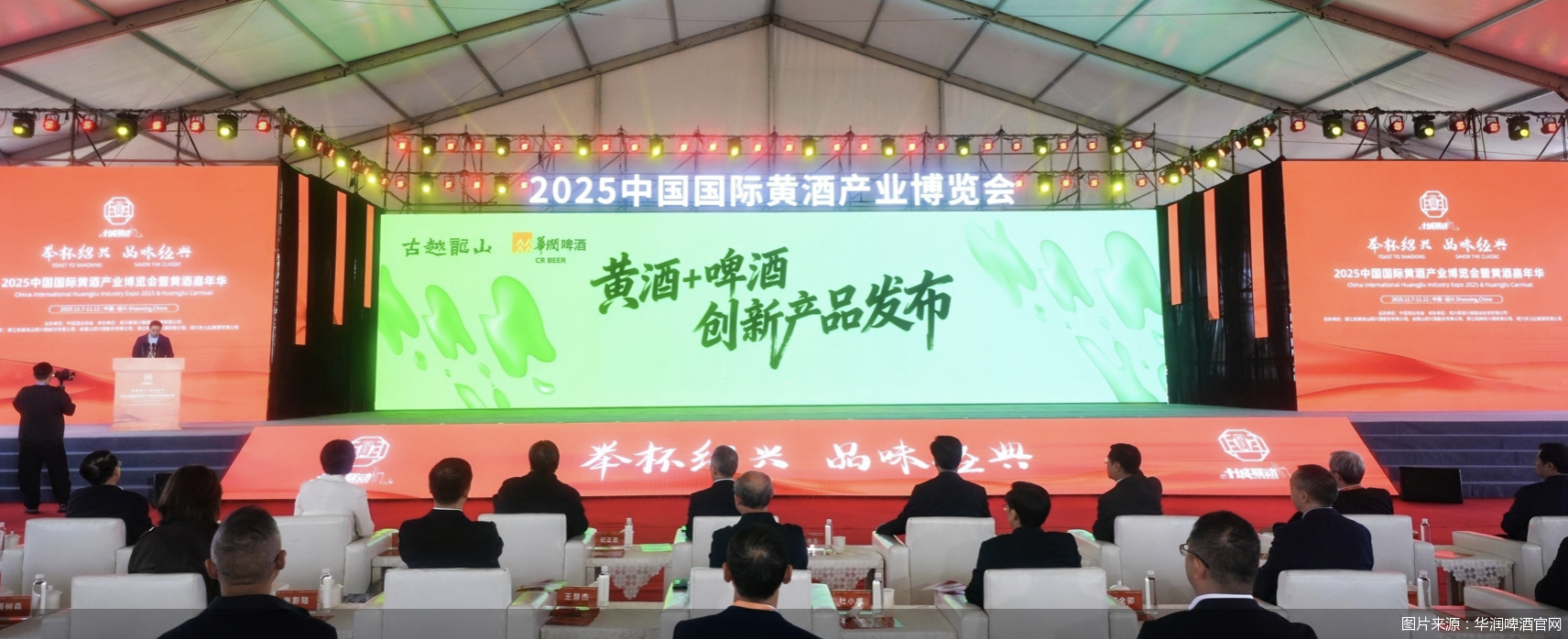
Core Insights - The traditional yellow wine industry is at a transformative crossroads, with leading brands exploring cross-industry collaborations to expand their consumer market [1][3] - The industry faces multiple challenges, including limited consumption regions and scenarios, prompting companies to seek new growth opportunities through innovative partnerships [1][6] Group 1: Industry Trends - Major yellow wine brands like Guyue Longshan and Kuaijishan are actively engaging in cross-industry collaborations, such as the launch of "Yue Xiao Pi" in partnership with China Resources Beer [3][4] - Guyue Longshan has introduced various innovative products, including coffee-infused yellow wine and a whiskey variant, indicating a shift towards younger consumer preferences [4][10] - The yellow wine market is experiencing a trend towards diversification, with brands exploring new consumption scenarios beyond traditional settings [4][9] Group 2: Market Dynamics - The yellow wine market is highly concentrated, with the Jiangsu, Zhejiang, and Shanghai regions accounting for over 70% of sales, leading to intense competition [6][7] - Financial reports reveal that Guyue Longshan and Kuaijishan derive a significant portion of their revenue from these regions, highlighting the geographical limitations of the market [6][7] - Despite the challenges, the yellow wine industry is projected to grow, with sales expected to exceed 300 billion yuan by 2025, driven by a shift in consumer preferences towards lower-alcohol beverages [9][10] Group 3: Consumer Engagement - Marketing experts suggest that yellow wine brands should enhance their appeal to younger consumers through innovative marketing strategies, including social media and influencer collaborations [5][11] - The emergence of "slow bars" and other experiential venues is seen as a way to engage consumers and gather valuable data on preferences and behaviors [10][11] - The industry must address the perception issues surrounding yellow wine, which has been labeled as "cooking wine," to improve brand recognition and value [7][8]


茅台崩三成,国产红酒量跌八成,国人为什么不爱喝酒了?
Sou Hu Cai Jing· 2025-11-20 12:32
不止是白酒,红酒市场也受到了不小的冲击。 2025年,我国白酒行业经历了前所未有的价格震荡。曾经被视为"液体黄金"的飞天茅台散瓶批发价已经跌至1640元左右,和今年年初相比,暴跌超过30%, 部分电商平台甚至还出现了补贴后1499元的低价。 茅台的价格崩塌不仅改写了茅台的价格记录,更折射出整个白酒行业的深层调整。 价格反映了需求,茅台价格下滑的背后,看起来好像是国人更不爱酒了,但背后的原因还不仅仅是不爱喝酒这么简单。 从上市公司财报来看,我国白酒行业呈现明显的分化趋势。其中贵州茅台今年前三季度实现营业总收入1309亿元,同比增长6.32%,归母净利润646亿元, 也同比增长6.25%。 看起来,茅台营收利润都在上涨,但对整个行业来说,茅台只是一个个例。 另一家白酒巨头五粮液的日子就没那么好过。今年前三季度,五粮液同期营业收入同比下降10.26%,归母净利润下降13.72%。 而那些区域酒企处境就更艰难,口子窖今年前三季度营业收入同比下降27.24%,净利润更是下降43.39%,几乎是腰斩。 白酒企业营收下滑,利润下滑,已经成了一个大趋势,数据反映的直接结果就是,白酒的确是卖不动了,但白酒需求降低的背后,原因是 ...

华润体系再赋能白酒业务:万象生活来帮忙卖酒了
2 1 Shi Ji Jing Ji Bao Dao· 2025-11-20 07:52
Core Insights - China Resources Beer has initiated a strategic partnership with China Resources Vientiane Life to expand its sales of liquor products, particularly focusing on the residential, office, shopping center, and industrial park sectors [1][4] Group 1: Partnership Details - The partnership aims to leverage the extensive customer base of China Resources Vientiane Life, which serves over 2 million households and 200 office buildings nationwide, providing a significant market for China Resources' liquor products [3] - The collaboration will focus on two main areas: developing customized liquor products and enhancing marketing efforts through integrated online and offline resources [4] Group 2: Market Context - The liquor industry is facing pressure for deeper adjustments in demand, prompting companies to explore new sales channels for growth [4] - Other liquor companies, such as Guotai Liquor, have also partnered with property management firms to enhance customer reach and create additional revenue streams [5] Group 3: Strategic Timing - The decision to leverage property management customer resources for liquor sales comes after a period of internal restructuring within China Resources, aligning the interests of its various business units [6] - Previously, China Resources' liquor products primarily relied on traditional distribution channels, but the new strategy aims to directly engage high-end customer segments [6]

天风证券:建议关注白酒板块修复机会 看好三大主线
Mei Ri Jing Ji Xin Wen· 2025-11-20 00:56
Core Viewpoint - The white liquor industry is experiencing a "volume increase and price drop" phenomenon during the 2025 Double Eleven period, with traditional e-commerce platforms seeing prices for famous liquors fall below critical levels due to inventory pressure and promotional subsidies [1][4] Summary by Category White Liquor Sector - The white liquor sector has shown a price decline, with notable brands like Feitian Moutai dropping below 1700 yuan due to inventory pressures from distributors and platform subsidies [1][4] - Emerging channels such as instant retail and Douyin are experiencing growth, indicating a shift in consumer behavior towards "immediate purchase and consumption" [1][4] - Liquor companies are launching anti-counterfeiting measures by publishing authorized "white lists" and unauthorized "black lists" to stabilize prices and balance online and offline channel interests [1][4] - The industry is advised to shift from price wars to value reconstruction, focusing on high-quality price-performance products and refined channel operations [1][4] - Current leading liquor companies offer attractive dividend returns, and there is an expectation for gradual recovery in mass consumption, suggesting potential investment opportunities in the sector [1][4][6] Beer Sector - The beer sector has seen a rise of 3.95%, with Yanjing Beer leading the gains at 8.1% [4] - Chongqing Beer announced a cash dividend of 1.30 yuan per share, totaling approximately 629 million yuan, which represents 72.74% of its net profit for the first half of 2025 [4] - The beer market is expected to benefit from upcoming consumer promotion policies and marginal policy changes, which may drive sales and upgrade speed [4][6] Market Performance - The food and beverage sector overall increased by 2.82%, outperforming the Shanghai Composite Index, which fell by 0.18% [3] - Various sub-sectors within food and beverage, such as pre-processed foods and baked goods, showed significant gains, indicating a positive market trend [3][5]


5万亿后可能还有10万亿,南向资金点燃港股慢牛引擎
第一财经· 2025-11-19 14:35
Core Viewpoint - The article highlights the significant inflow of southbound capital into the Hong Kong stock market, driven by the increasing presence of high-quality Chinese companies and the attractiveness of valuations, which is expected to support a long-term "slow bull" market trend in Hong Kong stocks [3][10][16]. Group 1: Southbound Capital Inflow - As of November 10, southbound capital's cumulative net purchase of Hong Kong stocks exceeded 5 trillion HKD, continuing to grow [3]. - By November 19, southbound capital net inflow through the Stock Connect reached 65.91 million HKD, bringing the total net purchase for the year to over 1.34 trillion HKD, a 66% increase compared to the total inflow of 807.8 billion HKD in 2024 [5][6]. - The proportion of southbound capital in the total trading volume of the Hong Kong market has steadily increased from 15.6% at the beginning of 2024 to 23.6% in the third quarter of 2025 [6]. Group 2: Investment Trends and Sector Focus - The composition of southbound capital has shifted significantly, with technology and dividend-paying stocks becoming the primary focus, moving away from the banking sector, which previously dominated [7][8]. - The top ten holdings of southbound capital are now split between technology and high-dividend stocks, with Tencent Holdings and Alibaba being major players [8]. - Insurance funds and public funds are the main contributors to southbound capital, with insurance holdings surpassing 1 trillion RMB by the end of the third quarter [9]. Group 3: Future Growth Potential - Analysts predict that the southbound capital inflow could increase by 1.4 trillion RMB (approximately 1.54 trillion HKD) by the end of next year, with a potential growth of 10 trillion RMB (about 11 trillion HKD) over the next five years [11][13]. - The continuous inflow of long-term capital is expected to enhance market liquidity and optimize the capital market structure, supporting a sustainable "slow bull" market [13][14]. Group 4: Quality of Listed Companies - The article notes that more high-quality Chinese companies are choosing to list in Hong Kong, which enhances the market's attractiveness to both domestic and foreign investors [15][17]. - As of November 19, 2025, 88 companies have gone public in Hong Kong, raising a total of 250.5 billion HKD, a 172.44% increase from the previous year [17]. - The increasing number of globally competitive companies listed in Hong Kong is expected to attract more capital inflow, creating a positive feedback loop [18].



东方财富证券:食品饮料加速出清 板块投资价值有望提升
智通财经网· 2025-11-19 08:11
Core Viewpoint - The report from Dongfang Caifu Securities indicates that the supply-demand mismatch in 2024 will lead to deteriorating industry operations, but as companies gradually lower growth targets to adapt to demand in 2025, this will alleviate supply-demand conflicts and enhance investment value in the sector. The expectation is for positive growth in financial statements by the second or third quarter of next year [1]. Group 1: Industry Overview - In Q1-Q3 2025, under weak demand, industry revenue showed slight growth while profits were under pressure, with the food and beverage sector experiencing a revenue decline of -4.9% and a net profit drop of -14.6% in Q3 2025 [1]. - Traditional consumption is hindered by slow recovery in consumption scenarios, with the liquor sector, particularly baijiu, facing accelerated clearance and weak performance in beer demand [1]. - Sectors like snacks and beverages that have opportunities for new product launches and channel expansion continue to show positive momentum, with products like konjac experiencing rapid growth since 2024 [1]. Group 2: Category Analysis and Outlook - **Baijiu**: The industry is accelerating clearance with clearer turning points. In Q3 2025, overall revenue and net profit declined by -18.4% and -22.2% respectively, but demand is expected to improve, stabilizing prices and leading to better financial performance by Q2 2026 [2]. - **Low-Alcohol Beverages and Beer**: Beer revenue and net profit grew by +2.0% and +11.8% respectively in Q3 2025, with cost advantages continuing. Demand recovery is anticipated in 2026, influenced by changes in retail channels [3]. - **Dairy Products**: The raw milk sector is gradually bottoming out, with demand expected to stabilize and prices recover. The low-temperature fresh milk segment is projected to grow, replacing some ambient milk [4]. - **Snacks**: Categories like konjac and oats are expected to maintain high growth, with a shift towards emerging channels and significant growth in instant retail [4]. Group 3: Investment Recommendations - **Baijiu**: Focus on companies that are clearing inventory early and have strong brand momentum, such as Gujing Gongjiu and Luzhou Laojiao, as well as those with strong product matrices and channel capabilities like Moutai and Wuliangye [5]. - **Low-Alcohol Beverages**: Highlighting head companies like Kweichow Moutai and Qingdao Beer, which are expected to benefit from demand recovery [5]. - **Dairy and Snacks**: Emphasizing the potential for recovery in the raw milk sector and recommending companies like Yili and Mengniu, as well as snack companies that can leverage product and channel adjustments [6].
