
蜜雪冰城

Search documents
“中国技术如今是世界上最好的”
Xin Lang Cai Jing· 2025-11-08 07:26
Core Insights - The partnership between China and Brazil is strengthening, with Chinese consumer brands actively entering the Brazilian market, which is the largest economy in South America [1][2] - Brazilian consumers, particularly the youth, view Chinese brands positively, perceiving them as more innovative than American brands [2][4] Group 1: Chinese Brands Expanding in Brazil - Chinese companies such as Mixue Ice Cream, Meituan's Keeta, Didi, and BYD are increasing their investments and business presence in Brazil [1][2] - Mixue Ice Cream plans to invest 3.2 billion reais (approximately 4.27 billion yuan) in Brazil by 2030 and aims to hire about 25,000 employees [1] - Meituan's Keeta has launched services in São Paulo and plans to invest 5.6 billion reais (approximately 7.47 billion yuan) over the next five years [1][2] Group 2: Market Potential and Consumer Sentiment - Brazil's population exceeds 200 million, with a rapidly growing middle class and a young consumer base, making it an attractive market for Chinese brands [2][4] - A survey indicated that over 60% of Brazilian respondents prefer Chinese smartphones or personal computers, while only about 30% favor American products [2] - Approximately 70% of young Brazilians believe that China is more innovative than the U.S. [2] Group 3: Investment Trends and Economic Relations - The investment from China to Brazil is on the rise, with a projected total investment of 4.18 billion USD in 2024, marking a 113% year-on-year increase, the highest since 2007 [4] - The deepening political relationship between China and Brazil is creating a stable environment for investment [2][4] - Brazilian President Lula highlighted the importance of Chinese investments, particularly in the electric vehicle sector, during the opening of BYD's factory in Brazil [4][5] Group 4: Competitive Landscape and Local Concerns - Brazilian consumers increasingly recognize that Chinese companies can offer high-performance products at affordable prices, attracting more Chinese brands to the market [4][5] - Local businesses express concerns about increased competition from Chinese brands, especially with the entry of cross-border e-commerce platforms like Temu and Shein [4] - The success of Chinese brands in Brazil is attributed to their innovation and modern design, which have changed consumer perceptions [5]


中国品牌进军巴西,“中国技术如今是世界上最好的”
Guan Cha Zhe Wang· 2025-11-08 01:19
Core Insights - The partnership between China and Brazil is strengthening, with Chinese consumer brands actively entering the Brazilian market, which is the largest economy in South America [1][2] - Brazilian consumers, particularly the youth, view Chinese brands as more innovative than American ones, leading to a positive perception of Chinese products [3][4] Group 1: Company Expansion - Chinese companies such as Mixue Ice Cream, Meituan's Keeta, Didi, and BYD are expanding their investments and business operations in Brazil [1][2] - Mixue Ice Cream plans to invest 3.2 billion reais (approximately 4.27 billion yuan) in Brazil by 2030 and aims to hire about 25,000 employees [1] - Meituan's Keeta has launched services in São Paulo and plans to invest 5.6 billion reais (approximately 7.47 billion yuan) over the next five years [1][2] - Didi is doubling its investment plan to 2 billion reais (approximately 2.67 billion yuan) for its food delivery business in Brazil [2] Group 2: Market Potential - Brazil's population exceeds 200 million, with a rapidly growing middle class and a consumer-friendly young demographic, making it an attractive market for Chinese brands [2] - The Brazilian market is also characterized by advancements in fintech and digital technology, providing a solid foundation for business growth [2] Group 3: Consumer Perception - A survey indicated that over 60% of Brazilian respondents prefer Chinese brands for smartphones and personal computers, while only about 30% favor American products [3] - Approximately 70% of young Brazilians believe that China is more innovative than the U.S., reflecting a significant shift in consumer sentiment [3][4] Group 4: Investment Trends - The China-Brazil Economic Cooperation Committee reported that confirmed Chinese investments in Brazil for 2024 are projected to reach 4.18 billion USD, a 113% increase, marking the highest growth rate since 2007 [6] - The Brazilian government is supportive of Chinese investments, as evidenced by President Lula's remarks on the importance of industrialization and sustainability [6][7] Group 5: Automotive Sector - Brazil has become the largest importer of Chinese-manufactured cars, with brands like BYD, Great Wall Motors, Chery, and Changan rapidly expanding in the market [7] - The success of Chinese automotive brands in Brazil is attributed to their innovative capabilities and modern designs, which have changed consumer perceptions [7] - The choice of Chinese electric vehicles for official transportation during the COP30 conference highlights the growing recognition of Chinese green technology in Brazil [8]
非遗“主理人”亮相进博会
He Nan Ri Bao· 2025-11-06 23:26
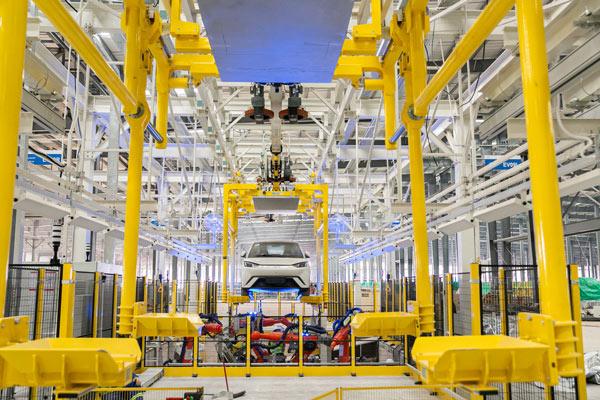
Core Insights - The Henan Province cultural exchange exhibition at the 8th China International Import Expo emphasizes the theme of "Inheriting Tradition and Innovating Development, Cooperating and Sharing the Future" to promote traditional crafts and cultural heritage [1][2] - The exhibition features 29 representative enterprises from Henan, including 13 national-level time-honored brands and intangible cultural heritage enterprises, showcasing the province's culinary, artistic, and medicinal offerings [1] Group 1 - The exhibition includes live demonstrations of traditional crafts such as brush making, Ruzhou porcelain carving, and Bian embroidery, allowing visitors to engage with Henan's intangible cultural heritage [1] - The manager of Wang Dachang Tea House highlighted the successful introduction of Henan's jasmine tea into local tea houses in Shanghai, indicating a growing appreciation for regional products [1] - Liu Guanghui, the 67th generation inheritor of the Liu brush-making family, expressed hopes that the expo would help traditional Chinese culture reach international markets [1] Group 2 - The presence of the popular tea brand Mixue Ice City in the Henan exhibition area attracted significant attention from young visitors, showcasing the creativity of Henan enterprises [2] - The expo serves as both a procurement platform and a window for Henan to understand global trends, facilitating networking and cooperation among businesses [2] - The provincial commerce department noted that participation in the expo would enhance Henan's integration into the national market and contribute to high-quality economic development [2]
在中原大地,感受强劲发展脉动
Ren Min Ri Bao Hai Wai Ban· 2025-11-06 22:11
Group 1: Cultural and Historical Insights - The visit to Henan by media representatives highlighted the province's transformation from an agricultural image to a modern, innovative landscape, showcasing its rich cultural heritage and economic development [1] - The significance of Ru porcelain, originating from Ruzhou, was emphasized, noting its historical importance as a royal porcelain during the Song Dynasty and its unique artistic value [1][2] Group 2: Technological Advancements in Traditional Industries - The introduction of smart farming techniques in the pig farming industry was showcased, with the use of intelligent feeding systems and air filtration, transforming traditional practices into high-tech operations [4] - The Nanyang Muyuan Meat Industry Complex was highlighted for its innovative building design and integration of over 84,000 smart devices, enhancing efficiency and biosecurity in pig farming [4][5] Group 3: Outdoor Leisure Products Industry - The outdoor leisure products industry in Pingyu was noted for its rapid growth, with 304 production and supporting enterprises, establishing itself as a major hub for outdoor products in Central and Western China [5] - The variety of products, including foldable chairs and tents, was praised for their innovative designs and global market reach, exporting to over 60 countries [5] Group 4: Retail and Employee Welfare - The retail company Pang Dong Lai, based in Xuchang, was recognized for its unique employee welfare initiatives, creating a positive work environment that enhances customer satisfaction [6] - The company's growth from a small shop to a popular retail chain was highlighted, attracting national attention and emulation from other businesses [6]
“无脚鸟”鸣鸣很忙,还能飞多久? | 巴伦精选
Tai Mei Ti A P P· 2025-11-06 13:00
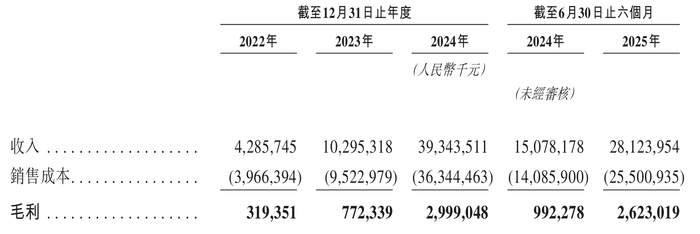
Core Insights - The article discusses the rapid expansion and profitability of the snack retail company "Ming Ming Hen Mang" in the context of the Chinese snack food market, which is projected to grow from 3.7 trillion yuan in 2024 to 4.9 trillion yuan by 2029 [1][2]. Group 1: Company Overview - Ming Ming Hen Mang has significantly increased its franchise store count from 1,898 in 2022 to 16,759 by mid-2025, representing an over 8-fold increase in just two and a half years [2]. - The company has a diverse product offering with 3,605 SKUs as of June 30, 2025, and aims to maintain at least 1,800 SKUs per store, benefiting from extensive consumer data analysis [2][15]. Group 2: Financial Performance - The company's GMV reached 55.5 billion yuan in 2024, with a substantial increase to 41.1 billion yuan in the first half of 2025, marking an 86.9% year-on-year growth [6]. - Revenue figures show a consistent upward trend, with revenues of 4.29 billion yuan in 2022, 10.30 billion yuan in 2023, and 39.34 billion yuan in 2024, alongside adjusted net profits rising from 0.81 billion yuan in 2022 to 9.13 billion yuan in 2024 [7][8]. Group 3: Market Strategy - The company focuses on "extreme cost performance" and targets third- and fourth-tier cities for expansion, which allows for rapid replication of its store model [3]. - Ming Ming Hen Mang's pricing strategy is based on low margins and high sales volume, with average prices approximately 25% lower than similar products in offline supermarkets [17]. Group 4: Operational Efficiency - The company has developed a robust digital management system that supports store operations, product selection, and supply chain logistics, enhancing overall efficiency [18]. - As of 2024, the company had over 16 billion consumer visits and a membership base of 120 million, with a 75% annual repurchase rate, indicating strong customer loyalty [18]. Group 5: Competitive Landscape - The competitive environment is intensifying, with new entrants like Wancheng Group rapidly expanding their store counts, which could lead to price wars and reduced profitability for existing players [4][19]. - The merger with Zhao Yiming Snacks aims to strengthen market position but raises concerns about brand integration and operational efficiency in the long run [20][21].
需求收缩,乳业价格战加剧?丨消费参考
2 1 Shi Ji Jing Ji Bao Dao· 2025-11-06 09:57
Group 1: Dairy Industry Overview - The dairy market has experienced a significant decline in demand, with overall sales down 16.8% year-on-year in September, and offline sales down 21.3% [1] - Major dairy companies reported revenue declines in Q3, with Yili's revenue down 1.70% to 28.631 billion yuan, Bright Dairy's liquid milk revenue down 8.44% to 3.54 billion yuan, and San Yuan Dairy's liquid milk revenue down 4.42% to 2.917 billion yuan [1] - A price war is ongoing in the dairy industry, with significant price reductions observed in various milk products [1] Group 2: Yili's Strategy and Market Position - Yili has adopted a light inventory management strategy to maintain channel health and mitigate risks for distributors, leading to cautious stocking behavior among distributors [2] - Yili aims to avoid exacerbating the price war while focusing on product innovation and marketing strategies to meet consumer demand [2] Group 3: Market Conditions and Future Outlook - The macroeconomic environment remains weak, contributing to intense price competition in the dairy sector due to ample raw milk supply [1][2]

深度|星巴克“易主”博裕:2万门店野心下,星巴克能真正下沉吗?
Xin Lang Cai Jing· 2025-11-06 04:49
Core Insights - Starbucks has entered a strategic partnership with Boyu Capital, marking a significant shift in its operational strategy in China, where it will now share control of its retail business for the first time in 26 years [1] - The partnership allows Boyu Capital to hold up to 60% of the joint venture, while Starbucks retains 40%, reflecting the intense competition and strategic challenges faced by international coffee giants in the Chinese market [1] Industry Dynamics - The competitive landscape of the Chinese coffee market has dramatically changed, with Luckin Coffee surpassing Starbucks in both store count and revenue, establishing itself as the new market leader [1] - Other local brands, such as Kudidi Coffee, have also emerged rapidly, with Kudidi opening over 14,000 stores since its establishment in 2022, further intensifying the competition for Starbucks [1] Strategic Implications - Analysts suggest that Starbucks' collaboration with Boyu Capital is driven by the latter's expertise in retail investment and integration, particularly its experience in operating in lower-tier markets through investments like that in Mixue Ice City [2] - The partnership is expected to bolster Starbucks' presence in lower-tier markets, enhancing its high-end coffee positioning and potentially leading to a more localized strategy that could influence the overall landscape of high-end coffee brands in China [2]

以“智”赋能 向新而行——中拉经贸合作跑出“加速度”
Xin Hua Wang· 2025-11-06 00:17
Core Insights - The 18th China-Latin America Entrepreneurs Summit was held in Zhengzhou, focusing on enhancing economic cooperation between China and Latin America, with significant participation from over 20 countries [1][6] - Agriculture and smart technology were highlighted as key areas for collaboration, with agreements signed for agricultural technology demonstration bases [1][6] - The summit showcased advancements in new energy vehicles, with Chinese brands like BYD and Yutong gaining recognition in the Latin American market [2][4] Group 1: Economic Cooperation - The summit facilitated discussions on cooperation in various sectors, including agriculture, electronic information, and automotive manufacturing [1] - A memorandum of cooperation was signed between the rural development agency of Canelones, Uruguay, and Henan Agricultural Investment Group to establish an agricultural technology demonstration base [1] - The trade volume between China and Latin America reached a historic $518.4 billion in 2024, doubling over the past decade [5] Group 2: New Energy Vehicles - As of October 2025, over 7,000 electric buses are operating in Latin America, with a significant number being Chinese brands [4] - Yutong has exported over 2,000 new energy vehicles to Latin America, accounting for approximately 30% of its total exports to the region [4] - The collaboration between Chinese companies and Latin American countries is expected to enhance public transportation with green, low-carbon solutions [4] Group 3: Local Investments - The establishment of a supply chain factory by Mixue Ice City in Brazil is anticipated to create 25,000 jobs, indicating a strong investment potential [6] - The cooperation between China and Latin American countries is seen as a source of new vitality for many nations in the South-South cooperation framework [6] - The weekly cargo flights between Zhengzhou and Mexico City have facilitated significant trade, with cross-border e-commerce goods making up about 90% of the cargo [5]

茶酒融合:“微醺经济”的双向奔赴
Nan Fang Nong Cun Bao· 2025-11-05 15:12
Core Viewpoint - The integration of tea and alcohol is emerging as a significant trend in the beverage industry, driven by the demand for "micro-drunk" experiences among younger consumers, leading to innovative product offerings and cross-industry collaborations [5][6][46]. Group 1: Industry Trends - The Guizhou Provincial Department of Commerce has issued a draft guideline to promote the transition from "selling alcohol" to "selling lifestyle," emphasizing the integration of alcohol and tea products to expand cross-industry consumption markets [2][3]. - The trend of alcohol and tea fusion is not new, with both alcohol and tea companies seeking growth opportunities through innovative product combinations [5][6]. - The younger demographic is increasingly becoming the main consumer group for alcohol, prompting companies to innovate beyond traditional high-alcohol products to attract this audience [8][49]. Group 2: Product Innovations - Major alcohol brands are launching lower-alcohol or non-alcoholic products to cater to younger consumers, with examples including Moutai's introduction of over ten youth-oriented products at a recent trade fair [12][18]. - The collaboration between Luckin Coffee and Moutai to launch the "Sauce Aroma Latte" achieved remarkable sales, with over 5.42 million cups sold on the first day, generating over 100 million yuan in revenue [28][30]. - New tea drinks incorporating alcohol, such as "Drunken Steps" by Tea Baidao and "Lychee Ice Brew" by Grandpa's Tea, have also gained popularity, indicating a growing acceptance of alcohol-infused beverages [32][39]. Group 3: Market Dynamics - The market for low-alcohol beverages is expanding, with data showing that fruit wine accounts for 38% of instant retail channels, growing at 72% annually, while tea and alcohol combinations account for 25%, growing at 65% [54][55]. - Health consciousness among consumers is influencing the beverage market, with a significant percentage of consumers expressing concerns about the health impacts of traditional tea drinks, leading to a demand for healthier options [60][61]. - The fusion of tea and alcohol is seen as a strategic move to address the challenges faced by both industries, allowing them to meet consumer demands for "micro-drunk" experiences while ensuring health considerations are met [63].







蜜雪冰城入驻进博会巴西国家馆,将深化咖啡产业合作
Bei Ke Cai Jing· 2025-11-05 14:09
Group 1 - The core viewpoint of the news is that the company Mixue Ice City is expanding its presence in the Brazilian market by launching a new product and signing a memorandum for significant investment in local resources [1][2] - Mixue Ice City participated in the China International Import Expo, showcasing its new "Brazilian Berry Ice Cream," which is developed using local Brazilian fruits and will be launched in Brazil and South America [1] - The company plans to invest at least 4 billion yuan in Brazil over the next 3-5 years, focusing on sourcing local agricultural products such as coffee beans and fruit products, which is expected to create 25,000 jobs [1] Group 2 - Brazil is the world's largest coffee producer and exporter, accounting for one-third of global coffee production, and is a key supplier of Arabica coffee beans [2] - Mixue Group has established deep cooperation in the coffee industry with Brazil, sourcing coffee beans for its brands, including Mixue Ice City and Lucky Coffee, primarily from Brazil's Minas Gerais region [2] - As of now, Lucky Coffee has over 9,500 stores nationwide, indicating significant growth and market penetration [2]