长江存储

Search documents
中国香港,为何成了互联网新战场?
3 6 Ke· 2025-08-26 12:41
Core Insights - The article discusses how mainland Chinese internet companies are transforming the landscape of Hong Kong's economy and consumer behavior, marking a significant shift in the region's internet ecosystem [1][3][4]. Group 1: Market Dynamics - Mainland companies like JD.com and Meituan are aggressively entering the Hong Kong market, leveraging their logistics and service capabilities to meet local consumer demands [5][12]. - JD.com has established five self-operated delivery centers across Hong Kong, enabling delivery times as fast as four hours, showcasing a new level of service efficiency [5]. - Meituan is utilizing a dual-subsidy strategy to attract users and incentivize delivery personnel, leading to a rapid increase in market share, surpassing competitors like Deliveroo and Foodpanda [9][10]. Group 2: Economic Context - Hong Kong has experienced a prolonged economic decline, with GDP growth rates stagnating below 5% since 2010, necessitating innovative solutions to improve living standards [32][36]. - The integration of mainland internet platforms is seen as a potential remedy for Hong Kong's economic challenges, providing new services and enhancing consumer experiences [39][40]. Group 3: Technological Integration - The article highlights the importance of cross-border payment systems and data transmission efficiency for the successful operation of mainland companies in Hong Kong [22][30]. - The upcoming implementation of the "Cross-Border Payment Link" and the "Guangdong-Hong Kong-Macao Greater Bay Area Data Cross-Border Flow Agreement" is expected to streamline operations and enhance user experience [22][30]. Group 4: Future Prospects - The article suggests that as mainland companies continue to expand in Hong Kong, the region could become a hub for technological innovation and a testing ground for new business models [39][42]. - The collaboration between mainland and Hong Kong enterprises is anticipated to foster a more integrated economic environment, benefiting both sides in the long run [46].



湖北数字经济踏浪前行:5742亿产业增加值背后的“智变”探索
2 1 Shi Ji Jing Ji Bao Dao· 2025-08-26 10:58
Group 1: Digital Economy Growth - Hubei's digital economy core industry added value is projected to reach 574.29 billion yuan in 2024, which is 2.4 times that of 2020, and will account for over 10% of GDP [1] - The number of "Four Up" enterprises in Hubei is expected to exceed 6,000 by 2024, showcasing a thriving ecosystem with leading enterprises like Yangtze Memory Technologies and China Information Communication Technologies [2] - The optical electronics industry in Hubei has surpassed 1 trillion yuan, with software business revenue accounting for nearly half of the total in Central China [2] Group 2: Infrastructure Development - Hubei has built 176,000 5G base stations, achieving a coverage of 30.1 base stations per 10,000 people, ahead of the "14th Five-Year" plan [3] - The total scale of computing power infrastructure has exceeded 15,000 P, with intelligent computing power accounting for over 70% [3] - By the end of 2024, the end-to-end network download speed in Hubei is expected to reach 129.4 Mbps, tripling from the end of 2020 [3] Group 3: Data Market and Regulations - Hubei has been approved as a national pilot zone for data element marketization, with the introduction of regulations to support healthy market development [4] - The province aims to establish a data circulation service center and has registered 1,755 data resources, developing multiple public data products [4] - Hubei plans to build 30 effective trusted data space facilities by 2028, with 300 typical application scenarios developed [4] Group 4: City-Level Initiatives - Wuhan's digital economy core industry added value is expected to reach 308.7 billion yuan in 2024, with a year-on-year growth of 14.7% in the first half of the year [6] - Wuhan has built a network of 40 5G base stations per 10,000 people and has over 5,000 P of high-performance computing power [6] - Yichang is establishing itself as a "computing power capital," with a computing power cluster of 3,500 P and an additional 11,600 P under construction [7][8]
鼎龙股份(300054):鼎龙股份:半导体业务高速发展,新产品稳步推进
Changjiang Securities· 2025-08-25 09:22
Investment Rating - The investment rating for the company is "Buy" and is maintained [8]. Core Views - The semiconductor business of the company is experiencing rapid growth, with new products being steadily advanced [11]. - The company reported a revenue of 1.732 billion yuan in H1 2025, a year-on-year increase of 14%, and a net profit attributable to shareholders of 311 million yuan, a year-on-year increase of 42.78% [2][6]. - The gross profit margin for H1 2025 was 49.23%, an increase of 4.0 percentage points year-on-year [2][6]. Financial Performance - In Q2 2025, the company achieved a revenue of 908 million yuan, a year-on-year increase of 11.94%, and a net profit of 170 million yuan, a year-on-year increase of 24.79% [2][6]. - The gross profit margin for Q2 2025 was 49.61%, an increase of 3.6 percentage points year-on-year [2][6]. Business Segments - The company's semiconductor business, including CMP polishing pads, CMP polishing liquids, and cleaning liquids, generated revenues of 475 million yuan, 119 million yuan, and 271 million yuan respectively in H1 2025, with year-on-year growth rates of 59.58%, 55.22%, and 61.90% [11]. - The traditional business of printing and copying consumables saw a revenue of 779 million yuan, a year-on-year decline of 10.12% [11]. Industry Outlook - The global semiconductor sales reached 175.9 billion USD in Q2 2025, a year-on-year increase of 23.0%, while China's semiconductor sales reached 50.5 billion USD, a year-on-year increase of 15.9% [11]. - The domestic wafer foundry leaders, SMIC and Huahong, have seen their monthly production capacity increase by 18.4% and 14.3% year-on-year respectively [11]. Growth Projections - The company is expected to achieve net profits attributable to shareholders of 714 million yuan, 917 million yuan, and 1.186 billion yuan for the years 2025 to 2027, corresponding to current price-earnings ratios of 43x, 34x, and 26x [11].

NAND,突然遇冷?
半导体行业观察· 2025-08-25 01:46
Core Viewpoint - The NAND flash memory industry, once a star of the storage sector, is experiencing a significant downturn in 2024, marked by price volatility and reduced profitability, leading major manufacturers to slow down expansion and investment, indicating a shift from aggressive growth to cautious investment [3][19]. Group 1: Industry Overview - NAND flash memory has played a crucial role in the growth of the semiconductor industry, driven by the rise of smartphones, PC upgrades, and cloud computing [2]. - The industry is now dominated by a few major players, including Samsung, SK Hynix, Micron, and Kioxia, who are adjusting their strategies in response to changing market dynamics [3]. Group 2: Samsung's Strategy - Samsung, a long-time leader in the NAND market, has faced challenges in the mass production of its V10 NAND flash, originally expected to start by the end of this year, now delayed to mid-next year due to supply chain evaluations and unclear market demand [5][6]. - The company is also experiencing a slowdown in its conversion investments for advanced NAND production lines, with plans for the 9th generation NAND being postponed due to low demand [7][9]. Group 3: SK Hynix's Position - SK Hynix has adopted a cautious approach to its NAND business, prioritizing profitability over expansion, and has delayed investments in its second factory in Dalian due to geopolitical factors and weak market performance [8][9]. - The company is focusing its resources on HBM and DRAM, indicating a strategic shift away from NAND [9]. Group 4: Micron's Actions - Micron has announced the cessation of future mobile NAND product development due to poor market performance, redirecting its focus towards enterprise SSDs and other NAND solutions that offer more stable demand and higher profit margins [11][12]. - The company is increasing its investment in HBM and DRAM to capitalize on the growing AI market [12]. Group 5: Kioxia's Challenges - Kioxia, as the third-largest NAND supplier, faces difficulties due to its reliance on partnerships with Western Digital and the lack of scale to compete effectively with Korean giants [13]. - The company struggles with financial performance amid price volatility in the NAND market, leading to a precarious position [13]. Group 6: China's Longsys Strategy - Longsys has chosen to increase investments during this downturn, leveraging domestic market demand to maintain growth and gain a strategic advantage [13]. - Despite its efforts, the global NAND market remains dominated by established players, making it challenging for Longsys to disrupt the existing structure [13]. Group 7: Equipment Manufacturers' Impact - The slowdown in NAND investment has adversely affected semiconductor equipment manufacturers, leading to a decline in orders and cash flow [15][16]. - Equipment companies are shifting focus towards DRAM and logic chip production to mitigate the impact of reduced NAND demand [17]. Group 8: Future Outlook for NAND - The NAND market is expected to remain subdued due to weak demand from smartphones and PCs, while AI-driven HBM and DDR5 demand is rising, pushing NAND to the periphery [19]. - However, there may be future growth opportunities for NAND in applications like AI training and large-capacity SSDs, provided that new technologies and market demands emerge [19][20].

雅创电子:公司代理的电源模块已实现向META间接批量供货
Xin Lang Cai Jing· 2025-08-21 13:07
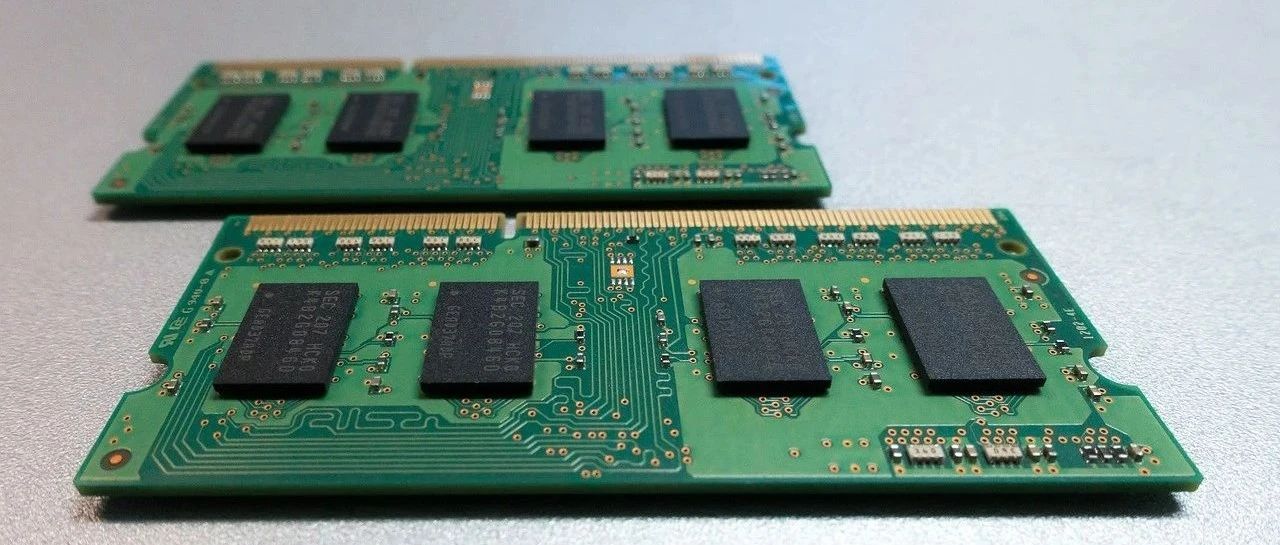
Core Insights - The company is actively collaborating with several leading domestic CPU/GPU enterprises in the core computing power segment [1] - The company has obtained agency rights for AI storage chips from Yangtze Memory Technologies and Changxin Memory Technologies [1] - The company is promoting the Retimer product line from Starry Micro in the AI server sector [1] Industry Focus - The downstream of the AI industry is crucial for realizing technological value, with edge AI and humanoid robots being the company's two key focus areas [1] - AI glasses are regarded as an important hardware carrier for edge AI [1] - The company has achieved indirect bulk supply of power modules to META [1]
存储厂国产化程度进一步提升,华为UCM提升先进存储使用效率 | 投研报告
Zhong Guo Neng Yuan Wang· 2025-08-21 09:19
Core Viewpoint - Chinese storage manufacturers are set to fully adopt domestic EDA tools, marking a significant step towards industry self-sufficiency in the design phase [1][2] Group 1: Domestic EDA Tools - Chinese manufacturers have introduced self-developed domestic EDA tools in large-scale production of Flash and DRAM, filling a critical gap in the industry's self-sufficiency [1][2] - Domestic companies have developed a complete EDA system that supports the design platform for DRAM and NAND Flash production [2] - This move is expected to gradually establish a supply chain of chip manufacturing combined with local EDA tools, reducing reliance on international EDA providers [2] Group 2: Huawei's UCM Technology - Huawei has launched the Unified Cache Manager (UCM), which reportedly reduces the generation delay of the First Token by 90%, expands the model context memory range by 10 times, and increases overall throughput by up to 22 times [3] - UCM aims to enhance the efficiency of existing hardware rather than replace it, optimizing data storage based on usage frequency [3] - This innovation compensates for hardware limitations in domestic AI, maximizing the performance of limited HBM resources [3] Group 3: Rise of Domestic Storage Manufacturers - The rise of Changxin Memory and Yangtze Memory has a profound impact on the domestic storage industry and the entire semiconductor sector [4] - Their success serves as a model for other domestic storage companies, driving technological upgrades and development across the industry [4] - The growth of domestic storage firms enhances China's position in the global semiconductor supply chain, reducing dependence on imported storage chips and ensuring national information security [4] Group 4: Production Capacity and Technological Advancements - Changxin Memory is expected to increase its production capacity by nearly 50% this year, building on last year's significant growth [5] - By the end of this year, Changxin's market share by bit shipment is projected to rise from 6% in Q1 to 8% [5] - Yangtze Memory has successfully achieved mass production of 294-layer 3D NAND and is advancing towards 300-layer NAND development, closely approaching Samsung's technology [5] - Changxin has successfully mass-produced domestic DDR5 modules and plans to produce HBM3 memory by the end of 2025 to 2026, entering the high-bandwidth memory market [5]
传长鑫和长存启用国产EDA!
是说芯语· 2025-08-20 00:59
Core Viewpoint - The article emphasizes the shift in focus towards domestic electronic design automation (EDA) tools in the semiconductor industry, driven by the increased production capacity of Changxin Memory and Yangtze Memory Technologies, aiming to reduce reliance on foreign technologies [1][5]. Group 1: DRAM Production - Changxin Memory's DRAM production capacity is expected to experience explosive growth by 2025, with monthly output increasing from 100,000 wafers in 2024 to 200,000 wafers, totaling an annual output of 2.73 million wafers [3]. - The collaboration with domestic EDA companies like Huada Jiutian has enabled a fully localized support system from design to mass production, enhancing competitiveness against international manufacturers [3]. Group 2: NAND Flash Production - Yangtze Memory's first fully domestic trial line for NAND flash is set to begin production in the second half of 2025, targeting a global market share of 15% by 2026 [4]. - The introduction of self-developed technologies and domestic equipment has led to the mass production of the 294-layer X4-9070 chip, achieving an interface speed of 3600 MT/s [4]. Group 3: EDA Tool Development - Despite the temporary lifting of U.S. export restrictions on EDA tools in July 2025, the urgency for self-sufficiency in the industry has been recognized [5]. - Companies like Hejian Software are rapidly innovating to meet market demands, with their new generation of hardware systems significantly enhancing verification capabilities [5]. - The domestic EDA market is projected to reach 14.95 billion yuan by 2025, with an expected localization rate of 17% [5]. Group 4: Market Dynamics - The global EDA market is still dominated by three major players—Synopsys, Cadence, and Siemens—holding over 80% market share, making it challenging for domestic tools to compete in the short term [6]. - Chinese companies are adopting a collaborative innovation model to overcome barriers, focusing on the integration of EDA tools and foundational software [6]. - The evolution from point tools to comprehensive process coverage signifies a transition of the Chinese EDA industry from a replacement phase to an innovation phase, supporting the country's shift from a "manufacturing giant" to a "design powerhouse" [6].

中方接连打出两记重拳:若美国想让我们当炮灰,就得付出相应代价
Sou Hu Cai Jing· 2025-08-19 09:16
Group 1 - The U.S. tariff revenue has surged from $7.3 billion in January to $27.7 billion in July, totaling $135.7 billion over ten months, leading to increased consumer prices in supermarkets, with shoes up 39% and T-shirts up 37% [3] - General Motors anticipates an additional $5 billion in costs due to tariffs, while Toyota's profits have plummeted by 37%, prompting a downward revision of annual forecasts [3] - The semiconductor sector is experiencing significant market volatility, with the Philadelphia Semiconductor Index dropping over 2% and 14 chip companies losing a combined market value of $42 billion [5] Group 2 - TSMC is caught in a challenging position, facing potential profit erosion or the need to pass costs onto U.S. clients like Apple and NVIDIA if the 300% tariff is implemented [5] - Apple has pledged an additional $100 billion investment in the U.S. in hopes of securing tariff exemptions, highlighting the uncertainty in the global supply chain [5] - The semiconductor industry in China's western regions has seen a 270% increase in production capacity over three years, with domestic manufacturing being recognized as "Made in China" under new regulations [12] Group 3 - China's response to U.S. tariffs includes anti-dumping reviews on Australian wine and countervailing duties on Japanese steel, targeting U.S. allies [7] - China has imposed a 75.8% deposit on Canadian canola seed, significantly impacting Canada's exports, which are valued at nearly CAD 5 billion for 2024 [8] - The shift in global supply chains is evident, with companies like Volkswagen and Airbus increasing investments in China, indicating a trend of "voting with their feet" against U.S. policies [10] Group 4 - The BRICS nations are projected to surpass the G7 in economic output, with their share of global GDP reaching 37.4% in 2023, compared to the G7's 29.3% [14] - The reliance on the U.S. dollar is decreasing, with a reported 87% year-on-year increase in China's currency settlements with trade partners [10] - The semiconductor supply chain is diversifying, with U.S. imports dropping below 20% of total semiconductor equipment sources [12]

美国万万没想到,100%国产化的长江存储,“狂扁”美国巨头
Xin Lang Cai Jing· 2025-08-19 06:26
Core Viewpoint - The conflict between Yangtze Memory Technologies Co. (YMTC) and Micron Technology has escalated from verbal disputes to legal battles, with YMTC accusing Micron of spreading false information and Micron retaliating with counterclaims of patent infringement [1][9][11]. Group 1: Technological Advancements - YMTC has developed the Xtacking technology, which separates storage units from peripheral circuits, leading to improved data transmission efficiency, enhanced heat dissipation, and a 20% reduction in production time [5]. - The first fully domestic wafer production line is expected to begin trial operations in the second half of 2025, utilizing only domestic equipment [7]. Group 2: Competitive Tensions - Micron has attempted to undermine YMTC by lobbying for its inclusion on the export control list, which restricted YMTC's access to advanced manufacturing equipment from the U.S. [9]. - In response to Micron's actions, YMTC filed a lawsuit in California for patent infringement, marking the beginning of a significant legal confrontation [9][11]. Group 3: Legal Proceedings - Micron has filed a counterclaim against YMTC, alleging infringement and seeking to invalidate 12 of YMTC's patents [11]. - A court ruling has mandated Micron to provide core technical documents for comparison, putting Micron in a difficult position regarding its proprietary information [13][15]. Group 4: Market Impact - The legal disputes and technological advancements have led to significant price reductions in consumer products, such as 2TB solid-state drives, benefiting consumers [17].
这才是特朗普不敢制裁我们的原因,鲁比奥说了实话,印度自吞苦果
Sou Hu Cai Jing· 2025-08-19 05:13
Group 1 - The article discusses Trump's decision to impose additional tariffs on India while refraining from similar actions against China, suggesting a strategic choice to avoid escalating tensions with China [3][21] - India's exports to the U.S. have significantly slowed, dropping from double-digit growth to less than three percent, indicating a weakening trade relationship [3][19] - The U.S. maintains tariffs on Chinese goods, with the White House citing an "observation period," which can be extended indefinitely, reflecting a cautious approach towards China [3][21] Group 2 - India imports two million barrels of oil daily from Russia, primarily for domestic use, while China processes a significant portion of its Russian oil for export, highlighting differences in energy strategies [4][18] - The potential impact of U.S. tariffs on Chinese refineries could lead to a spike in global fuel prices, directly affecting U.S. inflation, which is a concern for the Trump administration [5][21] - China's financial leverage, including its holdings of U.S. Treasury bonds and its role in the dollar clearing network, provides it with significant bargaining power [6][32] Group 3 - The article emphasizes the asymmetrical vulnerabilities in the U.S.-China-India dynamic, where India's reliance on low-margin pharmaceutical sectors limits its ability to compete with China's manufacturing capabilities [11][19] - The U.S. pharmaceutical, electronics, and automotive industries have a high dependency on China, complicating any potential shifts to India [8][19] - India's manufacturing sector struggles with foundational issues, making it difficult to replace Chinese supply chains effectively [11][19] Group 4 - The article highlights the psychological aspect of Trump's tariff strategy, using India as a scapegoat to project a tough stance on China without triggering a market backlash [9][21] - India's "Make in India" initiative faces challenges due to a lack of foundational capabilities in critical sectors like semiconductors and precision machinery [11][19] - The geopolitical landscape is shifting, with China's Belt and Road Initiative enhancing its influence in the Indian Ocean, while India's strategic position remains precarious [16][23] Group 5 - The article notes that the U.S. is cautious about imposing severe sanctions on China due to the potential backlash on its own economy, while India is left to bear the brunt of U.S. tariff policies [21][32] - The capital markets reacted differently to the tariff news, with the Indian rupee depreciating and foreign capital exiting, while the Chinese yuan remained stable [19][46] - The contrasting paths of China and India in terms of industrial strategy and infrastructure development are highlighted, with China focusing on heavy industry and technology while India remains reliant on services [19][41]