元气森林

Search documents
养生成为快消品,诚意便成了稀缺品
3 6 Ke· 2026-01-15 13:36
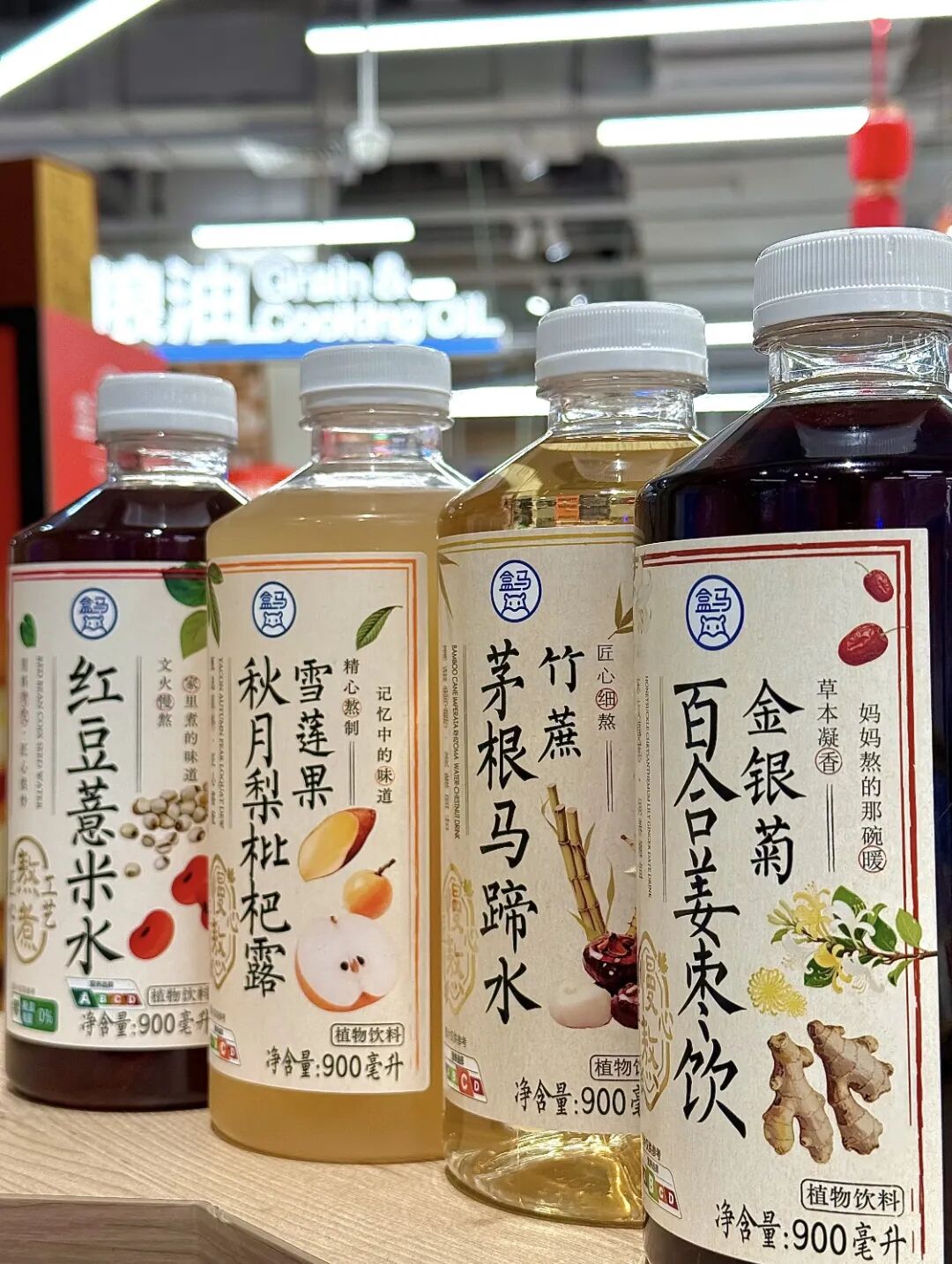
Core Insights - The concept of Chinese herbal health drinks has gained significant traction in 2023, becoming a notable presence on beverage shelves, particularly among younger consumers seeking quick health solutions amidst a fast-paced lifestyle [1] - The market for these drinks is expected to explode by 2025, attracting major beverage companies and traditional medicine brands, leading to intense competition across product offerings, distribution channels, and consumer perceptions [2] Market Dynamics - The rise of sugar-free tea drinks has contributed to the popularity of Chinese herbal health drinks, with sugar-free tea sales exceeding 10 billion yuan in 2023 and a 113% growth in offline sales from June 2023 to May 2024 [2] - However, the sugar-free tea trend has shown signs of stagnation, prompting many entrepreneurs to pivot towards developing Chinese herbal health drinks, leveraging traditional ingredients like red beans and goji berries [2][4] Competitive Landscape - The market is characterized by three main factions: 1. **KA Brands**: Established brands like Yuanqi Forest and Kang Shifu leverage strong distribution networks and marketing resources to rapidly iterate products and capture market share [5] 2. **Platform Customization**: Retailers like Hema and Sam's Club utilize consumer data to create tailored products that meet specific health needs, establishing competitive barriers [6] 3. **New Forces**: Traditional medicine companies emphasize authenticity and visible ingredients, aiming to build trust through high-quality, functional products [6] Challenges and Concerns - A significant challenge facing the industry is the lack of innovation and increasing product homogeneity, with many brands offering similar formulations, leading to consumer fatigue [7] - The absence of clear industry standards raises concerns about the efficacy and safety of these drinks, as many products only adhere to general "plant beverage" regulations [7][8] Supply Chain and Production - Approximately 80% of Chinese herbal health drink brands rely on contract manufacturing, which can lead to inconsistencies in product quality as brands scale [9] - Leading brands are moving towards vertical integration of their supply chains to ensure quality control, with many investing in their own production facilities [9] Future Directions - The competition is evolving from product-centric battles to deeper challenges involving supply chain management, brand storytelling, and consumer experience [18] - Potential future pathways include becoming lifestyle benchmarks similar to "Eslite Bookstore," expanding brand influence beyond products through cultural and experiential offerings [19]

联名狂热退潮,看元气森林如何通过精选IP与年轻人深度共鸣
Jin Rong Jie Zi Xun· 2026-01-15 11:33
Core Insights - The opening of the "Yuanqi Forest Atlantis" youth music nightlife space in Hefei marks a significant move in Yuanqi Forest's cross-industry collaboration strategy, aligning with local economic initiatives [1] - Yuanqi Forest's approach to cross-industry partnerships has shifted from aggressive collaboration to a more measured and strategic focus on long-term engagement with consumers [10] Group 1: Cross-Industry Collaborations - The new Hefei location is part of Yuanqi Forest's strategy to create unique IPs, such as the Yuanqi Forest livehouse, which emphasizes youth culture and music [1] - In 2025, Yuanqi Forest engaged in various collaborations, including partnerships with music festivals, educational products from recycled materials, and gaming IPs, but the number of collaborations has significantly decreased to single digits [7][9] - The trend of high-frequency collaborations in the beverage industry is declining, with a reported drop of over 50% in collaboration events in the new tea beverage sector from the previous year [9] Group 2: Consumer Engagement and Market Trends - A survey indicated that a significant portion of consumers (23.85%) felt indifferent towards IP collaborations, suggesting a growing fatigue with frequent brand partnerships [10] - Yuanqi Forest's strategy now focuses on building long-term emotional connections with consumers rather than merely leveraging short-term traffic from collaborations [10] - The emphasis on deep interaction and immersive experiences reflects a broader trend among new consumer brands moving towards sustained partnerships rather than one-off collaborations [10]

肇庆“十四五”期间打造2个千亿级产业集群 新能源汽车产业加快崛起
Nan Fang Ri Bao Wang Luo Ban· 2026-01-15 10:08
Group 1: Economic Development and Industry Growth - During the "14th Five-Year Plan" period, Zhaoqing has developed two trillion-level industries in new energy vehicles and metal processing, along with four five-hundred billion-level industry clusters in new energy storage, electronic information, green building materials, and new materials, leading to a strategic reshaping of its industrial landscape [1] - Zhaoqing has ranked among the top 100 advanced manufacturing cities in China for two consecutive years and has been recognized as an excellent investment destination in the province for three years [1] - The new energy vehicle industry is rapidly growing, with XPeng Motors producing over 500,000 vehicles in Zhaoqing, equating to one vehicle rolling off the production line every six minutes, supported by over 100 large-scale auto parts companies integrated into the national supply chain [1] Group 2: Traditional Industry Transformation - Zhaoqing's metal processing enterprises have shifted towards high-end equipment manufacturing, achieving an annual output value exceeding 120 billion [2] - The building materials industry is advancing in cluster development and green transformation, with an annual output value surpassing 50 billion [2] - The food and beverage industry in Zhaoqing has reached an annual output value of over 20 billion, with notable companies such as Jian Tian Bai Sui Shan and China Resources Beverage establishing operations in the region [2] Group 3: Infrastructure Investment - Zhaoqing has invested approximately 65 billion in transportation during the "14th Five-Year Plan," a 31% increase compared to the previous five-year period, with major projects like the Guang-Zhan high-speed rail and the new Guangzhou airport underway [2] - The port's annual handling capacity has doubled to 176 million tons, facilitating a one-hour access to Guangzhou, Shenzhen, Hong Kong, and Macau [2] Group 4: Agricultural Development - Zhaoqing's agricultural sector has reached a scale of 80 billion, ranking third in the province, with six agricultural clusters each exceeding 10 billion [3] - The region boasts 68 nationally recognized special agricultural products and has achieved the highest number of geographical indication products and certification trademarks in the province, totaling 50 [3] Group 5: Environmental and Social Initiatives - Zhaoqing has implemented a "three-long linkage" mechanism to protect its environment, maintaining air quality in the top 20 nationwide and stabilizing water quality in major rivers [3] - Over the past five years, Zhaoqing has created more than 210,000 urban jobs and facilitated the transfer of over 150,000 rural laborers, with a per capita disposable income growth exceeding 5% [3] - The city has invested over 6 billion in building and renovating 134 public schools and kindergartens, adding 113,000 public school places, and has allocated 19.1 billion for 51 healthcare projects, increasing hospital beds by over 3,000 [3]
2026年的首款新品,元气森林怎么就盯上了“遇冷”的凉茶赛道?
Xin Lang Cai Jing· 2026-01-15 00:54
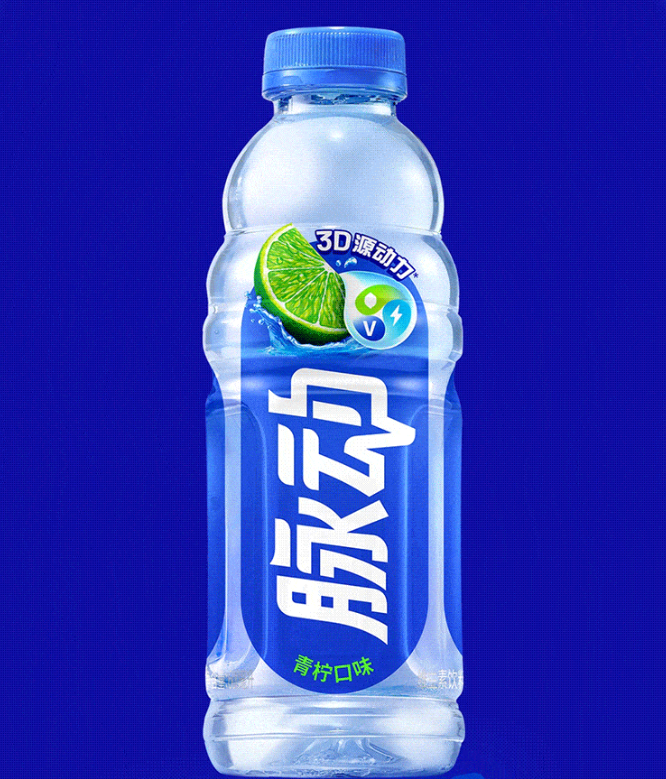
Core Viewpoint - Beverage brands are actively launching new products and collaborations in the new year, with a focus on health-conscious offerings to meet evolving consumer demands [1][3]. Group 1: Product Launches and Innovations - Pulse has upgraded its formula and launched a new product called "3D Source Power" to address health needs [1]. - Uni-President has moved two 1L juice products from Sam's Club to e-commerce, targeting dining and leisure occasions [3]. - The brand "Good Self" under Yuanqi Forest has introduced a new "Cool Tea" product, raising questions about its strategy in the declining herbal tea market [3][12]. Group 2: Product Details and Market Positioning - The "Good Self Cool Tea" product features a new design and emphasizes herbal health, using ingredients like chrysanthemum, egg flower, and mint, with a low-sugar formula priced around 4.4 yuan per bottle [6][10]. - "Good Self" is a relatively new sub-brand of Yuanqi Forest, focusing on traditional health concepts and achieving over 100 million yuan in sales within four months of its launch [10]. - The introduction of Cool Tea may signal a shift towards more specialized and professional health beverages in the market [10]. Group 3: Market Challenges and Trends - The herbal tea market in China has been declining since 2015, with major brands like Wanglaoji experiencing significant revenue drops [12][13]. - Traditional herbal tea brands face challenges in adapting to modern consumer preferences for low-sugar options, leading to a disconnect between traditional positioning and current market demands [12][13]. - Yuanqi Forest's approach to Cool Tea focuses on personal and leisure consumption scenarios, differentiating itself from traditional marketing strategies [15]. Group 4: Future Outlook - The herbal tea market is expected to see a split, with traditional brands seeking growth in international markets while innovative brands like Yuanqi Forest explore new segments [16][18]. - Future consumer focus in the herbal tea market will likely shift towards ingredient transparency, flavor innovation, and diverse consumption scenarios [18][19].
年度复盘:2025年零售圈十大出海事件发布
3 6 Ke· 2026-01-14 08:40
Core Insights - In 2025, the globalization of China's retail industry entered a deeper development stage, with various Chinese brands successfully entering overseas markets, showcasing a shift from "Made in China" to "Chinese brands" [1] - The trend of going global is no longer exclusive to leading brands but has become a strategic choice for mid-tier companies seeking growth, expanding their reach from traditional Southeast Asian markets to core business districts in Europe and North America, as well as emerging markets in South America and high-potential regions in the Middle East [1] Group 1: Key Events in Retail Expansion - Bawang Chaji opened its first North American store in Los Angeles, achieving a monthly GMV of $800,000, with an average customer spend of $6.5, surpassing local competitors [2][3] - Mixue Ice Cream and Tea launched its first store in Hollywood, Los Angeles, marking a significant step in its global strategy, with plans for further expansion in the Americas [4][5] - Meituan's Keemart launched in Doha, Qatar, as part of its international strategy, leveraging its existing delivery network to enter the instant retail market [6][7] Group 2: Brand Strategies and Market Adaptation - Ningji adopted a new brand "BOBOBABA" for its U.S. entry, focusing on bubble tea and adjusting its product offerings to cater to local tastes, while also expanding rapidly in Southeast Asia [8][9] - Chen Xianggui opened its first overseas store in Berlin, maintaining its original flavor profile and leveraging a high-standard supply chain to ensure product consistency [10][11] - Miniso expanded its presence in the UK, surpassing 50 stores, with overseas revenue contributing significantly to its overall growth [12][13] Group 3: Innovative Approaches to Market Entry - Chayan Yuese announced an online e-commerce strategy for its overseas expansion, focusing on retail products rather than its signature tea, to mitigate risks associated with physical store operations [14][15] - Yuanji Yun Jiao opened its first overseas store in Singapore and is now expanding through a franchise model, supported by its established supply chain and operational experience [16][17] - Genki Forest successfully entered the UK mainstream retail market by launching its products in Tesco, marking a significant milestone in its global strategy [18][19] Group 4: Overall Trends and Future Outlook - The year 2025 witnessed a transformation in Chinese consumer brands' approach to globalization, moving from simple product exports to localized operations and supply chain integration [23] - The success of various brands illustrates the adaptability and flexibility of Chinese retail models in addressing diverse market needs and challenges [23][24]

钟睒睒、唐彬森、章燎原…回归真实需求的一年,11位食品饮料人的创新打法
Sou Hu Cai Jing· 2026-01-13 14:16
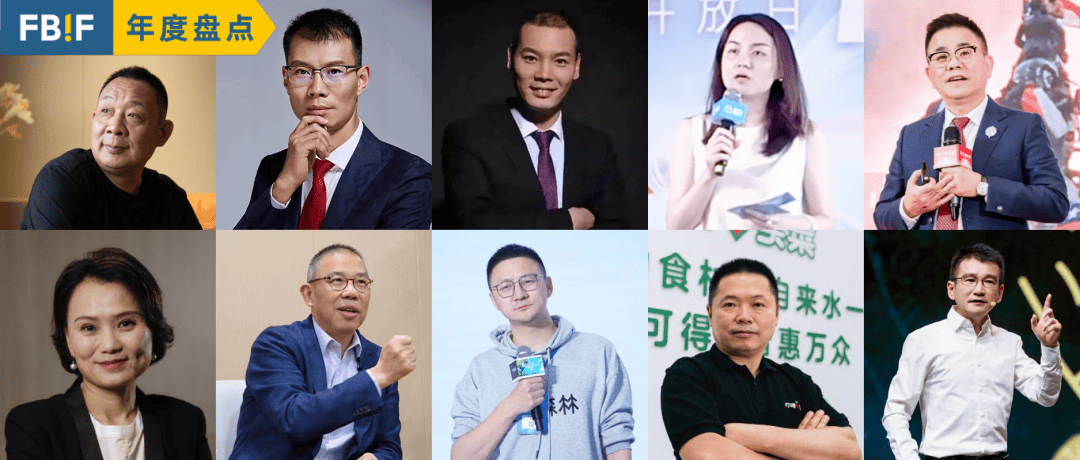
Core Insights - The year 2025 presented both opportunities and challenges for the food and beverage industry in China, with steady growth and structural adjustments occurring within the fast-moving consumer goods (FMCG) sector [1] Group 1: Market Trends - Traditional offline channels like hypermarkets are under pressure, while hard discounts gain attention, and bulk snacks see growth [2] - There is a shift in consumer logic, with increased focus on value for money, leading to the rise of membership-based supermarkets like Sam's Club [2] - Health trends are gaining momentum, with low-GI and clean label products becoming more popular [2] Group 2: Company Strategies - Key industry leaders are returning to core business principles, focusing on product innovation and channel optimization to mitigate risks [3] - Companies like Hema are emphasizing product strength and have achieved over 40% revenue growth in 2025 [16] - The founder of Dongpeng, Lin Muqin, aims to expand the company into a multi-category beverage group, with a focus on overseas markets [24][27] Group 3: Notable Company Performances - Pang Donglai achieved a record sales figure of 20.035 billion yuan in 2025, marking a 30 billion yuan increase from the previous year [5] - The listing of Mixue Group on the Hong Kong Stock Exchange in March 2025 led to a significant increase in market value, with a revenue of 14.875 billion yuan in the first half of 2025, a 39.3% year-on-year increase [10][11] - Nongfu Spring's tea beverage segment surpassed 10 billion yuan in revenue for the first half of 2025, with a 19.7% increase [37][38] Group 4: Product Innovations - Dongpeng's new electrolyte drink "Bu Shui La" achieved 1.493 billion yuan in revenue in the first half of 2025, matching the total revenue of 2024 [24] - Mixue is expanding its product line and has signed a significant procurement deal for agricultural products with Brazil [13][16] - The introduction of new flavors and larger packaging by Nongfu Spring's "Dongfang Shuye" reflects ongoing innovation in the no-sugar tea market [40][42] Group 5: Future Outlook - Companies are focusing on long-term strategies rather than short-term gains, with an emphasis on sustainable growth and product quality [43][48] - The food and beverage industry is expected to continue evolving, with companies like Sanhua Squirrel aiming to become a comprehensive supply chain company [55][56]
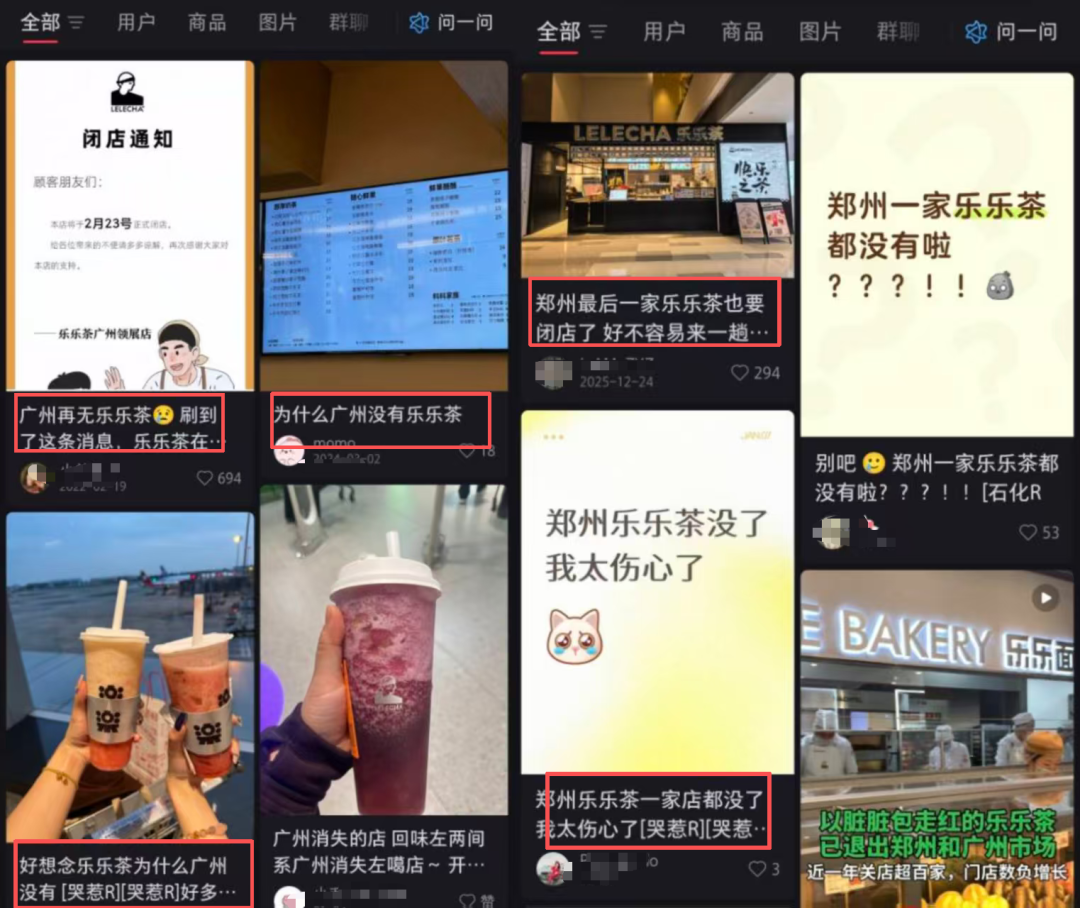
郑州已无店!初代网红奶茶“再退一城”,3年前就已退出广州!曾因“脏脏包”爆红,如今一年关店132家
Mei Ri Jing Ji Xin Wen· 2026-01-13 10:01
Core Viewpoint - Recent reports indicate that all Lele Tea stores in Zhengzhou have closed, with similar claims from Guangzhou, raising significant public attention [1][3]. Group 1: Store Closures and Current Status - Lele Tea's official customer service confirmed that there are currently no stores in Zhengzhou [3]. - In 2022, all Lele Tea stores in Guangzhou were closed, which is notable as Guangzhou has the highest number of milk tea stores in China, with nearly 14,000 [3]. - Over the past year, Lele Tea has closed 132 stores, leaving a total of 399 operational stores across 27 provinces and 79 cities [5]. Group 2: Historical Context and Growth - Lele Tea opened its first store in Shanghai in February 2016, initially focusing on "tea drinks + soft packages" [5]. - The brand gained popularity in 2017 with the "dirty bag" pastry, surpassing competitors like Lady M in Shanghai [5]. - In 2019, Lele Tea completed a Pre-A round financing of nearly 200 million yuan, leading to rapid expansion across major cities [8]. Group 3: Market Position and Competition - Lele Tea's market valuation was approximately 1.203 billion yuan after a 5.25 billion yuan acquisition of a 43.64% stake by Nayuki Tea [8]. - The competitive landscape has intensified, with new milk tea brands emerging, leading to a contraction in the market for initial popular brands like Lele Tea [12]. - As of January 12, 2026, the total number of milk tea brands exceeded 4,000, with nearly 400,000 stores, but the net growth has been negative, with a decrease of 35,000 stores in the past year [12].
一周新消费NO.343|王老吉 x WAKUKU推出炫彩潮玩礼盒;瑞幸联名《魔道祖师》推出非咖新品
新消费智库· 2026-01-11 13:03
New Product Launches - DQ and My Little Pony launched two new products: "Triple Berry Rainbow Cereal Blizzard" and "Miracle Magic Pony Cake Ice Cream" [2][4] - Wanglaoji collaborated with WAKUKU to release a colorful gift box containing 11 cans of Wanglaoji's 310ml beverage, priced at 139.9 yuan [4][5] - Heima launched a new "Rice Drink" made from high-quality Wuchang rice, suitable for breakfast and sports [4][5] - Let Tea introduced two new juice teas: Turmeric Lemon Tea and Three Grapefruit Juice Tea, with over 50% NFC juice content and no added sugar [5] - Joyoung launched a new soy milk product with a simple formula, containing 3.3g of protein per box [6] - Luckin Coffee partnered with the popular IP "Mo Dao Zu Shi" to launch non-coffee products, including Snow Tea and Strawberry Tea [6][7] - Yuanqi Forest entered the herbal tea market with a new product that features six herbal ingredients and no artificial additives [7] - Luxi River and Nestlé KitKat released a gift box containing "Oat Crunch Chocolate Peach Crisp" in two flavors [8] - Wei Chuan launched a new drink called "Horse Success Water," made from lychee and bamboo sugar [8] Industry Events - CoCo announced its expansion into 66 cities across 19 provinces in China since June 2024, focusing on lower-tier markets [11] - South Korean company Samjin Foods plans to increase its investment in China through a partnership with a local company for comprehensive operations [11] - RIMOWA released a new advertising campaign featuring actor Xu Guanghan to celebrate the Year of the Horse [11] - Burger King's online ordering system experienced a crash during peak times, leading to customer complaints [12][14] - Alipay's "Tap to Pay" feature surpassed 100 million daily transactions, expanding its application across various sectors [12] - Bawang Tea upgraded its 桂馥兰香 tea base with seasonal osmanthus flowers [12] - The Beijing Chocolate Museum opened, featuring a temperature-controlled environment to preserve exhibits [16] - IKEA announced the closure of seven stores in China starting February 2, 2026, after a comprehensive review of customer touchpoints [12] - Nestlé recalled infant formula in several European countries due to quality issues with a supplier's ingredient [17] - Muyuan Foods appointed Gao Dong as the new Chief Financial Officer [12] Investment and Financing - Kinotek raised $2 million for its sports analysis platform, which is already in use by MLB teams and top gyms [18] - Nutritional raw material producer Nuoyun Bio completed a Series A financing round with investments from multiple firms [18] - Bain Capital acquired the parent company of South Korean brand Andar for 216.6 billion KRW (approximately 1.046 billion yuan) [20] - Weiyuan Synthetic secured nearly 300 million yuan in a new financing round to accelerate its product development [18] - Only Group acquired a majority stake in British menswear brand Drake's [18] - Marubeni's US subsidiary acquired the Jacobson Group, which owns several footwear brands [18] - Acai Yogurt was confirmed to be acquired by Mei Yogurt, with the founding team stepping down [18] - FrieslandCampina completed the acquisition of a US whey protein company to enhance its production capacity [18] - 24 Hour Fitness's founder Mark Mastrov returned to lead the company after a buyout [18] - Fairfax Financial Holdings increased its stake in Under Armour to approximately 22% [18] Food and Beverage Trends - Uni-President launched a new 1L juice product line featuring grape and peach flavors, emphasizing zero fat and real fruit juice [25] - Yili signed actress Ma Yili as a brand ambassador for its marketing campaign for the Year of the Horse [25] - O'MILLS opened its first store in South China, focusing on naturally fermented and healthy food options [25] - Wei Family's music bistro opened in Xi'an, quickly gaining popularity on social media [25] - Black Sesame's controlling shareholder changed to Guangxi Travel Health Industry Group [28] - RIO launched a jelly alcohol product in two flavors, emphasizing a unique drinking experience [28] - Samyang collaborated with KFC to launch two new noodle products, priced at 19.9 yuan per cup [28] - Yakult introduced a limited edition packaging for the New Year, featuring auspicious colors and messages [28] - Grandpa's Farm submitted a listing application in Hong Kong [28] - Nongfu Spring released a zodiac commemorative glass bottle water, with 160,000 sets available through a lottery [31]






宜家中国将关闭7家门店;韩国版lululemon被收购;山姆499元羽绒服卖爆|品牌周报
36氪未来消费· 2026-01-11 12:26
Group 1: IKEA's Store Closures in China - IKEA China announced the closure of 7 stores by February 2, 2026, marking a rare event in its 20+ years in the Chinese market [3] - The closed stores are primarily large locations, including the Shanghai Baoshan store, which was once the largest IKEA in Asia, operating for over 12 years [3] - Post-closure, IKEA will have 34 physical locations, 3 proprietary digital channels, and 2 flagship e-commerce platforms in China [3] - The company plans to shift its strategy from "scale expansion" to "precise cultivation," focusing on Beijing and Shenzhen, with plans to open over 10 small stores in the next two years [3] - Recent sales declines in IKEA China are attributed to real estate adjustments, changing consumer psychology, and intense competition in the domestic furniture market [3][4] Group 2: Andar's Acquisition - Andar, a yoga apparel brand known as the "Korean version of Lululemon," was acquired by Bain Capital, with a transaction valuation of approximately 500 billion KRW (around 2.4 billion RMB) [5] - Founded in 2015, Andar has expanded its product line to include men's clothing and is priced more affordably compared to Lululemon, with expected sales of around 1 billion RMB in 2025 [5] - The acquisition reflects Bain's belief in Andar's potential for global expansion, as the brand has already entered markets in Japan, Australia, and Singapore [5][6] Group 3: Sam's Club's Success - Sam's Club recently sold out a down jacket priced at 499 RMB, with a filling weight of 400 grams, indicating strong consumer demand [7] - The jacket's popularity is attributed to a shift in consumer behavior towards functionality and simplicity in purchasing decisions [7] - In the past 12 months, Sam's Club has opened 8 new stores in China, marking its most aggressive expansion year [8] - Walmart China reported a net sales figure of 6.1 billion USD for the third quarter of 2026, a year-on-year increase of 21.8%, with Sam's Club continuing to show double-digit growth in transaction volume [8] Group 4: Nestlé's Recall Incident - Nestlé announced a precautionary recall of infant formula in 45 countries, including China, due to quality issues with a supplier's ingredient [9][10] - In China, 30 batches of products were recalled, affecting brands such as Nan and Wyeth, while other Nestlé products remain unaffected [10] - The recall has negatively impacted the stock price of supplier Jia Bi You, which has seen a cumulative decline of over 10% following the announcement [11] Group 5: Domino's Expansion in China - Domino's China reported a total of 1,315 stores by the end of 2025, with a net addition of 307 stores and expansion into 21 new cities [22] - The membership program "达人荟" reached 35.6 million members, a significant increase from 24.5 million the previous year [22] Group 6: Yuanqi Forest's Production Expansion - Yuanqi Forest's northern production base has begun trial production, with a daily capacity exceeding 1 million bottles [23] - The second phase of the project involves an investment of 560 million RMB and aims for a combined annual output value exceeding 1 billion RMB upon full production [23]

周报丨盒马、元气森林、农夫山泉、加多宝、盼盼推出新品
Xin Lang Cai Jing· 2026-01-10 11:14
Group 1 - Hema has launched two new grain beverages, "Rice Drink" and "Millet Drink," aimed at providing healthy and convenient options for consumers, priced at 14.9 yuan for a pack of four 230g bottles [3] - Yuanqi Forest has officially entered the herbal tea market with its new product "Good Freezing Tea," which combines traditional efficacy with modern processes to revitalize the stagnant herbal tea market [6] - Nongfu Spring has released a limited edition glass bottle water for the Year of the Horse, with 160,000 sets available through a lottery system, emphasizing its collectible and commemorative value [8] - JDB has collaborated with TEAM WANG design to launch a new packaging for its herbal tea, integrating trendy elements to attract younger consumers while maintaining the original flavor [9] - Panpan has introduced two herbal teas, "Busy Shennong" series, using traditional brewing techniques to preserve the nutritional value and flavor of the ingredients [11] - Wei Chuan has launched "Horse to Success Water Chestnut Drink," featuring a limited edition design for the Year of the Horse, priced at 82.9 yuan for a pack of twelve 300ml bottles [14] - Panpan Beverage has released "See the Mountain Wild" NFC 100% Carrot Juice, utilizing a new carrot variety and non-concentrated processing to enhance flavor and nutrition [16] - Jianlingkong has launched a cocoa oat milkshake, combining high-quality ingredients from multiple regions to create a rich flavor experience [18] Group 2 - Lianhua Supermarket announced the resignation of its executive director and general manager, Zhu Dingping, effective January 5, 2026, with no disagreements reported [21] - "Grandpa's Farm," a leading brand in infant and toddler food, has submitted a listing application to the Hong Kong Stock Exchange, aiming to become a publicly traded company [23] - Panda Dairy has postponed the production start dates for two projects to ensure quality and effectiveness, with new deadlines set for June 30, 2027, and January 31, 2027, respectively [25] - Beihai Pasture has completed a shareholder adjustment and is now operating independently after being spun off from Yuanqi Forest, focusing on low-temperature yogurt [27] - Hunan Mingming Hen Mang has successfully passed the listing hearing and is set to become the first stock in the Hong Kong market for bulk snacks [28] - Unilever Indonesia plans to sell its "Sariwangi" tea business for 15 trillion Indonesian rupiah (approximately 624 million yuan), with the transaction expected to complete by March 2 [30] - The control dispute at Huiyuan Juice has escalated, with the original management team accused of misappropriating over 600 million yuan, leading to legal actions [33] - Yili's chairman, Pan Gang, has announced a plan to reduce his holdings by up to 62 million shares, valued at approximately 1.7 billion yuan, to repay financing loans [35] - Hou Xiaohai has resigned from China Resources Beer and joined Charoen Pokphand Group as COO for China, which is expected to bring new developments to the company's operations [37]