
极氪

Search documents
为什么增程车很少用2.0T?
Zhong Guo Zhi Liang Xin Wen Wang· 2025-09-26 07:50
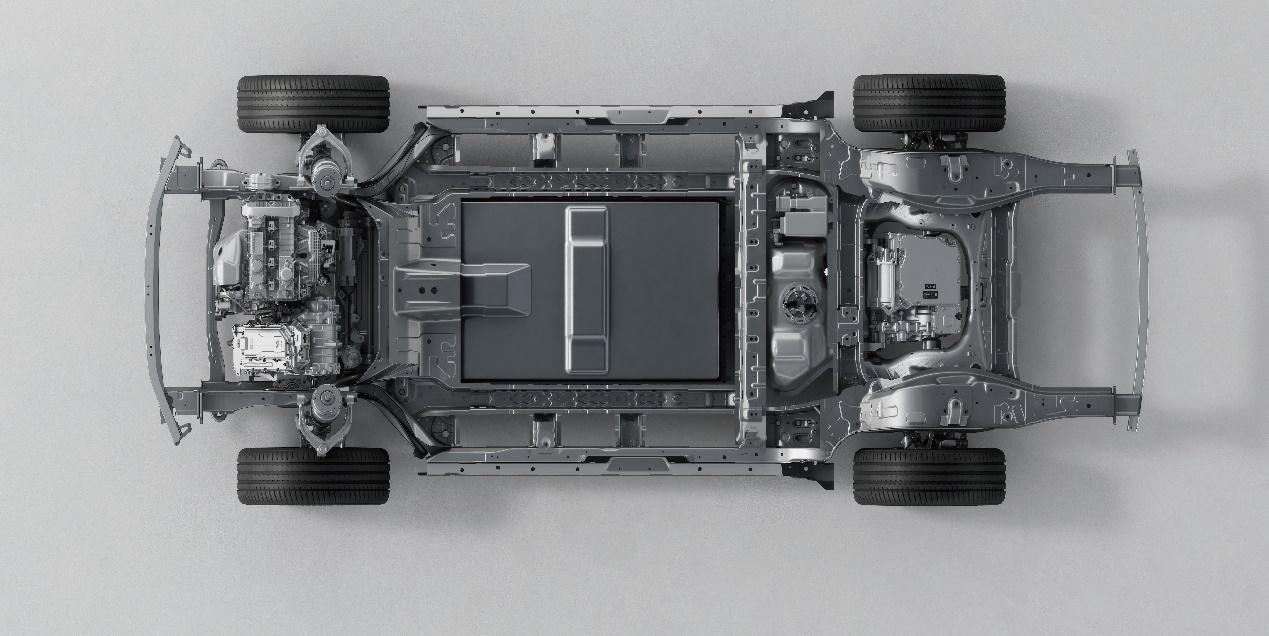
Core Viewpoint - The shift from 2.0T engines to 1.5T engines in range-extended electric vehicles (REEVs) is driven by the need for efficiency, cost-effectiveness, and the evolving role of the engine as a generator rather than a primary power source [1][5][17] Engine Role in REEVs - In REEVs, the engine functions primarily as a generator to produce electricity, while the electric motor drives the wheels, making the engine's role fundamentally different from traditional vehicles [5][6] - The focus on a strong electric drive system reduces the necessity for a powerful 2.0T engine, as the 1.5T engine can efficiently meet the power requirements for typical driving conditions [3][17] Efficiency and Cost Considerations - The 1.5T engine is favored due to its higher thermal efficiency, with many achieving over 40%, compared to most 2.0T engines which remain below 38% [8][11] - The smaller size and weight of the 1.5T engine allow for better vehicle layout, optimizing space for batteries and electric motors, which enhances overall performance and range [10][11] Market Trends and Consumer Preferences - Major REEV models like Li Auto's L series and Aito's M series predominantly use 1.5T engines, reflecting a strategic choice based on technology, cost, and efficiency [6][11] - As battery technology improves, the reliance on the engine for power generation decreases, further solidifying the 1.5T engine's position as the optimal choice for most consumers [17] Performance and Application - While 2.0T engines can provide higher power output, their advantages are often unnecessary for everyday driving, as demonstrated by the performance metrics of vehicles like the Li L9 [13][15] - The increasing battery capacity in modern REEVs means that the need for a larger engine is diminishing, aligning with consumer demands for lower operating costs and quieter driving experiences [17]


春风动力20250924
2025-09-26 02:29
Summary of Chufeng Power's Conference Call Company Overview - Chufeng Power has achieved a compound annual growth rate (CAGR) of nearly 35% in revenue since 2016, transitioning from a billion to a hundred billion scale [2][3] - The company has consistently improved its operating profit margin over the past eight years, with net profit margin growth expected to recover from 2022 to 2024 due to product upgrades and a decrease in shipping costs [2][3] Business Segments - In 2024, the all-terrain vehicle (ATV) business accounted for over 45% of revenue, while the motorcycle business represented 43% [4] - The gross margin for the ATV segment was approximately 40% in 2023, with motorcycle profitability gradually improving [6] Market Performance - By 2024, overseas market revenue is projected to account for 56% of total revenue, with North America contributing about 30% and Europe about 26% [7] - The Chinese market's revenue share is declining, indicating that overseas markets will be a significant growth driver moving forward [7] Industry Trends - The ATV industry is experiencing a clear trend of consumption upgrades, with UTV (Utility Task Vehicle) and SSV (Side-by-Side Vehicle) market shares increasing to 65% [8] - Chufeng Power is a leader in both domestic and international ATV exports, narrowing the gap with competitors like Polaris [8] Technological Advancements - Chufeng Power emphasizes R&D, achieving an engine first-off-the-line rate exceeding 90% and durability testing exceeding 200 hours [9] - The company’s engine power output reaches 84 kW, significantly surpassing the domestic average of 60 kW [9] Competitive Advantages - Chufeng Power's electric ATVs are priced significantly lower than competitors, enhancing global market competitiveness [5][10] - The company has expanded its global sales network from 1,900 to over 5,000 outlets since 2017, strengthening its market presence [10] Motorcycle Market Insights - The global two-wheeler motorcycle market has an annual sales volume of nearly 60 million units, with a significant portion in overseas markets [11] - Chinese brands like Chufeng are gaining traction, with a stable market share of 20% in the domestic high-displacement motorcycle segment [12] Future Outlook - Chufeng Power's net profit forecasts for 2025, 2026, and 2027 are projected at 1.85 billion, 2.4 billion, and 2.73 billion yuan, respectively, indicating a steady growth trend [22]

观车 · 论势 || 中国汽车“出海”,“扎根”比“捞金”更重要
Zhong Guo Qi Che Bao Wang· 2025-09-26 01:36
Core Insights - A Russian influencer's video criticizing Chinese automotive brands highlights issues regarding brand image and after-sales service in the Russian market [1] - Despite a significant increase in market share from under 10% in 2020 to 68% in 2024, many Chinese cars enter Russia through parallel imports and second-hand exports, bypassing official channels [1][2] Group 1: Market Dynamics - The operational model of Chinese automotive brands focuses on high profits from vehicle sales, often neglecting after-sales service and customer support [2] - Russian consumers have expressed dissatisfaction with the quality of Chinese vehicles, which has led to a decline in brand reputation [2][3] Group 2: Policy and Strategic Adjustments - Recent Russian government policies aimed at regulating the market and protecting local automotive industries have resulted in a decline in the market share of Chinese brands after reaching a peak in 2024 [3] - Chinese automotive companies need to adopt a long-term strategy for international expansion, focusing on local market integration and high-quality service [3][4] Group 3: Recommendations for Improvement - To improve brand reputation, Chinese automotive brands should enhance official channel development, establish localized production, and create a comprehensive service ecosystem [4] - Collaborating with local entities to address regulatory concerns and investing in local manufacturing and R&D can help build a positive brand image [4]
超两亿元罚款突袭!中国车企海外遭遇维修数据开放危机
Huan Qiu Wang· 2025-09-26 01:17
Core Viewpoint - The Australian Automotive Service and Repair Regulatory Authority (AASRA) has issued compliance warnings to five Chinese car manufacturers, including BYD and Xpeng, for allegedly violating the Motor Vehicle Service and Repair Information Scheme (MVIS), which could result in fines of up to AUD 10 million (approximately CNY 47 million) for each company [1][2] Group 1: Compliance Issues - The AASRA's compliance review report identifies three types of violations by the Chinese car manufacturers: delays in diagnostic software updates, incomplete disclosure of key technical parameters, and subscription service pricing above industry benchmarks [2] - The MVIS mandates that car manufacturers upload complete diagnostic systems, technical parameters, and repair manuals to the AASRA platform on the first day of a model's launch, along with flexible subscription options [2] Group 2: Global Regulatory Trends - There is a global trend towards mandatory disclosure of repair data, with the EU and several U.S. states implementing regulations to ensure fair competition in the automotive repair market [3] - The systemic costs of repair monopolies have prompted regulators worldwide to shift from reactive measures to proactively building a fair competitive ecosystem [3] Group 3: Economic Impact of Repair Monopolies - Repair monopolies lead to increased lifecycle costs for vehicles, suppressing consumer spending potential and hindering innovation in the repair industry [3] - Data from the EU and the U.S. indicates that after mandatory disclosure of repair information, repair costs typically decrease by 15% to 30%, and consumer satisfaction improves by approximately 25% to 40% [4] Group 4: Challenges for Chinese Car Manufacturers - The compliance crisis faced by Chinese car manufacturers abroad highlights the clash between domestic business models and international regulatory frameworks [5] - The profit structure of Chinese car manufacturers heavily relies on after-sales services, which account for 54% of their gross profit, making them resistant to data openness [6] Group 5: Transition from Product to Ecosystem Output - The controversy over repair data openness underscores the urgent need for Chinese car manufacturers to transition from a "product output" model to an "ecosystem output" model, as global competition evolves [8] - The Australian regulatory actions serve as a strategic warning for Chinese car manufacturers, emphasizing the need for transparency and user rights protection in after-sales services [9]


车企纷纷退出商超模式
汽车商业评论· 2025-09-25 23:08
作者 / 张霖郁 编辑 / 黄大路 设计 / 土 豆 9月中旬,在一家德系豪华品牌新车型的发布会上,《汽车商业评论》了解到他们已开始削减商超店的数量。 "新店的开店比例上,我们将把商超店控制在20%以下,尽管我们需要商超店曝光,但成本太高,效率又太低。"该品牌的营销负责人告诉《汽车商业 评论》。 2013年,特斯拉在北京侨福芳草地开设了国内首家购物中心直营店,这种线上下单、线下体验的新零售方式,引发"造车新势力"品牌如蔚来、小鹏、 理想等纷纷跟进,在城市核心商圈的购物中心设立体验店或展厅。 然而进入2023年后,这一趋势出现了明显下滑。 头部新能源车企开始收缩商场门店,中小品牌因资金压力缩减网点,消费者的新鲜感也有所下降。 一些高端购物中心发现,"车越来越多,客流却不增反降",曾经炙手可热的汽车体验店模式正在经历降温和转型。 《汽车商业评论》研究了从2019年至2024年各大车企公开的渠道信息,基本的结论是,商超店以及传统车企之前运营的直营模式,其规模正在缩减, 但即便传统车企更多回归到4S店模式,但整个的流程路径也已经发生变化。直面消费者,是本质。 新势力关闭部分商超店 新能源汽车和豪华品牌在购物中心开设门 ...



「卫星平权者」王洋:让卫星从「国之重器」变为「民之常器」
3 6 Ke· 2025-09-25 08:04
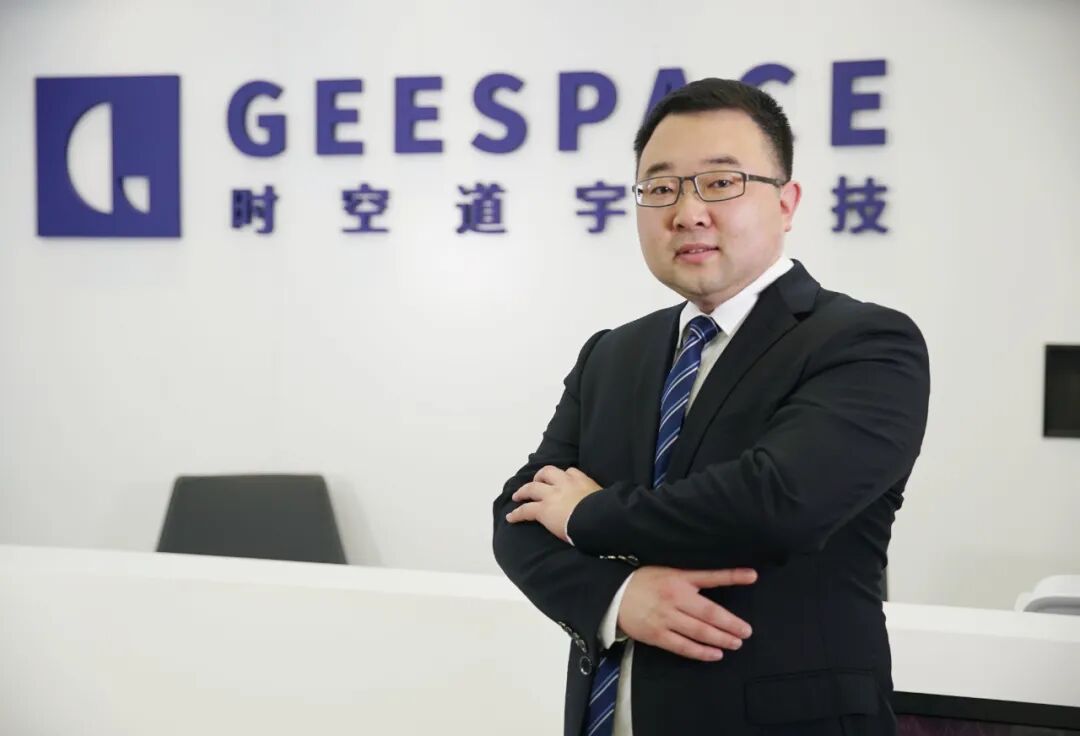
Core Insights - The successful launch of the sixth satellite of the Geely Constellation marks the completion of the first phase of the satellite network, enabling real-time satellite communication for 20 million global users, including 5 million high-frequency users [1] - Wang Yang, the founder and CEO of Time Space Path, is a pivotal figure in China's commercial space industry, having established the first commercial space company in China and emphasizing the importance of market-oriented approaches in satellite technology [3][4] - The completion of the Geely Constellation network signifies a major milestone for China's commercial space sector, allowing satellite technology to serve the public effectively [11][16] Company Overview - Time Space Path, under Wang Yang's leadership, has developed a unique business model that integrates aerospace, automotive, and telecommunications, focusing on making satellite technology accessible to everyone [11][19] - The company has established a satellite super factory in Taizhou, Zhejiang, which is the world's first facility to combine aerospace manufacturing with automotive production, achieving breakthroughs in standardization, automation, and supply chain integration [9][14] - Time Space Path's satellite communication technology has been integrated into various Geely models, enabling satellite phone capabilities and high-precision positioning services, which enhance the functionality of smart vehicles [11][12] Industry Context - The commercial space industry in China is at a critical juncture, with Time Space Path positioned to capitalize on the opportunity to leapfrog competitors by addressing cost and reliability issues in satellite production [4][8] - The company's approach mirrors the rapid growth of China's electric vehicle sector, which has successfully redefined the automotive landscape through innovative manufacturing and technology strategies [18] - Time Space Path aims to create a global satellite communication network, collaborating with operators in regions such as the Middle East, Africa, Southeast Asia, Central Asia, and Latin America to expand its service offerings [18][19]
9月上海篇:2025年主流车企城市NOA试驾报告
Soochow Securities· 2025-09-25 07:19
Investment Rating - The report does not provide specific investment recommendations for individual companies or suppliers in the intelligent driving sector [4][9]. Core Insights - 2025 is identified as a pivotal year for automotive intelligence, with a projected increase in domestic electrification penetration rates to 50%-80% over the next three years, leading to a reshaping of the automotive landscape [4]. - Major intelligent driving manufacturers have successfully implemented complex urban NOA (Navigation on Autopilot) experiences, enhancing high-level functionalities such as parking and scene understanding [4]. - The report evaluates the intelligent driving experiences of ten manufacturers, including XPeng, NIO, and Tesla, through both large sample and small sample road tests, focusing on various dimensions such as scene implementation and comfort [4][9]. Summary by Sections Road Test Overview - The report includes both large sample concentrated road tests and small sample deep road tests to assess the performance of intelligent driving systems [8][27]. - The large sample tests involved approximately 50 participants testing various models along a standardized route, while the small sample tests were conducted by the same evaluators under similar conditions [9][27]. Intelligent Driving Models Tested - The models tested in September 2025 include XPeng P7, NIO ES8, and Tesla Model 3, among others, with specific versions noted for each [10][11]. Performance Evaluation - Compared to Q1 2025, Q3 2025 shows improvements in intelligent driving capabilities across all manufacturers, with a narrowing gap between the leading and following manufacturers [4]. - The report highlights that new entrants in the self-research sector are showing promising performance, with significant iterations expected in the coming months [4]. Specific Model Insights - XPeng's XOS 5.7.7 demonstrated excellent performance with an average takeover frequency of 1.51 times, showcasing strong capabilities in complex scenarios [34]. - The NIO ES8 with cedar model achieved an average takeover frequency of 2.03, indicating robust performance in urban environments [43]. - Tesla's FSD version 13.2 recorded a higher average takeover frequency of 5.73, suggesting areas for improvement in its intelligent driving capabilities [49]. Technical Developments - The report notes advancements in hardware and software across various manufacturers, with many now utilizing self-developed chips and algorithms [26][24]. - Specific improvements in driving comfort and efficiency were reported, with some models achieving significant enhancements in user experience metrics [22].

九月超70款新车扎堆上市
Mei Ri Shang Bao· 2025-09-24 22:23
Core Viewpoint - The automotive market is experiencing an unprecedented surge in new energy vehicle (NEV) launches as companies rush to capitalize on the impending reduction of the purchase tax exemption policy, which will halve from January 1, 2026, leading to increased consumer costs and heightened competition among manufacturers [1][2][4]. Group 1: Market Dynamics - Over 70 new energy models are being launched in September, with an average of two new cars released daily, significantly higher than the previous year's figure of less than 40 models [2]. - The upcoming reduction in the purchase tax exemption, which has been in place for ten years, will result in consumers facing an additional burden of up to 15,000 yuan per vehicle starting in 2026 [2][4]. - The competition in the high-end segment is intensifying, with brands like Zeekr and NIO introducing advanced models that enhance performance and technology [2]. Group 2: Consumer Behavior - The impending tax policy change is influencing consumer purchasing decisions, with many opting to buy now to avoid higher costs in the future [5]. - Companies are implementing various promotional strategies, including financial incentives and trade-in subsidies, to attract consumers and alleviate their concerns [3][4]. Group 3: Sales Pressure - Many manufacturers are facing challenges in meeting their annual sales targets, with companies like Li Auto, NIO, and XPeng reporting completion rates below 60% for their goals [4]. - The competitive landscape is shifting towards aggressive financial strategies, including low or zero-interest loans, to lower the barriers for consumers [4]. Group 4: Future Outlook - The current market dynamics signify a transition towards a more competitive environment post-policy changes, where product quality, brand strength, and cost management will become critical [6]. - The ongoing promotional efforts are not only aimed at capturing the last of the policy benefits but also at preparing for a more challenging market landscape in the coming years [6].

美国白宫:TikTok将从字节跳动租赁算法副本,由甲骨文重新训练|首席资讯日报
Xin Lang Cai Jing· 2025-09-24 08:14
Group 1 - TikTok's new U.S. entity will lease a copy of the algorithm from ByteDance, with Oracle retraining it, and users will not need to download the app again [1] - GSA has added Meta's Llama to its approved AI tools list for U.S. federal agencies, joining Microsoft, Google, Anthropic, and OpenAI [1] Group 2 - Zeekr's current model 001 has sold out, with pre-sales for the refreshed model starting on September 23, and deliveries expected in mid-October [2] - Tencent Holdings repurchased 862,000 shares at a total cost of HKD 550 million, with share prices ranging from HKD 635 to HKD 643, and all repurchased shares will be canceled [3] Group 3 - Li Xiang, CEO of Li Auto, confirmed there is no model named "Li Auto i7," urging customers not to wait for it [4] - Wolong Electric denied reports that its axial flux motors and frameless torque motors are in testing for Tesla's Optimus, stating the information is false [5] Group 4 - Kweichow Moutai denied rumors of lowering its annual performance targets, stating it has met its mid-year goals as planned [6] - Heer Technology confirmed its operations are normal and there are no undisclosed significant matters affecting its stock price [7] Group 5 - The Financial Regulatory Bureau's Li Yunzhe announced that the urban real estate financing coordination mechanism has supported the delivery of nearly 20 million housing units during the 14th Five-Year Plan period [8] Group 6 - Several banks are still offering dollar deposit rates above 3%, but customer managers indicate that a rate cut may come soon [9][10] - A rumor regarding Aomei Medical planning to inject AI chip and humanoid robot assets was denied, with the company stating there are no such plans [11] - Meituan released a new efficient reasoning model, LongCat-Flash-Thinking, which shows improved tool invocation capabilities while saving 64.5% of tokens compared to previous methods [12][11]
小米YU7带给行业哪些启示?
Ping An Securities· 2025-09-24 07:43
Investment Rating - The report maintains an "Outperform" rating for the industry [1] Core Insights - The launch of Xiaomi's YU7 has significant implications for the automotive industry, particularly in the high-end electric vehicle segment [2][3] - Xiaomi's automotive business is expected to achieve profitability by the second half of 2025, with a rapid growth trajectory that could see it surpass its smartphone business in revenue by 2026 [2][3] - The competitive landscape is shifting, with a focus on operational quality and resource efficiency among automakers [2][3] Summary by Sections Section 1: Insights from Xiaomi YU7 - YU7 targets a younger demographic, with an average user age of 33 years and a significant portion of users being under 35 [9][10] - The primary selling point for YU7 is its design, which resonates strongly with consumers, alongside brand recognition [12][15] - The order volume for YU7 is unprecedented, with over 240,000 units locked within 18 hours of launch, indicating a strong market demand [20][21] - YU7 is expected to impact competitors in the same price range significantly, particularly brands like Tesla and other emerging electric vehicle manufacturers [22][23] Section 2: Investment Recommendations - The report recommends investing in Xiaomi Group due to its competitive edge in the automotive sector, particularly in high-end electric vehicles [2][3] - Other recommended companies include Great Wall Motors, Seres, and Li Auto, which are well-positioned in the high-end market [2][3] Section 3: Xiaomi's Automotive Business Potential - Xiaomi aims to become one of the top five global automotive manufacturers, targeting over 1.2 trillion RMB in revenue, which corresponds to sales of over 600,000 vehicles annually [51][52] - The automotive business is projected to exceed the smartphone business in revenue by 2026, with significant growth expected in the coming years [46][47] Section 4: Strategic Shifts in the Automotive Industry - Automakers are increasingly focusing on operational quality and efficiency rather than just scale expansion, with many companies merging brands and consolidating resources [2][3] - The report highlights a trend towards simplifying vehicle SKUs to reduce consumer choice complexity, which is expected to become a standard in the industry [31][32] Section 5: Xiaomi's Profitability and Market Position - Xiaomi's automotive division is on track to achieve profitability within two years of launching its first model, with a significant reduction in losses reported [39][41] - The company has a strong financing capability, with its market value increasing significantly, allowing it to attract more investment compared to other new energy vehicle manufacturers [44]