零跑

Search documents
别再乱买了!20 万级新能源 SUV 真正值得入的只有5 款
Zhong Guo Neng Yuan Wang· 2025-12-17 08:39
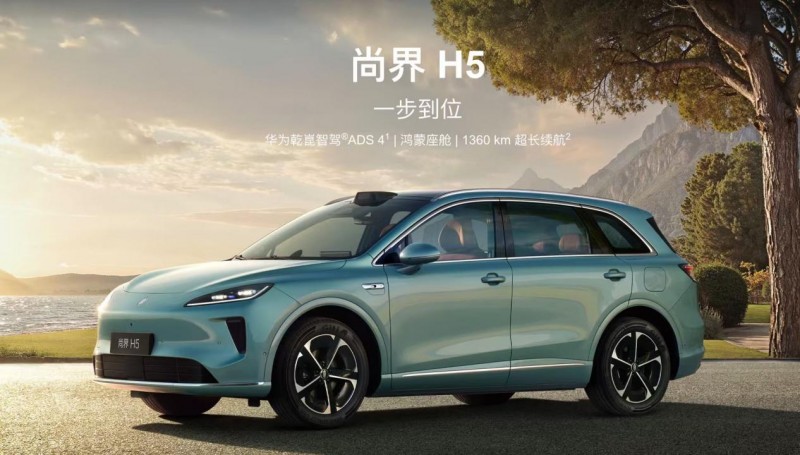
Core Insights - The demand for larger, cost-effective, and intelligent new energy SUVs is increasing as the winter holiday approaches, prompting consumers to reassess their car purchase plans [1] - New energy SUVs have transitioned from being niche options to mainstream choices within the 200,000 RMB budget for family vehicles, with sales and penetration rates expected to rise in 2024 [1] - Key considerations for consumers include space, range, energy consumption, intelligent driving, safety, and long-term ownership costs when selecting a new energy SUV [1][6] Market Trends - The market for new energy vehicles is entering a mature phase, with new energy models accounting for nearly half of the new car market [1] - The question of which new energy SUVs to recommend around the 200,000 RMB price point has become increasingly common among consumers [1] Key Considerations for Selection - **Space and Seating Layout**: Importance of true mid-size or large SUV dimensions, comfort in second and third rows, and trunk capacity [2] - **Range and Energy Consumption**: Evaluation of pure electric, range-extended, and plug-in hybrid technologies, and whether daily commuting can rely primarily on electric power [3] - **Intelligent Driving and Cabin Experience**: Assessment of advanced driver assistance capabilities and the quality of the vehicle's infotainment system [4] - **Safety and Quality Assurance**: Examination of both active and passive safety features, material quality, and performance in safety tests [5] - **Overall Cost and Resale Value**: Consideration of purchase price, daily energy costs, brand reputation, and long-term service stability [6] Recommended Models - **尚界H5**: Priced between 159,800 and 199,800 RMB, it offers a spacious interior, advanced safety features, and a range of up to 1,360 km with a fuel-efficient consumption of 4.44L per 100 km for the range-extended version [7][15][18] - **岚图知音**: A mid-large pure electric SUV with a maximum CLTC range of 901 km, featuring a high-efficiency electric drive system and L2.9 level intelligent driving assistance [19][20] - **零跑C11**: Available in both pure electric and range-extended versions, it provides a maximum CLTC range of 640 km for the electric version and 1,220 km for the range-extended version, with advanced intelligent features [21][22] - **海狮06**: A mid-size SUV from BYD offering both pure electric and DM-i plug-in hybrid options, with a maximum CLTC range of 605 km for the electric version and 1,670 km for the hybrid version [23][24] Consumer Guidance - For urban commuting and family outings, 尚界H5 is recommended due to its high space utilization and flexible power options [25] - For frequent long-distance travel,岚图知音 or the range-extended version of 尚界H5 are suitable choices [25] - For those prioritizing cost-effectiveness and diverse power options, 零跑C11 is a viable alternative [26] - For high-frequency commuting with a focus on low fuel consumption, 海狮06 DM-i is advantageous, though it may lack some advanced intelligent features compared to 尚界H5 [27] Decision-Making Steps - Conduct offline vehicle experiences focusing on the cabin interaction, space, and intelligent driving features of 尚界H5 [28] - Choose the power type based on charging conditions and travel needs [28] - Pay attention to test drive experiences and delivery policies to find the best purchase timing [28] - A combination of real vehicle experiences and scenario matching can help avoid decision-making biases based on specifications alone [29]

重庆万人火锅节12月19日启幕,朝天门广场将现“万人共沸”盛景
Zhong Guo Shi Pin Wang· 2025-12-17 06:12
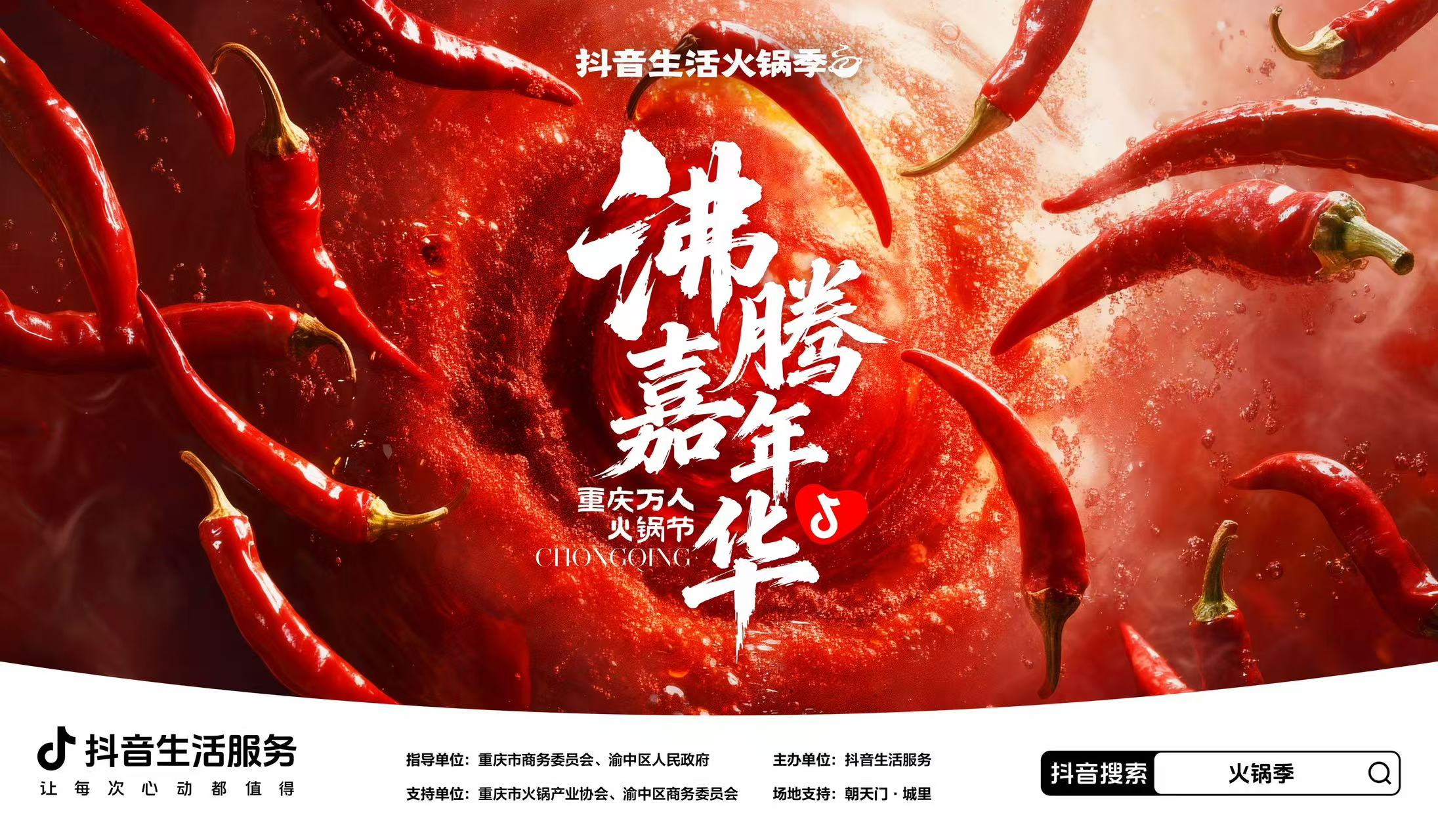
引言: 是谁还在回味去年冬日重庆那场热辣的火锅狂欢! 轻轨穿梭于巨大的"火锅"圆环的精彩瞬间,至今还在脑海循环;55 张圆桌围出团圆阵,四方来客和城市守护者们与市民围坐成圈,牛油香裹着歌声笑声飘 满街头,烟火气直接焊在九龙门下! 今冬,这份滚烫的记忆即将迎来续集。2025年12月19日-21日,抖音生活火锅季沸腾嘉年华暨重庆万人火锅节,空降朝天门广场。此次活动由重庆市商务委 员会、渝中区人民政府指导,重庆市火锅产业协会、渝中区商务委员会、朝天门·城里支持,抖音生活服务主办。两江交汇之处,一场规模更大、场面更 沸、氛围更开的火锅嘉年华,整装待发——准备好入席了吗? 从"千人同欢"到"万人共沸":一场跨越式的温暖奔赴 这不仅是参与人数的倍增,更是场景与体验的全面跃迁。 当两江交汇的江风拂过万人餐桌,火锅不再是围坐一方的小确幸,而是以 "城市为景、万人同席" 的宏大篇章:铜锅蒸腾的热气里,藏着重庆的包容;红汤 翻滚的韵律中,跳着城市的活力。这标志着重庆火锅正以更开放的姿态拥抱世界,在 "迈向世界火锅之都" 的路上,释放出更强劲的文化吸引力。 三大沸腾现场,打造沉浸体验 火锅,是中华饮食文化的瑰宝,更是人间烟火的生动 ...
“制造强国”实干系列周报(12、14期)-20251217
Shenwan Hongyuan Securities· 2025-12-17 01:46
Group 1: Aluminum vs. Copper in Air Conditioning - The shift from copper to aluminum in air conditioning systems is driven by the copper-aluminum price gap, energy efficiency standards upgrades, and refrigerant replacements, with microchannel technology becoming increasingly prevalent[3] - The competitive landscape for microchannel heat exchangers is dominated by three players: Sanhua, Mahler/Delphi, and Danfoss[3] - Sanhua's revenue growth has slowed, indicating a need for innovation and adaptation in the market[14] Group 2: Nuclear Fusion Developments - The nuclear fusion sector is expected to accelerate due to continuous technological breakthroughs and policy support, with significant project milestones achieved in 2025[19] - The global nuclear fusion market is projected to reach approximately $479.5 billion by 2029, with a total of 196 fusion devices expected by 2035[40][42] - Key investment opportunities in nuclear fusion include core supporting entities and high-value segments within the supply chain, such as superconducting magnets and power systems[46] Group 3: Commercial Aerospace - The commercial aerospace sector is witnessing stable or potentially increasing core players due to cost reduction trends, with a focus on satellite manufacturing and launch services[3] - The domestic satellite constellation projects, such as G60 and GW, are set to significantly increase satellite launches, with G60 planning to deploy 1,296 satellites by the end of 2027 and 15,000 by 2030[60] - The market for satellite services and ground equipment is expected to dominate, accounting for over 90% of the commercial aerospace value chain[52]
加码新能源赛道 博俊科技拟斥资6亿元建设重庆汽车轻量化部件生产基地|速读公告
Xin Lang Cai Jing· 2025-12-15 14:04
Core Viewpoint - The company, Bojun Technology, is expanding its operations in the new energy vehicle sector by establishing a new lightweight automotive component production base in Chongqing, with a total investment of 600 million yuan to meet increasing customer demand [1][2]. Group 1: Company Expansion - Bojun Technology's wholly-owned subsidiary plans to sign a cooperation agreement to build a production base covering an area of approximately 119 acres [1]. - The project aims to enhance the development of lightweight automotive components and optimize regional capacity distribution to better meet customer needs [1]. Group 2: Financial Performance - For the first three quarters of 2025, the company's operating income reached 4.075 billion yuan, representing a year-on-year increase of 42.36% [2]. - The net profit attributable to shareholders for the same period was 627 million yuan, reflecting a year-on-year growth of 70.47% [2]. Group 3: Strategic Partnerships and Production Capacity - Bojun Technology has established strategic partnerships with well-known automotive manufacturers such as Li Auto, BYD, and Geely, and operates 15 subsidiaries nationwide [2]. - The company has adopted an "order-based production capacity" strategy, leading to significant investments in new production bases in various locations, totaling 2.36 billion yuan this year [2].

菱电电控:公司EMS产品先后供应理想、零跑、广汽等车企的混动车型
Zheng Quan Ri Bao Wang· 2025-12-15 11:45
Core Viewpoint - The company has maintained a development strategy focused on "customer passenger vehicle adaptation and product electrification" since its listing [1] Group 1: Company Strategy - The company supplies EMS products to various automotive manufacturers, including Li Auto, Leap Motor, and GAC, for their hybrid models [1] - The company is actively promoting the application of electrified products such as VCU, MCU/GCU, and GECU across more vehicle models [1]

崔东树:2025年全国汽车市场总体走势较强 新能源商用车景气度走高
智通财经网· 2025-12-14 09:49
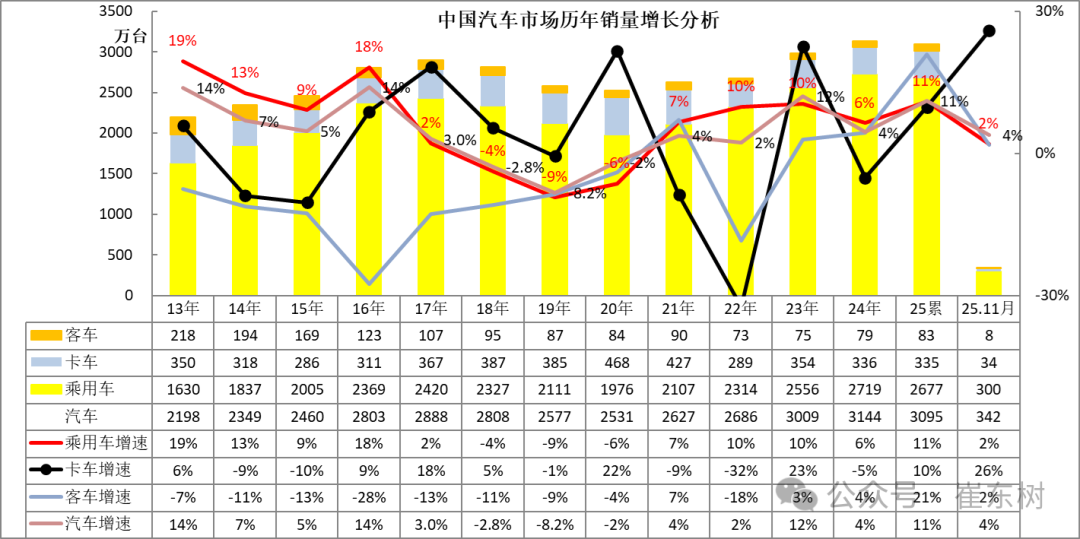
Core Viewpoint - The automotive market in China is expected to maintain strong growth in 2025, driven by government policies promoting consumption, with passenger vehicle growth projected at 11% and significant recovery in both truck and bus markets [1][2]. Group 1: Market Trends - The automotive market is experiencing a clear differentiation between passenger and commercial vehicles, with passenger vehicle consumption improving while commercial vehicle sales are weaker [4][6]. - In the first 11 months of 2025, total automotive sales reached 30.94 million units, with a cumulative growth rate of 11% [6]. - November 2025 saw total automotive sales of 3.42 million units, reflecting a year-on-year growth of 3% [6]. Group 2: Company Performance - There is significant performance differentiation among major automotive groups, with some state-owned enterprises lagging behind while companies like BYD and Chery show strong performance [9][12]. - The competitive landscape is shifting, with private enterprises like Geely, BYD, and Chery becoming the main players in the industry, indicating a sustainable trend [12][13]. Group 3: Passenger Vehicle Dynamics - Cumulative sales of narrow passenger vehicles reached 26.75 million units in the first 11 months of 2025, with an 11% growth rate [17]. - In November 2025, narrow passenger vehicle sales totaled 3 million units, showing a year-on-year increase of 2% [17][19]. - The retail sales of narrow passenger vehicles maintained a year-on-year growth of 5% since 2023, although a downward trend was observed from September 2025 [21]. Group 4: New Energy Vehicle Trends - In November 2025, sales of new energy passenger vehicles reached 1.71 million units, marking a year-on-year increase of 19% [24]. - Cumulative wholesale sales of new energy passenger vehicles from January to November 2025 reached 13.77 million units, reflecting a year-on-year growth of 28% [24][26]. Group 5: Commercial Vehicle Insights - The commercial vehicle market is characterized by structural growth driven by equipment renewal subsidies, with high subsidies accelerating the electrification of logistics and transportation [1][4]. - In the first 11 months of 2025, cumulative truck sales reached 3.35 million units, with a growth rate of 10% [37]. - November 2025 saw truck sales of 340,000 units, representing a year-on-year increase of 26% [37][39].


车企集体“摸着理想过河”,结果都在2025年掉进了河里
虎嗅APP· 2025-12-14 08:50
Core Viewpoint - The market for range-extended electric vehicles (REEVs) is experiencing a significant decline in sales growth, contrasting sharply with the robust growth of pure electric vehicles (EVs) [5][9]. Group 1: Market Trends - From January to October 2025, the sales growth of domestic range-extended vehicles was only 5.7%, while pure electric vehicles saw a growth of 30.3% during the same period [5]. - Since June 2025, the range-extended vehicle market has experienced a continuous decline in sales for five consecutive months, a stark contrast to the previous years of rapid growth [5][9]. - Despite the declining sales, over 20 new range-extended models have been announced or are set to launch in 2025, indicating a supply surge amidst weak demand [5][9]. Group 2: Historical Context and Technological Evolution - The concept of range-extended vehicles is not new; it dates back to the early 1900s with the Lohner-Porsche Mixte, but it has historically struggled to find a viable market position due to technical and economic challenges [6]. - The success of the Li Auto ONE in 2019 marked a turning point, as it effectively addressed consumer pain points by offering a combination of features typically found in higher-priced vehicles while utilizing a cost-effective range-extended structure [6][7]. Group 3: Competitive Landscape - The period from 2019 to 2022 saw explosive growth in range-extended vehicle sales, driven by skyrocketing battery material costs, which made REEVs more economically attractive compared to pure EVs [9]. - The market dynamics shifted in 2025, with a notable decline in range-extended vehicle sales, while pure electric vehicles began to regain momentum, selling 10.89 million units with a growth of 24.2% [9][10]. - New entrants in the market are adopting a "REEV 2.0" strategy, featuring larger batteries and fuel tanks, which blurs the lines between REEVs and pure EVs [10][11]. Group 4: Future Outlook - The current state of the range-extended vehicle market suggests a potential shift towards niche applications rather than mainstream adoption, as the technology may still hold value in specific scenarios such as off-road or extreme conditions [15].
51%之后:中国新能源汽车的“天花板”在哪里?
财富FORTUNE· 2025-12-10 13:05
Core Viewpoint - The Chinese electric vehicle (EV) industry is at a critical juncture, with market penetration exceeding 50%, indicating a shift from a policy-driven phase to a market-driven norm, despite leading companies like BYD facing profit pressures due to intensified competition and price wars [1][3][4]. Group 1: Market Dynamics - In October, the monthly sales of new energy vehicles (NEVs) surpassed 50% of total new car sales for the first time, reaching 51.6% [1][4]. - From January to August, NEV sales exceeded 9.6 million units, marking a year-on-year growth of 36.7%, with a market share of 45.5% [4]. - The penetration curve of NEVs shows a typical S-shaped growth, indicating a transition from early adopters to early majority [4]. Group 2: Industry Challenges - BYD reported a 3% decline in revenue and a 33% drop in net profit in Q3, attributed to increased competition and ongoing price wars [1]. - UBS forecasts a cautious outlook for the automotive market, predicting a slowdown in sales growth from 8% in 2025 to -2% in 2026, influenced by regulatory changes and reduced demand [5]. - The report anticipates that the wholesale growth rate for passenger vehicles will decrease from 11% to 3% in the same period [5]. Group 3: Global Expansion - By October, three out of every four EVs globally were from Chinese brands, highlighting the acceleration of globalization among Chinese automakers [7]. - The export of NEVs from China is expected to grow by 40% to 2.83 million units next year, with significant growth in markets outside China [6]. - Chinese automakers are adapting their strategies for international markets, focusing on local production and partnerships rather than merely exporting vehicles [9]. Group 4: Technological Advancements - The competition in the EV sector is shifting towards smart technology and ecological integration, with 2025 being termed the "Year of AI in Vehicles" [10]. - The focus is moving from basic driver assistance to advanced autonomous driving capabilities, requiring substantial R&D investments [10]. - Companies that can effectively translate technological advancements into improved user experiences are likely to gain significant market advantages [10]. Group 5: Ecosystem Development - The competition is evolving towards creating ecosystems around vehicles, integrating energy management, and smart city connectivity [11]. - Two primary ecological models are emerging: the "mobility ecosystem" centered around vehicles and the "lifestyle ecosystem" integrating consumer electronics and automotive technology [11]. - This ecological competition allows for diversified revenue streams beyond traditional hardware sales, enhancing long-term profitability [11].
新势力 | 11月:新能源渗透率提速 新势力销量向上【国联民生汽车 崔琰团队】
汽车琰究· 2025-12-05 02:04
Core Viewpoint - The article highlights the performance of key new energy vehicle companies in November 2025, showcasing their delivery volumes and year-on-year growth rates, while also discussing the overall market trends and the impact of subsidy policies on consumer behavior [2][3][4][5][6][7]. Group 1: Delivery Performance - Leap Motor delivered 70,327 vehicles in November, a year-on-year increase of 75.1% and a slight month-on-month increase of 0.1% [3]. - Xpeng delivered 36,728 vehicles, reflecting an 18.9% year-on-year increase but a 12.6% decrease month-on-month [4]. - NIO delivered 36,275 vehicles, with a year-on-year growth of 76.3% and a month-on-month decline of 10.2% [5]. - Li Auto delivered 33,181 vehicles, showing a significant year-on-year decrease of 31.9% but a month-on-month increase of 4.5% [6]. - Zeekr delivered 28,843 vehicles, marking a 6.8% year-on-year increase and a notable month-on-month increase of 34.6% [7]. - Xiaomi reported deliveries exceeding 40,000 vehicles in November [7]. Group 2: Market Trends - The overall retail market for narrow passenger vehicles in November is estimated at approximately 2.25 million units, a year-on-year decrease of 8.7%, while the new energy vehicle retail is expected to reach 1.35 million units, achieving a penetration rate of 60% for the first time [2]. - The five sample new force car companies (excluding Xiaomi) collectively delivered 205,354 vehicles, representing a year-on-year increase of 22.7% [2]. Group 3: Competitive Landscape - Leap Motor's growth is attributed to strong product offerings like the C10 and B01, which are competitively priced under 200,000 yuan [3]. - Xpeng's new model, the X9 Super Range, launched in November, has set a record for pre-orders, indicating strong market interest [4]. - NIO's ES8 2026 model achieved a record delivery of over 20,000 units within 70 days of its launch, showcasing its market appeal [5]. - Li Auto is enhancing its charging network, which is expected to support its competitiveness as new electric products are introduced [6]. - Zeekr's new models, including the refreshed Zeekr 001 and 7X, are positioned to attract consumers in the mid to high-end market segments [7]. Group 4: Technological Advancements - The article notes that the advancement of intelligent driving technology is accelerating, with companies like Xpeng and Huawei leading the charge in promoting smart driving features [8]. - The article anticipates that advancements in intelligent driving technology will lower hardware barriers, allowing for broader application in the mainstream market [8]. - The emergence of autonomous driving capabilities is seen as a critical competitive factor for car manufacturers, with a focus on companies that are leading in smart technology [9]. Group 5: Component Industry Outlook - The article suggests a positive outlook for the new energy vehicle supply chain and smart electric growth, with low valuations in the component sector indicating potential for mid-term growth [10]. - Recommendations include focusing on intelligent driving components and the new force supply chain, highlighting specific companies within these sectors [11].

联手华为 小鹏“补课”增程
Bei Jing Shang Bao· 2025-12-04 12:37
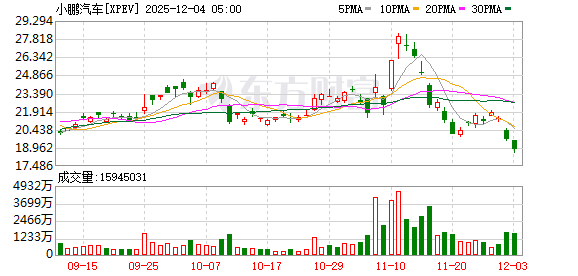
Core Viewpoint - Xiaopeng Motors is collaborating with Huawei to enhance its range extender technology, aiming to strengthen market competitiveness and financial sustainability. The company plans to launch multiple super range extender products next year and enter overseas markets with these models [1][11]. Group 1: Collaboration and Technology Development - Xiaopeng Motors and Huawei have announced the global debut of the Xiaopeng X9 super range extender, featuring Huawei's DriveONE high-integration high-voltage oil-cooled generator, developed through a joint research model rather than a traditional supplier relationship [2][4]. - The Xiaopeng X9 super range extender addresses limitations of traditional range extender systems, such as energy efficiency and power generation capabilities, by introducing a new generator with a power density of 1.88 kW/kg and peak power output of 85 kW [5][6]. Group 2: Market Dynamics and Competition - The hybrid and range extender market is growing rapidly, with projections indicating that by 2025, these vehicles will account for nearly 50% of the new energy vehicle market [7]. - The domestic hybrid vehicle market has seen a tenfold increase in sales from 2020 to 2023, with plug-in hybrid vehicle sales reaching 480,000 units in October, reflecting a 13% month-on-month growth [7][8]. Group 3: Financial Performance and Future Plans - In Q3, Xiaopeng Motors reported revenue of 20.38 billion yuan, a year-on-year increase of 101.8%, with a gross margin of 20.1%, up 4.8 percentage points from the previous year. The net loss narrowed to 380 million yuan from 1.81 billion yuan in the same period last year [9][10]. - The company aims to achieve breakeven in Q4 and plans to launch three super electric range extender products in Q1 of next year, followed by four new "dual-energy" models to expand its market share [10][11].