零跑汽车

Search documents
华尔街见闻早餐FM-Radio|2026年1月1日
Sou Hu Cai Jing· 2025-12-31 23:52
Market Overview - In 2025, U.S. stock and bond markets faced declines, with major indices experiencing four consecutive days of losses. However, the tech sector supported the Nasdaq, which rose over 20% for the year, while Nvidia and Google saw annual gains of nearly 40% and 65%, respectively [1] - The U.S. unemployment claims fell to 199,000, nearing historical lows, while the dollar index rose to a one-week high despite an eight-year record annual decline [1][11] - The offshore RMB broke through 6.98, reaching a 15-month high, with an annual increase of over 3000 points, reversing three years of decline [1] - The cryptocurrency market saw significant declines, with Bitcoin dropping over 6% and Ethereum falling more than 10% for the year [1] - Precious metals experienced a significant annual increase, with gold and silver rising over 60% and nearly 150%, respectively, marking the largest annual gains since 1979 [1][3] A-Share Market - The Shanghai Composite Index closed at 3968.84 points, up 0.09%, while the Shenzhen Component Index fell 0.58% to 13525.02 points. The ChiNext Index dropped 1.23% to 3203.17 points [3] - The A-share market saw a strong performance in 2025, with the Shanghai Index gaining nearly 20% and the ChiNext Index soaring close to 50% [1] Commodity Market - The commodity market in 2025 displayed a historic divergence, with precious metals leading a bull market. Silver surged over 140%, while gold rose over 60%, marking the strongest performance since 1979 [14] - Copper prices increased over 40%, achieving the largest annual gain since 2009, while energy and agricultural products faced a bear market, with crude oil prices dropping over 15% [14] Regulatory Changes - The China Securities Regulatory Commission (CSRC) announced a reduction in public fund subscription fees and sales service fees, with no sales service fees for fund shares held for over a year [8] - The CSRC's measures aim to enhance investor protection and improve the investment environment [8] Manufacturing Sector - China's official manufacturing PMI for December was reported at 50.1, returning to the expansion zone, while the non-manufacturing PMI was at 50.2. This indicates a recovery in manufacturing and service sectors [9][10] - The increase in PMI is attributed to policy support, rising external demand, and a favorable seasonal effect due to the late timing of the Spring Festival [10] Technology Sector - OpenAI reported an average employee compensation of $1.5 million, setting a record in the tech industry, with stock compensation expected to increase significantly in the coming years [12] - The launch of the first personal robot by Upwind New Materials marks a strategic entry into the personal robotics market, showcasing advancements in technology [21]


华尔街见闻早餐FM-Radio | 2026年1月1日
Hua Er Jie Jian Wen· 2025-12-31 23:28
Market Overview - In 2025, U.S. stock and bond markets faced declines, with major indices experiencing four consecutive days of losses. However, the tech sector supported the Nasdaq, which rose over 20% for the year, while Nvidia and Google saw annual gains of nearly 40% and 65%, respectively [2] - The U.S. unemployment claims fell to 199,000, nearing historical lows, indicating a recovering job market [19] - The Chinese manufacturing PMI for December returned to the expansion zone at 50.1, while the non-manufacturing PMI was at 50.2, suggesting a slight improvement in economic activity [27] Commodity Market - Precious metals experienced significant volatility, with gold and silver prices rising over 60% and nearly 150% for the year, marking the largest annual gains since 1979 [2] - Crude oil prices fell approximately 20% in 2025, representing the largest annual decline in five years, with Brent crude also experiencing a three-year consecutive drop [2] - Copper prices increased over 40% for the year, achieving the highest annual gain since 2009 [2] Company and Industry Developments - OpenAI reported an average employee compensation of $1.5 million, setting a record in the tech industry [20] - Blue Arrow Aerospace's IPO has been accepted, aiming to become the first commercial rocket company listed in China, following a successful launch of its reusable rocket [29] - Chinese electric vehicle brands achieved a record market share of 12.8% in Europe, with significant sales increases for companies like BYD and Chery [29] Financial Regulations - The China Securities Regulatory Commission announced a reduction in public fund subscription fees and sales service fees, with no sales service fees for fund shares held for over a year [18]

乘用车与重卡以旧换新政策解读及2026年车市展望
2025-12-31 16:02
Summary of Conference Call on Automotive Industry and Policies Industry Overview - The conference call discusses the automotive industry, specifically focusing on passenger vehicles and commercial trucks, with an emphasis on the 2026 automotive subsidy policies and market outlook [1][2][3]. Key Points on 2026 Automotive Subsidy Policies - **Total Subsidy Amount**: The total subsidy for 2026 is set at 300 billion, with approximately 150 billion allocated to the automotive sector. Funds will be distributed more evenly across quarters to avoid issues seen in 2025 [1][3]. - **Subsidy Structure Changes**: The subsidy method will shift from fixed amounts to a percentage of the vehicle price, favoring models priced above 150,000 yuan. For electric vehicles, the scrappage subsidy is 12% (up to 20,000 yuan), while for fuel vehicles, it is 10% (up to 1,500 yuan) [1][3]. - **Incentives for New Energy Vehicles (NEVs)**: NEVs will receive higher scrappage and replacement subsidies compared to fuel vehicles, indicating a strong policy push towards electric mobility [1][4]. Market Outlook for 2026 - **Passenger Vehicle Market**: The overall expectation for the passenger vehicle market in 2026 is positive, with a forecasted wholesale volume of approximately 30 million units, remaining stable compared to 2025. Domestic demand is expected to decline slightly by 2%, while exports are projected to grow by 10% to 6 million units [2][8]. - **Commercial Vehicle Market**: The commercial vehicle sector, particularly heavy-duty trucks, is expected to see a slight decline or stabilization in domestic sales, estimated at around 750,000 units. However, the penetration rate of new energy vehicles in this segment is anticipated to rise to 32%-35% [2][15]. Investment Opportunities - **Valuation and Investment Timing**: The current valuation of the automotive sector is considered low, at the 60th percentile of the past five years. The new policies and positive January data are expected to drive a significant upward trend in the first quarter [2][9]. - **Focus on Specific Brands**: Brands such as Geely, BYD, and Leap Motor are highlighted as having beta attributes that may benefit from the new policies. Additionally, companies like XPeng Motors and Changan Automobile are recommended for their potential in self-driving and international expansion [2][10]. Regulatory and Market Dynamics - **Regulatory Changes**: Stricter regulations to prevent subsidy fraud are expected to enhance consumer confidence and promote healthy market growth. The government aims to ensure that subsidies effectively reach consumers [5][6]. - **Impact of Economic Conditions**: Despite uncertainties in the overall economic environment, the demand for high-end NEVs is expected to continue growing, supported by consumer upgrade trends [5]. Commercial Vehicle Specifics - **Subsidy Impact on Heavy-Duty Trucks**: The scrappage and replacement subsidies for commercial vehicles are more substantial than anticipated, with diesel and natural gas vehicles receiving over 25% and NEVs up to 30% in subsidies [2][13]. - **Export Market Growth**: The export market for heavy-duty trucks is projected to benefit from infrastructure development in Africa and Southeast Asia, with an expected growth rate of 15% or higher in 2026 [2][17][18]. Conclusion - The automotive industry is poised for a transformative year in 2026, driven by favorable subsidy policies, a shift towards new energy vehicles, and a stable market outlook for both passenger and commercial vehicles. Investment opportunities are emerging, particularly in brands that align with the new regulatory environment and consumer trends.
五维度看2025中国乘用车发展之“术”
Xin Lang Cai Jing· 2025-12-31 16:01
Core Insights - The Chinese passenger car market is experiencing unprecedented vitality and resilience due to various transformative forces, with a focus on the industry's ability to identify and solve problems [1][2]. Group 1: New Energy Vehicle Market - The penetration rate of new energy vehicles (NEVs) in China reached 53.6% in the first 11 months of 2025, indicating a shift from policy-driven to market-driven growth [4]. - The number of new car models launched in 2025 exceeded 200, showcasing the industry's strength and providing diverse options for consumers [5]. - Major NEV manufacturers have established comprehensive product platforms, enabling rapid iteration and performance enhancement across various models [6]. Group 2: Technological Advancements - Significant advancements in foundational technologies, such as intelligent chassis systems, are enhancing the overall level of the NEV industry [7]. - The performance of pure electric vehicles has improved, with extended driving ranges and enhanced safety features, addressing consumer concerns [8]. - Range-extended vehicles have also seen performance improvements, with some models achieving over 1000 kilometers of range [9]. Group 3: Autonomous Driving and AI Integration - The first batch of Level 3 conditional autonomous driving vehicle licenses was issued, marking a new phase in the commercialization of autonomous driving in China [10]. - AI technology is being integrated into smart cockpit systems, enhancing user interaction and experience [11]. - The automotive industry is witnessing a shift towards cognitive intelligence, allowing vehicles to understand and respond to complex commands [23]. Group 4: Domestic Brand Performance - Domestic brands captured a market share of 69.6% in the first 11 months of 2025, reflecting their growing competitiveness [13]. - High-end NEV sales have been dominated by domestic brands, indicating their increasing strength in the premium segment [14]. - Domestic brands are expanding internationally, with significant export growth and market penetration in Europe and Southeast Asia [15]. Group 5: Brand Image and Communication - Automotive leaders are increasingly engaging with consumers through relatable narratives, moving away from traditional high-end marketing [39]. - The industry is addressing issues of "involution" and promoting high-quality development to avoid harmful price competition [40][41]. - Companies are adopting transparent communication strategies to build trust and address safety concerns following incidents involving autonomous driving technologies [44][46].




车市告别顺风时代
2 1 Shi Ji Jing Ji Bao Dao· 2025-12-31 13:58
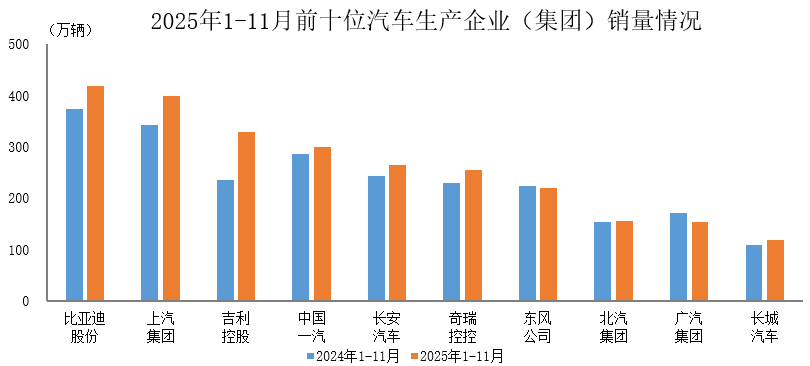
Core Insights - The Chinese automotive market is at a historic crossroads, with increasing penetration of new energy vehicles (NEVs) and a shift in market dominance, marking the end of the era of broad market growth and the beginning of a multi-dimensional competition focused on technology, ecology, and globalization [1] Market Performance - In November 2025, retail sales of passenger vehicles in China reached 2.225 million units, a year-on-year decline of 8.1% and a month-on-month decline of 1.1% [2] - The retail sales of fuel vehicles fell by 22% year-on-year, while pure electric models saw a 9.2% increase, pushing the NEV retail penetration rate to 59.3%, which further rose to 62.3% by mid-December [3] Competitive Landscape - The competition in the NEV sector has shifted from growth to a focus on existing market share, with companies now competing on technology iteration, ecosystem building, and organizational efficiency [5] - BYD's domestic sales in November 2025 were 348,300 units, down 26.81% year-on-year, indicating increased competitive pressure and a need for technological advancement [5] - Chery's wholesale sales in November 2025 reached the top three among NEV manufacturers, with a year-on-year growth of 54% and a market share of 6.5% [6] Export Dynamics - Chinese automotive exports surpassed 700,000 units in November 2025, marking a transition to a more localized production and ecosystem output model in the global market [4][10] - From January to November 2025, China exported 6.343 million vehicles, a year-on-year increase of 18.7%, with NEV exports doubling and becoming a key driver of overseas growth [9] Strategic Shifts - Companies are adopting diverse strategies for international expansion, with BYD focusing on localized production and ecosystem integration, while Chery emphasizes high-value market penetration through technology [10][11] - New entrants like NIO and Li Auto are facing challenges in their unique business models, while Leap Motor is validating its differentiated survival path through vertical integration and cost control [9] Policy Implications - The adjustment of the new energy vehicle purchase tax policy in 2026 is expected to compel companies to enhance cost control and supply chain optimization [14] - The automotive industry is anticipated to shift from a "policy-driven" growth model to a "value-driven" one, emphasizing high-quality transitions [15] Future Outlook - The market is expected to see a modest growth of around 3% in 2026, with NEV penetration continuing to rise but at a slower pace [15][16] - Companies are preparing for intensified competition by focusing on product iteration, technological implementation, and cost optimization in both domestic and international markets [17][18]


车市告别顺风时代
21世纪经济报道· 2025-12-31 13:52
Core Viewpoint - The Chinese automotive market is at a historic crossroads, transitioning from a growth phase to a competitive landscape characterized by technology, ecology, and globalization, as evidenced by the rising penetration of new energy vehicles (NEVs) and intensified competition among manufacturers [1][2]. Market Dynamics - The retail volume of fuel vehicles decreased by 22% year-on-year, while pure electric vehicles saw a 9.2% increase, pushing the NEV retail penetration rate to 59.3% in November 2025, further rising to 62.3% by mid-December [2]. - The market has shifted from a phase of broad growth to one of intense competition, where companies must focus on technological advancement, ecosystem development, and operational efficiency [4]. Competitive Landscape - BYD, once a dominant player, experienced a 26.81% decline in domestic sales in November 2025, highlighting the pressures from increased competition and the need for continuous technological innovation [4]. - Chery achieved significant growth, with a 54% year-on-year increase in NEV wholesale sales in November 2025, marking its entry into the top three NEV manufacturers [5]. - Traditional automakers like SAIC are rapidly transforming, narrowing the sales gap with BYD, indicating a shift in competitive dynamics [5]. Global Expansion - Chinese automotive exports reached 634.3 million units from January to November 2025, a year-on-year increase of 18.7%, with NEVs becoming a core driver of this growth [9]. - The export strategy has evolved from a trade-focused approach to a more integrated model involving localized production and ecosystem collaboration [9][10]. Policy Changes and Market Outlook - Key policy adjustments, including changes to the new energy vehicle purchase tax, are expected to drive companies to enhance cost control and supply chain optimization [15]. - The market is anticipated to see modest growth in 2026, with a focus on high-quality transitions rather than mere volume expansion, as companies adapt to new competitive realities [16]. Strategic Focus - Companies are expected to concentrate on product iteration, technological implementation, and cost optimization in the domestic market, while also enhancing localization and ecosystem output in overseas markets [17][18]. - The ability to establish a technological and ecological moat domestically, along with a sustainable operational framework internationally, will be crucial for companies navigating the upcoming competitive landscape [18].

突然,大涨24%!
Zhong Guo Ji Jin Bao· 2025-12-31 12:18
Market Overview - The Hong Kong stock market experienced slight declines on the last trading day of 2025, with the Hang Seng Index closing at 25,630.54 points, down 0.87% [2] - Despite the daily drop, all three major indices maintained an upward trend for the second consecutive year, with the Hang Seng Index rising 27.77%, the Hang Seng Tech Index increasing by 23.45%, and the Hang Seng China Enterprises Index up by 22.27% for the year [2] Sector Performance - Major technology stocks mostly declined, with JD.com and Alibaba both falling over 1%, while internet healthcare stocks like JD Health and Ping An Good Doctor also dropped more than 1% [3] - Automotive stocks weakened, with Li Auto down nearly 3% and BYD down over 2% [3] - Conversely, airline stocks surged, with China Eastern Airlines rising nearly 5%, China Southern Airlines up over 4%, and Air China increasing by over 3% [3] New Listings - The newly listed company, Insilico Medicine, saw a significant increase of nearly 24% on its second day of trading, with its market capitalization surpassing 18 billion HKD [4] - Insilico Medicine, established in 2014, is a leading player in AI-driven drug discovery and development, having generated over 20 clinical or IND-stage assets through its Pharma.AI platform [7][8] - The company has licensed three assets to international pharmaceutical firms, with a total contract value of up to 2.1 billion USD [7] Entertainment Sector - The entertainment sector showed positive performance, with shares of Damai Entertainment rising nearly 6%, China Star Group up nearly 5%, and Maoyan Entertainment increasing by over 3% [9] - The total box office for the 2025 holiday season (November 28 to December 31) exceeded 5.245 billion CNY, marking the highest figure for the same period in nearly eight years, with a year-on-year increase of 76.35% [10]
新能源汽车售后,谁是一条龙,谁是一条虫
3 6 Ke· 2025-12-31 12:09
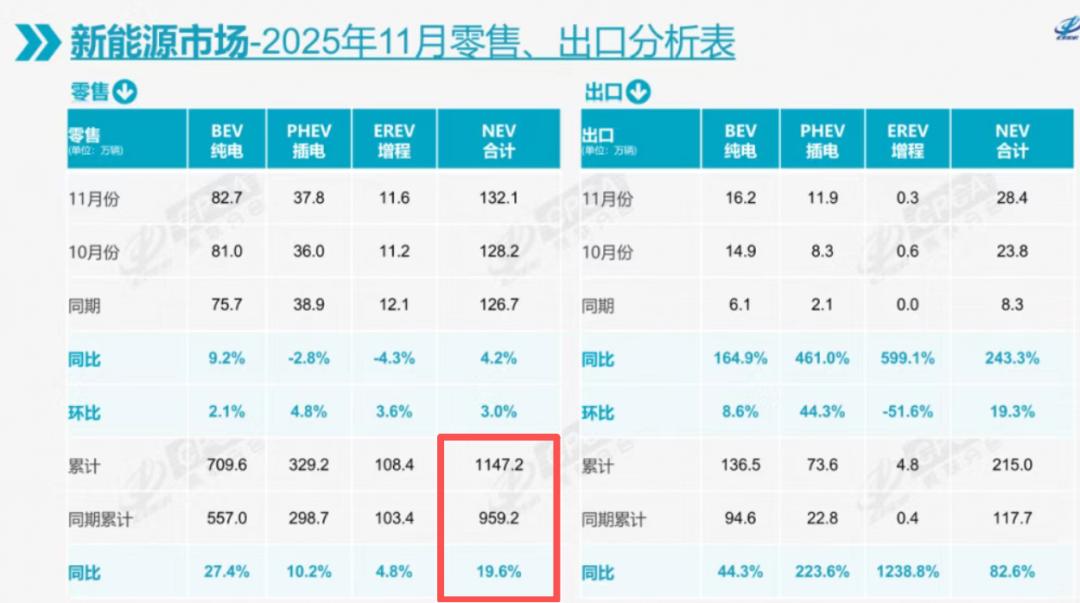
Core Insights - The retail sales of new energy passenger vehicles reached 11.472 million units in the first 11 months, a year-on-year increase of 19.6%, surpassing traditional fuel vehicles by 1.462 million units [1] - In November, the domestic retail penetration rate of new energy vehicles surged to 59.3%, an increase of seven percentage points year-on-year [1] Sales Data Summary - In November, the retail sales of new energy vehicles included 827,000 BEVs, 378,000 PHEVs, and 116,000 EREVs, totaling 1.321 million units [2] - Compared to October, November saw a 2.1% increase in BEV sales, a 4.8% increase in PHEV sales, and a 3.6% increase in EREV sales [2] - Cumulatively, from January to November, BEV sales reached 7.096 million units, PHEV sales reached 3.292 million units, and EREV sales reached 1.084 million units, totaling 11.472 million units [2] Customer Experience Challenges - Many new energy vehicle owners report dissatisfaction with post-purchase experiences, particularly regarding after-sales service [3] - Common complaints include delays in service response, issues with vehicle systems, and inadequate support for charging infrastructure [4][6] - The gap between sales promises and actual service delivery is becoming a significant concern for consumers [3][7] After-Sales Service Issues - Customers have expressed frustration over the reliability of charging stations and the responsiveness of customer service when issues arise [4][6] - Repair experiences can be lengthy and complicated, especially in areas lacking official service centers [8][19] - The high technical complexity of electric vehicles creates challenges for maintenance and repair, leading to longer wait times for parts and service [16][19] Industry Response and Strategies - Different companies are adopting varied strategies to address after-sales service challenges [21] - NIO has focused on building a high-quality service ecosystem, including extensive battery swap networks and dedicated service centers [25] - Tesla integrates sales and service through a direct sales model, ensuring transparency and efficiency in service delivery [27] - Other companies, like Hongmeng Zhixing, leverage existing networks to enhance service offerings, creating a more customer-centric experience [30] Conclusion - The new energy vehicle market is experiencing rapid growth, but the disparity between sales and service quality poses risks to customer satisfaction and brand loyalty [31] - Companies must prioritize after-sales service as part of their long-term strategy to remain competitive in the evolving market landscape [31]

要成为年销400万辆的世界级车企,零跑汽车凭什么?
Jing Ji Guan Cha Wang· 2025-12-31 11:51
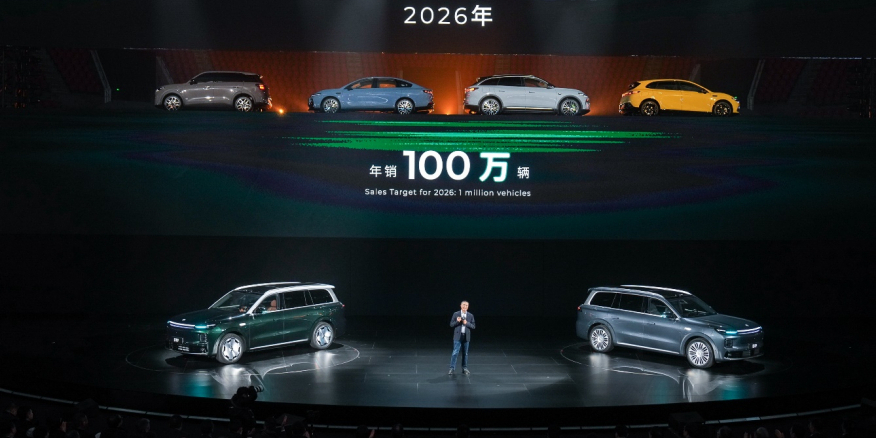
Group 1 - The core objective of Leap Motor is to become a "world-class intelligent electric vehicle company" with a long-term sales target of over 4 million units annually, aiming for a breakthrough of 1 million units by 2026 [2][4] - Leap Motor has signed an investment and cooperation agreement with China FAW, marking a significant partnership that follows the previous strategic investment from Stellantis, enhancing its capital and technological capabilities [2][6] - The company has achieved a cumulative delivery of over 1.2 million vehicles and expects nearly 600,000 units in sales for 2025, demonstrating a strong market presence and continuous quarterly profitability [3][8] Group 2 - Leap Motor's strategy focuses on self-research and manufacturing of core components, which account for approximately 65% of the vehicle's cost, allowing for a "cost pricing" principle that enhances its competitive edge [3][4] - The company plans to emphasize technological innovation, product iteration, ecosystem construction, industrial clusters, and marketing services as part of its transformation from a startup to a large-scale enterprise [4][5] - Leap Motor aims to enhance its brand recognition and user trust in the Chinese market through strategic partnerships, leveraging the strengths of its major shareholders [6][7] Group 3 - The collaboration with Stellantis has enabled Leap Motor to expand its international business, covering 35 countries and regions with over 800 overseas outlets, and projecting an export volume of over 60,000 units by 2025 [7][8] - Leap Motor's future strategy will focus on internal development and maintaining its core business, rather than broadly exporting technology, while continuing to strengthen partnerships with key stakeholders [7][8]

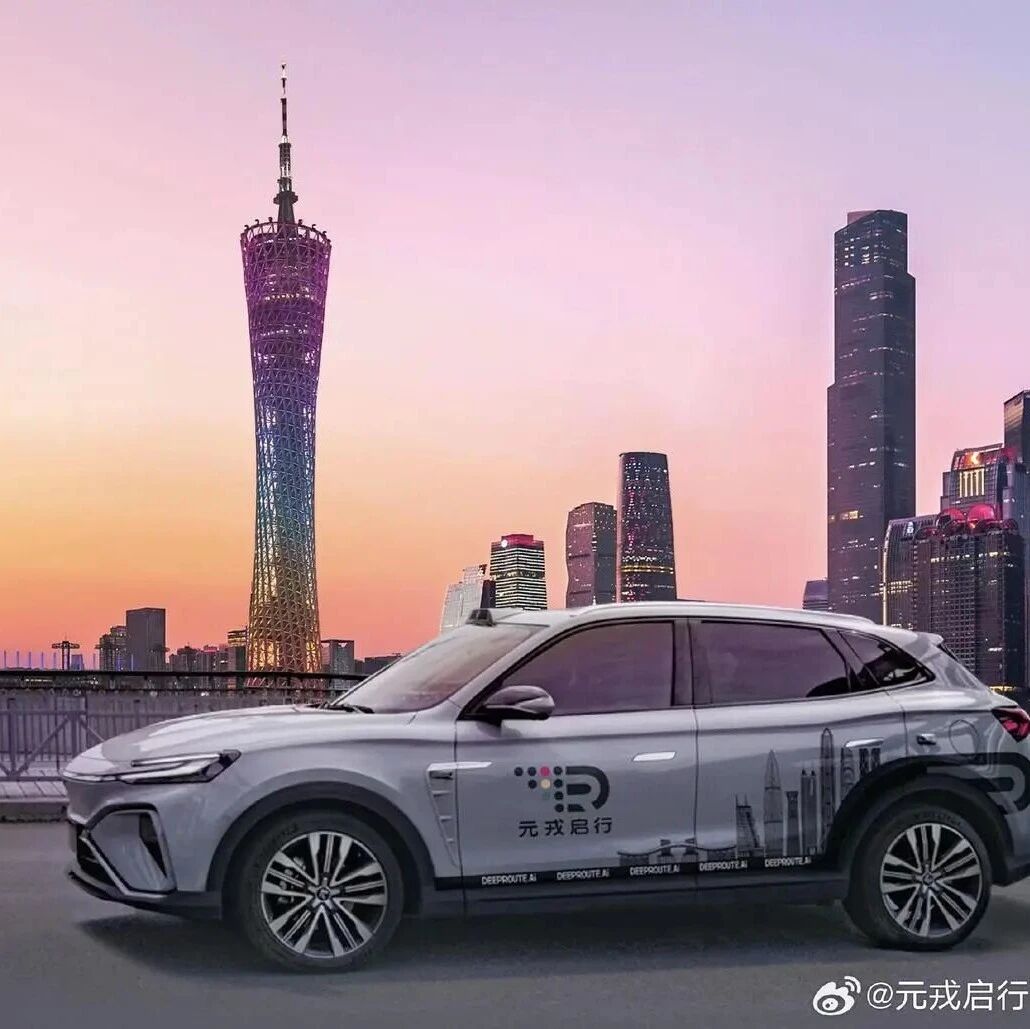
独家丨元戎启行月交付跨过4万辆,智驾竞争加速向头部集中
雷峰网· 2025-12-31 11:41
Core Viewpoint - Yuanrong Qixing aims to achieve a delivery target of 1 million units by 2026, driven by the rapid increase in monthly deliveries of its advanced driver-assistance systems (ADAS) [1][5]. Group 1: Delivery Performance - In November, Yuanrong Qixing's city NOA (Navigation on Autopilot) system exceeded 40,000 units in monthly deliveries, with previous months seeing over 10,000 and 30,000 units delivered in June and September, respectively [2]. - The total delivery volume for Yuanrong Qixing is expected to surpass 200,000 units this year, while competitor Momenta is projected to deliver approximately 350,000 to 400,000 units, with a cumulative total exceeding 600,000 units by the end of the year [2]. Group 2: Product Line and Sales - More than 10 vehicle models are currently in mass production with Yuanrong Qixing's ADAS, with three models showing particularly strong sales performance [4]. - The Weipai Lanshan, which debuted in November 2024, has sold over 50,000 units in the past year, while the Weipai Gaoshan has approached 50,000 units in sales within six months. The Geely Galaxy M9 has also seen monthly sales exceeding 10,000 units for the past two months [5]. - Additional models from Great Wall Motors, including the Tank 500 and Tank 400, are also equipped with Yuanrong Qixing's systems, contributing to the rapid increase in delivery scale [5]. Group 3: Future Outlook - The emergence of popular models has instilled confidence in Yuanrong Qixing's delivery prospects for the upcoming year, with expectations of doubling supply to Great Wall Motors as more models adopt its systems [5]. - The competitive landscape in the smart driving industry is anticipated to intensify by 2026, with a more pronounced clustering effect among leading companies [6].