经济结构转型

Search documents
被改写的中国迁徙版图
21世纪经济报道· 2025-07-17 11:50
Core Insights - The article discusses the changing population dynamics in China, highlighting a shift in migration patterns among graduates and migrant workers, with a notable trend of returning to hometowns and a preference for provincial capitals over major cities [1][10][15]. Group 1: Population Trends - In 2024, eight provinces in China experienced positive population growth, a decrease from eleven in 2023, while twenty provinces saw a total population decline of 3.04 million [1]. - The total number of migrant workers in China reached 29.973 million in 2024, an increase of 220,000 from the previous year, with a notable shift towards local mobility rather than interprovincial migration [10][14]. - The population in Chongqing decreased slightly, but mechanical growth exceeded 80,000 due to returning migrant workers [13]. Group 2: Graduate Employment Preferences - Many graduates prefer to stay in their hometowns for employment, citing a lack of competitive advantages in larger cities [4][19]. - The talent attraction report indicates that the Yangtze River Delta and Pearl River Delta regions continue to attract graduates, with Zhejiang and Guangdong leading in population growth [4][5]. - The number of provinces with positive population growth has been declining, with only eight provinces showing growth in 2024 compared to fifteen in 2021 [5]. Group 3: Provincial Capitals' Appeal - Provincial capitals are becoming increasingly popular due to better infrastructure, job opportunities, and lower living costs compared to first-tier cities [15][16]. - In 2024, 23 out of 25 provincial capitals reported positive population growth, contrasting with the declining populations in major cities like Beijing and Shanghai [16][18]. - The article notes that while first-tier cities still offer high salaries and job opportunities, the high cost of living and competition are driving some individuals towards second and third-tier cities or provincial capitals [19][20].


弘则策略 2025年下半年宏观及资产走势核心问题展望(25Q3)
2025-07-16 15:25
Summary of Key Points from Conference Call Records Industry and Company Overview - The conference call discusses macroeconomic trends and asset performance outlook for 2025, focusing on the impact of U.S. trade policies, global economic conditions, and specific market performances in regions like Asia, Europe, and emerging markets [1][2][3][4][10][13][18]. Core Insights and Arguments - **U.S. Economic Outlook**: The U.S. economy is expected to stabilize in the second half of 2025, with average tariffs remaining in the 15%-20% range. The impact of Trump's trade policies is seen as limited, with slight fiscal spending increases anticipated [2][9]. - **Non-U.S. Equity Markets**: Non-U.S. equity markets performed well in the first half of 2025, particularly in Asia (Hang Seng Index) and Europe (German stock market). The weakening dollar and improved political stability contributed to this performance [3][4][10]. - **China's Economic Performance**: China's GDP growth exceeded expectations at 5.3% in the first half of 2025, driven by significant export contributions. However, challenges in external demand and the real estate market are anticipated in the latter half of the year [15][16][29]. - **European Economic Trends**: Europe showed better-than-expected performance in early 2025, with low fiscal deficits and supportive monetary policies. The trend of capital inflow into Europe is likely to continue [10][11]. - **Gold and Commodity Prices**: Gold is viewed positively as a mid-term investment, with prices fluctuating between $3,000 and $3,300. Copper prices are influenced by supply instability and increased demand, with short-term highs around $11,500 but a long-term lower bound of $8,000 [5][25][24]. Other Important but Potentially Overlooked Content - **Trade Negotiations**: Ongoing trade negotiations between the U.S. and Europe are complex, with potential concessions on both sides. The outcome may influence market sentiment positively if tariffs are reduced [11][28]. - **Emerging Markets**: Emerging markets, particularly in Latin America and Africa, are showing improvement due to political stability and decreasing inflation, which may benefit from trade shifts away from the U.S. [18]. - **Real Estate Market in China**: The Chinese real estate market is facing challenges, with new home sales declining, but there are signs of recovery in land sales and developer confidence [14][16]. - **Inflation and Monetary Policy**: Inflation remains a concern in the U.S., with expectations of continued impacts into 2026. The Fed's interest rate path is expected to be lower than previously anticipated [9][21]. This summary encapsulates the key points from the conference call, providing insights into the macroeconomic landscape and specific market performances across various regions and sectors.
大类资产的趋势与反内卷 - 低波动率之后大类资产方向如何选择
2025-07-07 00:51
Summary of Key Points from Conference Call Records Industry or Company Involved - The discussion primarily revolves around the global macroeconomic environment, with a focus on the trends in major asset classes, particularly in Europe and Asia, including China. Core Insights and Arguments 1. **Global Economic Outlook**: The global economy is expected to bottom out and show slight improvement, with Europe and Asia, especially China, being potential highlights. The US economic growth is projected to slow to 1.5% [1][4] 2. **US Economic Impact**: The relatively stable US economy and its monetary policy are expected to have spillover effects, positively impacting other regions as the dollar weakens, which typically benefits non-US markets [5] 3. **European Fiscal Policies**: European countries are adopting aggressive fiscal policies, with Germany's military spending projected to exceed 160 billion euros by 2029. Market expectations for German economic growth have been revised upwards [6] 4. **Trade Negotiations**: The trade negotiations between the US and EU are progressing slowly, but a compromise is anticipated without a hard landing scenario [7] 5. **Energy Costs in Europe**: Energy costs in Europe have returned to pre-pandemic levels, which is expected to have a positive economic impact that the market has not fully anticipated [8] 6. **Emerging Markets in Asia**: Emerging markets like South Korea and China are showing better-than-expected macroeconomic performance, driven by factors such as political stability and structural economic changes [9][10] 7. **Asset Performance in 2025**: Many assets, including gold and copper, are experiencing limited volatility, with expectations for directional choices in the latter half of the year [3][12] 8. **Gold and Copper Price Trends**: Gold prices have risen significantly, but geopolitical factors may hinder short-term breakthroughs. Copper prices are influenced by inventory shifts and market sentiment, with a potential short-term upward trend [17][19] 9. **Debt Market Performance**: The global bond market is showing mixed results, with long-term bonds in the US and certain Latin American and Asian countries performing well, while Japan and Germany face challenges [14][15] 10. **China's Economic Transformation**: China's economy is undergoing significant changes, with improvements in exports, high-end manufacturing, and consumption structure, despite challenges in the real estate sector [10][24] Other Important but Possibly Overlooked Content 1. **Market Sentiment**: Market sentiment is gradually improving, with trading volumes increasing, indicating a positive outlook for upcoming earnings reports [31] 2. **Real Estate Sector Influence**: Despite the real estate sector's struggles, other sectors are showing positive changes, reflecting a new macroeconomic backdrop [32] 3. **Asset Bubble Discussion**: The concept of asset bubble decline is not universally applicable, as seen in different economic contexts like Japan versus the US and South Korea [11] 4. **Future Asset Direction**: The future direction of asset changes will differ from past trends, influenced by a weak dollar and structural changes in the Chinese economy [33]
外企、外商、外资回流中国 市场磁吸力挡不住
证券时报· 2025-07-02 00:44
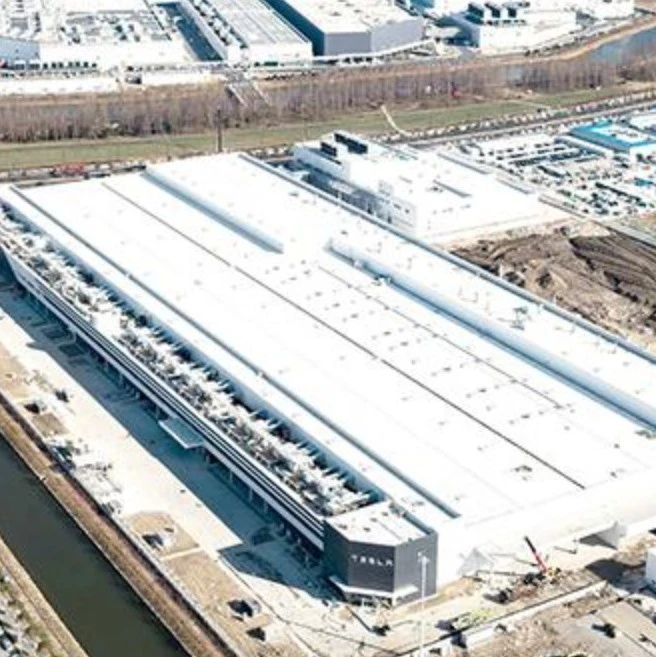
Group 1 - The article highlights the "magnetic effect" of the Chinese market, attracting foreign personnel and investment, with Shenzhen's Huaqiangbei receiving over 7,000 foreign visitors daily [1][15][17] - Foreign investment in China is on the rise, with 24,000 new foreign-invested enterprises established from January to May, a year-on-year increase of 10.4% [12][19] - The manufacturing sector is seeing significant foreign interest, exemplified by Henkel's new factory in Jiangsu and Tesla's Shanghai energy factory, which has a planned annual production capacity of 10,000 Megapacks [4][9][11] Group 2 - The financial sector is also experiencing a surge in foreign investment, with institutions like Temasek and AIA establishing operations in China, benefiting from the country's financial openness [11][22] - The article notes that foreign companies are increasingly recognizing China's potential for consumption upgrades and its complete supply chain system, which enhances its competitive advantage [12][14] - Visa facilitation policies have improved the ease of doing business for foreign nationals, contributing to a 33.4% year-on-year increase in foreign visitors [19][20] Group 3 - The article discusses the strategic importance of Hong Kong as a gateway for foreign investment into China, with a notable increase in foreign capital inflow despite geopolitical tensions [22][23] - Recent data indicates that foreign investors are increasingly interested in long-term strategic investments in China, moving beyond mere financial investments [25][26] - The article emphasizes that China's ongoing economic transformation is expected to create numerous new development opportunities, further attracting global capital [26]


外资加速流入香港市场 从财务投资转向深度合作型投资
Zheng Quan Shi Bao· 2025-07-01 18:10
Group 1 - Hong Kong serves as a crucial entry point for foreign capital into the Chinese market, attracting significant investment despite ongoing geopolitical tensions between China and the US [1][2] - The influx of foreign investment is driven by the recognition of the value of Chinese assets, particularly in sectors like internet, information technology, and new energy vehicles [1][2] - The Hong Kong stock market has shown improvement in valuation and liquidity, with the Hang Seng Index rising over 20% since 2025, outperforming major global markets [2][3] Group 2 - Foreign investors are increasingly using Hong Kong as a gateway to access the mainland capital market, with significant transactions recorded in the Bond Connect program [3] - A notable trend is the shift of Middle Eastern capital towards long-term strategic investments in China, focusing on structural cooperation and project-based investments rather than mere financial allocations [4] - The ongoing economic transformation in China is expected to create numerous new development opportunities, which will continue to attract global capital [3]
王振扬:宽松基调延续,债市或迎配置窗口?
Sou Hu Cai Jing· 2025-06-30 01:49
Group 1 - The ten-year government bond is influenced primarily by policy interest rates and economic cycles, benefiting from the current downward trend in interest rates [1] - The current economic environment is characterized by a structural transformation, with the economy gradually moving from a peak in 2021 to a bottoming phase, indicating weak demand [1] - Monetary policy is expected to remain accommodative, with potential for further easing signals, which is favorable for bond assets, particularly in the third quarter of this year [1] Group 2 - The Ten-Year Government Bond ETF (511260) is the only product tracking the Shanghai Composite Ten-Year Government Bond Index, consisting of bonds with maturities between seven to ten years [2] - The credit rating of government bonds is high, resulting in relatively low default risk, and the ETF's holdings are transparent, minimizing style drift risk [2] - The Ten-Year Government Bond ETF (511260) supports T+0 trading, enhancing liquidity for investors [2]
加力实施增量政策!央行最新发声
证券时报· 2025-06-27 11:50
Core Viewpoint - The external environment is becoming increasingly complex and severe, with the global economic growth momentum shifting from "weak" to "diminishing" compared to the first quarter of 2025, highlighting rising trade barriers and persistent low domestic prices as new challenges [1] Monetary Policy Adjustments - The meeting suggested increasing the intensity of monetary policy adjustments, enhancing its foresight, targeting, and effectiveness, while flexibly managing the implementation strength and pace based on domestic and international economic conditions [3][4] - The central bank's previous recommendation for "timely reserve requirement ratio and interest rate cuts" has been implemented in the second quarter, with a focus on stabilizing employment, enterprises, markets, and expectations [3] Structural Policy Tools - Since the second quarter, the central bank has comprehensively reduced the interest rates of various structural policy tools, including long-term tools for supporting agriculture and small enterprises, as well as temporary tools for carbon reduction and technological innovation [6] - The meeting emphasized the need to effectively utilize existing policies while actively implementing new policies to stimulate domestic demand, stabilize expectations, and invigorate the economy [6][8] Support for Key Areas - The meeting highlighted the importance of supporting technological innovation and boosting consumption, particularly in key areas such as "two heavies" and "two news," while exploring regular institutional arrangements to maintain capital market stability [8] - Experts noted that future monetary policy should increasingly adopt structural tools to support domestic demand expansion and facilitate economic structural transformation and industrial upgrading [8]
澳大利亚矿业危机,全球经济波动,暴露高电费与大宗商品波动压力
Sou Hu Cai Jing· 2025-06-24 06:45
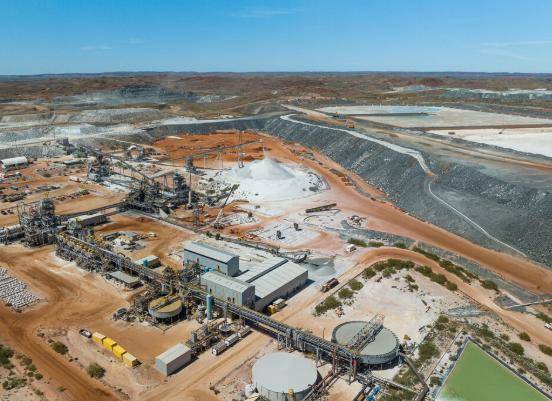
首先,高昂的能源成本已成为制约澳大利亚冶炼行业发展的最大障碍。澳大利亚的电力价格在过去一年 中急剧上涨,这不仅影响了普通家庭的日常开销,也对能源密集型的冶炼厂造成了毁灭性打击。以铝土 矿和铜等金属冶炼厂为例,电力占其生产成本的比例通常达到50%以上。当电费不断攀升时,冶炼厂不 得不选择削减生产或甚至停产,这直接导致了产能过剩的市场失衡和就业的急剧下降。 与此同时,国际大宗商品价格的波动亦为澳大利亚矿商带来了严峻挑战。近年来,全球经济的不确定性 加剧,大宗商品价格起伏不定,金属价格的波动尤其明显。全球经济放缓,需求减少,直接影响到澳大 利亚的出口收入,矿商的盈利能力进一步下降。在这种背景下,澳大利亚的冶炼行业几乎处于"两头受 夹"的困境:一方面,能源成本不断上升,另一方面,市场需求的减弱使得其产品售价下降。许多冶炼 厂不得不考虑削减成本或停产,这一过程必然会引发大量工人失业,社会不稳定因素也随之增加。 在这场矿业危机中,企业的呼救声逐渐变得更为尖锐。矿商们纷纷要求澳大利亚政府给予经济援助,呼 吁政府减免电费或提供补贴,以帮助他们度过这一困难时刻。然而,政府的回应却充满了犹豫与谨慎。 总理安东尼·阿尔巴尼斯领导的 ...
为何消费与生产背离?——5月经济数据点评(申万宏观·赵伟团队)
赵伟宏观探索· 2025-06-17 04:48
关注、加星,第一时间接收推送! 文 | 赵伟、屠强、贾东旭 联系人| 屠强、耿佩璇 摘要 4%;房地产投资累计同比-10.7%、预期-10.5%、前值-10.3%;新建商品房销售面积累计同 比-2.9%、前值-2.8%;工业增加值当月同比5.8%、预期5.7%、前值6.1%。 核心观点: 节假日分布差异、电商促销、出口与投资下滑,导致消费与生产背离 消费:电商促销前置与假期增加(同比去年多2天)带动需求集中释放。 5月社零增速创2024年 以来新高。有两大原因。1、电商促销前置带动限额以上零售反弹。家电(+14.2pct至53.0%) 和通讯器材(+13.1pct至33.0%)明显改善;2、5月假日(含周末)比去年同期多2天,直接驱 事件: 5月,社零当月同比6.4%、预期4.9%、前值5.1%;固投累计同比3.7%、预期4%、前值 动出行需求的集中释放。限额以下商品零售(+1.2pct至5.2%)和餐饮收入(+1.3pct至 13%)、服务业零售额(累计同比+0.1pct至5.2%)均改善。 投资:固定投资走弱,主因设备更新周期退坡与传统基建地产回落,但服务业投资继续提速。 5 月固定投资当月同比回落0.7 ...

为何消费与生产背离?——5月经济数据点评(申万宏观·赵伟团队)
申万宏源宏观· 2025-06-17 03:23
关注、加星,第一时间接收推送! 文 | 赵伟、屠强、贾东旭 联系人| 屠强、耿佩璇 摘要 4%;房地产投资累计同比-10.7%、预期-10.5%、前值-10.3%;新建商品房销售面积累计同 比-2.9%、前值-2.8%;工业增加值当月同比5.8%、预期5.7%、前值6.1%。 核心观点: 节假日分布差异、电商促销、出口与投资下滑,导致消费与生产背离 消费:电商促销前置与假期增加(同比去年多2天)带动需求集中释放。 5月社零增速创2024年 以来新高。有两大原因。1、电商促销前置带动限额以上零售反弹。家电(+14.2pct至53.0%) 和通讯器材(+13.1pct至33.0%)明显改善;2、5月假日(含周末)比去年同期多2天,直接驱 事件: 5月,社零当月同比6.4%、预期4.9%、前值5.1%;固投累计同比3.7%、预期4%、前值 动出行需求的集中释放。限额以下商品零售(+1.2pct至5.2%)和餐饮收入(+1.3pct至 13%)、服务业零售额(累计同比+0.1pct至5.2%)均改善。 投资:固定投资走弱,主因设备更新周期退坡与传统基建地产回落,但服务业投资继续提速。 5 月固定投资当月同比回落0.7 ...