情绪经济

Search documents
AI社交平台Soul App向港交所递交上市申请 2024年经营活动现金净流入4.21亿
智通财经网· 2025-11-27 14:03
Core Viewpoint - Soul App, an AI-driven immersive social platform, has submitted its IPO application to the Hong Kong Stock Exchange, with Tencent as a strategic investor holding 49.9% of shares [1] Group 1: User Engagement and Demographics - Over 78.7% of Soul's daily active users (DAU) are from Generation Z, indicating a strong focus on younger demographics [1] - The platform has approximately 390 million registered users, with a DAU of about 11 million in the first eight months of 2025 [2] - Users spend over 50 minutes daily on the platform, sending around 75 peer-to-peer messages each day, showcasing high engagement levels [2] Group 2: Financial Performance - The company reported revenues of 1.667 billion RMB in 2022, projected to grow to 1.846 billion RMB in 2023 and 2.211 billion RMB in 2024, with a compound annual growth rate (CAGR) exceeding 15% from 2022 to 2024 [2] - Adjusted profits for 2024 and the first eight months of 2025 are expected to be 337 million RMB and 286 million RMB, respectively, with gross margins of 83.7% and 81.5% [2] - The AI-driven emotional value services account for over 90% of revenue in the first eight months of 2025, reflecting strong user willingness to pay [2] Group 3: Technological Innovation - Soul's proprietary AI model, SoulX, significantly enhances user experience and community engagement, driving continuous optimization of algorithms and AI applications [3] - The platform's unique "user-AI-platform" flywheel system fosters commercial growth and expands the potential market for AI-enabled emotional economy [3] Group 4: Use of IPO Proceeds - Proceeds from the IPO will be allocated to AI capability development, global expansion, user base growth, content development, and general corporate purposes [3]
政策锚定“3个万亿+10个千亿”消费目标,谁将抢滩“兴趣消费”新风口?
Sou Hu Cai Jing· 2025-11-27 03:10
Group 1 - The retail sector is showing active performance, with several companies in A-shares and Hong Kong stocks experiencing significant gains, indicating a positive market sentiment [1] - The Ministry of Industry and Information Technology, along with other governmental bodies, has issued a plan to enhance the adaptability of supply and demand in consumer goods, aiming to stimulate consumption [2][3] Group 2 - The plan outlines goals for 2027, including the optimization of the consumer goods supply structure, the formation of three trillion-level consumption fields, and ten hundred-billion-level consumption hotspots [5] - By 2030, a high-quality development pattern characterized by positive interaction between supply and consumption is expected to be established, with a steady increase in consumption's contribution to economic growth [5] - The plan emphasizes the expansion of diverse interest consumption supplies, particularly in areas such as pet-related products, anime, and trendy toys, reflecting a shift in consumer preferences towards emotional and experiential purchases [5] - The emotional economy in China is projected to grow significantly, with the market size expected to reach approximately 23 trillion yuan in 2024 and exceed 45 trillion yuan by 2029, highlighting the importance of emotional consumption in driving market growth [6] - The pet economy is anticipated to reach a scale of 701.3 billion yuan in 2024, with a year-on-year growth of 18.3%, and is expected to grow to 1.15 trillion yuan by 2028 [6] - The trendy toy industry in China is valued at around 60 billion yuan in 2023, with projections to reach 110.1 billion yuan by 2026, indicating a robust annual growth rate of over 20% [7] - The ongoing policy support and rapid market demand expansion in sectors like pet economy and trendy toys are expected to accelerate growth, presenting new opportunities for retail companies [7]




年轻人缘何愿为“体验感”买单?
Zhong Guo Xin Wen Wang· 2025-11-26 01:35
Core Insights - Experience-based consumption is becoming a significant trend among young consumers in Beijing, characterized by immersive, participatory, and emotionally resonant experiences [1][5][11] - Emotional consumption, defined as spending driven by emotional needs and psychological comfort, is increasingly accepted and recognized, particularly among younger demographics [2][4][11] Consumption Trends - There is a notable shift in consumer demand from material utility to spiritual satisfaction, with consumers focusing more on the emotional experiences gained during consumption [4][11] - Emotional consumption encompasses a wide range of products and experiences, including seemingly "useless" items that provide emotional comfort [2][4] Experience-based Consumption - Experience-based consumption is a prominent mode of emotional consumption, where consumers are willing to invest more time and money [5][11] - Activities such as attending live performances, participating in DIY workshops, and collecting unique items are examples of how young consumers engage in experience-based consumption [6][8] Social and Emotional Dynamics - Emotional consumption serves as a means for young people to achieve self-pleasure, capture small moments of happiness, and maintain social connections [8][11] - The rise of social media platforms has amplified the sharing of emotional experiences, creating a new form of social currency among young consumers [8][9] Market Impact - The growing trend of emotional consumption is reshaping the commercial landscape, prompting businesses to focus on the emotional and cultural value of their offerings [11][14] - The integration of emotional value into consumer experiences is driving innovation in service delivery and creating new employment opportunities [14][15] Future Outlook - As the Z generation becomes the main consumer force, spending on emotional experiences is expected to continue growing, reflecting a broader societal shift towards valuing emotional fulfillment [11][12] - The expansion of experience-based consumption is likely to enhance the vibrancy of urban commercial spaces, transforming them into venues that cater to emotional needs [14][15]
电商“见顶”,零售变阵 | 《财经》封面
Sou Hu Cai Jing· 2025-11-24 12:05
Core Insights - The era of rapid growth driven by traffic dividends in the e-commerce sector has ended, transitioning to a phase where efficiency and consumer engagement are paramount [5][6][48] - The focus has shifted from sheer volume to understanding consumer emotions and experiences, marking a transition from a "goods society" to a "service society" [4][48] Group 1: E-commerce Growth Trends - The online retail growth rate for physical goods has significantly slowed, nearing zero growth, indicating a shift from high-speed expansion to stock competition [10][11] - The proportion of online retail sales of physical goods in total retail sales has peaked and is now declining, reflecting a maturing consumer market [13][11] - In contrast, express delivery volumes are experiencing rapid growth, highlighting a new normal characterized by fragmented consumption and high return rates [15][19] Group 2: Changing Competitive Landscape - The competition has shifted from long-distance e-commerce to instant retail, with major players like Alibaba, Meituan, and JD.com investing heavily in "30-minute delivery" models [4][26] - AI technology is being deeply integrated to enhance efficiency across the supply chain, marking the entry of e-commerce into a "computational power era" [4][40] - The new competitive logic emphasizes understanding consumer scenarios and needs rather than merely focusing on product distribution [40][46] Group 3: Consumer Behavior and Preferences - Consumers are increasingly engaging in high-frequency, low-value purchases, leading to a rise in order volumes despite lower individual transaction values [19][20] - The rise of the "emotional economy" indicates a shift towards service consumption, with emotional value and experiences becoming key drivers of consumer behavior [48][49] - The growth of non-physical consumption, such as emotional healing and digital services, is outpacing traditional physical goods sales [49][50] Group 4: Strategic Adjustments by Platforms - E-commerce platforms are evolving their strategies to integrate both online and offline services, focusing on creating seamless consumer experiences [40][46] - Companies are adopting a multi-platform approach, leveraging different channels for distinct roles, such as content-driven engagement and direct sales [24][37] - The competition is increasingly about defining user life scenarios and providing tailored solutions rather than just selling products [40][46] Group 5: Future Outlook - The future of e-commerce lies in the ability to adapt to changing consumer needs and preferences, moving towards a more mature and segmented consumption society [48][56] - Platforms must navigate the complexities of integrating services into their offerings while maintaining quality and consumer trust [46][56] - The emphasis on emotional value and personalized experiences will shape the next phase of growth in the retail landscape [48][50]

超会买的年轻人,正在用海淘填补「精神刚需」
3 6 Ke· 2025-11-24 08:49
Core Insights - The concept of "emotional value" is becoming a key driver in consumer behavior, with individuals increasingly willing to pay for small yet certain feelings of happiness [3][28] - The "emotional economy" market in China is projected to reach approximately 2.31 trillion yuan in 2024, with expectations to exceed 4.5 trillion yuan by 2029 [3] Consumer Behavior Trends - Young consumers are shifting their perspective on shopping from chasing popular products to selecting items that resonate with their specific emotions and needs [3][24] - The rise of cross-border e-commerce platforms like Amazon Global Store has made it easier for consumers to explore niche and interesting products from around the world [3][14] E-commerce Insights - Amazon Global Store has become a crucial platform for consumers to engage in "self-care" shopping, allowing them to curate their living spaces with carefully chosen items [6][19] - The platform offers a vast selection of over 30,000 international brands, facilitating the exploration of diverse lifestyles and products [10][19] Logistics and Pricing - Amazon Global Store has simplified the purchasing process by providing transparent pricing, including taxes and shipping costs, which enhances consumer decision-making [14][17] - The platform's logistics capabilities have improved, with average delivery times reduced by over two days compared to the previous year, making the shopping experience more efficient [17][19] Market Performance - Sales data indicates a significant increase in demand for niche and personalized products, with items like WoodWick candles and Polaroid cameras experiencing sales growth of over 20 times and 25% respectively in the first half of the year [25][28] - The Black Friday shopping season on Amazon Global Store has evolved into an important ritual for young consumers, representing a way to secure happiness for the upcoming year [28]


2025年营销“5大趋势”| 麦当劳、小红书、追觅、完美日记近40位企业嘉宾齐聚灵眸大赏
Sou Hu Cai Jing· 2025-11-24 07:42
Core Insights - The Morketing Summit 2025 will focus on the new ecosystem of marketing in China, discussing trends and transformations from 2025 to 2026 [2][3] - Key topics include brand building, channel innovation, AI-driven marketing growth, and podcast marketing, with participation from nearly 40 companies [2] Group 1: Marketing Trends - The discussions at the summit will shift from traditional advertising techniques to the broader changes in the marketing ecosystem, including consumer behavior and technological advancements [2] - Five major trends have been identified that will influence brand strategies and marketing decisions in 2025-2026 [2] Group 2: Emotional Economy - The concept of the emotional economy emphasizes that consumers are increasingly motivated by emotional connections rather than just product functionality [42][43] - Brands like McDonald's leverage emotional assets that resonate across generations, highlighting the importance of creating a sense of belonging and happiness for consumers [43] Group 3: Human-Centric Marketing - Human-centric marketing focuses on understanding users as individuals with emotions and motivations, rather than just data points [44] - This approach is driven by the decline in effectiveness of traditional marketing methods, necessitating brands to create content that resonates personally with consumers [44] Group 4: Content as Core Asset - In the fragmented media landscape, engaging content is essential for capturing consumer attention and driving brand loyalty [45] - Brands should develop a content strategy that includes basic product information, professional educational content, and value-driven narratives to connect with consumers [45][46] Group 5: All-Scene Marketing - The concept of "all-scene" marketing recognizes that consumer interactions occur across multiple touchpoints, necessitating a cohesive brand presence in various contexts [47][48] - Brands must ensure consistent experiences across different platforms and touchpoints to enhance consumer engagement and loyalty [49] Group 6: AI in Marketing - AI is a significant focus, with its potential to enhance marketing decision-making, content generation, and consumer engagement [50] - The summit will explore how AI can transform marketing strategies, improve efficiency, and create personalized consumer experiences [50][51]





2025潮玩、谷子、AI玩具,拥抱年轻人爱玩之心-中国银河
Sou Hu Cai Jing· 2025-11-23 10:15
Group 1: Trend of Trendy Toys - The younger generation's "love for play" is reshaping market dynamics, with trendy toys, "Guzi," and AI toys becoming popular among Generation Z due to their emotional value and interactive experiences [1][2] - The trendy toy market has shown strong growth, with a compound annual growth rate (CAGR) of 34% from 2015 to 2022, and is expected to exceed 76 billion yuan in 2024 [1][10] - Generation Z, with a disposable income exceeding 3,500 yuan per month, is a significant consumer group, seeking artistic and unique products while enhancing their sense of belonging through second-hand community trading [1][17] Group 2: Guzi Market Growth - "Guzi," referring to merchandise derived from anime and games, is gaining popularity among young consumers, with the market expected to grow by 41% year-on-year to reach 168.9 billion yuan in 2024 [2][23] - The low price range of Guzi products (10 to 30 yuan) makes them accessible, turning them into "social currency" among teenagers [2][23] - The rapid increase in offline Guzi stores has significantly boosted foot traffic in shopping malls, exemplified by a tenfold increase in a Wuhan mall after introducing Guzi stores [2][31] Group 3: AI Toys Integration - The integration of AI technology into toys is becoming more prevalent, with AI-driven toys expected to account for over 15% of the global toy market by 2025 [6][35] - AI toys, such as Sony's AIBO and Robosen's transforming robots, are gaining popularity, with some products experiencing resale prices exceeding their original prices [6][41] - Chinese companies are actively entering the AI toy market, with products featuring built-in large models for interactive experiences, expanding market boundaries [2][6] Group 4: Cultural Export and Global Appeal - The new wave of toys not only meets the emotional needs of domestic youth but also serves as a significant vehicle for Chinese culture to go global, with brands like Pop Mart achieving explosive growth in overseas markets [3][6] - In 2024, revenue from Pop Mart's Hong Kong, Macau, and overseas businesses is expected to grow by 375% year-on-year, highlighting the global appeal of Chinese trendy toy culture [3][6] Group 5: Investment Opportunities - The trendy toy, Guzi, and AI toy sectors are benefiting from multiple driving forces, maintaining high growth rates and promising future development prospects [6][8] - Recommended companies for investment include Pop Mart, Blok, and Guangbo Co., with a focus on AI toy companies like Shifeng Culture and TCL Electronics [6][8]



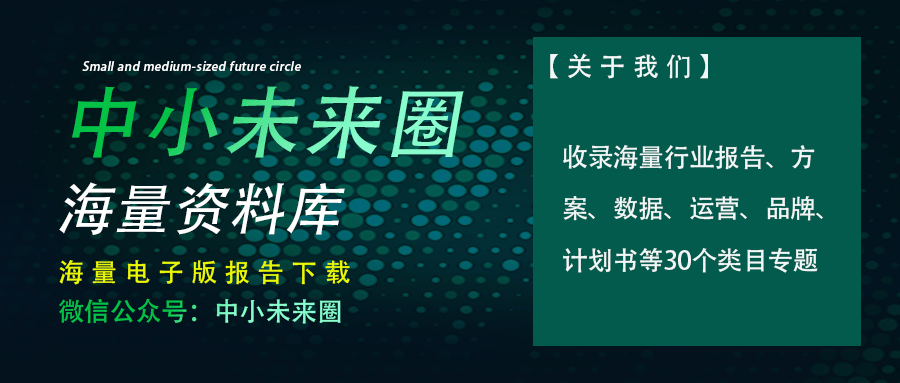
综合体小东小西店为啥越来越多?“无用之用”成为消费新趋势
Yang Zi Wan Bao Wang· 2025-11-18 12:42
Core Insights - The emotional economy in China is projected to reach 2.3 trillion yuan in 2024 and exceed 4.5 trillion yuan by 2029, indicating a significant growth in consumer spending focused on emotional value rather than practicality [1] - Over 40.1% of young consumers prioritize "emotional value and interest" when shopping, surpassing practicality (22.3%) and cost-effectiveness (18.7%) [1] Group 1: Market Trends - The popularity of "small shops" selling non-essential items, such as toys and collectibles, is increasing in urban shopping complexes, with these stores attracting foot traffic comparable to popular dining establishments [3][6] - The trend of emotional consumption is evident, as consumers often purchase items for their emotional benefits rather than their utility, with many shoppers admitting to buying collectibles to relieve stress [2][6] Group 2: Consumer Behavior - Young consumers are increasingly engaging in shopping as a social activity, often visiting stores with friends to unwind and relieve stress, highlighting the importance of the shopping experience itself [2][6] - The demographic for collectible toys is expanding beyond just younger generations, with older consumers also participating in this market, driven by celebrity endorsements and a broader appeal [6] Group 3: Retail Strategy - Retailers are leveraging the emotional value of products to enhance customer experience and extend the time spent in shopping complexes, creating a consumption loop that benefits both small shops and essential retailers [8] - The integration of "small shops" into larger retail environments is seen as a strategy to diversify offerings and attract a wider audience, ultimately benefiting overall sales and foot traffic [8]
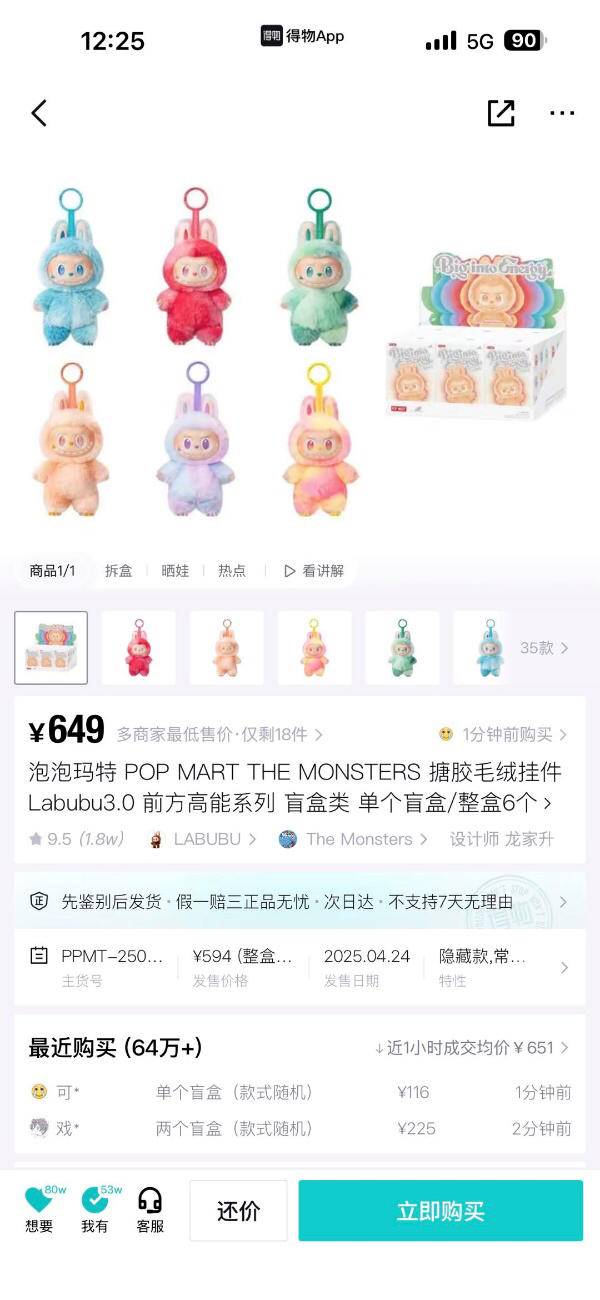
情绪消费兴起,企业竞逐“心灵生意”
Xin Hua Wang· 2025-11-17 23:46
Core Insights - The rise of emotional consumption reflects the psychological needs of contemporary society and is a significant driver of consumption upgrade, with the market expected to exceed 2 trillion yuan by 2025 [1][6] Group 1: Market Trends - Emotional consumption has seen an average annual growth rate of 12% since 2013, indicating a robust market potential [1] - The emotional consumption market is projected to surpass 2 trillion yuan by 2025, becoming a key component of consumption upgrade [1] - The popularity of emotional value products, such as plush toys and aromatherapy, highlights a shift in consumer preferences towards emotional resonance and connection [2] Group 2: Consumer Behavior - Over 90% of young consumers recognize emotional value, with nearly 60% willing to pay for it, showcasing a new consumer attitude [4] - Young consumers are increasingly seeking experiences and emotional connections rather than mere material possession, as evidenced by their engagement with interactive and community-driven products [2][3] - The transformation of traditional spaces into creative markets and experience-driven venues has led to significant increases in foot traffic and sales, reflecting the demand for unique emotional experiences [5] Group 3: Business Strategies - Companies are focusing on product innovation and brand building to enhance the overall image and competitiveness of domestic brands in the emotional consumption sector [6] - The integration of technology, education, and cultural tourism into emotional consumption is seen as a future development direction, aiming to create new economic growth engines [6] - The emphasis on visually impactful and shareable experiences in commercial spaces has resulted in notable sales increases, demonstrating the effectiveness of innovative retail strategies [6]
理性和感性,消费品牌如何做出选择?
财富FORTUNE· 2025-11-15 13:04
Core Insights - The Chinese consumer market is experiencing polarization, with consumers becoming more rational in their purchasing decisions while also increasing their willingness to spend on emotional and personalized experiences [1] - The "emotional economy" is emerging, driven by social media and innovative marketing strategies, with the market size expected to exceed 2.3 trillion yuan in 2024 and surpass 4.5 trillion yuan by 2029 [1] - Brands face the challenge of balancing consumer savings and spending while building lasting emotional connections with consumers [1] Group 1: Consumer Behavior - Consumers are increasingly focused on value for money, durability, and rational purchasing, as evidenced by the fading significance of traditional shopping festivals like "Double 11" [1] - The rise of emotional spending reflects a growing segment of consumers willing to pay a premium for emotional resonance and personalized experiences [1] Group 2: Brand Strategies - Chen Yingrang emphasizes that businesses should focus on core operations and innovate to meet consumer needs, using examples from Kang Shifu's product line to attract younger consumers [2] - Dai Tana from Erdos highlights the importance of creativity in fashion branding to differentiate in a competitive market, stating that quality and effective communication are key to engaging consumers [2] - Wei Zhe from Jia Yu Capital notes that the shift from price-performance ratio to value-driven consumption is crucial, suggesting that brands must navigate between rational and emotional consumer needs [3] Group 3: Market Trends - The new tea beverage sector is becoming a prominent area for consumer IPOs, with brands like Gu Ming and Mi Xue Bing Cheng gaining significant attention from investors [2] - The discussion among industry leaders indicates that future consumer brands must prioritize consumer service and insights to thrive, balancing quality and price effectively [3]