积极财政政策

Search documents
展望2026年!扩内需、优结构、增动能 积极财政政策“组合拳”护航经济起好步、开好局
Yang Shi Wang· 2025-12-29 03:26
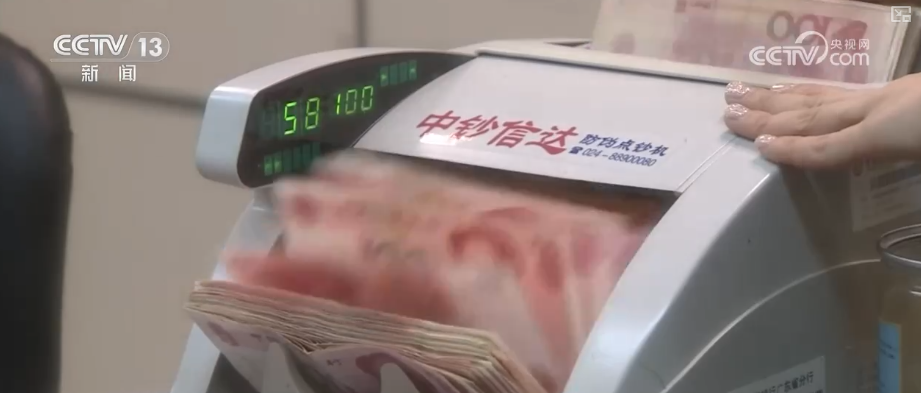
2025年,我国保持支出强度,全年一般公共预算支出超过29万亿元。同时,顺利发行超长期特别国债1.3万亿元,更大力度支持"两重"项目, 加力扩围实施"两新"政策。 央视网消息:12月27日至28日,全国财政工作会议在北京召开。记者从会议上了解到,2025年,我国积极财政政策打出一系列"组合拳",有力 有效支持经济向新向优发展。 新增地方政府专项债券4.4万亿元。盘活5000亿元债务结存限额,补充地方综合财力。发行5000亿元特别国债补充国有大型商业银行资本,有 力增强信贷投放能力。 值得一提的是,2025年,更加积极的财政政策在供需两端激发消费潜力,出台实施个人消费贷款和服务业经营主体贷款贴息政策。 此外,2025年,更加积极的财政政策精准发力支持高质量发展,大幅增加基础研究投入,组织开展新型技术改造城市试点、中小企业数字化转 型试点。 同时,持续加强民生保障,充实稳就业政策工具。逐步推进免费学前教育,提高国家奖学金、助学金标准,建立育儿补贴制度。数据显示,财 政在中国式现代化建设中的支撑和保障作用越来越强。 中央财经大学财税学院教授白彦锋介绍,"十四五"时期相比上一个五年,我们国家财政实力进一步增强。财政收 ...

2025年12月29日申万期货品种策略日报-国债-20251229
Shen Yin Wan Guo Qi Huo· 2025-12-29 03:21
| | 1、央行公告称,12月26日以固定利率、数量招标方式开展了930亿元7天期逆回购操作,操作利率1.40%,投标量930亿 | | --- | --- | | | 元,中标量930亿元。Wind数据显示,当日562亿元逆回购到期,据此计算,单日净投放368亿元。本周央行公开市场将 | | | 有6227亿元逆回购到期,其中本周一、本周二、本周三、本周日分别到期673亿元、593亿元、260亿元、4701亿元。 | | | 2、2026年全国两会召开时间确定。全国政协十四届四次会议将于2026年3月4日在北京召开,十四届全国人大四次会议 | | | 将于3月5日召开,审查"十五五"规划纲要草案列入2026年全国人代会建议议程。 3、全国财政工作会议在北京召开。会议指出,2026年继续实施更加积极的财政政策;扩大财政支出盘子,确保必要支 | | | 出力度;优化政府债券工具组合,更好发挥债券效益。会议要求,2026年财政工作抓好六项重点任务,包括坚持内需 | | | 主导,大力提振消费,加大对新质生产力、人的全面发展等重点领域投入;加快培育壮大新动能,进一步增加财政科 | | | 技投入;进一步强化保基本、 ...
每日投资策略-20251229
Zhao Yin Guo Ji· 2025-12-29 02:44
Global Market Overview - The Hang Seng Index closed at 25,819, showing a year-to-date increase of 28.71% [1] - The Shanghai Composite Index rose by 0.10% to 3,964, with a year-to-date increase of 18.26% [1] - The US Dow Jones Index decreased by 0.04% to 48,711, with a year-to-date increase of 14.49% [1] - The Nikkei 225 in Japan increased by 0.68% to 50,750, with a year-to-date increase of 27.21% [1] Sector Performance in Hong Kong - The Hang Seng Financial Index remained unchanged at 49,269, with a year-to-date increase of 40.22% [2] - The Hang Seng Real Estate Index also remained unchanged at 17,887, with a year-to-date increase of 19.94% [2] - The Hang Seng Industrial Index stayed at 13,971, reflecting a year-to-date increase of 24.19% [2] Recent Market Trends - A-shares rose last Friday, led by non-ferrous metals, electric equipment, and steel, while electronics, light manufacturing, and communications lagged [3] - The USD/CNY exchange rate fell below 7.0, with expectations of further decline to 6.95 in the first half of next year [3] - The Chinese Ministry of Finance plans to implement more proactive fiscal policies in 2026 to support consumer spending [3] - The Bank of Japan's December meeting minutes indicated a need for gradual interest rate hikes to avoid falling behind inflation [3] US Market Insights - US stocks experienced low trading volume post-Christmas, with materials, information technology, and healthcare sectors rising, while consumer discretionary, energy, and financial sectors fell [3] - Gold and silver prices surged significantly, influenced by margin requirement adjustments for futures contracts [3] - Cryptocurrency markets saw a decline as US investors sold off to offset tax liabilities from stock gains [3]
长江有色:铜牛行情与美股高位态势提供上涨动能 29日锌价或上涨
Xin Lang Cai Jing· 2025-12-29 02:43
(长江有色金属网cjys.cn研发团队 0592-5668838) 新浪合作大平台期货开户 安全快捷有保障 基本面方面,国内部分炼厂停产状态延续,部分品牌现货供应持续偏紧。同时,贵金属及铜价迭创新 高,对锌价形成带动作用。需求端,当前市场已步入行业季节性消费淡季,镀锌、压铸锌等板块开工率 持续下滑。北方炼厂多数停产,对原材料的采购需求相应减少。不过,终端现货升水表现坚挺,持货商 挺价意愿较强,叠加下游存在节前采买行为,以刚需交易为主,预计锌价将继续在高位区间震荡。 短期来看,元旦前夕市场焦点集中在节后价格走势上,采买情绪不高,锌价上涨空间受到一定抑制。但 在铜、白银、铂金、钯金等金属大涨的氛围烘托下,预计今日锌价上涨氛围浓厚。 【ccmn.cn摘要】铜牛行情与美股高位态势提供上涨动能,隔周沪锌收涨0.37%;国内部分炼厂停产延 续,终端现货升水坚挺,叠加下游节前采买动作,今现锌或上涨。 【ccmn.cn锌期货市场】因英国节礼日,12月26日LME休市一日。周五晚间沪锌偏弱震荡后强势拉高后 回落整理,主力2602合约最新收盘价报23215元/吨,涨85元,涨幅0.37%。 长江锌业网(pb.ccmn.cn)今日 ...

新世纪期货交易提示(2025-12-29)-20251229
Xin Shi Ji Qi Huo· 2025-12-29 02:33
1. Report Industry Investment Ratings - Iron ore, coal and coke, rolled steel, rebar, glass, soda ash, Shanghai Stock Exchange 50, CSI 300, 2 - year Treasury bonds, 5 - year Treasury bonds, logs, pulp, rubber: Volatility [2][4][6][8][12] - CSI 500, CSI 1000, double - offset paper, soybean meal, rapeseed meal, soybean No.2, soybean No.1: Rebound [4][8] - Gold, silver: Volatility with an upward bias [6] - 10 - year Treasury bonds: Consolidation [4] - Soybean oil, palm oil, rapeseed oil: Volatility with a downward bias [8] - Live pigs, natural rubber: Volatility [9][12] - PX, PTA: Wide - range volatility [12] - MEG: Low - level volatility [12] - PR: Wait - and - see [12] - PF: Wait - and - see, with possible market consolidation this week [12] 2. Core Views of the Report - The black industry is affected by factors such as new global mine supplies, steel export policies, and downstream demand, with prices mainly in a volatile state [2] - The financial market is affected by national policies, economic data, and market sentiment, showing short - term volatility and medium - term trends [4] - Precious metals are influenced by factors such as central bank gold purchases, geopolitical risks, and interest rate policies, with prices showing an upward - biased volatility trend [6] - The light industry products are in a state of supply - demand imbalance, with prices mainly fluctuating [6][8] - The prices of oils and fats and oilseeds are affected by factors such as production, exports, and biodiesel policies, showing a downward - biased volatility trend, while the meal prices may rebound in the short term [8] - The price of live pigs is affected by factors such as supply, demand, and seasonal consumption, and is expected to remain volatile [9] - The price of soft commodities is affected by factors such as weather, production, and demand, and is expected to fluctuate [12] - The prices of polyester products are affected by factors such as oil prices, supply, and demand, showing different trends such as wide - range volatility, low - level volatility, and wait - and - see [12] 3. Summary by Related Catalogs Black Industry - Iron ore: In 2026, global mines will add 64 - 65 million tons, with a growth rate far exceeding that of crude steel. Current demand is weak, and the implementation of steel export license management is a negative factor. Short - term rebounds can be used to enter short positions [2] - Coal and coke: The fourth round of coke price cuts is expected to occur at the end of the month and take effect in early January. There are still supportive factors, but the implementation of steel export license management has a negative impact on demand [2] - Rolled steel and rebar: The implementation of export license management, the emphasis on controlling high - energy - consuming projects, and the call to expand domestic demand have short - term positive effects. The key lies in the production level in January [2] - Glass: The domestic float glass spot market is declining, with supply contraction falling short of expectations and inventory accumulation due to weak demand [2] Financial - Stock index futures/options: The previous trading day saw gains in major stock indices. The convening time of the 2026 National Two Sessions has been determined, and the National Finance Work Conference has put forward key tasks for 2026 [4] - Treasury bonds: The central bank conducted reverse repurchase operations, with the yield of 10 - year Treasury bonds remaining flat. The market trend is showing a slight rebound [4] Precious Metals - Gold: Its pricing mechanism is shifting from being centered on real interest rates to central bank gold purchases. Multiple attributes support its price, but there are short - term risks [6] - Silver: It shows a similar trend to gold, with short - term upward expectations and long - term support [6] Light Industry - Logs: Port shipments and imports show different trends. Supply pressure is weakening, and prices are expected to fluctuate [6][8] - Pulp: The cost support for pulp prices has increased, but demand is weak, and prices are expected to remain volatile [8] - Double - offset paper: Supply is stable, and demand from publication orders provides support, but there is a need for the basis to return [8] Oils and Fats and Oilseeds - Oils: The export of Malaysian palm oil has decreased, and inventory pressure is high. The demand for biodiesel is uncertain, and the overall trend is downward - biased [8] - Meal: Global soybean inventory is relatively abundant, and the supply of soybean meal is expected to be sufficient. It may rebound in the short term [8] Agricultural Products - Live pigs: The average trading weight may decline. Demand has driven up the settlement price and slaughtering rate, and the price is expected to remain volatile [9] Soft Commodities - Rubber: Production is affected by weather, demand is gradually recovering, and inventory is accumulating. Prices are expected to fluctuate [12] Polyester - PX: Supply is high, and prices are in wide - range volatility [12] - PTA: Cost may be affected by oil prices, and short - term supply - demand has improved, but the long - term trend is weak [12] - MEG: There is long - term inventory accumulation pressure, and short - term prices are in low - level volatility [12] - PR: Cost support has collapsed, and prices are expected to decline [12] - PF: Inventory is low, but the market expectation is bearish, and it may consolidate this week [12]
国泰君安期货商品研究晨报-贵金属及基本金属-20251229
Guo Tai Jun An Qi Huo· 2025-12-29 02:14
Report Industry Investment Ratings No relevant information provided. Core Views of the Report - Gold: Inflation is moderately declining [2]. - Silver: Undergoing high - level adjustment [2]. - Copper: Strong overseas spot prices support price increases [2]. - Zinc: Showing a moderately strong oscillation [2]. - Lead: Weak demand restricts price increases [2]. - Tin: Supply is facing new disruptions [2]. - Aluminum: Following the upward trend of copper [2]. - Alumina: Under the policy orientation of "internal competition" [2]. - Cast aluminum alloy: Following the trend of electrolytic aluminum [2]. - Platinum: Bullish sentiment remains strong [2]. - Palladium: Oscillating upwards [2]. - Nickel: There is a game between capital and industrial forces, and attention should be paid to the emergence of structural opportunities [2]. - Stainless steel: Fundamental factors limit its flexibility, and attention should be paid to policy risks in Indonesia [2]. Summaries Based on Relevant Catalogs Gold - **Price and Trading Volume**: Yesterday, the closing price of Shanghai Gold 2602 was 1,016.30, with a daily increase of 0.75%, and the night - session closing price was 1018.10, with a night - session increase of 0.17%. The trading volume of ETF SPDR Gold ETF increased by 3 to 1,071.13 [4]. - **Macro and Industry News**: In 2026, the Two Sessions will be held on March 4 for the Chinese People's Political Consultative Conference and March 5 for the National People's Congress. China will continue to implement a more proactive fiscal policy in 2026. China's industrial enterprise profits in November 2026 decreased by 13.1% year - on - year. The central bank emphasized preventing the "overshoot" of the RMB exchange rate. Trump stated that Russia and Ukraine were "close to reaching an agreement" [4][6]. - **Trend Intensity**: Gold trend intensity is 0 [6]. Copper - **Price and Trading Volume**: The closing price of the Shanghai Copper main contract was 98,720, with a daily increase of 2.61%, and the night - session closing price was 101380, with a night - session increase of 2.69%. The LME 3M electronic copper board had a closing price of 12,133, with an increase of 0.65% [7]. - **Macro and Industry News**: China will continue to implement a more proactive fiscal policy in 2026. Peru extended the temporary licenses of small - scale miners until the end of 2026. Kazakhstan's refined copper production from January to November 2025 increased by 2.5% year - on - year. China's imports of copper ore and concentrates in November 2025 increased by 3.05% month - on - month and 13.13% year - on - year. Chile initiated the preliminary mediation procedure for the labor - capital contract negotiation of the Mantoverde copper - gold mine [7][9]. - **Trend Intensity**: Copper trend intensity is 1 [9]. Zinc - **Price and Trading Volume**: The closing price of the Shanghai Zinc main contract was 23170, with an increase of 0.46%. The LME 3M electronic zinc board had a closing price of 3086.5, with a decrease of 0.32%. The Shanghai Zinc main contract's trading volume increased by 20495 to 145708, and the position increased by 4103 to 97425 [10]. - **News**: China's industrial enterprise profits in November 2026 decreased by 13.1% year - on - year, but the profits of high - tech manufacturing increased by 10.0% year - on - year from January to November. China will continue to implement a more proactive fiscal policy in 2026 [11]. - **Trend Intensity**: Zinc trend intensity is 0 [12]. Lead - **Price and Trading Volume**: The closing price of the Shanghai Lead main contract was 17555, with an increase of 1.39%. The LME 3M electronic lead board had a closing price of 1999.5, with an increase of 0.83%. The Shanghai Lead main contract's trading volume increased by 3669 to 58769, and the position decreased by 770 to 55558 [13]. - **News**: China will continue to implement a more proactive fiscal policy in 2026. China's industrial enterprise profits in November 2026 decreased by 13.1% year - on - year [14]. - **Trend Intensity**: Lead trend intensity is 0 [14]. Tin - **Price and Trading Volume**: The closing price of the Shanghai Tin main contract was 338,550, with an increase of 0.79%, and the night - session closing price was 346,280, with an increase of 2.46%. The LME 3M electronic tin board had a closing price of 42,490, with a decrease of 0.81%. The Shanghai Tin main contract's trading volume increased by 70,845 to 369,071, and the position decreased by 968 to 52,276 [17]. - **Macro and Industry News**: Similar to gold, including the time of the Two Sessions, fiscal policy, industrial enterprise profits, exchange - rate prevention, and the Russia - Ukraine situation [18]. - **Trend Intensity**: Tin trend intensity is 1 [19]. Aluminum, Alumina, and Cast Aluminum Alloy - **Price and Trading Volume**: The closing price of the Shanghai Aluminum main contract was 22405, with an increase of 130 compared to T - 1. The closing price of the Shanghai Alumina main contract was 2793, with an increase of 147 compared to T - 1. The closing price of the cast aluminum alloy main contract was 21390, with an increase of 45 compared to T - 1 [20]. - **Comprehensive News**: Trump plans to take over the US power grid regulatory power for AI data centers. NVIDIA is leading the data center to a 800V DC architecture [21]. - **Trend Intensity**: Aluminum, alumina, and cast aluminum alloy trend intensities are all 1 [21]. Platinum and Palladium - **Price and Trading Volume**: The closing price of platinum futures 2606 was 705.30, with an increase of 2.67%. The closing price of palladium futures 2606 was 515.65, with a decrease of 2.53%. The trading volume and position of Shanghai Platinum and NYMEX Platinum, as well as Shanghai Palladium and NYMEX Palladium, all had corresponding changes [22]. - **Macro and Industry News**: China's ETF scale reached 6.03 trillion yuan as of December 27. The National Fiscal Work Conference was held from December 27 to 28. Cambodia and Thailand reached a consensus on the draft joint statement of the Cambodia - Thailand Border General Committee meeting [24]. - **Trend Intensity**: Platinum and palladium trend intensities are both 1 [24]. Nickel and Stainless Steel - **Price and Trading Volume**: The closing price of the Shanghai Nickel main contract was 126,750, with an increase of 1,340 compared to T - 1. The closing price of the stainless - steel main contract was 12,955, with a decrease of 35 compared to T - 1. The trading volume and position of both also had corresponding changes [26]. - **Macro and Industry News**: An Indonesian nickel - mining area was taken over, China suspended a non - official subsidy for Russian copper and nickel imports, Indonesia imposed sanctions on mining companies, adjusted RKAB regulations, and there were tariff threats from the US, suspension of new smelting licenses in Indonesia, production impacts in Indonesian nickel - wet projects, and Fed's dovish remarks, as well as export license management for some steel products in China [26][29]. - **Trend Intensity**: Nickel and stainless - steel trend intensities are both 0 [30].
银河期货每日早盘观察-20251229
Yin He Qi Huo· 2025-12-29 02:13
1. Report Industry Investment Rating No relevant information provided. 2. Core Views of the Report - The overall market sentiment is positive, with various sectors showing different trends. The stock index futures still have the potential to break through at the end of the year, while the bond market is supported by the loose capital situation. In the agricultural products sector, there are different trends in various varieties, such as the overall shock in the protein meal market and the strong domestic sugar price. In the black metal sector, steel prices are in a range - bound shock, and the double - coke shows a wide - range shock. In the non - ferrous metal sector, the prices of gold, silver, and copper are strong. In the energy and chemical sector, the oil price is weak, and the asphalt is in a narrow - range shock [21][23][25]. 3. Summary by Relevant Catalogs 3.1 Financial Derivatives - **Stock Index Futures**: The market continued to rise last week, with the Shanghai Composite Index rising steadily after breaking through 3900 points. The short - term shock near 4000 points increased. Before the New Year's Day, there are only three trading days, and the negative factors are limited. The index has broken through the suppression of the 60 - day moving average, and the moving average system is arranged in a long position. The futures discount has continued to converge this week. The trading strategy is to go long on dips in a shock - upward trend, wait for the discount to widen for IM/IC long 2603 + short ETF cash - and - carry arbitrage, and use bull spreads for options [21]. - **Treasury Bond Futures**: The loose market capital situation at the end of the year continues to support the bond market. The bond futures market closed up last week. However, the central bank's regular meeting did not release much incremental information, and the probability of a central bank interest rate cut in the short term is not high. The trading strategy is to try to go short on TS and TF contracts at high levels and wait and see for arbitrage [23]. 3.2 Agricultural Products - **Protein Meal**: The CBOT soybean and soybean meal indexes declined. In Brazil, the abundant rainfall is beneficial to the soybean crop, and the expected output is increased. The domestic soybean meal crushing profit is still significantly in the red, and the supply is uncertain. The trading strategy is to lay out a small number of long orders, narrow the MRM spread for arbitrage, and use the strategy of selling wide - straddle options [25][26]. - **Sugar**: The international sugar price fluctuated slightly downward, while the domestic sugar price remained strong. The Brazilian sugar is gradually entering the harvest stage, and the market focus has shifted to the Northern Hemisphere. The domestic sugar price is at a low level, with high processing costs and the upward trend of the external market providing support. The trading strategy is to expect the international sugar price to fluctuate slightly upward at the bottom in the short term and the domestic sugar price to maintain an upward trend. Wait and see for arbitrage and sell put options [28][31][33]. - **Oilseeds and Oils**: The domestic soybean oil inventory is gradually decreasing, and the rapeseed oil is still affected by policies. The overall oil price has rebounded, but factors such as the postponement of the US biodiesel final plan and the high inventory of Malaysian palm oil may suppress the upward space. The trading strategy is to consider going long on palm oil after a stable stop - fall, but the upward height may be limited. Wait and see for arbitrage and options [34][35][36]. - **Corn/Corn Starch**: The US corn price is weak, and the domestic corn spot price is stable in the short term, with pressure in the later stage. The trading strategy is to go long on the 03 and 07 corn contracts on dips and wait and see for arbitrage and options [38][39]. - **Hogs**: The hog price has shown a phased upward trend, but the overall supply pressure still exists. The trading strategy is to consider short - selling at high points, wait and see for arbitrage, and use the strategy of selling wide - straddle options [40][41][42]. - **Peanuts**: The peanut spot price is stable, and the futures price fluctuates in a narrow range. The trading strategy is that the 05 peanut contract fluctuates at the bottom, wait and see for arbitrage, and sell the pk603 - C - 8200 option [43][44][46]. - **Eggs**: The egg price has declined slightly. In the short term, the near - month contract is expected to fluctuate weakly, and in the long term, the price is expected to strengthen after the Spring Festival, but the increase may be limited. The trading strategy is to go long on the far - month contract on dips, wait and see for arbitrage and options [47][48][50]. - **Apples**: The apple demand is average, and the price is mainly stable. This year's apple production has decreased, and the effective inventory is expected to be low. The trading strategy is to expect short - term range - bound fluctuations, use the strategy of long 1 and short 10 for arbitrage, and wait and see for options [52][54][55]. - **Cotton - Cotton Yarn**: The new cotton sales are good, and the cotton price fluctuates strongly. The Xinjiang cotton planting area is expected to be compressed in 2026, and the sales progress is fast. The trading strategy is that the US cotton is expected to fluctuate in a range, and the Zhengzhou cotton is expected to fluctuate strongly, with a possible short - term correction risk. Wait and see for arbitrage and options [56][57][59]. 3.3 Black Metals - **Steel**: The black metal sector showed a shock - strong trend last night. The five major steel products continued to reduce production, and the inventory continued to decline. The steel price is supported by costs, and the steel mills have restocking expectations, but the resumption of iron - making at the end of the month may suppress the upward space. The trading strategy is to maintain a shock - strong short - term trend, short the coil - coal ratio at high points for arbitrage, and wait and see for options [61][62]. - **Double - Coke**: The market is in a large - scale game, and there is no main trading logic. The coking coal auction in Shanxi has shown signs of stabilization, and the Mongolian coal customs clearance has increased. The trading strategy is to expect a wide - range shock and wait and see [65][66]. - **Iron Ore**: The iron ore price fluctuated last Friday night. The supply is in a loose pattern, and the domestic terminal steel demand has declined. The trading strategy is to expect the price to fluctuate and wait and see for arbitrage and options [68][69]. - **Ferroalloys**: The commodity market sentiment is strong, and ferroalloys follow the short - term rebound. However, the upward space is limited by demand. The trading strategy is to follow the short - term rebound, wait and see for arbitrage, and sell out - of - the - money straddle option combinations [70][71][72]. 3.4 Non - Ferrous Metals - **Gold and Silver**: The prices of gold and silver rose sharply last Friday. The CME raised the margin of silver futures contracts, and the market sentiment is high. The trading strategy is to consider taking partial profits on long gold and silver orders before the New Year's Day holiday, wait and see for arbitrage, and buy put options to protect the remaining long positions [74][75][78]. - **Platinum and Palladium**: The platinum and palladium markets are in a wide - range shock period of capital game. The macro - environment is relatively loose, and the demand prospects are boosted by news. The trading strategy is to go long on dips based on the MA5 daily line, choose the opportunity to go long on platinum and short on palladium for arbitrage, and wait and see for options [78][79][82]. - **Copper**: The copper price hit a new high last Friday night. The macro - environment provides liquidity, and the supply is tight. The trading strategy is to control positions in the short term and go long on dips in the long term. Pay attention to the opportunity of calendar spread arbitrage and wait and see for options [83][84][85]. - **Alumina**: The policy expectation promotes the price increase, which resonates with the expectation of basis convergence. The trading strategy is to be cautious about chasing the rise, wait and see for arbitrage and options [86][87]. - **Electrolytic Aluminum**: The aluminum price is strong along with the sector. The global shortage pattern remains, and the domestic downstream demand has resilience. The trading strategy is to expect the price to be strong along with the sector, wait and see for arbitrage and options [88][90][91]. - **Cast Aluminum Alloy**: The supply of scrap aluminum is still tight, and the aluminum alloy price runs at a high level along with the aluminum price. The trading strategy is to expect high - level fluctuations, wait and see for arbitrage and options [92][93][95]. - **Zinc**: The zinc price is strong along with the non - ferrous sector, but the fundamentals are under pressure. The trading strategy is to expect wide - range fluctuations, wait and see for arbitrage and options [97][98][99]. - **Lead**: The lead price is strong due to low inventory and the influence of the macro and capital aspects. The fundamentals are weak in supply and demand, and the price is expected to fluctuate in a range. The trading strategy is to take partial profits on long orders, wait and see for arbitrage and options [99][100][102]. - **Nickel**: Nickel is a weak variety in the strong sector and has a supplementary increase. The Indonesian policy is undetermined, and the demand lacks growth points. The trading strategy is to pay attention to the sustainability of the upward trend, wait and see for arbitrage and options [103][105][106]. - **Stainless Steel**: The stainless - steel price is strong along with the nickel price. The social inventory is decreasing, and the price is supported, but the upward space is limited. The trading strategy is to pay attention to the sustainability of the nickel price increase, wait and see for arbitrage and options [107][108]. - **Industrial Silicon**: The industrial silicon is in a short - term rebound, and the demand in the first quarter of 2026 is pessimistic. The trading strategy is to sell short on rallies in the medium term, wait and see for arbitrage, and sell out - of - the - money call options [109]. - **Polysilicon**: The polysilicon is expected to be strong in the long term, but pay attention to risk management in the short term. The trading strategy is to buy on dips, go long on polysilicon and short on industrial silicon for arbitrage, and sell put options [110][112]. - **Lithium Carbonate**: The lithium carbonate price runs at a high level. The trading strategy is to control positions and be cautious in operation, wait and see for arbitrage and options [113][114][115]. 3.5 Shipping - **Container Shipping**: The spot freight rate has different views on the high point in January, and the short - term is expected to maintain a shock. The demand is expected to improve from December to January, and the supply has little change. The trading strategy is to take most profits on long EC2602 contracts at high points and hold a small position lightly. The far - month contracts may be suppressed by the resumption of navigation expectations. Wait and see for arbitrage [116][117]. 3.6 Energy and Chemicals - **Crude Oil**: The cease - fire agreement is advancing, and the oil price is running weakly. The short - term oil price is expected to fluctuate in a narrow range. The trading strategy is to expect a weak shock, the domestic gasoline is neutral, the diesel is weak, and the oil price calendar spread is weak. Wait and see for options [119][120]. - **Asphalt**: The cost support is limited, and the asphalt price fluctuates in a narrow range. The trading strategy is to expect a shock, and the BU2602 contract refers to the range of 2900 - 3050. Wait and see for arbitrage and options [121][123]. - **Fuel Oil**: The low - sulfur fuel oil is expected to be in a weak shock before the end of January. The trading strategy is to be bearish, the low - sulfur cracking spread and the high - sulfur cracking spread are weak, and wait and see for options [125][126]. - **Natural Gas**: The LNG is in a low - level shock, and the HH is rebounding. The trading strategy is to continue to hold long HH2602 contracts, wait and see for arbitrage and options [127][128]. - **LPG**: The LPG spot price is weakening, and the futures are consolidating. The trading strategy is to go short on the far - month contracts on rallies, use the 03 - 04 reverse spread for arbitrage, and wait and see for options [130][131]. - **PX&PTA**: The PX and PTA prices have fallen from high levels due to polyester filament production cuts and cost weakening. The trading strategy is to expect high - level fluctuations, use the PX&PTA 3 and 5 contracts for calendar spread arbitrage, and wait and see for options [131][132][134]. - **BZ&EB**: The pure - benzene port inventory continues to rise, and the unexpected maintenance of styrene boosts sentiment. The trading strategy is to expect a shock - strong trend, go short on pure benzene and long on styrene for arbitrage, and wait and see for options [134][137][138]. - **Ethylene Glycol**: Some devices boost market buying sentiment due to production cuts or shutdowns. The trading strategy is to expect short - term wide - range fluctuations and medium - term weak shocks. Wait and see for arbitrage and options [139][140]. - **Short - Fiber**: The raw material price is strong, and the processing fee is under pressure. The trading strategy is to expect the price to fluctuate strongly, wait and see for arbitrage and options [141][142]. - **Bottle - Chip**: The bottle - chip price fluctuates with the cost side, and the supply - demand situation is relatively loose. The trading strategy is to expect the price to fluctuate strongly, wait and see for arbitrage and options [143][144][145]. - **Propylene**: The propylene supply pressure increases. The trading strategy is to expect wide - range fluctuations, wait and see for arbitrage, and sell straddle options [146][147]. - **Plastic PP**: The PP warehouse receipts have returned to the level in mid - December. The trading strategy is to try to go long on the L 2605 contract in a small amount, set a stop - loss at 6320 points; wait and see for the PP 2605 contract. Try to go long on the SPC L2605&PP2605 spread in a small amount and set a stop - loss at +118 points. Sell the PP2605 - put - 6100 contract at an opportunity and set a stop - loss at 137.0 points [148][149][150]. - **Caustic Soda**: The caustic soda price fluctuates. The trading strategy is to expect a shock, wait and see for arbitrage and options [151][153][154]. - **PVC**: The PVC rebound is weak. The trading strategy is to expect a continuous rebound, wait and see for arbitrage and options [155][156][157]. - **Soda Ash**: The soda - ash price is expected to fluctuate weakly this week. The trading strategy is to expect a weak price this week, wait and see for arbitrage, and sell out - of - the - money call options at high points on the far - month contracts [157][158][159]. - **Glass**: The glass futures price fluctuates. The trading strategy is to expect the price to continue to decline this week, wait and see for arbitrage and options [160][161]. - **Methanol**: The methanol continues to fluctuate. The trading strategy is to go long on the 05 contract at low levels without chasing the rise, pay attention to the 5 - 9 calendar spread arbitrage, and sell put options on pullbacks [162][163]. - **Urea**: The urea shows signs of fatigue. The trading strategy is to expect a short - term correction, pay attention to the phosphate fertilizer control policy, wait and see for arbitrage and options [164][165]. - **Natural Rubber and 20 - Number Rubber**: The tires are accumulating inventory. The trading strategy is to go short in the short term without chasing the short, wait and see for arbitrage and options [166][167][168]. - **Butadiene Rubber**: The tires are accumulating inventory. The trading strategy is to try to go long on the BR 02 contract at an opportunity and set a stop - loss at 11450 points; hold the BR2603 - NR2603 spread (2 lots vs 1 lot) and set a stop - loss at - 1240 points. Wait and see for options [171][172][173].
全国财政工作会议:2026年继续实施更加积极的财政政策
Guo Tai Jun An Qi Huo· 2025-12-29 02:10
所长 早读 国泰君安期货 2025-12-29 期 请务必阅读正文之后的免责条款部分 1 期货研究 期货研究 2025-12-29 所长 早读 今 日 发 现 全国财政工作会议:2026 年继续实施更加积极的财政政策 观点分享: 12 月 27 日至 28 日,全国财政工作会议在北京召开。会议指出,2026 年继续实施更加 积极的财政政策。一是扩大财政支出盘子,确保必要支出力度。二是优化政府债券工具组 合,更好发挥债券效益。三是提高转移支付资金效能,增强地方自主可用财力。四是持续优 化支出结构,强化重点领域保障。五是加强财政金融协同,放大政策效能。 所 长 首 推 | 板块 | 关注指数 | | --- | --- | | PX | ★★★★ | PX:高位震荡市,节前注意仓位管理。供应端边际宽松,目前中化泉州 80 万吨/年 PX 装置 检修中,大连福佳一套 100 万吨/年 PX 装置正在重启,天津石化 38 万吨/年 PX 装置 23 日 停车,其他 PX 装置基本保持高负荷运行,国内 PX 开工在 88.2%(+0.1%)。海外装置方 面,PTTG54 万吨装置近期重启,GS55 万吨装置计划 1 月 ...
期指:或延续偏强
Guo Tai Jun An Qi Huo· 2025-12-29 02:09
1. Report Industry Investment Rating - Not provided in the given content 2. Core View of the Report - On December 27, all four major stock index futures contracts for the current month rose. IF increased by 0.44%, IH by 0.46%, IC by 0.66%, and IM by 0.47%. The total trading volume of stock index futures rebounded on the trading day, indicating an increase in investors' trading enthusiasm. The total positions of IF, IH, IC, and IM also increased. The report suggests that stock index futures may continue to be relatively strong [1][2]. 3. Summary by Directory 3.1 Stock Index Futures Data Tracking - **Closing Price and Fluctuation**: The closing prices of major stock indices such as CSI 300, SSE 50, CSI 500, and CSI 1000 all increased on December 27. The corresponding futures contracts also showed varying degrees of increase, with CSI 500 futures having a relatively large increase [1]. - **Basis**: The basis of each futures contract varies. For example, the basis of IF2601 is -0.24, and that of IH2601 is 2.6 [1]. - **Trading Volume and Open Interest**: The trading volume and open interest of each futures contract generally increased. For example, the trading volume of IF2601 increased by 7,560, and the open interest increased by 1,048 [1]. 3.2 Trading Volume and Open Interest Changes - **Trading Volume**: The total trading volume of IF increased by 31,729 lots, IH by 18,675 lots, IC by 41,554 lots, and IM by 41,783 lots [2]. - **Open Interest**: The total open interest of IF increased by 16,208 lots, IH by 9,590 lots, IC by 25,777 lots, and IM by 21,680 lots [2]. 3.3 Top 20 Member Position Changes - The long and short positions of the top 20 members in each futures contract have different changes. For example, in IF2601, the long positions increased by 753, and the short positions increased by 807 [5]. 3.4 Trend Strength - The trend strength of IF and IH is 1, and that of IC and IM is also 1. The trend strength ranges from -2 to 2, with -2 indicating the most bearish and 2 indicating the most bullish [6]. 3.5 Important Drivers - **Fiscal Policy**: The National Fiscal Work Conference proposed to continue to implement a more proactive fiscal policy in 2026, including expanding fiscal expenditure, optimizing government bond tool combinations, and improving transfer payment efficiency [6]. - **Venture Capital Fund**: The National Venture Capital Guidance Fund was officially launched, with a fiscal investment of 100 billion yuan at the national level and expected to leverage trillions of yuan of social capital at the regional and sub - fund levels, focusing on strategic emerging and future industries [6]. - **Regulatory Policies**: The central bank and relevant departments will improve the policy environment for long - term investment in A - shares, promote the improvement of listed company quality, and strengthen supervision [7]. - **Industrial Policies**: The National Conference on Industry and Information Technology deployed key tasks for 2026, including rectifying "involution - style" competition, supporting AI research, and promoting new business commercialization [7]. 3.6 Market Performance - **A - share Market**: A - shares showed a volatile trend with increased trading volume. The Shanghai Composite Index rose 0.10% to 3,963.68 points, achieving an 8 - day consecutive increase. The Shenzhen Component Index rose 0.54%, and the ChiNext Index rose 0.14%. The trading volume reached 2.18 trillion yuan [7]. - **US Stock Market**: The three major US stock indices closed slightly lower. The Dow Jones Industrial Average fell 0.04%, the S&P 500 Index fell 0.03%, and the Nasdaq Composite Index fell 0.09%. Factors such as the adjustment of the Fed's interest - rate cut expectations, extreme weather, and increased market risk - aversion sentiment suppressed the US stock market [8].
新华财经早报:12月29日
Zhong Guo Jin Rong Xin Xi Wang· 2025-12-29 00:00
Group 1 - Postal Savings Bank of China announced the resignation of its president Liu Jianjun, with the board approving the appointment of Lu Wei as the new president [3] - Xiaomi Group's co-founder Lin Bin plans to reduce his holdings of the company's Class B ordinary shares by up to $2 billion [3] - CIFI Holdings has set December 29, 2025, as the effective date for its offshore debt restructuring [3] - Tongye Technology intends to acquire a 91.69% stake in Silin Semiconductor for a cash price of 561 million yuan [3] - Wangfujing has won the bid for the duty-free project at Beijing Capital International Airport, with a guaranteed operating fee of 113 million yuan for the first year [3] Group 2 - In 2025, Xinjiang plans to implement 4,511 investment attraction projects, with funds from outside the region exceeding 106.55 billion yuan, marking a year-on-year increase of 13.9% [6] - The total number of private equity securities investment funds registered this year has surpassed 12,000, nearly doubling from 6,274 in 2024, with stock strategies accounting for over 60% of the market [6] - The total box office for the 2025 New Year’s film season has exceeded 5 billion yuan, setting a new high for the same period in the past eight years [6]