
中美贸易谈判

Search documents
棉花早报-20250808
Da Yue Qi Huo· 2025-08-08 02:02
Report Summary 1. Report Industry Investment Rating No industry investment rating is provided in the report. 2. Core Viewpoints - The cotton market is currently in a neutral state, with a mix of bullish and bearish factors. The 01 contract is expected to consolidate in the short - term, and the future outlook is weak [4]. - The delay of Sino - US trade negotiations is lower than market expectations, and textile export data in July was not ideal during the export rush window. The "Golden September and Silver October" market is unclear due to the current consumption off - season [4]. 3. Summary by Directory 3.1. Previous Day's Review No specific content about the previous day's review is provided. 3.2. Daily Tips - **Fundamentals**: Different institutions have different forecasts for the 2025/2026 cotton season. ICAC predicts a global output of 2590 million tons and consumption of 2560 million tons; USDA predicts output of 2578.3 million tons, consumption of 2571.8 million tons, and an ending inventory of 1683.5 million tons. China's rural ministry predicts domestic output of 625 million tons, imports of 140 million tons, consumption of 740 million tons, and an ending inventory of 823 million tons. Overall, it is neutral [4]. - **Basis**: The national average price of spot 3128b is 15,191, and the basis is 1356 (for the 01 contract), with the spot at a premium to the futures, which is bullish [4]. - **Inventory**: China's Ministry of Agriculture predicts an ending inventory of 823 million tons for the 2025/2026 season in July, which is bearish [4]. - **Market Trend**: The 20 - day moving average is flat, and the K - line is below the 20 - day moving average, which is bearish [4]. - **Main Position**: The main position is bullish, but the net long position is decreasing, and the main trend is unclear, which is bullish [4]. - **Expectations**: Sino - US trade negotiations are postponed, textile export data in July is poor, it is currently the consumption off - season, and the "Golden September and Silver October" market is unclear. The 01 contract will consolidate in the short - term, and future expectations are weak [4]. 3.3. Today's Focus No specific content about today's focus is provided. 3.4. Fundamental Data - **Global Supply - Demand Balance**: According to USDA's July report, in 2025/2026, global cotton output is 2578.3 million tons, consumption is 2571.8 million tons, imports are 972.8 million tons, exports are 973 million tons, and ending inventory is 1683.5 million tons. According to ICAC's data, in 2025/2026, global output is 2590 million tons and consumption is 2560 million tons [4][10][11][13]. - **China's Supply - Demand Balance**: According to the rural ministry's July 2025/2026 data, domestic output is 625 million tons, imports are 140 million tons, consumption is 740 million tons, and ending inventory is 823 million tons [4]. - **Trade Data**: In July, textile and clothing exports were $26.77 billion, a year - on - year decrease of 0.1%. In June, China's cotton imports were 3 million tons, a year - on - year decrease of 82.1%; cotton yarn imports were 11 million tons, a year - on - year increase of 0.1% [4]. 3.5. Position Data The main position is bullish, but the net long position is decreasing, and the main trend is unclear [4].
宏观点评:7月出口再超预期的背后-20250808
GOLDEN SUN SECURITIES· 2025-08-08 01:41
Export Performance - In July, China's exports increased by 7.2% year-on-year, exceeding expectations of 5.8% and the previous value of 5.9%[1] - Exports to the EU rose by 9.2%, up 1.7 percentage points from June, driven by improved manufacturing sentiment in the Eurozone[2] - Exports to ASEAN grew by 16.6%, contributing 2.6 percentage points to overall exports, with Vietnam seeing a 27.9% increase[3] Import Trends - July imports rose by 4.1% year-on-year, surpassing the previous value of 1.1% and expectations of 0.3%[6] - Copper ore and chips saw significant import increases of 26.4% and 13.0% respectively, contributing 0.9 and 2.0 percentage points to import growth[6] - Energy imports remained a drag, with crude oil imports down 7.4% and coal imports down 47.8%[6] Future Outlook - The potential for a decline in exports is heightened due to increased U.S. tariffs, with the average tariff rate rising to 17.2% and a new 40% transit tariff impacting re-export trade[2] - Despite potential declines, strong demand from Europe and emerging markets is expected to provide support for exports to the EU, Africa, and the Middle East[2] - The policy focus for the second half of the year is expected to shift towards implementation rather than strong stimulus measures[1]
A股市场2025年8月投资策略报告:政策巩固回稳向好,中期趋势有望延续-20250807
BOHAI SECURITIES· 2025-08-07 12:05
Group 1: Macroeconomic Situation - In the first half of the year, GDP growth reached 5.3% year-on-year, supported by policies such as "Two New" and "Two Heavy," as well as the overseas "export grabbing effect" [5][33] - Fixed asset investment grew by 2.8% year-on-year in the first half, with real estate investment being a major drag, while manufacturing investment increased by 7.5% [24][26] - The July Politburo meeting emphasized the need for stable economic growth and the implementation of effective policies to support the economy [34] Group 2: Liquidity Environment - The Federal Reserve maintained interest rates in July, with market expectations for a rate cut in September rising to 93.6% following disappointing employment data [39][40] - Domestic monetary policy is expected to remain loose and abundant, focusing on the implementation of existing policies rather than introducing new ones [38][45] - The liquidity in the capital market has shown signs of improvement, with increased trading volumes and a rise in margin financing [51][83] Group 3: Capital Market Liquidity Environment - The A-share market has experienced a significant increase in trading volume and turnover rate, driven by favorable policies and improved market sentiment [51][83] - The July IPO fundraising level was three times higher than the average of other months this year, indicating a recovery in market capacity [75] - The net reduction in industrial capital reached 242.1 billion yuan in July, reflecting increased activity in the secondary market [75] Group 4: Market Strategy - The market is entering a phase of strong expectations versus weak realities, with the "anti-involution" policy expected to influence price levels and performance [94] - Valuation is shifting from price-to-earnings (PE) to price-to-book (PB) ratios, with PB valuations generally below the 50th percentile [95][96] - The A-share market is expected to maintain an upward trend in the medium term, with potential adjustments providing opportunities for stronger future gains [100]
中国坚决不跪,印度向美乞讨,停止购买俄石油,特朗普双手支持
Sou Hu Cai Jing· 2025-08-07 11:01
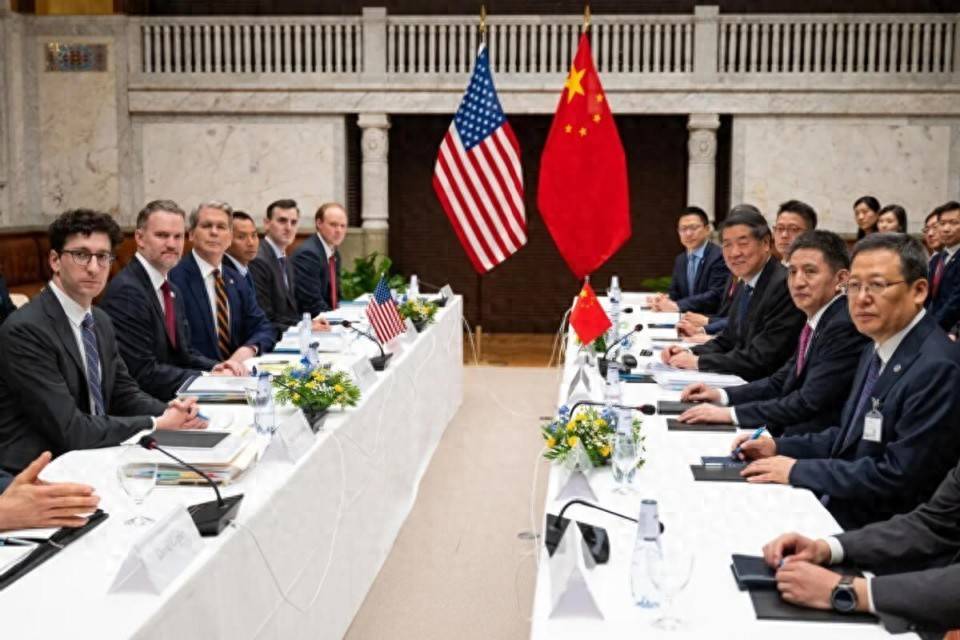
在对购买俄罗斯石油的国家制裁一事上,中国始终没有向美国屈服,然而现在的印度反而是率先向美国屈服,已经下令让国内企业停止购买俄罗斯石油,这 一懂事的行为也让特朗普在社交平台上为印度点赞。 01 中国没跪的情况下印度率先跪了 在上月底的中美贸易谈判中,美国在稀土和俄罗斯石油上对华施压,要求中国放开对稀土的管制,同时禁止购买俄罗斯的石油。按照此前特朗普的说法,中 国身为俄罗斯石油的主要购买国,在俄罗斯拒绝达成俄乌协议的情况下应该停止购买俄罗斯石油,不然的话就要加征100%关税。 中美正在召开的第三轮经贸谈判 而这个因为俄罗斯石油问题对中国的惩罚性关税到底有没有做出,从会谈后的双方表态也能看出来,在会谈结束后双方同意将关税暂缓期再次延长90天。也 就是说中美双方将继续保持此前的基准关税,并在接下来90天的时间里继续进行下一轮谈判。 特朗普十分满意印度停止进口俄罗斯石油的举措 而特朗普在接受新闻采访时,面对印度不再进口俄罗斯石油的这一消息,表示十分满意。也就是说,印度现在已经对美国滑跪。 显然对于美国要求禁止购买俄罗斯石油的要求,我国并没有答应,不然的话在特朗普的全球关税政策中,中国就会出现在加税名单中。 印度不仅被加 ...

广发早知道:汇总版-20250807
Guang Fa Qi Huo· 2025-08-07 05:11
广发早知道-汇总版 广发期货研究所 电 话:020-88818009 E-Mail:zhangxiaozhen@gf.com.cn 目录: 金融衍生品: 金融期货: 股指期货、国债期货 贵金属: 黄金、白银 集运欧线 商品期货: 有色金属: 铜、氧化铝、铝、铝合金、锌、锡、镍、不锈钢、碳酸锂 黑色金属: 钢材、铁矿石、焦煤、焦炭 农产品: 油脂、粕类、玉米、生猪、白糖、棉花、鸡蛋、红枣、苹果 能源化工: 原油、PTA、乙二醇、苯乙烯、短纤、尿素、瓶片、烧碱、PVC、LLDPE、 PP 特殊商品: 橡胶、玻璃纯碱、工业硅、多晶硅 2025 年 8 月 7 日星期四 投资咨询业务资格: 证监许可【2011】1292 号 张晓珍(投资咨询资格:Z0003135) 电话:020- 88818009 邮箱:zhangxiaozhen@gf.com.cn 刘珂(投资咨询资格:Z0016336) 电话:020-88818026 邮箱:qhliuke@gf.com.cn 叶倩宁(投资咨询资格:Z0016628) 电话:020- 88818017 邮箱:yeqianning@gf.com.cn 周敏波(投资咨询资格:Z0010 ...
特朗普疯了!美国宣布将对芯片征收100%关税,全球产业链严阵以待
Tai Mei Ti A P P· 2025-08-07 03:50
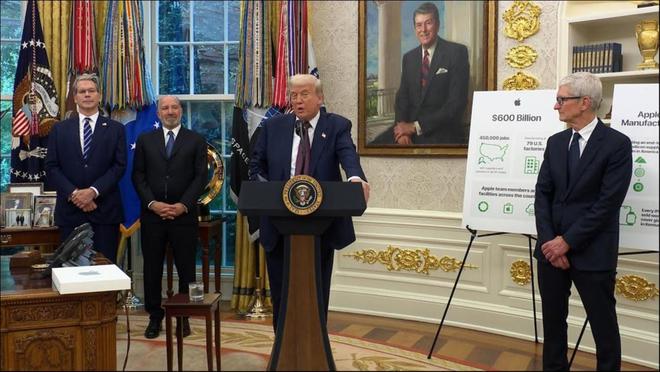
特朗普在当天白宫活动上会见苹果公司CEO库克(TimCook)。库克宣布,将在美国额外投资1000亿美 元,加上此前该公司曾在2月承诺投资5000亿美元,截至目前,苹果公司对美国的投资承诺达到6000亿 美元。 今年早些时候,特朗普表示,如果苹果不将iPhone制造业务迁回美国,他将对苹果征收至少25%的关 税。而如今,库克投资更多资金,以换回关税为零的方式。 特朗普表示,他将对包括苹果公司在内的在美生产芯片的公司豁免关税。据悉,特朗普政府最早可能在 下周宣布对所有含有半导体芯片的产品征收单独征税细则。 特朗普终于要对芯片产业"下手"了,考虑对进口到美国的芯片征收100%关税。 8月7日消息,据央视新闻,美国总统特朗普(Donald Trump)表示,正和内阁考虑,美国将对芯片和半 导体征收约100%的关税。特朗普称,如果在美国制造,将不收取任何费用。 "我们将把大约100%的关税放在芯片和半导体上。但如果你在美国建造,就不收费,即使你打算建造 (晶圆厂),但还没有生产大量的工作和所有的东西,那么我们会把费用累计加一起,未来向你追缴, 你必须支付。所以,我只想让每个人都知道,(我们)对所有进入美国的芯片半导体 ...

广发期货《有色》日报-20250807
Guang Fa Qi Huo· 2025-08-07 02:58
Report Industry Investment Ratings No relevant information provided. Core Views of the Report Copper - Currently, the path of interest rate cuts is unclear. Without a significant improvement in interest rate cut expectations, the upward momentum of copper prices is insufficient. After the disappointment of US copper tariffs, the electrolytic copper market in non - US regions shows a pattern of "loosening supply expectations and weak actual demand", and the spot contradictions are gradually resolved. Copper pricing returns to macro trading, and it may still fluctuate within a range without significant macro disturbances. The reference range for the main contract is 77,000 - 79,000 [1]. Zinc - The TC of zinc ore has risen to 3,900 yuan/ton, but the growth rates of global mine output in May and domestic mine output in June are both lower than expected. The smelter's enthusiasm for resuming production is high, and the smelter's operating rate is stronger than the seasonality. The supply - side relaxation logic of the mine end is gradually transmitted to the smelting end, and the domestic refined zinc output in July exceeded expectations. The demand side is significantly suppressed by the strong disk price, and the downstream procurement enthusiasm is frustrated. The basic situation of "loose supply + weak demand" is not enough to boost the continuous rise of zinc prices, but the low inventory provides price support. It is expected that zinc prices will still operate in a shock in the short term, and the reference range for the main contract is 22,000 - 23,000 [4]. Aluminum - For alumina, the short - term price is supported to rebound, and the basis weakens, but the market will remain slightly oversupplied in the future, and the core driver lies in the continuous game between cost support and over - capacity. It is expected that the main contract will operate in the range of 3,000 - 3,400 in the short term. For aluminum, under the pressure of inventory accumulation expectations, weak demand, and macro disturbances, it is expected that the price will still be under pressure at a high level in the short term, and the reference range for the main contract this month is 20,000 - 21,000 [7]. Aluminum Alloy - The supply of scrap aluminum in the market is relatively tight, which provides certain support for recycled aluminum on the cost side. The demand side is continuously suppressed by the traditional off - season, and the subsequent weak demand situation will continue, which will continuously suppress the upward momentum of prices. It is expected that the disk will mainly fluctuate in a wide range, and the reference range for the main contract is 19,200 - 20,200 [8]. Tin - The actual supply of tin ore remains tight, and the processing fees of smelters continue to be at a low level. The demand is expected to be weak in the future. Attention should be paid to the resumption of tin ore imports from Myanmar in August. If the supply resumes smoothly, there is a large downward space for tin prices; if the supply recovery is less than expected, tin prices are expected to continue to fluctuate at a high level [9]. Nickel - Recently, the macro situation is temporarily stable, and the fundamentals do not change much. The medium - term supply is expected to be loose, which restricts the upward space of prices. It is expected that the disk will adjust within a range in the short term, and the reference range for the main contract is 118,000 - 126,000 [10]. Stainless Steel - Recently, the disk is mainly driven by policies and macro - emotions. The short - term sentiment is temporarily stable, but the policy support still exists, and the spot demand on the fundamentals does not drive significantly. It is expected that the disk will mainly fluctuate in the short term, and the reference range for the main contract is 12,600 - 13,200 [11]. Lithium Carbonate - The short - term suspension expectation of the market is fermenting, and the uncertainty on the supply side will inject trading variables into the disk. Currently, the supply - demand balance is in line with expectations. The upstream operating rate changes little, and the supply remains sufficient. The demand performance is stable. Recently, the market sentiment and news - surface disturbances dominate the disk trend. The main contract price is expected to fluctuate widely around 67,000 - 72,000. It is recommended to wait and see for unilateral trading without a position [13][14]. Summaries According to Relevant Catalogs Price and Spread Copper - SMM 1 electrolytic copper price is 78,350 yuan/ton, down 0.34% from the previous value; the SMM 1 electrolytic copper premium is 100 yuan/ton, down 30 yuan from the previous value. The month - to - month spreads such as 2508 - 2509 are - 10 yuan/ton [1]. Zinc - SMM 0 zinc ingot price is 22,330 yuan/ton, up 0.13% from the previous value; the import profit and loss is - 1,474 yuan/ton, up 75.56 yuan from the previous value. The month - to - month spreads such as 2508 - 2509 are - 25 yuan/ton [4]. Aluminum - SMM A00 aluminum price is 20,630 yuan/ton, up 0.54% from the previous value; the import profit and loss is - 1,294 yuan/ton, up 39.9 yuan from the previous value. The month - to - month spreads such as 2508 - 2509 are 30 yuan/ton [7]. Aluminum Alloy - SMM aluminum alloy ADC15 price is 20,150 yuan/ton, up 0.50% from the previous value. The month - to - month spreads such as 2511 - 2512 are 20 yuan/ton [8]. Tin - SMM 1 tin price is 267,600 yuan/ton, up 0.22% from the previous value; the LME 0 - 3 premium is - 42.00 US dollars/ton, down 3.00 US dollars from the previous value. The month - to - month spreads such as 2508 - 2509 are - 470 yuan/ton [9]. Nickel - SMM 1 electrolytic nickel price is 122,100 yuan/ton, up 0.16% from the previous value; the LME 0 - 3 is - 206 US dollars/ton, down 5 US dollars from the previous value. The month - to - month spreads such as 2509 - 2510 are - 100 yuan/ton [10]. Stainless Steel - 304/2B (Wuxi Hongwang 2.0 coil) price is 13,000 yuan/ton, unchanged from the previous value; the spot - futures spread is 235 yuan/ton, up 25 yuan from the previous value. The month - to - month spreads such as 2509 - 2510 are - 60 yuan/ton [11]. Lithium Carbonate - SMM battery - grade lithium carbonate average price is 70,950 yuan/ton, down 0.35% from the previous value; the basis (based on SMM battery - grade lithium carbonate) is 2,090 yuan/ton, down 1,810 yuan from the previous value. The month - to - month spreads such as 2508 - 2509 are - 400 yuan/ton [13]. Fundamental Data Copper - In July, the electrolytic copper output was 1.1743 million tons, up 3.47% month - on - month; in June, the electrolytic copper import volume was 300,500 tons, up 18.74% month - on - month. The domestic mainstream port copper concentrate inventory was 521,600 tons, down 7.01% week - on - week [1]. Zinc - In July, the refined zinc output was 602,800 tons, up 3.03% month - on - month; in June, the refined zinc import volume was 36,100 tons, up 34.97% month - on - month. The galvanizing operating rate was 56.77%, down 2.65% week - on - week [4]. Aluminum - In July, the alumina output was 7.6502 million tons, up 5.40% month - on - month; the electrolytic aluminum output was 3.7214 million tons, up 3.11% month - on - month. The aluminum profile operating rate was 50.00%, down 0.99% week - on - week [7]. Aluminum Alloy - In June, the output of recycled aluminum alloy ingots was 615,000 tons, up 1.49% month - on - month; the output of primary aluminum alloy ingots was 255,000 tons, down 2.30% month - on - month. The operating rate of recycled aluminum alloy was 53.60%, up 3.02% week - on - week [8]. Tin - In June, the tin ore import volume was 11,911 tons, down 11.44% month - on - month; the SMM refined tin output was 13,810 tons, down 6.94% month - on - month. The SHEF inventory was 7,671 tons, up 3.42% week - on - week [9]. Nickel - The domestic refined nickel output was 31,800 tons, down 10.04% month - on - month; the refined nickel import volume was 19,157 tons, up 116.90% month - on - month. The SHFE inventory was 25,451 tons, up 0.69% week - on - week [10]. Stainless Steel - The Chinese 300 - series stainless steel crude steel output (43 manufacturers) was 1.7133 million tons, down 3.83% month - on - month; the stainless steel import volume was 109,500 tons, down 12.48% month - on - month. The 300 - series social inventory (Wuxi + Foshan) was 514,800 tons, down 0.20% week - on - week [11]. Lithium Carbonate - In July, the lithium carbonate output was 81,530 tons, up 4.41% month - on - month; the battery - grade lithium carbonate output was 61,320 tons, up 6.40% month - on - month. The total lithium carbonate inventory in July was 97,846 tons, down 2.01% month - on - month [13].
五矿期货文字早评-20250807
Wu Kuang Qi Huo· 2025-08-07 01:36
Report Industry Investment Ratings No relevant content provided. Core Views - The policy shows care for the capital market, and the overall direction is to buy on dips, but short - term market volatility may intensify [3]. - In the context of weak domestic demand recovery and expected loose funds, interest rates are expected to decline in the long - term, and the bond market may return to a volatile pattern in the short - term [5]. - Due to Trump's influence on the Fed and weak employment data, the Fed is likely to implement a more accommodative monetary policy, and it is recommended to buy precious metals on dips [6][7]. - For most metals, although there are certain price - supporting factors, the price increase space is limited due to factors such as off - season demand and supply - side policies [9][10][11][13][14][15][16][17]. - In the black building materials sector, the overall fundamentals are weak, and the disk price may gradually return to the real trading logic, and attention should be paid to the actual repair rhythm of terminal demand and the support strength of the cost side [22]. - In the energy and chemical sector, different products have different supply - demand and price trends, and corresponding trading strategies should be formulated according to their own characteristics [35][37][39][40][41][43][44][45][46]. - In the agricultural products sector, the supply - demand relationship and price trends of various products are different, and attention should be paid to factors such as policies, seasons, and international trade [51][52][53][55][57][59]. Summary by Directory Macro - financial Index Futures - News: Three departments issued a rural road improvement plan; State Grid's power load hit a record high; Shanghai issued a development plan for the embodied intelligence industry; The photovoltaic association solicited opinions on the Price Law [2]. - Basis ratio: Different contracts of IF, IC, IM, and IH have different basis ratios [3]. - Trading logic: The policy shows care for the capital market, and the short - term market may fluctuate, but the overall direction is to buy on dips [3]. Treasury Bonds - Market: TL, T, TF, and TS contracts have different price changes [4]. - News: Vietnam's exports and imports increased in July; A - share margin trading balance exceeded 2 trillion yuan [4]. - Liquidity: The central bank conducted reverse repurchase operations, with a net withdrawal of funds on the day [4]. - Strategy: Interest rates are expected to decline in the long - term, and the bond market may be volatile in the short - term [5]. Precious Metals - Market: Gold and silver prices in Shanghai and COMEX have different changes; The US 10 - year Treasury yield and the US dollar index are at certain levels [6]. - Market outlook: Fed officials' dovish remarks and Trump's influence on the Fed increase the expectation of loose monetary policy, and it is recommended to buy on dips [6][7]. Non - ferrous Metals Copper - Market: Copper prices rebounded, and LME and domestic inventories changed; The basis and import profit and loss also changed [9]. - Outlook: The Fed's expected interest rate cut supports copper prices, but the upside is limited due to factors such as off - season demand and supply - side policies [9]. Aluminum - Market: Aluminum prices rose, and domestic and LME inventories changed; The basis and market sentiment also changed [10]. - Outlook: The low domestic inventory supports aluminum prices, but the upside is limited due to off - season demand and export pressure [10]. Zinc - Market: Zinc prices fell, and domestic and LME inventories changed; The basis and market sentiment also changed [11]. - Outlook: The risk of zinc price decline increases due to factors such as increased supply and weakening support factors [11][12]. Lead - Market: Lead prices rose, and domestic and LME inventories changed; The basis and market sentiment also changed [13]. - Outlook: The upside of lead prices is limited due to factors such as sufficient supply and slow inventory increase [13]. Nickel - Market: Nickel prices rebounded slightly, and the prices of nickel ore and nickel iron changed; The market sentiment and trading volume also changed [14]. - Outlook: Nickel prices are affected by nickel iron prices, and there is still pressure for price correction due to limited short - term demand improvement [14]. Tin - Market: Tin prices rebounded slightly, and domestic and LME inventories changed; The prices of tin concentrate and the supply - demand situation also changed [15]. - Outlook: Tin prices are expected to fluctuate weakly in the short - term due to factors such as the expected increase in supply and weak demand [15]. Carbonate Lithium - Market: Carbonate lithium prices were stable, and the futures price rose; The market sentiment and trading volume also changed [16]. - Outlook: The supply - demand relationship is expected to improve, and the bottom of lithium prices is supported, but the sustainability of supply reduction needs to be observed [16]. Alumina - Market: Alumina prices rose, and the futures price and trading volume changed; The spot price, basis, and import profit and loss also changed [17]. - Strategy: It is recommended to short at high prices due to factors such as oversupply and weakening market sentiment [17]. Stainless Steel - Market: Stainless steel prices fell slightly, and the futures price and trading volume changed; The spot price, basis, and inventory also changed [18]. - Outlook: The short - term market is optimistic, and prices may fluctuate strongly [18]. Cast Aluminum Alloy - Market: Cast aluminum alloy prices rose, and the futures price and trading volume changed; The spot price, basis, and inventory also changed [19]. - Outlook: The price increase space is limited due to off - season demand and weak supply - demand [19]. Black Building Materials Steel - Market: The prices of rebar and hot - rolled coil changed, and the futures price, trading volume, and inventory also changed [21]. - Outlook: The overall fundamentals are weak, and the disk price may return to the real trading logic, and attention should be paid to terminal demand and cost support [22]. Iron Ore - Market: Iron ore prices fell, and the futures price, trading volume, and inventory also changed [23]. - Outlook: Iron ore prices are expected to fluctuate mainly due to factors such as limited supply growth and demand support [24]. Glass and Soda Ash - Glass: Prices fell, and the spot price, inventory, and market sentiment also changed; It is expected to fluctuate widely in the short - term [25]. - Soda Ash: Prices fluctuated, and the spot price, inventory, and market sentiment also changed; It is expected to fluctuate in the short - term, and it is recommended to wait and see [26]. Manganese Silicon and Ferrosilicon - Market: Prices rebounded, and the futures price, trading volume, and spot price also changed [27]. - Strategy: It is recommended to wait and see for investment positions and participate in hedging positions opportunistically [27][28]. Industrial Silicon and Polysilicon - Industrial Silicon: Prices rose, and the futures price, trading volume, and spot price also changed; It is recommended to be cautious due to factors such as oversupply and weak demand [30][31]. - Polysilicon: Prices rose, and the futures price, trading volume, and spot price also changed; It is expected to fluctuate widely in the short - term [32][33]. Energy and Chemicals Rubber - Market: Prices rebounded and then fluctuated, and the views of bulls and bears are different; Tire factory operating rates decreased, and inventory increased [35][36]. - Strategy: It is recommended to be neutral and slightly bullish, and conduct short - term operations [36]. Crude Oil - Market: Prices fell, and the EIA data showed changes in inventory [37]. - Outlook: Crude oil has upward momentum, but the upside is limited in the short - term, and it is recommended to buy on dips and set a target price [38]. Methanol - Market: Prices fluctuated narrowly, and the supply - demand and inventory situation changed; The valuation is high, and prices face pressure [39]. Urea - Market: Prices fell, and the supply - demand and inventory situation changed; It is a low - valuation and weak - supply - demand pattern, and it is recommended to pay attention to long - positions on dips [40]. Styrene - Market: Spot prices were unchanged, and futures prices rose; The cost, supply, demand, and inventory situation changed; BZN is expected to repair, and prices may rise with the cost side [41][42]. PVC - Market: Prices rose, and the cost, supply, demand, and inventory situation changed; It is a situation of strong supply and weak demand and high valuation, and it is recommended to wait and see [43]. Ethylene Glycol - Market: Prices rose, and the supply, demand, and inventory situation changed; The valuation is high, and prices may decline in the short - term [44]. PTA - Market: Prices rose, and the supply, demand, and inventory situation changed; It is expected to accumulate inventory, and attention should be paid to following PX to buy on dips [45]. p - Xylene - Market: Prices rose, and the supply, demand, and inventory situation changed; It is expected to reduce inventory, and attention should be paid to following crude oil to buy on dips [46]. Polyethylene - Market: Futures prices fell, and the cost, supply, demand, and inventory situation changed; Prices may be affected by the cost and supply sides in the short - term, and it is recommended to hold short - positions [47][48]. Polypropylene - Market: Futures prices fell, and the cost, supply, demand, and inventory situation changed; Prices are expected to fluctuate strongly with crude oil in July [49]. Agricultural Products Live Pigs - Market: Prices were half - stable and half - falling, and the supply - demand and market sentiment changed; Attention should be paid to the spread opportunities [51]. Eggs - Market: Prices were stable or falling, and the supply - demand and market sentiment changed; It is recommended to short on rebounds in the medium - term and reduce short - positions on dips in the short - term [52]. Soybean and Rapeseed Meal - Market: US soybeans fell slightly, and domestic soybean meal prices rose slightly; The supply - demand and inventory situation changed; It is recommended to buy on dips in the cost range and pay attention to the spread between soybean meal and rapeseed meal [53][54]. Oils and Fats - Market: Palm oil prices fluctuated, and the supply - demand and inventory situation changed; The policy and inventory support the price center, but the upside is limited, and it is recommended to view it with a volatile perspective [55][56]. Sugar - Market: Prices fluctuated weakly, and the supply - demand and inventory situation changed; Prices are likely to continue to fall in the future [57][58]. Cotton - Market: Prices fluctuated, and the supply - demand and inventory situation changed; The US cotton growth situation is good, and the market is bearish in the short - term [59].
广发早知道:汇总版-20250806
Guang Fa Qi Huo· 2025-08-06 04:28
Report Industry Investment Rating No relevant information provided. Core Viewpoints of the Report The report comprehensively analyzes various futures markets, including financial derivatives, precious metals, shipping, and commodities. It provides market trends, fundamental analysis, and operation suggestions for each sector, highlighting the impact of macro - events, supply - demand relationships, and policy changes on market prices. Summary by Directory Financial Derivatives Financial Futures - **Stock Index Futures**: On Tuesday, global equity markets heated up, with A - shares rising. The four major stock index futures contracts all increased, and the basis of the main contracts was seasonally repaired. With the release of policies and the results of Sino - US negotiations, it is advisable to sell put options on MO2509 with an exercise price around 6300 and hold a moderately bullish view [2][3][5]. - **Treasury Bond Futures**: The treasury bond futures closed with a narrow - range shock, mostly rising. Although the central bank's open - market operations turned to net withdrawal, the inter - bank market funds remained abundant. It is expected that treasury bond futures will oscillate upward in early August, and it is advisable to go long on dips and pay attention to July economic data [6][7][8]. Precious Metals - **Gold and Silver**: The uncertainty of US economic and trade policies has increased market concerns. Gold rebounded after hitting a low, and silver also rose. In August, trade agreements may put pressure on prices, but the deterioration of US economic data in July boosts the possibility of a Fed rate cut in September. Gold should be held long above $3300, and silver should be bought at low levels [9][11][12]. Shipping Futures - **Container Shipping Futures**: The container shipping futures are in a stage of slow decline in spot prices and lack of strong fundamental drivers. The 10 - contract price is expected to be weakly volatile, with a bottom around 1250 points. It is advisable to short the 08 and 10 contracts on rallies [14][15]. Commodity Futures Non - Ferrous Metals - **Copper**: The spot price rose, but the downstream purchasing willingness weakened. The macro - level has no clear bullish drivers, and the supply - demand relationship is weak during the off - season. Copper prices are expected to oscillate within a range, with the main contract referring to 77000 - 79000 [16][18][20]. - **Alumina**: The spot price remained stable, and the warehouse receipt volume increased. The market is expected to be in a slight surplus in the medium term. It is advisable to wait and see in the short term and short on rallies in the medium term, with the main contract running in the range of 3000 - 3400 [20][21][22]. - **Aluminum**: The spot price increased slightly, and the off - season inventory accumulation expectation is strong. Affected by macro factors and supply - demand relationships, the price is expected to be under pressure at high levels, with the main contract referring to 20000 - 21000 [22][24][25]. - **Aluminum Alloy**: The spot price rose, and the terminal consumption in the off - season was weak, with the social inventory close to full capacity. The price is expected to oscillate widely, with the main contract referring to 19200 - 20200 [25][26][27]. - **Zinc**: The spot price increased, and the supply was relatively loose while the demand was weak. The zinc price is expected to oscillate weakly, with the main contract referring to 22000 - 23000 [27][29][31]. - **Tin**: The spot price rose, and the trading was light. The supply of tin ore is tense, and the demand is expected to be weak. It is necessary to pay attention to the import situation of Burmese tin ore in August, and it is advisable to wait and see for now [31][32][34]. - **Nickel**: The spot price increased, and the market sentiment was stable. The supply is expected to be loose in the medium term, and the price is expected to adjust within a range, with the main contract referring to 118000 - 126000 [34][35][36]. - **Stainless Steel**: The spot price was stable, and the market purchasing was weak. Affected by policies and macro - emotions, the price is expected to oscillate, with the main contract running in the range of 12600 - 13200 [37][38][40]. - **Lithium Carbonate**: The spot price fell slightly, and the market was affected by news. The supply and demand are in a tight balance, and the price is expected to oscillate widely around 65,000 - 70,000. It is advisable to wait and see cautiously [41][42][44]. Ferrous Metals - **Steel**: The spot price rose, and the cost increased while the profit of steel mills improved. The supply and demand are basically balanced in the off - season, and the inventory pressure is not large. It is expected that steel prices will be supported, and it is advisable to hold long positions [46][47][48]. - **Iron Ore**: The spot price increased, and the futures price also rose. The demand for iron ore is still resilient, and the price is expected to follow steel prices. It is advisable to go long on dips and conduct arbitrage by going long on coking coal and short on iron ore [49][50][51]. - **Coking Coal**: The futures price rebounded after hitting a low, and the spot price increased. The supply is tight, and the demand is stable. It is expected that the price will rise, and it is advisable to go long on dips and conduct 9 - 1 reverse arbitrage [52][53][55]. - **Coke**: The futures price rose strongly, and the fifth - round price increase of coke was implemented. The supply is difficult to increase, and the demand is supported. There is an expectation of a sixth - round price increase, and it is advisable to go long on dips and conduct 9 - 1 reverse arbitrage [56][57][59]. Agricultural Products - **Meal**: The spot price of soybean meal fluctuated, and the price of rapeseed meal increased. The expected high yield of US soybeans suppresses prices, but concerns about imports support the domestic soybean meal spot. It is advisable to hold long positions in the 2601 contract of soybean meal [60][61][62]. - **Live Pigs**: The spot price fluctuated at a low level, and the supply and demand are weak. It is expected that the spot price will remain at the bottom, and it is not advisable to blindly short the far - month 01 contract [63][64]. - **Corn**: The spot price fell, and the market sentiment is bearish. The supply pressure is expected to increase in the medium - long term, and the price is expected to decline, with a slow decline in the short term [65][66][67]. - **Sugar**: The international raw sugar price is oscillating at the bottom, and the domestic sugar price is also at the bottom. The global sugar production is expected to increase, and the domestic supply is expected to be marginally loose. It is advisable to maintain a bearish view [68].
《有色》日报-20250806
Guang Fa Qi Huo· 2025-08-06 02:41
1. Report Industry Investment Ratings No relevant content provided. 2. Core Views of the Report Copper - Currently, the path of interest rate cuts is unclear. Without a significant improvement in interest rate cut expectations, the upward momentum of copper prices is insufficient. However, due to the resilience of the fundamentals, the downside space is also limited. Copper pricing has returned to macro trading. Without significant macro disturbances, copper prices may mainly fluctuate within a range. The main reference range is 77,000 - 79,000 [1]. Aluminum - In the short term, aluminum prices are still under pressure at high levels. The main contract price this month is expected to range from 20,000 - 21,000. In the future, it is necessary to focus on inventory changes and marginal changes in demand [4]. Aluminum Alloy - It is expected that the aluminum alloy market will mainly experience wide - range fluctuations, with the main contract reference range of 19,200 - 20,200. Attention should be paid to changes in upstream scrap aluminum supply and imports [6]. Zinc - In the short term, zinc prices are expected to mainly fluctuate. The main reference range is 22,000 - 23,000 [10]. Tin - If the supply of tin ore from Myanmar recovers smoothly in August, there is a large downward space for tin prices, and a short - selling strategy is recommended. If the supply recovery is less than expected, tin prices are expected to remain high [12]. Nickel - In the short term, the nickel market is expected to adjust within a range, with the main reference range of 118,000 - 126,000. Attention should be paid to changes in macro expectations [14]. Stainless Steel - In the short term, the stainless steel market will mainly fluctuate. The main contract is expected to operate in the range of 12,600 - 13,200. Attention should be paid to policy trends and the supply - demand rhythm [16]. Lithium Carbonate - Recently, market sentiment and news have dominated the market trend. The main price center of lithium carbonate is expected to fluctuate widely around 65,000 - 70,000. It is advisable to be cautious and wait and see for unilateral trading without a position. In the near future, attention should be paid to news increments and supply adjustments [19]. 3. Summaries According to Relevant Catalogs Copper Price and Basis - SMM 1 electrolytic copper price increased by 0.25% to 78,675 yuan/ton; SMM 1 electrolytic copper premium decreased by 50 yuan/ton to 130 yuan/ton. Other copper prices also showed different degrees of changes [1]. Fundamental Data - In July, electrolytic copper production was 117.43 million tons, a month - on - month increase of 3.47%. In June, electrolytic copper imports were 30.05 million tons, a month - on - month increase of 18.74%. There were also changes in inventory and开工 rates [1]. Aluminum Price and Spread - SMM A00 aluminum price increased by 0.20% to 20,520 yuan/ton; SMM A00 aluminum premium decreased by 10 yuan/ton to - 40 yuan/ton [4]. Fundamental Data - In July, alumina production was 765.02 million tons, a month - on - month increase of 5.40%. Electrolytic aluminum production was 372.14 million tons, a month - on - month increase of 3.11%. There were also changes in inventory and开工 rates [4]. Aluminum Alloy Price and Spread - SMM aluminum alloy ADC12 price increased by 0.25% to 20,050 yuan/ton [6]. Fundamental Data - In June, the production of recycled aluminum alloy ingots was 61.50 million tons, a month - on - month increase of 1.49%. The production of primary aluminum alloy ingots was 25.50 million tons, a month - on - month decrease of 2.30%. There were also changes in inventory and开工 rates [6]. Zinc Price and Spread - SMM 0 zinc ingot price increased by 0.59% to 22,300 yuan/ton; the premium increased by 40 yuan/ton to 35 yuan/ton [10]. Fundamental Data - In July, refined zinc production was 60.28 million tons, a month - on - month increase of 3.03%. In June, refined zinc imports were 3.61 million tons, a month - on - month increase of 34.97%. There were also changes in inventory and开工 rates [10]. Tin Spot Price and Basis - SMM 1 tin price increased by 0.45% to 267,000 yuan/ton; SMM 1 tin premium remained unchanged at 700 yuan/ton [13]. Fundamental Data - In June, domestic tin ore imports were 11,911 tons, a month - on - month decrease of 11.44%. SMM refined tin production was 13,810 tons, a month - on - month decrease of 6.94%. There were also changes in inventory and开工 rates [13]. Nickel Price and Basis - SMM 1 electrolytic nickel price increased by 0.54% to 121,900 yuan/ton; the premium of 1 Jinchuan nickel decreased by 100 yuan/ton to 2,250 yuan/ton [14]. Supply, Demand and Inventory - China's refined nickel production was 35,350 tons, a month - on - month decrease of 10.04%. Refined nickel imports were 19,157 tons, a month - on - month increase of 116.90%. There were also changes in inventory [14]. Stainless Steel Price and Spread - The price of 304/2B (Wuxi Hongwang 2.0 coil) remained unchanged at 13,000 yuan/ton; the spot - futures spread decreased by 14.29% to 210 yuan/ton [16]. Fundamental Data - China's 300 - series stainless steel crude steel production (43 enterprises) was 171.33 million tons, a month - on - month decrease of 3.83%. There were also changes in imports, exports and inventory [16]. Lithium Carbonate Price and Basis - SMM battery - grade lithium carbonate average price decreased by 0.21% to 71,200 yuan/ton; the basis (SMM battery - grade lithium carbonate as the benchmark) increased by 81.40% to 3,900 yuan/ton [19]. Fundamental Data - In July, lithium carbonate production was 81,530 tons, a month - on - month increase of 4.41%. Demand was 96,275 tons, a month - on - month increase of 2.62%. There were also changes in inventory [19].