流动性

Search documents
信达证券:流动性和通胀是美股波动的核心
Zhi Tong Cai Jing· 2025-11-23 02:24
Core Viewpoint - The recent volatility in the US stock market is primarily driven by tightening overseas liquidity, declining market risk appetite, and significant concerns regarding the extent of AI bubble [1][2][3] Group 1: US Market Conditions - The tightening of overseas liquidity is attributed to hawkish statements from the Federal Reserve and strong employment and inflation data, which have dampened expectations for interest rate cuts in December [2] - Market risk appetite has decreased due to warnings from Federal Reserve officials about risks in the private credit sector and adjustments in the cryptocurrency market, leading to increased selling pressure [2] - There is considerable disagreement among market participants regarding the degree of AI bubble, with some institutional investors taking profits [2] Group 2: Valuation and Financial Pressure - The current valuation levels indicate that the S&P 500's price-to-earnings (P/E) ratio is at a high range, nearing the peak levels seen during the tech bubble, while the Nasdaq index's P/E ratio, although high, is still significantly below those peak levels [2] - The concentration of market capitalization among leading tech companies is high, with many having P/E ratios at elevated levels and financial pressures approaching those seen during the tech bubble, leading to increased debt financing and uncertainty regarding buybacks and dividends [2] - The core factors influencing the magnitude and duration of overseas market volatility are identified as monetary policy and inflation, rather than earnings [2][3] Group 3: A-Share Market Outlook - Given that A-share valuations are significantly lower than those of US stocks and the diminishing influence of foreign capital, the impact of US market weakness on A-shares is expected to gradually decrease [1][3] - There are opportunities for A-shares to rise due to potential positive changes in policies or funding towards the end of the year and into early next year [1][3]

流动性跟踪:资金面风浪未平
HUAXI Securities· 2025-11-22 14:35
证券研究报告|宏观跟踪周报 [Table_Date] 2025 年 11 月 22 日 下周(11月 24-28日)进入跨月周,资金面风浪依旧未平。周一(24日)起, 拆借 7 天利率可跨月。参考今年二季度以来季中月(5 月、8 月)资金利率在跨月周 的变化情况,R007 最大上行幅度分别为 11、8bp,而 R001 多在跨月当日显著上 行,幅度在 5-10bp。 与此同时,下周公开市场还面临 2.58万亿元到期,单周到期规模仅次于国庆后 一周的 2.66 万亿元。其次,政府债缴款规模可能依然不低。根据已披露的发行计 划,下周缴款额预计为 2337亿元。不过,下周三(26日)还将有国债 2个月、3个 月期贴现国债计划发行,实际缴款压力将更大,根据我们估算,实际缴款规模或仍 在 3000 亿以上,约为 3087 亿元左右。 因此,对于接下来的跨月周,地方债发行缴款以及MLF续作情况将是两个关键 变量。不过,考虑到三季度基本面压力显现,央行宽货币态度延续,下周央行或同 步加大短期逆回购资金投放,缓解资金压力,预计跨月期间隔夜、7 天资金成本高 点或在 1.60%附近。 ►公开市场:11 月 24-28 日,逆回 ...
流动性和通胀是美股波动的核心
Xinda Securities· 2025-11-22 11:44
Group 1 - The core conclusion indicates that since November, the US stock market has continued to weaken, with increased volatility in the A-share market. The main reasons for the recent volatility in the US market include a cooling expectation of interest rate cuts in December, a decline in market risk appetite, and significant concerns regarding the degree of AI bubble. The S&P 500's price-to-earnings (P/E) ratio is at a high level, approaching the peak during the dot-com bubble, while the Nasdaq index's P/E ratio is also high but still has a considerable distance from the dot-com bubble peak [2][8][9] - The financial pressure on major US tech companies is rapidly increasing, with some financial pressure indicators nearing levels seen during the dot-com bubble. The capital expenditure to revenue ratio for the seven major US tech companies has risen to 19% as of Q3 2025, compared to a peak of 10% during the dot-com bubble. Additionally, the capital expenditure to free cash flow ratio has exceeded 100%, indicating significant financial strain [3][16][20] - The report emphasizes that the core factors influencing the magnitude and duration of overseas market volatility are liquidity and inflation, rather than earnings. Historical examples show that liquidity tightening due to interest rate hikes has led to valuation corrections in high-valuation sectors. The most critical factor for the sustainability of a slow bull market in the US is persistent low inflation [3][23][28] Group 2 - The report suggests that the current valuation levels of the US stock market indicate a bubble-like state, with the S&P 500's P/E ratio exceeding the average by more than one standard deviation since 2000. The peak P/E ratio was approximately 29.8 times at the end of October, close to the 30 times peak during the dot-com bubble [11][12][14] - The report also notes that the potential for the Federal Reserve to continue cutting interest rates in 2026 is higher, with a low probability of aggressive rate hikes leading to a valuation bubble burst. The ongoing strength of the US stock market since October 2022 is attributed more to easing inflation than to changes in earnings [28][29] - The report highlights tactical and strategic views on the market, indicating that while the foundation for a bull market remains solid, there may be wide fluctuations due to weak economic data and adjustments in overseas markets. There are opportunities for upward movement in the A-share market if there are positive policy or funding changes by the end of the year [29][34]
股指周报:美科技板块下跌,国内股指本周大幅回调-20251122
Zhe Shang Qi Huo· 2025-11-22 07:19
1. Report Industry Investment Rating - No relevant content provided 2. Core Viewpoints of the Report - In the short - term, US technology stocks have significantly corrected, and domestic stock indices have also seen increased divergence. The Shanghai Composite Index has fallen to around 3800. However, in the medium - to - long - term, the domestic market is driven by liquidity, with continuous inflows of incremental funds. After the consolidation of stock indices, there is still upward momentum [3][4]. - The international situation is complex, but positive results have been achieved in China - US economic and trade consultations. The US has entered a new interest - rate cut cycle, which is beneficial for the appreciation of the RMB and the return of foreign capital, bringing new incremental funds [4]. - Current policies to stabilize the capital market are positive, and the bottom line of stock indices is clear. New technologies and new consumption are driving the economic outlook to stabilize and recover. The "15th Five - Year Plan" raises requirements for technological innovation and expands domestic demand [4]. - After the risk - free interest rate drops to a low level, the entry of medium - to - long - term funds and individual investors into the market will enter a new cycle [4]. - In the future, attention should be paid to trading volume. If the trading volume of the two markets can remain above 2 trillion yuan, the market can maintain relative strength. It is recommended to focus on technology - growth sectors with certain profitability, such as semiconductors and AI computing power, and also pay attention to the rotational allocation value of low - valuation defensive sectors such as finance (securities) and consumption [4]. 3. Summary According to Relevant Catalogs 3.1 Market Performance - This week, domestic stock indices mainly fluctuated. As of November 21, 2025, the Nasdaq Index fell 2.74%, the S&P 500 Index fell 1.95%, and the Hang Seng Tech Index fell 7.18%. The Shanghai Composite Index fell 3.90%, the CSI 1000 Index fell 5.80%, the SSE 50 Index fell 2.72%, the ChiNext Index fell 6.15%, and the STAR 50 Index fell 5.54%. Most of the 31 Shenwan primary industry indices declined this week, with many sectors such as power equipment, comprehensive, and commercial retail falling more than 5% [11][14]. 3.2 Liquidity - The 7 - day reverse repurchase rate of inter - bank deposit - type financial institutions (DR007) remained low. In October, 200 billion yuan of MLF was to be injected, and the yield of 10 - year treasury bonds was around 1.8%. - The increase in social financing was lower than the seasonal average, with declines in the two major sub - items of credit and government bonds. At the end of October, the year - on - year growth rate of social financing stock was 8.5%, slightly lower than that in September. The new social financing in October was 815 billion yuan, 30 billion yuan less than the same period last year, mainly affected by seasonal factors and the slowdown in government bond issuance. - The "scissors gap" between M1 and M2 continued to narrow. In October, the growth rate of M2 slowed down by 0.2 percentage points to 8.2% compared with September, and the M1 - M2 scissors gap narrowed to 2% (0.1 percentage point smaller than in September), indicating an increase in the "activity" of funds [15]. 3.3 Trading Data and Sentiment - This week, the trading volume of the two markets decreased, and the Shanghai Composite Index had a significant weekly decline. From January to October 2025, the cumulative number of newly opened A - share accounts in the A - share market was 22.4588 million, a year - on - year increase of 10.57%. The average daily trading volume of the two markets (MA5) remained around 2 trillion yuan, and liquidity was an important factor supporting the current index [24][26]. 3.4 Index Valuation - As of November 21, 2026, the latest PB of the Shanghai Composite Index was 16.10, with a percentile of 77.22, and the latest PB of the entire A - share market was 21.27, with a percentile of 79.56. Among the major stock indices, the valuation percentiles were in the order of CSI 1000 > CSI 500 > SSE 300 > SSE 50. The absolute valuation of the index was at a low level, but the percentile was relatively high [32]. 3.5 Index Industry Weights - As of June 30, 2025, in the SSE 50 Index, the weights of the banking, non - banking finance, and food and beverage sectors were relatively high, at 21.31%, 15.48%, and 13.88% respectively, and the electronics industry became the fourth - largest weighted industry. - In the SSE 300 Index, the weights were relatively dispersed, and the top three weighted industries were banking, non - banking finance, and electronics. - In the CSI 500 Index, the top three weighted industries were electronics, pharmaceutical biology, and non - banking finance. - In the CSI 1000 Index, the top three weighted industries were electronics, pharmaceutical biology, and computer [39][40][44]. 3.6 Other Overseas and Domestic Policy Tracking - Domestic policies: In 2025, the government work report and the Two Sessions in March proposed an economic growth target, a moderately loose monetary policy, and a more proactive fiscal policy. In May, the reserve requirement ratio and policy interest rates were cut, and a 500 - billion - yuan loan for service consumption and elderly care was established. In September, achievements in the financial industry during the "14th Five - Year Plan" were summarized, and reforms in the capital market were deepened. In October, the Fourth Plenary Session of the Central Committee set the goals and deployments for the "15th Five - Year Plan", emphasizing technology and expanding domestic demand [45][46]. - US policies: The US has entered a new interest - rate cut cycle, with a 25 - basis - point cut in October. As of November 22, the probability of another interest - rate cut by the Fed in December has decreased, but it is still expected to cut rates once within the year [47].
美股暴跌九重奏:高盛揭示市场崩盘的深层逻辑
Sou Hu Cai Jing· 2025-11-21 07:51
美联储理事Lisa Cook关于私人信贷领域"潜在的资产估值脆弱性"的警告,像一颗投入平静湖面的石子,激起层层涟漪。隔夜信贷市场迅速恶化,投资级债券 和高收益债券的利差急剧扩大。这个规模达1.7万亿美元的市场一旦出现问题,其与金融体系的复杂关联可能引发连锁反应,这让习惯了廉价资金的华尔街 如坐针毡。 当英伟达的财报烟花变成市场丧钟,当比特币跌破9万美元的心理防线,华尔街正在经历一场由九个致命音符组成的黑色交响乐。高盛最新报告揭示了这场 史诗级暴跌背后的复杂机理,每一个因素都像精确制导的导弹,击穿了投资者的心理防线。 百度图片 科技信仰的崩塌:英伟达成为压垮骆驼的最后一根稻草 英伟达财报本该是市场的强心针,却意外成为压垮风险偏好的最后一根稻草。这家AI芯片巨头交出了超预期的成绩单,股价却高开低走最终收跌3%。高盛 顶级交易员John Flood的评论一针见血:"真正的好消息没有得到回报,通常是一个坏兆头"。市场开始质疑,当最耀眼的明星都失去光芒,还有什么能支撑 科技股的天价估值? image 百度图片 信贷市场的定时炸弹:美联储官员的警告成真 流动性荒漠:市场失去缓冲垫 高盛数据显示,标普500指数顶级买卖盘的 ...


刚刚全线大跳水,超18万人爆仓,市场震荡加剧
Sou Hu Cai Jing· 2025-11-20 16:56
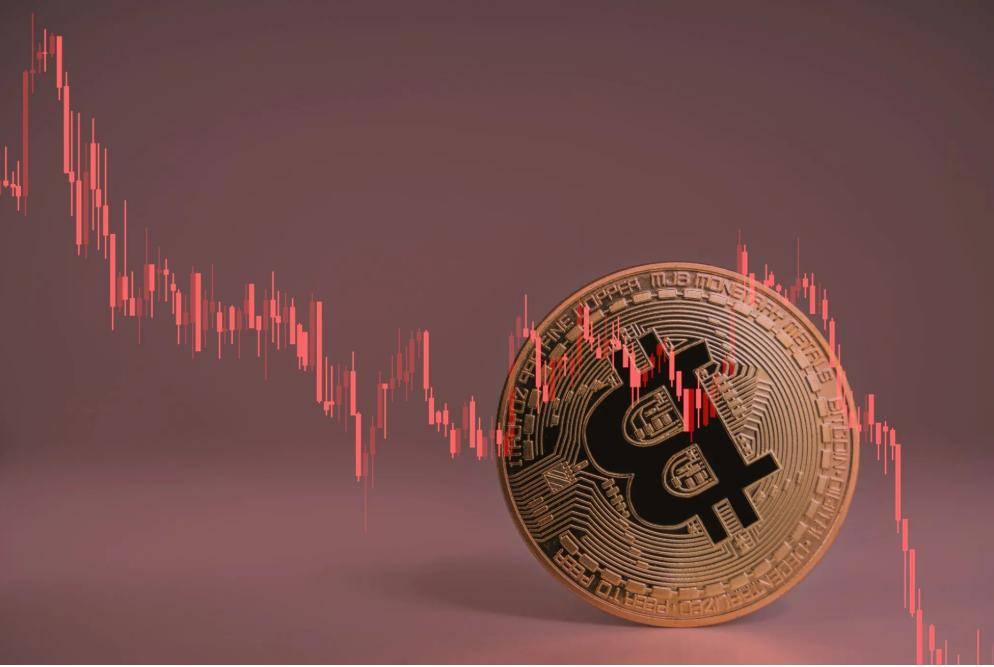
Market Overview - The market experienced a significant downturn, with over $1 billion in liquidations within 24 hours and a total of 183,500 individuals affected, highlighting the volatility in the cryptocurrency sector [1] - Bitcoin dropped from over $90,000 to below $80,000, while Ethereum fell below $3,000, resulting in a total market capitalization loss exceeding $1 trillion since early October [1] Options Market Activity - A surge in put options for contracts expiring in late November was noted, with a total value exceeding $740 million, indicating a hedge against further market declines [3] - The demand for protective options at various lower price points, such as $90,000 and $85,000, has increased significantly, reflecting traders' bearish sentiment [5] Market Sentiment - The market sentiment index indicates extreme fear, with data from CoinMarketCap showing a gradual accumulation of fear rather than isolated incidents [5] - Discussions among market participants have shifted from excitement to strategies for managing cash and restructuring positions, indicating a change in collective sentiment [5] Regulatory and Systemic Issues - The recent downturn has exposed flaws in leverage trading platform rules and clearing mechanisms, raising concerns about systemic risks associated with margin trading and information asymmetry [7] - The rapid spread of information through media and social platforms has amplified individual anxieties, complicating market judgments [7] Future Outlook - Upcoming events, such as Nvidia's earnings report and the Federal Reserve meeting, are anticipated to be critical in determining market direction, as traders reassess their positions and risk tolerance [8] - The current market turmoil serves as a reminder of the fragility of economic systems and the need for rational responses to such disruptions [8]
NetEase, Inc. (NASDAQ:NTES) Financial Performance and Market Position
Financial Modeling Prep· 2025-11-20 15:05
Core Viewpoint - NetEase, Inc. is a leading internet and game services provider in China, focusing on innovative gaming experiences and expanding its global reach [1] Financial Performance - On November 20, 2025, NetEase reported earnings per share (EPS) of $2.07, slightly below the estimated $2.08 [2][6] - The company achieved net revenues of 28.4 billion RMB, equivalent to $4 billion, marking an 8.2% increase compared to the same quarter in 2024 [2][6] - Revenue fell short of the estimated $4.10 billion, but the commitment to innovation has strengthened its domestic foundation and increased global appeal [3] Market Valuation - NetEase has a price-to-earnings (P/E) ratio of 17.70, indicating favorable market valuation [4][6] - The price-to-sales ratio stands at 5.48, and the enterprise value to sales ratio is 5.09, reflecting strong market valuation relative to revenue and sales [4] Financial Strengths - The company maintains a low debt-to-equity ratio of 0.075, indicating minimal reliance on debt [5] - A current ratio of 3.23 suggests strong liquidity, ensuring the company can cover its short-term liabilities [5][6] - These financial strengths support NetEase's ongoing commitment to innovation and global expansion [5][6]


LPR连续六个月按兵不动,短期会调降吗?
Sou Hu Cai Jing· 2025-11-20 02:20
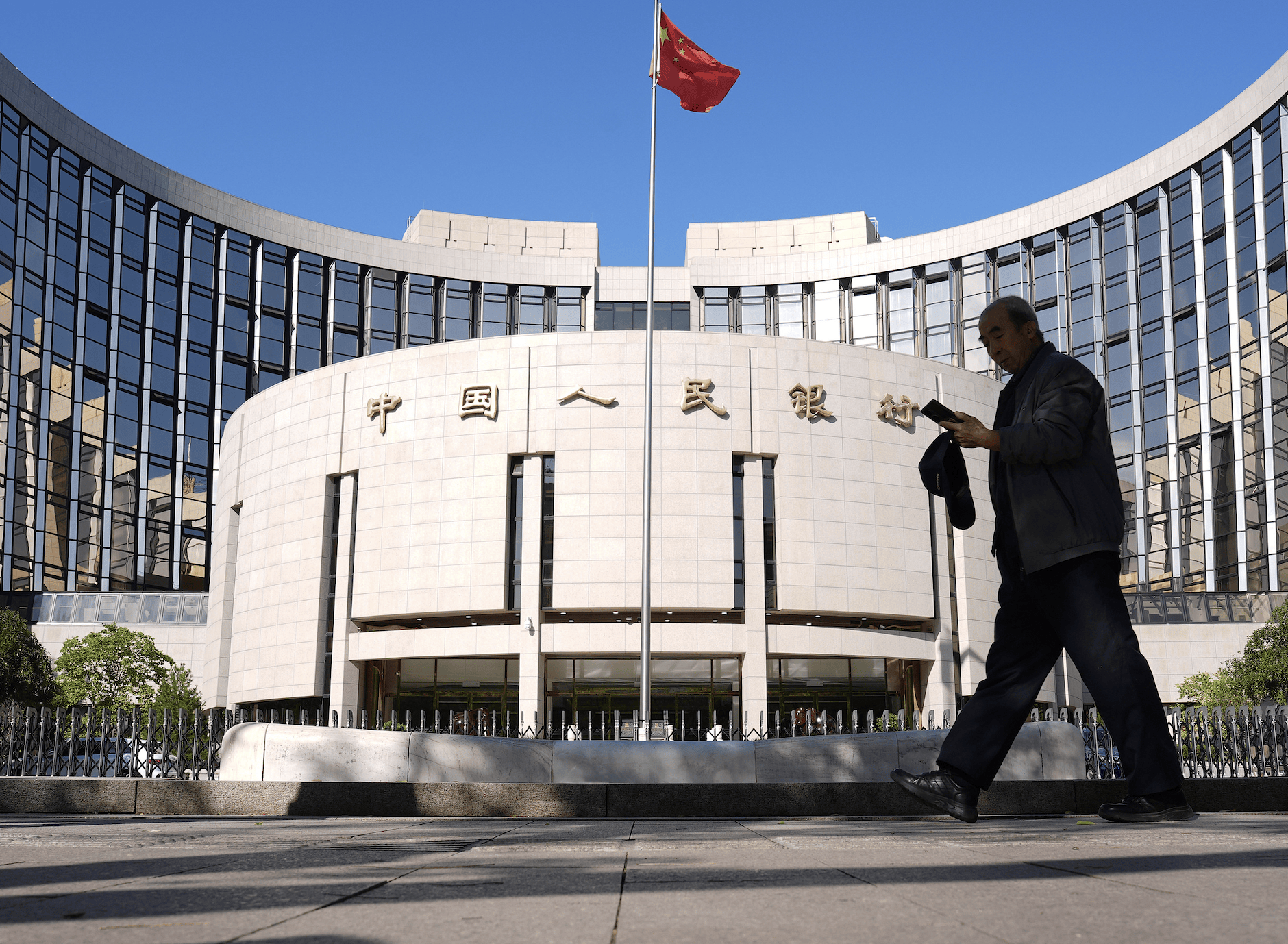
Core Viewpoint - The People's Bank of China (PBOC) has maintained the Loan Prime Rate (LPR) unchanged for the sixth consecutive month, indicating a stable monetary policy environment aimed at supporting economic recovery and maintaining liquidity in the financial system [1] Group 1: Loan Prime Rate (LPR) and Interest Rates - As of November 20, 2025, the 1-year LPR is set at 3.00% and the 5-year LPR at 3.50%, both remaining unchanged from the previous month [1] - The only adjustment to the LPR this year occurred in May, where both the 1-year and 5-year LPR were reduced by 10 basis points [1] - The average interest rate for newly issued corporate loans in October was 3.1%, down approximately 40 basis points year-on-year, while the average rate for personal housing loans was also 3.1%, down about 8 basis points year-on-year [1] Group 2: Monetary Policy and Economic Outlook - The PBOC's third-quarter monetary policy report emphasizes the need for a moderately loose monetary policy to maintain relatively relaxed social financing conditions [1] - Analysts expect that the regulatory authorities may further lower the 5-year LPR to alleviate high actual mortgage rates and stimulate housing market demand in the fourth quarter [2] - Future monetary policy actions may include using reverse repos and medium-term lending facilities (MLF) to enhance liquidity management and support key strategic areas [4] - Some economists believe the probability of interest rate cuts and LPR adjustments in the fourth quarter is low, citing manageable GDP growth targets and stable inflation [4]
Federal Home Loan Bank advances to member banks dip in Q3
American Banker· 2025-11-19 11:00
Core Insights - The recent government shutdown has led to increased interest in data from the Federal Home Loan Banks (FHLBs) to assess the banking system's strength [1][5] - Cash loans to commercial banks from FHLBs decreased by 6% in Q3 to $693.5 million compared to $736.1 million a year earlier, with net income remaining flat at $1.5 billion [2][6] - Experts caution against interpreting the decline in advances as a sign of abundant liquidity in the financial system [3][6] Financial Data and Trends - The dip in FHLB advances is attributed to a lack of financial data due to the government shutdown, affecting the collection of key economic indicators [5] - The Federal Reserve's decision to end quantitative tightening on December 1 suggests a tightening liquidity environment [4] FHLB Operations and Historical Context - FHLBs provide loans, known as "advances," to financial institutions that pledge collateral, typically mortgage loans and U.S. Treasuries [2][11] - The FHLB system has been a reliable source of liquidity, especially during financial crises, such as the regional bank crisis in early 2023 [9][10] - During the pandemic in March 2020, advances peaked at $807 billion, but subsequently declined as federal stimulus increased deposits in financial institutions [10] Regulatory and Governance Issues - The FHLB system's dual mission of providing liquidity and supporting housing has faced scrutiny, leading to proposed changes during the Biden administration [12] - Recent studies indicate that FHLB advances contribute to the stability of the banking system, with a net subsidy to FHLB members estimated at $6.9 billion for fiscal 2024 [14]

TMGM外汇:利率动向 美联储对流动性状况感到沮丧
Sou Hu Cai Jing· 2025-11-18 10:07
Core Insights - The recent tightening of the U.S. repo market has not raised excessive concerns, indicating an uneven liquidity environment [1][3] - The Federal Reserve is frustrated by the rising effective federal funds rate, which is only 2 basis points lower than the excess reserves rate [3] - The primary dynamic in the market is the tightening of the repo market, with the SOFR rate rising to 4%, significantly above the excess reserves rate [3][4] Group 1 - The Federal Reserve's current method to influence liquidity is through the purchase of Treasury securities, which is a blunt tool to address the appearance of liquidity tightness [4] - There is speculation that major dealers and qualified deposit institutions do not feel liquidity pressure, leading to minimal demand for liquidity despite the apparent need [3][4] - The effective federal funds rate is expected to remain above the excess reserves rate, which is not a technical issue as banks can use the federal funds window to prevent significant deviations [4] Group 2 - The bond market remains stable, with 2-year and 10-year yields showing little volatility despite pipeline issues [6] - Market expectations suggest that the Federal Reserve is on a path to lower interest rates, potentially bringing the benchmark rate down to around 3% [6] - The 10-year Treasury yield has stabilized above 4.1% since Powell's comments on the December rate cut, with upcoming economic data likely to influence future movements [6]