贸易战

Search documents
特朗普再次语出惊人:全球第二大国家和第四大国家要合并?
Sou Hu Cai Jing· 2025-11-20 06:23
2024年11月,特朗普刚刚在美国大选中获胜,就开始对加拿大施压。他威胁要对加拿大征收25%的关税,声称这是为了应对边境的毒品问题和非法移民流 入。面对这种威胁,加拿大总理特鲁多急忙飞往佛罗里达的马阿拉歌庄园,与特朗普坐下来吃晚餐商讨对策。在晚餐上,特朗普毫不客气地提出了一个极端 的建议:不如让加拿大直接成为美国的第51个州,并且特鲁多可以担任这个州的州长。这个提议一出来,加拿大的高级官员们纷纷表态,表示加拿大是一个 主权国家,绝不会同意这一建议。 特朗普在上台之前,便在社交媒体上发出了类似的信号。2024年12月2日,他在一条帖子中暗示,如果加拿大无法解决贸易和边境问题,那就应该考虑并入 美国。不到一周的时间,12月11日,他再次公开称特鲁多为州长,并表示如果加拿大选择合并,那么美国每年给加拿大的1亿美元援助就不需要了,直接合 并更划算。对此,加拿大外交部长梅兰妮·乔利立即回应,强调这不是玩笑话,加拿大将全力抵抗特朗普施加的关税压力。 事实上,加拿大的经济确实在很大程度上依赖美国,尤其是出口。加拿大75%的出口都流向美国,包括汽车、木材和石油等。如果加征关税,可能会导致加 拿大的失业率大幅上升。2025年1 ...

美国的芯片关税计划,被爆将推迟
半导体行业观察· 2025-11-20 01:28
Group 1 - U.S. officials privately indicated that they may not quickly impose long-term tariffs on semiconductors, potentially delaying a key aspect of President Trump's economic agenda [2] - Discussions regarding semiconductor tariffs have progressed slowly, with officials aiming to avoid trade disputes that could reignite tensions and disrupt the flow of critical rare earth minerals [2] - Trump previously stated that the U.S. would impose approximately 100% tariffs on imported semiconductors, with exemptions for companies producing or committing to produce in the U.S. [2] Group 2 - White House and Commerce Department officials denied any change in government stance regarding semiconductor tariffs, emphasizing the commitment to bring manufacturing back to the U.S. [3] - The potential delay or reduction in semiconductor tariffs could be sensitive for Trump, especially with rising consumer price concerns ahead of the holiday shopping season [3] - Trump recently canceled tariffs on over 200 food items but claimed that import tariffs have not significantly impacted inflation, which has remained above the Federal Reserve's target since Biden took office [3] Group 3 - U.S. officials mentioned that future national security measures may be taken that could be unpopular with other countries [4] - The Trump administration has been investigating the import of pharmaceuticals and semiconductors, aiming to impose tariffs due to national security concerns related to reliance on foreign production [5]

特朗普要推迟半导体100%关税?“不想激怒中国”
Guan Cha Zhe Wang· 2025-11-20 01:28
Core Viewpoint - The Trump administration is reconsidering the implementation of previously threatened tariffs on imported semiconductors, which were initially proposed to be as high as 100% [1][3][4]. Group 1: Tariff Policy Changes - U.S. officials have indicated a more cautious approach regarding semiconductor tariffs to avoid escalating tensions with China [1][5]. - The Trump administration's initial stance included a potential 250% tariff on pharmaceuticals, but the semiconductor tariffs have not yet been finalized [3][4]. - The White House has denied any changes to the tariff policy, asserting that the administration remains committed to using all powers to bring manufacturing back to the U.S. [4][5]. Group 2: Economic Implications - Increasing semiconductor tariffs could lead to higher consumer costs for electronic products, which is a sensitive issue as the holiday shopping season approaches [4][5]. - The administration's tariff policies are seen as a strategy to revive U.S. manufacturing jobs that have been lost to overseas competition, particularly from China [5]. Group 3: Trade Relations with China - The Trump administration is attempting to maintain a delicate trade truce with China, which is a major producer of semiconductors and related equipment [5]. - Trump has expressed a desire for a fair agreement with China, indicating a potential shift in tone regarding trade negotiations [5].
“中国已下单,美国大豆期货价格创17个月以来新高”
Sou Hu Cai Jing· 2025-11-18 19:53
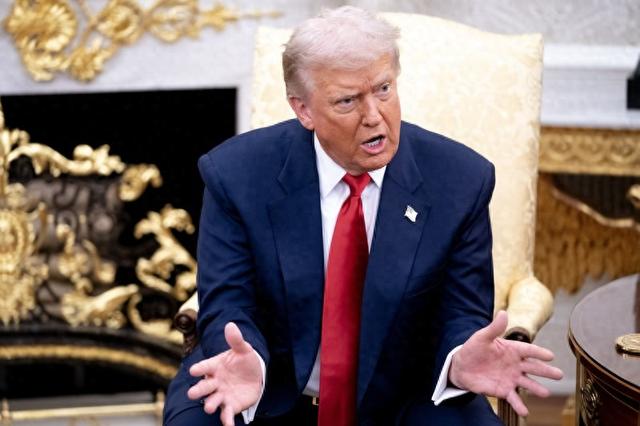
Core Viewpoint - The recent increase in soybean futures prices is attributed to China's renewed purchasing activity, which had previously stalled, providing hope to American farmers [1][3]. Group 1: Soybean Market Dynamics - On November 17, soybean futures prices on the Chicago Mercantile Exchange rose by 3.2%, reaching a 17-month high, following reports of China's intention to purchase soybeans from the U.S. [1] - AgResource reported that Chinese importers have bought between 7 to 10 shipments of U.S. soybeans, with some scheduled for shipment in January and others in June or later [1]. - The U.S. Department of Agriculture (USDA) indicated that only 232,000 tons of the total 1.2 million tons of soybeans sold were destined for China, a decrease from the previous week [3]. Group 2: Trade Agreements and Expectations - The Trump administration previously announced that China agreed to purchase at least 12 million tons of U.S. soybeans this season, which is crucial for American farmers facing inflation and high input costs [3]. - USDA data revisions revealed that 100,000 tons of soybean orders were canceled, contributing to market anxiety [3]. - Trump's team expressed optimism about the ongoing negotiations, with Agriculture Secretary Rollins stating that China has started buying soybeans and that progress is being made [4]. Group 3: Competitive Landscape - The rise in soybean prices may negatively impact U.S. competitiveness in the global market, as higher prices could push buyers towards Brazilian soybeans [4]. - AgResource noted that the increase in U.S. soybean futures prices could shift non-Chinese market business to Brazil, indicating a potential loss of market share for U.S. soybeans [4]. - The article highlighted that China has gained leverage in the soybean trade, being able to pause and resume purchases based on the state of U.S.-China relations [4]. Group 4: Historical Context and Trends - Historically, U.S. soybeans represented a significant portion of China's imports, with 57% of U.S. soybean exports going to China in 2017, valued at over $12 billion [5]. - Following the trade tensions, U.S. soybean exports to China plummeted to $3 billion, with China increasingly turning to Brazil and Argentina for its soybean needs [5]. - In the first eight months of this year, China imported only 218 million bushels of U.S. soybeans, a 78% decrease year-on-year, while Brazil captured approximately 93% of China's soybean import market [5].
英欧贸易战阴影下沪金陷震荡格局
Jin Tou Wang· 2025-11-18 03:04
Group 1 - The UK government is considering retaliatory measures in response to the EU's proposed steel tariff increases, which could lead to the largest crisis in the domestic metal industry [3] - The EU plans to cut existing foreign steel tariff-free quotas by nearly half and double the tax on excess quotas to 50% [3] - The UK government is exploring stronger trade measures to protect its steel producers from unfair practices while addressing the issue of overcapacity in the industry [3] Group 2 - Current gold futures are trading around 922.76 yuan per gram, with a decline of 0.87%, and have fluctuated between a high of 935.52 yuan and a low of 919.34 yuan [1] - The core trading range for gold is expected to be between 910-930 yuan per gram, with a critical support level at 915 yuan [1] - Monitoring the breakout at 920 yuan per gram is essential, along with adjustments based on the fluctuations of the US dollar index [1]
“生活成本”已成特朗普重点,美银:白宫将加大“价格干预”,贸易战“结束”了
美股IPO· 2025-11-17 09:54
Core Viewpoint - The Trump administration is shifting its policy focus to suppress consumer prices in response to election signals regarding living costs, indicating a potential reversal of its previously hardline trade stance, interpreted by the market as a key signal of the "end of the trade war" [1][3]. Policy Measures - The White House is formulating plans to lower consumer prices, including direct subsidies of $2,000 or more, antitrust investigations into meatpacking companies, and a new initiative to reduce tariffs on common consumer goods like coffee and fruits [3][4]. - Recent announcements include the reduction of tariffs on dozens of agricultural products and foods, such as beef, coffee, nuts, and spices, marking a significant shift in trade policy aimed at addressing voter dissatisfaction with high living costs [3][4]. Economic Implications - The focus on "affordability" is expected to reshape domestic economic policies and could lead to increased government intervention in pricing, particularly in key sectors like energy, healthcare, housing, and utilities [7]. - Analysts predict that the political focus on affordability will become a key driver for asset allocation in the coming months, with expectations of a shift from "invisible hand" market forces to "visible fist" government interventions [7]. Market Reactions - Investors are betting on the implications of the policy shift, with expectations that the focus on affordability may lead to the end of the trade war and a reduction in tariffs, which could lower inflation and support a prolonged rally in long-term government bonds [7]. - The political battle over affordability is seen as critical for the upcoming midterm elections, with predictions that the administration will intensify its efforts to control prices to win voter support [7].
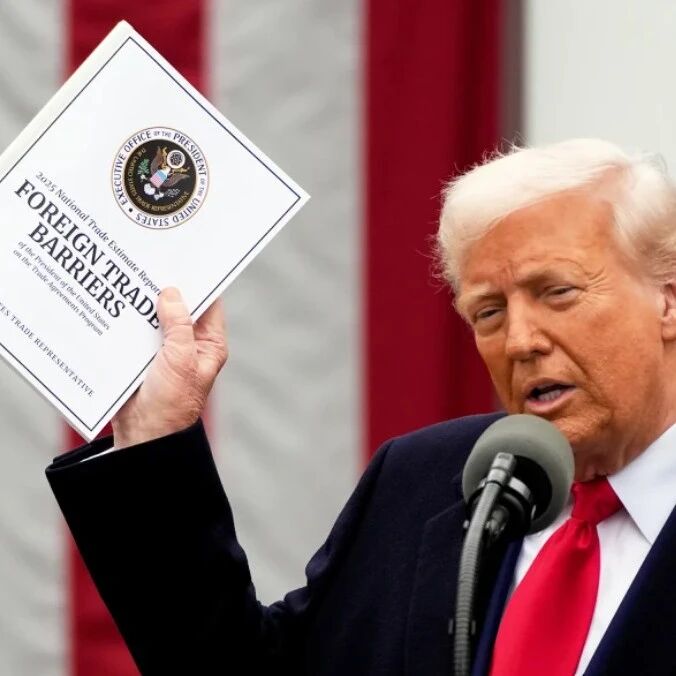
沙利文吐槽:特朗普遇强则弱,中国拿下两大关键成果
Guan Cha Zhe Wang· 2025-11-17 07:49
Group 1 - The core viewpoint of the article is that the recent interactions between the U.S. and China have led to China gaining two significant advantages in understanding U.S. President Trump's negotiation style and the potential for negotiations on previously deemed non-negotiable issues like chip controls [1][2][3] - The first key outcome for China is the understanding of Trump's tendency to compromise under pressure, which allows China to leverage this knowledge in future negotiations [2][3] - The second key outcome is the U.S. agreement not to impose new export controls or additional national security measures against China, marking a significant breakthrough for China in negotiations [3] Group 2 - The article discusses the context of U.S.-China relations, highlighting that both countries have returned to a state similar to earlier this year, with the U.S. significantly reducing tariffs while China has paused its rare earth supply restrictions [1][3] - It emphasizes that the Biden administration aims to manage competition with China without escalating into conflict, maintaining communication channels and creating opportunities for cooperation on major issues [4] - The article also critiques Trump's approach to international relations, suggesting that his strategies may undermine U.S. credibility and inadvertently strengthen China's diplomatic position [4]

2025年第四季度市场展望报告:从贸易战到降息与刺激政策-瀚亚投资
Sou Hu Cai Jing· 2025-11-15 02:09
Core Insights - The report by Hanya Investment focuses on the evolution of global trade patterns, central bank interest rate cuts, and policy stimulus, reviewing market performance in Q3 2025 and predicting trends for Q4 2025 and 2026 [1] Market Performance Overview - Global markets experienced a broad rally in Q3 2025, driven by the extension of the US-China trade truce, optimism surrounding AI, and expectations of Federal Reserve interest rate cuts [7] - The S&P 500 index rose by 7.8%, while the Nasdaq index increased by 11.2%. Emerging markets outperformed developed markets with a 10.9% rise, led by China's A-shares (+20.8%) and Taiwan (+14.7%), while India saw a decline of 6.6% [7][8] - Fixed income markets showed volatility, with US Treasury yields declining across the board, and the 10-year Treasury yield falling to 4.16%. Emerging market dollar bonds led with a 4.8% increase [10] - In the foreign exchange market, the US dollar index rose by 0.9% but was down 9.9% year-to-date. The Chinese yuan and Hong Kong dollar performed well, while the New Taiwan dollar and South Korean won depreciated significantly [11] Macroeconomic Outlook - The macroeconomic outlook indicates differentiated growth, with the US and East Asian economies expected to slow down in Q4 2025 and into H1 2026. The Federal Reserve is anticipated to cut rates by 25 basis points in October and December [2][16] - China's economic growth may decline due to a slowdown in credit growth, with GDP growth targets for 2026 set between 4.5% and 5%. New stimulus policies will focus on consumer subsidies and technology investments [17] - India's economy is showing signs of recovery, supported by fiscal and monetary stimulus, while ASEAN economies are relying on domestic demand and policy easing to counteract growth slowdowns [2][16] Monetary Policy and Currency Outlook - The monetary policy environment is entering a loosening phase, with the Federal Reserve expected to continue rate cuts and end quantitative tightening. Other Asian central banks, including those in China and India, are also expected to lower rates [21] - The US dollar is projected to depreciate by 3%-5% in 2026, while the Chinese yuan may appreciate moderately. Other Asian currencies are expected to remain weak until a clear trend of dollar depreciation emerges [2][21] Asset Allocation Strategy - The report suggests a short-term optimistic stance on risk assets, particularly in emerging and Asian markets, while maintaining a neutral long-term outlook. In fixed income, US Treasuries are favored, along with emerging market dollar bonds and Asian credit bonds [3][29] - The report highlights ongoing policy stimulus in Asia, with countries like China, India, and Indonesia implementing measures such as fiscal transfers, tax cuts, and credit support to boost economic recovery [3][17]

特朗普被迫给民众“减负”,签署行政令间接降低牛肉咖啡等商品关税
Hua Er Jie Jian Wen· 2025-11-14 23:31
Core Viewpoint - The Trump administration is adjusting trade policies in response to rising consumer prices, particularly in agriculture, by exempting certain agricultural products from additional tariffs to alleviate cost pressures on American consumers [1][6]. Group 1: Trade Policy Adjustments - An executive order signed by President Trump on November 14 exempts certain agricultural products from the "reciprocal tariffs" previously imposed, which had rates ranging from 10% to 50% [2]. - The exemption includes a wide range of food items such as beef, tomatoes, coffee, and bananas, aimed at reducing costs for consumers [1][2]. - The exemption is retroactive to November 13, 2023, and is part of a broader strategy to create tariff exemptions for key goods and industries [1][2]. Group 2: Economic Context - The decision comes after the Republican Party faced losses in recent state and local elections, where opponents highlighted the need to address living cost burdens [1][6]. - The Consumer Price Index (CPI) indicates that coffee prices rose nearly 20% year-over-year as of September [1]. - The U.S. is increasingly reliant on imports for tropical products that cannot be sufficiently produced domestically, with imports of such goods expected to reach $39.4 billion in 2023, accounting for 18% of total agricultural imports [2]. Group 3: Political Reactions - White House officials claim the adjustments are part of fulfilling commitments to negotiate trade agreements and adjust tariffs as necessary [6]. - Critics, including Democratic lawmakers, argue that the administration is acknowledging the negative impact of its trade policies on consumer prices, with inflation rising since the implementation of these tariffs [6]. - Economists warn that consumer frustration over high grocery prices may persist, with potential further price increases as businesses pass on the full impact of import tariffs [6].
没时间了,中国友国倒戈,联手美国断中方后路,中国打出王牌反制措施
Sou Hu Cai Jing· 2025-11-13 18:52
Core Viewpoint - The U.S. is pressuring Mexico to impose tariffs on Chinese goods, which has led to significant internal opposition within Mexico, particularly from the private sector and even within the ruling party [1][6]. Group 1: Economic Impact - A report from a prominent think tank predicts that a tariff war between China and Mexico could lead to a 30% drop in Mexico's exports to China and a 25% increase in the cost of imports from China [3]. - The Mexican avocado export association expressed concerns that losing access to the Chinese market, which saw a 40% increase in exports last year, would be a significant loss [5]. - The Mexican automotive industry reported that 75% of its electronic control units are reliant on imports from China, warning that tariffs could significantly increase production costs and reduce international competitiveness [8]. Group 2: Government Response - The Mexican government has postponed the planned tariffs on China from September to December, indicating a need for careful consideration of various interests [6]. - In late September, the Mexican Finance Ministry changed its language from "implementing tariffs" to "studying tariffs," suggesting a reevaluation of its stance due to widespread opposition [8]. - The Mexican Foreign Minister emphasized that trade policies must align with the country's best interests, despite U.S. pressure for clarity on tariff positions [8][10]. Group 3: Trade Relations - The bilateral trade volume between China and Mexico reached a record high of $82 billion in the first eight months of the year, raising concerns about the potential losses from a tariff conflict [6]. - China's Ministry of Commerce warned that unilateral tariff measures by Mexico would severely damage the healthy development of bilateral trade and investment confidence [1][6]. - In October, trade between China and Mexico saw a month-on-month decline of 5%, which analysts view as an early warning sign of escalating trade tensions [8].