
去美元化

Search documents
中国抛售5570亿美债,连续15月增持黄金,属于人民币的反击战正打响
Sou Hu Cai Jing· 2026-02-18 06:20
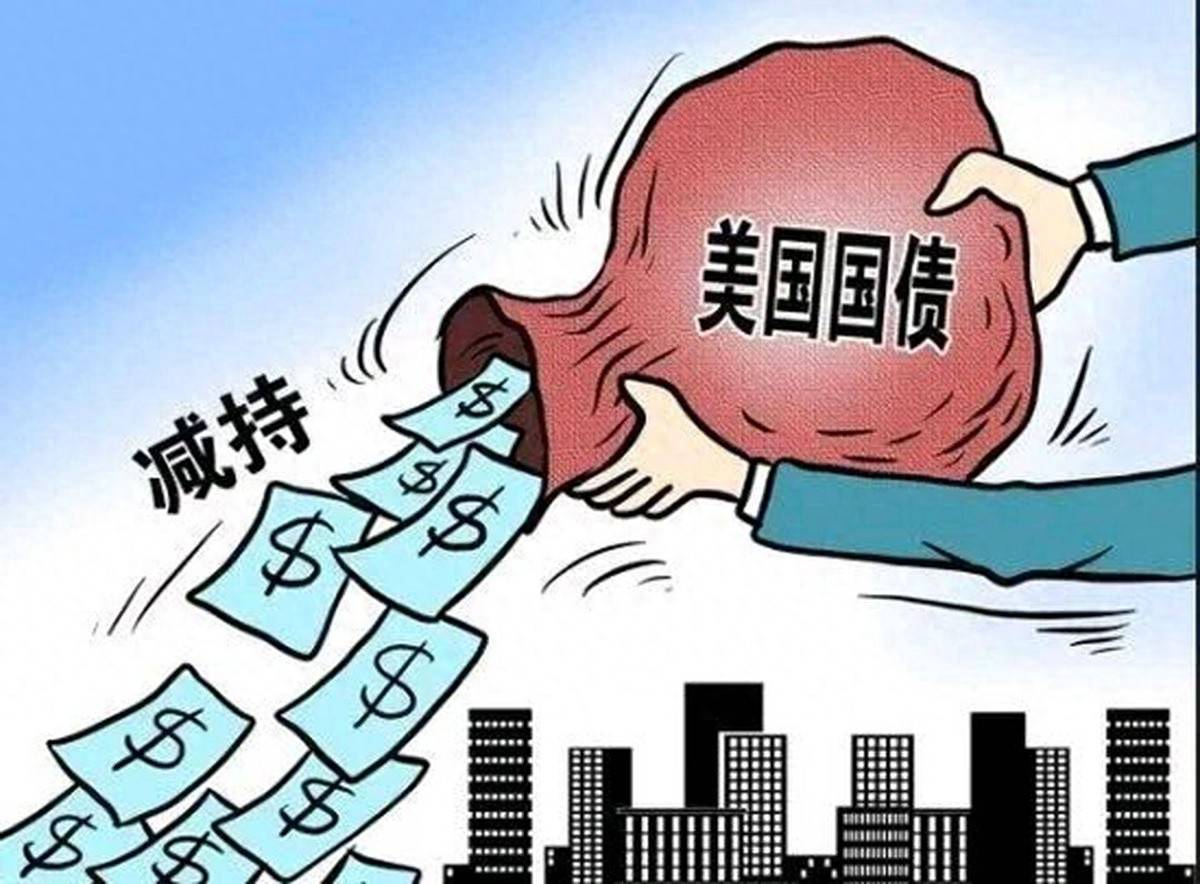
而这正是人民币"反击"的关键,也是将来人民币国际化的一个新支点。 正当美国总统特朗普鼓吹"一日一赢"的神话时,一场美元霸权崩塌的前奏正在悄然演奏。截至今年1月份,美元指数已经在一年内骤跌近10%,而且美国政 府与美联储之间的博弈局势逐渐明朗,降息的声音占据了上风,外界普遍预期美元将会在今年走弱,抛售美债成为国际市场的一股浪潮。 与此同时,一场属于人民币的反击战也正悄然打响,在岸与离岸人民币汇率先后破7,人民币对美元汇率累计上升了将近4%。 更令人欣慰的是,人民币的这种走强并非空中楼阁,而是有坚实的硬通货支持,根据公开数据,我国从24年底开始,已经连续15个月增持黄金. 与之相对应的是美债减持,中国手中的美债相较于2013年的最高峰值,已经减少近一半,目前持有量为6887亿美元,累计减持达到惊人的5570亿美元。 世界黄金协会在今年1月份公布的数据就表明,美债在各国央行资产的占比已经出现明显下降,与之相对应的是各国普遍增持黄金,黄金在将来一段时间很 有可能超过美债,成为全球各国央行持有比例最大的储备资产。 可以说,在当下美国人为制造地缘紧张局势,以及全球经济发展受困的背景下,全球去美元化正在走出一条新的道路,全 ...

普京忽然改口!俄罗斯竟要重回美元怀抱?对人民币有多大影响?
Sou Hu Cai Jing· 2026-02-18 05:38
Group 1 - The article discusses the implications of Russia's potential return to the US dollar settlement system, highlighting that this move could significantly impact the ruble and the global economic landscape [3][12][13] - Russia's current economic situation includes a fiscal deficit of 4% and minimal economic growth of 0.6%, with a focus on survival amid sanctions and a push for de-dollarization [3][4] - The Central Bank of Russia has reported foreign exchange reserves exceeding $770 billion, with gold making up 35% and a growing share of transactions conducted in yuan [3][4] Group 2 - The ruble is currently undervalued in the exchange market, with actual exchange costs significantly higher than the official rate, indicating potential for a sharp appreciation if Russia rejoins the dollar system [9][10] - The article notes that while a stronger ruble could benefit government reserves, it may harm export-oriented businesses, leading to a preference for a gradual depreciation of the ruble [10][14] - The trade relationship between China and Russia is emphasized, with over $200 billion in annual trade, suggesting that fluctuations in the ruble could impact Chinese businesses as well [10][14] Group 3 - The article mentions that Russia's efforts to engage in local currency transactions within BRICS nations have increased, with over 60% of trade conducted in local currencies [4][12] - The potential for investment in Russian energy resources, such as the Siberian gas fields, is highlighted as a strategy to attract US investment, which could further influence the ruble's value [9][14] - The ongoing negotiations between China and Russia regarding energy prices indicate that China may have leverage in discussions, especially given the ruble's depreciation pressure [14][15]
美银调查拉响警报:特朗普阴影下,美元遭十年来最狠看空!资金正以前所未有的速度,逃离美元资产
Sou Hu Cai Jing· 2026-02-18 05:34
Core Viewpoint - A significant bearish sentiment towards the US dollar has emerged, with global fund managers expressing unprecedented levels of aversion, driven by concerns over the stability of US policies under the Trump administration [1][3]. Group 1: Market Sentiment and Policy Impact - Investor confidence in the stability of US policies has collapsed, primarily due to Trump's unpredictable tariff policies, which have been a major driver of dollar depreciation since April 2025 [3]. - Trump's recent threats to impose tariffs on European countries have heightened fears of capital flight from US assets [3]. - The challenge to the independence of the Federal Reserve, particularly through Trump's pressure on the nomination of Kevin Warsh, has further eroded trust in the dollar's value stability [3][6]. Group 2: Dollar Performance and Fund Flows - The US dollar index has fallen over 9.4% in 2025 and continued to decline by approximately 1.2% in 2026, reaching a four-year low of 95.51 [4]. - There has been a significant shift in capital flows, with $104 billion moving into developed market funds in Europe and Japan in 2026, compared to only $25 billion into US funds, indicating a strong preference for non-dollar assets [6]. - The rise of alternative assets like gold, which surpassed $5,000 per ounce in January 2026, reflects a trend of investors hedging against dollar credit risk [6]. Group 3: Structural Issues and Long-term Trends - The US's net foreign debt to GDP ratio has exceeded 90%, indicating a declining ability to service debt, which undermines foreign investors' willingness to hold dollar assets [7]. - The ongoing trade policies aimed at devaluing the dollar to enhance export competitiveness are further destabilizing investor confidence [7]. - A global asset rotation is underway, with gold rising 13.4% and oil 9.5% in 2026, while US stocks have slightly declined, suggesting a structural shift from dollar-denominated assets to physical assets and emerging markets [8].

出口猛增至3020亿创历史新高,美国数据飙升暗藏啥玄机?背后究竟有啥“杀机”?
Sou Hu Cai Jing· 2026-02-18 05:04
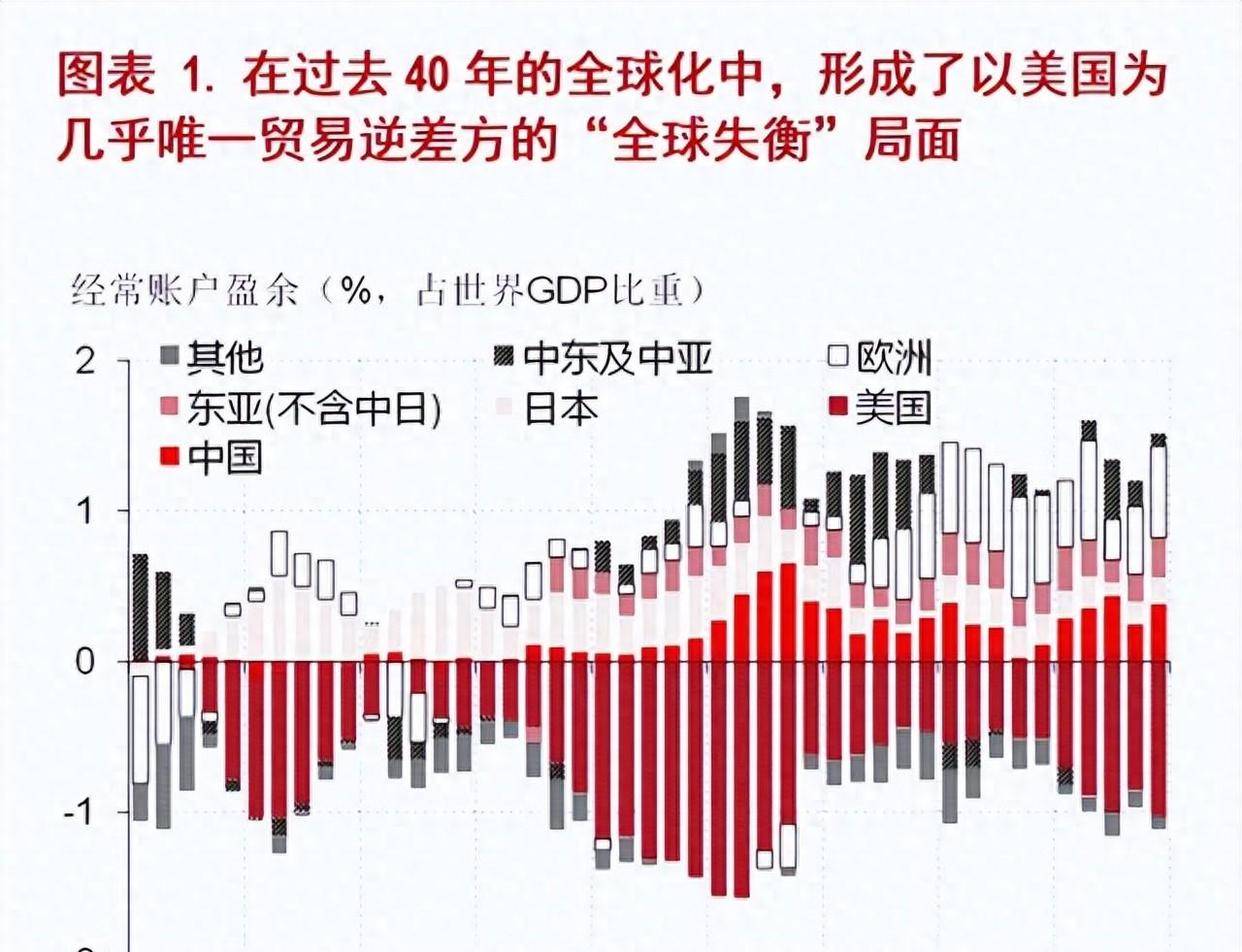
Group 1 - The article discusses the persistent trade deficit of the United States, which has been ongoing for decades, and attributes this phenomenon to the global status of the US dollar [1][5] - It explains the concepts of trade surplus and deficit, noting that a country with more imports than exports faces a deficit, which typically signals economic weakness for most nations [2][4][3] - The US, as the issuer of the dollar, operates differently; it can maintain a trade deficit because the world needs dollars for transactions, settlements, and reserves, necessitating the US to continuously "spend" abroad [8][10] Group 2 - The article highlights the structural paradox of the US dollar, which requires a trade deficit to ensure global liquidity while simultaneously needing a trade surplus to maintain its value and trust [17][32] - It references the historical context of the dollar's detachment from the gold standard in 1971, marking the beginning of uncontrolled trade deficits for the US [19][21] - The article discusses the Triffin Dilemma, which posits that a country's currency must be widely circulated internationally, leading to long-term deficits that can undermine the currency's credibility [32] Group 3 - The article mentions the recent reduction in the US trade deficit by 39% in October 2025, which, while appearing positive, raises concerns about the potential tightening of global dollar liquidity and the erosion of trust in dollar-based transactions [36][37] - It draws parallels between the current situation of the US dollar and the historical decline of the British pound, emphasizing that the international status of any currency ultimately depends on economic strength, institutional stability, and market trust [44] - The article concludes that the current international monetary order is fraught with contradictions, and the US must navigate these complexities while facing the risk of losing its dollar dominance [40][49]
2026十大超预期:股票牛市超预期,大宗商品涨价超预期,货币贬值超预期,黑天鹅超预期,大部分人不赚钱超预期
Sou Hu Cai Jing· 2026-02-18 03:56
Group 1 - The Federal Reserve is expected to implement more aggressive monetary easing, driven by high national debt and interest payments, with Trump advocating for lower interest rates [3] - A significant surge in commodity prices is anticipated due to a combination of dollar depreciation, the Kondratiev wave cycle, and increased demand from AI, marking a potential "year of commodities" [4] - The wealth creation narrative is highlighted by Elon Musk's net worth surpassing $800 billion and the acquisition of AI unicorn MANUS by META for billions [7] Group 2 - An unprecedented stock market bull run is predicted, driven by policy, technology, and investor confidence [8] - Non-typical inflation is emerging, with stark contrasts in job markets and salaries between tech sectors and traditional industries [9] - Currency devaluation is expected, with a shift towards physical assets like gold and lithium, impacting cash asset holders [10] Group 3 - The trend of dollar devaluation and de-dollarization is gaining traction, with Trump advocating for a weaker dollar to benefit U.S. manufacturing [13] - The rise of new AI applications is anticipated, with predictions of significant job automation in white-collar sectors within the next 12-18 months [15] - Geopolitical tensions and trade wars are expected to create "black swan" events, impacting market stability [16] Group 4 - A significant portion of the population is projected to not profit from the upcoming bull market due to poor trading strategies and lack of fundamental analysis [17]
普京突然改口!俄罗斯竟要重回美元怀抱?对人民币的伤害有多深?
Sou Hu Cai Jing· 2026-02-18 02:32
Core Viewpoint - Russia's recent proposal to the Trump team for economic cooperation, including a request to return to the dollar settlement system, highlights a significant shift in its strategy, indicating a potential economic desperation rather than a tactical maneuver [1][2]. Group 1: Economic Conditions in Russia - Despite the Russian Central Bank reporting over $770 billion in foreign reserves, the average citizen faces high loan interest rates and inflation, indicating a struggling economy [4]. - The GDP growth of only 0.6% is primarily driven by military production, which is not sustainable for overall economic health [4]. - The reliance on resource exports means that any significant appreciation of the ruble could severely impact government revenue, as each 1% increase in the ruble's value could lead to a loss of 70-80 billion rubles [9]. Group 2: International Trade Dynamics - Russia's attempts to engage with India for oil sales have been complicated by the use of the rupee, which lacks international purchasing power, leaving Russia with large amounts of unusable currency [6]. - The potential return to the dollar system could lead to a volatile ruble, affecting trade relationships and profit margins for companies engaged in trade with Russia [11][12]. - The ongoing negotiations for energy supplies, such as the "Power of Siberia 2" pipeline, reflect Russia's urgent need for financial stability, which may impact its pricing strategies for energy exports [12]. Group 3: Implications for Global Trade - The shift back to the dollar could reduce Russia's reliance on the yuan, posing challenges for Chinese companies that have been trading with Russia [12]. - The volatility of the ruble in response to changes in the dollar system could create a gambling-like environment for businesses, complicating financial planning and risk management [11]. - The situation underscores the reality that even nations that oppose the dollar system may find themselves dependent on it for economic survival [13].

谈判结束,伊美双方发声!油价跳水,金银齐跌
Qi Huo Ri Bao· 2026-02-17 23:45
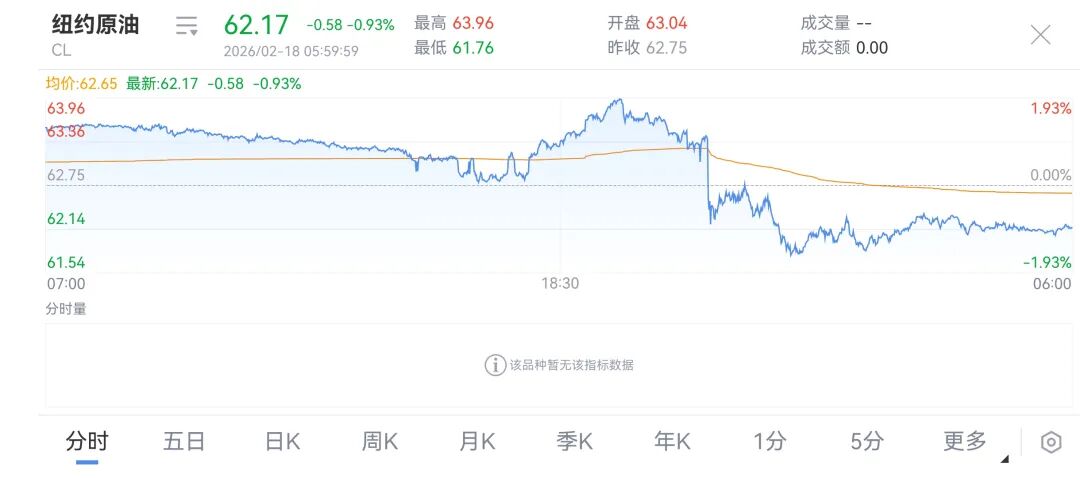
Group 1: Market Movements - International oil prices experienced a significant drop, with WTI crude oil down 0.93% to $62.17 per barrel and Brent crude oil down 1.79% to $67.42 per barrel [1] - Gold prices fell by 2.29% to $4878.57 per ounce, while silver prices decreased by 4.04% to $73.36 per ounce [1] - Major market institutions are taking profits, leading to consecutive reductions in holdings of gold and silver ETFs [3] Group 2: Iran-U.S. Negotiations - Recent indirect negotiations between the U.S. and Iran in Geneva showed signs of progress, reducing the risk premium on commodities [4] - Iranian Foreign Minister stated that both parties reached a general consensus on guiding principles for negotiations, although a final agreement is not imminent [6][8] - The U.S. Vice President noted that negotiations are progressing in certain aspects, but Iran has not yet agreed to some of the "red lines" set by the previous administration [10] Group 3: Gold Market Outlook - Analysts predict that gold prices may continue to rise due to ongoing demand for hedging and safe-haven assets amid a slowing U.S. economy and geopolitical tensions [20] - The global central banks' continued gold purchases and rising investment demand are expected to support gold prices [21] - Market experts anticipate a period of consolidation for gold prices, with potential for new upward momentum in the coming months [22]
风向变了,美债遭集体抛售,接盘者出现,中方不会再为美国兜底
Sou Hu Cai Jing· 2026-02-17 22:15
抛售根子在安全顾虑上,2022年美国冻结俄罗斯3000亿美元资产后,大家警醒了。存美国的东西随时可能被扣,经济损失太大。南方国家外汇储备大,政治 风险一闹就伤筋动骨。 美国国债市场去年底就闹腾起来,海外持有量在2025年11月冲到9.355万亿美元顶峰,可里面藏着大问题。资金来源变了样,以前大家抢着买,现在分了两 派。 西方国家咬牙多买,日本那头持仓涨到1.2026万亿美元,英国也跟上到8880亿美元。挪威和加拿大也加码,挪威持仓上300亿美元,加拿大超350亿美元。 这些国家外汇储备多往里砸,稳住和美国的金融纽带。欧洲有些地方也小步跟进,保住政治上的默契。总的看,西方去年增持超1万亿美元,顶住市场压 力。 全球南方国家却反着来,大批甩卖美债。巴西持仓从年初150亿美元掉到120亿美元,印度从250亿美元减到200亿美元。 沙特阿拉伯去年11月持仓148.8亿美元,虽然月增14.4亿美元,但整体策略在转,减少对美债依赖。金砖国家动作最猛,巴西和印度比例直降。 抛售后资金去哪?多转向黄金。全球央行2024和2025年净买黄金超1000吨,创纪录。巴西储备到200吨,印度到800吨。中国黄金储备也增到2500吨。 ...
2026开年贵金属上演史诗级过山车:黄金触及5598.75美元新高后单日跌超9% 白银单日暴跌26%创1980年来最大跌幅
Sou Hu Cai Jing· 2026-02-17 17:29
Group 1 - The international precious metals market experienced extreme volatility in early 2026, with significant price fluctuations attracting global financial attention [1] - In January, gold prices surged, reaching a historical high of $5598.75 per ounce, with a monthly increase of over 23%, while silver also hit a peak of $121.44 per ounce [1] - The price surge was driven by heightened geopolitical risks, a weakening dollar, and expectations of a shift in the Federal Reserve's policy towards easing [1] Group 2 - On January 30, a sharp reversal occurred, with gold futures on the COMEX dropping over 10% in a single day, and silver experiencing a 26% decline, marking the most severe single-day drop since 1980 [1] - The decline was influenced by the nomination of Kevin Walsh as the next Federal Reserve Chair, leading to market expectations of policy tightening, alongside a crowded long position and profit-taking [1] - In February, silver fell over 20% on February 5, erasing year-to-date gains, and further declines were noted on February 12, with a 10.73% drop [2] Group 3 - Investment products related to precious metals were affected, with the Guotou Ruijin Silver LOF experiencing a 31.5% drop in net value due to valuation method adjustments, prompting a compensation plan for affected investors [2] - Various institutions provided insights on the market volatility, with Dongfang Securities suggesting a wait-and-see approach for long-term investors until price stabilization occurs [2] - Guosheng Securities noted that the recent drop was a result of multiple factors, emphasizing that Walsh's policy stance would still be constrained by the U.S. economic fundamentals [2][3] Group 4 - As of mid-February, the precious metals market remained in a high-volatility phase, with institutions expecting continued elevated volatility, while the core logic supporting long-term price increases had not fundamentally changed [3]
忍了30年,中国终于拍桌!一纸退货令甩出,澳洲巨头慌了
Sou Hu Cai Jing· 2026-02-17 17:24
Core Viewpoint - The dynamics of the iron ore market are shifting, with Chinese steel companies gaining more negotiating power against Australian mining giants like BHP, marking a significant change in the industry landscape [1][3][11]. Group 1: Market Dynamics - Chinese Mineral Resources Group has announced a halt on the purchase of iron ore priced in USD from BHP, causing immediate concern among Australian miners [3][7]. - Historically, Australian miners have dictated prices, but the recent decision by Chinese steel companies indicates a shift in bargaining power [5][11]. - The halt in procurement is a strategic move by China to signal a change in the market dynamics and to reduce reliance on USD for transactions [11][15]. Group 2: Supply Chain and Future Prospects - Chinese steel companies are preparing for increased domestic supply with the upcoming production from the Simandou mine in Guinea, which is expected to enhance their negotiating position [13][19]. - The shift towards RMB for transactions is a significant development, as it challenges the long-standing USD pricing model and could lead to a more favorable cost structure for Chinese steelmakers [15][19]. - Australian miners, particularly BHP, are now under pressure to adapt their distribution strategies and product offerings to meet the new demands of the Chinese market [17][19]. Group 3: Economic Implications - The changes in iron ore procurement are likely to stabilize local economies in China and provide more breathing room for smaller steel manufacturers [15][19]. - Analysts note that the influence of China in the global iron ore market is increasing, which could have long-term implications for Australian mining companies [17].
