新消费

Search documents
广发沪港深新机遇股票:2025年上半年利润7738.61万元 净值增长率14.23%
Sou Hu Cai Jing· 2025-09-08 02:27
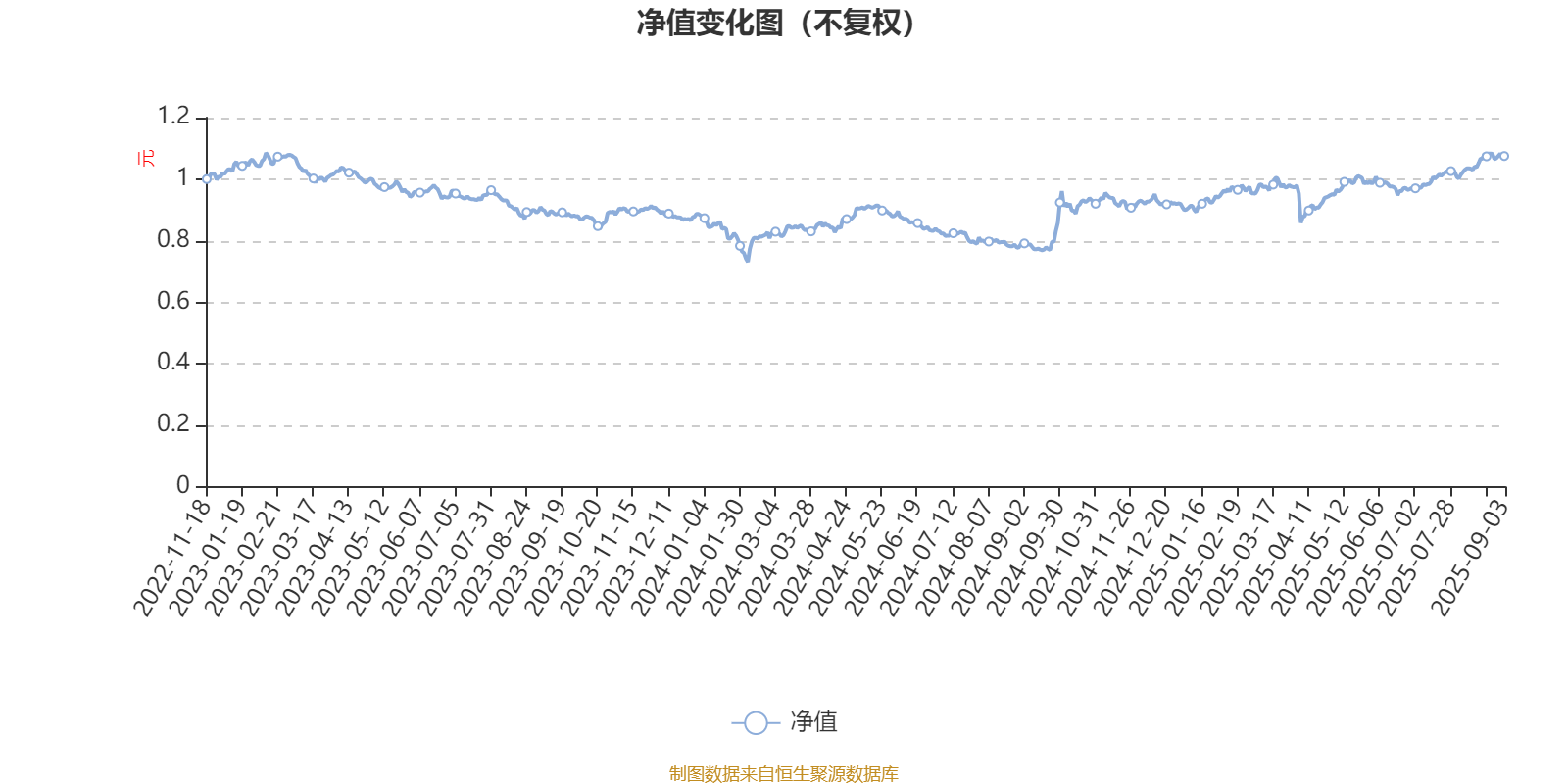
Core Viewpoint - The AI Fund Guangfa Hong Kong and Shanghai New Opportunities Stock (001764) reported a profit of 77.3861 million yuan for the first half of 2025, with a weighted average profit per fund share of 0.1273 yuan. The fund's net value growth rate was 14.23%, and its scale reached 671 million yuan by the end of the first half of the year [3]. Fund Performance - As of September 5, the fund's unit net value was 1.209 yuan. The fund manager, Li Yaozhu, oversees nine funds, all of which have positive returns over the past year. The highest growth rate among comparable funds was 55.94% for Guangfa Hong Kong Stock Connect Growth Selected Stock A, while the lowest was 24.31% for Guangfa Hong Kong and Shanghai Leading Mixed Fund [3]. - The fund's performance over the past three months showed a net value growth rate of 4.76%, ranking 161 out of 167 comparable funds. Over the past six months, the growth rate was 14.27%, ranking 104 out of 167. The one-year growth rate was 36.46%, ranking 112 out of 166, and the three-year growth rate was 10.61%, ranking 71 out of 160 [6]. Valuation Metrics - As of June 30, 2025, the fund's weighted average price-to-earnings (P/E) ratio was approximately 20.43 times, lower than the industry average of 23.39 times. The weighted average price-to-book (P/B) ratio was about 3.84 times, compared to the industry average of 2.44 times. The weighted average price-to-sales (P/S) ratio was approximately 1.92 times, while the industry average was 2.1 times [11]. Growth Indicators - For the first half of 2025, the weighted average revenue growth rate (TTM) of the stocks held by the fund was 0.3%, and the weighted average net profit growth rate (TTM) was 0.8%. The weighted annualized return on equity was 0.19% [19]. Fund Characteristics - As of June 30, 2025, the fund had a total of 28,000 holders, collectively holding 593 million shares. Management personnel held 78,200 shares, accounting for 0.01%, while institutional investors held 17.92%, and individual investors held 82.08% [38]. - The fund's turnover rate for the last six months was approximately 153.05%, remaining below the industry average for four consecutive years [41]. - The fund has a high concentration of holdings, with the top ten stocks consistently accounting for over 60% of the portfolio over the past two years. As of the end of the first half of 2025, the top ten holdings included Pop Mart, Tencent Holdings, Xiaomi Group-W, Laopu Gold, Alibaba-W, Xinbao Co., Kelong Botai Bio-B, Blukoo, Mixue Group, and TCL Electronics [44].

银河基金施文琪:在经济复苏和结构性行情中寻找新消费新机遇
Shang Hai Zheng Quan Bao· 2025-09-07 18:36
Core Viewpoint - The stock market reflects the steady recovery of the real economy, with the new consumption trend gaining momentum, driven by policy support and evolving consumer behavior [1] Group 1: Market Trends - Since August, the new consumption trend has shown a resurgence, with certain trendy toy IP companies experiencing a maximum increase of over 30% [2] - The macroeconomic environment indicates a moderate recovery, with a consensus on expanding domestic demand, suggesting that the consumer sector is in a phase of stabilization and potential growth [2] - The current consumption landscape differs from the 2019-2020 period, characterized by a shift towards emotional spending and cultural confidence, requiring fund managers to adopt a bottom-up stock selection approach [2][3] Group 2: Investment Opportunities - Three main investment themes in new consumption are identified: spiritual consumption products like trendy gold jewelry, cost-effective mass consumer goods, and domestic beauty and personal care products [2][3] - The demand for trendy gold jewelry is shifting from traditional wedding uses to self-indulgence, with brands offering affordable, aesthetically pleasing products that appeal to younger consumers [3] - Cost-effective consumer goods are gaining traction as consumers prioritize value over brand loyalty, with strategies like bulk purchasing and reduced distribution costs enhancing market penetration [3] Group 3: Performance and Strategy - The funds managed by the company have shown significant growth, with net value growth rates of 29.50% and 23.84% for two products, outperforming their respective benchmarks [4] - The company aims to continue selecting companies with strong competitive advantages and barriers to entry in thriving industries to drive portfolio returns [4]
新消费研究思维与框架
2025-09-07 16:19
Summary of Key Points from Conference Call Records Industry Overview - The conference call discusses the **new consumption market in China**, highlighting its multi-generational and multi-tier characteristics, with a focus on **Generation Z** and **Alpha Generation** as key consumer groups, alongside older generations and urban youth as significant segments [1][3][11]. Core Insights and Arguments - **Consumer-Centric Approach**: The new consumption model emphasizes a consumer demand-driven approach, requiring companies to focus on both practical and emotional value for consumers. Consumer preference is becoming a critical metric for assessing investment value in new consumption companies [1][5][6]. - **Market Growth Rate**: The Chinese consumption market is estimated to be around **40 trillion yuan**, with an annual growth rate of approximately **5% to 7%**. Structural opportunities exist due to generational shifts and the emergence of lower-tier markets [3][4]. - **Impact of Second-Hand Market**: The second-hand market has a dual effect on brand perception, necessitating effective price and volume control by brands to maintain consumer confidence and brand image. The case of **Pop Mart** is cited as a reference for managing these challenges [1][7][13]. - **Emerging Opportunities in Lower-Tier Markets**: Enhanced infrastructure, stronger intellectual property protection, and the development of digital logistics are creating fertile ground for innovation in new consumption models. The rise of multi-platform new media and flow economy is also emphasized [1][11]. - **Strategic Growth Models**: Companies can achieve growth through innovative models such as **Direct-to-Consumer (DTC)**, **multi-store operations**, and **first-store economy**. The success stories of **Anta's acquisition of Fila** and **Haier's globalization** are highlighted as examples [1][17][18]. Additional Important Insights - **Consumer Confidence by Generational Segments**: Different generational groups exhibit varying levels of consumer confidence, with Generation Z showing strong confidence in urban areas, while millennials face challenges due to high housing prices [8][9]. - **Brand Strategies for Youth**: Pop Mart's strategy of not producing animated content allows for greater creative freedom among young consumers, aligning with their preferences for character-driven narratives [10]. - **Investment Considerations**: Investors are advised to focus on **price-to-earnings ratios** as indicators of market recognition and to seek structural opportunities within various sub-industries, such as **jewelry and cosmetics** [2][20][21]. - **Potential in Consumer Goods**: The growth potential of consumer goods companies is influenced not only by their sub-industry but also by their competitive strengths. Companies like **毛戈平** and **句子** are noted for achieving rapid growth despite their sub-industries experiencing average growth rates [22][23]. This summary encapsulates the essential insights and data from the conference call, providing a comprehensive overview of the new consumption landscape in China and its implications for businesses and investors.
开源证券晨会纪要-20250907
KAIYUAN SECURITIES· 2025-09-07 14:43
Group 1: Macro Economic Insights - The central bank may restart government bond trading, indicating a potential shift in monetary policy [4][5] - The government aims to enhance service consumption and has announced measures to optimize service supply capabilities [5] - Recent employment data from the US shows a significant decline in non-farm employment, indicating a cooling labor market [9][10] Group 2: Coal Industry - The coal market is experiencing a transition between thermal and non-thermal coal, with expectations for coal prices to rise [31] - The current operating rate of coal mines is low, and port inventories are decreasing, which supports a potential price rebound [31][32] - Investment recommendations include focusing on companies benefiting from both cyclical and dividend strategies within the coal sector [34] Group 3: Real Estate and Construction - New housing transaction volumes have decreased both year-on-year and month-on-month, while policies in Shenzhen have been relaxed to stimulate the market [41][42] - The REITs market is showing strong performance, with significant growth in transaction volumes and a favorable environment for high-dividend assets [35][36] - The construction materials index has underperformed compared to the broader market, but the sector is expected to benefit from ongoing policy support [27][41] Group 4: Thermal Management Materials - The thermal management materials industry is projected to grow significantly, driven by the demand for high-performance electronic devices [20][21] - The market for heat pipes and temperature equalization plates is expected to expand, with local procurement trends emerging due to supply chain considerations [23] - Companies like Suzhou Tianmai are positioned to benefit from this growth due to their early investments in advanced thermal management technologies [23]
大行科工以6688倍超额认购刷新港股IPO历史纪录,成为新晋“超购王”
Xin Lang Cai Jing· 2025-09-07 13:00
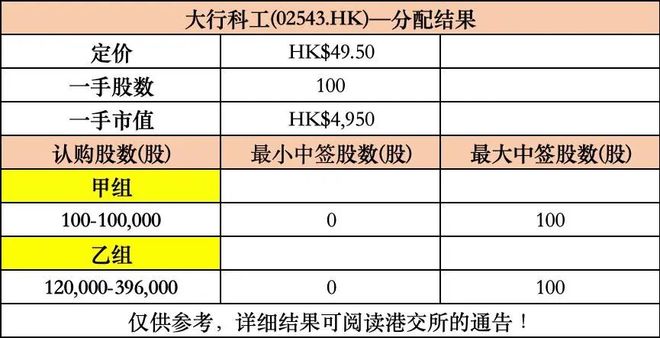
Group 1 - The core point of the news is the significant oversubscription of Dahang Kegong's IPO, which reached a record 6688 times, indicating strong market interest and demand for the stock [2][4]. - Dahang Kegong's IPO was priced at HK$49.50, with a minimum subscription of 100 shares, resulting in a market value of HK$4,950 per lot [2]. - The allocation results showed that the probability of winning a lottery for the "A" group was approximately 20%, while for the "B" group, it was about 10%, indicating a preference for the "A" group in the allocation process [2][3]. Group 2 - The total fundraising amount for Dahang Kegong was HK$392 million, with a public offering amount of only HK$39.2 million, leading to a massive subscription of HK$262.2 billion [4]. - Dahang Kegong operates in the niche market of folding bicycles and has maintained a revenue and net profit growth rate of over 30%, with a forward valuation of 27 times, which is considered reasonable [5]. - The company faces concerns regarding its future growth potential due to its focus on a niche consumer product and the age of its founder, who is 84 years old [5].
南下资金,创纪录!最新研判:牛市行情仍在
中国基金报· 2025-09-07 11:06
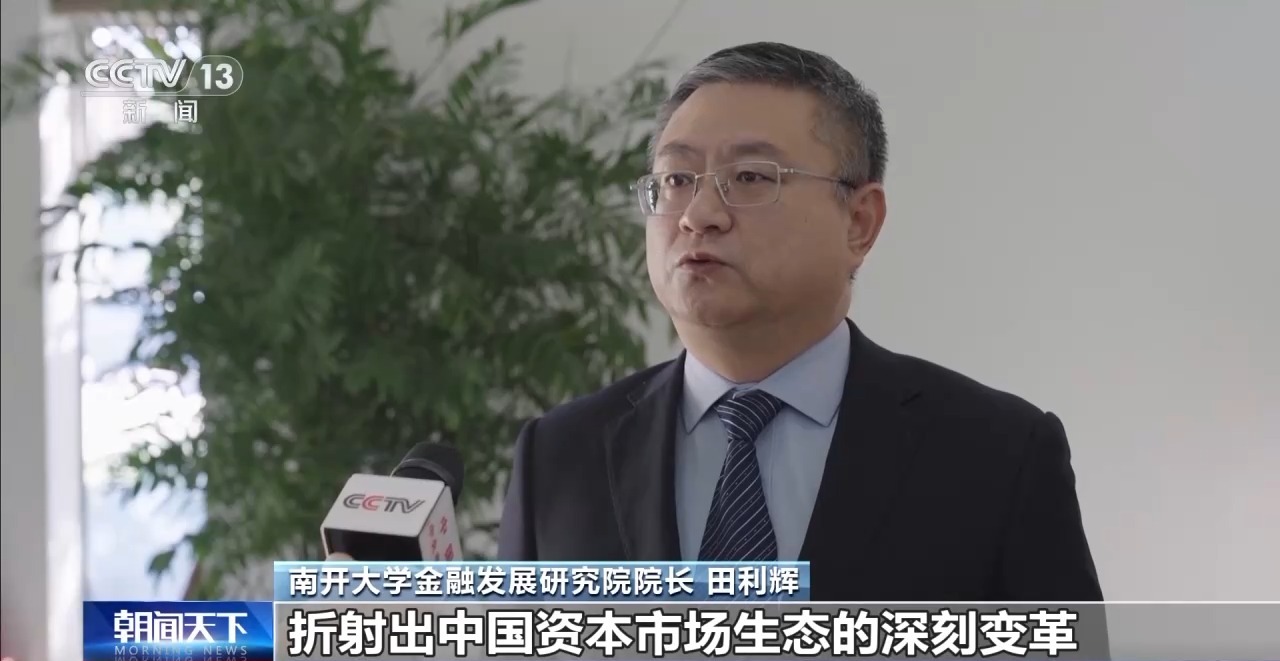
Core Viewpoint - Recent inflow of capital into Hong Kong stocks has reached record levels, with fund managers optimistic about the market's potential for a bull run, supported by both fundamental and capital factors [2][4]. Group 1: Capital Inflow and Market Performance - As of September 2, the net inflow of southbound funds has exceeded 1 trillion HKD this year, marking a historical high since the launch of the Hong Kong Stock Connect in 2014 [4]. - There have been 43 trading days this year where net purchases exceeded 10 billion HKD, with 11 days surpassing 20 billion HKD [4]. - The continuous inflow of southbound funds is seen as a key driver for the market, similar to previous strong periods in 2012-2014 and 2016-2018 [4][5]. Group 2: Investment Preferences and Structural Changes - Southbound funds are primarily focused on high dividend, low valuation, and high growth sectors, with significant holdings in healthcare, finance, and technology [9]. - The investment landscape is shifting from being dominated by international institutional investors to a more balanced structure with local institutional investors gaining influence [8][9]. - The market is undergoing a profound revaluation process, with technology and consumer sectors now accounting for a significant portion of market capitalization, enhancing growth potential [8]. Group 3: Market Outlook and Future Trends - Despite recent underperformance compared to A-shares, the fundamentals for a bull market in Hong Kong stocks remain intact [11][12]. - The market is expected to benefit from potential interest rate cuts by the Federal Reserve, which could lead to increased liquidity and further inflows into Hong Kong stocks [13]. - Structural opportunities are emerging across various sectors, including new consumption and innovative pharmaceuticals, as well as traditional industries like finance and manufacturing [13].

ETF市场突破5万亿元,实现跨越式增长
Yang Shi Xin Wen Ke Hu Duan· 2025-09-07 06:05
Core Insights - The ETF market in China has experienced significant growth, surpassing 5 trillion yuan in total scale as of September 4, 2023, marking a historic milestone for the industry [1][4]. Group 1: Market Growth and Trends - The total scale of ETFs in China reached 5.02 trillion yuan, reflecting a rapid expansion in the market [1]. - Since the launch of the first domestic ETF in December 2004, it took 16 years to reach a total scale of 1 trillion yuan, but only four months to grow from 4 trillion to 5 trillion yuan [4]. - The growth of ETFs indicates a shift in investment philosophy towards more stable asset allocation and long-term value investing, moving away from short-term speculation [6]. Group 2: Investment Ecosystem - The diversification of ETF products, with over 1,200 available, caters to various investment needs, covering broad indices, sectors, and themes, thus supporting high-quality development in the capital market [3]. - The increase in ETF scale is seen as a reflection of the market's vitality, attracting more patient and long-term capital, which contributes to the stability and healthy development of the capital market [8]. Group 3: Foreign Investment - The booming ETF market has attracted significant foreign investment, with overseas ETFs related to China also seeing growth, indicating that foreign investors are keen to capitalize on China's economic growth opportunities [9]. - Foreign investment in A-shares has accelerated, with the number of ETFs held by Barclays increasing from 135 to 200 and UBS from 57 to 141 this year [10]. - As of August 29, five major overseas China-themed ETFs had a combined asset scale of 26.6 billion USD, reflecting a more than 10% increase since the end of July [12].
播客 | 天天基金×泉果基金:经济有周期,消费终不眠
天天基金网· 2025-09-06 10:05
Core Viewpoint - The podcast "基会来了" discusses the future of new consumption in China, questioning whether it is a fleeting trend or a sustainable growth opportunity [4]. Group 1: New Consumption Trends - New consumption companies often start with high valuations due to uncertainty about their growth potential, but they may face significant price declines if they fail to establish a solid market presence [5]. - A systematic understanding of the industry’s business model is crucial, particularly the presence of scale effects, as industries without them tend to become increasingly fragmented [5]. - The long-term success of consumer goods relies heavily on brand strength, with high gross margins indicating strong pricing power [5]. Group 2: Understanding Consumer Behavior - The 80s generation fund managers can still effectively study the consumption patterns of younger generations by recognizing industry trends and conducting thorough research [7]. - Observing new trends and being open to understanding them is essential for investment research, even if the researcher is not part of the target consumer group [7]. - Engaging with industry leaders and analyzing market data can provide valuable insights into consumer preferences and market dynamics [9]. Group 3: Consumption Dynamics - Current consumer behavior reflects a generational shift, with younger consumers displaying confidence in their purchasing decisions, prioritizing product quality and value over brand prestige [10]. - Economic growth in consumption is fundamentally linked to rising household incomes, making income growth a prerequisite for sustained consumption growth [10]. Group 4: Competitive Advantage in Global Markets - Chinese consumer brands have shown significant competitive advantages in international markets, particularly in gaming, where they have adapted products to local cultures and achieved substantial success [13]. - The success of Chinese products abroad challenges the notion that cultural differences would hinder market acceptance, as many products have thrived in Western markets [16]. Group 5: Promising Consumption Segments - Key areas for future investment include international expansion of companies, modern consumer categories like self-care products, gaming, and the pet economy, as well as the technology and AI sectors [18].

消费基金首尾业绩差超80%!传统消费股“春天”何时来?
Guo Ji Jin Rong Bao· 2025-09-06 07:04
Core Viewpoint - The traditional consumer sector, particularly food and beverage stocks, has underperformed in 2023 compared to other sectors, with the food and beverage index showing a year-to-date decline of -1.92%, significantly lagging behind the top-performing communication index by over 60 percentage points [1]. Group 1: Performance of Consumer Funds - There is a significant performance divergence among consumer funds, with a difference of over 80 percentage points between the best and worst performing funds. The top-performing fund has achieved over 70% returns, while the lowest has seen losses exceeding 8% [3]. - As of early September, 71 consumer funds have reported net value increases of over 20%, while 90 funds have seen increases of less than 10% [3]. Group 2: Investment Strategies and Trends - To generate excess returns, funds heavily invested in consumer stocks need to align with new trends. For instance, the Hai Fu Tong Consumer Select Fund has increased its allocation to new consumption sub-sectors while enhancing research on both traditional and tech-driven consumer sectors [4]. - Some funds are capitalizing on overseas consumption growth opportunities, such as the Yongying Emerging Consumer Fund, which has invested in Hong Kong-listed companies in trendy toys and innovative pharmaceuticals, benefiting from "going abroad" dividends [4]. Group 3: Challenges for Traditional Consumer Stocks - Funds that have maintained a focus on traditional consumer stocks have struggled, with some experiencing significant losses. For example, the Guorong Rongxin Consumer Fund has heavily invested in liquor, beverages, and other traditional sectors but has reported a loss of over 8% [5]. - The Pu Yin An Sheng Consumer Upgrade Fund, which also focuses on traditional consumer stocks, has seen a decline of over 5% in net value, reflecting the challenges faced by traditional sectors [5]. Group 4: Future Outlook - The consumer sector is experiencing extreme differentiation, with traditional consumer stocks, particularly those linked to economic cycles like liquor, facing downward pressure, while new consumption companies are thriving [6]. - Fund managers believe that traditional consumption is nearing a bottom, while new consumption continues to present significant growth opportunities. For instance, the Yin Hua Consumer Theme Fund manager noted that traditional industries are giving rise to new development opportunities, such as supply chain integration and the rise of domestic brands [7]. - The manager of the Yongying Emerging Consumer Fund highlighted that leading companies in the trendy toy sector are in the early stages of explosive growth in the European and American markets, indicating high growth potential and certainty [7].
大成消费机遇混合A:2025年上半年利润337.77万元 净值增长率5.4%
Sou Hu Cai Jing· 2025-09-05 14:46
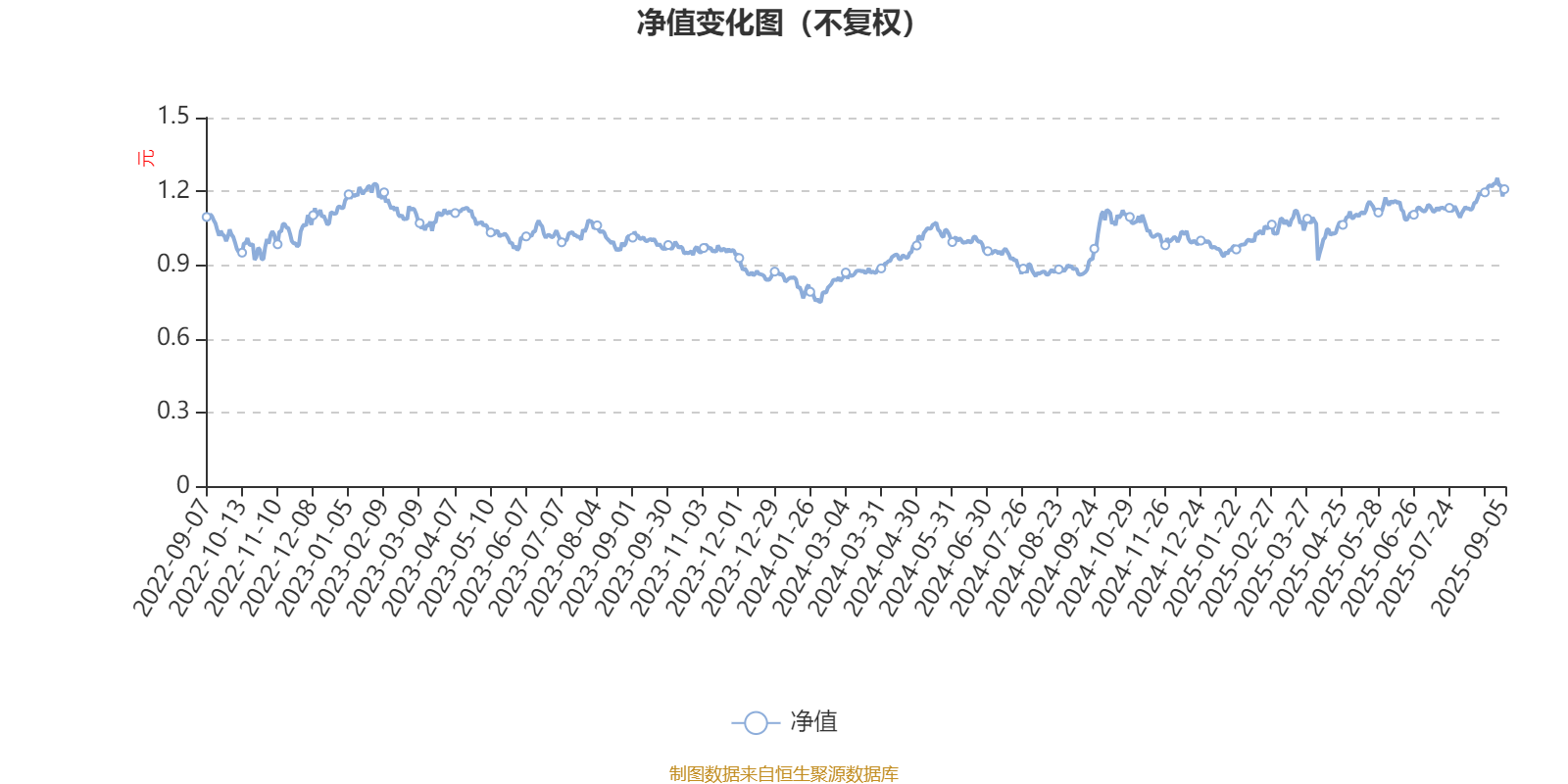
Core Viewpoint - The AI Fund Dachen Consumer Opportunity Mixed A (016287) reported a profit of 3.3777 million yuan for the first half of 2025, with a net value growth rate of 5.4% and a fund size of 66.2375 million yuan as of the end of June 2025 [2][30]. Group 1: Fund Performance - The fund's weighted average profit per share for the reporting period was 0.0376 yuan [2]. - As of September 3, the fund's unit net value was 1.075 yuan, with a one-year compounded net value growth rate of 35.51%, the highest among its peers [2][6]. - The fund's performance over the last three months showed a compounded net value growth rate of 8.29%, ranking 41 out of 127 comparable funds [6]. Group 2: Market Insights - The fund management indicated that traditional consumer sectors like liquor and home goods continue to face pressure, but the gap between excellent companies and average ones is becoming clearer in this challenging environment [3]. - New consumption trends in areas such as trendy toys, pet food, and personal care are emerging as structural highlights, indicating potential growth despite market volatility [3]. Group 3: Valuation Metrics - As of June 30, 2025, the fund's weighted average price-to-earnings (P/E) ratio was approximately 14.87 times, significantly lower than the industry average of 22.97 times [10]. - The fund's weighted average price-to-book (P/B) ratio was about 2.71 times, compared to the industry average of 3.19 times [10]. - The weighted average price-to-sales (P/S) ratio was around 1.2 times, while the industry average stood at 2.18 times [10]. Group 4: Growth Metrics - For the first half of 2025, the weighted revenue growth rate of the fund's held stocks was 0.16%, and the weighted net profit growth rate was 0.3% [17]. - The weighted annualized return on equity (ROE) was recorded at 0.18% [17]. Group 5: Fund Composition and Holdings - As of June 30, 2025, the fund had a total of 760 holders, with individual investors holding 98.27% of the shares [33]. - The fund's top ten holdings included major companies such as Tencent Holdings, Alibaba-W, and Midea Group, indicating a high concentration in its stock portfolio [37].