
通胀风险

Search documents
美联储降息前景分歧加剧,12月决议悬念陡升
Huan Qiu Wang· 2025-11-23 03:02
FOMC内部阵营分化已十分清晰。分析指出,若主席鲍威尔、副主席杰斐逊与威廉姆斯组成"降息支持阵营",加 上三位特朗普任命的理事支持,仅能获得12名投票成员中的6票,距离多数通过仍差关键一票。 【环球网财经综合报道】随着12月货币政策会议临近,美联储内部关于降息的分歧日益公开化。上周末,两位关 键官员相继释放对立信号,凸显出通胀风险与劳动力市场降温之间的政策权衡困境。 作为今年拥有FOMC投票权的成员,波士顿联储主席苏珊・柯林斯周六明确表达了对12月降息的谨慎态度。她强 调,通胀领域仍存在风险,当前"温和限制性"的货币政策有助于确保通胀向2%目标回落。 与之形成鲜明对比的是,美联储三号人物、纽约联储主席约翰・威廉姆斯于周五释放了明确的降息信号。他表 示,劳动力市场下行风险已上升,而通胀上行压力有所缓解,"近期仍有进一步降息的空间",以推动政策立场向 中性水平靠拢。 决策分歧的核心源于复杂的经济基本面。柯林斯指出,9月就业数据表现"喜忧参半",新增岗位超出预期,但未改 变劳动力市场逐步降温的整体判断。 通胀方面,双方仍存在共识性担忧。柯林斯明确提及"通胀方面存在风险";威廉姆斯虽认为通胀上行风险有所缓 解,但未否 ...


“撒钱式”刺激难稳信心,日本金融市场承压
Sou Hu Cai Jing· 2025-11-22 10:05
Core Viewpoint - Japan is facing significant market turmoil due to a combination of political, fiscal, and diplomatic pressures, leading to a sharp sell-off in government bonds and a decline in the yen's value [2][5][8]. Group 1: Market Reactions - Since mid-November, Japan's government bonds have experienced large-scale sell-offs, with the 10-year bond yield reaching its highest level since the 2008 financial crisis [2][5]. - The yen has depreciated significantly, hitting a 10-month low of 157 yen per dollar [2]. - The Nikkei 225 index fell by 3.48% over a week, dropping below 49,000 points [5]. Group 2: Economic Stimulus Plan - On November 21, the government announced an economic stimulus plan exceeding 21 trillion yen, with total expected investments reaching 42.8 trillion yen when including local government and private sector contributions [5]. - The plan includes tax cuts and energy subsidies, but concerns about its long-term impact on Japan's fiscal sustainability have overshadowed these measures [6][7]. Group 3: Fiscal Concerns - The scale of fiscal spending has exceeded market expectations, raising alarms about Japan's debt pressure and inflation risks [7]. - Despite assurances from the government regarding fiscal sustainability, market confidence remains low, with increasing skepticism about Japan's macroeconomic policy direction [7][8]. - Analysts suggest that the government may abandon its commitment to annual budget balance and long-term fiscal goals, heightening market sensitivity to fiscal issues [10]. Group 4: Diplomatic Tensions - Diplomatic tensions, particularly related to comments made by Prime Minister Kishi Nobuo regarding China, have led to strong protests from China, impacting Japan's tourism sector [10][11]. - Warnings from Chinese authorities about travel to Japan could result in a loss of approximately 2.2 trillion yen in tourism revenue over the next year [11].

商品期货早班车-20251121
Zhao Shang Qi Huo· 2025-11-21 01:07
Report Industry Investment Rating No relevant information provided. Core Viewpoints of the Report The report provides a comprehensive analysis of various commodity futures markets, including precious metals, base metals, black industries, agricultural products, and energy chemicals. It assesses the market performance, fundamentals, and offers corresponding trading strategies for each sector [2][3][4][5][6][7][8][9][10]. Summary by Relevant Catalogs Precious Metals - **Gold Market**: On Thursday, precious metals fluctuated, with London gold constrained below $4,100. The US September non - farm payrolls data was mixed, and Fed officials had different views on interest rate cuts. Domestic gold ETFs continued to see inflows. The recommended trading strategy is to buy at the lower support level [2]. - **Silver Market**: The tight supply situation is gradually easing. It is recommended to gradually reduce long positions [2]. Base Metals - **Copper**: The copper price fluctuated downward. The supply of copper ore remains tight, and the market anticipates a tight supply - demand situation for electrolytic copper next year. With unclear macro - drivers, the recommended strategy is to wait and see [3]. - **Aluminum**: The price of the electrolytic aluminum main contract decreased slightly. The smelters are operating at high loads, and the weekly aluminum product operating rate increased slightly. The price is expected to fluctuate and adjust [3]. - **Alumina**: The price of the alumina main contract decreased slightly. Some alumina plants are undergoing early maintenance or reducing production. The supply - demand surplus pattern is difficult to change, and the price is expected to fluctuate weakly [3][4]. - **Zinc**: The price of the Shanghai zinc contract decreased slightly. Supply is differentiated between domestic and overseas markets, and demand is weak. The recommended strategy is to short at high prices [4]. - **Lead**: The price of the Shanghai lead contract decreased slightly. The supply of lead concentrate is in short supply, and demand is affected by high prices. It is recommended to wait and see [4]. - **Industrial Silicon**: The price of the main contract decreased significantly. Supply decreased, and demand is supported by the polysilicon industry. With the planned production cut, the price has strong support at the bottom. It is recommended to gradually take profits on long positions and be cautious about short - selling [4]. - **Lithium Carbonate**: The price of the main contract decreased. Supply is expected to increase, and the inventory reduction speed has slowed down. It is recommended to try long positions at low prices during the callback [4]. - **Polysilicon**: The price of the main contract decreased. Supply decreased slightly, and downstream production decreased. The price is expected to fluctuate widely in the short term [5]. Black Industry - **Rebar**: The price of the main contract increased slightly. The supply - demand situation of steel is weak, with significant structural differentiation. It is recommended to hold short positions in the hot - rolled coil 2605 contract, and the reference range for RB01 is 3040 - 3090 [6]. - **Iron Ore**: The price of the main contract increased slightly. The supply - demand situation is weakening marginally. It is recommended to hold short positions in the iron ore 2605 contract, and the reference range for I01 is 760 - 795 [6]. - **Coking Coal**: The price of the main contract decreased slightly. The supply - demand situation is weakening, and the futures valuation is high. It is recommended to hold short positions in the coking coal 2605 contract, and the reference range for JM01 is 1100 - 1140 [6]. Agricultural Products - **Soybean Meal**: The short - term CBOT soybean price is weak. The global supply - demand situation is gradually improving. The US soybean price is expected to fluctuate, and the domestic price may weaken in the short term [7]. - **Corn**: The corn futures price is running weakly. The short - term supply is tight, but the long - term price is expected to decline. It is recommended to hold short positions [7]. - **Edible Oils**: The Malaysian palm oil price decreased. The near - term supply is high, and the long - term supply is expected to decrease seasonally. The P contract is in a contango structure, and it is difficult to determine the unilateral price [7]. - **Sugar**: The price of the Zhengzhou sugar 01 contract decreased slightly. Internationally, the Indian export quota affects the price, and the long - term global production is expected to increase. Domestically, the price is expected to follow the international trend. It is recommended to short in the futures market and sell call options [7]. - **Cotton**: The international cotton price fluctuates weakly, and the domestic cotton price fluctuates narrowly. It is recommended to wait and see, with a range - trading strategy between 13400 - 13600 yuan/ton [7]. - **Eggs**: The egg futures price rebounded, and the spot price decreased. The supply pressure decreased, and the demand weakened. The futures price is expected to fluctuate weakly [7][8]. - **Hogs**: The hog futures price is running weakly, and the spot price increased in most areas. The supply is still abundant, and the demand is expected to increase seasonally. The futures price is expected to fluctuate weakly [8]. Energy Chemicals - **LLDPE**: The main contract fluctuated slightly. The supply pressure is rising but at a slower pace, and the demand has weakened. In the short term, it is expected to fluctuate, and in the long term, it is recommended to short at high prices or conduct a bear - spread [9]. - **PTA**: The PX supply is balanced and loose, and the PTA is in inventory accumulation. It is recommended to take profits on PX long positions and short the PTA processing margin in the far - month contracts [9]. - **PP**: The main contract decreased slightly. The supply pressure is rising, and the demand is weak. In the short term, it is expected to fluctuate weakly, and in the long term, it is recommended to short at high prices or conduct a bear - spread [9]. - **MEG**: The supply may decrease in the short term but increase in the long term. The demand is in the off - season. It is recommended to short at high prices above the 01 contract [10]. - **Crude Oil**: The oil price weakened. The supply pressure is high, and the demand is in the off - season. The price is expected to fluctuate in the short term, and it can be shorted at high prices if the Russian oil production cut is less than 500,000 barrels per day [10]. - **Styrene**: The main contract rebounded slightly. The short - term supply - demand situation has improved, but the long - term situation is still weak. It is expected to fluctuate in the short term, with the upside limited by the import window [10].
他是谁?一位隐居海外的中国交易员,靠一笔黄金交易净赚15亿美元!
Sou Hu Cai Jing· 2025-11-20 02:14
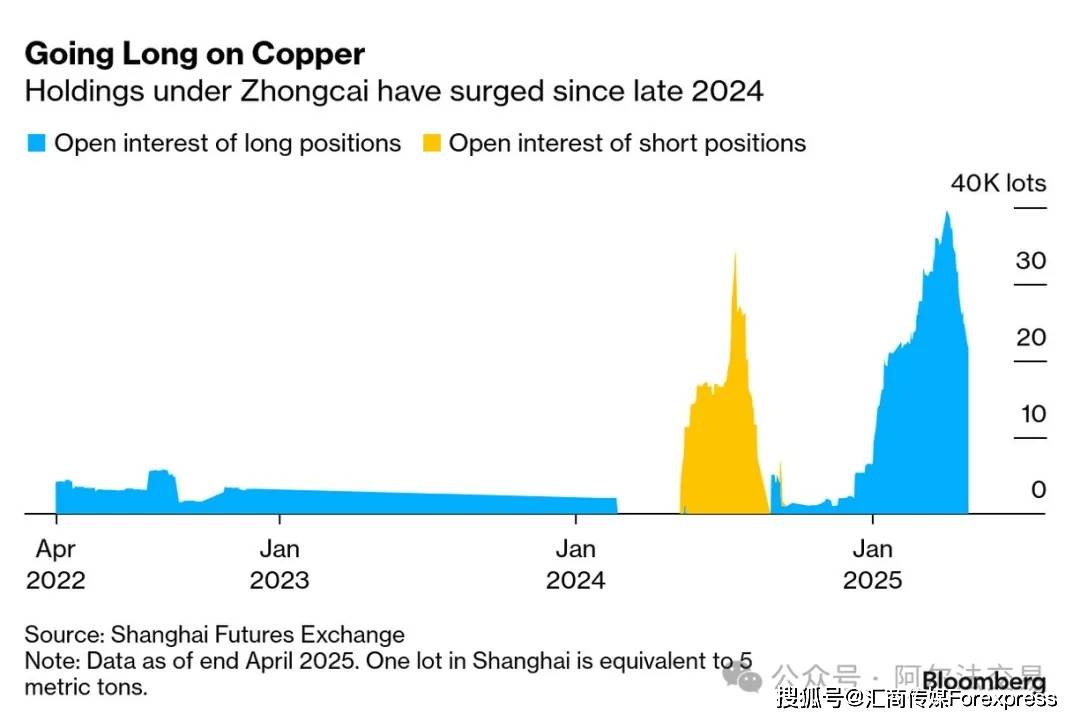
Core Insights - A little-known billionaire trader, Bian Ximing, has made significant profits in China's futures market, earning $1.5 billion from gold and nearly $1 billion from copper investments [1][4][5] Group 1: Background of Bian Ximing - Bian Ximing, 61, hails from Zhejiang and initially made his fortune in the plastic pipe industry before expanding into various sectors including chemicals, real estate, and finance [4] - He acquired Zhongcai Futures in 2003, marking his entry into professional trading [4] - Bian is known for his low profile, having relocated to Gibraltar over a decade ago, and manages his domestic team primarily through video conferencing [4][9] Group 2: Investment Strategy and Performance - In mid-2022, Bian anticipated a trend of de-dollarization and rising inflation risks, leading him to invest heavily in Chinese gold futures [5] - His investments in gold paid off significantly, with estimates suggesting a net gain of $1.5 billion during a record price surge in 2023-2024 [5][7] - After profiting from gold, he shifted his focus to copper, betting on China's economic resilience and the increasing demand for copper due to high-tech upgrades and energy transitions [5][7] Group 3: Current Market Position - By mid-May 2023, Bian had accumulated a copper long position of nearly 90,000 tons, making him the largest copper bull in the Shanghai Futures Exchange, with a total position size close to $1 billion [7] - His investment approach is characterized as a rare and logically strong long-term position, contrasting with many investors who are reducing risk exposure amid global uncertainties [7][9] Group 4: Investment Philosophy - Bian's trading style emphasizes long-term commitment, macroeconomic research, and industry cycles, resembling the strategies of Western hedge fund managers rather than typical speculative practices [7][9] - He occasionally shares investment insights online, which resonate with followers, reflecting a philosophical approach to investing [9] Group 5: Market Influence - Despite his recent successes, Bian has faced losses in stock and local bond investments, indicating a nuanced understanding of market risks [9] - His extensive cross-industry experience and deep macroeconomic understanding contribute to his trading decisions, positioning him as a significant figure in the increasingly complex global commodity market [9]
综合晨报-20251118
Guo Tou Qi Huo· 2025-11-18 02:21
Group 1: Energy and Petrochemicals - Crude oil market faces increasing supply - demand pressure in Q4 and Q1 next year, with medium - term downward risk in oil prices. Short - term focus is on Russian oil export impact after sanctions and risks from Venezuela and Iran. Brent 01 contract dropped 0.4% overnight [2] - Precious metals are in a high - level consolidation phase. Fed officials' hawkish remarks have reduced the probability of a December rate cut below 50%. The market awaits economic data for further guidance [3] - Fuel oil prices follow crude oil. High - sulfur fuel oil has short - term geopolitical support, but medium - term supply will be more abundant. Low - sulfur fuel oil has a stronger recent performance due to supply disruptions, but medium - term supply pressure remains [20] - Asphalt has weakening cost support and poor demand, with a bearish outlook in the medium - to - long term [21] - LPG is expected to be bullish due to tightened supply - demand [22] Group 2: Base Metals - Copper market is oscillating between 85,000 - 88,000 yuan. High - level short positions can be held with a stop - loss at 88,000 yuan. Attention is on the impact of the landslide in a Congolese copper mine [4] - Aluminum has a short - term weak fundamental situation with inventory increases, but the medium - term upward trend is not reversed [5] - Zinc prices may fall, with support at 22,200 yuan/ton for SHFE zinc. LME zinc may break through the support level [8] - Lead prices are expected to decline further, with support at 17,100 yuan/ton [9] - Tin prices are oscillating. Long - term short positions can be held with a stop - loss at 295,000 yuan [10] Group 3: Industrial Metals and Related Products - Polysilicon prices are in a narrow - range fluctuation. PV terminal demand is weak, and short - term prices are expected to oscillate [11] - Industrial silicon is in a supply - demand weak situation, with prices expected to oscillate [12] - Iron ore supply has increased significantly, and demand is weak. The market is expected to oscillate [14] - Coke and coking coal prices are likely to oscillate due to sufficient carbon supply and downstream pressure on raw material prices [15][16] - Silicomanganese and ferrosilicon prices are supported by demand and cost factors [17][18] Group 4: Steel Products - Steel prices fell at night. Rebar demand is weak in the off - season, and hot - rolled coil demand is stable. Supply pressure is gradually easing, and prices may rebound in the short term [13] Group 5: Shipping - The SCFIS European route index dropped 9.8% last week. It may rebound in the next period. The 12 - contract is expected to oscillate, and far - month contracts will be under pressure [19] Group 6: Chemicals - Urea futures are strong, but the spot price is stable with a slight decline. Supply is high, and the market may weaken [23] - Methanol prices are weak due to increased supply and weak demand [24] - Pure benzene has limited upside potential, and PTA follows PX fluctuations [29] - Ethylene glycol supply is increasing, and demand is weakening, with a bearish outlook [30] - PVC may oscillate narrowly, and caustic soda is in a weak position [28] Group 7: Agricultural Products - Soybeans and soybean meal: The USDA November report is bullish. South American soybean planting progress is slow. Domestic soybean supply is sufficient, and there are opportunities for long positions at low prices [35] - Vegetable oils: Soybean oil is strong, and palm oil supply - demand pressure persists [36] - Corn futures may wait for a correction [38] - Live pigs' spot and futures prices are weak, with a high probability of a second bottom - testing next year [39] - Eggs: Spot prices are stable with a slight decline, and short positions in near - month contracts can be held [40] - Cotton: The US agricultural report is bearish. Domestic cotton has supply pressure, and prices are expected to oscillate [41] - Sugar: International supply is sufficient, and domestic production in Guangxi has positive expectations [41] - Apples: Short - term prices are strong, but long - term inventory pressure may exist [42] Group 8: Forestry and Pulp - Wood prices are supported by low inventory, and short - term observation is recommended [43] - Pulp futures are slightly down. Inventory has increased, and prices are expected to improve in the long term but have limited short - term upside [44] Group 9: Financial Futures - Stock index futures are expected to oscillate due to unstable global macro - liquidity. Consider profit - taking in growth stocks and look for opportunities in consumption and cyclical sectors [45] - Treasury bond futures are in a narrow - range oscillation. The yield curve steepening may end [46]
“新美联储通讯社”:不管降息与否,美联储12月会议都可能有至少3张反对票
美股IPO· 2025-11-18 00:34
Core Viewpoint - The Federal Reserve is facing a challenge in bridging internal divisions on interest rate paths without new economic data to reference [1][3][4]. Summary by Sections Internal Divisions - Federal Reserve Vice Chairman Philip Jefferson's recent speech highlights the dilemma of balancing persistent inflation risks against weakening employment [4]. - There is a significant divide among Federal Reserve officials regarding the decision to maintain or lower interest rates, with potential for at least three dissenting votes in the upcoming December FOMC meeting [8]. Interest Rate Outlook - Market expectations for a rate cut in December have decreased, with implied probabilities dropping to approximately 45%, down from 60% a week prior and significantly lower than 90% during the October meeting [4][5]. - Jefferson reiterated that current interest rates are "slightly restrictive," which may hinder U.S. economic growth, yet recent cuts have brought rates closer to a neutral zone [4]. Economic Data and Decision-Making - The absence of significant economic data due to government shutdowns has exacerbated divisions among policymakers, with some officials indicating they will oppose further cuts unless employment worsens or inflation improves [5][6]. - Concerns about inflation persist, with some officials fearing that new price pressures from tariffs could keep inflation above the Fed's 2% target for the next two years [6]. Diverging Perspectives - One faction of officials, including those appointed by Trump, is more focused on labor market conditions and believes that the risks of high inflation are overstated [7]. - Another group, including several regional Fed presidents and Governor Michael Barr, is increasingly worried about inflation risks and the implications of further easing monetary conditions [6][7]. Economic Indicators - Recent comments from Fed officials indicate that companies are cautious about hiring and layoffs, with signs of weakening consumer confidence and sluggish wage growth suggesting ongoing economic challenges [8].
美联储博斯蒂克:倾向于维持利率不变,因通胀仍是更大风险。
Sou Hu Cai Jing· 2025-11-12 17:24
Core Viewpoint - The Federal Reserve's Bostic expresses a preference to maintain interest rates unchanged due to inflation being a greater risk [1] Summary by Relevant Categories Monetary Policy - Bostic indicates a tendency to keep interest rates steady, highlighting concerns over inflation as a significant risk factor [1] Economic Outlook - The statement reflects ongoing uncertainties in the economic landscape, with inflation remaining a focal point for monetary policy decisions [1]
两种截然不同的叙事:Citadel宏观经济专家对比债券悲观论者和股票乐观论者_ZeroHedge
2025-11-11 01:01
Summary of Key Points from the Conference Call Industry or Company Involved - The discussion primarily revolves around the macroeconomic outlook and the implications for the financial markets, particularly focusing on the Federal Reserve's policies and their impact on the stock and bond markets. Core Insights and Arguments 1. **Federal Reserve's Policy Adjustments** The Federal Reserve lowered the policy interest rate by 25 basis points, but Chairman Powell indicated that further rate cuts are not guaranteed, highlighting internal divisions within the committee [2][3][6] 2. **Labor Market Stability** Recent ADP employment data showed an increase of 62,000 jobs in October, indicating that the labor market is stabilizing. Initial jobless claims were around 220,000, significantly below recession levels, suggesting that job growth is reaching a balance [3][5] 3. **Inflation Concerns** The potential inflation rate is estimated at around 3%, which is above the target and higher than pre-pandemic averages. Powell acknowledged that the issue largely lies on the supply side, indicating structural rather than cyclical challenges in the labor market [3][5] 4. **Investment in AI and Capital Expenditure** There is a significant increase in capital expenditures related to artificial intelligence, with projections suggesting that AI data center investment could reach $7 trillion by 2030. This could lead to a substantial increase in investment-grade bond issuance, estimated between $1.6 trillion to $1.7 trillion in 2026, reflecting a growth of 5% to 10% [11][14] 5. **Stock Market Outlook** The stock market is expected to benefit from strong earnings reports from major companies like Alphabet, Meta, Microsoft, and Amazon, which have all raised their AI capital expenditure forecasts. This indicates a positive outlook for growth and profitability driven by AI integration [14][18] 6. **Seasonal Trends in the Market** Historical data suggests that the S&P 500 typically rises by 3% from November to the end of the year, indicating a potential for strong market performance in the upcoming months [9][15] 7. **Bond Market Dynamics** The anticipated surge in investment-grade bond issuance could create challenges for market absorption. The recent issuance by META of $30 billion in bonds, with a subscription rate of 4.5 times, highlights the demand for such securities [10][11] 8. **Economic Stimulus Measures** A series of fiscal and monetary stimulus measures are expected, potentially contributing an estimated 1% to 1.65% of GDP growth, which could further enhance market conditions [18] Other Important but Possibly Overlooked Content 1. **Divergence in Market Sentiment** There is a notable divergence between bond market pessimism regarding labor market weakness and stock market optimism about growth prospects driven by AI [7][13] 2. **Risks of Debt Financing** Increased capital expenditures may lead to higher debt levels, which could pressure long-term bond yields and affect market valuations, especially given the current high valuation levels [11][13] 3. **Retail Investor Behavior** Retail investors have shown a strong preference for bullish positions, with net bullish demand for retail options continuing for 26 weeks, indicating a shift in market dynamics [18] 4. **Volatility and Re-leveraging** As volatility decreases, there may be a reduction in mechanical re-leveraging demand, which could impact market movements and investor behavior [18]
美国财政宽松叠加通胀担忧共振 时隔两周黄金重返4100美元 机构看高至5300美元
智通财经网· 2025-11-10 22:25
Group 1 - Gold prices experienced a strong rebound, rising over $100 to surpass $4,110, marking the first time since October 27 that prices reached this level, driven by expectations of fiscal stimulus and potential government actions [1] - The proposed plan by President Trump to distribute at least $2,000 to each American and hints from Treasury Secretary Mnuchin about possible tax cuts have contributed to the bullish sentiment in the market [1] - Analysts suggest that the current economic environment, characterized by rising government spending and persistent inflation, is prompting investors to hedge against inflation risks and policy uncertainties through gold [1] Group 2 - Year-to-date, gold futures have increased by approximately 57%, potentially achieving the best annual performance since 1979, driven by central bank purchases, increased inflows into gold ETFs, and strong demand for physical gold [2] - Despite some forecasts predicting a peak of $4,350 in October, many Wall Street institutions remain bullish on gold, with UBS setting a 12-month target of $4,200 per ounce, and potential for prices to reach $4,700 if political and financial risks escalate [3] - JPMorgan's private bank is even more optimistic, projecting gold prices could rise to between $5,200 and $5,300 by the end of 2026, driven by continued purchases from emerging market central banks [3]
【UNFX财经事件】避险主导市场 黄金高位震荡 美元反弹动能不足
Sou Hu Cai Jing· 2025-11-07 03:39
Group 1 - Gold prices remain strong, trading between $3990 and $4000, driven by concerns over economic slowdown due to the ongoing U.S. government shutdown and rising political uncertainty [1] - The Challenger report indicates that October layoffs exceeded 150,000, marking the highest monthly figure in nearly two decades, which has heightened expectations for a Federal Reserve rate cut in December [1] - Analysts suggest that the prospect of rate cuts reduces the opportunity cost of holding gold, enhancing its attractiveness as a safe-haven asset [1] Group 2 - WTI crude oil prices slightly increased to around $59.60 per barrel, supported by a weaker dollar, although rising inventories continue to exert pressure on the market [1] - U.S. Energy Information Administration data shows an increase of 5.202 million barrels in crude oil inventories last week, raising concerns about weak demand [1] - Geopolitical tensions, particularly in Venezuela and disruptions in Russian Black Sea fuel exports, partially offset negative supply impacts, leading analysts to believe oil prices will continue to fluctuate in the short term [1]