
商贸零售

Search documents
商贸零售行业周报:元旦假期文旅消费数据出炉,关注相关零售产业链-20260104
Xiangcai Securities· 2026-01-04 12:14
证券研究报告 2026 年 1 月 4 日 湘财证券研究所 相关研究: | 1.《近期板块走强,关注零售百货 | | --- | | 业态变革》 2024.12.11 | | 2.《2024年社零总额增长3.5%,线 | | 下商超业态平稳复苏》2025.01.24 | 行业评级:增持(维持) 近十二个月行业表现 % 1 个月 3 个月 12 个月 相对收益 0.0 5.7 -10.4 绝对收益 0.0 5.5 12.3 -50.00% 0.00% 50.00% 沪深300 商贸零售(申万) 注:相对收益与沪深 300 相比 分析师:聂孟依 证书编号:S0500524040001 Tel:(8621) 50299667 Email:nmy06967@xcsc.com 地址:上海市浦东新区银城路 88 号 中国人寿金融中心 10 楼 行业研究 商贸零售行业周报 元旦假期文旅消费数据出炉,关注相关零售产业链 核心要点: ❑ 商贸零售板块上周下跌 1.63% 根据 wind,上周,商贸零售报收 2422.59 点,下跌 1.63%,涨幅排名位列 申万一级行业第26位,跑输沪深300指数1.04个百分点;贸易Ⅱ报收4 ...
量化择时周报:上行趋势仍在持续,板块如何选择-20260104
ZHONGTAI SECURITIES· 2026-01-04 08:46
- Model Name: Timing System Model; Model Construction Idea: The model uses the distance between the long-term moving average (120 days) and the short-term moving average (20 days) to distinguish the overall market environment[2][6][11] - Model Construction Process: The model calculates the distance between the 20-day moving average and the 120-day moving average. The latest data shows the 20-day moving average at 6298 points and the 120-day moving average at 6090 points. The difference between the two lines is 3.41%, and the absolute value of the distance continues to be greater than 3%, indicating that the market is in an upward trend[2][6][11] - Model Evaluation: The model effectively identifies the market's upward trend, providing a positive signal for market timing[2][6][11] - Model Name: Industry Trend Allocation Model; Model Construction Idea: The model identifies industry trends and allocates based on medium-term reversal expectations and sector performance[2][5][7] - Model Construction Process: The model signals to focus on service consumption sectors such as tourism and media based on medium-term reversal expectations. The TWO BETA model continues to recommend the technology sector, focusing on AI applications and commercial aerospace. The industry trend model shows that the communication, industrial metals, and energy storage sectors continue their upward trend[2][5][7] - Model Evaluation: The model provides clear guidance on sector allocation, helping investors to focus on promising sectors[2][5][7] - Model Name: Position Management Model; Model Construction Idea: The model suggests stock allocation based on valuation indicators and short-term trends[5][7] - Model Construction Process: The model uses the PE and PB ratios of the WIND All A Index. The PE ratio is near the 90th percentile, indicating a relatively high valuation, while the PB ratio is at the 50th percentile, indicating a moderate level. Based on these indicators and short-term trends, the model suggests an 80% stock allocation for absolute return products[5][7] - Model Evaluation: The model provides a balanced approach to stock allocation, considering both valuation and market trends[5][7] Model Backtest Results - Timing System Model, Moving Average Distance: 3.41%[2][6][11] - Timing System Model, Market Trend Line: 6262 points[2][6][11] - Timing System Model, Profit Effect: 2.71%[2][6][11] - Position Management Model, PE Ratio: 90th percentile[5][7] - Position Management Model, PB Ratio: 50th percentile[5][7] - Position Management Model, Stock Allocation: 80%[5][7]
宏观和大类资产配置周报:寻找美元的替代品-20260104
Bank of China Securities· 2026-01-04 07:44
Macro Economic Overview - The report indicates a downward trend in the Shanghai Composite Index, which fell by 0.59% this week, while the CSI 300 index futures decreased by 0.06% [1][11] - The report highlights a mixed performance in commodity futures, with coking coal futures down by 0.76% and iron ore futures up by 2.00% [1][11] - The yield on ten-year government bonds increased by 1 basis point to 1.85%, while active ten-year government bond futures dropped by 0.36% [1][11] Asset Allocation Recommendations - The recommended order for asset allocation is equities > commodities > bonds > currency, reflecting a positive outlook on A-shares and stable bond yields [2][4] - The report suggests that the U.S. dollar's safe-haven status is weakening, prompting international capital to seek alternatives, with RMB assets being a top choice due to their stability and growth potential [2][4] - The report anticipates that commodity prices will be influenced by supply pressures in oil and demand dynamics in cyclical goods, while agricultural products will be affected by supply factors [2][4] Key Economic Indicators - The manufacturing PMI for December was reported at 50.1, indicating a slight expansion, while the non-manufacturing PMI was at 50.2, returning to the expansion zone [18] - The report notes that the upcoming National People's Congress will convene on March 4, 2026, which may influence economic policies [18][19] Market Performance Insights - The report details a significant decline in the real estate market, with a notable drop in transaction volumes for new homes in major cities, indicating potential market stabilization due to recent policy changes [36][41] - The automotive sector is experiencing a downturn, with wholesale and retail sales of passenger vehicles showing negative growth for four consecutive weeks [36][41] Bond Market Analysis - The yield on ten-year government bonds has risen to 1.85%, with a noted increase in the yield of ten-year policy bank bonds to 2.00% [46] - The report highlights a significant rise in yields for low-rated credit bonds, indicating a shift in market sentiment [46]
三天假期 青岛全市火车站、汽车站和机场等主要对外运输枢纽客流总量达到93.32万人次
Jin Rong Jie· 2026-01-04 02:51
自市商务局获悉,元旦三天假期中,全市仅10大重点商贸监测企业就实现销售额2亿元,较去年同期增 长8.3%。据市 交通运输公共服务中心统计数据显示,三天假期,全市火车站、汽车站和 机场等主要对 外运输枢纽客流总量达到93.32万人次,日均31.11万人次,同比增长42.94%。 ...
TA们,在2026年能否“峰回路转”?
Shang Hai Zheng Quan Bao· 2025-12-31 15:27
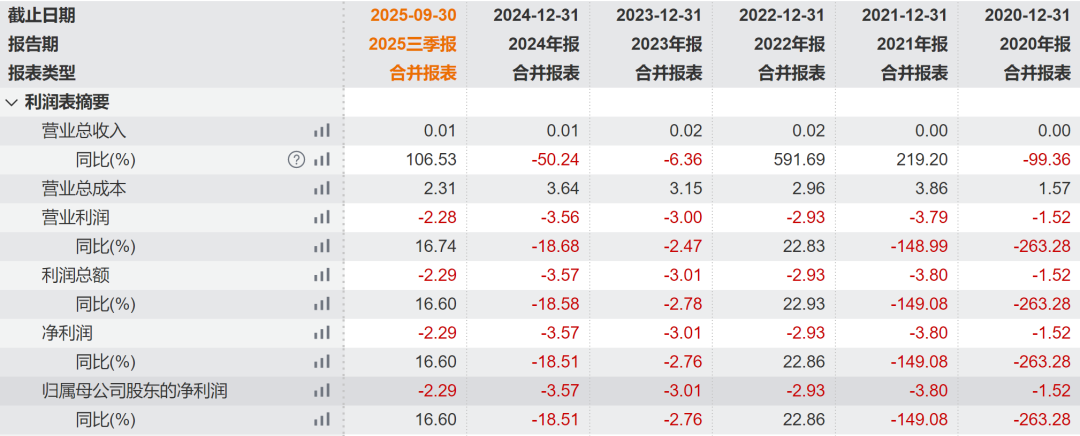
Market Overview - In 2025, the A-share market experienced a structural "small bull" market, with 4,110 out of 5,176 stocks showing positive growth, and 523 stocks rising over 100% [1] - However, 40 stocks fell over 30%, with 7 stocks declining more than 40% [1] Worst Performing Stocks - The largest decline was seen in Shijing Technology, which dropped 50.99% in 2025, primarily due to a significant decrease in completed orders after entering the photovoltaic sector [3] - Kangle Weishi ranked second with a decline of 49.97%, continuing to face losses since 2013, with a net profit loss of 2.29 billion yuan in the first three quarters of 2025 [3][4] - Longda Meishi experienced a 48.11% drop, affected by a prolonged downturn in the pig cycle and intensified competition in the prepared food sector [3] Financial Performance - Kangle Weishi reported a revenue of 1.2763 million yuan in the first three quarters of 2025, a year-on-year increase of 106.53%, but still faced a net profit loss of 2.29 billion yuan [4] - The food and beverage sector saw a 9.69% decline in 2025, marking its fifth consecutive year of losses, with a cumulative drop of over 50% since the peak in 2021 [8][10] Industry Trends - The pharmaceutical and biotechnology sector showed signs of recovery in 2025, with an 11.94% increase, ending a four-year downtrend [10] - The food and beverage sector is expected to benefit from macro policies aimed at boosting domestic demand, with potential recovery in the white liquor and pre-processed food segments [10][11]




海南自贸港概念股票池及主题指数:封关元年,新篇待启
ZHESHANG SECURITIES· 2025-12-31 05:00
Core Insights - The official launch of the Hainan Free Trade Port on December 18, 2025, marks a transition from preparation to implementation, with significant policy benefits expected in 2026, which is seen as a historic investment opportunity [1][2] - The Hainan Free Trade Port theme received a score of 61.25 based on eight dimensions, with 23 beneficiary stocks selected to form the Hainan Free Trade Port stock pool, which has outperformed the Wind All A index by 17.8% since the end of 2024 [4][3] Policy Foundation - The Hainan Free Trade Port is built on the "One Law and Three Core" principles, including "one line open, two lines controlled, and free flow within the island," which aims to enhance economic dynamism through a policy framework of "zero tariffs, low tax rates, and simplified tax systems" [2][13] - The "zero tariff" policy has shifted from a positive list to a negative list management approach, expanding the range of goods eligible for zero tariffs [16] Investment Opportunities in Core Industries - The free flow of production factors is expected to reshape Hainan's industrial structure, with tourism, cross-border logistics and finance, and new productive forces in commercial aerospace and deep-sea economy identified as the primary beneficiaries of policy dividends [3][18] - The tourism sector is transitioning from "duty-free on departure" to a "whole island consumption" model, enhancing the attractiveness of Hainan for both domestic and international consumers [21][19] - Cross-border logistics and finance are positioned to benefit from higher levels of openness, with Hainan becoming a hub for offshore trade and digital trade [30][32] - New productive forces are expected to thrive in Hainan's unique geographical and policy environment, particularly in commercial aerospace and deep-sea technology [38][40] Hainan Free Trade Port Theme Evaluation - The theme evaluation score of 61.25 reflects high scores in policy effectiveness, support intensity, and industry coverage, indicating a favorable investment environment [45][46] - The evaluation criteria include market capitalization, policy effectiveness, support intensity, industry coverage, valuation levels, trading congestion, performance realization capability, and future growth potential [46][47] Hainan Free Trade Port Stock Pool - The stock pool is constructed based on three dimensions: tourism, cross-border logistics, and new productive forces, providing a selection of stocks that could benefit from the Hainan Free Trade Port policies [48][49] - Specific sectors within the stock pool include duty-free retail, healthcare tourism, and experiential cultural tourism, which are expected to see significant growth [22][23][26] Hainan Free Trade Port Index - The Hainan Free Trade Port Index, based on the selected stocks, has shown a significant increase of 43.02% from December 31, 2024, to December 26, 2025, outperforming the Wind All A index by 17.8% [54][55]



融资余额创新高,股指震荡修复
Hua Tai Qi Huo· 2025-12-31 03:26
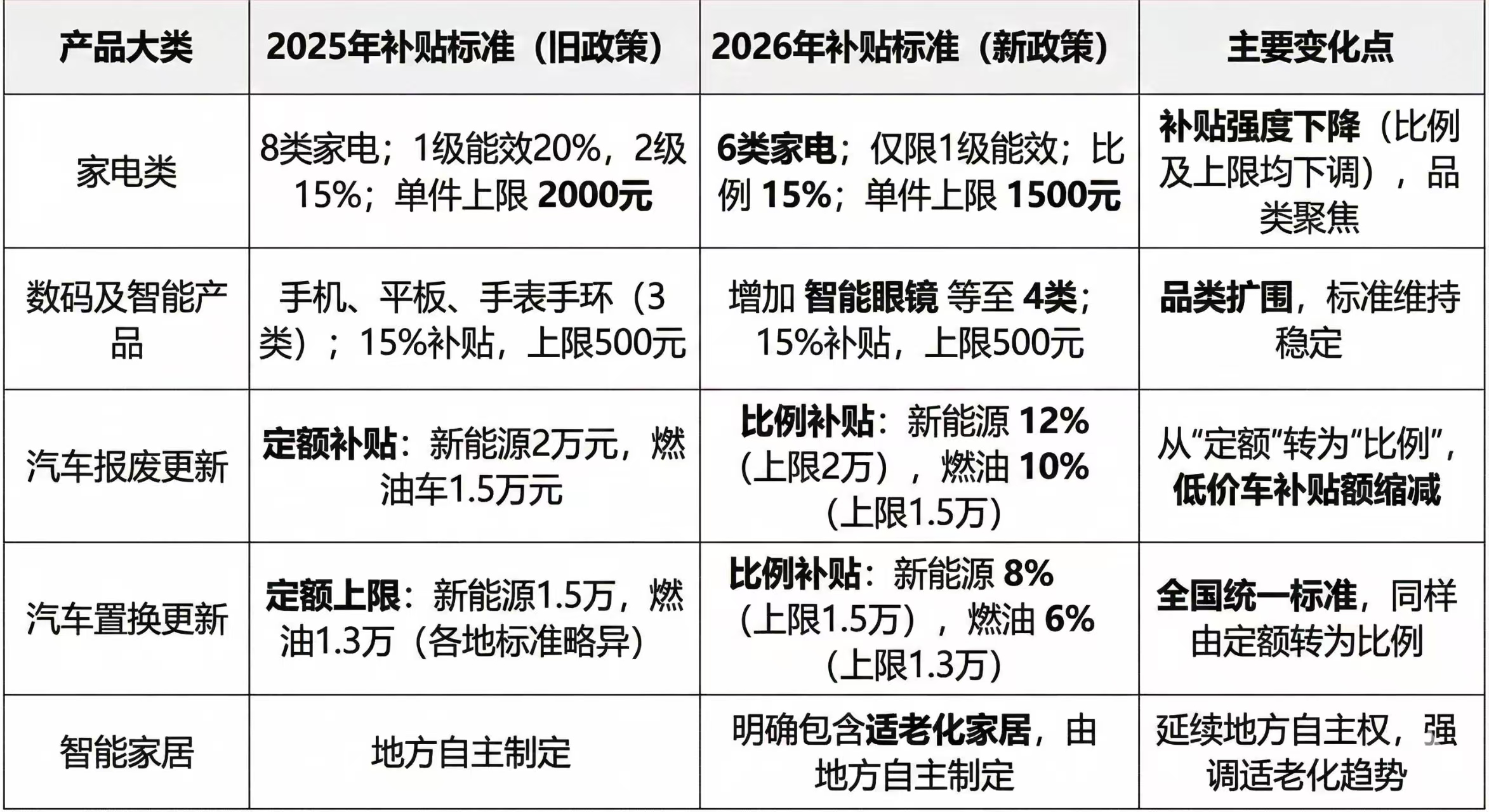
1. Report Industry Investment Rating - No relevant content provided 2. Core Viewpoints - The high - level has listed expanding domestic demand as the primary strategic task, and the national subsidy policy will continue to advance next year. The domestic financing balance has reached a new high again, market risk appetite is gradually warming up, and the market is expected to maintain a volatile repair trend on the last trading day before the holiday [2] 3. Summary by Directory 3.1 Market Analysis - **Macro - policy**: In 2026, the national subsidy policy continues. The National Development and Reform Commission and the Ministry of Finance issued a notice on implementing large - scale equipment renewal and consumer goods trade - in policies and allocated the first batch of 62.5 billion yuan to support consumer goods trade - in. The subsidy objects in 2026 include new smart products like smart glasses and smart home, and exclude home decoration and electric bicycles. New car purchase subsidies are 12% or 10% of the car price with the same upper limits as in 2025. The scope of home appliance subsidies is narrowed to 6 categories, and the subsidy ratio for first - level energy - efficiency home appliances drops from 20% to 15%, with the maximum subsidy per appliance decreasing from 2,000 yuan to 1,500 yuan. Overseas, the Fed's December meeting minutes show that FOMC agreed to cut interest rates, but officials had significant differences [1] - **Index performance**: In the spot market, the three major A - share indexes fluctuated. The Shanghai Composite Index slightly declined to close at 3,965.12 points, while the ChiNext Index rose 0.63%. Among industries, petroleum and petrochemical, automobile, non - ferrous metals, and machinery equipment industries led the gains, while commerce and retail, real estate, and public utilities industries led the losses. The trading volume of the Shanghai and Shenzhen stock markets exceeded 2 trillion yuan. Overseas, the three major US stock indexes closed slightly lower, with the Nasdaq down 0.24% to 23,419.08 points [1] - **Futures market**: In the futures market, the basis of stock index futures declined on the day. In terms of trading volume and open interest, the trading volume and open interest of IH, IC, and IM increased simultaneously [1] 3.2 Strategy - The high - level has listed expanding domestic demand as the primary strategic task, and the national subsidy policy will continue to advance next year. The domestic financing balance has reached a new high again, market risk appetite is gradually warming up, and the market is expected to maintain a volatile repair trend on the last trading day before the holiday [2] 3.3 Macro Economic Charts - The charts include the relationship between the US dollar index and A - share trends, the relationship between US Treasury yields and A - share trends, the relationship between the RMB exchange rate and A - share trends, and the relationship between US Treasury yields and A - share style trends [11][7] 3.4 Spot Market Tracking Charts - **Stock index performance**: On 2025 - 12 - 30, the Shanghai Composite Index closed at 3,965.12 points with a daily change of + 0.00%, the Shenzhen Component Index at 13,604.07 points with a + 0.49% change, the ChiNext Index at 3,242.90 points with a + 0.63% change, the CSI 300 Index at 4,651.28 points with a + 0.26% change, the SSE 50 Index at 3,036.55 points with a + 0.06% change, the CSI 500 Index at 7,458.94 points with a + 0.38% change, and the CSI 1000 Index at 7,597.30 points with a + 0.04% change [13] - Other charts show the trading volume of the Shanghai and Shenzhen stock markets and the financing balance [14] 3.5 Futures Market Tracking Charts - **Trading volume and open interest**: The trading volume and open interest data of IF, IH, IC, and IM are provided. For example, the trading volume of IF is 94,429 (a change of - 1,730), and the open interest is 281,129 (a change of + 5,274) [15] - **Basis**: The basis data of different contracts (current month, next month, current quarter, and next quarter) for IF, IH, IC, and IM are presented. For instance, the current - month contract basis of IF is - 8.57 (a change of - 8.33) [40] - **Inter - delivery spread**: The inter - delivery spread data for different contract combinations (such as next month - current month, next quarter - current month, etc.) of IF, IH, IC, and IM are given. For example, the next - month minus current - month spread of IF is - 10.00 (a change of + 5.00) [44]
30日转债行业涨跌参半,估值环比抬升:转债市场日度跟踪20251230-20251231
Huachuang Securities· 2025-12-31 01:13
Report Industry Investment Rating No information provided in the given content. Core Viewpoints - On December 30, the convertible bond industry showed mixed performance in terms of gains and losses, with valuations rising on a month - on - month basis [1]. - The mid - cap growth style was relatively dominant in the market [1]. - The trading sentiment in the convertible bond market weakened [1]. - The convertible bond price center increased, and the proportion of high - price bonds rose [2]. - The convertible bond valuations increased [2]. - In the A - share market, more than half of the underlying stock industry indices declined, while in the convertible bond market, 14 industries rose [3]. Summary by Related Catalogs Market Overview - **Index Performance**: The CSI Convertible Bond Index rose 0.14% month - on - month, the Shanghai Composite Index remained unchanged, the Shenzhen Component Index rose 0.49%, the ChiNext Index rose 0.63%, the SSE 50 Index rose 0.06%, and the CSI 1000 Index rose 0.04% [1]. - **Market Style**: Mid - cap growth was relatively dominant. Large - cap growth rose 0.57%, large - cap value fell 0.13%, mid - cap growth rose 0.81%, mid - cap value rose 0.66%, small - cap growth rose 0.66%, and small - cap value rose 0.34% [1]. - **Fund Performance**: The trading sentiment in the convertible bond market weakened. The trading volume of the convertible bond market was 75.057 billion yuan, a 2.96% month - on - month decrease; the total trading volume of the Wind All - A was 2.161532 trillion yuan, a 0.18% month - on - month increase; the net outflow of the main funds in the Shanghai and Shenzhen stock markets was 23.828 billion yuan, and the yield of the 10 - year treasury bond decreased by 0.02 bp to 1.86% [1]. Convertible Bond Price - The overall weighted average closing price of convertible bonds was 134.53 yuan, a 0.09% month - on - month increase. Among them, the closing price of equity - biased convertible bonds was 202.44 yuan, a 1.47% increase; the closing price of bond - biased convertible bonds was 118.85 yuan, a 0.18% decrease; the closing price of balanced convertible bonds was 129.71 yuan, a 0.01% increase [2]. - The proportion of bonds with a closing price above 130 yuan was 59.95%, a 1.15 - percentage - point increase. The largest change in proportion occurred in the 120 - 130 (including 130) range, with a proportion of 28.01%, a 1.39 - percentage - point decrease. There were no bonds with a closing price below 100 yuan. The median price was 132.60 yuan, a 0.07% month - on - month decrease [2]. Convertible Bond Valuation - The fitted conversion premium rate of 100 - yuan par value was 33.54%, a 0.45 - percentage - point month - on - month increase; the overall weighted par value was 101.88 yuan, a 0.19% month - on - month decrease [2]. - The premium rate of equity - biased convertible bonds was 18.25%, a 1.38 - percentage - point increase; the premium rate of bond - biased convertible bonds was 86.78%, a 2.11 - percentage - point increase; the premium rate of balanced convertible bonds was 25.17%, a 0.42 - percentage - point increase [2]. Industry Performance - **Underlying Stock Market**: Among the A - share industries, the top three decliners were Commerce and Retail (-1.56%), Real Estate (-1.22%), and Utilities (-1.14%); the top three gainers were Petroleum and Petrochemical (+2.63%), Automobile (+1.35%), and Non - Ferrous Metals (+1.31%) [3]. - **Convertible Bond Market**: Among the convertible bond industries, the top three gainers were Automobile (+2.08%), Petroleum and Petrochemical (+1.25%), and Textile and Apparel (+0.77%); the top three decliners were Environmental Protection (-2.57%), National Defense and Military Industry (-1.23%), and Building Materials (-1.16%) [3]. - **By Category**: - **Closing Price**: The large - cycle category decreased by 0.38%, manufacturing increased by 0.54%, technology decreased by 0.24%, large - consumption increased by 0.10%, and large - finance decreased by 0.05% [3]. - **Conversion Premium Rate**: The large - cycle category decreased by 0.21 percentage points, manufacturing increased by 0.57 percentage points, technology increased by 0.028 percentage points, large - consumption increased by 0.63 percentage points, and large - finance increased by 0.79 percentage points [3]. - **Conversion Value**: The large - cycle category decreased by 0.74%, manufacturing increased by 0.17%, technology decreased by 0.36%, large - consumption decreased by 0.43%, and large - finance decreased by 0.20% [3]. - **Pure Bond Premium Rate**: The large - cycle category decreased by 0.55 percentage points, manufacturing increased by 0.81 percentage points, technology decreased by 0.16 percentage points, large - consumption increased by 0.12 percentage points, and large - finance decreased by 0.065 percentage points [4]. Industry Rotation - Industries such as Petroleum and Petrochemical, Automobile, and Non - Ferrous Metals led the gains. For example, Petroleum and Petrochemical had a daily increase of 2.63% in the underlying stock market and 1.25% in the convertible bond market; Automobile had a 1.35% increase in the underlying stock market and 2.08% in the convertible bond market [54].
2026国补来了!汽车消费补贴由“定额”改为“按比例”(附对照表)
Mei Ri Jing Ji Xin Wen· 2025-12-31 01:11
Group 1 - The core viewpoint of the news is the announcement of the 2026 "National Subsidy" policy by the National Development and Reform Commission (NDRC) and the Ministry of Finance, which includes subsidies for smart products like AR glasses and emphasizes the importance of expanding domestic demand as a key task for the upcoming year [1] - The subsidy for scrapping and updating vehicles has shifted from a fixed amount to a proportional method, with new energy vehicle scrapping subsidies set at 12% of the vehicle price (up to 20,000 yuan), and fuel vehicle scrapping subsidies at 8% (up to 15,000 yuan) [1] - The NDRC's strategy to expand domestic demand is aimed at addressing external shocks and declining external demand, and is seen as crucial for strengthening the domestic circulation and stimulating market vitality [1] Group 2 - The optional consumption ETF primarily covers sectors closely related to service consumption and the unified market, including automobiles (46%), home appliances (34%), and commercial retail (6%) [2] - The top ten weighted stocks in the optional consumption ETF include Midea Group, BYD, Gree Electric, Fuyao Glass, Haier Smart Home, Seres, Sanhua Intelligent Control, China Duty Free Group, SAIC Motor, and Changan Automobile [2] Group 3 - The previous subsidy standards for 2025 included a fixed subsidy for home appliances (up to 2,000 yuan), digital and smart products (up to 500 yuan), and specific amounts for scrapping and updating vehicles [3] - The old policy provided a fixed subsidy of 20,000 yuan for new energy vehicles and 15,000 yuan for fuel vehicles for scrapping, and 15,000 yuan for new energy vehicles and 13,000 yuan for fuel vehicles for replacement [3]
万联晨会-20251231
Wanlian Securities· 2025-12-31 00:41
Core Viewpoints - The A-share market showed mixed performance with the Shanghai Composite Index closing flat, while the Shenzhen Component Index rose by 0.49% and the ChiNext Index increased by 0.63%. The total trading volume in the Shanghai and Shenzhen markets reached 21,424.47 billion yuan. The leading sectors included oil and petrochemicals, automobiles, and non-ferrous metals, while retail, real estate, and public utilities lagged behind [2][8] - The Hong Kong market saw the Hang Seng Index rise by 0.86% and the Hang Seng Tech Index increase by 1.74%. In contrast, major U.S. indices experienced declines, with the Dow Jones down by 0.2%, S&P 500 down by 0.14%, and Nasdaq down by 0.24% [2][8] Important News - The "Two New" policy for 2026 was released by the National Development and Reform Commission and the Ministry of Finance, outlining support for large-scale equipment updates and consumer goods replacement. A total of 625 billion yuan in special bonds will be allocated for this initiative, with a subsidy rate of 15% for certain household appliances and a maximum subsidy of 1,500 yuan per item [3][9] - Changes to the value-added tax policy for personal housing sales were announced, effective January 1, 2026. Homes sold within two years will incur a 3% VAT, while those sold after two years will be exempt from VAT [3][9] Market Analysis - The A-share market saw active trading in the sci-tech sector, with significant interest in commercial aerospace, terahertz technology, and controllable nuclear fusion. The market liquidity decreased in December, influenced by year-end fund recovery and reduced risk appetite among investors. However, a recovery in investor confidence was noted in the latter half of December due to positive signals from national economic meetings [10][11] - The overall economic environment remains stable, with improvements in fixed asset investment growth and a rebound in import and export growth rates. The CPI has shown an expanding year-on-year increase, while the decline in PPI has narrowed. The macroeconomic policies are expected to continue supporting economic stabilization and growth [12]