证券业

Search documents
固定收益专场 - 中信建投证券2025年中期资本市场投资峰会
2025-06-19 09:46
Summary of Key Points from Conference Call Records Industry or Company Involved - The conference call primarily discusses the **Chinese consumer market** and its evolving dynamics, as well as the impact of **AI revolution** on productivity and investment expectations in China. Core Points and Arguments 1. **Transition in Consumer Contribution**: The Chinese economy is transitioning from low to high consumer contribution, requiring businesses to analyze consumer behavior at a micro level and adapt marketing strategies accordingly [1][3][17]. 2. **Co-creation Model**: The concept of co-creation emphasizes the joint participation of suppliers and consumers in content creation, which is crucial for capturing consumer interest in modern consumption [1][6]. 3. **Importance of Sincerity**: Sincerity is becoming a key metric in supply-demand relationships, with suppliers needing to genuinely respond to consumer needs to build trust [1][7]. 4. **Significance of Intellectual Property (IP)**: IP is vital for protecting original content and fostering industry growth, with consumers increasingly valuing authentic and meaningful IP [1][11][16]. 5. **Multi-stage Consumer Demand**: The Chinese consumer market exhibits multi-stage characteristics, necessitating businesses to understand varying consumer needs and provide high-value products [1][19][17]. 6. **Cultural Factors**: Cultural depth and adaptability are critical for brands to succeed, as evidenced by the rise of tourism in cities leveraging game IP [1][23][13]. 7. **Emergence of High-Tech Products**: The high-quality consumer goods market is seeing a rise in innovative products that enhance user experience, despite higher price points [1][19]. 8. **Impact of AI on Productivity**: The AI revolution is expected to significantly enhance overall productivity and reshape investment expectations for Chinese assets [2][26][30]. 9. **Narrative Economics**: Changes in narrative economics are improving investor expectations for Chinese assets, moving them from undervaluation towards normalization [2][28]. 10. **Geopolitical Influences**: Global geopolitical events are reshaping investment strategies and asset allocation, particularly in the context of the ongoing US-China strategic competition [29][40]. Other Important but Possibly Overlooked Content 1. **Consumer Behavior Changes**: Current consumer behavior is shifting towards personalized preferences, leading to a "winner-takes-all" market dynamic [1][12]. 2. **Niche Markets**: The importance of niche markets is growing, with specific cultural products gaining significant attention and value [1][14][15]. 3. **Sustainable Development Trends**: The relationship between minimalism and sustainable brands is emerging, with consumers favoring eco-friendly products despite higher costs [1][20]. 4. **Brand Aggregation Effects**: Brand aggregation is influencing consumer behavior, as certain brands can attract loyal customers based on perceived quality [1][21]. 5. **Policy Support for Consumer-Friendly Environment**: Policies are being developed to create a consumer-friendly society, which also benefits suppliers by ensuring product safety and trust [1][22]. This summary encapsulates the key insights from the conference call, highlighting the evolving landscape of the Chinese consumer market and the broader implications of technological advancements and geopolitical dynamics.
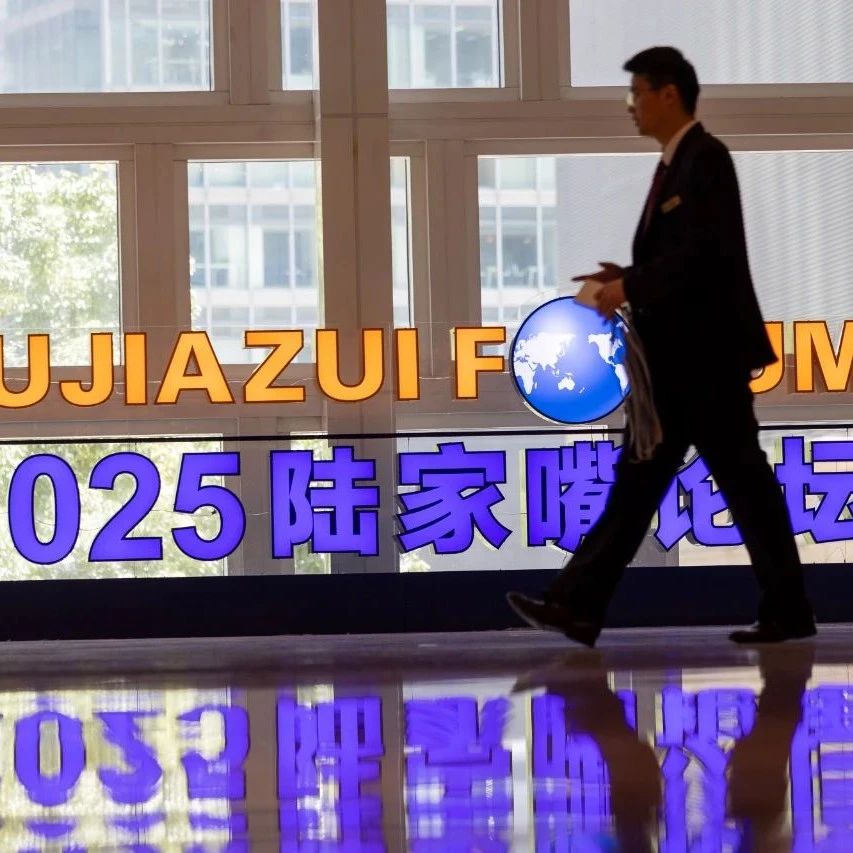
2025陆家嘴论坛开幕 聚焦“全球经济变局中的金融开放合作与高质量发展” 龙头带动 为金融强国建设作新贡献
Jie Fang Ri Bao· 2025-06-19 01:54
Group 1 - The 2025 Lujiazui Forum opened in Shanghai with the theme "Financial Opening and Cooperation in the Global Economic Changes and High-Quality Development" [1] - Shanghai is making progress in building an international financial center, with a focus on high-quality development and financial market stability [1][2] - The establishment of the China Capital Market Society aims to unite various research forces to address strategic and fundamental issues in the capital market [7] Group 2 - The People's Bank of China has implemented multiple monetary policy measures to support economic recovery and financial market stability [3] - A series of policies will be introduced in Shanghai to enhance its international financial center status, including offshore trade finance reforms and the establishment of a digital RMB international operation center [3] - The financial regulatory authority emphasizes the importance of expanding financial openness and optimizing the business environment for foreign institutions [4] Group 3 - The China Securities Regulatory Commission plans to enhance the capital market ecosystem to better support innovation and investment [5] - Initiatives include reforms in the Sci-Tech Innovation Board and the introduction of new policies to facilitate foreign investment in the capital market [5][6] - The forum highlighted the need for deeper integration of financial services with technological and industrial innovation [6]

金融监管“一把手”释放多个重磅信号
第一财经· 2025-06-19 01:15
Core Viewpoint - The 2025 Lujiazui Forum highlighted significant policy signals aimed at enhancing financial openness and cooperation, with a focus on high-quality development in the context of global economic changes [1][2]. Group 1: Financial Policies and Innovations - The People's Bank of China (PBOC) announced eight innovative policies for Shanghai, including the establishment of a bank interbank market trading report library and a digital RMB international operation center [2][3]. - A series of favorable policies were introduced, such as the pilot program for green foreign debt and the expansion of Qualified Domestic Institutional Investor (QDII) investment quotas [1][14]. - As of May 31, 2025, the cumulative approved QDII quota reached $167.79 billion, with 189 institutions approved for QDII investment quotas [16]. Group 2: Global Financial Governance - PBOC Governor Pan Gongsheng emphasized the need for reform in the global monetary and payment systems, noting that the RMB has become the second-largest trade financing currency and the third-largest payment currency globally [3][5]. - The international monetary system is evolving towards a structure where a few sovereign currencies coexist and compete, necessitating responsible governance from the issuing countries [5][6]. Group 3: Cross-Border Payment Systems - The cross-border payment system is shifting towards diversification, with an increasing number of countries using local currencies for settlements, thereby changing the dominance of a single sovereign currency [6][7]. - Emerging technologies like blockchain and distributed ledger are reshaping traditional payment systems, significantly shortening cross-border payment chains [7]. Group 4: Foreign Investment and Market Opportunities - Foreign banks and insurance institutions in China have total assets exceeding 7 trillion yuan, with foreign insurance companies' market share increasing from 4% in 2013 to 9% currently [11]. - The Chinese market presents vast opportunities in consumer finance and technology sectors, with significant growth potential in service consumption [11][12]. Group 5: Capital Market Reforms - The China Securities Regulatory Commission (CSRC) announced a series of reforms for the Sci-Tech Innovation Board, including the introduction of a growth layer for technology companies that are not yet profitable [19][20]. - The CSRC will expand the application of the fifth listing standard to support more cutting-edge technology sectors, including artificial intelligence and commercial aerospace [21][22].

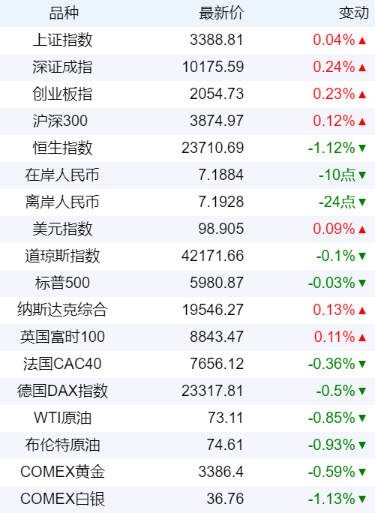
6月19日证券之星早间消息汇总:美联储宣布利率不变
Zheng Quan Zhi Xing· 2025-06-19 00:54
Macro News - The 2025 Lujiazui Forum announced significant financial opening measures, including the establishment of an interbank market trading report library, a digital RMB international operation center, and a personal credit agency [1] - The head of the Financial Regulatory Bureau stated that efforts are underway to promote pilot projects for financial asset investment companies and technology enterprise merger loans, along with a joint action plan with the Shanghai government to support the construction of an international financial center [1] - The chairman of the China Securities Regulatory Commission emphasized the role of the Sci-Tech Innovation Board as a "testing ground," introducing a growth tier and restarting the listing standards for unprofitable companies [1] - The deputy governor of the People's Bank of China announced the upcoming release of additional investment quotas for qualified domestic institutional investors and a package of foreign exchange innovation policies in free trade pilot zones [1] Industry News - The Central Financial Committee issued opinions to accelerate the construction of the Shanghai International Financial Center, aiming for a comprehensive enhancement of its capabilities and competitiveness over the next five to ten years [3] - The China Securities Regulatory Commission has developed opinions to enhance the inclusiveness and adaptability of the Sci-Tech Innovation Board, including the reintroduction of listing standards for unprofitable companies [3] Cross-Border Payment - The RMB Cross-Border Payment System (CIPS) held a signing ceremony with six foreign institutions, marking the first direct participation of foreign entities from Africa, the Middle East, Central Asia, and Singapore in CIPS [4]
新华财经早报:6月19日
Xin Hua Cai Jing· 2025-06-18 23:55
Financial Policy and Market Developments - The People's Bank of China announced eight significant financial opening measures at the 2025 Lujiazui Forum, including the establishment of an interbank market trading report library and a digital RMB international operation center [3] - The China Securities Regulatory Commission (CSRC) introduced a "1+6" policy to deepen the reform of the Sci-Tech Innovation Board, aiming to enhance market attractiveness and competitiveness [3][4] - The State Administration of Foreign Exchange (SAFE) will implement a package of foreign exchange innovation policies in the free trade pilot zone, including optimizing international trade settlement [3][4] Regulatory and Institutional Support - The Financial Regulatory Bureau and Shanghai Municipal Government jointly released an action plan to support the construction of Shanghai as an international financial center, promoting innovation in technology finance and cross-border finance [3][4] - The CSRC announced that starting from October 9, 2025, qualified foreign investors will be allowed to participate in on-market ETF options trading, aimed at expanding investment opportunities for foreign institutions [3][4] Market Expansion and Investment Opportunities - The Shanghai Futures Exchange will expand the range of commodities available for qualified foreign institutional investors, including natural rubber and lead futures contracts [4] - The Shanghai Stock Exchange is drafting guidelines to support the listing of unprofitable technology companies, enhancing the inclusivity and adaptability of the capital market [3][4] International Financial Cooperation - The Shanghai-Hong Kong International Financial Center Collaborative Development Action Plan was signed, supporting the optimization of free trade account functions and encouraging the use of RMB for cross-border transactions [4] - The Central Financial Committee issued opinions to accelerate the construction of Shanghai as an international financial center, promoting high-quality development of multi-level equity markets [4]
【早报】加快建设上海国际金融中心,重要意见印发;科创板新设科创成长层,重启未盈利企业上市
财联社· 2025-06-18 23:03
Macro News - Premier Li Qiang emphasized the importance of innovation-driven development and expanding effective demand to promote sustained economic growth [3] - The Central Financial Committee issued opinions to support the construction of Shanghai as an international financial center, aiming for significant improvements in financial system adaptability, competitiveness, and inclusiveness over the next five to ten years [3][4] Industry News - The China Securities Regulatory Commission (CSRC) announced the establishment of a "Growth Layer" on the Sci-Tech Innovation Board to support technology companies that are not yet profitable but have significant breakthroughs and commercial prospects [6] - The CSRC will restart the listing of unprofitable companies under the fifth set of standards on the Sci-Tech Innovation Board, expanding the scope to include more frontier technology sectors [6] - The CSRC will allow qualified foreign investors to participate in on-market ETF options trading starting from October 9, 2025, with the purpose limited to hedging [7] Company News - Wolong Electric announced plans to issue H-shares and list on the Hong Kong Stock Exchange [9] - ST Dongshi expects to be unable to complete its rectification before the deadline, leading to a suspension of its stock and convertible bonds from June 20 [10] - Huate Dain received a stake increase from Guo Weisong, raising his holding to 5% [11] - Juxin Technology reported progress in promoting its AI products [12] - Guoxuan High-Tech announced that its all-solid-state battery PACK system has begun vehicle testing [13] - A company announced plans to invest 1 billion yuan in a new project for producing 3,000 tons of lithium battery materials annually [16]

整理:昨日今晨重要新闻汇总(6月19日)
news flash· 2025-06-18 22:39
Domestic News - The People's Bank of China announced eight significant financial opening measures at the 2025 Lujiazui Forum [5] - The China Securities Regulatory Commission (CSRC) introduced the "1+6" policy measures to deepen reforms, establishing a new growth tier for technology innovation [5] - The CSRC will allow qualified foreign investors to participate in ETF options trading, effective from October 9, 2025 [5] - The State Administration of Foreign Exchange released a draft notice on deepening cross-border investment and financing foreign exchange management reforms [5] International News - The Federal Reserve maintained interest rates unchanged for the fourth consecutive time, with the dot plot indicating two rate cuts this year, but the number of officials not expecting cuts increased to seven [3] - Trump reiterated that the Federal Reserve should cut rates by 200 basis points, suggesting that a 250 basis point cut would be very beneficial [5] - Brazil's central bank unexpectedly raised interest rates by 25 basis points to 15%, while the market had anticipated a hold at 14.75% [5] - Foreign investors' holdings of U.S. Treasury securities are nearing record highs, with China reducing its holdings in April while the UK and Japan increased theirs [5]
人民银行宣布八项金融新政
Sou Hu Cai Jing· 2025-06-18 20:11
Financial Policy Announcements - The People's Bank of China announced eight financial policies aimed at enhancing the openness and international competitiveness of China's financial markets, while also improving financial services for the real economy and cross-border trade [1] - The new policies are expected to attract more international capital inflow, boosting confidence in the stock and bond markets amid uncertain US-China trade policies [1] Key Financial Policies - Establishment of an interbank market trading report database to analyze transaction data across various financial sub-markets [2] - Creation of a digital RMB international operation center to promote the internationalization of digital RMB and support financial innovation [2] - Establishment of personal credit institutions to provide diversified credit products and improve the social credit system [2] - Pilot offshore trade financial services reform in Shanghai's Lingang New Area to support offshore trade development [2] - Development of offshore bonds to broaden financing channels for enterprises involved in the Belt and Road Initiative [2] - Optimization of free trade account functions to enhance efficient capital flow for quality enterprises [2] - Implementation of structural monetary policy tools in Shanghai to guide funds towards weak areas of the real economy [2] - Collaboration with the China Securities Regulatory Commission to promote RMB foreign exchange futures trading for better risk management [2] Support for Technology Innovation - The China Securities Regulatory Commission announced the establishment of a "growth layer" on the Sci-Tech Innovation Board to support high-quality, unprofitable technology companies [3][4] - The new growth layer aims to address the challenges faced by technology firms and enhance the capital market's support for innovation [4] - Specific requirements for investor protection and risk disclosure have been established to safeguard the interests of small and medium investors [5]
上海和深圳,喜提两个政策大礼包
吴晓波频道· 2025-06-18 18:21
Group 1 - The article discusses two significant policy packages aimed at enhancing China's financial sector and increasing its international financial influence [1][2] - The first package includes eight major financial policies announced by the central bank, focusing on supporting foreign trade and establishing Shanghai as a major financial hub [2][6] - Key policies include the establishment of a digital RMB international operation center, development of offshore trade finance, and optimization of free trade account functions, which will facilitate cross-border financing for foreign trade enterprises [11][12][17][20] Group 2 - The second package, issued by the central government, allows companies listed on the Hong Kong Stock Exchange to also list on the Shenzhen Stock Exchange, promoting the return of quality enterprises to the mainland [5][35] - This policy enables companies registered in the Guangdong-Hong Kong-Macao Greater Bay Area to issue depository receipts in Shenzhen, providing a pathway for companies like Tencent and Alibaba to access A-share markets [36][41] - The return of these companies is expected to invigorate the A-share market, enhance capital market openness, and potentially reduce foreign exchange outflows [52][55]


金融部门一把手释放重磅政策信号
Bei Jing Shang Bao· 2025-06-18 16:49
Group 1: Financial Policy Initiatives - The People's Bank of China announced eight major financial opening-up measures to be implemented in Shanghai, including the establishment of a trading report database for the interbank market and a digital RMB international operation center [3][4] - The measures aim to enhance financial services, facilitate cross-border trade settlement, and innovate monetary policy tools, providing a detailed development strategy for Shanghai's financial openness [3][4] - Specific initiatives include a pilot for offshore trade finance services in the Lingang New Area and the development of free trade offshore bonds to broaden financing channels for enterprises involved in the Belt and Road Initiative [3][4] Group 2: Support for Technology and Innovation - The China Securities Regulatory Commission (CSRC) plans to strengthen the linkage between equity and debt financing to support technological innovation, including the development of technology innovation bonds and the introduction of a technology innovation bond ETF [6][7] - The first two data center REITs were approved, which will help unlock the value of existing assets in the data center sector and provide new financing avenues for technology enterprises [6][7] - The CSRC aims to promote asset securitization and REITs based on new asset types such as intellectual property and data assets, further enhancing financing in the technology sector [6][7] Group 3: Foreign Investment and Regulatory Environment - The Financial Regulatory Administration is promoting foreign investment in areas such as wealth management and asset allocation, creating strategic opportunities for foreign institutions [9][10] - A new action plan was released to support the construction of Shanghai as an international financial center, emphasizing the need for institutional openness and international standards [5][9] - The regulatory framework will be optimized to create a transparent and stable environment for foreign institutions, enhancing their ability to operate in China [10][11] Group 4: Cross-Border Financing and Trade Facilitation - The State Administration of Foreign Exchange (SAFE) plans to introduce multiple policies to facilitate cross-border trade and investment, including expanding high-level open pilot programs for cross-border trade [12][13] - New policies will support the financing of technology enterprises and streamline capital project income usage, enhancing international economic cooperation [12][14] - SAFE will also implement a series of foreign exchange innovation policies in free trade pilot zones to support strategic initiatives [14]