
家电

Search documents
2026,四大消费赛道丨尼尔森IQ年度报告同步首发
吴晓波频道· 2026-01-06 00:29
Core Insights - The article discusses the evolving consumer landscape in China, particularly focusing on the dual strategy of "first-time purchases + upgrade activation" in the context of county-level economies and the growing significance of lower-tier markets [3][14][16]. Group 1: Consumer Trends - During the New Year holiday, domestic tourism revenue reached 847.89 billion yuan, recovering to 112.3% of 2019 levels, with 1.35 billion domestic tourists, reflecting a strong rebound in consumer activity [3]. - In Hainan, post-"closure," tourism revenue surged to 32.8 billion yuan, a 28.9% year-on-year increase, with duty-free shopping reaching 7.12 billion yuan, up 128.9% [4]. - The consumer base is increasingly divided into "carefree" and "cautious spending" types, with 24% and 39% of the population respectively identified in 2024, and the "carefree" segment expected to grow to 31% by 2025 [7][9]. Group 2: Market Dynamics - The lower-tier cities are experiencing significant growth in tourism, with cities like Jingzhou and Huaihua seeing over 30% year-on-year increases in visitor numbers, outpacing first-tier cities [5]. - The report highlights that 68% of companies in lower-tier markets have seen stagnant or negative growth in market share over the past two years, indicating challenges in maintaining momentum [16]. - The demand for durable goods in lower-tier markets is growing, with a 12% year-on-year increase in sales, and the importance of these markets is rising by 38% [16]. Group 3: Product and Brand Strategies - The report emphasizes the importance of "first-time purchases" and "upgrade activation," suggesting that brands should focus on attracting consumers making their first significant purchases, such as smart appliances and electric vehicles [17]. - 57% of consumers in lower-tier markets have not upgraded their appliances in over three years, indicating a need for strategies to stimulate replacement purchases through trade-in programs and experiential upgrades [17]. - Key consumer preferences include price sensitivity, product performance, and the desire for smart technology, with a notable increase in sales of energy-efficient appliances by 38% on platforms like JD.com [4][21]. Group 4: Sales Channels - Emerging sales channels are gaining traction, with content e-commerce and membership warehouse stores showing significant growth, while traditional channels like hypermarkets are declining [24][25]. - The top five sales channels with year-on-year growth include content e-commerce (27%), membership warehouse stores (25%), and snack stores (20%) [24]. - The shift in consumer behavior is towards valuing unique products and experiences, with 69% of consumers believing private label brands offer better value [27]. Group 5: Future Outlook - The article suggests that the next growth wave in consumer goods will be driven by AI and smart technology, with a focus on health and convenience [43][44]. - The new round of national subsidies will target high-efficiency products, particularly in the tech and appliance sectors, which are expected to stimulate further growth [34]. - The report concludes that brands that can adapt to consumer preferences and provide meaningful experiences will define the future of the market [56].


华泰证券:春季行情预期或进一步强化 建议沿两条主线布局
Xin Lang Cai Jing· 2026-01-06 00:08
Core Viewpoint - The report from Huatai Securities is optimistic about the spring market, indicating a strengthening trend with most broad-based indices showing a rebound in scores and the Shanghai Composite Index entering a bullish zone [1] Group 1: Market Outlook - The macroeconomic environment suggests that the all-weather strategy in January is betting on growth exceeding expectations and increasing stock allocations [1] Group 2: Investment Recommendations - The report recommends two main investment themes: 1. Growth style, with a positive outlook on the electric equipment and new energy sectors [1] 2. Focus on the improvement of domestic demand in the context of the 14th Five-Year Plan, recommending sectors such as social services, real estate, home appliances, and beverages [1]

政策红利精准激活消费活力
Yang Shi Wang· 2026-01-06 00:06
Core Viewpoint - The new policy for consumer goods trade-in subsidies, effective from January 1, 2026, aims to stimulate consumption by providing financial incentives for purchasing energy-efficient appliances and digital products, thereby enhancing consumer spending and market vitality [2][5]. Group 1: Policy Implementation - The trade-in subsidy program will cover four major areas: vehicle scrapping and replacement, six categories of home appliances, and four categories of digital and smart products [4]. - Consumers can receive a 15% subsidy on the purchase price for energy-efficient appliances and digital products, with a cap of 1,500 yuan for home appliances and 500 yuan for digital products [4][6]. - The program is designed to encourage the purchase of high-efficiency appliances by focusing on first-level energy efficiency or water efficiency products, while eliminating subsidies for lower efficiency categories [8]. Group 2: Market Response - The launch of the subsidy program has led to increased consumer enthusiasm, particularly during the New Year holiday, with many consumers upgrading their home appliances [5][7]. - In major appliance stores in Chengdu, there has been a noticeable increase in foot traffic and inquiries about energy-efficient products [7]. - The market response indicates a shift in consumer preference towards first-level energy efficiency products, with reports showing that 90% of air conditioners sold are of this category [10].
华泰证券:春季行情预期或进一步强化,建议沿两条主线布局
Sou Hu Cai Jing· 2026-01-05 23:59
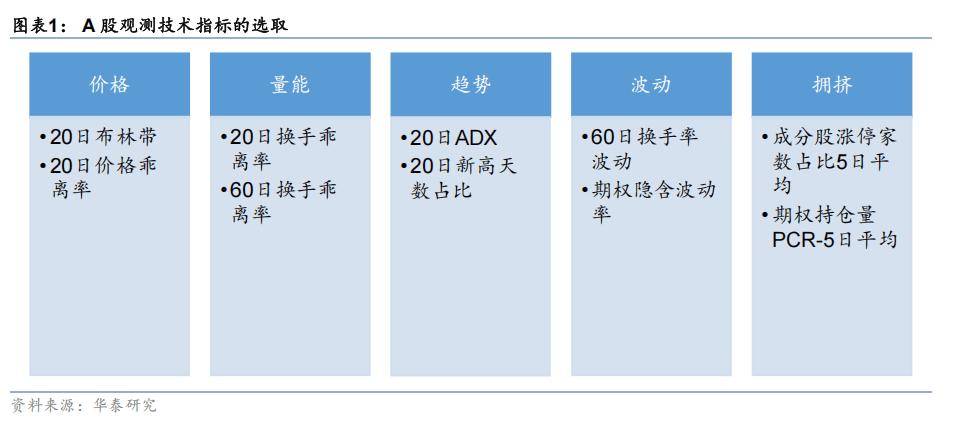
Core Viewpoint - The expectation for the spring market may further strengthen, with A-share indices showing signs of recovery and entering a bullish phase [2][3] Technical Analysis - The A-share technical scoring model indicates that most broad indices have seen a slight rebound in technical scores, with the Shanghai Composite Index surpassing the bullish threshold [3][10] - The model's performance for 2025 shows a timing return of 12.54%, while the overall return for the Wind All A index is 27.65%, resulting in an underperformance of -15.11% [10] Market Strategy - The macro strategy for January is focused on an optimistic growth outlook, with an increased allocation to equities [2][6] - Recommended investment themes include: - Growth style, particularly in the electric equipment and new energy sectors - Domestic demand improvement themes, focusing on consumer services, real estate, home appliances, and beverages [2][5] Style Timing Model - The style timing model has shifted from neutral to bearish on dividend style since December 22, 2025, favoring growth style instead [4][14] - The model indicates a preference for small-cap stocks, operating in a low crowding zone, which suggests a bullish outlook for small-cap stocks [20][23] Industry Rotation Model - The industry rotation model, which utilizes genetic programming techniques, has identified consumer services, electric equipment and new energy, real estate, home appliances, and beverages as favorable sectors [5][24] - The model achieved an absolute return of 40.34% in 2025, outperforming the industry equal-weight benchmark by 15.88 percentage points [24] All-Weather Strategy - The all-weather enhanced portfolio strategy for 2025 has yielded an absolute return of 13.86%, with a Sharpe ratio of 2.22 and a maximum drawdown of 2.67% [6][34] - The strategy has significantly over-allocated to the "growth exceeding expectations" quadrant and slightly to the "inflation below expectations" quadrant [34][35]
消费市场跟着跨年一起“嗨”
Xin Hua Ri Bao· 2026-01-05 23:23
Group 1 - Nanjing's retail and service sectors saw significant growth during the New Year holiday, with monitored enterprises achieving a total sales revenue of 1.67 billion yuan over three days, marking a year-on-year increase of 9.5% on New Year's Day [1] - The overall transaction volume in retail, catering, and accommodation sectors increased by 30%, 36.5%, and 214% respectively, as reported by UnionPay Business [1] - The city organized over 60 offline promotional activities and integrated online and offline marketing strategies to stimulate consumer spending, resulting in a 14.6% year-on-year sales growth and a 30.2% increase in foot traffic for monitored shopping malls and complexes on December 31, 2025 [1] Group 2 - The promotion of large consumer goods such as home appliances and automobiles significantly boosted sales, with over 40,000 units sold by participating retailers in the first two days of the holiday [2] - Nanjing launched a vehicle trade-in subsidy program during the New Year holiday, aimed at invigorating automobile consumption [2] - The integration of cultural and tourism activities with commercial events contributed to a vibrant consumer market, with themed markets and exhibitions attracting large crowds and enhancing related spending [2]

超8亿股东借款逾期 部分或无法全额收回
Nan Fang Du Shi Bao· 2026-01-05 23:13
在康佳发布的公告中,一份来自监管层的问责文件尤为引人关注。 12月26日,康佳收到中国证券监督管理委员会深圳监管局(以下简称"深圳证监局")出具的行政监管措 施决定书,以及深圳证券交易所下发的监管函。监管层的追责矛头,指向了公司2018年的一笔股权交 易。 经深圳证监局查明,2018年5月18日,康佳将持股51%的子公司安徽开开视界电子商务有限公司5%的股 权,转让给了广东南方爱视娱乐科技有限公司。然而,监管部门认定,该股权转让事项在当时并不满足 投资收益确认条件,这导致了康佳2018年半年报的信息披露出现不准确。 深圳证监局指出,上述情形不符合《企业会计准则第33号——合并财务报告(2014年修订)》第八条以 及《上市公司信息披露管理办法》的相关规定。 基于此,监管层启动了问责机制。决定书显示,对上述违规问题负有主要责任的时任董事长刘凤喜、时 任总经理周彬、时任财务总监李春雷,以及康佳集团股份有限公司本身,均被采取出具警示函的监管措 施。 2025年的最后一周,对于深康佳A(000016.SZ,以下简称"康佳")而言,显得颇为沉重。 12月23日至27日,康佳接连披露多份公告,公司当前面临"内忧外患"。一方 ...

21社论丨优化实施“两新”政策 撬动更多市场需求
2 1 Shi Ji Jing Ji Bao Dao· 2026-01-05 23:13
Group 1 - The core viewpoint of the news is that the new policies for 2026 aim to stimulate consumption and investment through equipment updates and trade-in programs, with a focus on both short-term economic growth and long-term structural optimization [1][3]. - The sales of trade-in related products are projected to exceed 2.6 trillion yuan by 2025, benefiting over 360 million people [1]. - The new policies will support a wide range of sectors, including traditional industries and new areas such as elderly care and public safety, indicating a shift towards improving public welfare and consumer experiences [2][3]. Group 2 - The 2026 policy for equipment updates has expanded its scope to include not only traditional sectors but also consumer infrastructure like elevators in old residential areas and fire rescue facilities, reflecting a balanced focus on production and daily life [2][3]. - Specific adjustments in the subsidy mechanisms aim to enhance precision and effectiveness, such as prioritizing the replacement of old trucks with new energy vehicles and adjusting subsidies for residential elevators based on building height [2][4]. - The new trade-in policy will concentrate on key consumer goods like automobiles and core home appliances, streamlining support to maximize market impact and consumer engagement [3][4]. Group 3 - The implementation mechanisms of the new policies emphasize efficiency, with changes in subsidy structures for automobiles linking them to sales prices rather than fixed amounts, which is expected to optimize fiscal spending [4]. - The support for home appliances has been narrowed from 12 categories to 6 core products, focusing on high-penetration items that drive consumer behavior [4]. - Emerging consumer sectors such as smart glasses and age-friendly home products are included in the support scope, indicating a proactive approach to align with future consumption trends [4]. Group 4 - The shift in China's consumption structure from goods to services is highlighted, with service consumption becoming a key area for boosting domestic demand, particularly in sectors like tourism, sports, health, and elder care [5]. - Future efforts will focus on institutional innovation and quality enhancement to unlock the potential of service consumption and further optimize the economic structure [5].
21社论丨优化实施“两新”政策,撬动更多市场需求
Xin Lang Cai Jing· 2026-01-05 22:50
Core Insights - The Ministry of Commerce reports that by 2025, the sales volume of products related to the trade-in program will exceed 2.6 trillion yuan, benefiting over 360 million people [1] - The new "national subsidy" policy set to launch during the 2026 New Year holiday is expected to stimulate the consumer market, particularly in smart electronic products, with sales of smart health devices and wearable technology projected to grow by over 20% and 15%, respectively [1] - The National Development and Reform Commission and the Ministry of Finance have issued a notice outlining the scope and subsidy standards for the 2026 large-scale equipment update and trade-in policy, emphasizing the importance of domestic demand in economic growth [1] Equipment Update Policy - The 2026 policy expands and optimizes support for traditional industries while including upgrades for public safety and consumer infrastructure, such as elevators in old residential areas and fire rescue facilities [2] - The policy shifts focus from solely enhancing manufacturing to balancing production and living standards, addressing public safety and improving consumer experiences [2] - Specific adjustments in the subsidy mechanism aim to enhance precision and effectiveness, such as prioritizing the replacement of old operational trucks with new energy electric vehicles [2] Consumer Goods Trade-in Policy - The 2026 policy optimizes the scope and standards for trade-in programs, concentrating on high-impact categories like automobiles and core household appliances [3] - By focusing fiscal resources on key consumer goods, the policy aims to stimulate larger market demand for upgrades and consumption [3] - The subsidy mechanism for automobiles has shifted from fixed amounts to a proportional subsidy linked to the sales price of new vehicles, enhancing the efficiency of fiscal spending [4] Emerging Consumer Trends - The policy introduces support for new consumer areas such as smart glasses and age-friendly home products, reflecting a forward-looking approach to consumer trends [4] - The shift in consumption structure from goods to services is highlighted, with an emphasis on boosting support in sectors like culture, sports, health, and elderly care [5] - Future efforts will focus on institutional innovation and quality enhancement to unlock the potential of service consumption and further optimize the economic structure [5]
吃穿住行用 处处“绿意”浓
Xin Lang Cai Jing· 2026-01-05 22:50
Core Viewpoint - The Chinese government is promoting green consumption through a series of initiatives aimed at fostering sustainable production and lifestyle choices across various sectors, including food, housing, transportation, and recycling [1]. Group 1: Food Sector - The initiative emphasizes increasing the supply of green agricultural products and encourages businesses to procure high-quality items such as organic and geographical indication products [3]. - It aims to reduce food waste by promoting practices like "small portion meals" and the use of biodegradable packaging in the food service industry [3]. Group 2: Housing Sector - The promotion of green living includes encouraging the purchase of certified green appliances and eco-friendly building materials [5]. - The initiative also supports the development of green hotels that utilize non-toxic cleaning agents and provide refillable toiletries instead of single-use plastics [5][6]. Group 3: Transportation Sector - The initiative highlights the growth of the automotive industry, particularly the rise of new energy vehicles, which now account for nearly 60% of the market since the implementation of vehicle replacement policies [7]. - It encourages the exploration of the "aftermarket" potential in areas like used cars, rentals, and shared mobility services, while advocating for the integration of technology to enhance resource efficiency [7]. Group 4: Recycling and Second-hand Market - The initiative promotes a circular economy by encouraging retailers to offer reusable shopping bags and supporting the establishment of a three-tier recycling system [8]. - It also advocates for the development of second-hand markets and the establishment of stores that focus on the resale of used goods, aiming to maximize the value of idle items [8].
优化实施“两新”政策,撬动更多市场需求
2 1 Shi Ji Jing Ji Bao Dao· 2026-01-05 22:42
Core Insights - The Ministry of Commerce reports that by 2025, the sales volume of products related to the trade-in program will exceed 2.6 trillion yuan, benefiting over 360 million people [1] - The new "national subsidy" policy, effective from the New Year holiday in 2026, aims to stimulate the consumption market, particularly in smart electronic products, with sales of smart health devices and wearable devices expected to grow by over 20% and 15% respectively [1] Group 1: Equipment Update Policy - The 2026 policy expands and optimizes support for equipment updates, including traditional industries and new areas such as installing elevators in old residential communities and enhancing public safety infrastructure [2] - The policy shifts focus from solely improving manufacturing levels to balancing production and living standards, addressing public safety and consumer experience [2] - Specific adjustments in subsidy mechanisms aim to enhance precision and effectiveness, such as prioritizing the replacement of old operational trucks with new energy electric trucks [2][3] Group 2: Consumer Goods Trade-in Policy - The 2026 policy for consumer goods trade-in has undergone structural optimization, focusing on high-impact categories like automobiles and core home appliances [3][4] - The subsidy mechanism for automobiles has shifted from fixed amounts to a proportional subsidy linked to the new car sales price, aiming for more efficient use of fiscal resources [4] - New emerging consumer fields, such as smart glasses and age-friendly home products, have been included in the support scope, indicating a forward-looking approach to policy adjustments [4] Group 3: Service Consumption Shift - The consumption structure in China is transitioning from goods-led to service-led consumption, with service consumption becoming a key focus for boosting domestic demand [5] - The policy is expected to increase support in areas such as culture, tourism, sports, health, elderly care, and housekeeping services [5] - Further institutional innovation and quality enhancement are needed to unlock the potential of service consumption and promote economic structure optimization [5]