
钢铁

Search documents
印尼某主流钢厂今早开盘,报价上调30美元/吨
Jin Rong Jie· 2026-01-26 05:37
据SMM了解,继上周五封盘后,印尼某主流不锈钢厂于今早(1月26日)恢复报价,并直接上调30美 元/吨。这是该厂在周一开市后做出的最新价格调整。 ...
国贸期货黑色金属周报-20260126
Guo Mao Qi Huo· 2026-01-26 05:28
1. Report's Industry Investment Rating - Not provided in the given content 2. Report's Core View - The black metal market is in a state of narrow - range operation, with each sub - sector showing different trends. The steel market continues to be volatile, with limited upside and downside drivers; the coking coal and coke market is in an oscillating and weak state, and the iron ore market is in a short - term oscillating and strong pattern but faces long - term pressure from inventory [5][66][116] 3. Summary by Relevant Catalogs 3.1 Steel - **Supply**: Iron and steel production shows a slight increase, with iron water production fluctuating within a narrow range and scrap steel daily consumption increasing slightly. It is expected that after January, iron water production will rise, and the electric furnace will gradually reduce production during the Spring Festival, balancing the total output of crude steel [5] - **Demand**: Building materials demand shows obvious seasonality, and the demand for plates is weak in both supply and demand. The spot market lacks fluidity, and the overall demand support for the market is limited [5] - **Inventory**: The social inventory of five major steel products has shifted from destocking to seasonal inventory accumulation, with slow inventory reduction for plates and high - inventory pressure for hot - rolled coils [5] - **Basis/Spread**: The basis of hot - rolled coils remains unchanged, and the basis of rebar decreases slightly [5] - **Profit**: The profitability of steel mills is at a relatively low - to - medium level, and the actual production profit is slightly higher than the statistical profit [5] - **Valuation**: The basis of hot - rolled coils is weaker than that of rebar, making it more suitable for rolling cash - and - carry arbitrage. The relative valuation is neutral [5] - **Macro and Risk Preference**: Commodity fluctuations increase, and there are structural opportunities. Attention should be paid to capital flow and rotation [5] - **Investment View**: Adopt a wait - and - see approach. The black market is in a state of range - bound operation. It is advisable to use an oscillating mindset for single - side trading, and continue rolling cash - and - carry arbitrage for hot - rolled coils [5] - **Trading Strategy**: For single - side trading, consider range or short - term long strategies; for arbitrage, focus on widening the spread between hot - rolled coils and rebar; for cash - and - carry, continue rolling cash - and - carry arbitrage for hot - rolled coils [6] 3.2 Coking Coal and Coke - **Demand**: The steel market enters the off - season, with overall weak industrial data. The demand for coking coal and coke weakens seasonally, and inventory accumulates. However, there is no excessive spot selling pressure, and the market mainly trades at a reasonable valuation [66] - **Coking Coal Supply**: Domestic coal mine production continues to increase but will peak before the Spring Festival. Mongolian coal customs clearance remains at a high level, but market transactions are weak. The price of Australian coal continues to rise, and there is a continuous internal - external price inversion [66] - **Coke Supply**: Coke production remains stable, and the first round of price increases is temporarily postponed, with stable coking profits [66] - **Inventory**: Downstream inventory replenishment slows down, and the market sentiment weakens after the first - round price increase of coke is postponed [66] - **Basis/Spread**: The first - round price increase of coke is temporarily postponed, and the cost of the first - round price increase for the 05 - contract wet - quenched/dry - quenched coke is 1729/1756. The cost of Mongolian coal warehouse receipts drops to around 1120 [66] - **Profit**: The profitability of steel mills increases slightly, while coking profits remain at a loss [66] - **Summary**: The coking coal and coke market is oscillating and weak. The first - round price increase of coke still has a chance to be implemented, but the upward driving force is insufficient. It is recommended to cash out spot stocks at high prices before the festival and wait for short - selling opportunities in the futures market after the price rises [66] - **Trading Strategy**: For single - side trading, cash out spot stocks at appropriate times and wait for short - selling opportunities in the futures market after the price rises; for arbitrage, adopt a wait - and - see approach [66] 3.3 Iron Ore - **Supply**: The shipping volume rebounds, and the arrival volume in China also shows a mixed trend. Australian and non - mainstream ore arrivals increase, while Brazilian ore arrivals decrease [116] - **Demand**: Steel mill iron water production is basically stable, and it is expected to increase significantly in February. The daily port dredging volume decreases, and port inventory continues to be higher than the same period last year [116] - **Inventory**: The port inventory increases again, reaching a new high for the year, which is a long - term pressure factor for the iron ore market [116] - **Profit**: Steel mill profits are at a low level [116] - **Valuation**: The short - term valuation is relatively high [116] - **Summary**: In the short term, the iron ore market is in an oscillating and strong pattern due to factors such as inventory replenishment before the Spring Festival and expected production resumption in February. However, in the long term, port inventory pressure will be the main factor restricting the price [116] - **Investment View**: Neutral [116] - **Trading Strategy**: For single - side trading, consider short - term long positions and short positions at pressure levels for long - term trading; for arbitrage, adopt a wait - and - see approach [116]
国投期货综合晨报-20260126
Guo Tou Qi Huo· 2026-01-26 05:27
Report Industry Investment Ratings No relevant content provided. Core Views of the Report - Geopolitical conflicts and supply disruptions are major factors affecting the prices of commodities such as crude oil, precious metals, and base metals [2][3]. - The supply - demand relationship and seasonal factors have significant impacts on various commodities, including metals, energy, and agricultural products [15][16][35]. - Macroeconomic factors, such as interest rate policies and geopolitical events, influence the performance of financial markets, including stocks and bonds [47][48]. Summary by Categories Energy - **Crude Oil**: US sanctions on Iran and the fire at Tengiz oilfield have raised concerns about supply disruptions, leading to a recent rebound in oil prices. However, the high inventory pressure in Q1 2026 restricts the upward space of oil prices [2]. - **Fuel Oil & Low - Sulfur Fuel Oil**: Low - sulfur fuel oil is回调 due to the fading of cold wave speculation and EIA's unexpected inventory build - up. High - sulfur fuel oil remains strong due to geopolitical tensions in the Middle East [22]. - **Natural Gas**: The cold wave in the US has caused a sharp rise in natural gas prices, which also boosts the demand for crude oil as heating oil [2]. - **Coal (Coking Coal and Coke)**: The supply of carbon elements is abundant, and the downstream iron - making is in the off - season. The prices of coking coal and coke are likely to fluctuate within a range, with the market having certain expectations for "anti - involution" policies [17][18]. - **Liquefied Natural Gas**: No relevant content provided. - **Petroleum Products (e.g., Asphalt)**: The cost of asphalt is still supported, but the terminal demand is weak, and high - priced resources have poor sales. In the short term, asphalt is expected to fluctuate strongly [23]. Metals - **Precious Metals (Gold and Silver)**: Geopolitical risks have pushed up the prices of gold and silver. After breaking through key integer levels, there may be fluctuations due to profit - taking, and it is advisable to wait for a stable period before participating [3]. - **Base Metals**: - **Copper**: The price of Shanghai copper has been boosted by the trading sentiment of precious metals and the weak US dollar. Attention should be paid to the impact of strikes in small Chilean copper mines and road blockades on large - scale copper mines [4]. - **Aluminum**: Shanghai aluminum rebounded on Friday. Geopolitical games have made the financial market sentiment volatile, and the price of Shanghai aluminum is in a high - level shock. Attention should be paid to the direction change of gold and silver after breaking through integer levels [5]. - **Zinc**: The road blockage at NEXA's Atacocha mine has little impact on zinc prices. The weakening of the US dollar index supports the strong operation of non - ferrous metals. High zinc prices have a negative impact on the consumption side, and the price of Shanghai zinc is expected to fluctuate within the range of 24,000 - 25,000 yuan/ton [8]. - **Lead**: The resumption of production of primary lead smelters has increased, and the profit of secondary lead smelters is under pressure. The price of Shanghai lead is expected to fluctuate within the range of 17,000 - 17,800 yuan/ton [9]. - **Nickel and Stainless Steel**: Shanghai nickel has risen sharply, and the market trading is active. The high - price resistance of downstream stainless steel consumption is increasing, and the negative feedback risk is accumulating. In the short term, it is still dominated by policy sentiment [10]. - **Tin**: The price of tin has been rising, driven by investment funds. The LME spot discount has widened, and the domestic social inventory has increased [11]. - **Alumina**: The domestic alumina production capacity is in a state of significant surplus, and the price is under pressure. Before large - scale production cuts, the weakness is difficult to change, and the upward space of the futures price is limited [7]. - **Silicon (Industrial Silicon)**: The supply - demand pattern of industrial silicon has an improvement expectation, but it is restricted by the weak supply - demand situation, and the inventory removal process is restricted. In the short term, the futures price is running strongly, and attention should be paid to the breakthrough of the 9,000 yuan/ton mark [14]. - **Manganese (Silicon Manganese)**: The manganese ore port inventory has a structural problem. The iron - making production has decreased seasonally. The weekly output of silicon manganese has decreased slightly, and the inventory has also decreased slightly. It is recommended to short on rebounds [19]. - **Ferrosilicon**: Affected by relevant policy documents, the price is relatively strong. The demand has certain resilience, the supply has decreased significantly, and the inventory has decreased slightly. It is recommended to short on rebounds [20]. Chemicals - **Carbonate Lithium**: The price of carbonate lithium has reached a new high, but the downstream acceptance of high prices is weak, and the market is in a high - level shock. Short - term uncertainty is extremely high [12]. - **Polysilicon**: The spot trading of polysilicon is weak, and the market expects the price to weaken. The futures price still faces pressure to rise [13]. - **Methanol**: Geopolitical situations have increased the volatility of methanol futures. Although there is a strong expectation of a significant reduction in imports in the first quarter and the macro - environment is favorable, the high port inventory may suppress the market [25]. - **Pure Benzene**: The upward momentum of pure benzene has weakened, but the short - term market is in a strong shock due to improved supply - demand and macro - sentiment [26]. - **Styrene**: The price of styrene has risen rapidly, but the downstream's fear of high prices may restrict its upward space, and the supply - demand game may intensify [27]. - **Polypropylene, Plastic, and Propylene**: The supply of propylene has no obvious pressure, and the demand of polyethylene and polypropylene is weak. The supply of polypropylene has some support, but the overall demand is weak [28]. - **PVC and Caustic Soda**: PVC is running strongly, and there is still inventory pressure. Caustic soda is in a shock trend, and the chlor - alkali integrated profit may continue to be compressed [29]. - **PX and PTA**: In the short term, the chemical sentiment has improved, and PX and PTA have increased in price. In the second quarter, there are opportunities for long - positions based on PX maintenance and polyester load - increasing expectations [30]. - **Ethylene Glycol**: The supply and demand of ethylene glycol are both decreasing, and there is an expectation of inventory build - up around the Spring Festival. In the second quarter, there is an expectation of supply - demand improvement, but the long - term pressure still exists [31]. - **Short - Fiber and Bottle Chip**: The short - fiber price has risen with the raw materials, and the bottle - chip price has risen with the market sentiment. However, the long - term capacity pressure still exists [32]. Agricultural Products - **Soybeans and Soybean Meal**: The South American soybean harvest is affected by weather, and the progress is slow. The import of Canadian rapeseed and rapeseed meal may impact the domestic soybean meal price [35]. - **Edible Oils (Soybean Oil and Palm Oil)**: The prices of domestic soybean oil and palm oil are strong. The US biomass diesel policy is favorable, and the supply - demand structure of Malaysian palm oil has improved marginally [36]. - **Rapeseed and Rapeseed Oil**: The supply of Canadian rapeseed is abundant, but the export is sluggish. The supply of rapeseed oil may be slightly more tense than that of rapeseed meal. The overall trend of the rapeseed sector is expected to be in a bottom - level shock [37]. - **Soybean No. 1**: The price of domestic soybean futures has rebounded from a low level. Attention should be paid to policy and spot guidance [38]. - **Corn**: The price of corn is relatively strong due to the reduction of available grain sources and pre - holiday inventory replenishment demand. It is expected to fluctuate in the short term [39]. - **Livestock (Pigs)**: The spot price of pigs has strengthened recently. Before the Spring Festival, the supply and demand are both strong, but after the Spring Festival, the price is expected to be weak. The industry still needs to reduce production capacity [40]. - **Poultry (Eggs)**: The price of eggs is strong due to pre - holiday stocking and a decrease in supply. In the long - term, the fundamentals are improving, and the strategy is to go long at low prices [41]. - **Cotton**: The US cotton price has fallen back, and the Zhengzhou cotton price is in a high - level shock. The demand is stable, and the impact of the reduction in Xinjiang's planting area is uncertain [42]. - **Sugar**: The international sugar production situation varies, and the domestic sugar price is under pressure in the short term. Attention should be paid to the production progress [43]. - **Apples**: The futures price of apples is in a shock. The market focus has shifted to demand, and the high - price and low - quality situation may affect the inventory removal speed [44]. - **Timber**: The futures price of timber is at a low level. The low inventory provides some support, and it is advisable to wait and see [45]. - **Pulp**: The pulp futures price is in a shock. The downstream demand is weak, and the port inventory has increased. Attention should be paid to the price increase of downstream base paper [46]. Financial Products - **Stock Index**: The A - share market is generally strong, and the index may change from a rapid upward trend to a shock - strong trend. Attention should be paid to the Fed's interest - rate meeting and geopolitical issues [47]. - **Treasury Bonds**: The bond market has been strong recently. In the short term, the medium - and long - term yields are likely to fluctuate, and the short - term yields are more certain to rise. Attention should be paid to the curve - steepening and flattening opportunities [48]. Shipping - **Container Shipping Index (European Line)**: The market is in a shock pattern. The "weak reality" suppresses the futures price, and the suspension of CMA CGM's service provides short - term upward momentum. The market is expected to be in a shock - weak trend in the future [21].
南方基金:持续大涨!黄金突破4990美元!
Sou Hu Cai Jing· 2026-01-26 05:21
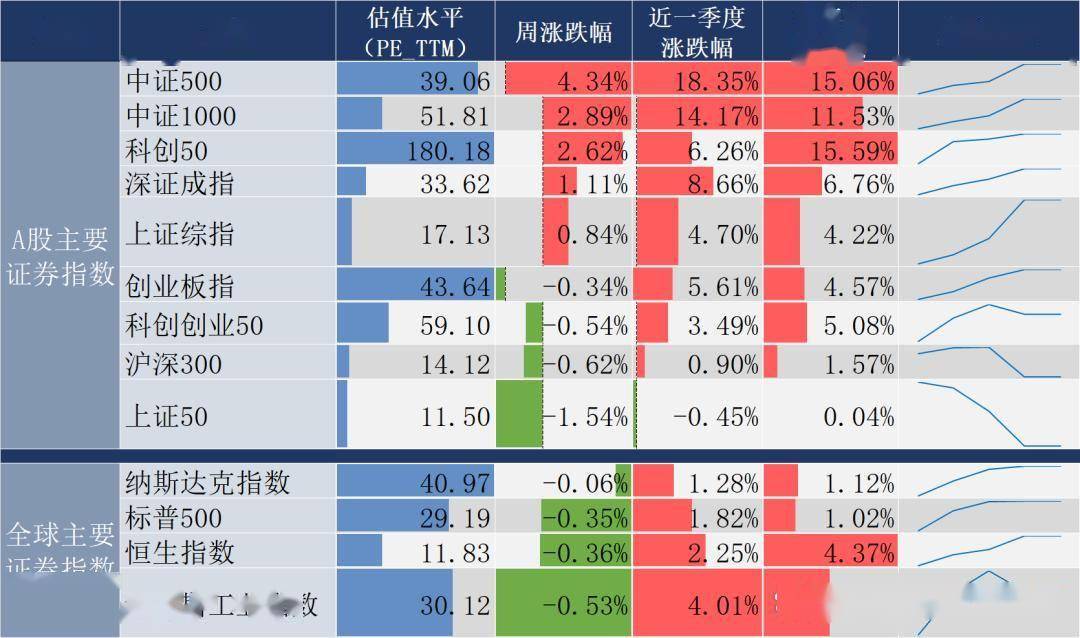
上周市场整体走高,但各大指数表现分化。其中中证500、科创50等指数涨幅领跑,沪深300、上证50却小幅走低。 中信行业板块方面:建材、石油石化、钢铁指数涨幅居前;银行、通信、食品饮料指数跌幅居前。 | | | 估值水平 (PE TTM) | 周涨跌幅 | 近一李度 涨跌幅 | | | --- | --- | --- | --- | --- | --- | | A股主要 | 中证500 | 39. 06 | 4. 34% | 18. 35% | 15.06% | | | 中证1000 | 51.81 | 2. 89% | 14.17% | 11. 53% | | | 科创50 | 180. 18 | 2. 62% | 6. 26% | 15. 59% | | | 深证成指 | 33. 62 | 1. 11% | 8. 66% | 6. 76% | | | 上证综指 | 17.13 | 0. 84% | 4. 70% | 4.22% | | 证券指数 | 创业板指 | 43. 64 | -0. 34% | 5.61% | 4. 57% | | | 科创创业50 | 59. 10 | 0. 54% | 3. 49 ...

金融期货早评-20260126
Nan Hua Qi Huo· 2026-01-26 05:10
Report Summary 1. Report Industry Investment Ratings No investment ratings were provided in the report. 2. Core Views - **Global Fixed - Income Market**: A new logic has emerged where bonds have shifted from traditional safe - havens to risk sources. Fiscal sustainability has become the core anchor for bond pricing, and the new logic is driven by the combination of fiscal, monetary, and inflationary pressures. It is also globally contagious, affecting both developed and emerging markets. The fiscal health of economies and policy games are key considerations for fixed - income investment [2]. - **Renminbi Exchange Rate**: The RMB has a solid foundation for appreciation, supported by domestic export and settlement data. However, the appreciation process will be regulated by the central bank and may be affected by the strength of the US dollar index. Short - term export enterprises are advised to lock in forward settlements, and import enterprises can adopt a rolling foreign exchange purchase strategy [6][7]. - **Equity Index**: The medium - to long - term upward trend of the equity index is supported by policy and liquidity, but the small - and medium - cap indices may experience short - term technical adjustments due to overheating [7]. - **Container Shipping to Europe**: The market is in a game between the weak current reality and the uncertain future. There are both positive factors such as the delay of full - scale resumption of navigation and local improvements in macro data, and negative factors like the sharp decline in spot freight rates and trade protectionism. The future price trend depends on the realization of resumption of navigation [11]. - **Commodities** - **Carbonate Lithium**: Before the Spring Festival, it is recommended to reduce positions. Attention should be paid to the opportunity of selling volatility [16]. - **Industrial Silicon and Polysilicon**: In the short term, the price of industrial silicon is likely to rise, but the upward elasticity is restricted by the polysilicon inventory. Long - term investors can consider a long - position strategy at low prices [18][19]. - **Copper**: The price is in a narrow - range shock. It is not recommended to build new positions above 100,000 yuan, and long - positions built in the range of 90,000 - 95,000 yuan can be held [24]. - **Aluminum and Its Products**: Aluminum prices are expected to be volatile and slightly stronger in the short term and bullish in the long term; alumina is expected to be weak; cast aluminum alloy is expected to be slightly stronger [25][26][27]. - **Zinc**: The price may be volatile and slightly stronger, but it is also affected by macro and geopolitical factors [27]. - **Nickel - Stainless Steel**: The supply side is facing disturbances, and the market is in a state of long - short competition. Attention should be paid to supply - side news and inventory changes [29]. - **Tin**: The price may be in a high - level wide - range shock due to geopolitical factors [31]. - **Lead**: The price is expected to be in a narrow - range shock, and selling options to collect premiums is recommended [32]. - **Oilseeds and Oils**: External soybean futures are weakly oscillating, and domestic soybean meal is expected to stop falling in the short term. Rapeseed meal may return to international pricing. Oils are expected to remain strong, with palm oil being the strongest [33][35][36]. - **Fuel Oil**: The high - sulfur fuel oil market has a poor fundamental situation, but the Iranian issue provides support at the bottom [39]. - **Asphalt**: The short - term price is expected to be in a shock state. The 02 and 03 contracts' premium opportunities may be stable trading opportunities [41]. - **Platinum and Palladium**: In the medium - to long - term, the bull market foundation remains. The price is expected to be in a high - level wide - range shock, and attention should be paid to position control [47][48]. - **Gold and Silver**: The prices have reached new highs, driven by geopolitical risks, policy uncertainties, and the weakening of the US dollar. They are in an upward - prone state, and short - term corrections can be considered as opportunities to build long - positions [48][49]. - **Paper Pulp and Offset Paper**: It is recommended to wait and see for both paper pulp and offset paper futures [53]. - **LPG**: The short - term price is supported by external cold snaps and geopolitical factors, but the demand side is weakening [54]. - **PTA - PX**: The prices are strongly rising due to concentrated long - positions. However, the high - valuation situation is not suitable for chasing long - positions. It is recommended to wait for corrections to build long - positions [58]. - **MEG - Bottle Chips**: The price of ethylene glycol has bottomed out and is expected to fluctuate widely with the macro - environment. It is not suitable to be used as a short - position target in the short term [60]. - **Methanol**: The price has rebounded, mainly due to geopolitical risks and the improvement of the energy - chemical sector's sentiment. It is recommended to wait and see for single - side trading and consider 3 - 5 reverse spreads and expanding MTO profits [62]. - **PP and PE**: Both are affected by market sentiment and sector rotation. Their fundamentals are weak, and it is recommended to wait and see [64][67]. - **Pure Benzene - Styrene**: Both are running strongly. It is recommended to wait and see and look for opportunities to buy on dips for styrene [68]. - **Urea**: It is recommended to hold long - positions for the 05 contract, but the price may correct in the short term [70]. - **Glass and Soda Ash**: The price elasticity of soda ash is limited, and glass is in a state of weak supply and demand, with no obvious trend [72][73]. - **Propylene**: The price is affected by cost and supply - demand factors. Attention should be paid to geopolitical and device - related changes [75]. - **Black Commodities** - **Rebar and Hot - Rolled Coil**: The prices are in a range - bound shock, with the rebar 2605 contract in the range of 3050 - 3200 yuan and the hot - rolled coil 2605 contract in the range of 3200 - 3350 yuan [76][77]. - **Iron Ore**: The price has limited downward space. Although the supply is abundant, the demand has certain resilience, and the steel mill's restocking demand is strong [78][80]. - **Coking Coal and Coke**: The demand for coking coal and coke may be insufficient in the short term. The coking coal spot price may face downward pressure, and attention should be paid to post - holiday mine resumption and macro - sentiment changes [83]. - **Silicon Ferrosilicon and Manganese Silicon**: They are in a range - bound shock, with silicon ferrosilicon in the range of 5400 - 5900 yuan and silicon manganese in the range of 5700 - 6100 yuan [84][85]. - **Agricultural and Soft Commodities** - **Live Pigs**: The main 03 contract may rise in an oscillating manner [88]. - **Cotton**: The domestic cotton price has an upward drive in the medium - to long - term, but the short - term upward space is restricted by the internal - external price difference. It is recommended to build long - positions on dips [90][91]. - **Sugar**: The domestic sugar price has limited probability of further increase due to the decline of raw sugar and weak demand [93]. - **Eggs**: The main contract may weaken in an oscillating manner [95]. - **Apples**: The futures price may continue to rise if the demand continues to improve and inventory is removed more than expected [96]. - **Red Dates**: The short - term price may be in a low - level shock, and the long - term price is under pressure due to sufficient supply [97]. - **Logs**: The price is in a range of 750 - 795, and a double - selling strategy of put at 750 and call at 800 can be considered [101]. 3. Section - by - Section Summaries Macroeconomic and Financial Futures - **Macro**: The probability of Rick Rieder of BlackRock being elected as the Fed Chairman has soared. His policy stance may lead to a further cut in policy rates. Japan's Prime Minister will take measures against abnormal market fluctuations, and the US is affected by a winter storm [1]. - **Renminbi Exchange Rate**: The on - shore RMB against the US dollar closed higher in the previous trading day. The RMB is supported by domestic data for appreciation, but the process will be regulated by the central bank [3][6]. - **Equity Index**: The previous trading day's index showed a differentiated trend, with large - cap indices weak and small - and medium - cap indices rising. The market may have short - term corrections due to overheating [7]. - **Treasury Bonds**: The bond market rebounded last week, but the short - term may continue to oscillate. Medium - term long - positions can be held, and short - term investors can wait and see [8][9]. Container Shipping to Europe - **Market Review**: The futures contracts showed a differentiated trend, with the near - term contracts relatively stable and the far - term contracts showing different trends. The主力合约 EC2604 slightly declined, and the次主力合约 EC2606 rose [10]. - **Information Summary**: There are positive factors such as the delay of full - scale resumption of navigation and local improvements in macro data, and negative factors like the sharp decline in spot freight rates, the weakening of freight rate indices, and trade protectionism [11]. - **Trading Judgment**: The 02 and 04 contracts' prices decreased year - on - year. If the resumption of navigation cannot be realized, the 06 contract may have some upward space [12][13]. Commodities - **New Energy** - **Carbonate Lithium**: The price rose last week, and the market is active. It is recommended to reduce positions before the Spring Festival and pay attention to selling volatility [15][16]. - **Industrial Silicon and Polysilicon**: The prices of both showed certain changes last week. In the short term, the price of industrial silicon is likely to rise, but the polysilicon inventory restricts its upward elasticity [17][19]. - **Non - Ferrous Metals** - **Copper**: The price was in a narrow - range shock last week. The LC spread narrowed, and LME copper warehouse receipts in US warehouses flowed in. It is not recommended to build new positions above 100,000 yuan [21][24]. - **Aluminum and Its Products**: The prices of aluminum, alumina, and cast aluminum alloy showed different trends. Aluminum is expected to be slightly stronger in the short term and bullish in the long term; alumina is expected to be weak; cast aluminum alloy is expected to be slightly stronger [25][26][27]. - **Zinc**: The price was oscillating strongly. The supply is expected to be relatively loose, and the demand is weak. It may oscillate strongly following the sector [27]. - **Nickel - Stainless Steel**: The prices of nickel and stainless steel showed different trends. The supply side is facing disturbances, and the market is in a state of long - short competition [28][29]. - **Tin**: The price was oscillating strongly and reached a new high at night. It is affected by geopolitical factors [30][31]. - **Lead**: The price was oscillating weakly. The supply and demand are both weak, and it is recommended to sell options to collect premiums [32]. - **Oilseeds and Oils** - **Oilseeds**: External soybean futures are weakly oscillating, and domestic soybean meal is expected to stop falling in the short term. Rapeseed meal may return to international pricing [33][35]. - **Oils**: Oils are expected to remain strong, with palm oil being the strongest. The market is affected by geopolitical factors and bio - fuel policies [36][37]. - **Energy and Oil and Gas** - **Fuel Oil**: The high - sulfur fuel oil market has a poor fundamental situation, but the Iranian issue provides support at the bottom [39]. - **Asphalt**: The short - term price is expected to be in a shock state. The 02 and 03 contracts' premium opportunities may be stable trading opportunities [41]. - **Precious Metals** - **Platinum and Palladium**: The prices rose last week. In the medium - to long - term, the bull market foundation remains. The price is expected to be in a high - level wide - range shock [44][48]. - **Gold and Silver**: The prices reached new highs, driven by geopolitical risks, policy uncertainties, and the weakening of the US dollar. They are in an upward - prone state [48][49]. - **Chemicals** - **Paper Pulp and Offset Paper**: The paper pulp futures price is affected by the spot market and may have limited upward space. The offset paper futures price is affected by cost and supply - side factors. It is recommended to wait and see for both [51][53]. - **LPG**: The short - term price is supported by external cold snaps and geopolitical factors, but the demand side is weakening [54]. - **PTA - PX**: The prices are strongly rising due to concentrated long - positions. However, the high - valuation situation is not suitable for chasing long - positions. It is recommended to wait for corrections to build long - positions [55][58]. - **MEG - Bottle Chips**: The price of ethylene glycol has bottomed out and is expected to fluctuate widely with the macro - environment. It is not suitable to be used as a short - position target in the short term [59][60]. - **Methanol**: The price has rebounded, mainly due to geopolitical risks and the improvement of the energy - chemical sector's sentiment. It is recommended to wait and see for single - side trading and consider 3 - 5 reverse spreads and expanding MTO profits [61][62]. - **PP and PE**: Both are affected by market sentiment and sector rotation. Their fundamentals are weak, and it is recommended to wait and see [63][67]. - **Pure Benzene - Styrene**: Both are running strongly. It is recommended to wait and see and look for opportunities to buy on dips for styrene [68]. - **Urea**: The price of the 05 contract may continue to rise, but there may be short - term corrections. It is recommended to hold long - positions [69][70]. - **Glass and Soda Ash**: The soda ash market has an over - supply expectation, and the glass market is in a state of weak supply and demand. Both have limited price elasticity [71][73]. - **Propylene**: The price is affected by cost and supply - demand factors. Attention should be paid to geopolitical and device - related changes [74][75]. - **Black Commodities** - **Rebar and Hot - Rolled Coil**: The prices are in a range - bound shock. The supply is expected to increase slightly, and the demand will weaken seasonally [76][77]. - **Iron Ore**: The price has limited downward space. Although the supply is abundant, the demand has certain resilience, and the steel mill's restocking demand is strong [78][80]. - **Coking Coal and Coke**: The demand for coking coal and coke may be insufficient in the short term. The coking coal spot price may face downward pressure, and attention should be paid to post - holiday mine resumption and macro - sentiment changes [81][83]. - **Silicon Ferrosilicon and Manganese Silicon**: They are in a range - bound shock, with silicon ferrosilicon in the range of 5400 - 5900 yuan and silicon manganese in the range of 5700 - 6100 yuan [84][85]. - **Agricultural and Soft Commodities** - **Live Pigs**: The spot price has stabilized. The main 03 contract may rise in an oscillating manner [87][88]. - **Cotton**: The domestic cotton price has an upward drive in the medium - to long - term, but the short - term upward space is restricted by the internal - external price difference. It is recommended to build long - positions on dips [89][91]. - **Sugar**: The domestic sugar price has limited probability of further increase due to the decline of raw sugar and weak demand [92][93]. - **Eggs**: The main contract may weaken in an oscillating manner due to the weakening of pre - holiday demand [94][95]. - **Apples**: The futures price may continue to rise if the demand continues to improve and inventory is removed more than expected [95][96]. - **Red Dates**: The short - term price may be in a low - level shock, and the long - term price is under pressure due to sufficient supply [97]. - **Logs**: The price is in a range of 750 - 795, and a double - selling strategy of put at 750 and call at 800 can be considered [98][101].



零碳工厂:工业领域落实“双碳”目标的关键抓手
中国能源报· 2026-01-26 04:24
Core Viewpoint - The article discusses the issuance of the "Guiding Opinions on the Construction of Zero Carbon Factories" by five departments including the Ministry of Industry and Information Technology, marking a significant step in promoting zero carbon factory construction as a national strategic action aimed at achieving carbon neutrality in the industrial sector [1][3]. Summary by Sections Zero Carbon Factory Definition and Goals - A zero carbon factory prioritizes the use of green electricity and energy-saving modifications to reduce carbon emissions, aiming for net-zero emissions through carbon offsetting via green trading [1]. - The construction of zero carbon factories is set to be included in government work reports by 2025, indicating its elevation from industry exploration to a national strategy [1]. Key Tasks and Industry Focus - The "Guiding Opinions" outline three clear aspects: construction objects, goals, and pathways, focusing on key industries such as automotive, lithium batteries, photovoltaics, steel, non-ferrous metals, and petrochemicals, which together account for over 65% of the industrial added value and approximately 50% of total carbon emissions in China [3][4]. Development Goals and Phased Approach - The document sets clear, phased development goals, emphasizing the need to establish low-carbon competitive advantages in sensitive international trade sectors by 2027, particularly in automotive and electronics [4]. - By 2030, the focus will shift to consolidating low-carbon achievements in foundational materials and consumer goods, promoting collaborative carbon reduction across supply chains [4]. Construction Pathways and Mechanisms - The "Guiding Opinions" propose a comprehensive lifecycle approach to carbon reduction, including scientific carbon accounting, source reduction, process reduction, consumption carbon fixation, intelligent carbon control, and efficient carbon management [5]. - It emphasizes the need for differentiated deployment of tasks among various stakeholders, including local authorities, enterprises, industry associations, and research institutions, to create a multi-faceted governance structure for zero carbon factory construction [5]. Four Guiding Principles - The article outlines four guiding principles for zero carbon factory construction: 1. **Prudent Development**: Tailoring strategies to industry characteristics and ensuring steady carbon reduction without compromising economic growth [7]. 2. **Systematic Advancement**: Integrating energy optimization, resource recycling, and supply chain collaboration into a comprehensive carbon reduction strategy [8]. 3. **Soft and Hard Integration**: Combining physical measures with robust carbon management systems to enhance overall carbon management capabilities [9]. 4. **International Leadership**: Establishing standards and databases that reflect China's characteristics and actively participating in international standard-setting [9]. Recommendations for Stakeholders - Local authorities are advised to implement science-based policies that consider regional industrial characteristics and avoid sacrificing normal operations for short-term emission reductions [12]. - Enterprises should focus on enhancing their green competitiveness by aligning with ESG disclosure requirements and establishing effective carbon management systems [12]. - Research institutions are encouraged to innovate standards and frameworks that support zero carbon factory construction, ensuring alignment with international practices [13]. Conclusion - The "Guiding Opinions" serve as a clear action guide and institutional framework, marking a solid step towards zero carbon development in China's industry, with the potential to set a global benchmark for industrial green transformation [13].

2025年中国钢筋产量为18630.8万吨 累计下降4.3%
Chan Ye Xin Xi Wang· 2026-01-26 03:47
根据国家统计局数据显示:2025年12月中国钢筋产量为1356万吨,同比下降15.6%;2025年中国钢筋累 计产量为18630.8万吨,累计下降4.3%。 2020-2025年中国钢筋产量统计图 上市企业:三钢闽光(002110),抚顺特钢(600399),首钢股份(000959),南钢股份(600282),三峡新材(600293) 数据来源:国家统计局,智研咨询整理 相关报告:智研咨询发布的《2026-2032年中国环氧树脂涂层钢筋行业投资机会分析及市场前景趋势报 告》 知前沿,问智研。智研咨询是中国一流产业咨询机构,十数年持续深耕产业研究领域,提供深度产业研 究报告、商业计划书、可行性研究报告及定制服务等一站式产业咨询服务。专业的角度、品质化的服 务、敏锐的市场洞察力,专注于提供完善的产业解决方案,为您的投资决策赋能。 ...

不要低估这轮大宗商品的牛市
Xin Lang Cai Jing· 2026-01-26 03:31
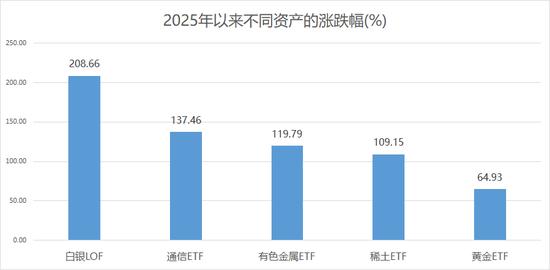
炒股就看金麒麟分析师研报,权威,专业,及时,全面,助您挖掘潜力主题机会! 来源:二鸟说 别只盯着科技 2026开年以来,A股春季攻势全面展开,一举站上4100点。在这波行情中,以AI为主导的科技股无疑是 造富神话主战场,而顺着科技产业升级与全球经济复苏的主线,大宗商品自去年以来的赚钱效应也同样 亮眼,值得深入研究。 图表1:2025年以来,几类代表性资产涨跌情况 不过,大宗商品内部的行情节奏并不完全一致,如果对细分品种没有独到的认知和理解,很难真正捕捉 到大宗商品行情。 一、 2025年以来大宗商品的轮动节奏 回顾2025年的行情表现,大宗商品呈现出明显的分化格局,金、银、铜价频创历史新高,钢铁、化工处 于底部起涨阶段,原油、煤炭等则仍在低位徘徊。 图表2:大宗商品主要类型 | 大宗商品分类 | | | --- | --- | | 有色金属 | 贵金属 | | 工业金属 | | | 能源商品 | 原油 | | | 煤炭 | | 农产品 | 大豆、 玉米、小麦等 | | | 生猪 | | 化工 | 橡胶、塑料等 | 1、贵金属呈现出明显的领跑特征。以黄金为例,这轮黄金的涨幅是远超很多人的预期的。过去二十 年,市 ...
化工板块反弹
Nan Hua Qi Huo· 2026-01-26 03:25
Report Summary 1. Report Industry Investment Rating No relevant content provided. 2. Core Viewpoints of the Report - After the technical adjustment of non - ferrous related varieties last week, there are signs of a rebound, and silver has reached a new high. The underlying logic is the demand logic of related commodities driven by the new economy, new energy, and AI economy, and there may be a risk of short - squeeze as the market progresses. The anti - involution logic of low - valued varieties is gradually advancing. Recently, chemical varieties have shown signs of a rebound and increased trading activity, which is worthy of attention. The national policy is determined to rectify involution - style competition and adjust the dynamic adjustment ability of the supply side. It is believed that anti - involution will be an inevitable theme in 2026 [2][5]. 3. Summary by Relevant Catalog 3.1 Week - long Market Viewpoint Summary - The strength - weakness structure of the commodity market in the past week remains unchanged, with non - ferrous metals and precious metals remaining strong. Chemical varieties have also shown strong performance recently. After a recent technical adjustment, non - ferrous commodities are strengthening again, and the upward trend continues [4]. - Gold and silver have broken through new highs after a short - term technical adjustment, and there are no signs of a trend reversal from the technical form [4]. - In the context of the easing of China - Canada trade relations, rapeseed oil has weakened, but soybean oil and palm oil are unaffected. The overall downside space for oils and fats is very limited, and they can be used as long - position allocations [4]. - The chemical sector will generally operate within the anti - involution framework in 2026. The national policy emphasizes the supply - demand adjustment of the petrochemical sector. The production capacity of glass has declined significantly recently, and the valuation of chemical products has reached an extreme level [4]. - Steel in the black sector is one of the key anti - involution varieties, and the downside space for coal is also limited. The coal supply - guarantee market is nearing its end. Recently, chemical varieties are showing signs of an upward trend [4]. 3.2 Data Tables - **Plate Capital Flow**: The total capital flow is 34.115 billion yuan. Among them, precious metals have a capital inflow of 5.764 billion yuan, non - ferrous metals 3.479 billion yuan, black metals - 0.594 billion yuan, energy 0.274 billion yuan, chemicals 4.047 billion yuan, feed and breeding 0.478 billion yuan, oils and fats 2.118 billion yuan, and soft commodities 0.259 billion yuan [9]. - **Black and Non - ferrous Weekly Data**: It shows price percentile, inventory percentile, valuation percentile, position percentile, open - interest change percentile, and annualized basis for various black and non - ferrous varieties such as iron ore, rebar, gold, silver, etc. For example, the price percentile of iron ore is 21.8%, and the inventory percentile is 100% [9]. - **Energy and Chemical Weekly Data**: It details price percentile, inventory percentile, valuation percentile, position percentile, open - interest change percentile, and annualized basis for energy and chemical products such as fuel oil, low - sulfur oil, asphalt, etc. For example, the price percentile of fuel oil is 7.5%, and the inventory percentile is 44.1% [11]. - **Agricultural Product Weekly Data**: It provides price percentile, inventory percentile, valuation percentile, position percentile, open - interest change percentile, and annualized basis for agricultural products such as soybean meal, rapeseed meal, soybean oil, etc. For example, the price percentile of soybean meal is 9.9%, and the inventory percentile is 91.9% [12].
黑色金属数据日报-20260126
Guo Mao Qi Huo· 2026-01-26 03:23
Report Summary 1. Report Industry Investment Rating No information about the report industry investment rating is provided in the given content. 2. Report Core Views - The overall black market is in a range - bound oscillation, with no strong expectations for market drivers and valuations [3]. - The fundamentals of silicon - iron and manganese - silicon continue to be under pressure, and there is a high risk of a subsequent decline [4]. - The coking coal and coke sector oscillates, with insufficient spot - driven factors, and it is advisable to cash in on the spot and short on the futures after a rally [5]. - Iron ore is in a short - term oscillatingly strong pattern, but there is obvious upward pressure in the medium and long term [6][9]. 3. Summary by Related Catalogs Steel - The spot market price of steel is stable, and the trading enthusiasm is average. The futures market is in a range - bound oscillation. Seasonal factors lead to a weakening of demand, and the support for the market is limited [3]. - Steel mills have a willingness to resume production, but the actual resumption may be slow. The willingness of traders to conduct open - position winter storage is not strong, and it is more suitable to participate through basis trading [3]. - The certainty of the increase in hot metal production increases, and there is support at low prices. The basis of hot - rolled coils is favorable for spot - futures arbitrage, and the spot - futures positive arbitrage of hot - rolled coils can still be rolled [3][7]. Silicon - Iron and Manganese - Silicon - The prices of silicon - iron and manganese - silicon have rebounded with market sentiment, and there are occasional supply - side disturbance rumors [4]. - The demand is poor, and the overall demand is difficult to improve in the short term. The supply is high, and the medium - term over - supply pressure remains [4]. - Although there are policy benefits and cost support, the expectations are prone to fluctuations, and there is a high risk of a subsequent decline. Industrial customers are advised to hedge at high prices [4][7]. Coking Coal and Coke - The first round of coke price increase has been shelved, the downstream procurement has become more cautious, and the market trading sentiment has cooled down. The price of coking coal has a slight increase, but the market transaction is still weak [5]. - The futures of coking coal and coke oscillate weakly. In the off - season, the industrial data is weak, and there is neither excessive spot pressure nor strong upward or downward drivers [5]. - The supply of coal mines has continued to recover, and the inventory pressure is not large. However, after the first - round coke price increase was shelved, the market sentiment has weakened. It is advisable to cash in on the spot at high prices before the Spring Festival and wait for short - selling opportunities on the futures after a rally [5][7]. Iron Ore - The in - plant inventory of steel mills is at a relatively low level in recent years. The expectation of steel mill复产 in February and pre - Spring Festival restocking support the short - term high price of iron ore [6][9]. - After the restocking expectation is fully digested, the port inventory pressure will become the root cause of the weakening of iron ore prices. It is recommended that short - term investors consider going long at low prices, and long - term investors short at pressure levels [6][9].