
农产品

Search documents
豆粕周报:关注美豆采购进展,连粕震荡调整-20251110
Tong Guan Jin Yuan Qi Huo· 2025-11-10 02:51
Group 1: Report Information - Report title: "Bean Meal Weekly Report" [1] - Report date: November 10, 2025 [1] Group 2: Core Views - Last week, CBOT soybean January contract rose 2.25 to close at 1117.25 cents per bushel, up 0.2%; bean meal 01 contract rose 37 to close at 3058 yuan per ton, up 1.22%; South China bean meal spot rose 20 to close at 3000 yuan per ton, up 0.67%; rapeseed meal 01 contract rose 151 to close at 2539 yuan per ton, up 6.32%; Guangxi rapeseed meal spot rose 120 to close at 2630 yuan per ton, up 4.78% [2][5] - Optimistic sentiment on US soybean export trade cooled, and the external market oscillated at a high level; the crop prospects in South America were relatively positive. Import of US soybeans retains a 10% additional tariff, with 10% extra cost compared to Brazilian soybeans. Currently, the CNF arrival prices of Brazilian and US soybeans are basically the same, and Brazilian soybeans are more cost - effective. Although old - crop soybeans are decreasing, a certain amount of US soybeans still need to be purchased. The China - Canada relationship has warmed up, but relevant agreements have not been reached. Import of Canadian rapeseed still maintains high tariffs, and the subsequent arrival volume of rapeseed will decrease. Coastal oil mills' rapeseed inventory is depleted, and rapeseed meal inventory continues to decline, with supply tightening and rapeseed meal rising sharply [2][5] - The weather conditions in the Brazilian production area are suitable for crop growth and development; the Argentine production area is relatively dry, which is conducive to accelerating the sowing progress. The crop prospects in South America are good. China resumed the qualification of 3 enterprises for soybean export to China on November 10. Wait for the USDA's crop yield report based on survey data this week. There is a gap in domestic soybean procurement for the December - January shipping period. It is expected that the Dalian bean meal will oscillate and adjust in the short term [2][9] Group 3: Market Data - CBOT soybean: On November 7, it was 1117.25 cents per bushel, up 2.25 from October 31, with a 0.20% increase [3] - CNF import price of Brazilian soybeans: On November 7, it was 486.00 dollars per ton, down 7.00 from October 31, with a - 1.42% decrease [3] - CNF import price of US Gulf soybeans: On November 7, it was 496.00 dollars per ton, up 3.00 from October 31, with a 0.61% increase [3] - Brazilian soybean crushing profit on the disk: On November 7, it was - 144.09 yuan per ton, up 62.42 from before [3] - DCE bean meal: On November 7, it was 3058.00 yuan per ton, up 37 from before, with a 1.22% increase [3] - CZCE rapeseed meal: On November 7, it was 2539.00 yuan per ton, up 151 from before, with a 6.32% increase [3] - Bean meal - rapeseed meal price difference: On November 7, it was 519.00 yuan per ton, down 114 from before [3] - Spot price in East China: On November 7, it was 3020.00 yuan per ton, up 40 from before, with a 1.34% increase [3] - Spot price in South China: On November 7, it was 3000.00 yuan per ton, up 20 from before, with a 0.67% increase [3] - Spot - futures price difference in South China: On November 7, it was - 58.00 yuan per ton, down 17 from before [3] Group 4: Market Analysis and Outlook - As of the week of November 2, 2025, the estimated US soybean harvest rate was 91%, with an estimated range of 88% - 94%, compared with 94% in the same period last year. StoneX lowered the US 2025 soybean yield per acre from 53.9 bushels to 53.6 bushels and expected the 2025 US soybean output to be 4.303 billion bushels, lower than the previous expectation of 4.326 billion bushels [6] - As of the week of October 31, 2025, the US soybean crushing gross profit was 2.15 dollars per bushel, compared with 2.33 dollars per bushel in the previous week. The 48% protein bean meal spot price in Illinois was 322.48 dollars per short - ton, compared with 299.18 dollars per short - ton in the previous week. The truck quotation of crude soybean oil in Illinois was 48.32 cents per pound, compared with 49.54 cents per pound in the previous week. The average price of No. 1 yellow soybeans was 11.05 dollars per bushel, compared with 10.48 dollars per bushel in the previous week [6][7] - As of the week of November 1, 2025, the Brazilian 2025/26 soybean planting rate was 47.1%, compared with 34.4% in the previous week, 53.3% in the same period last year, and a five - year average of 54.7%. In Parana state, the 2025/26 soybean planting area reached 79% of the expected area, an increase of 8 percentage points from last week. The soybean growth was generally good, with 93% of the evaluated areas in good condition. Brazil's soybean export volume in November is expected to reach 3.77 million tons, higher than 2.34 million tons in the same period last year [7] - The Buenos Aires Grain Exchange reported that Argentine farmers started sowing 2025/26 soybeans, and most farmland soil moisture was in the "best" state. It is expected that Argentina will harvest 4.85 million tons of soybeans this year, and farmers have sown 4.4% of the expected 17.6 million - hectare soybean area. The Argentine oilseed workers' union and the oil industry association reached a salary increase agreement, avoiding a strike that could paralyze soybean crushing activities [8] - As of the week of October 31, 2025, the main oil mills' soybean inventory was 7.1079 million tons, a decrease of 405,000 tons from last week and an increase of 1.6005 million tons from the same period last year; the bean meal inventory was 1.153 million tons, an increase of 98,400 tons from last week and an increase of 168,900 tons from the same period last year; the unexecuted contracts were 4.205 million tons, a decrease of 7,500 tons from last week and a decrease of 1.208 million tons from the same period last year. The national port soybean inventory was 9.629 million tons, a decrease of 102,000 tons from last week and an increase of 2.884 million tons from the same period last year [8] - As of the week of November 7, 2025, the national weekly average daily trading volume of bean meal was 83,460 tons, including 66,740 tons of spot trading and 16,720 tons of forward trading. The previous week's average daily total trading volume was 111,780 tons; the weekly average daily pick - up volume of bean meal was 180,420 tons, compared with 196,360 tons in the previous week; the main oil mills' crushing volume was 1.8057 million tons, compared with 2.2534 million tons in the previous week; the feed enterprises' bean meal inventory days were 7.75 days, compared with 8.02 days in the previous week [9] Group 5: Industry News - AgRural reported that as of October 30, the Brazilian 2025/26 soybean planting rate was 47% of the expected sowing area, lower than 54% in the same period last year, affected by irregular precipitation. The Cerrado savanna region in central Brazil, Goias state, Mato Grosso state, and the "Matopiba" region faced problems, and bad weather might lead to partial replanting [10] - The soybean output of the Southern Common Market (Mercosur) is expected to increase by 0.8% in the 2025/26 season, reaching 242.3 million tons, higher than 240.4 million tons in the previous year. The soybean planting area is expected to decrease by 0.4% or 300,000 hectares to 72 million hectares, mainly due to a 1.3 - million - hectare decrease in Argentina's planting area, partially offset by a 1 - million - hectare increase in Brazil's planting area. The expected more favorable climate pattern will drive the average yield to increase to 3.4 tons per hectare, higher than 3.32 tons per hectare in the 2024/25 season. The soybean export volume is expected to increase by 5 million tons [10] - StoneX kept the harvest estimates of Brazilian 2025/26 soybeans and summer corn largely unchanged. The November soybean output estimate was slightly increased by 0.1% to 178.9 million tons, mainly due to an increase in the estimated planting area in Goias state. Irregular rainfall led to delayed sowing in some areas, and long - term forecasts showed favorable weather for the harvest [11] - It is expected that the 2025/26 Argentine soybean output will be 4.74 million tons, the same as the previous forecast. The dry weather at the end of October/early November alleviated concerns about excessive humidity in the southern Pampas region. The expected soybean planting area is 16.7 million hectares, slightly higher than the Rosario Grain Exchange's report of 16.4 million hectares but lower than the Buenos Aires Grain Exchange's estimate of 17.6 million hectares. The USDA predicted Argentina's soybean output to be 4.85 million tons [11] - S&P Global Commodity Insights predicted that the average US soybean yield in 2025 would be 53.0 bushels per acre, the same as the October prediction, and the output would be 4.26 billion bushels, slightly lower than the previous estimate [12] - Imea reported that the soybean crushing profit in Mato Grosso state from October 27 - 31 was 502.44 reals per ton, compared with 467.42 reals per ton in the previous week. The state's bean meal price was 1,565.33 reals per ton, and the soybean oil price was 6,585.84 reals per ton [12] Group 6: Related Charts - The report includes charts such as the US soybean continuous contract trend, Brazilian soybean CNF arrival price, freight, RMB spot exchange rate trend, regional crushing profit, management fund CBOT net position, bean meal main contract trend, regional bean meal spot price, bean meal M 1 - 5 monthly spread, Brazilian soybean production area precipitation and temperature, Argentine soybean production area precipitation and temperature, US soybean excellent rate, US soybean cumulative sales volume, US soybean weekly net sales volume, US soybean weekly export volume, US oil mill crushing profit, bean meal weekly average daily trading volume, bean meal weekly average daily pick - up volume, port soybean inventory, oil mill soybean inventory, oil mill weekly crushing volume, oil mill unexecuted contracts, oil mill bean meal inventory, and feed enterprise bean meal inventory days [13][14][15][17][19][20][22][24][30][32][34][36][38][42][44]
农产品期权策略早报:农产品期权-20251110
Wu Kuang Qi Huo· 2025-11-10 02:24
1. Report Industry Investment Rating No relevant content provided. 2. Core View of the Report - The agricultural product options market shows different trends. Oilseeds and oils are in a weak and volatile state, while agricultural by - products and soft commodities like sugar are in a volatile or slightly volatile situation, and grains such as corn and starch are in a weak and narrow - range consolidation. - It is recommended to construct option portfolio strategies mainly based on sellers, as well as spot hedging or covered strategies to enhance returns. [2] 3. Summary According to Related Catalogs 3.1. Futures Market Overview - Various agricultural product futures show different price changes. For example, the latest price of soybean No.1 (A2601) is 4,118, down 7 with a decline rate of - 0.17%. The trading volume and open interest also have corresponding changes. [3] 3.2. Option Factors - Volume and Open Interest PCR - The volume and open interest PCR of different agricultural product options are presented. For instance, the volume PCR of soybean No.1 is 0.81 with a change of 0.26, and the open interest PCR is 1.19 with a change of 0.04. These indicators are used to describe the strength of the option underlying market and the turning point of the market. [4] 3.3. Option Factors - Pressure and Support Levels - The pressure and support levels of different agricultural product options are given. For example, the pressure level of soybean No.1 is 4,200 and the support level is 4,050. These levels are determined from the strike prices with the largest open interest of call and put options. [5] 3.4. Option Factors - Implied Volatility - The implied volatility of different agricultural product options is analyzed. For example, the at - the - money implied volatility of soybean No.1 is 11.7, the weighted implied volatility is 12.70 with a change of - 0.00, and the difference between implied and historical volatility is - 0.21. [6] 3.5. Option Strategies and Recommendations 3.5.1. Oilseeds and Oils Options - **Soybean No.1**: - Fundamental analysis shows that the CNF premium of Brazilian soybeans in January 2026 decreased week - on - week, while the import cost increased, and the crushing profit decreased. The planting progress of Brazilian soybeans slowed down, which has a slightly positive impact. - The option strategy includes constructing a neutral call + put option combination strategy to obtain time value and a long collar strategy for spot hedging. [7] - **Soybean Meal**: - The average daily trading volume and delivery volume of soybean meal decreased week - on - week, and the basis increased slightly. - Option strategies include constructing a neutral call + put option combination strategy and a long collar strategy for spot hedging. [9] - **Palm Oil**: - The production and rainfall in Malaysia are favorable, and the inventory at the end of the year is expected to be at a relatively high historical level. - Option strategies include constructing a short - biased call + put option combination strategy and a long collar strategy for spot hedging. [9] - **Peanut**: - The peanut market is in a contradiction between the support of high - quality resources and the overall loose supply - demand situation. - The option strategy is to construct a long collar strategy for spot hedging. [10] 3.5.2. Agricultural By - products Options - **Pig**: - The production and inventory of pigs in the first three quarters of 2025 increased. - Option strategies include constructing a bear spread strategy for call options, a short - biased call + put option combination strategy, and a covered call strategy for spot. [10] - **Egg**: - The egg market has a pattern of high supply and weak demand. - Option strategies include constructing a neutral call + put option combination strategy. [11] - **Apple**: - The apple production decreased this year, and the cold - storage inventory is expected to be low. - Option strategies include constructing a long - biased call + put option combination strategy and a long collar strategy for spot hedging. [11] - **Jujube**: - The jujube market price is stable, and the supply is sufficient. - Option strategies include constructing a short - biased wide - straddle option combination strategy and a covered call strategy for spot hedging. [12] 3.5.3. Soft Commodities Options - **Sugar**: - The weak external sugar market restricts the rebound of Zhengzhou sugar, but the expected decline in sugar production in southern Brazil may have a certain restrictive effect on the decline. - Option strategies include constructing a short - biased call + put option combination strategy and a long collar strategy for spot hedging. [12] - **Cotton**: - The new cotton supply is increasing, which exerts pressure on cotton prices. - Option strategies include constructing a short - biased call + put option combination strategy and a covered call strategy for spot hedging. [13] 3.5.4. Grains Options - **Corn**: - The purchase price of corn by domestic processing enterprises decreased, and the market supply exceeded demand. - Option strategies include constructing a neutral call + put option combination strategy. [13]
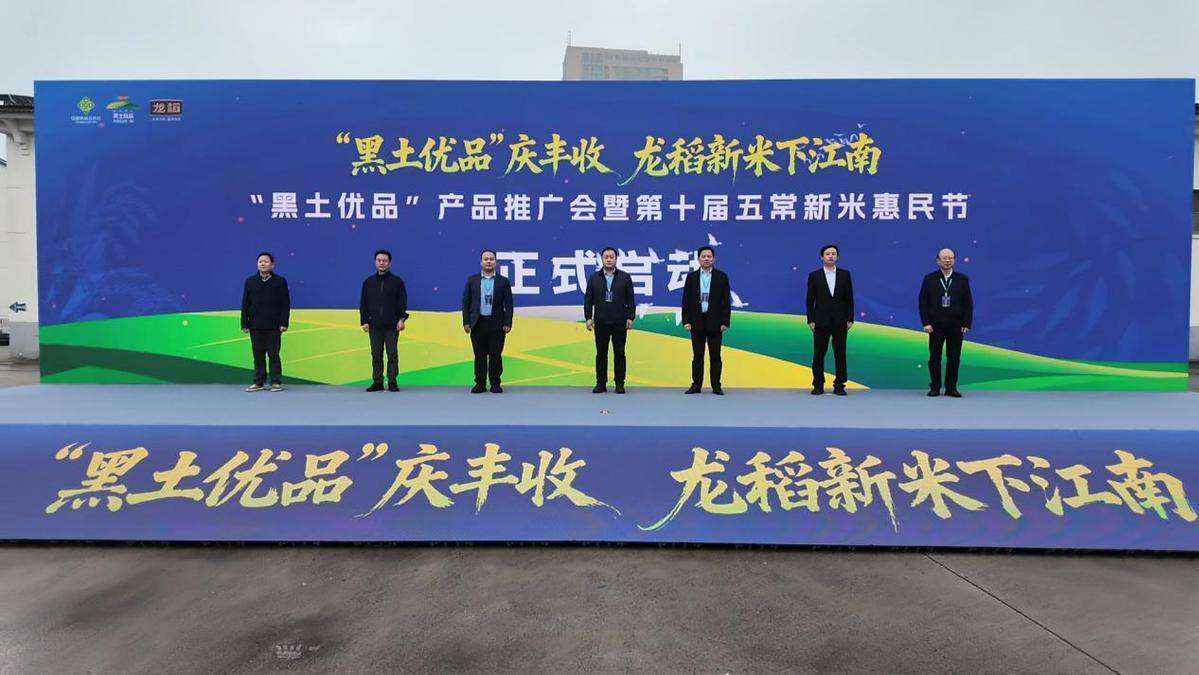
“黑土优品”一线城市品牌行(无锡站)暨第十届五常新米惠民节成功举办
Sou Hu Cai Jing· 2025-11-10 02:06
Core Points - The event "Heilongjiang Quality Products Brand Promotion" aims to enhance the influence of the "Heilongjiang Quality Products" brand and promote high-quality agricultural products from Heilongjiang to the Yangtze River Delta region, contributing to agricultural efficiency and farmers' income [1][7] - The event attracted 32 participating enterprises, showcased 126 products, and involved 84 business representatives, receiving 58,000 visitors and achieving a signing amount of 380 million yuan, demonstrating significant economic and social benefits [3][7] Group 1 - The event was co-hosted by Heilongjiang Provincial Supply and Marketing Cooperative and Heilongjiang Provincial Department of Agriculture and Rural Affairs, with support from various local organizations [3] - The theme of the event was "Heilongjiang Quality Products Celebrating Harvest - Long Grain Rice Going South," focusing on brand promotion and the benefits of Wuchang new rice [3][5] - The successful hosting of the event is a key measure for Heilongjiang Province to advance the "Heilongjiang Quality Products" brand and deepen regional agricultural cooperation [7] Group 2 - Leaders from Heilongjiang Supply and Marketing Cooperative and Wuxi Supply and Marketing Group expressed strong anticipation and confidence in the collaboration, believing it will enhance resource complementarity and achieve win-win development [5] - Heilongjiang Provincial Supply and Marketing Cooperative plans to continue leveraging its land resource advantages to promote the "Heilongjiang Quality Products" brand and facilitate the entry of more high-quality agricultural products into national markets [7]

研究所晨会观点精萃:美国政府停摆有结束的希望,提振全球风险偏好-20251110
Dong Hai Qi Huo· 2025-11-10 01:27
Report Industry Investment Rating No relevant content provided. Core Viewpoints of the Report - Overseas: The hope of the end of the US government shutdown has led to a rebound in the US dollar index after a decline, and global risk appetite has increased. However, the US consumer confidence is close to a record low, and the US manufacturing PMI has shrunk for eight consecutive months. Domestically: China's manufacturing boom declined in October, exports decreased unexpectedly, and economic growth slowed down. But inflation data rebounded unexpectedly, and the supply side strengthened. Policy stimulus expectations have increased, which helps boost domestic risk appetite. The short - term macro upward drive is not strong, and future attention should be paid to domestic economic growth and policy implementation [3]. - The short - term market trading logic focuses on domestic incremental stimulus policies and economic growth. In terms of assets, the stock index is expected to oscillate in the short term, and it is advisable to be cautiously long. Treasury bonds are expected to oscillate and rebound in the short term, and it is advisable to be cautiously long. For the commodity sector, black, non - ferrous, and energy - chemical products are expected to oscillate in the short term, and it is advisable to be cautiously on the sidelines; precious metals are expected to oscillate and correct at a high level in the short term, and it is advisable to be cautiously on the sidelines [3]. Summary by Category Macro Finance - **Overseas**: The University of Michigan consumer confidence in the US in November was 50.3, hitting a low since June 2022. The hope of the end of the US government shutdown led to a rebound in the US dollar index after a decline, and global risk appetite increased [3]. - **Domestic**: China's manufacturing PMI declined in October, exports decreased unexpectedly, and economic growth slowed down. But inflation data in October rebounded unexpectedly, and policy stimulus expectations increased. The short - term macro upward drive is not strong, and future attention should be paid to domestic economic growth and policy implementation [3]. - **Asset Performance**: The stock index is expected to oscillate in the short term, and it is advisable to be cautiously long. Treasury bonds are expected to oscillate and rebound in the short term, and it is advisable to be cautiously long. For the commodity sector, black, non - ferrous, and energy - chemical products are expected to oscillate in the short term, and it is advisable to be cautiously on the sidelines; precious metals are expected to oscillate and correct at a high level in the short term, and it is advisable to be cautiously on the sidelines [3]. Stock Index - Affected by sectors such as artificial intelligence, digital currency, and software development, the domestic stock market declined slightly. The short - term macro upward drive is not strong, and it is advisable to be cautiously long in the short term [4]. Precious Metals - The precious metals market rose on Friday night. Due to the weakening of the US dollar and the increase in safe - haven demand, the short - term precious metals are expected to oscillate, and the medium - to - long - term upward pattern remains unchanged. It is advisable to be on the sidelines in the short term and buy on dips in the medium - to - long - term [4]. Black Metals - **Steel**: The steel market continued to follow the fundamental logic, with prices remaining weak. Demand peaked this week, and the apparent consumption of five major steel products decreased by 49.51 tons week - on - week. Supply decreased, and the production of five major steel products decreased by 18.55 tons week - on - week. It is expected to oscillate weakly in the short term [5][6]. - **Iron Ore**: The price of iron ore rebounded slightly. Demand continued to weaken, and supply pressure remained high. The global iron ore arrivals increased by 1229.8 tons week - on - week to 3314.1 tons, and port inventories increased by 350 tons week - on - week. It is advisable to take a bearish view in the short term [6]. - **Silicon Manganese/Silicon Iron**: The spot prices of silicon iron and silicon manganese remained flat, and the futures prices continued to decline slightly. Demand decreased, and the production of five major steel products decreased week - on - week. The futures prices are expected to continue to oscillate within a range [7]. Chemicals - **Soda Ash**: The main contract oscillated strongly last week. Supply increased, and there are capacity expansion plans in the fourth quarter. The supply pressure remains, and it is advisable to take a bearish view in the medium - to - long - term [8]. - **Glass**: The main contract oscillated within a range last week. Supply remained stable, demand was weak year - on - year, and inventory was high. Supported by policies and with low valuation, it is expected to be strong in the short term [8]. Non - ferrous Metals and New Energy - **Copper**: The US copper inventory is at a historical high, and the domestic refined copper de - stocking is less than expected. The second - largest copper mine in Indonesia has shut down, which supports the futures price. It is expected to oscillate at a high level in the short term [9]. - **Aluminum**: The price of Shanghai aluminum decreased slightly. The European aluminum premium rebounded. The domestic de - stocking is not smooth, and both domestic supply and imports are high. If the price rises above 21,800, it is advisable to try shorting [9]. - **Tin**: The supply shortage persists, and demand is weak. The social inventory of tin ingots increased this week. The price is expected to oscillate at a high level [10]. - **Lithium Carbonate**: The supply and demand are both strong, and the social inventory is de - stocking rapidly. It is expected to oscillate strongly, but attention should be paid to supply - side disturbances [11]. - **Industrial Silicon**: The production decreased significantly in the southwest after the end of the wet season. Supply and demand are both weak, and it is expected to oscillate. It is advisable to buy on dips [12]. - **Polycrystalline Silicon**: The downstream demand is weak, and the policy expectation is strong. It is expected to oscillate within a high - level range, and it is advisable to buy on dips [12]. Energy and Chemicals - **Methanol**: Both inland and port inventories increased. The fundamentals are under pressure, but coal prices provide some support. It is expected to oscillate downward in the near term, with a slowdown in the decline rate and limited space [13]. - **PP**: Demand has improved, but supply growth is too fast, and the traditional off - season is approaching. It is expected to continue to decline [13]. - **LLDPE**: The supply pressure continues to accumulate, and demand is expected to weaken. The cost support is insufficient, and it is expected to remain under pressure [13]. - **Urea**: Supply is expected to increase, and demand is divided. It is expected to continue to consolidate weakly in the short term [14]. Agricultural Products - **Soybean**: The market is optimistic about the restoration of Sino - US soybean trade relations. The USDA will release a report on November 15. If the US soybean yield per unit is lowered, the ending inventory will shrink, which will strengthen the cost - repair logic [15]. - **Soybean Meal/Rapeseed Meal**: The import of soybeans in China from January to October reached a record high. The supply of soybean meal is loose, and the basis is weak. The risk - buying of rapeseed meal supports the narrowing of the spread between soybean meal and rapeseed meal. Rapeseed meal mainly fluctuates with soybean meal [16]. - **Corn**: The situation of oversupply remains unchanged. The inventory of ports, feed enterprises, and deep - processing enterprises is low, and the profit of deep - processing is increasing. Wheat prices provide some support [16]. - **Pig**: The planned slaughter volume of large - scale farms in November decreased month - on - month, and the supply pressure decreased. Demand increased seasonally. The pork price is expected to be weakly stable, and the futures price may have strong support under the discount [17].
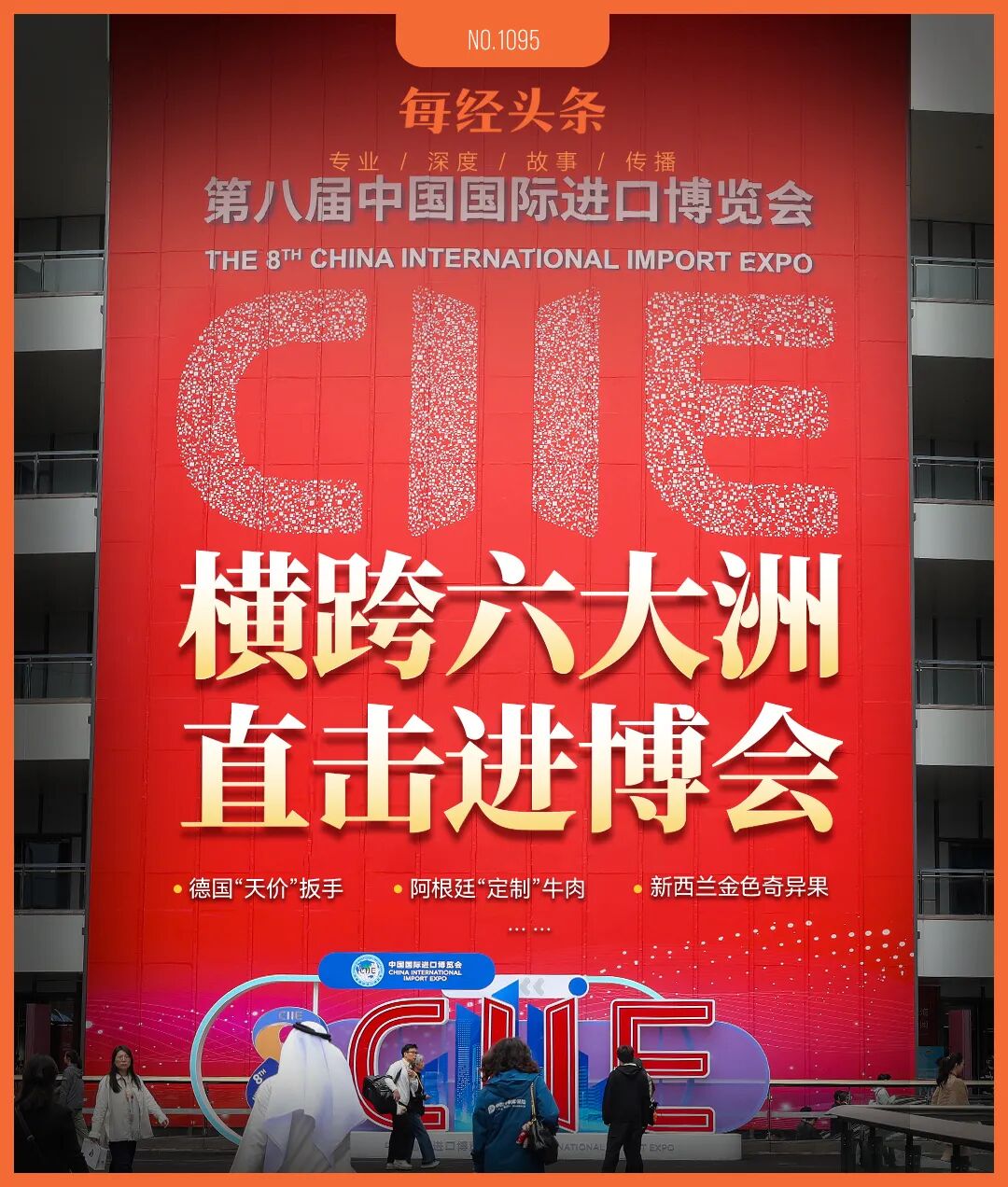
进博会“爆品”来袭!德国“天价”扳手引围观,阿根廷牛儿为中国“贴膘”,卢旺达咖啡豆火出圈……
Mei Ri Jing Ji Xin Wen· 2025-11-10 00:46
Core Insights - The China International Import Expo (CIIE) serves as a significant platform for global products to enter the Chinese market, showcasing unique items from various countries and facilitating connections between international businesses and Chinese consumers [2][6][25] Group 1: Product Highlights - Malaysian company Jiasin Foods introduced natural dried fruits at CIIE, emphasizing the importance of ingredient transparency to Chinese consumers, particularly younger generations [5] - German company WEDO showcased high-tech titanium alloy tools, highlighting their applications in medical and aerospace fields, with prices significantly higher than standard tools due to advanced manufacturing processes [7][8] - Argentine beef producers leveraged CIIE to connect with Chinese consumers, adapting their products to meet local preferences, such as offering smaller packaging and collagen-rich cuts [13][16] Group 2: Market Opportunities - CIIE provides a unique opportunity for lesser-known global brands to reach Chinese consumers, transforming from exhibitors to potential investors [6][8] - Medtronic, a long-time participant, has evolved from a product exhibitor to an investor in local startups, reflecting the changing dynamics of the medical device industry in China [10][11] - Rwandan coffee producers are seeking long-term partnerships in China, indicating a growing interest in African products within the Chinese market [18][19] Group 3: Economic Impact - The CIIE has significantly influenced the sales and market strategies of international companies, with New Zealand's Zespri reporting a doubling of sales in China over eight years, reaching over 4.3 billion yuan in revenue [23][24] - The event is fostering deeper agricultural cooperation between China and Africa, moving from simple trade to building modern agricultural value chains [20][22]

中金2026年展望 | 大宗商品:秩序新章的三重奏
中金点睛· 2025-11-09 23:37
Core Viewpoint - The article discusses the restructuring of global trade patterns accelerated by the 2025 U.S. tariff policy, leading to a reconfiguration of global industrial division and macro order, which may significantly increase asset volatility and economic uncertainty [2][8]. Group 1: Geopolitical and Supply Challenges - Geopolitical tensions and resource protectionism are expected to further challenge the already fragile supply elasticity in energy and metal markets, with a decade-long down cycle in upstream investments leading to unstable existing supplies and insufficient incremental supplies [5][16]. - The ongoing geopolitical risks and resource protectionism are likely to increase macro uncertainties, further challenging the supply elasticity in energy and metal markets [5][23]. Group 2: Demand Dynamics and Energy Transition - The focus on strategic security is shifting demand-side attention towards energy transition and reserve construction, indicating that energy transition remains a significant trend and reserve building is essential for strategic commodities [5][36]. - The global energy system has seen a new round of investment expansion since 2021, with a significant shift towards renewable energy and related sectors, reflecting a steady advancement in energy transition [36][39]. Group 3: Emerging Demand and Industrialization - Emerging demand is gaining momentum, driven by AI narratives and the ongoing electrification trend, which is expected to provide sustained demand growth for commodities like copper [6][48]. - The restructuring of trade patterns and industrial division is likely to support the industrialization processes in emerging economies, with significant demand potential from countries along the Belt and Road Initiative [6][56]. Group 4: Commodity Market Outlook for 2026 - The article anticipates that geopolitical tensions, resource security demands, and emerging demand growth will form a "triple play" for the commodity market as it enters a new chapter [2][8]. - The supply-demand balance in the commodity market is expected to improve marginally in 2026, with a focus on micro-level differences and fundamental changes in various commodities [58][60]. Group 5: Specific Commodity Insights - The copper market is projected to face a supply gap due to insufficient upstream investment and increasing demand from electrification, with prices expected to remain elevated [68]. - The oil market may experience a shift from surplus to a more balanced state, with potential upward price adjustments driven by geopolitical risks and supply constraints [64][65]. - Agricultural commodities are expected to see a gradual recovery, influenced by trade policies, weather risks, and the growth of biofuels [70][71].

带新朋友,奔赴进博之约!“全勤生”斐济的新故事→
Sou Hu Cai Jing· 2025-11-09 15:33
Group 1 - The eighth China International Import Expo (CIIE) features participation from 155 countries, regions, and international organizations, showcasing both new and returning exhibitors [1] - Fiji, a consistent participant for eight years, is represented by local products and students, highlighting the importance of the expo for their market access [1][5] - The presence of Fijian products such as Noni juice, Noni soap, canned tuna, and wild turmeric indicates an increase in sales opportunities for local businesses and residents [7] Group 2 - Fijian representative Apennisa reports significant interest in their products, with 126 visitors sampling their coffee, emphasizing the expo's role in expanding market visibility [11] - The Fijian embassy in China acknowledges the expo as a vital platform for showcasing their products, enhancing international exposure and market entry opportunities [13]

研究周报:农产品-20251109
Guo Tai Jun An Qi Huo· 2025-11-09 15:02
Group 1: Report Overview - The report is the Guotai Junan Futures Research Weekly Report on Agricultural Products dated November 9, 2025, covering various agricultural products such as palm oil, soybean oil, soybean meal, soybeans, corn, sugar, cotton, and live pigs [1][2] Group 2: Investment Ratings - No investment ratings for the industries are provided in the report Group 3: Core Views - Palm oil may temporarily show a situation of all negative factors being priced in after the release of next week's MPOB report, and the upward movement of palm oil prices depends on successful production cuts in the fourth quarter. Soybean oil is mainly for long - allocation but lacks an independent upward driver. Soybean meal and soybeans are expected to fluctuate, waiting for the USDA report and paying attention to trade sentiment. Corn futures are expected to be strong in the short - term, and attention should be paid to the listing of new grains. Sugar should focus on policy changes. Cotton is expected to maintain a narrow - range oscillation. Live pig contradictions are accumulating, waiting for spot market confirmation [2][5][8][17][21][29][54][84][103] Group 4: Summary by Product Palm Oil - **Last Week's View and Logic**: The market was worried about high production in Malaysia in the fourth quarter, and palm oil 01 contract fell 1.59% last week. It may stabilize in the short - term, with support at 8400 - 8600, and there may be a second dip by the end of the year [4] - **This Week's View and Logic**: Malaysia's production may be above last year's level in the fourth quarter, and the inventory will slowly decline to around 2.3 million tons by the end of the year. Indonesia has large export pressure in November. International palm oil prices are suppressed, and there is no strong upward driver on the origin side. It may temporarily show a situation of all negative factors being priced in after the release of next week's MPOB report, and the upward movement depends on successful production cuts in the fourth quarter [5] Soybean Oil - **Last Week's View and Logic**: With good production conditions in Brazil, soybean oil followed the oil and fat sector to fluctuate weakly, but strong export demand and de - stocking made it relatively strong among oil and fat varieties. Soybean oil 01 contract rose 0.39% last week [4] - **This Week's View and Logic**: The cost - effectiveness of US soybean oil in the biodiesel sector has declined rapidly, and there is a large inventory accumulation pressure by the end of the year. In China, soybean oil is mainly for long - allocation but lacks an independent upward driver [8] Soybean Meal and Soybeans - **Last Week's Situation**: US soybean futures prices fluctuated, and domestic soybean meal and soybean futures prices were strongly oscillating due to trade concerns. International soybean market fundamentals included the suspension of the US export sales report, an increase in Brazilian soybean import costs, and a slowdown in Brazilian soybean planting progress [17] - **Next Week's Outlook**: It is expected that the prices of soybean meal and soybeans will oscillate. Pay attention to trade sentiment and wait for the 11 - month USDA supply - demand report [21] Corn - **Market Review**: In the spot market, corn prices fell last week. In the futures market, prices rose, driven by the increase in the northern port price and low inventory [29][30] - **Market Outlook**: CBOT corn prices fell, wheat prices rose, corn starch inventory increased, and attention should be paid to the listing of new grains. The short - term futures market is expected to be strong [31][32][33][34] Sugar - **This Week's Market Review**: Internationally, the US dollar index rose, WTI crude oil and New York raw sugar prices fell. Domestically, the spot price of Guangxi sugar increased, and the Zhengzhou sugar futures price decreased [54][55] - **Next Week's Market Outlook**: Internationally, it is expected to oscillate weakly. Domestically, it shows a weak reality, and attention should be paid to import policy changes [56] Cotton - **Market Situation**: ICE cotton prices fell, and domestic cotton futures fluctuated within a narrow range. New cotton costs are basically confirmed, and the market focus returns to supply - demand. There is no new upward driver currently, and it is expected to oscillate [84] Live Pigs - **This Week's Market Review**: In the spot market, pig prices weakly oscillated. In the futures market, prices oscillated and adjusted [103][104] - **Next Week's Market Outlook**: Spot prices are expected to run weakly, and futures prices may face inventory pressure before the Spring Festival. The support level of the LH2601 contract is 11,000 yuan/ton, and the pressure level is 12,300 yuan/ton [105][106]
行业比较周跟踪:A股估值及行业中观景气跟踪周报-20251109
Shenwan Hongyuan Securities· 2025-11-09 14:01
Valuation Summary - The overall valuation of the A-share market as of November 7, 2025, shows the CSI All Share Index (excluding ST stocks) with a PE of 21.5x and a PB of 1.8x, positioned at the 80th and 41st historical percentiles respectively [2][3] - The Shanghai 50 Index has a PE of 11.9x and a PB of 1.3x, at the 64th and 39th historical percentiles [2][3] - The ChiNext Index has a PE of 41.3x and a PB of 5.2x, at the 58th and 60th historical percentiles [2][3] - The valuation of the semiconductor industry is notably high, with a PE of 99.7x, placing it at the 76th historical percentile [7] Industry Valuation Comparison - Industries with PE valuations above the 85th historical percentile include Real Estate, Retail, Chemicals, and IT Services [2][3] - Industries with PB valuations above the 85th historical percentile include Electronics (Semiconductors) and Communications [2][3] - Industries with both PE and PB valuations below the 15th historical percentile include Medical Services and White Goods [2][3] Sector Performance Tracking New Energy - The photovoltaic industry chain saw a price decline, with polysilicon futures down 6.2% and silicon wafer prices down 3.9% [3] - Battery material prices showed mixed trends, with cobalt down 3.2% and lithium hexafluorophosphate up 8.1% [3] Real Estate Chain - The price of rebar fell by 1.7%, while iron ore prices decreased by 3.4% [3] - Cement prices increased slightly by 0.1%, but demand remains weak [3] Consumer Sector - The average price of live pigs dropped by 4.6%, while wholesale pork prices rose by 2.4% [3] - The price index for liquor saw a slight decrease of 0.15% [3] Technology Sector - The semiconductor sales in China grew by 15.0% year-on-year in September 2025, indicating a positive trend in the sector [3] Commodity Sector - Brent crude oil prices fell by 2.1% to $63.7 per barrel, while coal prices increased due to stricter safety inspections and winter storage demand [3]
前10月我国进出口总值同比增长3.6%
Mei Ri Jing Ji Xin Wen· 2025-11-09 13:36
Core Insights - China's foreign trade maintained steady growth in the first ten months of 2023, with a total import and export value of 37.31 trillion yuan, an increase of 3.6% year-on-year [1] - Exports reached 22.12 trillion yuan, growing by 6.2%, while imports were 15.19 trillion yuan, remaining stable compared to the previous year [1] Monthly Performance - In October, the total value of imports and exports was 3.7 trillion yuan, a slight increase of 0.1% [1] - Exports in October were 2.17 trillion yuan, showing a decline of 0.8%, marking the first negative growth in monthly exports since the second half of the year [1][2] - Imports in October were 1.53 trillion yuan, increasing by 1.4%, continuing a five-month growth trend [1] Factors Influencing Export Trends - The decline in October's export growth was attributed to high base effects from the previous year, fewer working days due to the Mid-Autumn Festival, and the impact of high tariffs from the U.S. [2][3] - The export value in October, when measured in U.S. dollars, decreased by 1.1%, with a significant drop in growth rate compared to September [2] High-End Manufacturing and Trade Dynamics - In the first ten months, exports of electromechanical products reached 13.43 trillion yuan, growing by 8.7%, accounting for 60.7% of total exports [4] - Exports of integrated circuits increased by 24.7%, while automotive exports grew by 14.3% [4] - Private enterprises played a crucial role in foreign trade, with their import and export value reaching 21.28 trillion yuan, a growth of 7.2%, representing 57% of total foreign trade [5] Regional Trade Performance - Despite a continued decline in exports to the U.S., exports to the European Union showed positive growth, with an overall increase of 8.4% [5] - Notable growth was observed in exports to Germany (10.6%), France (7.9%), and Italy (9.6%) [5]