
服务消费

Search documents
专家学者看2025中国经济增长点(经济形势理性看)
Ren Min Ri Bao· 2025-05-11 22:24
Economic Overview - The Central Political Bureau meeting emphasized the strengthening of economic leadership and the positive trend in economic performance, with macro policies working in coordination to boost social confidence and high-quality development [1] Consumer Spending - Consumer spending has become a new highlight, with final consumption expenditure contributing 2.8 percentage points to GDP growth in Q1, accounting for over half of the economic growth [2][4] - Service consumption is emerging as a new driving force for economic growth, with per capita service consumption expenditure increasing by 5.4% year-on-year, reaching 43.4% of total per capita consumption expenditure [4] Service Consumption Policies - A series of policies have been implemented to promote service consumption, including the "Consumption Promotion Action Plan" and the "Service Consumption Quality Improvement Action Plan" [3] - The growth in service consumption is supported by the expansion of service supply and improvement in service quality, meeting the personalized and quality demands of consumers [3] Digital Technology in Services - Digital technology plays a crucial role in expanding service consumption and optimizing its structure, with applications in healthcare and e-commerce enhancing service efficiency and consumer experience [5] Emerging Industries - Emerging industries, particularly in AI and biotechnology, are becoming key areas for developing new economic momentum, with high-tech industry fixed asset investment growing by 11.6% year-on-year [7][8] - The digital economy's core industries accounted for about 10% of GDP, with significant growth in digital industry revenue and infrastructure [8] Green Development - The green low-carbon industry is showing strong momentum, with Q1 production and sales of new energy vehicles reaching 3.182 million and 3.075 million units, respectively, with a market share exceeding 40% [11][12] - The share of non-fossil energy consumption in total energy consumption increased by 1.5 percentage points year-on-year, reflecting ongoing energy structure optimization [12] Foreign Trade - Foreign trade showed resilience, with Q1 goods trade reaching 10.3 trillion yuan, a 1.3% year-on-year increase, and exports growing by 6.9% [14] - The diversification of foreign trade markets has reduced reliance on traditional markets, enhancing stability and adaptability in the face of external pressures [16][17] Manufacturing Sector - The manufacturing sector demonstrated strong resilience, with a 6.8% year-on-year increase in value added, supported by robust growth in high-tech and equipment manufacturing [18][19] - The integration of digital technology into manufacturing is accelerating, with significant growth in smart manufacturing and a focus on energy efficiency and environmental sustainability [20] Rural Development - The rural economy is showing positive growth, with agricultural value added increasing by 4.0% year-on-year, supported by the development of rural industries [22][25] - The focus on developing rural industries is expected to enhance agricultural value and increase farmers' income, contributing to overall economic stability [23][24]
这次降准降息,一点都不简单
虎嗅APP· 2025-05-08 10:03
Core Viewpoint - The recent reduction in the reserve requirement ratio (RRR) by 0.5% and the expected decrease in mortgage rates by 0.1% are seen as measures to stabilize the economy and the real estate market, rather than aggressive stimulus actions [4][34][40]. Group 1: Monetary Policy Changes - The RRR cut aims to increase the liquidity in the market, allowing banks to lend more, which can stimulate economic activity [14][15]. - This RRR adjustment is notable as it is the longest interval since the last cut, indicating a careful approach to monetary policy [19][22]. - The reduction in mortgage rates is a reflection of the broader monetary policy aimed at maintaining stability in the housing market [34][40]. Group 2: Real Estate Market Implications - The announcement includes support for a new financial development strategy aligned with the evolving real estate market [33]. - The reduction in the public housing loan interest rate from 2.85% to 2.6% is expected to lower the cost of home purchases for borrowers [35]. - The current mortgage rate of 3.6% and the reduced public loan rate suggest potential for further decreases in housing loan rates, which could stimulate the market [36][40]. Group 3: Structural Financial Support - The introduction of 300 billion yuan for technological innovation and 500 billion yuan for service consumption and elderly care loans indicates a shift towards supporting emerging sectors [54][57]. - An increase of 300 billion yuan in loans for agriculture and small businesses highlights the focus on strengthening the domestic economy [63]. - The reduction of reserve requirements for auto finance companies to 0% demonstrates targeted support for the automotive industry, which is seen as a key growth area [66][69]. Group 4: Broader Economic Context - The overall monetary policy is designed to ensure economic growth and stability, with a focus on gradual adjustments rather than abrupt changes [30][78]. - The measures taken are part of a larger strategy to adapt financial support to the needs of the economy, particularly in light of recent recovery signs [25][60]. - The emphasis on maintaining stability in the real estate market reflects a cautious approach to avoid overheating while still encouraging growth [41][42].

资本市场迎来多重利好资产配置报告:国新办发布会点评
Guohai Securities· 2025-05-08 08:00
Monetary Policy - The People's Bank of China (PBOC) lowered the reserve requirement ratio by 0.5 percentage points, releasing over 1 trillion yuan in long-term liquidity to support credit expansion[6] - The PBOC reduced the 7-day reverse repo rate by 0.1 percentage points, which is expected to lead to a similar decrease in the Loan Prime Rate (LPR)[6] - A total of 600 billion yuan was allocated for targeted re-lending to support technological innovation and small enterprises[6] Financial Regulation - The Financial Regulatory Administration aims to stabilize real estate financing and support housing demand by optimizing financing systems[8] - Long-term capital market support includes expanding insurance fund investments in the stock market, with adjustments to risk factors to encourage greater equity allocation[8] - Support for small and private enterprises includes enhancing financing efficiency and providing targeted services for foreign trade companies affected by tariffs[8] Capital Market Development - The China Securities Regulatory Commission (CSRC) emphasized the role of state-owned capital companies in stabilizing the market, akin to a "stabilization fund"[9] - Initiatives to deepen reforms in the Sci-Tech Innovation Board and the Growth Enterprise Market aim to enhance financing avenues for high-quality tech firms[9] - The CSRC plans to expand market access for foreign investors and improve product offerings, including REITs under the Shanghai-Hong Kong Stock Connect[9] Market Outlook - The combination of policies from the PBOC and regulatory bodies signals strong support for market stability, particularly in the equity market[10] - The banking sector is expected to benefit from reduced funding costs and increased lending capacity due to the reserve requirement cut[10] - The consumption sector is highlighted as a key growth driver, with specific focus on service industries such as hospitality and entertainment[10] Risk Factors - Potential risks include the effectiveness of policies not meeting expectations, insufficient fiscal support, and uncertainties in the external environment[13]
提振消费背后的发力核心:重塑14亿人的财富预期
Sou Hu Cai Jing· 2025-05-07 08:25
Group 1: Economic Context and Policy Initiatives - The core strategy for addressing global uncertainties is to expand domestic demand, leveraging China's large market of over 1.4 billion people [1] - The shift in China's economic growth model is moving from investment-driven to consumption-driven, necessitating systemic reforms to unlock consumption potential [1][2] - The "Special Action Plan to Boost Consumption" was officially released, emphasizing the importance of consumption in China's economic agenda by 2025 [1] Group 2: Consumption Dynamics - Despite a high savings balance of over 150 trillion yuan, the consumption rate in China remains low at around 38%, indicating a trend of "forced savings" rather than a lack of funds [2][4] - The decline in real estate prices and stagnant capital markets have led to a "wealth shrinkage anxiety," which suppresses consumer spending [4] Group 3: Wealth Redistribution and Financial Reforms - The 2025 consumption stimulus policy aims to transform wealth distribution, with significant capital transfers from state-owned enterprises to social security funds, potentially benefiting 120 million low-income households [5] - Financial reforms are expected to increase residents' financial asset ratios, moving from 20% towards the 70% seen in the U.S., which could enhance consumption [5] Group 4: Key Growth Areas in Consumption - The expansion of the middle-income group, currently at 400 million and projected to reach 800 million by 2035, is a key driver for consumption upgrade [7] - Service consumption is growing rapidly, with a 6.2% increase in service retail sales in 2024, indicating a shift towards service-oriented spending [8] Group 5: Demographic and Sectoral Opportunities - The "silver economy" is emerging as a significant sector, with over 310 million people aged 60 and above, and its market size expected to exceed 10 trillion yuan [9] - Green consumption is on the rise, with electric vehicle sales reaching 12.87 million units in 2024, reflecting a 35.5% growth [10] - Digital consumption is transforming retail dynamics, with online sales through platforms like Douyin reaching approximately 3.5 trillion yuan in 2024 [11] Group 6: Strategic Implications - Consumption is not merely a short-term solution but a strategic tool for China to reshape its global economic influence [12][14] - The shift towards consumption-driven growth is expected to compel industries to innovate, moving away from traditional manufacturing models [13]

2025年4月行业信息跟踪月报:大宗消费品、光伏行业的制造端景气度回落,厂商生产信心不强-20250506
Minsheng Securities· 2025-05-06 09:15
Group 1 - The manufacturing sentiment in the consumer goods and equipment manufacturing sectors has significantly declined, indicating a need for increased policy support [1][8][11] - In April, the manufacturing PMI dropped to 49.0%, falling below the neutral line of 50%, with consumer goods and equipment manufacturing sectors both entering a downturn [8][11] - The automotive sector showed a decline in production despite strong sales, with the operating rate of semi-steel tires dropping by 3.81 percentage points compared to March [11][14] Group 2 - The coal supply and demand situation remains weak, with low prices leading to a reduction in domestic supply and continued price declines [17][19] - The real estate sector experienced a marginal decline in transaction volumes, particularly in second and third-tier cities, while first-tier cities showed resilience [30][31] - The financial sector saw a decrease in trading activity, with the A-share market declining by 3.2% in April, while social financing data exceeded expectations [40][41] Group 3 - The consumer sector displayed structural strengths, with service consumption performing well, but uncertainties in external demand are increasing [2][3] - The TMT sector faces challenges due to rising trade barriers, impacting the development of humanoid robots and artificial intelligence industries [2][3] - The new energy sector is experiencing stable demand for lithium batteries, while the photovoltaic sector is seeing a decline in demand [2][3]
被重庆反超,但上海仍是“消费第一城”
虎嗅APP· 2025-04-29 10:32
以下文章来源于城市进化论 ,作者杨弃非 城市进化论 . 探寻城市路径,揭秘经济逻辑 (互联网新闻信息服务许可证编号:51120190017) 本文来自微信公众号: 城市进化论 (ID:urban_evolution) ,作者:杨弃非,题图来自:视觉中国 或许没什么比"消费第一城"易主,更能令人直接感受到消费趋势的变化。 数据显示,今年一季度,上海社会消费品零售总额为4057.45亿元,同比下降1.1%,同期重庆该数据为4204.32亿元,同比上升4.1%。这也意味着,重 庆一季度消费数据反超上海,成为新晋全国"第一"。 一直以来,上海是公认的消费大市和商业"标杆",其社消零总额自2018年超过北京后,已连续7年居全国城市首位。在罕见被重庆反超后,外界难免关 心:上海商业,是否正在走下"神坛"? 问题的答案,很难直接从数字中得出。有人推测,位次下滑可能源于春节节假日消费变化或者消费券发放的附带效果;更不用说,仅看社消零数据, 难以概括上海消费的全部。就连重庆本地媒体也在自我审视时,发出登顶"是否'昙花一现'"的灵魂拷问。 在外界看来,我国正在迈向一场面向服务消费的结构性转型。随着促消费不断被置于经济发展的重要位 ...
保持经济平稳运行信心决心 护航经济稳健前行 四部门部署稳就业稳经济政策举措
Jin Rong Shi Bao· 2025-04-29 01:57
Group 1: Economic Policy Measures - The Chinese government is focusing on boosting domestic demand by increasing the income of middle and low-income groups, promoting consumption, and expanding effective investment to strengthen the domestic economy [2][3] - A total of over 160 billion yuan has been allocated for consumption incentives, with additional funds to be released based on local payment progress [2] - The government plans to implement a childcare subsidy system and support key service sectors and the elderly care industry [2] Group 2: Investment Expansion - The government aims to include industrial software upgrades in the "two new" policy support framework and accelerate investments in consumer infrastructure and social sectors [3] - A new policy tool will be established to address capital shortages for project construction, with a project list for 2025 expected to be released by the end of June [3] - The government is also focusing on creating a unified national market and clearing market access barriers to support private enterprises and foreign trade [3] Group 3: Monetary Policy - The People's Bank of China (PBOC) is enhancing macroeconomic regulation and using various monetary policy tools to support economic recovery [4][10] - The PBOC plans to implement a more proactive monetary policy, including potential interest rate cuts and maintaining liquidity [4][10] - Specific measures include increasing support for employment, foreign trade, and consumption, particularly in service sectors [4][5] Group 4: Support for Private Enterprises - The PBOC is committed to creating a favorable monetary environment for private enterprises, especially in light of challenges posed by U.S. tariffs [7][8] - Financial support measures for private enterprises will be enhanced, including expanding bond financing and improving access to diverse funding sources [7][8] - The PBOC will also promote a credit information sharing platform to address financing constraints faced by small and medium-sized enterprises [8] Group 5: Trade and Export Support - The government is taking steps to support foreign trade enterprises amid increasing risks, including U.S. tariffs [11][12] - The 137th Canton Fair saw participation from 224,000 foreign buyers, indicating strong international interest [11] - The Ministry of Commerce plans to expand export credit insurance and enhance financing support for foreign trade enterprises [12]
李迅雷专栏 | 促消费2025:社零不能再低于GDP增速
中泰证券资管· 2025-03-26 10:27
Core Viewpoint - The article emphasizes the importance of boosting consumption to stabilize economic growth, highlighting the need for policies that enhance both consumption capacity and willingness [10][19]. Group 1: Factors Influencing Consumption - Consumption is influenced by two main factors: consumption capacity and consumption willingness. Consumption capacity is primarily affected by income, assets, and debt, while consumption willingness is influenced by economic expectations, social security systems, and available time for consumption [7][10]. - The current debt pressure on residents is significant, with the ratio of debt repayment to disposable income at 12.4% in Q3 2024, higher than in some developed economies [7]. Group 2: Policy Initiatives - The "Special Action Plan to Boost Consumption" outlines a comprehensive approach to enhance consumption through income increases, reduced burdens, high-quality supply, and improved consumption environments, with 30 key tasks across eight areas [10][19]. - The government plans to increase public consumption significantly, as a 1% increase in public consumption can lead to a 0.4% rise in private consumption over the long term [13][19]. Group 3: Targeted Support for Specific Groups - The plan focuses on increasing income for low- and middle-income groups, with measures including employment support and minimum wage adjustments [11][20]. - There is a specific emphasis on providing living allowances for recent graduates who have not yet found employment, recognizing their high marginal propensity to consume [21]. Group 4: Consumption Trends and Projections - In 2024, the growth rate of social retail sales is projected to be only 3.5%, with expectations to increase to over 5% due to enhanced fiscal spending [3][19]. - China's final consumption expenditure accounted for 55.6% of GDP in 2023, which is significantly lower than the global average, indicating substantial room for growth [6][19]. Group 5: Financial Support Mechanisms - The plan introduces fiscal subsidies for personal consumption loans, marking a shift in focus from corporate to individual support, which could stimulate consumer spending [16][22]. - The government aims to balance "old-for-new" policies with cash subsidies for specific groups to ensure equitable access to consumption incentives [19][20].

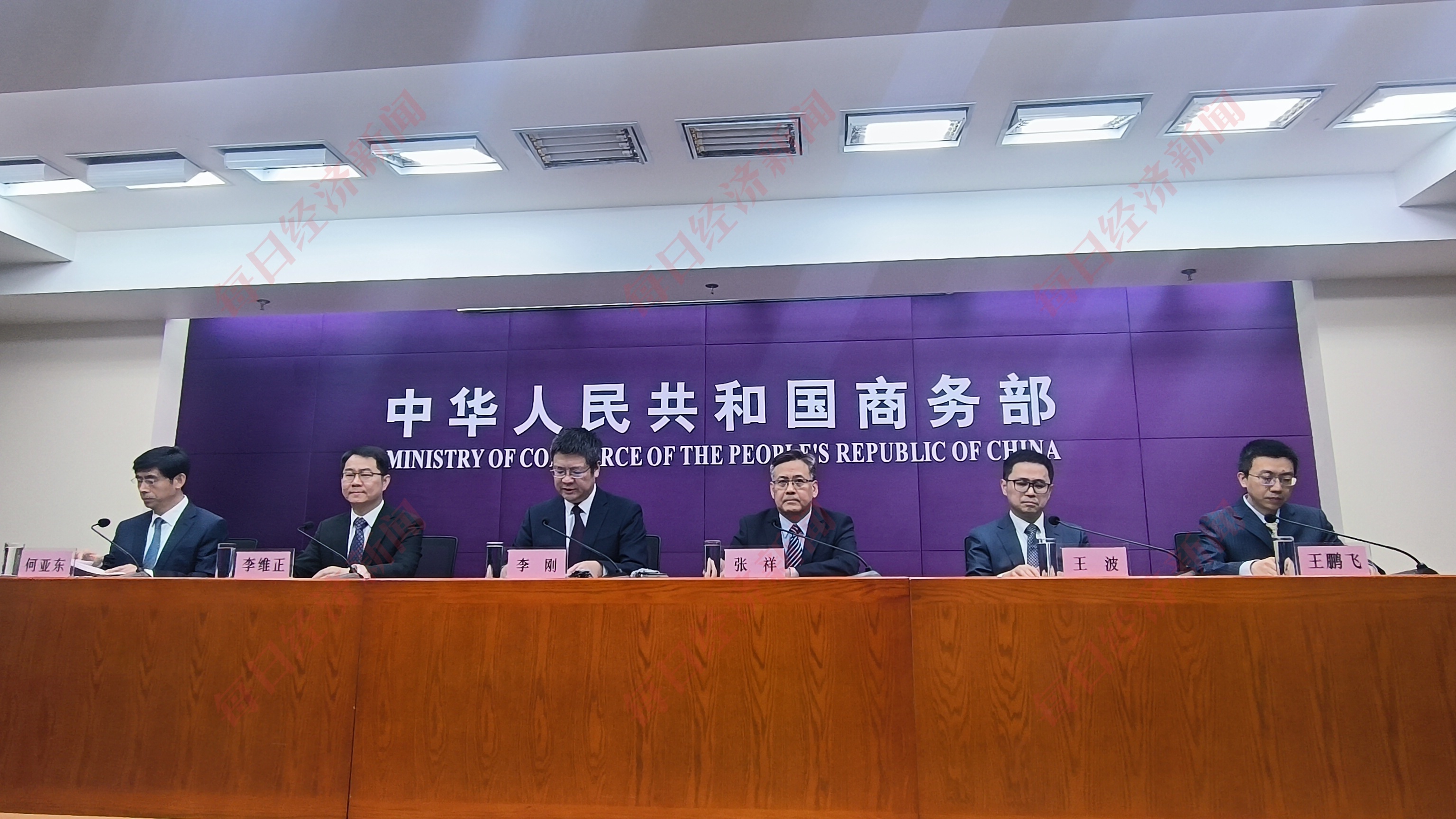
促进服务消费怎么干?商务部答每经问:加快健全服务消费“1+N”政策措施体系,增加优质服务供给
Mei Ri Jing Ji Xin Wen· 2025-03-25 13:15
促进服务消费怎么干?商务部答每经问:加快健全服务消费"1+N"政策措施体 系,增加优质服务供给 每经记者 张宏 每经编辑 陈旭 3月25日,商务部召开专题发布会,介绍扩消费有关政策情况。 中共中央办公厅、国务院办公厅近日印发《提振消费专项行动方案》,要求各地区各部门加强协同联动,加快形成工作合力。 在发布会上,商务部消费促进司司长李刚表示,为贯彻落实党中央、国务院决策部署,协同推进提振消费专项行动,商务部将围绕扩消费开展四方面工作: 一是升级商品消费,稳住消费大盘;二是扩大服务消费,挖掘消费增量;三是培育新型消费,增强消费动能;四是创新消费场景,激发消费活力。 王波表示,下一步,商务部将推进服务消费高质量发展,创新多元化服务消费场景,培育服务消费新增长点。 一是实施服务消费提质惠民行动。王波表示,服务消费是消费扩容升级的重要抓手,也是促进民生改善的重要支撑。从今年起,商务部将牵头实施服务消费 提质惠民行动,围绕文化、旅游、养老、托幼、健康、体育、生活服务等服务消费重点领域,从支持政策、促进活动、平台载体、对外开放、标准引领、发 展环境等方面提出一批务实举措,发挥部门合力,切实提升服务品质,改善消费体验,不断增 ...
促消费2025:社零不能再低于GDP增速
李迅雷金融与投资· 2025-03-22 08:38
□ 长期来看,消费还有很大提升空间,但也要客观看待提振消费的难度。影响消费的因素分为消 费能力和消费意愿两大类:影响消费能力的因素主要有收入、资产和债务;影响消费意愿的因素 包括对经济和未来收入的预期、社会保障体系完善程度,以及是否有消费时间等。其中消费能力 是能否提振消费的关键因素,故要想方设法增加中低收入者(边际消费倾向强)的收入和福利水 平 □ 《提振消费专项行动方案》总的政策思路是以增收减负提升消费能力,以高质量供给创造有效 需求,以优化消费环境增强消费意愿,并部署八方面30项重点任务。前七部分部署具体实施的七 大行动,第八部分进一步强调了完善投资、财政、信贷、统计等各项支持政策。文件覆盖面非常 广,涵盖了如何应对各类压制消费的因素 □ 考虑到消费对于经济平稳运行的重要性,接下来可做好五方面工作,以进一步夯实消费在稳经 济中的基石作用:一是更大力度增加财政对公共消费的投入;二是平衡好"以旧换新"和对特定群 体的现金补助;三是切实做好中低收入人群的收入合理增长工作;四是针对已毕业但尚未找到工 作的大中专毕业生,给予适当的生活补助;五是对个人消费贷款财政贴息的同时,加强资金用途 的监测 □ 当前,世界百年 ...