
食品饮料

Search documents
中国股市“迎接转型牛”专题系列报告三:中国股市上升的关键动力三:中国内需提振的“有力转折”
GUOTAI HAITONG SECURITIES· 2026-02-23 07:43
Group 1 - The focus of China's economic work is shifting towards domestic demand as a primary task, marking a historical turning point for expanding domestic demand [7][8] - The proportion of final consumption expenditure in GDP is expected to reach approximately 56.6% by 2024, significantly lower than the 66%-83% levels of developed economies like Japan and South Korea [7][23] - The strategic position of consumption as a "stabilizer" and "new engine" for economic growth is increasingly prominent, with service consumption becoming a core driver of consumption upgrade [7][23] Group 2 - Current domestic consumption is stabilizing at a low level, with structural recovery signals gradually emerging, supported by effective policies targeting long-standing consumption constraints [30][33] - The contribution rate of consumption to economic growth reached 52% in 2025, indicating that domestic demand is solidifying its dominant role in macroeconomic balance [33] - Service consumption is leading the recovery, with its share of total consumption rising from 41.66% to 46.15% over the past three years, indicating a strong trend towards service-oriented consumption [34] Group 3 - The real estate sector has undergone significant adjustments, entering a bottoming phase, with housing prices in first, second, and third-tier cities dropping by 22%, 30%, and 30% respectively from their peaks [7][10] - Recent policy changes are positively impacting the real estate market, with financing policies easing and urban renewal initiatives stabilizing housing price expectations [12][29] - The valuation and holding of domestic demand-related sectors are at historical lows, presenting a favorable opportunity for investment as expectations stabilize [4][38]
瑞银:升颐海国际(01579)目标价至18.2港元 重申“买入”评级
智通财经网· 2026-02-23 07:14
Core Viewpoint - UBS has raised its revenue forecasts for Yihai International (01579) by 1% for both last year and this year, and increased net profit forecasts by 3% and 6% respectively, indicating a positive outlook for the company's growth prospects [1] Group 1: Financial Projections - The new forecasts imply a compound annual growth rate (CAGR) for revenue and net profit of 5% and 11% respectively from 2025 to 2026 [1] - UBS has adjusted its target price for Yihai from HKD 15.9 to HKD 18.2, maintaining a "Buy" rating [1] Group 2: Growth Drivers - The positive outlook for restaurant demand in 2026 is expected to benefit Yihai and other companies in the restaurant supply chain [1] - A turning point in sales from related parties is noted, with Haidilao's operations stabilizing from a low base [1] - Following a price increase in Q4 2025, Yihai's profit margins are anticipated to improve [1]
复苏,聚焦上游
Orient Securities· 2026-02-23 00:45
Investment Rating - The industry investment rating is "Positive" (maintained) [5] Core Viewpoints - The report emphasizes a recovery in the food and beverage industry, focusing on upstream opportunities. It suggests that the consumption power, which has been constrained by debt cycles, is expected to improve significantly by the second half of 2026, leading to a recovery in traditional consumption [8] - The report identifies three main investment lines: 1. Agricultural processing, including sugar processing, juice processing, and livestock 2. Food raw material suppliers, focusing on bio-extraction and sugar substitutes 3. Food packaging, which is expected to benefit from cost increases and improved competitive dynamics [3][8] Summary by Relevant Sections Investment Suggestions and Targets - Focus on upstream sectors with three main lines: 1. Agricultural processing: - Sugar processing: Recommend COFCO Sugar (600737, Buy), related stock Crown Agricultural (600251, Not Rated) - Juice processing: Related stocks Andeli (605198, Not Rated), Andeli Juice (02218, Not Rated) - Livestock: Recommend Youran Dairy (09858, Buy), related stock Modern Farming (01117, Not Rated) 2. Food raw material suppliers: - Bio-extraction: Recommend Angel Yeast (600298, Buy), Bairun (002568, Buy), related stocks Chenguang Biotech (300138, Not Rated), Huabao International (00336, Not Rated), and Fujian Sunner Development (00546, Not Rated) - Sugar substitutes: Related stocks Bolinbao (002286, Not Rated), Sanyuan Bio (301206, Not Rated), and Bailong Chuangyuan (605016, Not Rated) 3. Food packaging: Related stock Aorui Jin (002701, Not Rated) [3]


财报季高ROE公司受追捧,别被表象迷惑
Sou Hu Cai Jing· 2026-02-22 14:11
Group 1 - The core argument is that many investors are misled by superficial market appearances and fail to recognize the importance of actual trading behavior, which is crucial for investment decisions [1][2][4] - Companies with high return on equity (ROE) are seen as long-term investment opportunities, but investors often overlook the underlying trading dynamics that can affect stock performance [1][12] - Quantitative data, particularly "institutional inventory," provides insights into the active participation of institutional funds, helping to distinguish between genuine market movements and mere appearances [2][4][12] Group 2 - Price fluctuations in stocks can be misleading; for instance, a stock may show volatility while institutional inventory remains active, indicating ongoing institutional interest [4][8] - Conversely, a stock may appear to recover in price without institutional support, suggesting that such recoveries are not sustainable [4][8][11] - Continuous price movements can create emotional responses among investors, leading to premature exits or misguided entries; quantitative data can clarify these situations [9][11] Group 3 - The use of quantitative thinking helps investors establish a rational investment logic, moving away from emotional reactions to market news and trends [12] - Active institutional inventory indicates that a company's value is recognized by institutions, while stagnant inventory, even in high ROE companies, may signal superficial attractiveness [12]


雀巢集团的转型困境与战略调整
Jing Ji Guan Cha Wang· 2026-02-22 12:39
Core Viewpoint - Nestlé Group is undergoing a significant strategic shift due to inflationary pressures and fluctuating market demand, as its long-standing price increase strategy appears to be reaching its limits [1] Financial Performance - In 2026, Nestlé reported annual sales of 89.49 billion Swiss francs (approximately 728.53 billion RMB), a year-on-year decline of 2% [1] - The company's aggressive price hikes in response to rising costs of coffee beans and cocoa led to a 2.8% increase in annual sales, but actual sales volume growth was only 0.8% [1] Market Challenges - In the Chinese market, Nestlé faces significant challenges, including a decrease in foot traffic in traditional supermarkets and increased price competition among distributors [2] - The organic growth rate in the Greater China region fell by 6.4% in 2025, with an internal growth rate decline of 4.5% and a pricing contribution rate of -1.9% [2] Strategic Adjustments - Nestlé is shifting its business model in China from reliance on distribution channels to a consumer demand-driven approach, focusing on reducing channel inventory and enhancing marketing and innovation capabilities [3] - The company has identified four core areas for future development: coffee, pet care, nutrition, and food & snacks, which together account for 70% of total sales [3] Organizational Changes - Nestlé plans to cut approximately 16,000 jobs, equivalent to 6% of its total workforce, including around 12,000 white-collar positions [4] - The company is in advanced negotiations to sell its remaining ice cream business to Froneri, the world's second-largest ice cream manufacturer [3] Product Innovation - To address market challenges, Nestlé has appointed a new head of coffee business and aims to introduce innovative products like cold brew concentrated coffee to enhance its presence in the home consumption market [5]

观速讯丨新春走基层·一线直击|打卡北京隆福寺:一篮年货 喜乐相伴
Xin Hua She· 2026-02-22 12:37
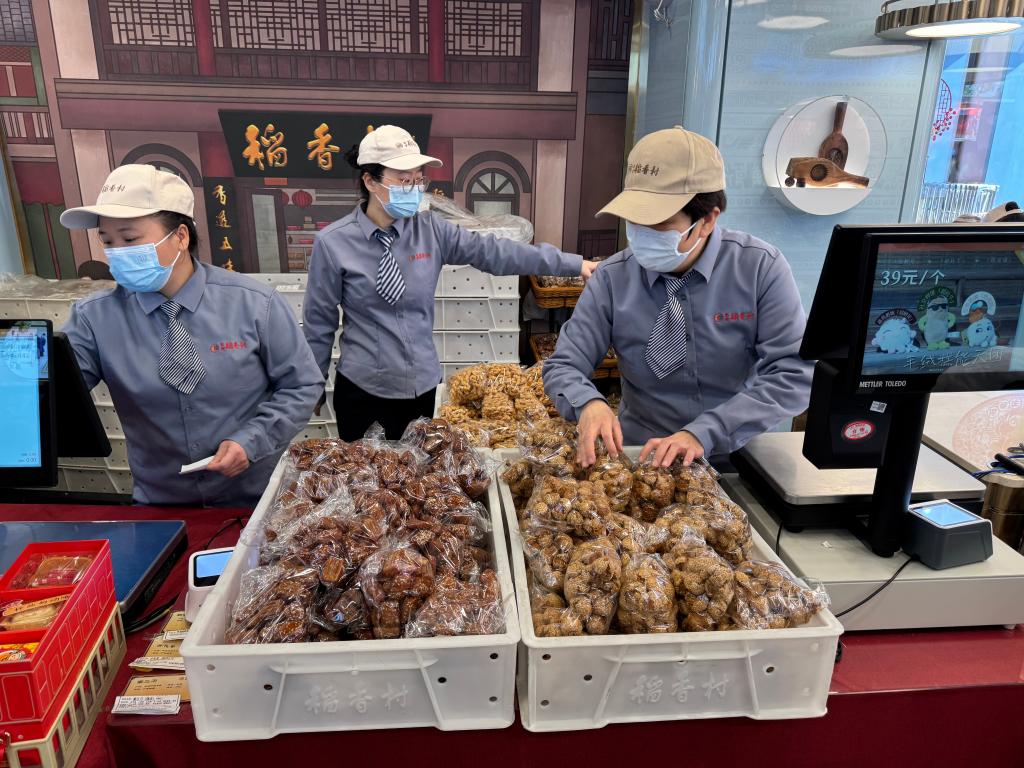
Core Viewpoint - The traditional food market during the Spring Festival in Beijing, particularly at the Dongcheng District's Longfu Temple, showcases a vibrant cultural scene, with old brands like Beijing Daoxiangcun and Liubiju attracting significant consumer interest and sales growth. Group 1: Sales Performance - Beijing Daoxiangcun's sales of its popular three-piece set reached approximately three tons per day during the festival, with customer traffic increasing two to three times compared to regular days [3]. - The Longfu Temple market saw a doubling of sales for various products, with vendors like Fengnian Sausage selling around 1,000 pounds daily [5]. - Sales of soy sauce and vinegar at Liubiju were reported to have doubled, with products selling out within hours [5]. Group 2: Consumer Engagement - The market atmosphere reflects a blend of traditional flavors and modern consumer preferences, with younger generations actively seeking out these cultural experiences [3]. - Creative pastries inspired by classic Chinese literature, such as "Tang Seng Guo Guo" and "Da Sheng Guo Guo," are designed to resonate with cultural narratives, enhancing consumer engagement [4]. - Vendors are adapting to health trends by modifying recipes, such as reducing sugar in traditional snacks like Shaqima [5]. Group 3: Cultural Significance - The Longfu Temple market is part of a cultural triangle that includes the Forbidden City and Wangfujing, revitalizing traditional customs and enhancing the festive atmosphere [5]. - The presence of established brands and their innovative approaches not only attract crowds but also contribute to the preservation of Beijing's cultural heritage [5].

“涨价”策略失灵叠加“黑天鹅”事件,雀巢忙“瘦身”自救
Jing Ji Guan Cha Wang· 2026-02-22 12:03
Core Insights - Nestlé is facing significant challenges due to inflationary pressures and demand fluctuations, leading to a peak in its price increase strategy that is now failing in global markets [1] - The company reported a 2% decline in sales for 2025, with total sales reaching 89.49 billion Swiss francs (approximately 728.53 billion RMB) [1] - The aggressive pricing strategy contributed 2.8% to annual sales growth, but the actual internal growth rate was only 0.8%, indicating reliance on pricing rather than volume [1] Group 1: Financial Performance - In 2025, Nestlé's net profit fell by 17% to 9 billion Swiss francs, marking a rare and significant decline [3] - The Greater China region experienced an organic growth rate of -6.4%, with an internal growth rate of -4.5% and a pricing contribution rate of -1.9%, significantly dragging down overall performance [2] Group 2: Strategic Adjustments - The company is shifting its business model from distribution-driven to consumer demand-driven, focusing on reducing channel inventory and rebuilding marketing and innovation capabilities [3] - Nestlé has identified four core pillars for future growth: coffee, pet care, nutrition, and food & snacks, which together account for 70% of its sales [3] Group 3: Operational Challenges - A recall of infant formula due to contamination resulted in a non-operating loss of approximately 110 million Swiss francs (about 895 million RMB) and potential sales losses of up to 1.2 billion Swiss francs (about 9.77 billion RMB) in 2026 [2] - The company is negotiating the sale of its remaining ice cream business, which is a significant strategic move following the divestiture of its water business [4] Group 4: Market Competition - Nestlé's coffee business is facing intense competition from brands like Luckin Coffee and Kudi, which are impacting its supply chain costs [4] - The company is attempting to innovate within the coffee segment by introducing new products to adapt to changing consumer preferences [4] Group 5: Workforce Optimization - Nestlé plans to reduce approximately 16,000 jobs, equivalent to 6% of its total workforce, as part of a broader effort to optimize its organizational structure [5] - The company is under pressure to adjust its human resources in response to performance challenges across various product lines [5]
重磅利好
Ge Long Hui· 2026-02-22 03:30
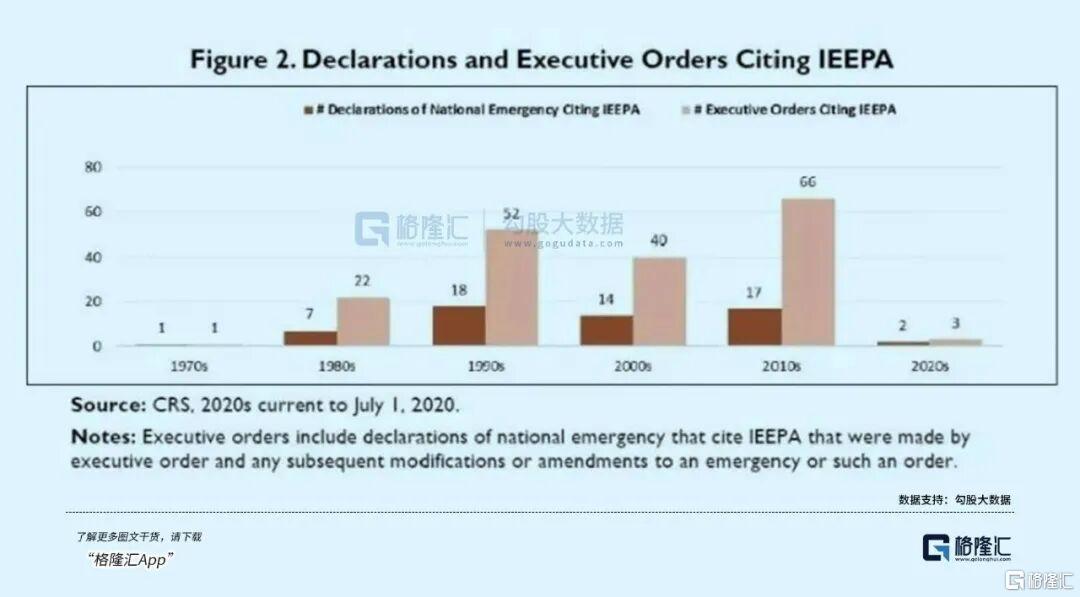
Core Viewpoint - The U.S. Supreme Court ruled 6-3 that the executive branch's attempt to invoke the International Emergency Economic Powers Act (IEEPA) to impose blanket tariffs on global imports due to trade deficits or economic competition is considered "executive overreach" [1] Group 1: Impact on Tariffs and Companies - The Supreme Court's decision invalidated tariffs that accounted for 75% of the total tariffs imposed by Trump for 2025, affecting hundreds of billions of dollars worth of goods [1] - Following the ruling, major financial institutions like Goldman Sachs and Morgan Stanley quickly raised profit forecasts for import-dependent companies, anticipating reduced procurement costs and improved profit margins [9][10] - The retail sector, which has a high import dependency of 68%, is expected to see an average procurement cost decrease of 2.3%-2.8%, leading to an 8.7% increase in net profits for 2026 [14] Group 2: Sector-Specific Benefits - Apparel retail companies, previously facing a 25% tariff, are projected to benefit the most with a cost reduction of 5.2%-5.8% and a 12.3% increase in net profits [15] - The semiconductor industry, with a 72% import dependency, could see costs drop by 3.5%-4.2%, resulting in a 10.5% increase in net profits for 2026 [15] - Consumer goods companies are expected to experience a 2.7%-3.2% decrease in import costs, leading to a 7.8% increase in net profits for 2026 [16] Group 3: Market Reactions and Economic Outlook - The ruling led to a significant rise in U.S. stock indices, reflecting improved profit expectations for import-dependent firms [4] - The market's inflation expectations dropped, with the inflation expectation index falling from 2.31% to 2.18%, indicating reduced concerns about future inflation [26] - Predictions suggest that the S&P 500 index could rise by 2.3%-2.8% in the next month, with technology and retail sectors outperforming the average [30]
新春走基层·一线直击丨打卡北京隆福寺:一篮年货 喜乐相伴
Xin Hua She· 2026-02-22 01:40
Core Insights - The article highlights the vibrant atmosphere of the Lunar New Year market at Longfu Temple in Beijing, showcasing traditional food brands like Beijing Daoxiangcun, Fengnian Sausage, and Liubiju as popular attractions for visitors [1][4]. Group 1: Sales Performance - During the holiday period, foot traffic at Beijing Daoxiangcun's zero store increased two to three times compared to regular days, with peak sales reaching around three tons of traditional snacks in a single day [2]. - Fengnian Sausage's sales reached approximately 1,000 pounds daily, indicating a significant rise in demand during the festive season [4]. - Liubiju reported that sales of soy sauce and vinegar doubled compared to normal days, with products selling out quickly within hours [4]. Group 2: Product Offerings - Beijing Daoxiangcun introduced creative snacks inspired by "Journey to the West," including various fruit-filled pastries with unique meanings tied to classic stories [2]. - The market features a variety of traditional foods, including tangyuan (glutinous rice balls) with popular flavors like mixed, black sesame, and five nuts, catering to evolving consumer health preferences [4]. Group 3: Cultural Significance - The Longfu Temple market serves as a vital part of Beijing's cultural heritage, blending traditional customs with modern consumer trends, thus enhancing the festive atmosphere and driving sales [1][4].
新春走基层·一线直击|打卡北京隆福寺:一篮年货 喜乐相伴
Xin Lang Cai Jing· 2026-02-22 01:28
Core Insights - The article highlights the vibrant atmosphere of the Lunar New Year market in Dongcheng District, Beijing, showcasing traditional brands like Beijing Daoxiangcun and Fengnian Sausage as popular attractions for visitors [1][2]. Group 1: Sales Performance - During the holiday period, foot traffic at Beijing Daoxiangcun's zero store increased to two to three times the normal levels, with peak sales reaching around three tons of their popular snack sets in a single day [2]. - Fengnian Sausage's store reported sales of 1,000 pounds of sausages daily, indicating a significant increase in demand compared to regular days [3]. - Sales of soy sauce and vinegar at Liubiju's stall doubled, with a large barrel of each selling out within just a few hours [3]. Group 2: Product Offerings - The popular snack set from Beijing Daoxiangcun includes creative pastries inspired by "Journey to the West," featuring various fillings that reflect cultural stories [2]. - The market also saw a surge in demand for traditional foods like Yuanxiao (glutinous rice balls), with classic flavors such as mixed, black sesame, and five-nut being particularly favored [3]. - Product development is adapting to consumer health trends, with items like Shaqima (a traditional sweet) being reformulated to reduce sugar content [3]. Group 3: Cultural Significance - The bustling atmosphere of the Lunar New Year market reflects the essence of traditional Chinese culture and the nostalgia associated with it, appealing to both older and younger generations [1]. - The market serves as a vital part of the cultural triangle in Beijing, linking historical traditions with modern consumer experiences, thereby enhancing the festive spirit and boosting consumption [3].