
AI算力

Search documents
政策定调与资金面共振,A股迎来关键时刻!哪些板块将成为下周赢家?
Sou Hu Cai Jing· 2026-02-01 06:31
2026年1月30日,证监会召开了一场关乎资本市场未来五年发展方向的座谈会。 证监会主席吴清亲自出席并明确表示要"全力巩固资本市场稳中向好势头", 这相当于给市场的"慢牛"格局提供了官方背书。 座谈会还特别强调了创业板和科创板改革的重要性,明确指出"科技牛"将是未来发展的核心方向。 两融方面,尽管受监管层提高融资保证金比例影响,前半周出现一定融资资金撤出,但后半周融资资金再度增加。 全周总体小幅净卖出68.9亿元,融资余额 仍维持在2.7万亿元以上的高位。 就在同一天,国际贵金属市场出现了戏剧性下跌。 现货黄金价格一度暴跌近8%,从前期高点5600元快速回落至5000元下方。 现货白银跌幅更为惨烈,重挫 17%。 这种剧烈波动直接影响了A股有色板块的表现。 1月份A股市场交出了一份令人瞩目的成绩单。 上证指数走出了罕见的17连阳,刷新了A股历史纪录。 1月全市场总成交额突破60万亿元,创下月度成交的历 史新高。 然而,市场内部却呈现出明显的分化格局。 截至1月底,科创50指数上涨12.29%,中证500指数上涨12.12%,而代表权重股的沪深300指数仅上涨1.65%,上 证50指数涨幅更是只有1.17%。 ...

8亿元增资落地,国资入场为粤港湾控股(01396.HK)AI转型“加码”
Ge Long Hui· 2026-02-01 02:53
Group 1 - The core viewpoint of the news is that Guangdong-Hong Kong-Macau Holdings has received significant support from state-owned capital through an investment of 800 million RMB for a 40% stake in its subsidiary, Tiandun Data, which enhances its AI computing power business and signifies state recognition of its strategic transformation into a "digital ecosystem operator" [1][2][6] Group 2 - The strategic investment by state-owned capital is not an isolated event, as it follows previous funding rounds aimed at supporting AI computing cloud service projects, indicating ongoing state support for the company's AI transformation [2] - The timing of state capital's involvement is driven by changes in supply and demand dynamics, with the AI wave pushing general data centers to upgrade to intelligent computing centers, projected to reach a market size of nearly 25 trillion RMB by 2028 [3] - The recognition of the scarcity of AI computing power and the company's capacity post-transformation is crucial, as Tiandun Data is among the top operators in China capable of building high-performance computing clusters, meeting the needs for large model training [4] Group 3 - Tiandun Data's revenue is expected to grow significantly, with projections showing an increase from 50.9 million RMB in 2022 to 230 million RMB in 2024, and a compound growth rate of 114.5% [5] - The company has accumulated over 10 billion RMB in operational and billing orders, primarily from major telecom operators and internet companies, ensuring a stable revenue stream [5] - The financial structure has been optimized, with a reduction in debt ratio from 45% to 7% after a successful debt-to-equity swap, providing flexibility for AI business expansion [5] Group 4 - The collaborative ecosystem effect is accelerating, leveraging the company's past capabilities in industrial park operations and government resource connections to expand its intelligent computing business [7] - The company is transitioning its land resources from traditional logistics to high-performance computing centers, enhancing operational efficiency in new infrastructure [8] - Tiandun Data's AI computing centers are equipped with advanced management and scheduling platforms, which are critical for transitioning from basic services to comprehensive AI computing services [9] Group 5 - Partnerships with companies like Huagong Technology are expected to enhance network infrastructure and service capabilities, facilitating access to government and enterprise clients [10] - The company is also collaborating on a large AI inference computing base in the Guangdong-Hong Kong-Macau Greater Bay Area, with significant computing power already operational [10] - The valuation framework of the company is anticipated to shift from traditional real estate metrics to technology growth metrics, reflecting its transformation and the potential for significant valuation increases [11]
恒润股份控股公司深圳润六尺正式落地,开启AI算力产业新篇章
Quan Jing Wang· 2026-01-29 14:08
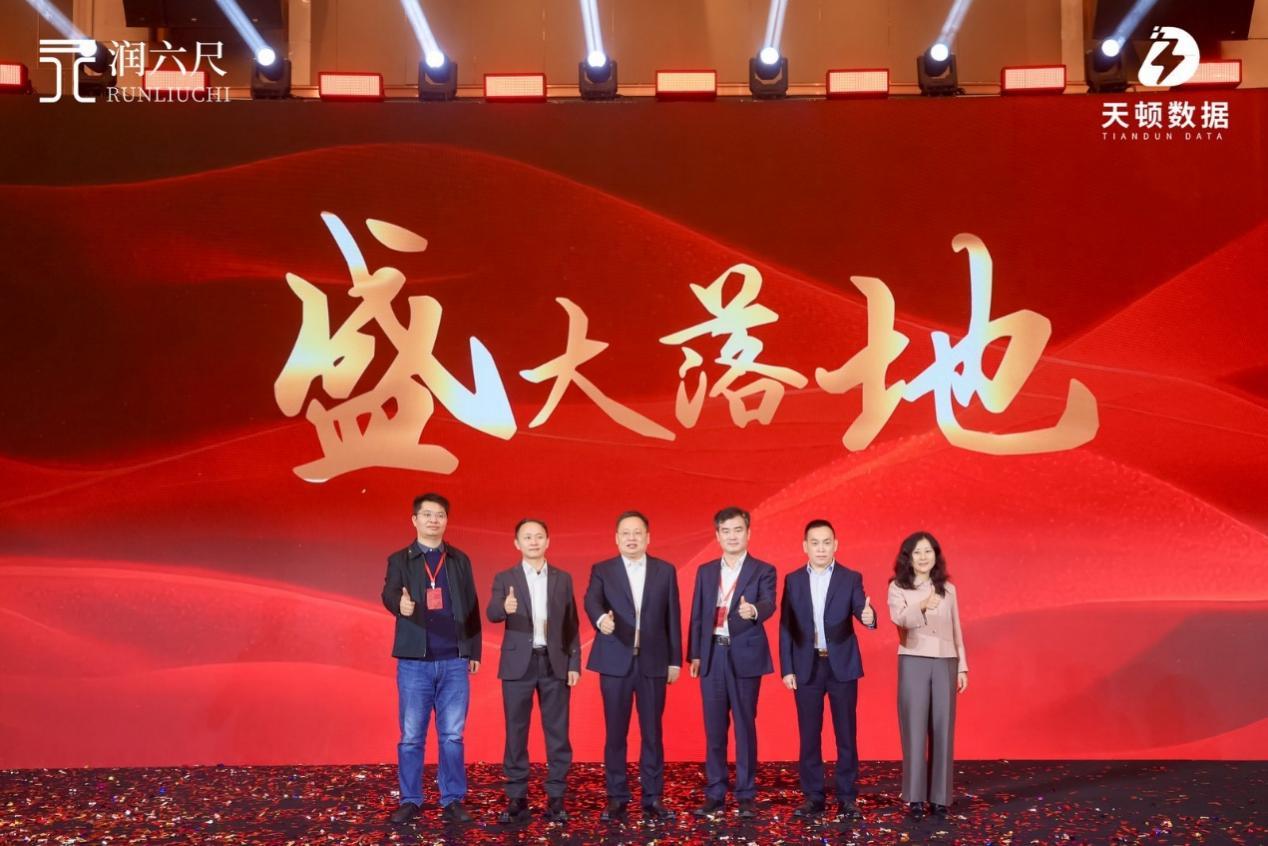
2026年1月29日,深圳市龙岗区人工智能(机器人)署、深圳润六尺科技有限公司(以下简称"深圳润六尺")联合深圳天顿数据科技有限公司(以下简称"天顿数 据"),在深圳龙岗成功举办"深圳龙岗AI产业生态合作发布会暨深圳润六尺落地盛典及推理算力基地启航仪式"。本次大会以"智算筑基,理赢未来"为核心主 题,聚焦AI推理算力生态构建与产业协同创新,共探AI技术赋能千行百业的新路径、新机遇,也正式宣告润六尺在粤港澳大湾区的算力布局迈出关键一 步,彰显了其深耕AI算力领域、助力数字经济发展的坚定决心。 依托全链条核心优势与资源整合能力,润六尺科技已在算力布局上率先发力。为打破传统集中式供给限制,公司创新采用去中心化模式,聚合分散的闲置算 力资源(如智算中心的夜间算力),通过科学调度实现算力高效利用——白天优先保障推理等自用需求,夜晚则开放给AI训练等高强度任务,既让用户得以更 优价格直接从供应方获取算力,也帮助企业盘活闲置资产,有效激活了整个算力生态,进一步彰显了其在算力领域的专业实力。 在长三角算力布局成效显著的基础上,润六尺顺势拓展粤港澳大湾区市场,此次启航的深圳润六尺推理算力基地,正是其完善全国算力布局、实现区域协 ...

别只盯着题材股了!看看聪明钱社保在买啥:47只重仓股逆市暴涨,名单和逻辑都在这
Sou Hu Cai Jing· 2026-01-29 11:40
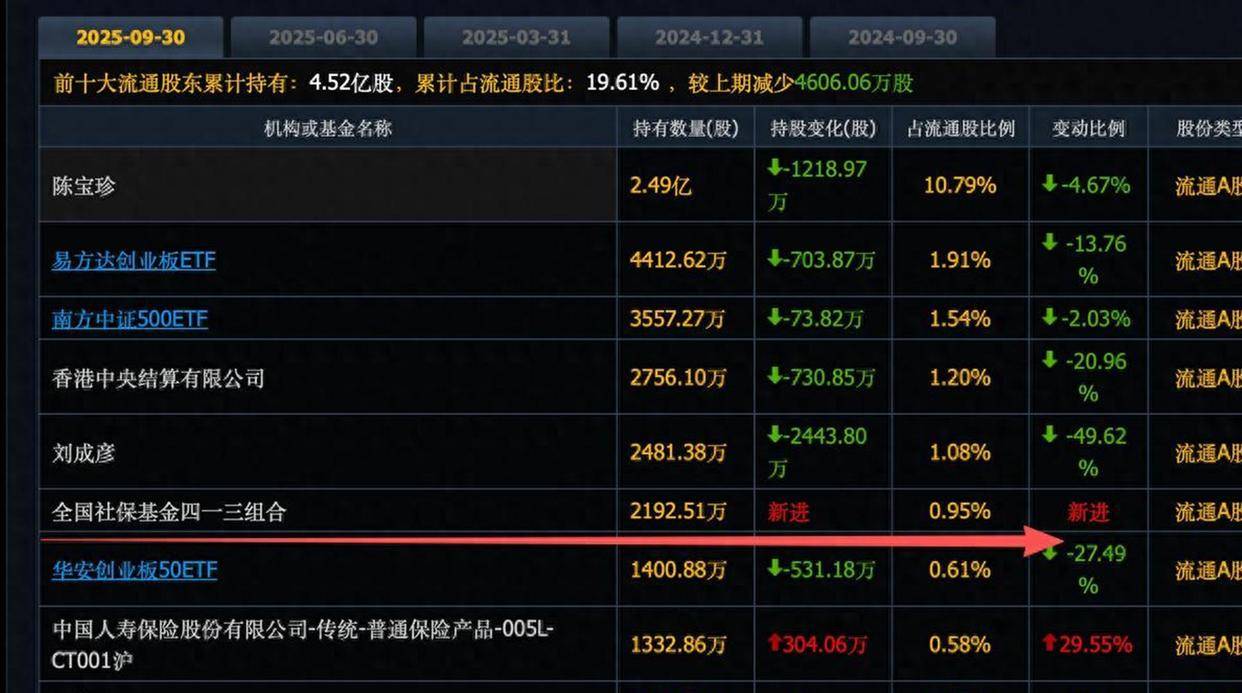
昨天,整个市场有超过3600只股票是下跌的,大盘走得摇摇晃晃。 但就在这种让人提不起精神的行情里,有一批股票却像坐了火箭。 更关键的是,这批暴 涨的股票背后,站着同一个"超级主力"——全国社保基金。 回顾2025年的表现,社保基金被证明是市场上最"聪明"的钱之一。 全年,社保基金的持仓组合里,跑出了59只股价翻倍的股票,其中有16只股票的涨幅甚 至超过了200%。 在很多人抱怨赚钱难的年份里,社保基金的投资组合却取得了稳健的回报。 | 2025-09-30 | 2025-06-30 | 2025-03-31 | 2024-12-31 | | 2024-09-30 | 该股票最热门的概念 | | --- | --- | --- | --- | --- | --- | --- | | 前十大流通股东累计持有A、H流通股:109.76亿股,累计占A、H流通股比:64.14%,较上期减少2.58亿股 | | | | | | | | 机构或基金名称 | | | 持有数量(股) | 持股变化(股) | 占流通股比例 | 变动比例 | | 中国铝业集团有限公司 | | | 52.35亿 | 不变 | 30.60% | 不变 ...
【看新股】燧原科技拟IPO:国产GPU企业,腾讯为大股东贡献七成营收
Sou Hu Cai Jing· 2026-01-29 01:28
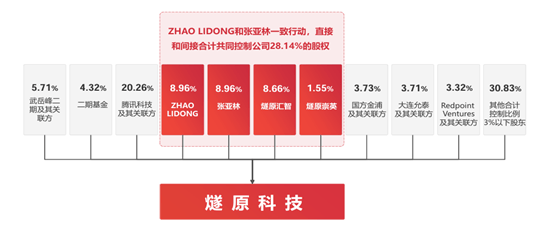
Core Viewpoint - Shanghai Suyuan Technology Co., Ltd. (referred to as "Suyuan Technology" or "the company") has disclosed its prospectus for an IPO on the Shanghai Stock Exchange's Sci-Tech Innovation Board, aiming to raise funds for product R&D, business expansion, and supply chain security to enhance the independent innovation capability of domestic AI chips [1][4]. Group 1: Financial Performance - Since 2022, the company has experienced rapid revenue growth, with revenue increasing from 90.10 million yuan in 2022 to 722.39 million yuan in 2024, representing a compound annual growth rate of 183.15% [5]. - Despite revenue growth, the company has incurred significant losses, with cumulative net losses exceeding 5 billion yuan since 2022, and the latest figures showing a net loss of 9.12 billion yuan for the first three quarters of 2025 [10]. - The company expects to reach a breakeven point by 2026, assuming no external instability factors affect its operations [10]. Group 2: Ownership and Major Clients - The actual controllers of the company, Zhao Lidong and Zhang Yalin, hold a combined 28.14% stake, with Tencent being a major shareholder holding 20.26% of the shares [3]. - Tencent is not only a significant investor but also a major customer, contributing over 70% of the company's total revenue in the first three quarters of 2025 [1][11]. - The company has a high customer concentration, with sales to the top five customers accounting for over 90% of total revenue during the reporting periods [11]. Group 3: Product Development and Market Position - Founded in March 2018, Suyuan Technology has developed four generations of cloud AI chips and established a comprehensive product system covering AI chips, AI acceleration cards, intelligent computing systems, and AI software platforms [2]. - The company has filed 262 domestic invention patents and has participated in over 10 national and local technology projects, contributing to the establishment of key national and industry standards for AI chips and intelligent computing systems [5].

并购破局 罗曼股份:以AI与算电融合谋新篇
Shang Hai Zheng Quan Bao· 2026-01-29 00:11
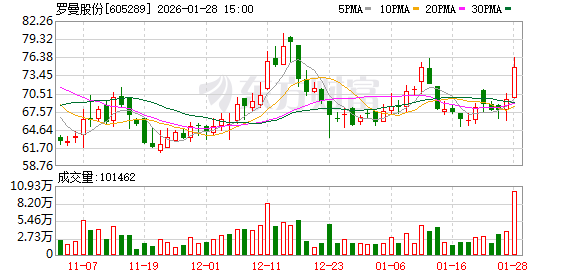
Core Viewpoint - Roman Holdings is leveraging strategic acquisitions and technological integration to expand its market presence and embrace AI, aiming for significant growth in the coming years [1] Group 1: Company Strategy and Acquisitions - Roman Holdings has made two key acquisitions to transition into new markets, including the purchase of AIDC for AI computing solutions and Holovis for immersive experience design [1] - The company aims to create synergies between its existing landscape lighting business and the new acquisitions, focusing on "good tracks, good companies, and strong synergy" in its selection process [1] - The acquisition of Holovis has enabled Roman Holdings to penetrate international markets and attract high-quality clients, enhancing its competitive edge [1] Group 2: Integration and Value Creation - The integration phase post-acquisition is crucial for optimizing operations and enhancing competitiveness, with a focus on cost reduction and resource sharing [1] - Roman Holdings employs a dual strategy of respecting the management styles of acquired companies while leveraging its supply chain to reduce operational costs [1] - The company anticipates that the integration of AIDC will enhance its AI applications and optimize its digital entertainment offerings [1] Group 3: Financial Projections and Performance - Roman Holdings projects a profit of 180 million to 200 million yuan in 2025, with a net profit of 50 million to 60 million yuan, marking a turnaround from previous losses [1] - The company is set to fully integrate AIDC into its financial reports, positioning it as a key support for AI application scenarios [1] Group 4: Embracing AI and Future Directions - Roman Holdings plans to fully embrace AI as a core strategy, focusing on two main areas: AI integration in urban tourism and smart city applications, and the synergy between energy and computing [1] - The company aims to build a global operational system and enhance project delivery capabilities, ensuring high-quality project outcomes [1] - The upcoming "15th Five-Year Plan" period will see Roman Holdings accelerate its new energy system construction, providing green energy solutions for data centers and computing facilities [2]

【看新股】燧原科技拟IPO:国产GPU企业 腾讯为大股东贡献七成营收
Sou Hu Cai Jing· 2026-01-28 23:47
Core Viewpoint - Shanghai Suyuan Technology Co., Ltd. is planning to go public on the Science and Technology Innovation Board, aiming to raise funds for product R&D, business expansion, and supply chain security to enhance the independent innovation capability of domestic AI chips [1][3]. Group 1: Company Overview - Founded in March 2018 by Zhao Lidong and Zhang Yalin, Suyuan Technology has developed four generations of cloud AI chips and built a comprehensive product system covering AI chips, AI acceleration cards, intelligent computing systems, and AI software platforms [1][2]. - The company has a strong background in AMD, with both founders having significant experience in chip development and management [2]. Group 2: Financial Performance - Since 2022, the company has experienced rapid revenue growth, with revenue increasing from 90.1 million yuan in 2022 to 722.4 million yuan in 2024, representing a compound annual growth rate of 183.15% [3]. - Despite revenue growth, the company has incurred significant losses, with cumulative net losses exceeding 5 billion yuan since 2022, and the earliest expected time to reach breakeven is 2026 [5]. Group 3: Customer Concentration - Tencent is both a major shareholder and customer, holding 20.26% of the company's shares and contributing over 70% of total revenue in the first three quarters of 2025 [1][10]. - The company has a high customer concentration, with sales to the top five customers accounting for over 90% of total revenue during the reporting period [5][6].

并购破局 罗曼股份:以AI与算电融合谋新篇
Shang Hai Zheng Quan Bao· 2026-01-28 18:40
Core Insights - Roman Holdings, a leader in the landscape lighting industry in China, has successfully expanded into new markets through strategic acquisitions, including the purchase of Holovis and Wu Tongshu High-tech [2][4][6] Group 1: Strategic Acquisitions - Roman Holdings has signed contracts worth approximately 604 million yuan in the computing power sector through its subsidiary Wu Tongshu High-tech, marking a significant step into the AI computing field [3] - The acquisition of Wu Tongshu High-tech in 2025 is aimed at integrating AI computing capabilities with the company's existing energy solutions, enhancing its competitive edge in the green energy sector [3][7] - The acquisition of Holovis in 2024 allows Roman Holdings to leverage virtual reality and immersive experience technologies, creating synergies with its core lighting business and facilitating entry into high-end markets [4][6] Group 2: Integration and Value Creation - The first year post-acquisition is defined as a critical "honeymoon period" for integration, allowing for quick adjustments in operations and processes to optimize costs and enhance competitiveness [6] - Roman Holdings employs a strategy of "empowerment management and resource sharing" for Holovis, respecting its management culture while providing access to Chinese supply chain resources to reduce operational costs [6] - For Wu Tongshu High-tech, the focus is on releasing the value of the integration by combining AI computing technology with renewable energy solutions, enhancing the overall efficiency of both business segments [6][7] Group 3: Future Growth and AI Integration - Roman Holdings aims to fully embrace AI as a core strategy, focusing on two main areas: enhancing immersive experiences in urban tourism and smart city applications, and integrating renewable energy with computing power [8][9] - The company plans to implement a "2.0" strategy for global expansion, building a global operational system and enhancing project delivery capabilities [8] - By 2026, Roman Holdings expects to achieve a profit of 180 million to 200 million yuan, with net profits for shareholders projected between 50 million and 60 million yuan, indicating a turnaround from previous losses [7]
公募顶流四季报揭秘:科技冲锋与价值深蹲下的业绩分野
2 1 Shi Ji Jing Ji Bao Dao· 2026-01-28 12:31
Core Viewpoint - The market experienced increased volatility in Q4 2025, with A-shares and Hong Kong stocks showing mixed performance, while sectors like AI computing and semiconductors thrived, contrasting with weaker performances in real estate and pharmaceuticals [1] Group 1: Market Performance - The Shanghai Composite Index rose by 2.22% in Q4 2025, while the Hang Seng Index fell by 4.56% [1] - The technology growth sector, particularly AI computing and semiconductors, showed significant gains, while industries such as real estate and pharmaceuticals faced challenges [1] Group 2: Fund Manager Performance - Star fund managers like Fu Pengbo and Li Xiaoxing achieved over 60% returns in 2025, focusing on AI computing and semiconductors [2] - Balanced allocation funds, such as Zhu Shaoxing's, demonstrated stability with a 20% annual return, benefiting from diversified investments across various sectors [3][14] Group 3: Investment Strategies - Fu Pengbo's fund increased its allocation to data center cooling and computing-related companies, with a top ten stock concentration of 70.38% [5] - Li Xiaoxing emphasized AI hardware innovation and semiconductor investments, with a focus on domestic advancements in the semiconductor industry [6] Group 4: Traditional Value Investments - Fund managers like Zhang Kun and Liu Yanhun maintained positions in traditional sectors like consumer goods and pharmaceuticals, despite facing net value pressures [8][12] - Liu Yanhun's fund experienced a 5.85% decline in Q4, reflecting the challenges faced by traditional value sectors [12] Group 5: Policy and Market Outlook - Fund managers noted the impact of "anti-involution" policies on corporate fundamentals, suggesting a shift towards supply-side optimization [17] - Despite market rebounds, equity assets are still viewed as attractive, with a focus on high-quality listed companies as scarce income-generating assets [18]




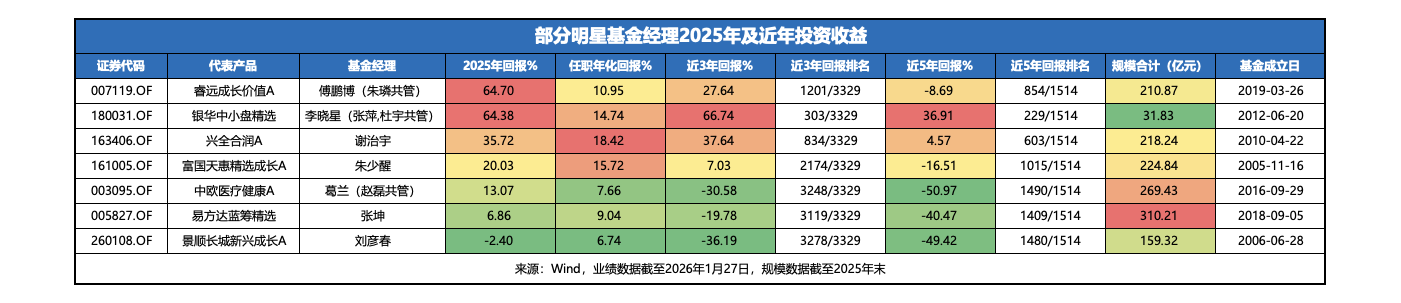
中信建投:亚马逊云计算涨价 继续推荐AI算力板块
Zheng Quan Shi Bao Wang· 2026-01-27 00:01
人民财讯1月27日电,中信建投(601066)证券研报认为,亚马逊近期对其AI算力服务——EC2机器学 习容量块的价格上调15%,标志着多年来云服务价格"只降不升"的惯例被打破,反映出算力供给紧张的 情况。全球最大AI开源社区Hugging Face最新数据显示:阿里千问开源模型下载量破10亿次,是全球首 个达成的开源大模型。中信建投建议一方面关注云计算服务商,可能跟进涨价,另一方面持续推荐AI 算力板块和AI应用。 近期,算力板块走势纠结。中信建投认为一是市场对2027年的需求展望仍存分歧,二是板块持仓较重。 如中际旭创(300308)和新易盛(300502)分别登上主动基金头号重仓股的第一和第三位。目前世界正 处于AI产业革命,类比工业革命的影响深远,需要以更长期的视角去观察。中信建投对AI带动的算力 需求以及应用持续乐观,算力板块短期的调整是机会。 ...
