
石油

Search documents
日本释放创纪录石油储备,有用吗?
第一财经· 2026-03-16 10:28
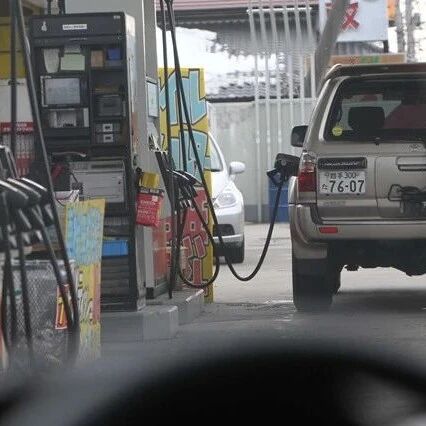
Core Viewpoint - Japan is releasing 80 million barrels of oil from its reserves to mitigate rising oil prices due to tensions in the Middle East, marking the largest release since the establishment of its national oil reserve system in 1978 [3][5]. Group 1: Oil Reserve Release - The release of oil reserves will begin with 15 days' worth of private reserves, followed by the release of 30 days' worth of national reserves from various bases [5]. - Japan's oil reserves as of the end of 2025 are approximately 470 million barrels, sufficient for 254 days of consumption, with national reserves covering 146 days [3][5]. Group 2: Impact on Oil Prices - The average retail price of gasoline in Japan has risen to 161.80 yen per liter, with further increases expected due to the Middle East situation [3]. - If oil prices remain between $90 and $100 per barrel, Japan's trade deficit could increase by nearly 10 trillion yen annually, leading to a depreciation of the yen and higher import costs [8]. Group 3: Economic Consequences - In a worst-case scenario where oil prices reach $130 per barrel, Japan's GDP could be negatively impacted by 0.65 percentage points, with inflation rising by 1.14% [8]. - The current government strategy to release reserves may not effectively lower oil prices due to ongoing geopolitical tensions [8]. Group 4: Energy Supply Challenges - Japan faces challenges in refined oil supply, as issues in the refining process could lead to shortages of gasoline and diesel, despite having sufficient crude oil reserves [8]. - Japan's reliance on liquefied natural gas (LNG) is also under threat, as Qatar, a major supplier, has temporarily halted production, affecting Japan's electricity generation [9]. Group 5: Renewable Energy Shortcomings - The ongoing crisis highlights Japan's shortcomings in renewable energy adoption, as the country has historically been resistant to diversifying its energy sources [9].

美石油巨头警告特朗普政府
中国能源报· 2026-03-16 10:21
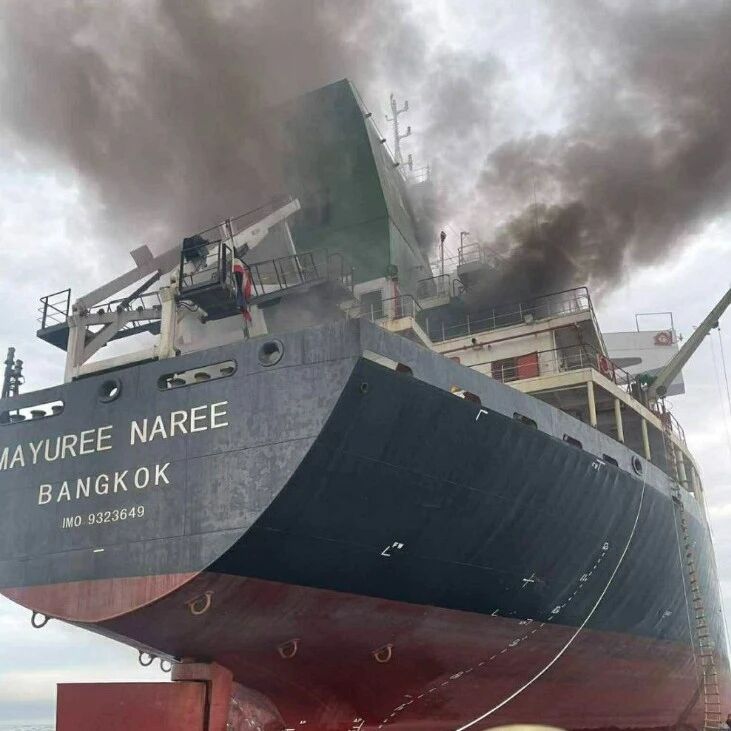
美石油巨头警告:美以伊战事引发的能源危机或加剧。 由于霍尔木兹海峡航运持续受阻,埃克森美孚、雪佛龙和康菲等多家美国石油巨头的首席执行官近日警告特朗普政府,中东地区战事 延宕引发的能源危机或进一步恶化。 美国《华尔街日报》15日援引消息人士的话报道,上述三家油企的首席执行官在11日举行的一系列白宫会议以及近日与美国能源部长 克里斯·赖特和内政部长道格·伯格姆的交谈中警告,霍尔木兹海峡航运受阻导致石油供应紧张,加剧全球市场动荡,可能引发油气价 格进一步飙升。 ▲ 这张泰国海军3月11日发布的照片显示,一艘泰国货船在霍尔木兹海峡海域遭袭起火。新华社发(泰国海军供图) 埃克森美孚首席执行官达伦·伍兹说,市场还可能面临成品油供应短缺的问题。雪佛龙首席执行官迈克·沃思和康菲石油首席执行官瑞安 ·兰斯也表达了对石油供应中断的担忧。 ▲ 3月11日,顾客在法国北部的阿斯 克新城一处加油站加油。新华社发(塞巴斯蒂安·库尔吉摄) "世界不需要每桶120美元的油价,"一家总部位于得克萨斯州米德兰的石油生产商首席执行官史蒂文·普鲁特说,"这将对经济造成破 坏。" 雪佛龙首席执行官沃思在不久前一档播客节目中说:"市场情绪非常不安,充满 ...
对冲油价上行的四条配置思路
摩尔投研精选· 2026-03-16 10:19
Group 1 - The article discusses four strategies for hedging against rising oil prices, emphasizing that high inflation may weaken non-US assets while making Chinese assets more attractive due to lower dependency on oil [1][2] - The ongoing rise in oil prices is expected to drive up prices in the basic chemical and related agricultural sectors, with oil prices remaining the primary trading focus [1][2] - The article highlights the impact of soaring energy prices, suggesting a dual focus on coal and renewable energy construction, particularly in storage, wind, solar, lithium batteries, and grid infrastructure [2] Group 2 - The steel industry is undergoing a significant transformation due to policy changes and geopolitical factors, with domestic emission reduction policies marking the practical implementation of carbon neutrality [3] - The article notes that the overseas steel supply-demand balance is expected to reverse by 2024, with a projected shortfall rate of -2.3% by 2025, driven by high energy costs affecting overseas electric furnace production [3][4] - China's crude steel production peaked around 2020, with a compound annual growth rate of -1.43% expected from 2020 to 2024, and a target of approximately 850 million tons by 2030 [4]

国际油价,再度破百!
新浪财经· 2026-03-16 10:10
Group 1 - The core viewpoint of the article highlights the ongoing geopolitical tensions due to the attacks by the US and Israel on Iran, which have led to a surge in international crude oil prices, surpassing $100 per barrel [2] - As of March 15, the price of light crude oil futures for April delivery reached a peak of $101.32 per barrel on the New York Mercantile Exchange [2] Group 2 - The International Energy Agency (IEA) announced that member countries will soon release emergency oil reserves to alleviate the current tightness in international oil supply [4] - A total of 400 million barrels of strategic oil reserves will be released, with 271.7 million barrels coming from government reserves, 116.6 million barrels from industry reserves, and 23.6 million barrels from other sources [5] - Approximately 72% of the released oil will be crude oil, while 28% will be refined products, marking the largest coordinated action to provide market relief amid severe supply disruptions [5] - The IEA emphasized that restoring normal shipping through the Strait of Hormuz is crucial for stabilizing trade flows, highlighting the need for improved insurance mechanisms and enhanced safety for vessels [5]

特朗普TACO艰难下,谁受益,谁受损?
格隆汇APP· 2026-03-16 10:07
Core Viewpoint - The article discusses the ongoing geopolitical tensions between the US and Iran, particularly focusing on the implications for oil prices and global markets, suggesting that the anticipated TACO (trade agreement) may not materialize quickly, leading to potential non-linear increases in oil prices due to disruptions in the Strait of Hormuz [5][10][23]. Group 1: Market Reactions and Oil Prices - Oil prices have experienced significant volatility amid the US-Iran conflict, but global stock markets have shown relative restraint without panic selling [5][8]. - The market's initial reaction to President Trump's TACO was muted, with the first week seeing minimal declines in US stocks [8][9]. - The potential for a prolonged conflict could lead to oil prices soaring to $150 per barrel if the Strait of Hormuz remains blocked, as it accounts for 20%-30% of global oil demand [23]. Group 2: Economic Implications - Historically, prolonged high oil prices can trigger economic or financial crises, as rising oil costs represent a supply-side shock that can lead to economic recession [26][27]. - The current geopolitical tensions have strengthened the US dollar, with the dollar index rising above 100, contrary to some views predicting the collapse of the dollar [29][30]. - Emerging markets face significant challenges due to a strong dollar and energy crisis, which could lead to currency collapses and worsen their international balance of payments [34]. Group 3: Investment Opportunities and Risks - The conflict has diminished the investment attractiveness of Gulf countries, while Hong Kong is positioned uniquely to attract global capital due to its balance between Eastern and Western influences [36][37]. - The article suggests that while the Hong Kong real estate market may benefit from increased capital flow, the performance of Hong Kong stocks remains uncertain due to complex participant dynamics and fundamental factors [38].

供给担忧持续发酵,油价重心持续走高
Guo Mao Qi Huo· 2026-03-16 09:47
1. Report Industry Investment Rating - The investment view is bullish [3] 2. Core View of the Report - Supply concerns continue to ferment, and the center of oil prices continues to rise. The current tense geopolitical situation in the Middle East, the interruption of transportation in the Strait of Hormuz, and limited impact of countries' strategic petroleum reserve releases make supply interruption concerns the main driver of short - term oil price increases [3][7] 3. Summary According to Relevant Catalogs 3.1 Main Views and Strategy Overview - **Supply (Medium - Long Term)**: EIA expects a 1.5657 million barrels per day increase in crude oil supply in 2026, mainly from non - OPEC+ regions. OPEC predicts a supply of 106.70 million barrels per day in 2026, and if OPEC+ maintains the December 2025 production level, the 2026 production will be 170,000 barrels per day lower than demand. IEA expects a 1.1 million barrels per day increase in oil supply in 2026, a significant downward revision, mainly due to the Middle East war causing the interruption of the Strait of Hormuz and production cuts in Gulf oil - producing countries. The oil supply in March is expected to drop to 98.8 million barrels per day, the lowest since 2022 [3] - **Demand (Medium - Long Term)**: EIA expects global crude oil demand in 2026 to be 104.79 million barrels per day, a 1.202 million barrels per day increase from 2025 and a 29,300 barrels per day downward revision from the previous month's forecast. OPEC expects global oil demand in 2026 to be 106.52 million barrels per day, a 1.3805 million barrels per day increase from 2025, and a 1.34 million barrels per day increase in 2027. IEA expects global oil consumption in 2026 to be 104.77 million barrels per day, an 849,400 barrels per day increase from 2025 but a 109,000 barrels per day downward revision from the previous month's forecast. Due to the Middle East crisis, the demand for aviation fuel and kerosene is revised down to 7.88 million barrels per day [3] - **Inventory (Short Term)**: In the week ending March 6, U.S. commercial crude oil inventories (excluding strategic reserves) increased by 3.824 million barrels, with an expected increase of 1.055 million barrels and a previous increase of 3.475 million barrels. Cushing crude oil in Oklahoma increased by 117,000 barrels, with a previous increase of 1.564 million barrels. In terms of refined products, refined oil inventories decreased by 1.349 million barrels, with an expected decrease of 692,000 barrels and a previous increase of 429,000 barrels; gasoline inventories decreased by 3.654 million barrels, with an expected decrease of 2.649 million barrels and a previous decrease of 1.704 million barrels [3] - **Oil - Producing Country Policies (Medium - Long Term)**: OPEC+ decided to increase production by 206,000 barrels per day starting from April as a small and flexible adjustment to deal with the U.S. - Iran conflict and stabilize oil prices. U.S. Energy Secretary Wright said that the oil supply in the Western Hemisphere is not really tight, and the tightness is mainly in Asia. The U.S. has released 172 million barrels of crude oil and will take back 200 million barrels within a year. He also reiterated that actions in Iran will take weeks rather than months, and the release of the Strategic Petroleum Reserve (SPR) will help the U.S. through a few weeks of supply interruption, and oil prices are unlikely to rise to $200 per barrel [3] - **Geopolitics (Short Term)**: The U.S. military launched an air strike on Iran's oil export hub, Kharg Island, targeting air defense systems, naval bases, and airport facilities, with more than 15 explosions reported. Iran said its oil infrastructure was not damaged, and the air defense system restarted after an hour. Trump claimed to have "completely destroyed all military targets," which was denied by Iran. The Iranian Armed Forces Command warned that if its energy facilities are attacked, it will destroy U.S. facilities of equal value. The U.S. Defense Secretary said that the U.S. plans to destroy all of Iran's threatening military capabilities, claiming that Iran's missile inventory has decreased by 90% and suicide drones by 95%. The U.S. military has sent an amphibious combat force (including 5,000 marines) to the Middle East, and the USS Tripoli amphibious assault ship has been dispatched from Japan. Trump said that the military action "will continue as long as necessary" and that a new round of fierce air strikes will be launched next week [3] - **Macro - Finance (Short Term)**: According to CME's "FedWatch," the probability of the Fed cutting interest rates by 25 basis points in March is 0.9%, and the probability of keeping interest rates unchanged is 99.1%. The probability of the Fed cutting interest rates by a cumulative 25 basis points by April is 3.9%, the probability of keeping interest rates unchanged is 96.0%, and the probability of a cumulative 50 - basis - point cut is 0%. The probability of a cumulative 25 - basis - point cut by June is 19.5%. Data released by the U.S. Bureau of Economic Analysis shows that the U.S. core personal consumption expenditure (PCE) price index in January increased by 3.1% year - on - year, basically in line with expectations, the highest since March 2024, and increased by 0.4% month - on - month, in line with expectations and the previous value. The overall PCE price index increased by 2.8% year - on - year, lower than the expected and previous value of 2.9%, and increased by 0.3% month - on - month, in line with expectations and slightly moderated compared with the previous month [3] - **Investment View**: Bullish. The current tense geopolitical situation in the Middle East, the interruption of transportation in the Strait of Hormuz, and limited impact of countries' strategic petroleum reserve releases make supply interruption concerns the main driver of short - term oil price increases [3] - **Trading Strategy**: Unilateral: Wait and see; Arbitrage: Wait and see [3] 3.2 Main Weekly Data Changes Review - **Main Oil Product Prices**: SC crude oil increased from 664.8 yuan/barrel to 750.8 yuan/barrel, a 12.94% increase; Brent crude oil increased from $93.32/barrel to $103.89/barrel, an 11.33% increase; WTI crude oil increased from $91.27/barrel to $99.31/barrel, an 8.81% increase [5] - **Futures Warehouse Receipt Quantity**: SC crude oil increased from 2.557 million barrels to 3.511 million barrels, a 37.31% increase; FU high - sulfur fuel oil decreased from 43,340 tons to 29,340 tons, a 32.30% decrease; LU low - sulfur fuel oil decreased from 41,830 tons to 25,620 tons, a 38.75% decrease [5] - **Inventory and Refinery Operating Rate**: U.S. + European + Singapore oil product inventories: gasoline decreased by 1.30%, diesel decreased by 0.76%, fuel oil decreased by 0.90%, and aviation kerosene decreased by 2.00%. Chinese oil product inventories: gasoline commercial inventory decreased by 0.58%, diesel commercial inventory increased by 0.30%. Chinese refinery operating rates: the main refineries decreased by 1.46%, independent refineries increased by 0.82%, the U.S. increased by 1.60%, and Japan decreased by 5.30%. U.S. crude oil production decreased by 0.13% [5] 3.3 Futures Market Data - **Market Review**: Supply concerns continue to ferment, and oil prices continue to rise. This week, oil prices fluctuated significantly. On the supply side, shipping in the Strait of Hormuz was severely blocked, the traffic volume dropped sharply, the crude oil supply in the Persian Gulf suffered significant losses, and Gulf oil - producing countries were forced to cut production, with no spare capacity to fill the gap, intensifying supply concerns. Policy - wise, the IEA led the release of 400 million barrels of emergency oil reserves, the largest in history, but due to the slow release rhythm and limited market entry rate, it was difficult to alleviate the short - term shortage. As of March 13, the closing price of the WTI crude oil main contract was $99.31/barrel, a weekly increase of $8.04/barrel (+8.81%); the closing price of the Brent crude oil main contract was $103.89/barrel, a weekly increase of $10.57/barrel (+11.33%); the closing price of the SC crude oil main contract was 750.8 yuan/barrel, a weekly increase of 86 yuan/barrel (+12.94%) [7] - **Monthly Spread and Internal - External Spread**: The near - month spread strengthened significantly, and the internal - external spread expanded sharply [10] - **Forward Curve**: The monthly spread strengthened significantly [23] - **Crack Spread**: The crack spreads of gasoline and diesel strengthened [26] 3.4 Crude Oil Supply - Demand Fundamental Data - **Production**: - EIA expects a 1.566 million barrels per day increase in oil supply in 2026, mainly from the Americas such as the U.S. and Canada, but due to geopolitical influence, the supply growth is lower than previously expected. - OPEC expects the oil supply and demand in 2026 to be basically balanced. If OPEC+ maintains the December 2025 production level, the 2026 production will be 170,000 barrels per day lower than demand. - IEA expects a 1.1 million barrels per day increase in oil supply in 2026, a significant downward revision from the previous forecast, mainly due to the Middle East war causing the interruption of the Strait of Hormuz and production cuts in Gulf oil - producing countries. The oil supply in March is expected to drop to 98.8 million barrels per day, the lowest since the first quarter of 2022 [52] - U.S. production decreased slightly. As of the week ending March 6, U.S. domestic crude oil production decreased by 22,000 barrels to 13.678 million barrels per day; crude oil imports increased by 661,000 barrels per day, and exports decreased by 563,000 barrels per day. The total number of active drilling rigs in the U.S. in the week ending March 13 was 553, compared with 551 in the previous week [67] - **Inventory**: - U.S. commercial crude oil inventories (excluding strategic reserves) increased by 3.824 million barrels, and Cushing crude oil increased by 117,000 barrels [78] - Northwest European crude oil inventories increased, and Singapore fuel oil inventories decreased [85] - **Demand**: - In the U.S., the implied demand for gasoline and diesel rebounded, and the refinery operating rate increased slightly. The refinery operating rate increased by 1.60% to 90.80%, and the crude oil processing volume increased by 290,000 barrels per day to 16.37 million barrels per day. The implied demand for gasoline was 10.1204 million barrels per day, a week - on - week increase of 761,800 barrels per day; the implied demand for distillates was 5.3157 million barrels per day, a week - on - week increase of 391,000 barrels per day [106][116] - In China, the refinery capacity utilization rate decreased. In the week of 20260306 - 20260312, the average weekly capacity utilization rate of Shandong local refineries' atmospheric and vacuum distillation units was 54.81%, a week - on - week increase of 0.23% and a year - on - year increase of 9.85%. In the 11th week of 2026 (20260306 - 0312), the capacity utilization rate of China's independent refineries' atmospheric and vacuum distillation units was 58.99%, a week - on - week decrease of 2.28 percentage points [118][128] - **Macro - Finance**: U.S. Treasury yields increased, and the U.S. dollar index rose [142] - **CFTC Positioning**: The speculative net long position of WTI crude oil increased [152]
美伊局势对后续大宗商品走势影响几何?
An Liang Qi Huo· 2026-03-16 09:40
Report Industry Investment Rating - Not provided in the content Core Viewpoints - The recent geopolitical conflict between the US and Iran has led to significant fluctuations in oil prices and affected the performance of various commodity sectors. The subsequent market trend depends on the evolution of the US - Iran conflict. The conflict has also increased the market's attention to agricultural products, and this conflict may be a catalyst for the reversal of agricultural product price expectations [2][16] - The price changes of commodities in a war state follow a clear transmission path of geopolitics, industry chain, and psychological expectations. The transmission logic of commodities is that precious metals start first, copper confirms, oil detonates, and agriculture ends [4][6] Summary by Directory 1. Recent US - Iran Geopolitical Conflict Timeline - The US - Israel military action against Iran has led to shipping risks in the Strait of Hormuz, causing violent fluctuations in oil prices. The US government has made intensive policy statements to suppress the rapid rise of oil prices. Currently, oil prices have regained their upward momentum, driving the energy - chemical sector to strengthen significantly. However, the uncertainty of the geopolitical conflict remains high [2] - From February 28 to March 12, different stages of the conflict have had different impacts on the commodity market. For example, on February 28, oil and gold prices jumped; from March 1 - 2, energy - chemical products soared; from March 3 - 8, oil prices hit new records; on March 9, oil prices had a "roller - coaster" market; from March 10 - 11, oil prices fell, and gold prices fluctuated; on March 12, oil prices returned above $100 [3] - As of March 13, 2026, in the domestic commodity market, the bullish atmosphere has converged, but the crude - oil related products have continued to rise. The chemical sector has shown a differentiated trend, and the shipping index has fallen. The precious metals and non - ferrous sectors are weak, while the oilseeds and grains have risen [4] 2. Commodity Rotation: Will Agricultural Products Be the Next Relay? (1) Commodity Transmission Logic - In the past thirty years, the rotation law of commodities has been that precious metals start first, copper confirms, oil detonates, and agriculture ends. This price - increase order follows a chain from "expectation" to "reality", reflecting the macro - narrative transformation of the global economy from "risk aversion" to "recovery trading" and then to "inflation reality" [4] - Since January this year, commodities have shown a structural market with strong energy, high - level precious metals, rising agricultural products, and weak black - series products. The price changes of commodities in a war state follow a clear transmission path. Oil is highly sensitive to supply interruptions, and the rise in oil prices will drive up the prices of coal and natural gas, and then affect the prices of downstream chemical products. Urea is the key node for the transmission of commodity price increases to agricultural products [6] (2) Impact Path of Agricultural Products - The impact of the US - Iran conflict on agricultural products is mainly through fertilizers. Iran is the second - largest urea exporter. The conflict may lead to a reduction in fertilizer production and export, causing a global fertilizer price increase, which will directly raise the cost of grain planting. In addition, the rise in shipping costs, the increase in bio - diesel demand, and the increase in fertilizer prices will also push up the price of agricultural products [7][8] - From February 27 to March 13, both domestic and foreign agricultural products have shown different degrees of price increases, with palm oil, rapeseed oil, and other varieties having relatively large increases [9] - The price trend of agricultural products is more likely to follow the fluctuations of oil prices, and the macro - level impact is greater than the low - dimensional supply - demand fundamentals [11] (3) Key Focus on Oilseeds and Grains and Corn - The core transmission logic of agricultural product price increases is closely related to oil prices. One is cost transmission, and the other is alternative demand. The correlation between oil and agricultural products is different, and the impact on agricultural products with high import dependence is the greatest [13][15] - The order of capital attack is "oilseeds first, then corn, and staple grains last" [16] 3. Outlook Analysis of the Impact of the US - Iran War on Commodity Sectors (1) Energy Products - Crude oil: The conflict has led to damage to refineries in the Middle East and production cuts in oil - producing countries, reversing the expectation of global oil supply surplus. The bottom of oil prices has risen to $70 per barrel. In the benchmark scenario, the Brent crude oil central price in each quarter of this year is expected to be $75, $80, $75, and $72.5 per barrel; in the risk scenario, the oil price central price may soar above $120 per barrel [17] - Natural gas: The attack on Qatar's energy facilities has led to the suspension of production, pushing up European natural gas prices and putting cost pressure on European chemical production [17] (2) Non - ferrous Metals - Aluminum: The Middle East accounts for 9% of the global electrolytic aluminum production capacity, but the alumina supporting facilities are seriously insufficient. The blockade of the strait will lead to the interruption of alumina supply, forcing aluminum plants to cut production. If the blockade continues, the global electrolytic aluminum shortage will push up the aluminum price to challenge and stabilize above 25,000 yuan per ton [19] (3) Chemical Products - Energy - chemical products: The soaring oil price directly raises the cost of basic raw materials such as naphtha. The supply interruption of methanol and other products from Iran will strongly support their prices [20] - Coal - chemical industry: In the context of high oil prices, the oil - coal price difference widens, and the coal - chemical route is more economical, and its energy security status may be re - evaluated at the national strategic level [20] - Fine chemicals: The soaring European natural gas price has put cost pressure on European chemical products. Some small - variety additives have begun to increase prices [20] (4) Agricultural Products - In the short term, the impact of the geopolitical conflict on most agricultural product varieties is gradually decreasing, and the market may tend to be stable. In the long term, this conflict may be a catalyst for the reversal of agricultural product price expectations [21][22]
伊朗局势仍不明朗,国内经济数据好坏参半
Guo Mao Qi Huo· 2026-03-16 09:39
Group 1: Report's Investment Rating - No information provided Group 2: Core Viewpoints - This week, domestic commodities continued to rise, with most industrial and agricultural products following the upward trend. Driven by the tense geopolitical situation in the Middle East, international oil prices soared, leading to a collective increase in the energy and chemical sectors, and other sectors were also affected to some extent [3]. - The situation in Iran remains unclear, and shipping in the Strait of Hormuz has basically come to a standstill, causing global energy prices to continue to soar under uncertainty. Global inflation is facing rebound pressure, and the IMF warns that if oil prices rise by 10% throughout the year, global inflation may be pushed up by about 40 basis points, with emerging markets being particularly vulnerable. The agricultural supply chain has been impacted, and fertilizer prices have risen by over 20%. American farmers will also be forced to adjust their planting structures [3]. - The US Trade Representative announced a new round of trade investigations against 16 major trading partners, including China and the EU, and may impose new punitive tariffs or other trade restrictions [3]. - In February, the US CPI rose by 2.4% year - on - year, and the core CPI rose by 2.5%, the smallest increase in nearly five years since March 2021. However, the impact of soaring oil prices has not been factored in. The impact of oil prices on inflation is divided into two levels: the direct impact may push the overall CPI in March to over 3% year - on - year, and the indirect transmission will penetrate into core inflation through cost - push and inflation expectations [3]. - In February, China's CPI rose by 1.3% year - on - year, and the PPI fell by 0.9% year - on - year. Affected by the Middle East geopolitical conflict, international crude oil prices have risen significantly since March, and the rise in energy - related industrial product prices may significantly push up the overall PPI. It is expected that the year - on - year PPI in March will continue to recover, and the PPI growth rate is expected to turn positive in the second quarter [3]. - From January to February 2026, China's foreign trade had a strong start, with the import and export scale reaching a record high for the same period. In US dollars, the total import and export value in the first two months was $1.09954 trillion, a year - on - year increase of 21.0%. Exports were $656.58 billion, a year - on - year increase of 21.8%, and imports were $442.96 billion, a year - on - year increase of 19.8% [3]. - In February, the year - on - year increase in social financing decreased. Under the high base, government bond issuance decreased year - on - year, while credit and undiscounted acceptance bills supported the year - on - year increase in social financing. Loan disbursement decreased seasonally in February, but the year - on - year decrease narrowed, mainly due to the corporate sector [3]. Group 3: Overseas Situation Analysis - The situation in Iran remains unclear, and shipping in the Strait of Hormuz has basically stopped, leading to a continuous rise in global energy prices. Global inflation is under rebound pressure, and the agricultural supply chain has been affected, with fertilizer prices rising by over 20% [3]. - The US will conduct a new round of trade investigations against 16 major trading partners, including China and the EU, and may impose new punitive tariffs or other trade restrictions [3]. - In February, the US CPI rose by 2.4% year - on - year, and the core CPI rose by 2.5%, the smallest increase in nearly five years since March 2021. The impact of soaring oil prices on inflation has not been factored in, and it may push the overall CPI in March to over 3% year - on - year [3] Group 4: Domestic Situation Analysis - In February, China's CPI rose by 1.3% year - on - year, and the PPI fell by 0.9% year - on - year. Affected by the Middle East geopolitical conflict, the PPI is expected to continue to recover in March and turn positive in the second quarter [3]. - From January to February 2026, China's foreign trade had a strong start, with the import and export scale reaching a record high for the same period. Exports increased by 21.8% year - on - year, and imports increased by 19.8% year - on - year [3]. - In February, the year - on - year increase in social financing decreased. Government bond issuance decreased year - on - year, while credit and undiscounted acceptance bills supported the year - on - year increase in social financing. Loan disbursement decreased seasonally, but the year - on - year decrease narrowed, mainly due to the corporate sector [3] Group 5: High - Frequency Data Tracking - The operating rates of the polyester industry chain and blast furnaces are presented in the data, such as the operating rate of PTA in the polyester industry chain being 82% - 85% [34][36]. - The sales data of manufacturers, including wholesale and retail, and their year - on - year changes are shown [40]. - The prices of agricultural products, such as the average wholesale prices of 28 key - monitored vegetables, fruits, and pork, are provided [45][46]
本轮高油价会引发金融风险吗?
HTSC· 2026-03-16 09:12
Group 1: Market Impact of High Oil Prices - Since the outbreak of the US-Iran conflict, Brent oil prices have risen above $100, with the forward oil price curve shifting upward, indicating an implied annual average oil price of $85, a 30% increase from two weeks prior[2] - The US retail gasoline price has surged by 22% to $3.63 per gallon, significantly altering market expectations regarding costs and growth[2] - Financial conditions have tightened, with GS US financial conditions index tightening by 50 basis points, corresponding to a 0.5 percentage point drag on growth[3] Group 2: Economic and Financial Risks - The blockade of the Strait of Hormuz is unprecedented and may disrupt the oil dollar circulation, leading to increased dollar shortages and tighter liquidity[4] - High oil prices are expected to exacerbate inflationary pressures, complicating monetary policy as growth slows and financing costs rise[2] - Credit spreads for US investment-grade and high-yield corporate bonds have widened by 10 and 20 basis points, respectively, indicating increased credit risk[12] Group 3: Vulnerable Economies and Assets - Economies highly dependent on energy imports, such as those in Europe, Japan, and South Korea, are facing significant impacts, with stock markets in Japan and South Korea dropping by 8.5% and 15.4%, respectively[5] - Emerging markets like Thailand, India, and Pakistan are particularly vulnerable to the ongoing energy crisis, alongside financially fragile economies such as Argentina and Turkey[5] - Non-essential consumer goods and assets with poor cash flow are likely to face increased pressure in the current environment[5]
原油期货:尽管抛储,但核心矛盾未解
Ning Zheng Qi Huo· 2026-03-16 08:23
1. Report Industry Investment Rating - Not provided in the given content 2. Core Viewpoints of the Report - Despite the IEA's decision to release 400 million barrels of oil from strategic reserves and the U.S. granting a 30 - day permission to countries unable to bring back Russian oil, the core market contradictions remain unresolved. The ongoing Israel - Iran - U.S. war and the control of the Strait of Hormuz by Iran have significantly tightened Middle East oil supply, providing support for oil prices. Oil prices rose this week, and investors should look for low - level long - position operation opportunities while keeping an eye on the war situation and controlling risks [2]. - Measures like Saudi Arabia redirecting some crude oil exports through pipelines to Red Sea ports and the IEA's oil release cannot solve the key supply bottleneck of restricted passage through the Strait of Hormuz. The demands of Iran and Israel are difficult to meet, and with no sign of war alleviation, a low - level long - position strategy should be maintained, with attention on the war's development [2]. 3. Summary by Relevant Catalogs Market Review and Outlook - The IEA decided to release 400 million barrels of oil, and the U.S. gave a 30 - day permission. A total of 500 million barrels will be put into the market. The market core contradiction remains unsolved, and due to the war and supply tightening, oil prices rose this week. Low - level long - position operations are recommended while watching the war and controlling risks [2]. Factors to Watch - Geopolitical factors and weekly crude oil data should be monitored [3]. Weekly Changes in Fundamental Data | Indicator | Unit | Latest Week | Previous Period | Weekly Change | Weekly Change Rate | Frequency | | --- | --- | --- | --- | --- | --- | --- | | SC Crude Oil Futures | Yuan/barrel | 750.80 | 664.80 | 181.20 | 37.47% | Daily | | Oman Crude Oil Spot | US dollars/barrel | 145.89 | 100.45 | 29.09 | 40.77% | Daily | | Brent Crude Oil Futures | US dollars/barrel | 103.89 | 84.31 | 11.78 | 16.24% | Daily | | WTI Crude Oil Futures | US dollars/barrel | 99.35 | 78.88 | 11.65 | 17.33% | Daily | | U.S. Crude Oil Production | Thousand barrels/day | 13678 | 13696 | - 6 | - 0.04% | Weekly | | U.S. Crude Oil Inventory | Thousand barrels | 443103 | 439279 | 3475 | 0.80% | Weekly | | Comprehensive Refinery Profit | Yuan/ton | 1935.81 | 993.81 | 245 | 32.68% | Weekly | [4]