石油

Search documents
高盛闭门会-伊朗遭遇袭击-局势转折点已至
Goldman Sachs· 2026-03-13 04:46
Investment Rating - The report indicates a cautious investment outlook for the Middle East region, particularly focusing on the implications of the ongoing conflict involving Iran, Israel, and the U.S. [1] Core Insights - The Middle East situation is at a stalemate, with significant divergence in objectives between Israel and the U.S. Israel aims to severely weaken Iran, while the U.S. is more concerned about secondary economic consequences and domestic support, favoring short-term restrictive actions [1] - The risk in the Strait of Hormuz remains a core variable, with the potential for oil prices to exceed $120 per barrel if the strait remains closed, leading to a daily supply gap of 13 million barrels [1] - The dollar's safe-haven status has strengthened, leading to a broad sell-off of non-dollar assets, with recommendations to go long on currencies like the Chinese yuan and Malaysian ringgit while shorting currencies like the Indian rupee and Thai baht [1] - Global financial conditions have tightened significantly, with a lower probability of Fed rate hikes, indicating a clear path towards potential rate cuts depending on labor market conditions and the duration of the conflict [1] - The natural gas market faces a global shock three times larger than that experienced during the Ukraine crisis, with potential severe shortages in Europe if the Strait remains closed for over two months [1] Summary by Sections Section 1: Middle East Conflict Dynamics - The military actions have industrialized bombing operations, using lower-cost munitions, making cost accounting easier for the U.S. [3] - The U.S. is unlikely to deploy ground troops due to weak domestic support, with any potential action being highly contingent on low-risk opportunities [6][7] Section 2: Market Reactions and Currency Trends - The market is experiencing a significant de-risking phase, with structural opportunities emerging in software and semiconductor sectors, particularly if the situation stabilizes [2] - The dollar's traditional risk-beta attributes have been reaffirmed, with a notable sell-off in emerging market currencies and a preference for currencies with favorable trade conditions [10] Section 3: Oil and Gas Market Implications - Oil prices have fluctuated significantly, with initial spikes reaching $120 per barrel before stabilizing between $80-90, indicating that the market can absorb current price levels [16] - The natural gas market is facing unprecedented challenges, with Qatar's supply disruptions leading to severe implications for European energy security [19][20] - Potential solutions to the gas supply shortage include demand reduction and fuel switching, but significant price increases are necessary to achieve substantial demand cuts [21]
大摩闭门会-市场观点-2000万桶原油难题解析
2026-03-13 04:46
Summary of Key Points from Conference Call Industry Overview - The discussion centers around the oil market, specifically the critical role of the Strait of Hormuz, which has a daily transport volume of approximately 20 million barrels, accounting for one-third of global maritime oil supply [1][2]. Core Insights and Arguments - The potential disruption in the Strait of Hormuz could exceed historical extremes, being 6.7 times greater than the expected production cuts during the 2022 Russia-Ukraine conflict [1]. - The oil market is highly sensitive to supply-demand imbalances, with a daily shortfall of 1 million barrels causing noticeable price fluctuations. A gap of 2-3 million barrels per day, as seen in 2022, previously drove Brent crude prices to $130 per barrel [1][2]. - Current global alternative production capacity is only about 7 million barrels per day, including 4 million from Saudi pipelines, 500,000 from UAE pipelines, and 500,000 from potential Russian increases, leaving a shortfall of 13 million barrels per day [1][4]. - To balance the market through demand destruction, oil prices would need to exceed the normal range and enter an inflation-adjusted high price state of $130-$140 per barrel [1][5]. Alternative Supply Solutions - The primary alternative supply source is Saudi Arabia's southwest pipeline, which can deliver an additional 400,000 barrels per day, while the UAE pipeline can provide about 50,000 barrels per day. If sanctions on Russian oil are eased, an additional 50,000 barrels per day could be available [4]. - The fastest historical release of strategic petroleum reserves (SPR) was 1.3 million barrels per day, and even if increased to 2 million barrels per day, the total alternative supply would still fall short by 1.3 million barrels per day [4]. Supply Chain Recovery - If the shipping disruption lasts only a few days, logistics issues could be resolved within 4-6 weeks. However, if the disruption continues for several weeks, existing inventory adjustment capabilities would fail, leading to systemic impacts on the global economy [1][6][7]. - The need for re-routing and utilizing local inventories could keep commodity prices tense in the short term, but stock markets might overlook these fluctuations [6]. Additional Considerations - Historical data indicates that significant demand destruction is linked to oil prices reaching critical levels, which can have severe implications for overall economic activity due to the integral role of oil products in various sectors [5].
原油专家-地缘冲突下-国内原油供给如何保障
2026-03-13 04:46
Summary of Conference Call on Oil Supply and Geopolitical Tensions Industry Overview - The conference call primarily discusses the oil industry, focusing on the geopolitical tensions affecting oil supply, particularly in the context of the ongoing conflict involving Iran and its implications for the Strait of Hormuz, a critical shipping route for global oil trade. Key Points and Arguments Geopolitical Impact on Oil Supply - The Strait of Hormuz has seen a significant disruption in shipping, with a blockade affecting approximately 20 million barrels per day of oil trade, which constitutes one-third of global oil supply. The likelihood of resuming normal shipping operations within 1-2 weeks is very low [1][2] - The International Energy Agency (IEA) has released strategic reserves, but this can only cover about 50% of the supply gap, which exceeds 10 million barrels per day [1][2][14] - The conflict is expected to last 3-6 months, with Iran adopting a strategy of low-cost drone warfare, which may prolong hostilities [1][4] Oil Price Projections - Oil prices are projected to rise to between $90 and $100 per barrel in March, with significant uncertainty for April, where prices could either remain high or experience a sharp decline [1][2][15] - The market is currently experiencing unprecedented volatility, with daily price fluctuations exceeding those seen during the initial stages of the Russia-Ukraine conflict [2] Shipping and Insurance Challenges - The insurance and reinsurance markets have largely ceased operations in the region, with war risk premiums soaring to 1%-3% for coverage lasting only 7 days, creating a significant barrier to resuming shipping [1][9] - The Strait of Hormuz is strategically vital, with an average daily oil transit of 14 million barrels, and any disruption has immediate and severe impacts on oil prices, including a spike in jet fuel prices [5][6] Regional Oil Production and Capacity - Middle Eastern oil producers are facing forced reductions in output due to storage capacity limits, with a total reduction of 6.7 million barrels per day reported [10][14] - Countries like Saudi Arabia and the UAE are exploring alternative land routes to bypass the Strait of Hormuz, but current capacities are limited [13][20] Comparative Analysis of Regional Responses - China has a relatively robust response capability due to its diversified energy structure, with oil accounting for only 13%-14% of its energy consumption, and a significant penetration of electric vehicles [12] - In contrast, countries like Japan and South Korea are more vulnerable, with oil imports from the Middle East constituting up to 90% of their total imports [12] Refinery Operations and Adjustments - East Asian refineries have seen a 5%-10% decrease in processing volumes, with many opting for reduced operations rather than complete shutdowns [16] - Global refineries are actively seeking alternative oil sources from Africa, Latin America, and Europe, leading to increased prices and shipping costs [13] Long-term Market Dynamics - High oil prices are expected to self-regulate due to their negative correlation with demand; historical precedents suggest that sustained high prices could lead to a significant drop in consumption [15] - The potential for Russian oil production to increase by 100,000 barrels per day exists, but logistical and compliance challenges may limit this capacity [19] Additional Important Insights - The current situation is distinct from past oil crises, as it affects both supply and demand sides due to logistical bottlenecks rather than just one side [10] - The strategic importance of the Strait of Hormuz cannot be overstated, as it is the only maritime route for oil exports from the Gulf region, making its security paramount for global oil supply stability [5][9] This summary encapsulates the critical insights from the conference call regarding the current state of the oil industry amidst geopolitical tensions, highlighting the implications for supply, pricing, and regional responses.
油价会再次飙升突破100美元/桶吗?地缘冲突、霍尔木兹海峡与全球油价前景展望
Haitong Securities International· 2026-03-13 04:02
Oil Price Outlook - Geopolitical tensions and potential shipping constraints in the Strait of Hormuz could push Brent crude oil prices above $100 per barrel[4] - Recent fluctuations saw Brent crude rise to nearly $120 per barrel before retreating to over $80 due to expectations of conflict resolution and potential coordinated oil reserve releases by the G7[4] - Current oil prices have rebounded to around $90 per barrel, reflecting ongoing geopolitical uncertainties and market reassessments[4] Market Predictions - Short-term oil prices are expected to rise above $100 per barrel due to geopolitical risk premiums and shipping bottlenecks[6] - In the event of a formal resolution to conflicts, oil prices could stabilize between $60 and $70 per barrel as risk premiums dissipate[6] - If regional instability persists, oil prices may remain elevated in the $80 to $90 per barrel range due to ongoing supply disruptions and transportation uncertainties[6] Shipping and Transportation - Daily shipping traffic through the Strait of Hormuz has been severely limited, with only 2 to 4 vessels passing daily, indicating significant operational disruptions[7] - On March 8, no vessels were recorded passing through the Strait, highlighting the extent of shipping constraints due to security concerns[7] - The distribution of vessels near the Strait shows a high concentration of anchored or drifting ships, further emphasizing the impact of ongoing tensions on maritime traffic[9]
异动盘点0313 | 香港银行股再度走低,游戏股集体走高;石油股走高,奇景光电早盘暴涨超23%
贝塔投资智库· 2026-03-13 04:00
Group 1 - Zhaoyi Innovation (03986) saw an intraday increase of 1.72% amid rising shipping risks in the Hormuz Strait affecting the supply chain of key raw materials like helium [1] - Rongchang Bio (09995) rose over 3.6% after its RC288 injection application was accepted by NMPA, showing excellent anti-tumor activity and safety in preclinical studies [1] - Swire Properties (01972) increased by over 2.2% following the release of its 2025 full-year results, reporting revenue of HKD 16.041 billion, a year-on-year increase of 11%, and a basic earnings per share of HKD 1.49 [1] Group 2 - Health 160 (02656) surged over 10%, reaching a new high of HKD 140.5, with a nearly doubled stock price since March 9, despite a previous drop of about 30% on February 11 [2] - Gaming stocks collectively rose, with notable increases in companies like Boyaa Interactive (00434) up 4.44% and Tencent (00700) up 1.1%, following Apple's announcement of a commission rate adjustment for the App Store in mainland China [2] - Qidian Guofeng (01280) experienced a significant rise of over 26% after announcing a sales contract for AI servers with an independent third party [2] Group 3 - Hong Kong bank stocks fell again, with Standard Chartered (02888) down 4.67% and HSBC Holdings (00005) down 3.8%, amid ongoing tensions in the Middle East affecting transactions involving Asian balance sheets [3] - Cement stocks saw a general increase, with China National Building Material (03323) up 2.62%, as construction activity picked up post-Lantern Festival, leading to a steady recovery in cement market demand [3] - Domestic property stocks rebounded, with CIFI Holdings (00884) up 2.9% and Sunac China (01918) up 5.45%, as recent data indicated a 3.3% year-on-year decline in second-hand housing listings in Shenzhen [4] Group 4 - Yao Cai Securities (01428) saw a significant rise of over 39% after extending the acquisition offer deadline with Ant Group to March 25, 2026 [4] - PayPay (PAYP.US), a digital wallet operator backed by SoftBank, debuted on the US stock market with a 13.5% increase, achieving a market cap of nearly USD 12 billion [5] - Chinese electric vehicle companies NIO (NIO.US) and Xpeng Motors (XPEV.US) saw stock increases of 1.46% and 3.58%, respectively, amid discussions of potential collaborations with European automotive giant Stellantis [5] Group 5 - Storage stocks collectively declined, with SanDisk (SNDK.US) down 5.59% and Micron Technology (MU.US) down 3.19%, following negative sentiment from short-seller Citron Capital [6] - Optical communication stocks fell, with Applied Optoelectronics (AAOI.US) down 16.39%, despite securing a bulk order for a new data center transceiver [6] - Agricultural input stocks continued to rise, with CF Industries Holdings (CF.US) up 13.21%, driven by supply chain disruptions in the Middle East affecting fertilizer transportation [7] Group 6 - Oil stocks rose sharply, with Battalion Oil (BATL.US) up 15.48% as international oil prices surged, with WTI crude rising over 8% to USD 94.66 [8] - EHang Intelligent (EH.US) reported total revenue of RMB 509.5 million (approximately USD 72.9 million) for the fiscal year 2025, marking an 11.7% year-on-year increase, despite a net loss of RMB 231 million [8]



原油:短期地缘溢价难以完全消退
Bao Cheng Qi Huo· 2026-03-13 03:53
Report Industry Investment Rating - Not provided in the report Core Viewpoint - Short - term geopolitical premiums in the crude oil market are difficult to completely fade, and domestic crude oil futures will maintain high - level volatility. In the long - term, geopolitical shocks will fade, and pricing will return to fundamentals [6]. Summary by Related Content Supply - side Situation - Global crude oil supply was in a tight - balance state led by OPEC+ production cuts. In Q1 2026, OPEC+ maintained a voluntary production cut of 1.65 million barrels per day, and Saudi Arabia additionally cut production by 1 million barrels per day unilaterally. The planned production increase in April was disrupted by the Middle - East geopolitical situation, shifting from "active tightening" to "passive supply cut" [3]. - The Strait of Hormuz, which accounts for 20% - 25% of global seaborne crude oil trade with a daily traffic volume of about 14 million barrels, became the core flashpoint of the geopolitical conflict. After the conflict, the channel paralysis led to passive production cuts by oil - producing countries, exceeding the global idle production capacity hedging limit [3]. - China's crude oil supply was also under pressure. With an external dependence of over 70% and nearly half of imports from the Middle East, the blockage of the strait caused delays in arrivals, ship - schedule disruptions, and increased spot procurement costs. Although the crude oil import volume in Q1 remained resilient, the available domestic supply tightened [3]. Demand - side Situation - The demand side showed a pattern of "marginal recovery in China and moderate global growth". In China, in March, the operating rate of major refineries rose to about 82%, and the operating rate of local refineries gradually recovered. Crude oil processing volume and procurement demand improved month - on - month, and refined oil exports remained resilient, providing support at the spot level. However, terminal consumption was still in the recovery process, with stable gasoline and diesel demand and a slowdown in jet fuel growth, showing a "weak reality, strong expectation" feature [4]. - Globally, the IEA expected global demand to increase by 1.38 million barrels per day in 2026, with a moderate growth rate. Geopolitical conflicts pushed up oil prices, raising concerns about inflation and economic slowdown and suppressing long - term demand expectations, creating a tug - of - war between bulls and bears [4]. Impact of IEA's Release of Strategic Reserves - The IEA announced the release of a total of 400 million barrels of strategic petroleum reserves. It had a short - term pulse - like suppression on oil prices but limited long - term impact. The release scale and rhythm could not cover the daily supply gap of over 10 million barrels caused by the blockade of the Strait of Hormuz, and there were logistics and time lags in the reserve release, so it could not fundamentally solve the hard constraint of the blocked channel [5]. - The release of strategic reserves mainly aimed to stabilize extreme fluctuations and relieve market panic, weakening the irrational premium of oil prices. But as long as the geopolitical conflict did not ease and the strait navigation was not restored, the supply shortage logic would still dominate pricing, and the strategic reserves could only play a phased buffering role [5].
首席点评:地缘冲突主导市场,供应链风险全面推高商品价格
Shen Yin Wan Guo Qi Huo· 2026-03-13 03:45
1. Report Industry Investment Rating There is no information about the report industry investment rating in the provided content. 2. Core Viewpoints of the Report - The current global market is mainly influenced by the Middle - East geopolitical crisis. The threat of Iran to block the Strait of Hormuz has led to a significant reduction in the oil supply growth forecast by the IEA, causing a more than 10% surge in overnight oil prices. Geopolitical risks are spreading from the energy sector to a broader commodity supply chain, increasing global inflation uncertainty [1]. - As the earnings reports of listed companies are gradually disclosed in March, the market will shift from "expectation - driven" to "profit - driven". Stocks without performance support may continue to be weak, while sectors benefiting from policies and with improved performance may have sustainable opportunities. In the long run, the stock index is expected to return to an upward trend after the geopolitical risks ease [3][11]. 3. Summary by Relevant Catalogs 3.1. Key News on the Day 3.1.1. International News On March 12, Iran's new supreme leader threatened to keep the Strait of Hormuz closed, and the Islamic Revolutionary Guard Corps hit a US - owned oil tanker. These events caused short - term price changes in oil, gold, and the US dollar index [6]. 3.1.2. Domestic News On March 12, the central bank held a symposium, stating that it would continue to implement a moderately loose monetary policy. It also conducted a 245 - billion - yuan 7 - day reverse repurchase operation, with 230 billion yuan of reverse repurchases maturing on the same day [7]. 3.1.3. Industry News On March 12, multiple institutions issued information on the security risks and standard construction of OpenClaw/AI agents. They provided suggestions for risk prevention and started the standard - setting work [7][8]. 3.2. Daily Returns of Overseas Markets - The S&P 500 decreased by 1.52%, the FTSE China A50 futures decreased by 0.35%, ICE Brent crude oil increased by 8.67%, London gold decreased by 2.02%, London silver decreased by 2.27%, LME increased by 2.12%, LME copper decreased by 0.83%, LME zinc increased by 0.03%, LME nickel increased by 0.23%, ICE No. 11 sugar increased by 1.48%, ICE No. 2 cotton decreased by 0.05%, CBOT soybeans increased by 1.10%, CBOT PH SH SES increased by 1.30%, CBOT triangular cover continuous remained unchanged, and CBOT corn increased by 1.12% [9]. 3.3. Morning Comments on Major Varieties 3.3.1. Financial Products - **Stock Index**: The US stock market declined, and the previous trading day's stock index also fell. The coal sector led the rise, while the national defense and military industry sector led the decline. The market turnover was 2.46 trillion yuan. The margin trading balance increased by 5.397 billion yuan on March 10. The market will shift from "expectation - driven" to "profit - driven" [3][11]. - **Treasury Bonds**: Treasury bonds rose slightly. The central bank's net reverse repurchase injection was 1.5 billion yuan. Due to the tense situation in the Middle East, global risk - aversion sentiment increased, and inflation expectations rose. The short - term Treasury bond futures prices are supported, while the long - term ones are under pressure [12][13]. 3.3.2. Energy and Chemical Products - **Crude Oil**: SC crude oil continued to rise at night. Trump stated that the US military action against Iran would not end this week. The G7 energy ministers did not reach an agreement on releasing strategic oil reserves. US crude oil, gasoline, and distillate inventories decreased last week, with commercial crude oil inventories decreasing by 1.7 million barrels [2][14]. - **Methanol**: Methanol rose slightly at night. The average operating load of coal - to - olefin plants decreased, and the overall methanol plant operating load also decreased. The coastal methanol inventory increased, and the expected import volume from March 6 to 22 is 2.6 - 2.7 million tons [15]. - **Rubber**: Natural rubber fluctuated on Thursday. It is in the low - production season, with domestic and Thai production areas in a state of suspension. The inventory in Qingdao is increasing, and the raw rubber price is relatively firm. The demand for all - steel tires is stable, and the rubber price is expected to fluctuate upward [16]. - **Polyolefins**: Polyolefins continued to rise and then fall on Thursday. The prices of linear LL and拉丝PP from some suppliers were adjusted. The increase in the Middle - East situation has a positive impact on chemicals, and the market sentiment is volatile. Future device operation needs to be monitored [17]. - **Glass and Soda Ash**: Glass and soda ash futures rose and then fell. The inventory of glass production enterprises decreased, while that of soda ash production enterprises also decreased. The glass inventory needs further digestion, and the soda ash industry has inventory pressure [19]. 3.3.3. Metals - **Precious Metals**: Precious metals fluctuated and declined. The US February CPI was in line with expectations, and the oil - price impact was not reflected. The US - Iran conflict has led to rising inflation expectations and a downward revision of the Fed's interest - rate cut expectations, suppressing precious - metal performance. In the long run, the price of precious metals will continue to rise [20]. - **Copper**: The copper price decreased by 0.15% at night. The concentrate supply is tight, and the smelting profit is at the break - even point. The smelting output is still growing. The copper price may fluctuate in the short term [21]. - **Zinc**: The zinc price decreased by 0.25% at night. The zinc concentrate processing fee has declined, and the smelting output is increasing. The galvanized sheet inventory is high, and the zinc price may follow the overall trend of non - ferrous metals [22]. - **Aluminum**: The Shanghai aluminum price rose by 0.04% at night. The US - Iran conflict has increased the risk of overseas primary aluminum supply. The Strait of Hormuz blockage may cause a regional supply crisis. In the long run, low inventory, supply constraints, and stable demand support the aluminum price [23]. 3.3.4. Black Products - **Coking Coal and Coke**: The main contracts of coking coal and coke were strong at night. The output of five major steel products increased, and the inventory also increased, but the increase rate narrowed. The apparent demand increased significantly. After the end of environmental protection restrictions, the iron - water output is expected to rise, driving up the demand for coking coal and coke [24][25]. 3.3.5. Agricultural Products - **Protein Meal**: The prices of soybean and rapeseed meal fluctuated and strengthened at night. The soybean harvest progress in Brazil is slower than the same period. The USDA report is neutral - positive, and the US soybean futures price has rebounded. The increase in shipping costs and the rumor of state - reserve replenishment have supported the domestic meal price, but the price increase is limited in the medium term due to sufficient supply [26]. - **Oils and Fats**: Oils and fats were strong at night. The MPOB report shows that the palm oil production, export, and inventory in Malaysia in February changed. The weak export led to a slower - than - expected inventory reduction. The rise in oil prices has driven up the vegetable - oil futures price, and the short - term price fluctuation is expected to be large [27]. - **Hogs**: The national average hog price was 10.04 yuan/kg, slightly down. The market is in a narrow - range shock, with regional differences. The supply of standard hogs is sufficient, and the market is in a state of weak supply and demand. The hog price is expected to continue to fluctuate in the short term [28]. - **Sugar**: The Zhengzhou sugar main contract oscillated upward. The Iran situation may lead to a decrease in the sugar - making ratio in the 26/27 sugar - crushing season. The domestic sugar price is boosted by the overseas market, and attention should be paid to macro - level disturbances [29]. - **Cotton**: The Zhengzhou cotton main contract oscillated upward. The adjustment of the market due to the Middle - East situation may be over, and the cotton price is expected to rise in the long - term due to tight supply [30]. 3.3.6. Shipping Index - **Container Shipping to Europe**: The EC index rose by 3.07%. Maersk's new cabin price to Rotterdam remained at $2200 for large containers, indicating the difficulty of maintaining high prices in the off - season. MSC slightly increased the price to $2740. As the short - term geopolitical impact eases, the European line is expected to return to seasonal pricing [3][31].
Why Bitcoin's Price Is at a Weekly High Despite Middle East Tensions
Yahoo Finance· 2026-03-13 03:43
Market Overview - Bitcoin is currently trading at $71,500, marking a 2.6% increase and reaching its highest level in a week, as geopolitical tensions in the Middle East impact equity markets and oil prices rise due to concerns over a prolonged conflict [1] - The U.S.-Israel conflict against Iran, which began on February 28, has led to a recovery in Bitcoin prices, as it has regained some losses during this period [1] Oil Market Dynamics - The Strait of Hormuz, a critical shipping corridor for global oil, is experiencing volatility, with disruptions causing uncertainty about the swift resolution of the conflict [2] - President Trump emphasized that preventing Iran from acquiring nuclear weapons is a higher priority than oil prices, which has contributed to a significant increase in Brent crude futures by 9.2%, closing above $100 per barrel for the first time since the Russia-Ukraine conflict began [3] Bitcoin Price Influences - Analysts suggest that prolonged oil shocks typically lead to weakness in Bitcoin prices, although current market sentiment indicates that investors are not anticipating long-term disruptions to liquidity conditions [4][5] - The strength of Bitcoin is currently supported by expectations that the oil crisis will be short-lived, but this could change if the situation escalates and confidence in government messaging deteriorates [5] Historical Context - In 2022, Bitcoin's price decline was largely attributed to the Federal Reserve's aggressive interest rate hikes aimed at curbing inflation, indicating that similar conditions could undermine Bitcoin's current strength if global liquidity tightens again [6] Stock Market Reaction - The S&P 500 and Dow Jones Industrial Average experienced declines of 1.52% and 1.56%, respectively, while the Nasdaq fell 1.73%, reflecting concerns over energy market disruptions and potential global recession [7]
资讯早间报-20260313
Guan Tong Qi Huo· 2026-03-13 03:40
Report Industry Investment Rating No relevant information provided. Core Viewpoint The report presents a comprehensive overview of the financial and commodity markets, including overnight market trends, important news, and future events. It highlights the impact of geopolitical tensions, such as the situation in the Middle East, on various markets, particularly the oil market. Key factors influencing market movements include supply disruptions, changes in demand forecasts, and regulatory actions. Summary by Directory Overnight Night Market Trends - **Crude Oil**: US crude oil futures rose 10.48% to $96.39 per barrel, and Brent crude rose 10.62% to $101.75 per barrel. Supply concerns due to the closure of the Strait of Hormuz and shipping attacks, along with upward price revisions by institutions, supported the price increase [5][46][51]. - **Precious Metals**: COMEX gold futures fell 1.83% to $5084.10 per ounce, and COMEX silver futures fell 1.85% to $83.95 per ounce. Geopolitical tensions increased demand for safe - havens, but reduced Fed rate - cut expectations and uncertain monetary policies pressured prices [5][47][52]. - **London Base Metals**: LME aluminum, nickel, and zinc rose, while lead, copper, and tin fell [5][47][53]. - **Domestic Futures**: At 23:00, most domestic futures contracts rose, with rapeseed meal and fuel oil up over 3%. At 2:30, SHFE gold and silver futures fell, while SC crude oil futures rose 8.07% to 770 yuan per barrel [7]. Important News Macro News - The Trump administration launched a new 301 trade investigation into 16 major trading partners' industrial over - capacity [9]. - China's foreign ministry stated that China and the US are communicating about the US president's planned visit to China [9]. - Iran's new supreme leader said Iran will continue to block the Strait of Hormuz and may open new fronts [9]. - US initial jobless claims for the week ending March 7 were 213,000, lower than expected [10]. Energy and Chemical Futures - Two foreign oil tankers were attacked in Iraqi waters, causing the oil port to shut down [13]. - The trading rules of 20 - rubber NR2703 contracts were adjusted [13]. - South Korea set fuel price caps [14]. - The IEA lowered its oil supply growth forecast due to the Middle East conflict [14]. - National float glass inventory decreased, while domestic soda ash inventory increased slightly [14]. - Sinochem Fertilizer called on customers to maintain market order [15]. - Singapore fuel oil inventory reached a 5 - week high [17]. - Malaysia's natural rubber production decreased slightly in January, while exports increased significantly [17]. - Iran allowed Indian tankers to pass through the Strait of Hormuz [18]. - Goldman Sachs and Citi adjusted their oil price forecasts [18]. - The Trump administration planned to issue a temporary exemption to the Jones Act to ease the oil supply [18]. Metal Futures - The trading rules of gold AU2704 and silver AG2703 contracts were adjusted [20]. - Lithium ore inventory decreased, while available inventory increased [21]. - A Norwegian aluminum smelter maintained its production capacity at about 60% [21]. - China's power and energy - storage battery production and sales decreased in February but increased year - on - year [21]. Black - Series Futures - Rebar production, factory inventory, social inventory, and apparent demand all increased [23]. - The average profit per ton of coke in independent coking plants was - 3 yuan/ton, with regional differences [23]. Agricultural Futures - Malaysia's palm oil exports from March 1 - 10 increased by 26.54% compared to the same period in February [25]. - India's palm oil imports in February increased by about 11% [27]. - Malaysia set the reference price and export tariff for April's crude palm oil [28]. - Indonesia's palm oil production increased in 2025, and inventory decreased at the end of the year [28]. - The completion of B50 biodiesel road tests in Indonesia will be delayed [28]. - US soybean and corn export net sales met market expectations [28]. Financial Market Financial - A - shares declined, with wind power, energy storage, and other sectors rising, while military, precious metals, and semiconductors falling [30]. - Hong Kong stocks fluctuated with low volume. Southbound funds net - bought nearly HK$11.3 billion [32]. - Hong Kong listed companies showed high enthusiasm for share repurchases [32]. - The Hong Kong Securities and Futures Commission and the ICAC cracked down on an insider - trading case [32]. - Six companies in the Sci - tech Growth Layer will remove the "U" symbol [33]. - Institutions believe that the 2026 market will shift from liquidity - driven to profit - driven [33]. - Li Auto's Q4 2025 revenue and adjusted net profit decreased, and it expects a decline in Q1 2026 [33]. Industry - There were 82 OpenClaw vulnerabilities from January to March 9, and relevant institutions will take measures [34]. - Global semiconductor companies plan to raise prices [35]. - Some airlines canceled flights to Dubai [35]. - The Ministry of Industry and Information Technology will carry out a "millisecond computing" action [36]. - The retail sales of passenger cars and new - energy passenger cars in February decreased year - on - year [37]. Overseas - Iran warned of "devastating" retaliation against attacks on its energy facilities [38]. - Trump called on the Fed to cut interest rates immediately [39]. - The Fed will announce new bank capital proposals [40]. - A fire broke out on the USS Ford, but it can still operate [40]. - US initial jobless claims decreased slightly, and the trade deficit narrowed in January [40]. - UK regulators asked social media platforms to verify user ages [41]. - India plans to launch a semiconductor fund, and its CPI rose in February [41]. International Stock Markets - US stocks fell, with the Dow Jones Industrial Average hitting a new low for the year [42]. - European stocks closed lower due to geopolitical tensions [43]. - Asia - Pacific stocks also declined [44]. - Adobe's Q1 revenue and adjusted EPS exceeded expectations, and it gave forecasts for Q2 [45]. Commodities - Crude oil prices rose due to supply concerns and institutional price revisions [46][51]. - Precious metals prices fell due to reduced Fed rate - cut expectations [47][52]. - London base metals showed mixed performance [47][53]. - Fitch raised the target prices of 14 metals and minerals [49][54]. - The IEA lowered global oil supply and demand growth forecasts [49][54]. - Ping An Bank will gradually close its individual precious - metal trading business [49][54]. - Oil tankers were attacked in Iraq, and oil terminals suspended operations [50][55]. Bonds - Similar to the commodity section, crude oil prices rose, precious metals fell, base metals were mixed, Fitch raised metal prices, the IEA adjusted oil forecasts, and Ping An Bank will close its business [51][52][53]. Foreign Exchange - The on - shore RMB against the US dollar fell, and the dollar index rose, with most non - US currencies falling [56]. Future Events - At 09:20, 44.8 billion yuan of reverse repurchases of the People's Bank of China will expire. The National Energy Administration will announce electricity consumption data, and ASEAN economic ministers will hold a closed - door meeting. The Sci - tech Innovation 50 and 100 indices will undergo quarterly sample adjustments after the market closes on March 13 [59].
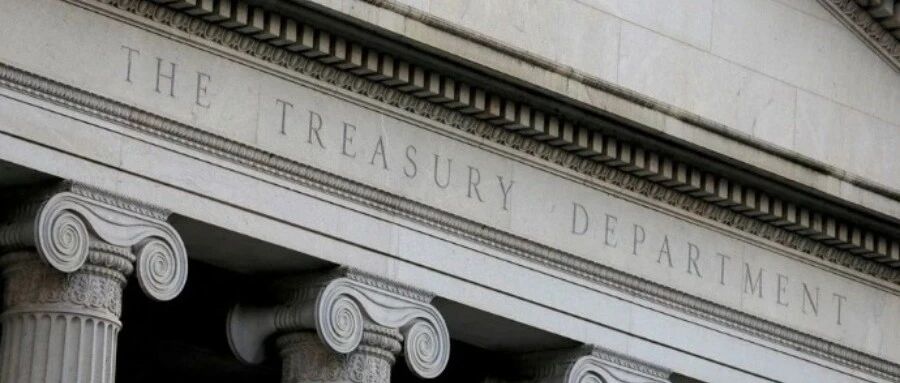
在近期中东紧张局势导致油价上涨之际,美国将暂时放宽对部分俄罗斯石油的制裁
中国能源报· 2026-03-13 03:34
Group 1 - The core viewpoint of the article is that the U.S. Treasury Department has announced a temporary easing of sanctions on certain Russian oil due to rising oil prices caused by recent tensions in the Middle East [1][3]. Group 2 - The easing of sanctions comes in response to escalating tensions in the Middle East, particularly following a large-scale attack by the U.S. and Israel on Iran on February 28 [3]. - The subsequent retaliation by Iran against U.S. military bases and Israeli targets has increased shipping risks in the Strait of Hormuz, leading to a surge in international oil prices [3].