铝

Search documents
有色品种春节前后价格及库存变化
Hua Tai Qi Huo· 2026-02-08 13:47
1. Report Industry Investment Rating - Not provided in the content 2. Core Viewpoints of the Report - In 2026, before and after the Spring Festival, the non - ferrous metal market showed a differentiated pattern. Macro factors dominated the price direction of non - ferrous metals, while the differences in the fundamentals of each variety led to the differentiation of inventory and consumption performance. The post - festival resumption of work rhythm would be the key variable [4]. 3. Summary According to the Directory Copper - **Pricing and Supply - side Situation**: The pricing of copper is more inclined to the framework of "macro - led direction, supply rigidity provides bottom support". The short - term upward movement of copper prices is often driven by macro factors, and the mid - term support comes from the "rigidity" of the supply side. In January 2026, the copper mine supply was tight, and the spot TC continued to decline, reaching a record low of - 49.84 US dollars per dry ton at the end of the month [12]. - **Refining and Supply**: Near the Spring Festival, the refined copper smelting showed the characteristics of tight raw materials, stable production, and limited impact of maintenance. Although the spot TC of copper concentrate continued to decline, the supply of recycled copper and waste anode plates was loose, supporting the high - level production of smelters. The estimated impact of smelter maintenance on refined copper production in January was about 20,000 tons. It is expected that the Yangshan copper premium will fluctuate within a narrow range, and the net import volume of refined copper will remain relatively stable [16]. - **Downstream Processing**: During the approach of the Spring Festival, the copper processing industry showed a co - existence of seasonal stocking demand and the inhibitory effect of high prices. The starting rate of refined copper rods recovered from 47.82% at the beginning of the month to 69.54% at the end of the month. The finished product inventory increased by 3.91% month - on - month, indicating that the actual digestion ability of the terminal market was still insufficient. The starting rate of copper cables increased slightly at the end of the year, with State Grid orders as the core support. The enameled wire sector was relatively strong, with the starting rate maintained at 79% - 83% [17]. - **Inventory Situation**: As of February 5, 2026, the copper social inventory had reached 335,800 tons, and the pre - festival inventory was at a relatively high level. If the subsequent arrival increases, the downstream resumption of work is slow, or the spot maintains a discount pattern, the peak of inventory accumulation may further rise; otherwise, the window for the decline of high inventory after the festival may appear earlier [18][19]. Lead - **Supply - side Situation**: Before the Spring Festival, the lead concentrate market was in a pattern of tight supply and rising costs. The processing fees were at a low level, and the production cost of smelting enterprises increased. In February, the supply and demand of the lead concentrate industry would enter a weak stage. After the festival, the supply - tight pattern of the lead concentrate market would intensify, and the processing fees would likely continue to run at a low level [20][22]. - **Consumption - side Situation**: The lead market showed the characteristic of "even weaker in the off - season". The consumer market of electric bicycle batteries was weak, and the inventory of dealers was high. The export orders of automobile batteries decreased. The weekly starting rate of lead - battery enterprises dropped to about 69% and continued to decline. After the festival, the resumption of work rhythm would be the key variable, and the actual restocking demand of the downstream would be gradually released after the Lantern Festival [22][23]. - **Inventory Situation**: As of February 5, 2026, the lead ingot social inventory had reached 40,400 tons, and the inventory accumulation started earlier than in previous years. If the subsequent lead concentrate arrival increases, the resumption of work of lead - battery enterprises after the festival is slow, or the spot discount pattern continues, the peak of inventory accumulation may further rise; otherwise, the window for the decline of high inventory after the festival may appear earlier [28][29]. Aluminum - **Price and Market Situation**: After New Year's Day, the price of Shanghai Aluminum's main contract rose by 16%, but the price transmission was blocked, and the downstream consumption was severely suppressed. The spot discount of aluminum ingots widened rapidly, and the aluminum rod entered a negative processing fee. The production of aluminum rods and aluminum sheets and foils decreased significantly [30][32]. - **Inventory Situation**: From December 18, 2025, to early February, the inventory accumulation of aluminum ingots had reached 239,000 tons. It is expected that the peak of inventory accumulation this year may reach 1.4 million tons, and if the aluminum price remains high, the inventory accumulation may reach 1.5 million tons [40]. Zinc - **Price and Market Performance**: After New Year's Day, the zinc ingot price rose by 15%. Although it was in the consumption off - season, the downstream processing enterprises were less sensitive to the absolute price of zinc, and the rigid demand for procurement still existed. The starting rate of downstream consumption remained strong and resilient until the end of January, and entered the off - season in February, which was in line with the seasonal performance in previous years [43]. - **Inventory Situation**: In 2026, the inventory accumulation of zinc started in February, about 15 days before the Chinese New Year, which was not much different from previous years. It is expected that the peak of inventory accumulation during the Spring Festival this year will be less than 250,000 tons, close to 200,000 tons [43][46]. - **Supply - side and Valuation**: The current smelting loss of zinc is at a historical high level. Although the by - product income is high, the comprehensive smelting profit is still partially in a loss state. The zinc price valuation is not high, and there is still a risk of a short squeeze if the inventory is quickly depleted after the festival [54]. Operation Suggestions - For copper, pay attention to the post - festival resumption of work progress and inventory depletion rhythm, and lay out long positions on dips [5]. - For aluminum, be vigilant against high - inventory pressure, and it is recommended to wait and see or short on rallies [5]. - For lead, pay attention to the release of restocking demand after the Lantern Festival, and mainly conduct range operations for the time being [5]. - For zinc, the smelting loss supports the price, it is recommended to go long on dips, and pay attention to the risk of a short squeeze [5].
有色金属行业周报:短期宏观情绪反复,不改有色金属长牛
GOLDEN SUN SECURITIES· 2026-02-08 12:24
Investment Rating - The report maintains a "Buy" rating for several companies in the non-ferrous metals sector, including companies like Zijin Mining, China Hongqiao, and Chalco [11]. Core Insights - The report highlights that despite short-term fluctuations in macroeconomic sentiment, the long-term bullish trend for non-ferrous metals remains intact [2]. - In January, the People's Bank of China increased its gold purchases, injecting confidence into the precious metals market, while the U.S. ADP employment figures fell short of expectations, indicating a cooling job market [2][41]. - The report emphasizes the strategic importance of copper reserves, with plans to expand national copper strategic reserves and explore commercial reserve mechanisms [3]. - The aluminum market is experiencing short-term price fluctuations due to geopolitical tensions and macroeconomic policies, with supply and demand dynamics affected by seasonal factors [4]. - Nickel prices are under pressure due to declining macroeconomic sentiment, with a notable drop in prices observed [5]. - The lithium market is seeing a decline in prices and ongoing inventory reduction, with supply chain dynamics influenced by seasonal production adjustments [9]. - Cobalt prices are also weak, with reduced trading activity as companies prepare for the upcoming holiday season [10]. Summary by Sections Precious Metals - In January, China's central bank increased gold purchases from 0.93 tons to 1.24 tons, providing support to the precious metals market [2][41]. - The largest silver ETF recorded a single-day increase of 1,000 tons, marking the third-largest daily increase in history, indicating long-term investor confidence [2]. Industrial Metals - Copper prices are being closely monitored due to increased global inventories and strategic reserve discussions in China [3]. - Aluminum production is stable, but demand is declining as downstream processing enterprises begin their holiday breaks, leading to increased social inventory [4]. - Nickel prices fell by 5.8% to 132,000 yuan/ton, driven by a cooling macroeconomic sentiment [5]. Energy Metals - Lithium carbonate prices dropped by 13.2% to 138,000 yuan/ton, with ongoing inventory reduction and production adjustments ahead of the holiday season [9]. - Cobalt prices decreased by 6.3% to 410,000 yuan/ton, with demand slowing as companies finish pre-holiday stockpiling [10]. Key Companies to Watch - Companies recommended for attention include Zijin Mining, Shandong Gold, and China Hongqiao in the precious metals sector, and Chalco and Western Mining in the aluminum sector [2][4][11].
有色金属行业周报:节前市场波动加剧,坚定看好有色牛市-20260208
SINOLINK SECURITIES· 2026-02-08 11:02
Group 1: Copper - LME copper price decreased by 1.65% to $12,855.0 per ton, while Shanghai copper fell by 3.45% to ¥100,100 per ton [1][14] - Domestic copper inventory increased by 4.03% week-on-week, with a year-on-year increase of 62,700 tons [1][14] - The operating rate of waste anode plate enterprises is expected to drop by 28.52% to 38.36% next week due to the upcoming Spring Festival [1][14] Group 2: Aluminum - LME aluminum price decreased by 3.49% to $3,026.00 per ton, and Shanghai aluminum fell by 5.07% to ¥23,300 per ton [2][15] - Domestic aluminum rod inventory increased by 15,000 tons week-on-week, reaching 258,500 tons [2][15] - The overall aluminum processing operating rate recorded 57.9%, a decrease of 1.5% week-on-week, indicating a significant divergence within the sector [2][15] Group 3: Gold - COMEX gold price increased by 6.57% to $4,988.6 per ounce, while the 10-year TIPS yield decreased by 0.06 percentage points to 1.88% [3][16] - SPDR gold holdings decreased by 10.87 tons to 1,076.23 tons, reflecting market dynamics influenced by geopolitical risks [3][16] - The U.S. Treasury yield curve reached its steepest level in nearly four years, indicating rising concerns over inflation and fiscal deficits [3][16] Group 4: Rare Earths - The price of praseodymium and neodymium oxide increased by 1.20% this week, with December exports of rare earth permanent magnets showing a year-on-year increase of 7% [4][35] - The expectation of more relaxed export policies is anticipated to boost future demand for rare earths [4][35] - Key companies to watch include China Rare Earth, Guangxi Rare Earth, and Northern Rare Earth [4][36] Group 5: Tungsten - Tungsten price increased by 11.98% this week, driven by tight supply conditions and increased strategic reserves in the U.S. [4][38] - The establishment of a $2.5 billion "strategic resilience reserve" by U.S. lawmakers is expected to elevate tungsten's priority [4][38] - Recommended companies include China Tungsten High-Tech and Xiamen Tungsten [4][38] Group 6: Lithium - The average price of lithium carbonate decreased by 13.3% to ¥148,000 per ton, while lithium hydroxide fell by 11.6% to ¥150,000 per ton [4][53] - Total lithium carbonate production this week was 20,700 tons, reflecting a slight decrease [4][53] - Market sentiment remains cautious as downstream purchasing activity is expected to slow down as inventory levels stabilize [4][53] Group 7: Cobalt - Cobalt price decreased by 5.6% to ¥420,000 per ton, while cobalt intermediate prices remained stable [5][54] - The market for cobalt intermediates is characterized by limited transactions, with prices holding steady amid geopolitical supply concerns [5][54] - Long-term structural shortages in raw materials may support future price increases [5][54]
有色金属行业研究:有色金属周报:节前市场波动加剧,坚定看好有色牛市-20260208
SINOLINK SECURITIES· 2026-02-08 08:56
Investment Rating - The report does not explicitly provide an investment rating for the industry Core Insights - The copper market is experiencing a decrease in prices, with LME copper down 1.65% to $12,855.0 per ton and Shanghai copper down 3.45% to ¥100,100 per ton. Supply-side indicators show an increase in copper inventory and a decrease in processing fees, while demand remains stable due to ongoing orders from major clients [1][14] - The aluminum market has seen LME aluminum prices drop by 3.49% to $3,026.00 per ton, with domestic aluminum rod inventory increasing. The overall operating rate for aluminum processing has decreased, indicating a mixed demand scenario [2][15] - Gold prices have risen by 6.57% to $4,988.6 per ounce, driven by geopolitical risks and changes in U.S. Treasury yields. The market is showing strong volatility, influenced by expectations of interest rate cuts and inflation concerns [3][16] - The rare earth sector is witnessing price increases, particularly in praseodymium and neodymium, with exports showing signs of recovery. The report suggests a positive outlook for demand and pricing in this sector [4][35] - Tungsten prices have increased significantly, supported by tight supply conditions and strategic stockpiling initiatives in the U.S. The report indicates a bullish outlook for tungsten prices [4][38] - Lithium prices have decreased, with carbonate lithium averaging ¥148,000 per ton, reflecting a decline in production and market adjustments. The report notes a potential turning point in the lithium market [4][52] - Cobalt prices have decreased by 5.6% to ¥420,000 per ton, with market conditions remaining stable but facing supply concerns. The report anticipates upward pressure on prices in the long term due to structural shortages [5][53] Summary by Sections Copper - LME copper price decreased by 1.65% to $12,855.0 per ton, with an increase in domestic inventory and a decrease in processing fees. The operating rate for copper processing is expected to decline as the industry approaches the Chinese New Year [1][14] Aluminum - LME aluminum price fell by 3.49% to $3,026.00 per ton, with an increase in aluminum rod inventory. The overall operating rate for aluminum processing decreased, indicating a mixed demand scenario [2][15] Precious Metals - Gold price increased by 6.57% to $4,988.6 per ounce, influenced by geopolitical risks and changes in U.S. Treasury yields. The market is experiencing strong volatility [3][16] Rare Earths - Prices for praseodymium and neodymium increased, with exports showing signs of recovery. The report suggests a positive outlook for demand and pricing in this sector [4][35] Tungsten - Tungsten prices increased significantly, supported by tight supply conditions and strategic stockpiling initiatives in the U.S. The report indicates a bullish outlook for tungsten prices [4][38] Lithium - Lithium prices decreased, with carbonate lithium averaging ¥148,000 per ton. The report notes a potential turning point in the lithium market [4][52] Cobalt - Cobalt prices decreased by 5.6% to ¥420,000 per ton, with market conditions remaining stable but facing supply concerns. The report anticipates upward pressure on prices in the long term [5][53]
钨稀土持续涨价,重视板块配置
Guotou Securities· 2026-02-08 06:13
Investment Rating - The industry is rated as "Outperforming the Market" with a target price set for leading stocks [4]. Core Views - The report highlights the continuous price increases in tantalum, rare earths, and tungsten, emphasizing the importance of sector allocation. The supply-demand imbalance for tantalum has been exacerbated by mining issues in the Democratic Republic of Congo, while tight supply for rare earths is driving prices up. Compliance in tungsten mining is becoming stricter, making price increases more likely. The long-term metal logic remains unchanged, with global new industrial chain development continuously driving metal demand, while supply constraints persist. A long-term weakening of the US dollar's credibility is anticipated [1]. - The report maintains a positive outlook on metals such as rare earths, copper, aluminum, tungsten, gold, silver, tin, lithium, tantalum, niobium, antimony, and uranium in the medium to long term [1]. Summary by Sections Precious Metals - Gold and silver prices experienced fluctuations, with COMEX gold closing at $4956.0 per ounce (+5.14%) and silver at $77.3 per ounce (-1.24%). China's gold reserves increased for the 15th consecutive month, reaching 7.419 million ounces, with a slight monthly increase of 40,000 ounces. The report suggests a continued bullish trend for gold prices in the medium to long term, driven by central bank and ETF purchases, despite short-term price corrections [2]. - Recommended stocks include Shandong Gold, Shandong International, Zhongjin Gold, Chifeng Gold, and Hunan Gold [2]. Industrial Metals - Copper prices saw a slight increase on the LME, closing at $13,060.0 per ton (+1.24%), while SHFE copper closed at 99,810 yuan per ton (-6.54%). Supply tightness continues, with a shift from discount to premium in spot copper prices. The report notes a stable demand from downstream enterprises, with copper rod and wire cable operating rates at 69.07% and 60.15%, respectively. The report remains optimistic about copper prices due to supply constraints [3]. - Recommended stocks include Luoyang Molybdenum, Jincheng Mining, Western Mining, Hebei Steel Resources, Jiangxi Copper, Tongling Nonferrous, and Yunnan Copper [3]. Aluminum - The report indicates that aluminum prices are expected to fluctuate due to increased supply from new projects and rising social inventory, which increased by 54,000 tons to 83,600 tons. The report anticipates that aluminum prices may stabilize in the short term due to the upcoming Spring Festival, but supply constraints will persist in the medium to long term [3]. Tin - As of February 6, the main contract for tin on SHFE was priced at 366,450 yuan per ton, reflecting an 11.1% decrease. The report notes a decline in Indonesian tin exports and anticipates a continued upward trend in tin prices driven by demand from the electronics sector [8]. Energy Metals - Nickel prices faced significant selling pressure, with a weekly decline exceeding 9%. The report attributes this to macroeconomic sentiment shifts and high inventory levels. However, expectations of tightened nickel ore quotas in Indonesia may provide medium to long-term support for nickel prices [9]. - Recommended stocks include Likin Resources, Huayou Cobalt, Greenmead, and Zhongwei New Materials [9]. Strategic Metals - Rare earth prices have been on the rise, with praseodymium-neodymium oxide priced at 770,000 yuan per ton (+4.1%). The report predicts stable demand growth and a potential new inventory replenishment cycle, supporting a bullish outlook for rare earth prices in 2026 [12]. - Recommended stocks include Shenghe Resources, Huahong Technology, Northern Rare Earth, and China Rare Earth [12].
铝价突破2.5万元/吨创纪录,下游订单推动电解铝企业满产运行
Sou Hu Cai Jing· 2026-02-06 15:23
Group 1 - The core point of the article is the significant rise in aluminum prices since November last year, with the Shanghai aluminum futures contract price surpassing 25,000 yuan/ton for the first time on January 13, marking a historical record [1] - The current production capacity of an aluminum processing enterprise in Kunming, Yunnan, is 3.08 million tons per year, with a daily output of approximately 3,500 tons of aluminum ingots [3] - The aluminum processing company is operating at full capacity, with a noticeable increase in order delivery, and products are shipped on the same day they are produced [5] Group 2 - The current spot aluminum prices remain high, and companies are working overtime to meet orders, ensuring product delivery before and after the Spring Festival [7] - An aluminum trader from Anhui noted that the annual price increase for aluminum used to be around 5%, but it has now reached a new high, prompting a more cautious approach to inventory [9] - The trader mentioned that during the initial price increase, many were hesitant to stock up, but strong downstream demand has led to high turnover rates, with daily shipments exceeding 100 tons [11] Group 3 - As of February 5, 2026, the Shanghai aluminum futures closed at 23,455 yuan/ton, a rise of approximately 7.94% from 21,730 yuan/ton in early December 2025, while London aluminum surged from 2,800 USD/ton to 3,059 USD/ton, marking a 9.25% increase [13] - Analysts indicate that the domestic electrolytic aluminum price is showing a trend of oscillating upward, with a strong performance continuing into 2026, despite short-term corrections, as the supply-demand balance remains tight [15]

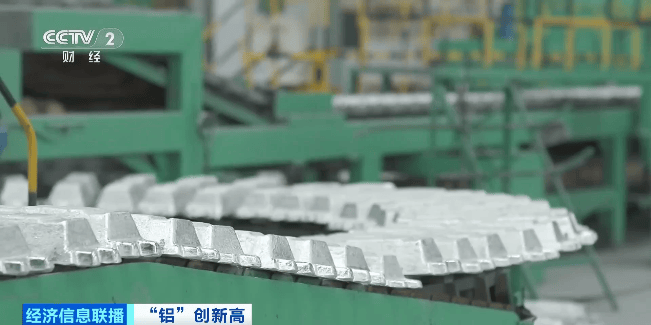
明泰铝业:公司新建项目鸿晟新材、义瑞新材重点布局新能源等高端铝材应用领域
Zheng Quan Ri Bao· 2026-02-06 13:11
证券日报网讯 2月6日,明泰铝业在互动平台回答投资者提问时表示,公司新建项目鸿晟新材、义瑞新 材重点布局新能源等高端铝材应用领域,可提升公司的高附加值产品占比。同时公司拥有先进的生产设 备及丰富的技术经验,可根据订单情况灵活调节产品结构,满足不同领域产品需求。 (文章来源:证券日报) ...

有色金属周报-20260206
Jian Xin Qi Huo· 2026-02-06 11:19
1. Report Industry Investment Rating There is no information provided in the report regarding the industry investment rating. 2. Core Viewpoints of the Report - **Copper**: Next week, domestic downstream industries will gradually enter the holiday period, global high - inventory pressure is evident, and macro - level disturbances still exist. It is expected that the high - volatility situation of copper prices will continue, and it is recommended to wait and see [7]. - **Lithium Carbonate**: The continuous decline in total futures positions will weaken the impact of the capital side, while the strengthening of the fundamental support may lead to the stop of the decline in futures prices before the Spring Festival [24]. - **Aluminum**: Recently, the fundamental changes in aluminum prices are relatively limited. High prices and the long - holiday factor lead to insufficient support on the demand side. Aluminum prices continue to be driven by macro and capital sentiment. It is advisable to wait and see in the short term and pay attention to macro - level pricing and the fulfillment of post - holiday demand expectations [41]. - **Nickel**: The nickel price's operating center may gradually rise under the stimulation of global resource competition and Indonesian policy disturbances. In the short term, affected by macro - level sentiment and the long - holiday factor, the nickel price has fallen from a high level for adjustment. It is recommended to wait and see before the holiday, and pay close attention to Indonesian policy statements and quota implementation [71]. 3. Summary by Directory Copper 3.1 Market Review and Operation Suggestions - This week, the main contract of Shanghai copper operated in the range of (97,920, 105,810), with a total position of 584,000 lots, a decrease of 11.2% from last week. The spot market changed from a discount to a premium of 40. LME copper operated in the range of (12,414.5, 13,526). Overseas funds' enthusiasm for going long has declined recently. It is recommended to wait and see due to supply pressure, weakening downstream demand during the holiday, high inventory, and macro - level disturbances [7]. 3.2 Fundamental Analysis - **Supply Side**: The import TC of copper concentrates continues to decline, but the supply of scrap copper is abundant, and domestic refined copper production remains at a high level. The import window for refined copper is closed, and the import loss has narrowed [7][10][12]. - **Demand Side**: The weekly operating rates of scrap copper rods, refined copper rods, wire and cable, and enameled wire have different changes. With the approach of the Spring Festival, downstream enterprises are gradually entering the holiday, and the demand is expected to weaken [13][14][15]. - **Spot Side**: Domestic inventories have increased by 1.05 to 405,200 tons, and LME + COMEX inventories have increased by 13,497 tons to 713,000 tons [16][18]. Lithium Carbonate 3.1 Market Review and Operation Suggestions - This week, the lithium carbonate futures price continued to decline weakly, with the main contract operating in the range of (124,100, 152,820), and the total position decreased by 11.9% to 637,000 lots. The spot price of battery - grade lithium carbonate also declined. It is expected that the supply - side pressure will ease, and the demand will recover, so the futures price may stop falling before the Spring Festival [23][24]. 3.2 Fundamental Analysis - **Supply Side**: The weekly output of lithium carbonate decreased by 3.8% to 20,744 tons, and it is expected to continue to decline. The import loss of lithium carbonate has turned negative and continued to expand [24][27]. - **Demand Side**: The production of cathode materials has decreased, but the production of power cells has increased. The demand for energy storage is still strong, and the production of cathode materials is expected to recover [24]. - **Spot Side**: The difference between battery - grade and industrial - grade lithium carbonate is at a low level, and the spot - futures spread fluctuates greatly. The inventory of lithium carbonate has decreased by 2,019 tons to 105,463 tons [31]. Aluminum 3.1 Market Review and Operation Suggestions - This week, the aluminum price fluctuated downward. The main reason was the changes in the macro - market and capital sentiment. The import window is closed, and the inventory has continued to accumulate. It is recommended to wait and see in the short term and pay attention to macro - level and post - holiday demand [37][41]. 3.2 Fundamental Changes - **Bauxite Market**: The supply of domestic and overseas bauxite is abundant, and the ore price is weak. Some domestic alumina plants plan to change to imported ore production lines, and the price of imported ore has declined [42][43]. - **Alumina**: The price of alumina is under pressure, and the industry's operating rate has increased. The overseas price is higher than the domestic index price [45][46]. - **Electrolytic Aluminum**: The cost of the industry has increased, and the profit has decreased. The import window is closed, and the net import in December 2025 has increased. The downstream operating rate has declined, and the inventory of aluminum ingots has increased significantly [53][56][63]. Nickel 3.1 Market Review and Operation Suggestions - This week, the nickel price fell from a high level, mainly affected by the macro - market and capital sentiment. The import window is closed. The price of nickel ore has risen, and the price of nickel salt has fallen. It is recommended to wait and see before the holiday and pay attention to Indonesian policies [68][70][71]. 3.2 Fundamental Changes - **Nickel Ore Market**: The prices of Philippine and Indonesian nickel ores have increased significantly. The import volume of nickel ore in December 2025 decreased month - on - month but increased year - on - year [72]. - **Nickel Iron Market**: The production of nickel iron in Indonesia and China has decreased. The import volume of nickel iron in December 2025 decreased slightly month - on - month but increased year - on - year [80][83]. - **Electrolytic Nickel Market**: The production capacity of electrowon nickel has been rapidly released. The production of electrolytic nickel in January increased month - on - month and year - on - year. The import and export volumes of refined nickel in December 2025 have changed [85][86]. - **Nickel Sulfate Market**: The price of nickel salt has continued to fall. The production of nickel sulfate in January decreased month - on - month but increased year - on - year. It is expected to decline slightly in February [89][92]. - **Stainless Steel Market**: The inventory of the stainless steel market has continued to increase. The market transaction is light during the Spring Festival, and the terminal procurement has basically ended [94].
光大期货:2月6日有色金属日报
Xin Lang Cai Jing· 2026-02-06 01:30
Copper - Copper prices showed a weak fluctuation overnight, with domestic refined copper maintaining a narrowing import loss [3][12] - The macroeconomic context includes a decrease in the US JOLTS job openings to 6.542 million, the lowest since September 2020, and the European Central Bank's decision to keep the deposit rate at 2% for the fifth consecutive time [3][12] - LME copper inventory increased by 1,925 tons to 180,575 tons, while Comex inventory rose by 2,036 tons to 532,005 tons [3][12] - The current copper market faces fundamental issues, and prices may experience fluctuations around the Spring Festival, suggesting caution in chasing higher prices [3][12] - However, rigid constraints on copper mines and certainty in future demand imply that any significant drop in prices could attract long-term investment and industrial buying, providing a solid foundation for medium to long-term price increases [3][12] Nickel & Stainless Steel - LME nickel fell by 0.1% to $15,115 per ton, while SHFE nickel dropped by 0.14% to 121,180 yuan per ton [4][13] - LME inventory decreased by 240 tons to 286,074 tons, while SHFE warehouse receipts increased by 2,392 tons to 50,464 tons [4][13] - Nickel ore and nickel pig iron prices are showing strength, indicating concerns over resource supply tightness, with cost support continuing to rise [4][13] - The stainless steel market is experiencing inventory accumulation due to the upcoming Spring Festival, although supply-side repairs are prevalent [4][13] - Market sentiment has weakened, leading to a decline in nickel prices, but strong cost support remains, suggesting potential trading opportunities near cost lines [4][5][13] Alumina & Aluminum - Alumina prices showed a slight increase, with AO2605 closing at 2,822 yuan per ton, up 1.15% [6][14] - SHFE aluminum experienced a weak fluctuation, with AL2603 closing at 23,570 yuan per ton, down 0.23% [6][14] - Recent regional alumina maintenance has led to supply disruptions, causing inventory accumulation as downstream stocking approaches its end [6][14] - The domestic aluminum water ratio is weakening, and high prices are suppressing demand, with downstream buyers reducing or canceling pre-holiday stockpiling [6][14] Industrial Silicon & Polysilicon - Industrial silicon prices showed a weak fluctuation, with the main contract closing at 8,605 yuan per ton, down 2.77% [7][15] - Polysilicon prices also declined, with the main contract closing at 49,550 yuan per ton, down 1.52% [7][15] - The supply of silicon ore is shrinking as companies enter winter maintenance, while downstream sectors are also undergoing repairs due to the Spring Festival [7][15] - The market sentiment remains pessimistic, with silicon material prices under pressure, and attention is needed on inventory levels and potential production cuts [7][15] Lithium Carbonate - Lithium carbonate futures fell by 10.68% to 132,780 yuan per ton, with battery-grade lithium carbonate prices dropping by 9,000 yuan to 144,000 yuan per ton [8][16] - Weekly production decreased by 825 tons to 20,744 tons, with lithium spodumene production down by 790 tons [8][16] - The market sentiment has turned negative, leading to a significant drop in lithium carbonate prices, and downstream purchasing is expected to cool off after pre-holiday stockpiling [8][16] - The overall market lacks clear bullish drivers, and attention should be paid to trading opportunities following price corrections [8][16]

有色金属ETF天弘(159157)今日上市!供给偏紧叠加周期上行,工业有色迎长期配置窗口
Sou Hu Cai Jing· 2026-02-06 01:29
Core Viewpoint - The Tianhong CSI Industrial Nonferrous Metals Theme ETF (code: 159157) will be listed on the Shenzhen Stock Exchange starting February 6, 2026, indicating a growing interest in the nonferrous metals sector [1]. Product Highlights - The industrial nonferrous metals sector is relatively concentrated, with the top three industries being copper (31.1%), aluminum (21.9%), and rare earths (16.1%), collectively accounting for about 70% [2]. - The rapid development of the AI industry is expected to drive up demand for electricity, which in turn will boost the demand for industrial nonferrous metals. Supply growth is anticipated to be limited in the coming years, suggesting a long-term upward trend for upstream resources [2]. - Rare earth metals are becoming increasingly important as strategic national resources, with China holding the world's largest reserves and production. This gives China a significant advantage in resource endowment, smelting technology, and overall cost, enhancing their investment value [2]. - The resource sector is entering an upward cycle, with upstream resources positioned more favorably compared to downstream manufacturing. A tight supply situation is expected to persist, making long-term price increases likely [2]. - Index-based investment is seen as a valuable strategy due to the diverse sub-industries within nonferrous metals, making it challenging for active research to cover all areas effectively [2]. Hot Events - The China Nonferrous Metals Industry Association announced plans to include "copper concentrate" in the national reserve system, which aims to enhance China's bargaining power in the copper supply chain and improve supply chain resilience and security [4]. - This initiative aligns with the previously released "Copper Industry High-Quality Development Implementation Plan (2025-2027)," which seeks to shift the focus of the copper industry from capacity expansion to quality and efficiency improvement [4]. Institutional Views - Guoyuan Securities noted that the nonferrous metals industry remains robust amid global instability, with tightening supply conditions and increasing mining difficulties supporting long-term price increases for copper [5]. - The demand outlook is strong, driven by emerging industries such as AI, electric vehicles, and renewable energy, which are transforming many metals into "critical strategic materials" with sustained demand [5]. - Heightened international strategic competition is leading to tighter controls on strategic metals, further increasing price pressures and creating clear structural investment opportunities in related sectors [5].