
2 1 Shi Ji Jing Ji Bao Dao

Search documents
香港财政预算案:录得29亿港元盈余 重注AI与金融科技
2 1 Shi Ji Jing Ji Bao Dao· 2026-02-25 13:32
Core Viewpoint - The Hong Kong government has shifted its fiscal budget for 2026-2027 towards prudent financial management and precise policy implementation, aiming to transition from a projected deficit of approximately HKD 67 billion to a surplus of HKD 2.9 billion by 2025/26 [1] Economic Outlook - The Hong Kong economy is expected to achieve a real growth rate of 2.5% to 3.5% in 2026, with an average annual growth rate of 2.9% from 2026 to 2029 [1] Fiscal Measures - The budget emphasizes both expenditure control and revenue enhancement, with plans to reduce government spending by 2% annually over the next two years, saving approximately HKD 78 billion and HKD 156 billion respectively [10] - The government plans to increase the stamp duty rate on residential property transactions valued over HKD 100 million from 4.25% to 6.5%, which is expected to generate an additional HKD 1 billion annually [10] Financial Sector Reforms - The budget includes measures to deepen financial market reforms, enhance market liquidity, and attract high-quality issuers to issue RMB bonds in Hong Kong [3][4] - The Hong Kong Stock Exchange (HKEX) will implement a revised framework for structured product listings and consult on a T+1 settlement cycle [3] Innovation and Technology - The budget focuses on driving economic transformation through innovation and technology, with a commitment to accelerate the industrialization of AI and promote its integration across various sectors [7] - A HKD 10 billion "Innovation and Technology Industry Guiding Fund" will be launched to attract private investment in startups within AI, life sciences, and renewable energy [7] Digital Assets and Financial Technology - The budget outlines plans to establish a comprehensive regulatory framework for digital assets, including the issuance of tokenized bonds and the development of a digital asset platform by the Hong Kong Monetary Authority [13][14] - The government will also introduce a licensing system for stablecoin issuers, marking a significant step towards integrating digital assets into the financial system [13][14] International Financial Center Development - The budget aims to solidify Hong Kong's position as an international financial center by exploring tax incentives for gold trading and settlement, and enhancing collaboration with the Shanghai Gold Exchange [15]

韩国综指年内涨40%!日股创新高,印尼综指绝地反弹
2 1 Shi Ji Jing Ji Bao Dao· 2026-02-25 13:20
延续隔夜美股的反弹势头,亚太股市回暖势头持续,日韩股市接力上演"创新高"行情。 2月25日,日韩股指开盘后即走强。日本股市方面,日经225指数高开0.7%,截至收盘涨2.2%或1262.03 点,报58583.12点;日本东证指数同样走强,截至收盘涨0.71%,报3843.16点。韩国综合指数(韩国 KOSPI指数)表现在亚太股中最为耀眼,截至收盘涨1.91%,报6083.86点,历史上首次突破6000点关 口,年内涨幅已超40%,跻身全球表现最佳的股市之列,其中半导体与汽车股领涨。 其他亚太股市均录得上涨。25日,澳大利亚S&P/ASX200指数收涨1.17%,报9128.3点。东南亚股市方 面,泰国股市领涨,泰国SET指数上涨1.72%,报1516.01点;富时新加坡海峡指数收跌0.26%,报 5007.73点;印尼综指上涨0.5%,收报8322.23点;越南胡志明指数收跌0.42%,报1859.82点;菲律宾马 尼拉指数收涨1.1%,报6619.87点;富时马来西亚综指收跌0.35%,报1747.81点。 日韩股市继续狂飙,原因何在?印尼股市闪崩后缓和,泰国股市一度创新高,接下来,东南亚股市将如 何演绎 ...
人民币汇率突破6.87创近三年新高 或可提振股市
2 1 Shi Ji Jing Ji Bao Dao· 2026-02-25 13:18
Core Viewpoint - The recent appreciation of the Renminbi (RMB) against the US dollar is attributed to multiple factors, including improved external economic conditions and a weaker US dollar, with expectations for continued strength in the RMB in the near term [1][9][10]. Group 1: RMB Exchange Rate Trends - On February 25, the offshore RMB reached 6.8619 and the onshore RMB hit 6.8654, both marking new highs since April 2023, with increases exceeding 130 basis points [1][3]. - Since the beginning of February, the RMB has appreciated nearly 300 basis points against the US dollar, with both onshore and offshore rates rising over 1% [5]. - The RMB's middle rate was adjusted up by 93 basis points to 6.9321 on February 25, continuing the upward trend [3]. Group 2: Factors Influencing RMB Strength - The stabilization of China-US trade relations since November 2025 has significantly contributed to the RMB's strength [9]. - The ongoing investigation into the Federal Reserve Chairman has put pressure on the US dollar, contributing to the appreciation of non-USD currencies, including the RMB [9]. - High demand for currency settlement from previous export growth has accelerated the release of settlement needs, further supporting the RMB's appreciation [10]. Group 3: Future Outlook - Analysts predict that the RMB will maintain a strong position in the short term, with expectations of continued robust export growth in the first quarter [10]. - The RMB's appreciation is seen as a passive response to a weaker US dollar rather than a direct strength of the RMB itself [11]. - The RMB exchange rate is expected to fluctuate around the 7.0 to 7.2 range, influenced by external economic conditions and domestic growth policies [12][17].

从“讲故事”到“交作业”:AI狂热下谁在裸泳谁在筑墙?
2 1 Shi Ji Jing Ji Bao Dao· 2026-02-25 13:17
Group 1 - The market is experiencing increased volatility driven by alternating enthusiasm and fear surrounding AI, with a recent rebound in U.S. stocks led by technology shares, overshadowing concerns about the disruptive potential of AI [1][2] - SanDisk's stock faced a significant drop of over 8% due to short-selling by Citron Research, which cited cyclical pressures in the storage market, intensified competition from Samsung, and the exit of long-term investors as reasons for their bearish stance [1][3] - The AI hype is returning to a more rational state, with the Nasdaq index down 1.63% year-to-date, contrasting sharply with the previous three years of over 20% annual gains [1] Group 2 - The recent fluctuations in the market reflect a re-evaluation of two curves: the new demand curve driven by AI and the replacement curve for old business models, with software stocks experiencing a significant loss in market value due to premature fears of AI replacement [2] - The rebound in software stocks indicates that smart capital recognizes the previous overreaction in valuations rather than a sudden deterioration in fundamentals [2] Group 3 - SanDisk's recent decline is not representative of the current AI storage industry, as its focus on NAND flash memory is more aligned with consumer electronics, while the real demand for AI capabilities is driven by HBM and high-end DRAM [3] - The market is currently in a "dual high" phase, characterized by both high valuations and high growth, leading to increased volatility and sensitivity to minor data changes [3] Group 4 - The tech giants are transitioning from light-asset models to capital-intensive, cash flow-demanding enterprises due to the AI wave, with significant capital expenditures transforming their business models into utility-like structures [5][6] - The market's perception of tech giants is shifting, with a focus on their ability to convert computing power into sustainable revenue streams, while companies failing to optimize their GPU utilization may be treated as heavy-asset cyclical stocks [6] Group 5 - The current market faces potential risks, including tight pricing in the U.S. stock market, with the S&P 500's forward valuation around 22 times, making it sensitive to changes in interest rates, earnings, and policy [8] - The overall delinquency rate for U.S. households has risen to 4.8%, indicating pressure from credit card and student loans, while banks are becoming more cautious in lending, particularly in real estate development [8] Group 6 - The private equity sector is aggressively lending to traditional software companies and mid-sized enterprises, creating a risk of defaults if AI disrupts their business models, which could lead to significant cash flow issues [9] - The market is becoming more selective, with a focus on how companies can achieve growth rather than just the amount of growth, indicating a shift in investor sentiment towards the application of AI across various industries [10] Group 7 - The U.S. stock market is expected to continue its upward momentum, but with a "K-shaped melt-up" dynamic, where passive investment flows disproportionately benefit a few large tech companies, creating a facade of prosperity while smaller firms struggle [11] - The disparity in performance between large tech giants and smaller firms highlights the risks associated with a concentrated market, where the absence of a technological moat can lead to significant declines in stock prices for those companies facing AI disruption [11]
新春走基层|年轻人解锁新春访古游,《太平年》带热冷门古迹
2 1 Shi Ji Jing Ji Bao Dao· 2026-02-25 13:06
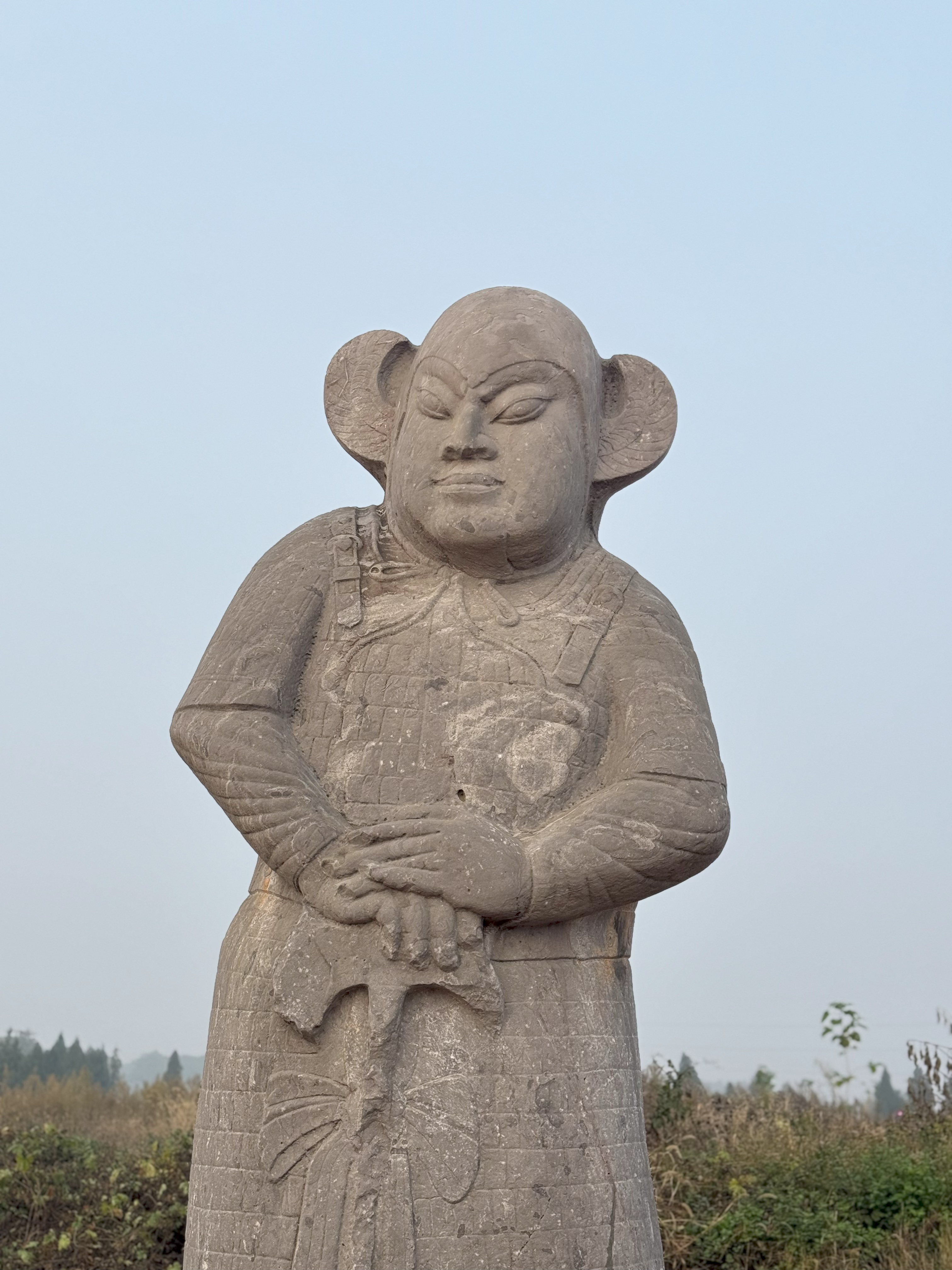
Core Viewpoint - The rise of "visiting ancient sites" among young people is becoming a popular trend during the Spring Festival, driven by cultural IPs and historical dramas that bring lesser-known historical locations into the spotlight [1][6][14]. Group 1: Cultural and Historical Significance - The historical drama "Tai Ping Nian" has garnered significant attention, leading to increased interest in historical figures and events from the Five Dynasties and Ten Kingdoms period, making previously niche historical topics mainstream [6][14]. - Various ancient tombs from the Five Dynasties and Northern Song periods, such as the tombs of Emperor Guo Wei and Emperor Zhao Kuangyin, are now attracting visitors who seek a deeper connection with history [5][11][12]. Group 2: Tourism and Economic Impact - Local tourism departments are capitalizing on the popularity of historical dramas by promoting themed tours, such as the "Tai Ping" special train that offers guided visits to significant historical sites [12][13]. - The influx of visitors to these ancient sites has led to improved local infrastructure and cleanliness, enhancing the overall visitor experience and boosting local economies [6][18]. Group 3: Changing Visitor Demographics - The trend of "visiting ancient sites" is shifting from being an activity for scholars and experts to a popular pursuit among younger generations, who are increasingly seeking authentic and uncommercialized historical experiences [14][15]. - Social media plays a crucial role in this trend, as young visitors share their experiences and tips online, fostering a community around the exploration of lesser-known historical sites [17].
资金逆势涌入!恒生科技ETF半年吸金超千亿
2 1 Shi Ji Jing Ji Bao Dao· 2026-02-25 13:05
Group 1 - The core viewpoint of the article highlights a significant influx of funds into Hong Kong stock-themed ETFs, particularly the Hang Seng Technology ETF, indicating a new trend in asset allocation for 2026 [1][2][3] - As of February 24, 2023, the Hang Seng Technology ETF saw a net inflow of 342.50 billion yuan year-to-date, while the overall market for broad-based ETFs experienced net redemptions exceeding 1000 billion yuan [2][3] - The Hang Seng Technology Index has dropped over 21% since its peak in October 2022, yet this decline has not deterred investors, who are adopting a "buy the dip" strategy [2][3] Group 2 - The article notes that the Hang Seng Technology ETF has accumulated a total net subscription of 1047.30 billion yuan over the past six months, indicating strong investor interest despite market volatility [1][3] - Analysts suggest that the current low valuation of Hong Kong stocks, combined with a shift in global monetary policy, has made these ETFs an attractive option for investors seeking to capitalize on potential rebounds [2][4] - The Hang Seng Technology Index's current price-to-earnings ratio is approximately 22 times, which is considered low compared to historical averages, suggesting a favorable valuation compared to global tech indices [5][6] Group 3 - Investment strategies are being discussed, with recommendations for a balanced approach to ETF investments, including both A-shares and Hong Kong stocks, as well as sector-specific ETFs [6] - The potential for growth in the Hong Kong technology sector is linked to advancements in AI, although there are concerns about the sustainability of valuations in the face of changing market conditions [4][6] - Investors are advised to consider dollar-cost averaging as a strategy, while closely monitoring the Federal Reserve's monetary policy, which could impact the valuation recovery of Hong Kong stocks [6]
欣旺达目标价涨幅超60%,205股获推荐
2 1 Shi Ji Jing Ji Bao Dao· 2026-02-25 12:58
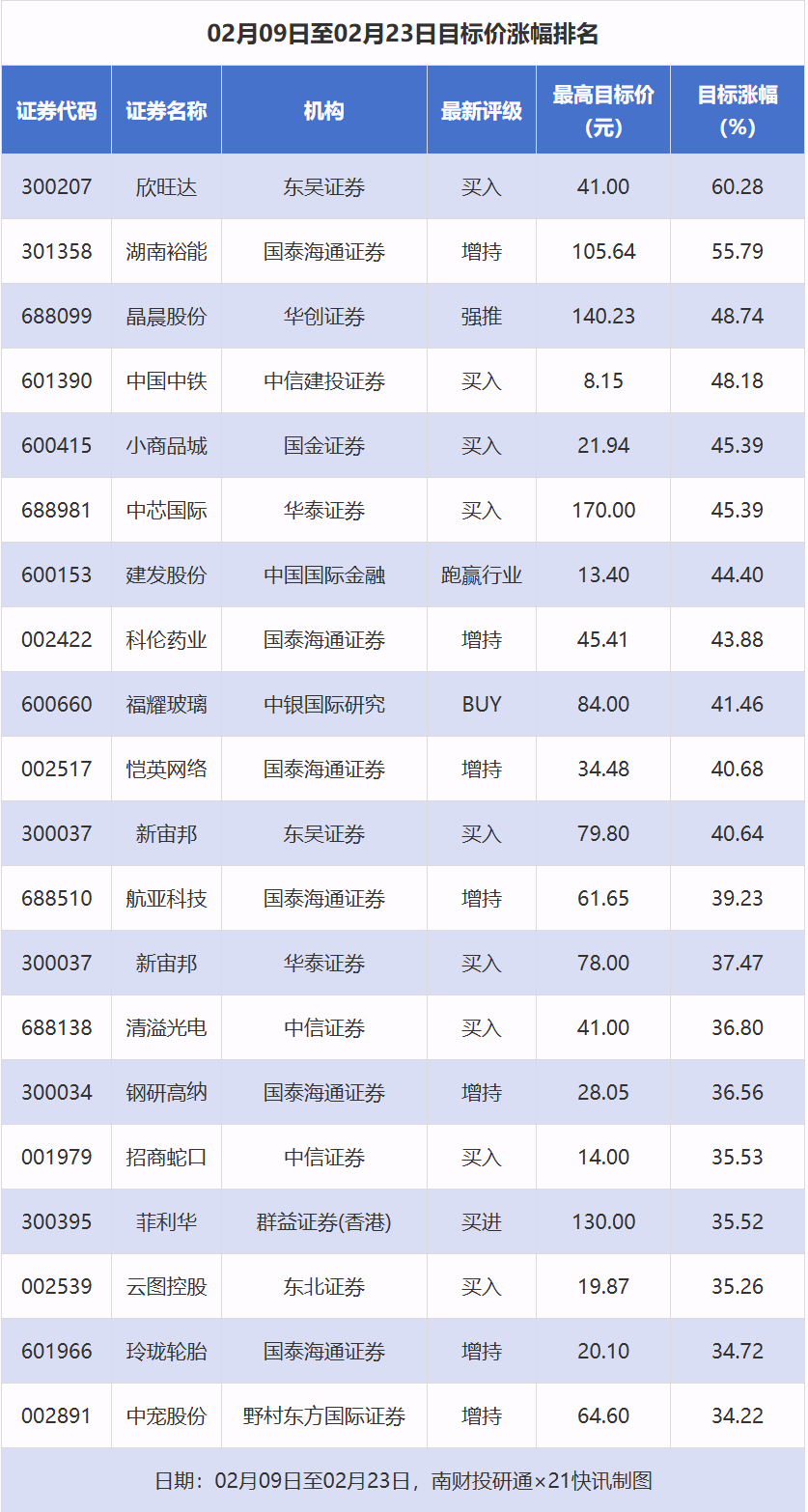
Group 1 - The article highlights the target price increases for various listed companies from February 9 to February 23, with notable increases for Xinwanda (300207) at 60.28%, Hunan YN (301358) at 55.79%, and Jingchen Co. (688099) at 48.74% [1][2] - A total of 70 target price adjustments were made by brokerages during this period, indicating a strong interest in these companies [2] - The companies with the highest number of brokerage recommendations include Yutong Technology (002831), Top Group (601689), and Junda Co. (002865), each receiving four recommendations [3][4] Group 2 - Three companies had their ratings upgraded during this period, including Haomai Technology (002595) from "Hold" to "Buy" by Guotou Securities, Jiechang Drive (603583) from "Hold" to "Buy" by Jianghai Securities, and Zhongwei Semiconductor (688380) from "Increase" to "Buy" by Zhongyou Securities [6][7] - Two companies experienced rating downgrades, with Jiuyi Co. (300994) downgraded from "Buy" to "Hold" by Tianfeng Securities and Deyuan Pharmaceutical downgraded from "Buy" to "Increase" by Shenwan Hongyuan Group [6][7] - A total of 81 first-time coverage ratings were issued, with notable mentions including Keshun Co. (300737) rated "Increase" by Shenwan Hongyuan Group and Huijia Times (603101) rated "Buy" by Dongfang Securities [7][8]





越秀地产236亿拿下珠江新城绝版宝地,楼面价破8万
2 1 Shi Ji Jing Ji Bao Dao· 2026-02-25 12:56
Core Viewpoint - The auction of the Ma Chang land parcel in Guangzhou has attracted significant attention, with a final bid of 23.6 billion yuan, marking a new high for floor prices in the city, and is expected to boost market confidence in the real estate sector [1][6]. Group 1: Auction Details - The Ma Chang land parcel was auctioned starting at a price of 18.644 billion yuan, with a nominal starting floor price of 32,900 yuan per square meter [1][2]. - The total land area is approximately 194,500 square meters, with a buildable area of 567,000 square meters, designated for residential, commercial, and educational purposes [1][2]. - The auction lasted for 9 hours and involved 243 bidding rounds, ultimately won by Yuexiu Property for a total price of 23.6 billion yuan, making it the second-highest land sale in Guangzhou [1][6]. Group 2: Economic Impact - The project is expected to contribute approximately 34.6 billion yuan to GDP annually, generate 4.5 billion yuan in new tax revenue, and create 60,000 jobs, highlighting its significant economic impact [3]. - The successful sale of the land is seen as a positive signal for the stabilization and recovery of the real estate market, especially in the context of ongoing policy optimizations [6][7]. Group 3: Strategic Importance - The Ma Chang land parcel is considered a "rare" piece of real estate in the CBD of Zhujiang New Town, with its strategic location and comprehensive facilities making it highly sought after [1][7]. - The project aims to create a high-end commercial hub, integrating luxury retail, high-end hotels, and unique experiential offerings, positioning it as a global luxury consumption center [2][3]. Group 4: Market Dynamics - The auction attracted eight major real estate companies, with local firms like Yuexiu and Poly being the primary contenders, reflecting the competitive nature of the Guangzhou real estate market [5][6]. - The successful bidding by Yuexiu is expected to enhance the company's influence in the high-end residential market and set pricing standards in the region [5][6].

超30只QDII基金扎堆预警,纳指ETF溢价高企
2 1 Shi Ji Jing Ji Bao Dao· 2026-02-25 12:54
Core Viewpoint - The recent surge in premium risks associated with QDII funds has raised concerns, with over 30 funds announcing premium risks shortly after the Spring Festival holiday, indicating a significant disparity between secondary market prices and net asset values [1][2][6]. Group 1: Premium Risk Announcements - More than 30 QDII funds issued announcements regarding premium risks within two trading days after the Spring Festival, including products like Nasdaq ETF, S&P 500 ETF, and others [1][2]. - On February 25, eight QDII funds reported that their secondary market prices were significantly higher than their reference net asset values, with some products showing a premium of up to 6% [2]. - The frequency of premium risk announcements has increased, with some funds issuing multiple warnings within a short period [4]. Group 2: Trading Suspension Measures - Some QDII funds have taken suspension measures to protect investors, such as the E Fund's crude oil LOF, which suspended trading on February 25 due to high premium levels [3]. - The Huatai-PineBridge Korea-China Semiconductor ETF also suspended trading on February 24, indicating a proactive approach to manage premium risks [4]. Group 3: Market Dynamics and Investor Behavior - The high frequency of premium risks is attributed to two main factors: strong market interest in overseas high-growth assets and limited QDII investment quotas [6]. - Analysts suggest that the current high premiums may lead to significant losses for investors if they purchase QDII funds at inflated prices, emphasizing the need for caution [6]. - The overall market sentiment reflects a growing demand for cross-border investments, with a notable shift in investor behavior towards high-premium products [6][12]. Group 4: Purchase Restrictions - A significant number of QDII products are currently under purchase restrictions, with over 60% of them limiting new subscriptions due to tight quotas [10]. - Fund managers are implementing these restrictions to protect existing investors and ensure stable fund operations amid high demand [9][10]. - The trend of imposing purchase limits is becoming more common as fund managers seek to balance supply and demand in the context of limited foreign exchange quotas [8][10].
春节后机票大跳水,上海飞海口三亚不到200元
2 1 Shi Ji Jing Ji Bao Dao· 2026-02-25 12:54
节后出行机票大跳水了,上海到海口三亚的机票都不到200元了。 2月25日,航旅纵横大数据显示,节后春运阶段(2月24日-3月13日)的国内航线机票平均价格(不含 税)约950元,比2026春节假期机票平均价格回落约13%。 记者从飞猪平台查询到,上海-海口、上海-三亚、上海-北海等航线票价已经跌至200元以下,北京-西 安、北京-琼海、北京-武汉、上海-重庆、上海-长沙、上海-成都、北京-三亚等航线均有300元左右的机 票在售。 航旅纵横大数据显示,截至2月25日,节后春运阶段的国内航线机票预订量超1840万张,比去年春运同 期略有增长;出入境航线机票预订量超370万张,比去年春运同期增长约9%。 (文章来源:21世纪经济报道) ...