
3 6 Ke

Search documents
突破有限理性:AI时代的组织设计和创新
3 6 Ke· 2026-02-04 02:11
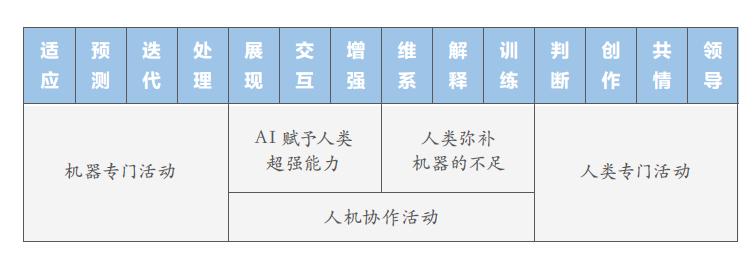
Core Insights - The article discusses how organizations can adapt to environmental changes through effective design, emphasizing the limitations of human rationality and the need for specialized departments and roles [1][2] Group 1: Organizational Design and AI - Organizations are evolving into complex ecosystems that require clear internal collaboration and coordination mechanisms to respond to environmental changes [1] - The introduction of AI is seen as a potential solution to overcome the constraints of human limited rationality in organizational decision-making [2][3] - AI's role in decision-making is highlighted, particularly in the processing and output stages of the decision-making model, which can enhance organizational design [3][4] Group 2: AI's Impact on Decision-Making - AI can provide answers to questions posed by organizations, but its decision-making logic remains opaque, paralleling human decision-making processes that often rely on heuristics [4][5] - AI is viewed as an external brain that can supplement human roles in organizations, with certain tasks being more suitable for machines while others require human judgment [5][6] Group 3: AI in Organizational Practices - Case studies illustrate how AI can significantly reduce costs and improve efficiency in various organizational functions, such as game development, while also highlighting its limitations [7][8] - Employees express concerns about effectively instructing AI, indicating that successful AI implementation relies on knowledgeable personnel [8] Group 4: Governance and Ethical Considerations - The integration of AI into high-level management raises complex issues regarding accountability and the ethical implications of AI-driven decisions [9] - New governance mechanisms are needed to address the challenges posed by AI in strategic decision-making, including accountability for AI-generated outcomes and the potential erosion of human judgment [9] Group 5: Organizational Change Theories - The article critiques traditional planned change theories in the context of digital transformation, suggesting that organizations must adopt a more flexible, iterative approach to change driven by data and practice [14][15] - A new theory of continuous change is proposed, where organizational goals evolve through ongoing iterations rather than being predetermined [15][16] Group 6: Future Organizational Structures - The emergence of AI may lead to new organizational forms that prioritize flexibility and real-time data-driven processes, potentially redefining the concept of organizational scale [12][13] - Organizations may need to shift from a traditional role-based structure to one that is process-oriented, allowing for more adaptive and efficient operations [12][13]

200块的县城羽绒服,杀疯了?
3 6 Ke· 2026-02-04 01:54
每到冬天,好像工资就自动贬值了。 平常在超市总是遇到水果刺客、话梅刺客,而冬天的羽绒服刺客的威力,堪比以往背刺的总和: 一两千是常态,三四千咬牙买, 如果稍微想富养自己,一件上万块,也不是不可能。 好像一到冬天,人的工资就会贬值—— "我一个月工资3000,想买一件8000块的羽绒服,我妈说我不如这三个月请假得了。" 然而,最懂省钱的年轻人,已经开始琢磨了: "买雪地靴有桑坡, 买皮草有海宁, 难道我们羽绒服,就没有自己的价格洼地吗?" 于是,浙江嘉兴的县城平湖,慢慢浮现在了价格敏感型消费者的眼中: 第一批会省钱的年轻人,已经来这里扫货羽绒服了。 他们只为了三件事: 便宜,便宜,还是便宜! 平湖羽绒城,迪士尼还是蜜雪冰城? 朋友们,我们来玩一个赛博猜价格的游戏吧~ 这里的网红款,走到路上十个人有八个在穿·保暖最高级·中戏同款的羽绒服,在平湖卖多少钱? 398元。 充绒量高达320克,有800+蓬松度,小立领加连帽元素,还不到400。 打开网点,同样克重蓬松度的款式,价格高达2639元…… 相差的6倍不是价格,而是我钱包流出的泪。 再看。 这个穿起来寒味溢出的皮粉色小面包,多少钱? 同样的颜色款式,在网上买上千 ...

这张纸也太会了,宜家,被家具耽误的食品顶流?
3 6 Ke· 2026-02-04 01:54
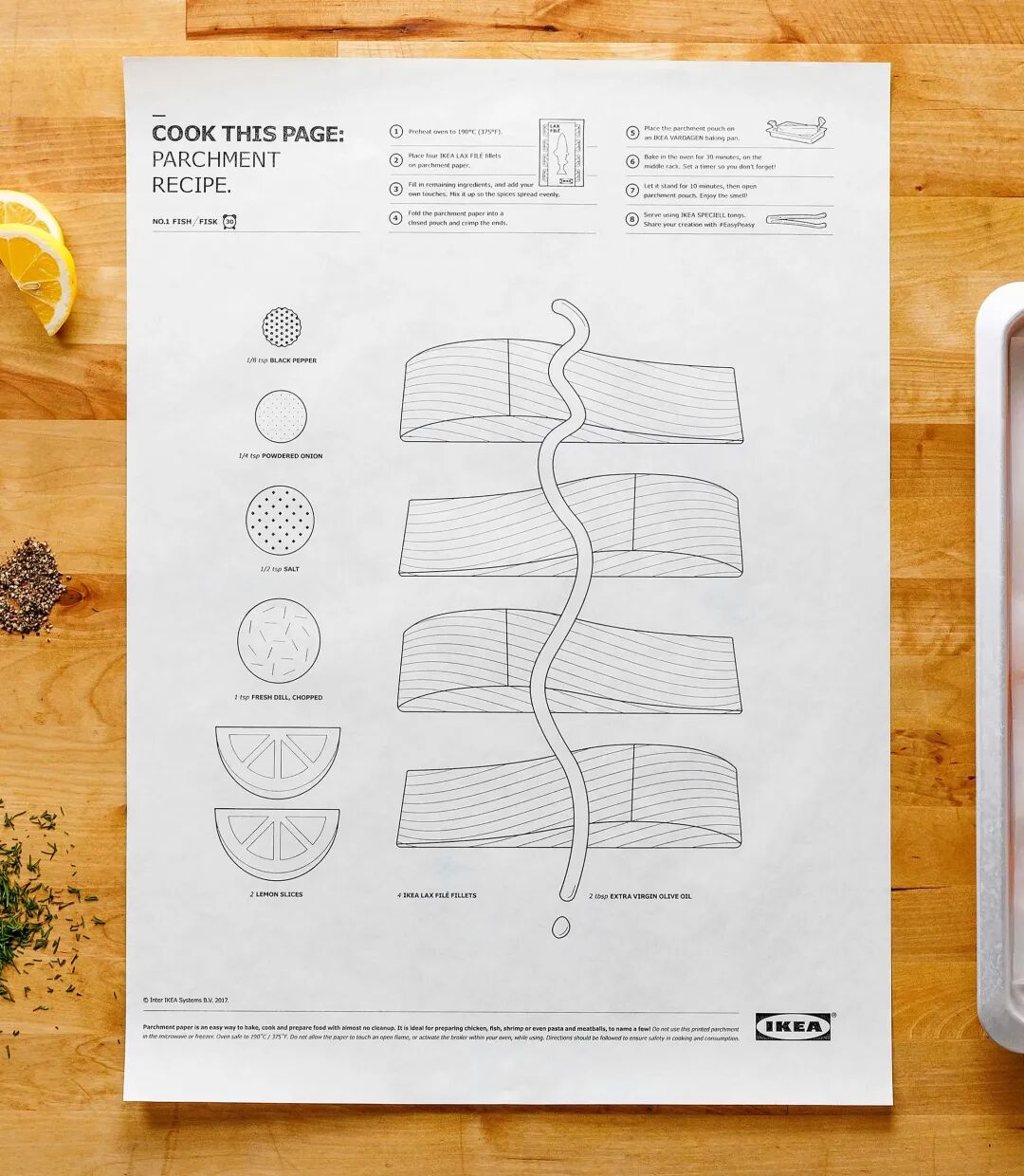
做饭变成了填空题? 宜家推出了一款"Cook this Page"烘焙纸食谱。这不是一款普通的食谱,而是零门槛的烹饪填空书。 食品级油墨印刷搭配耐高温烘焙纸,把复杂的烹饪步骤变成"填空游戏",让做饭成为有趣的动手体验,厨房新手都能一次成功。 "Cook this Page",图片来源:D&AD 网友评价,图片来源:小红书截图 被热议的食谱纸也直观折射出当下消费者的核心饮食需求:人们既想体验自行烹饪的健康与仪式感,又不想参与复杂繁琐的备菜、烹饪与餐后清洁步骤。 他们更追求低门槛、低失败率、高效率的轻烹饪体验,希望用最小的时间成本输出稳定的美味菜肴,轻松获得下厨成就感。 因此,他们更偏爱兼具创意与实用性的生活化设计,对"解放精力"的饮食解决方案有强烈共鸣。 "Cook this Page",图片来源:D&AD Cook this Page再度走红,本质上是消费者对"懂生活、解痛点"的食品创新的持续认可。食品行业的核心竞争力,从来不是短暂的流量创意,而是对消费者 的深度理解与长期陪伴。 这款食谱纸最早于2017年在加拿大作为限定厨房活动正式推出。时隔多年,近期在中国社交平台重新引发大量讨论与转发。 有网友称其为"人 ...
重仓新能源的车厂,1月大多数都很惨
3 6 Ke· 2026-02-04 01:48
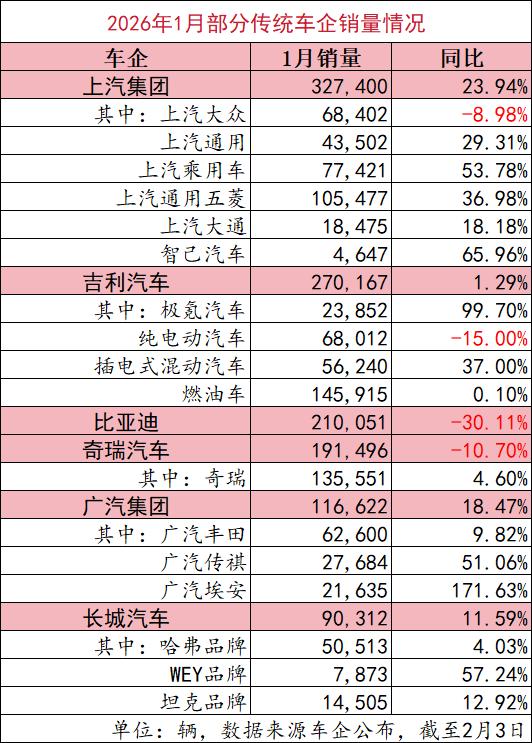
Core Viewpoint - The Chinese automotive market in January 2026 is characterized by a stark division, with traditional fuel vehicle manufacturers showing resilience while pure electric vehicle brands face significant challenges due to market fluctuations and policy changes [1][10]. Sales Performance - Total retail sales of passenger cars in January are expected to reach 1.8 million units, a month-on-month decline of 20.4% and a slight year-on-year increase [1]. - New energy vehicle (NEV) retail sales may reach around 800,000 units, with a penetration rate dropping to 44.4%, nearly 10 percentage points lower than the peak at the end of 2025 [1]. Traditional Automakers - Traditional automakers like Geely, SAIC, and GAC Toyota, which maintain a dual strategy of fuel and new energy vehicles, reported stable sales. For instance, SAIC's total sales reached 327,400 units in January, a year-on-year increase of 23.94% [2][3]. - Geely's total sales were 270,167 units, with fuel vehicle sales contributing significantly to its performance, achieving a year-on-year growth of 1.29% [4]. - GAC's sales reached 116,622 units, with GAC Toyota's sales growing by 9.82% [6]. New Energy Vehicle Brands - New energy vehicle brands are experiencing a downturn, with BYD's sales dropping by 30.11% year-on-year, and domestic sales plummeting by 53.22% [7]. - New entrants like Hongmeng Zhixing and Xiaomi saw significant growth, but others like Li Auto and Xpeng faced declines due to high previous bases and insufficient new product launches [9][17]. Export Market - Exports have become a crucial support for many leading automakers, with Chery exporting 119,600 units in January, accounting for nearly 60% of its sales [9]. - SAIC's exports reached 105,000 units, a year-on-year increase of 51.7%, while BYD and Geely also reported substantial export growth [9]. Market Dynamics - The market's division is attributed to a combination of policy shifts and the seasonal demand associated with the Chinese New Year, which has favored fuel vehicles [10][12]. - Fuel vehicles are perceived as a necessity for family gatherings during the holiday season, leading to increased sales of traditional models [12]. Strategic Insights - The current market scenario emphasizes the importance of maintaining a fuel vehicle base while pursuing new energy strategies. Companies that can balance both will likely fare better in market fluctuations [14][15]. - Future competition will hinge on the ability to innovate and meet mainstream market demands in the new energy sector, as evidenced by the performance of traditional automakers [15][17].




存储芯片爆发,这家测试设备厂商融了近亿
3 6 Ke· 2026-02-04 01:48
Core Insights - The memory chip market is experiencing significant price increases driven by the explosive demand for AI computing power, with high-end memory like HBM and DRAM seeing a surge in demand due to unprecedented requirements for data throughput, bandwidth, and capacity [1] - The storage chip has transitioned from being a supplementary component to a core resource in AI servers, fundamentally altering the supply-demand structure and driving the current upward cycle in the storage chip market [1] Industry Overview - The storage industry is a critical segment of the semiconductor sector, with memory chips being a key focus. The recent price surge is attributed to the rising demand for AI capabilities, which has led to increased requirements for both high-end memory and NAND Flash storage [1] - The global semiconductor testing equipment market is projected to exceed $20 billion for NAND Flash testing devices by 2025, with the SSD market expected to surpass $175 billion by 2026, maintaining a compound annual growth rate of approximately 15% [6] Company Developments - Luanqi Technology, a domestic startup specializing in storage testing equipment, has recently completed a nearly $15 million Series B financing round to expand production and enhance R&D efforts [2] - The company is the only domestic vendor covering the entire testing process for semiconductor storage products, including R&D testing, automated production testing, mass production testing, and product introduction testing [4] - Luanqi Technology's founder, Cen Biao, has extensive experience in the storage industry and aims to address the domestic shortfall in storage testing equipment, leveraging industry expertise to support key technological breakthroughs [5] Market Dynamics - The storage testing equipment sector is undergoing a revaluation, with increasing recognition of its importance in the semiconductor supply chain. The testing process is critical for ensuring product quality and performance before market entry [7] - Recent financing activities indicate a growing consensus on the long-term potential of China's storage industry and the need for technological innovation and domestic alternatives [7][8]
终于,苹果支持Claude Agent SDK了
3 6 Ke· 2026-02-04 01:43
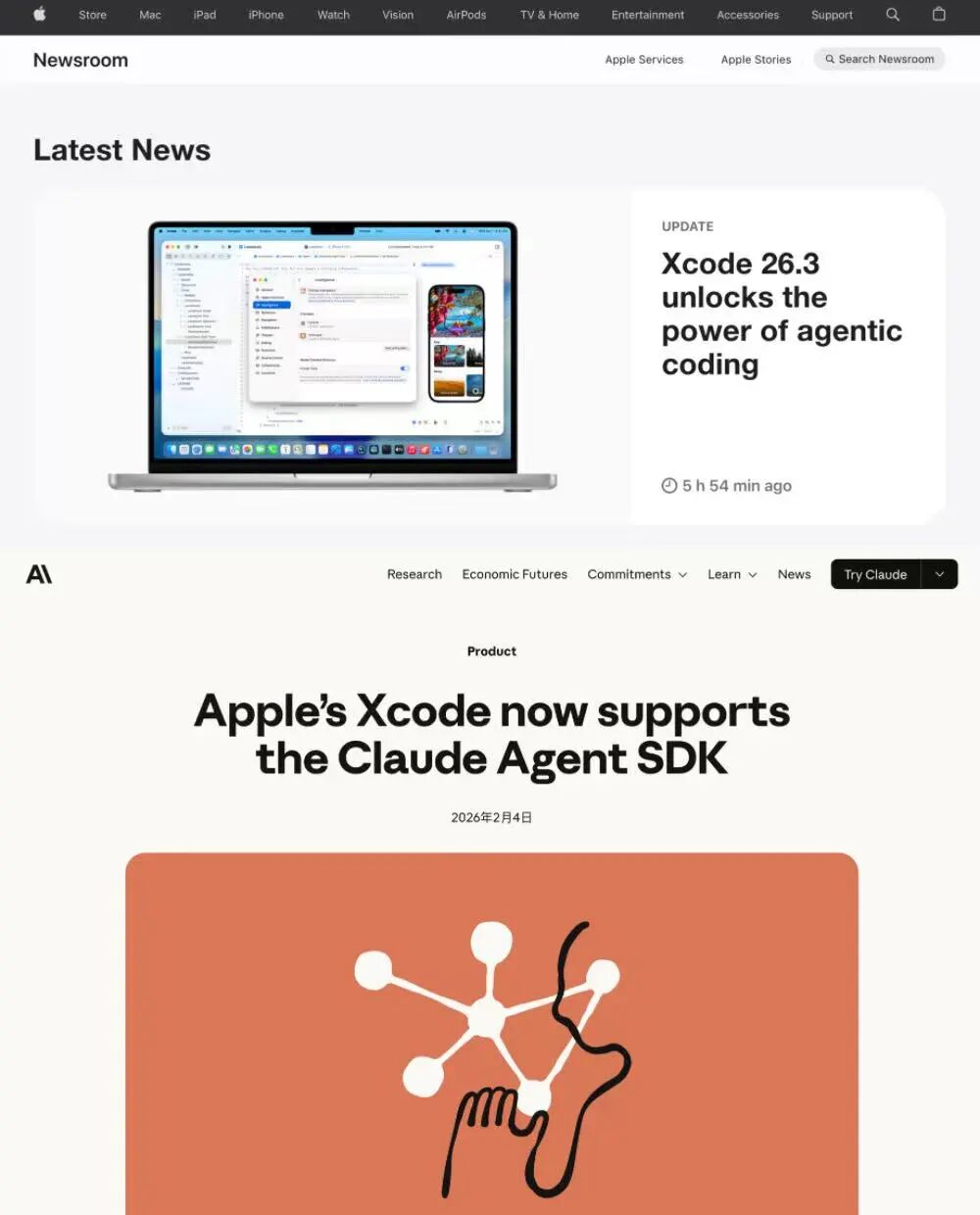
Core Insights - Apple has announced the integration of Claude and Codex into Xcode 26.3, enabling "Agentic Coding" for developers on Apple platforms [1][4]. Group 1: Integration of AI Agents - Xcode 26.3 now supports both Anthropic's Claude Agent and OpenAI's Codex, marking the first native integration of these models for comprehensive app development [5]. - The upgrade allows developers to assign tasks directly to agents, which autonomously handle task breakdown, code modification, interface debugging, and documentation retrieval [3][4]. Group 2: Enhanced Development Capabilities - The new agents can understand project structures, execute complex tasks based on developer goals, and perform visual validation through Xcode Previews, improving UI code generation quality [5][8]. - Xcode generates a retrievable "node" for each change made by the agent, ensuring development safety [7]. Group 3: Model Context Protocol (MCP) - Xcode 26.3 introduces the Model Context Protocol (MCP), allowing compatibility with various external agent systems beyond Claude and Codex [10]. - This standard enables agents to explore project structures, modify files, preview views, and interact with Xcode in command-line environments, paving the way for broader AI system integration [10]. Group 4: Future Prospects - Apple emphasizes its collaboration with Anthropic and OpenAI to optimize token usage and tool invocation, enhancing agent efficiency and controllability [11]. - The integration of AI agents into Xcode positions it as a leading platform for AI agent deployment, with potential for future multi-agent collaborative development [11].

连亏7年后,嫁入豪门的“储能老兵”还是没能翻身
3 6 Ke· 2026-02-04 01:43
Core Viewpoint - Kelu Electronics is expected to report a significant loss in 2025 despite earlier profitability, disappointing investors who anticipated a turnaround in performance [1][2]. Financial Performance - Kelu Electronics forecasts 2025 revenue between 6 billion to 6.5 billion yuan, with a net loss projected between 115 million to 170 million yuan [1]. - The company reported a cumulative profit of 232 million yuan in the first three quarters of 2025, a year-on-year increase of 251.1%, but faced a substantial loss of 347 million to 402 million yuan in Q4 [1][2]. Legal Issues - A major factor contributing to the projected losses is a legal dispute with China Nanhai Engineering Co., resulting in an expected provision of 62 million yuan for non-operating expenses [2][5]. - The lawsuit stems from a construction contract dispute related to the Kelu Smart Energy Industrial Park, which faced significant delays, leading to claims totaling 237 million yuan from the engineering company [3][5]. Project Challenges - Kelu Electronics has struggled with the Smart Energy Industrial Park project, which has been a significant financial burden, contributing to ongoing losses since 2018 [5][6]. - The company has acknowledged that the actual rental area and prices for the industrial park were not ideal, leading to asset impairment provisions totaling 1.32 billion yuan for fixed assets and 30.24 million yuan for intangible assets [6]. Market Competition - The company cited increased market competition and fluctuations in raw material prices as factors leading to a decline in gross margins for its energy storage business [7]. - Despite a rise in lithium prices from 70,000 yuan/ton to around 170,000 yuan/ton, Kelu Electronics has struggled to pass these costs onto customers due to intense competition in the energy storage system integration sector [7][9]. Strategic Changes - In April 2025, Midea Group appointed a new chairman to Kelu Electronics, aiming to leverage industrial experience to reverse the company's fortunes [10]. - The company is under pressure to improve its financial performance as Midea continues to invest in the renewable energy sector, with Kelu Electronics expected to play a crucial role in this strategy [11].



2025 AI战争回忆录:为什么说最可怕的 AI 狠人是扎克伯格?
3 6 Ke· 2026-02-04 01:43
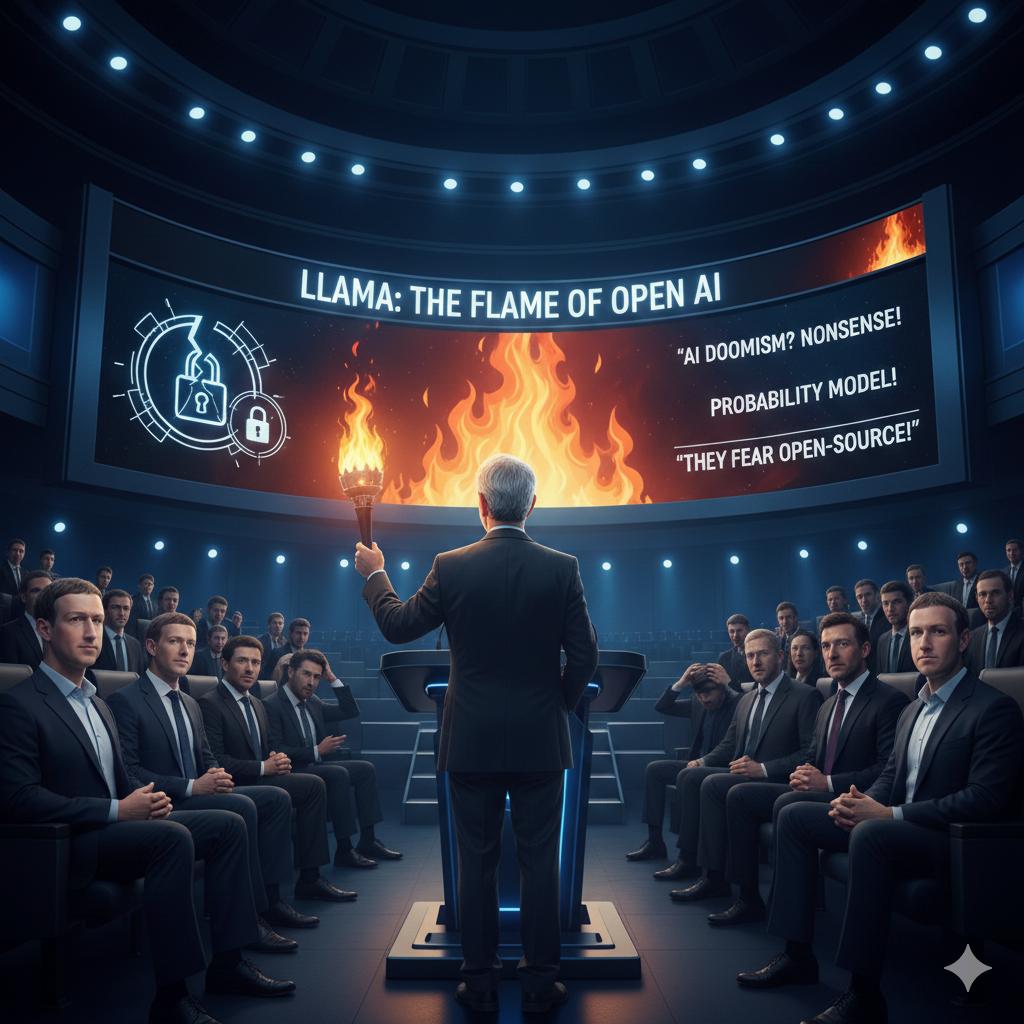
Core Viewpoint - The article discusses the competitive landscape in the AI industry, focusing on Meta's Mark Zuckerberg and his strategic shift towards an aggressive "scorched earth" approach to disrupt competitors like OpenAI and Google, particularly in the context of AI development and monetization. Group 1: Background and Context - Zuckerberg has historically felt constrained by Apple's dominance, as Meta's applications rely on Apple's iOS, making him vulnerable to changes in Apple's policies [10][11]. - The introduction of Apple's "App Tracking Transparency" in 2021 significantly impacted Meta's advertising revenue, leading to a loss of $10 billion in a single year [12][13]. - This experience instilled a desire in Zuckerberg to establish his own ecosystem, free from reliance on external platforms [15]. Group 2: Strategic Shift - In 2025, Zuckerberg identified AI as a potential disruptor to Apple's control, prompting him to adopt a "scorched earth" strategy against competitors [17][19]. - Meta's release of the Llama 4 model, with 400 billion parameters and an open-source, free commercial use model, aimed to undermine the business models of OpenAI and Google [30][31]. - This strategy effectively commoditized AI technology, leading to a collapse in the SaaS industry and forcing competitors to reassess their value propositions [35][36]. Group 3: Implementation and Impact - The launch of Llama 4 allowed developers to access advanced AI capabilities without the associated costs, significantly lowering the barriers to entry for new applications [32][34]. - Meta's integration of AI into platforms like Instagram and Facebook through features like "AI Studio" increased user engagement and transformed social interactions, ultimately driving advertising revenue [41][47]. - Zuckerberg's approach not only disrupted the software industry but also aimed to establish Meta as a dominant player in the AI landscape, positioning it for future growth [37][40].

下沉与出海:拼多多双线夺路闯关
3 6 Ke· 2026-02-04 01:43
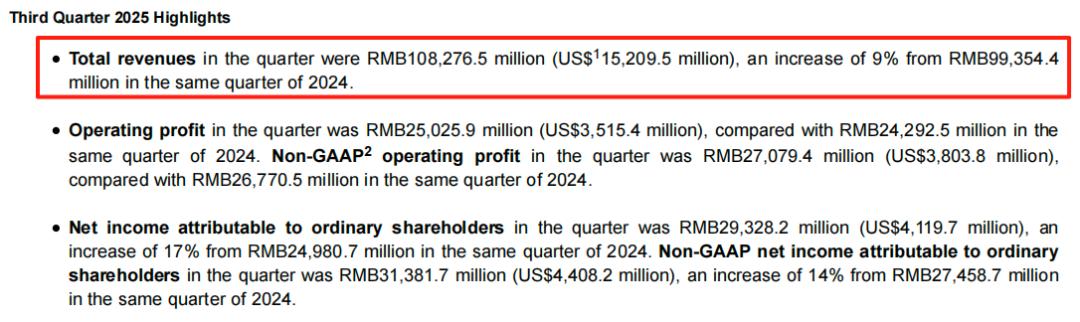
一半是海水,一半是火焰。 谁能想到,曾让全网一边骂 "砍一刀" 烦到想卸载、一边又为 9.9 元包邮真香上头的拼多多,如今正上演最撕裂的 "冰与火之歌"? 国内主站这块昔日高速狂奔的 "现金牛",彻底迈入 "贤者时间",广告收入增速罕见滑向个位数,烧钱换增长的野路子被果断叫停,转而精打细算守存 量。 而海外战场则是另一番 "极限闯关" 的惨烈景象,在合规铁拳和本土巨头的双重绞杀下,硬生生在夹缝里抠新活法。 一边是精耕细作的存量保卫战,一边是九死一生的全球化突围赛,拼多多的未来,全押在了 "守成" 的算计与 "开拓" 的孤勇之间,这场平衡术,玩得比谁 都惊险。 后"百亿补贴"时代的增长失速 拼多多2025年Q3季度的财报将这家曾经以"砍一刀"和极致低价席卷全国的电商平台置于战略转型的强光之下,暴露出其在增长失速和结构重塑之间的深 层博弈。 (图源:拼多多2025年Q3季度财报) 本季度总收入1082.8亿元,同比增长9%,虽然比第二季度有所回升,但是这一增速已经彻底进入了个位数的区间,标志着平台从过去依赖规模扩张和流 量红利的增长模式,正式转向以效率优先和结构性调整的新阶段。 | | | For the thr ...

2026 To B 生存实录:消失的群体和变异的组织
3 6 Ke· 2026-02-04 01:43
Core Insights - The To B market in 2026 is exhibiting a pronounced "dumbbell" structure, with tech giants on one end and small, agile startups on the other, leaving mid-sized SaaS companies in a precarious position [1] - The traditional growth equation of "adding people equals adding revenue" is shifting to an exponential model driven by AI leverage, fundamentally altering competitive dynamics [1] Group 1: Entrepreneurial Shift - A group of "rebels" from established tech companies is dismantling the old systems, leveraging their deep understanding of traditional models to create innovative solutions [2] - Entrepreneurs like Lu Yang (PureBlue AI) and Zhai Xingji (Yuhuo Technology) are driven by a profound recognition of pain points within the old frameworks, leading to their technical breakthroughs [3][4] Group 2: Generational Divide - The previous generation of SaaS entrepreneurs focused on building systems and standardizing complex processes, relying on large sales teams for growth [7] - In contrast, the new generation of AI entrepreneurs aims to penetrate processes directly with technology, focusing on measurable business outcomes rather than merely optimizing tool usage [8] Group 3: Organizational Evolution - New AI startups are characterized by minimal organizational structures and elite talent, moving away from traditional growth paths [9] - The absence of large sales teams is notable, with companies like PureBlue AI relying on the inherent value of their products to attract clients [10] Group 4: Pricing and Delivery Models - The pricing logic has shifted from user-based fees to value-based payments, where clients pay for the labor cost saved or business increment generated by AI [15][16] - New AI services must deliver clear, quantifiable business increments, redefining the relationship between clients and service providers [17][18] Group 5: Trust as a Core Asset - New AI entrepreneurs prioritize long-term brand value over short-term profits, rejecting projects that compromise their strategic focus [21][22] - Maintaining ethical standards in AI applications is seen as essential for long-term survival, with a focus on genuine value creation and trust [23][24] Group 6: Conclusion - The stories of these AI entrepreneurs reflect a return to fundamental business logic, emphasizing efficiency, measurable results, and trust accumulation [27]