Tai Mei Ti A P P

Search documents
WeMakePrice破产,数万卖家货款被“清零”
Tai Mei Ti A P P· 2025-11-21 07:01
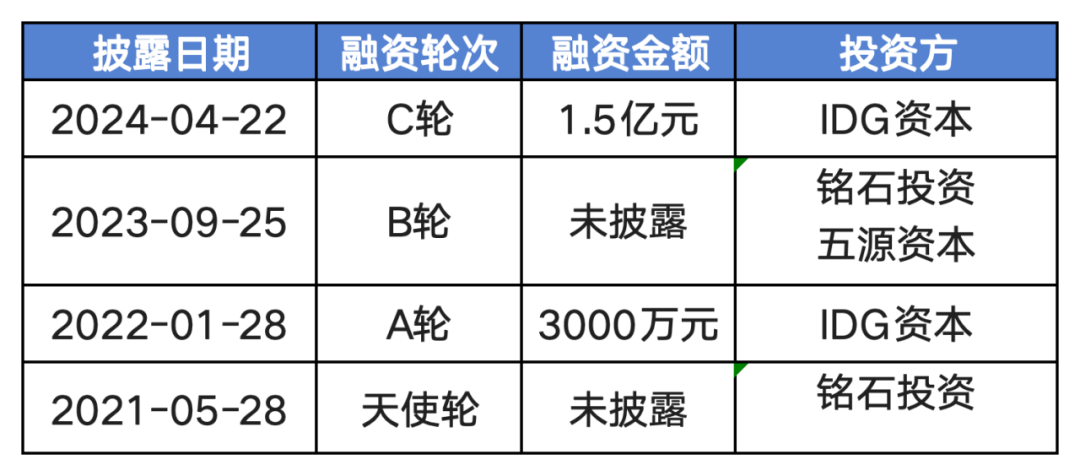
文 | 亿恩 2025年,依旧是很难的一年…… 一、负债22亿元,数万卖家血本无归 11月10日,韩国首尔破产法院的最终裁定,为曾跻身韩国电商四强的WeMakePrice(薇美铺)画上了句 号。 从团购风口的黑马成长为拥有2000万会员的行业标杆,最终却因4462亿韩元(约合人民币22亿元)的巨 额负债走向破产,10.8万名债权人面临"受偿率为0%"的绝境。 事实上,早在去年7月,WeMakePrice的经营危机就已经爆发。 彼时,由于资金被母公司挪用,平台无法支付商家货款,累计拖欠金额超过1000亿韩元,同时无力向消 费者退还预付款,引发大规模维权事件。 无奈,WeMakePrice与母公司旗下的另一平台TMON向韩国破产法院提交重整申请,随后韩国公平贸易 委员会的调查发现,两平台共拖欠6万名卖家1700亿韩元(约1.23亿美元),涉及大量中小商家。 然而重整并未带来转机。由于平台总资产仅486亿韩元,负债却高达4462亿韩元,负债规模是资产的近9 倍,且缺乏核心业务支撑,始终未能找到接盘方。 回过头看,作为韩国电商市场昔日的巨头之一,WeMakePrice的来时路充满了"奇迹"。 2010年10月,在韩国 ...
光伏CTO聚首蓉城,以创新破局能源未来
Tai Mei Ti A P P· 2025-11-21 06:34
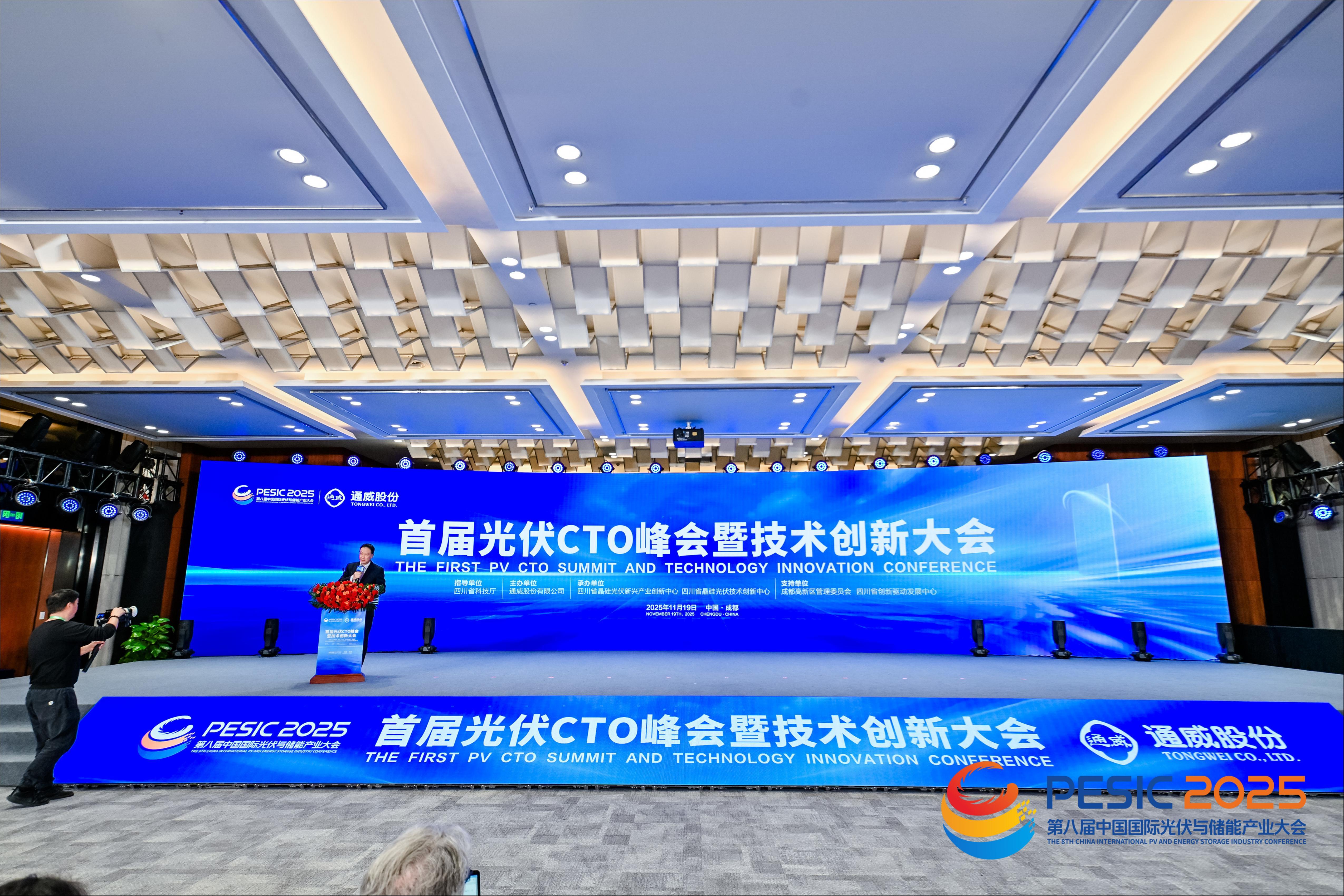
12 (2): DESIC BESIC sta li 20 E B l 居中国国际光伏与你 THE BTH CH INA INTERNATIONAL PV AND ENERGY STOI 首届光伏CTO峰会暨技术创新大会现场,图源:主办方供图(下同) 11月19日,首届光伏CTO峰会暨技术创新大会在成都圆满闭幕。本次会议由四川省科技厅指导,通威股份有限公司主办,四川省晶硅光伏新兴产业创新中 心、四川省晶硅光伏技术创新中心承办,成都高新区管理委员会、四川省创新驱动发展中心支持举办。 大会以"技术重塑产业,创新定义未来"为主题,旨在搭建一个高规格、高水平的研发交流平台,共同探讨光伏与储能技术的前沿趋势,破解行业发展瓶颈, 定义产业未来蓝图。 众星云集,共享技术盛宴 首届光伏CTO峰会暨技术创新大会汇聚全球顶尖的学术泰斗和行业精英,全国人大代表、全国工商联副主席、通威集团董事局主席刘汉元,四川省科学技术 厅党组书记、厅长路松明,澳大利亚新南威尔士大学卓越教授Martin Green,长三角太阳能光伏技术创新中心主任沈辉,上海市太阳能学会名誉理事长沈文 忠,扬州大学党委书记丁建宁,中国光伏行业协会副秘书长江华等嘉宾莅 ...


一文读懂:为什么Nano Banana Pro重新定义了AI图像生成标准 | 巴伦精选
Tai Mei Ti A P P· 2025-11-21 04:44
Core Insights - Google has launched the Nano Banana Pro image generation tool, leveraging the capabilities of Gemini 3 Pro to set a new standard in the AI image generation industry [2][3] - Nano Banana Pro addresses long-standing challenges in the field, including consistency, understanding of the physical world, text rendering, deepfakes, and cost [4][5][8] Group 1: Key Features of Nano Banana Pro - The tool excels in detail control, semantic understanding, and cross-ecosystem collaboration, significantly improving the quality of generated images [3] - It can maintain high consistency and control, processing up to 14 reference images and accurately preserving facial features and clothing details across multiple images [9] - Nano Banana Pro integrates real-time information retrieval from Google's knowledge base, enhancing the accuracy of generated content [11] Group 2: Addressing Industry Challenges - The tool effectively resolves over 80% of the industry's major issues, including consistency and controllability, which have historically plagued AI image generation models [9] - It offers advanced text rendering capabilities, allowing for accurate integration of text into images, overcoming previous limitations [13] - To combat deepfake risks, Nano Banana Pro incorporates SynthID digital watermarks, ensuring traceability even after image modifications [15] Group 3: Market Position and Pricing - Nano Banana Pro is positioned as a premium product, with higher costs for generating images compared to standard versions, catering to professional commercial use [18] - The pricing strategy differentiates user groups, with the Pro version designed for low-tolerance error scenarios in professional settings [18] - Despite its advanced features, the tool still faces challenges related to high operational costs, which may limit accessibility for individual developers and researchers [8][18] Group 4: Integration and Ecosystem - The tool is deeply integrated with Google's ecosystem, enabling seamless collaboration with platforms like Adobe and Figma, thus expanding its application in creative fields [18] - The rapid increase in monthly active users of Gemini, from 450 million to 650 million, highlights the tool's impact on user engagement [18]


百度最大的变量还是搜索
Tai Mei Ti A P P· 2025-11-21 04:13
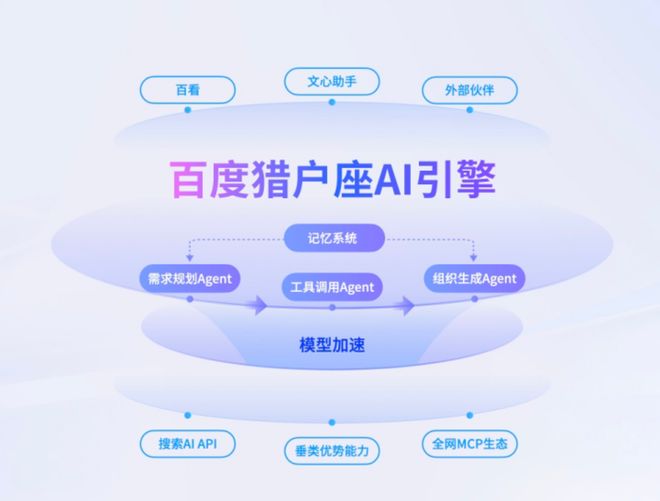
Core Insights - Baidu's third-quarter AI business revenue grew over 50% year-on-year, with intelligent cloud infrastructure revenue at 4.2 billion yuan, AI application revenue at 2.6 billion yuan, and AI native marketing service revenue at 2.8 billion yuan, which saw a 262% increase [1][2] - However, Baidu's total revenue and core revenue both declined by 7% year-on-year, primarily due to a decrease in online marketing revenue, which fell by 18% to 15.3 billion yuan, accounting for nearly half of total revenue [1][2] - The 2025 Baidu World Conference highlighted Baidu's ambition to position itself as a central hub for task execution in the AI era, showcasing innovations like the Orion AI engine and various AI applications [1][4] Revenue Trends - Baidu's online marketing revenue has been on a downward trend since 2024, indicating a significant challenge for the company [1][2] - The decline in online marketing revenue is attributed to the loss of traffic distribution capability, impacted by competition from platforms like Douyin, Kuaishou, Xiaohongshu, and WeChat [2][3] AI Search Development - Baidu's AI search is evolving into a task execution hub, integrating various AI capabilities to understand complex user needs and deliver personalized results [3][5] - The new search engine aims to provide a richer user experience by offering results in various formats, including text summaries, AI-generated videos, and direct task execution [5][11] Strategic Positioning - Baidu is building a more complex and open task execution hub that integrates multi-modal capabilities and memory systems to enhance user interaction [11][12] - The company is exploring new commercial opportunities, such as testing e-commerce components in AI search, which generated peak daily transaction volumes close to 6 million yuan during the Double 11 shopping festival [12] Future Outlook - Baidu's ability to establish the Orion AI engine as a foundational pillar for the industry will significantly influence its position in the AI era, determining whether it remains a key player in entry control or transitions to a provider of large models and cloud infrastructure [12]

大疆,带给3D打印行业一场“成人礼”
Tai Mei Ti A P P· 2025-11-21 02:31
Core Insights - The recent investment by DJI in Smart派 has stirred significant attention in the 3D printing industry, indicating a pivotal moment for the sector [2][3] - The entry of major players like DJI is seen as a validation of the 3D printing market rather than a threat, suggesting that the industry is maturing and gaining serious interest from established companies [7][10] Industry Growth - The consumer-grade 3D printing market is projected to reach a scale of $4 billion in 2024, with a compound annual growth rate approaching 30% [8] - The reduction in costs of key components and the integration of AI tools are making 3D printing more accessible, with entry-level products now priced below 2,000 yuan [9] Competitive Landscape - As the industry matures, competition is expected to intensify, which is a natural outcome of growth and market validation [11][12] - Companies like拓竹 are already demonstrating significant profitability, with projected revenues nearing 6 billion yuan and a net profit margin of 30%, surpassing that of major players like Apple [11] Technological Paths - The 3D printing sector is characterized by two main technological paths: Fused Deposition Modeling (FDM) and Stereolithography (光固化), with FDM being more user-friendly and widely adopted [17] - The presence of different technological approaches is essential for a healthy competitive environment, allowing for innovation and improvement within the industry [18] Emotional Dynamics - The emotional responses from industry players, particularly regarding DJI's entry, reflect underlying anxieties about competition and market positioning rather than factual concerns [20][22] - The narrative surrounding DJI's involvement serves as a mirror for the industry, highlighting the need for companies to strengthen their fundamentals and adapt to a more competitive landscape [19][25]
【钛晨报】何立峰:持续推动外贸提质增效,打通全国统一大市场建设卡点堵点;涉及上下班途中、居家工作等,这些情形可认定工伤;摩尔线程:首次公开发行股票并在科...
Tai Mei Ti A P P· 2025-11-20 23:27
Group 1: Government Initiatives and Economic Development - The Chinese government emphasizes the need to enhance foreign trade quality and efficiency, support high-quality manufacturing development, and accelerate the construction of a unified national market [2][3] - The government aims to maintain stable growth in foreign trade despite external pressures, supporting new business models like cross-border e-commerce and promoting market diversification [2] - There is a focus on optimizing the supply of goods and services to meet diverse consumer demands and exploring multi-modal transportation to reduce logistics costs [2] Group 2: Technological Advancements and Industry Trends - The importance of adapting to new technological revolutions and industrial transformations is highlighted, with a call for increased financial support and policy measures for manufacturing [3] - The development of artificial intelligence applications is noted, with advancements in digital human technology and code generation being applied in various sectors [4] - The battery industry is projected to shift towards sodium batteries, with expectations of significant demand growth for both lithium iron phosphate and sodium batteries by 2035 [4] Group 3: Corporate Developments - WeRide's Robotaxi has received a fully autonomous license in Switzerland, marking a significant milestone in autonomous vehicle operations [5] - New electric vehicle models from companies like Huawei and XPeng have been launched, showcasing advancements in technology and extended range capabilities [5] - Baidu's Q3 earnings call was notably hosted by an AI digital human, reflecting the company's strategic focus on internalizing AI capabilities [6] Group 4: Market and Economic Indicators - China's new energy vehicle production reached 12.672 million units from January to October, representing a year-on-year growth of 28.1% [22] - The Ministry of Finance and the Ministry of Commerce announced a competitive review of 50 cities for new consumption models, aiming to enhance service consumption and support economic growth [11] - The latest Loan Prime Rate (LPR) remains unchanged, with the 5-year LPR at 3.5% and the 1-year LPR at 3% [21]

巴克莱最新研究报告:OpenAI算力需求持续激增,2028年支出将达到1100亿美元的峰值 | 巴伦精选
Tai Mei Ti A P P· 2025-11-20 16:25
Core Insights - Barclays Bank's latest research report concludes that the AI sector is far from experiencing a bubble burst, with capital expenditure cycles expected to continue, particularly with significant technological breakthroughs anticipated between 2027 and 2028 that could lead to a surge in computing power demand [1] Group 1: OpenAI's Revenue and Growth - OpenAI's recent revenue performance exceeded expectations, with CEO Sam Altman indicating that the company's 2025 revenue forecast was raised by approximately 15% compared to mid-year internal predictions, and the 2027 revenue forecast was adjusted from $60 billion to $90 billion, with a target of achieving $100 billion in annual recurring revenue (ARR) by 2027, one year earlier than previously expected [1] - The upward revision in revenue is accompanied by increases in key metrics such as inference computing costs, weekly active users, and average revenue per paid user, reflecting rapid growth in demand for AI technology in commercial applications [1] Group 2: Computing Resource Demand - OpenAI's substantial demand for computing resources is highlighted, with Barclays estimating that the company's computing operating expenditure budget will exceed $450 billion from 2024 to 2030, peaking at $110 billion in 2028 [2] - To ensure stable computing power supply, OpenAI has signed long-term computing power leasing contracts worth approximately $650 billion with several tech companies, including Oracle and Microsoft, which not only support OpenAI's business expansion but also encourage capital investment from partners in the AI computing sector [2] Group 3: Next-Generation Technology Development - OpenAI is advancing the development of next-generation technologies, including the GPT-6 large language model and the Sora 3 video generation model, with the potential introduction of "recursive self-improvement" technology between 2027 and 2028, which will significantly enhance model performance and efficiency but will require vast computing resources [3] - OpenAI has reserved approximately $43 billion in additional "monetizable computing power" funds to address the computing demands following the implementation of this technology [3] Group 4: Industry Competition and Investment - OpenAI's rapid development is prompting competitors like Google and Meta to increase their investments, further solidifying the continuity of the AI capital expenditure cycle [4] - To catch up with OpenAI's technological advantages, companies are expanding user bases and accelerating model iteration speeds, necessitating substantial computing investments [4] Group 5: Overall Industry Trends - The dynamics surrounding OpenAI reflect a broader trend in the AI capital expenditure cycle, with global semiconductor manufacturers increasing AI chip production capacity to meet growing computing demands, maintaining a year-on-year growth rate of over 60% since 2025 [5] - Competitors are also ramping up their computing investments, with Google increasing its Gemini model's computing input by 30% and Meta planning to double its AI data center capacity by 2026, supporting Barclays' assessment that the AI capital expenditure cycle will continue [5]
工程化的长期主义:OceanBase十五年沉淀,如何成为AI时代的数据基石?
Tai Mei Ti A P P· 2025-11-20 12:26
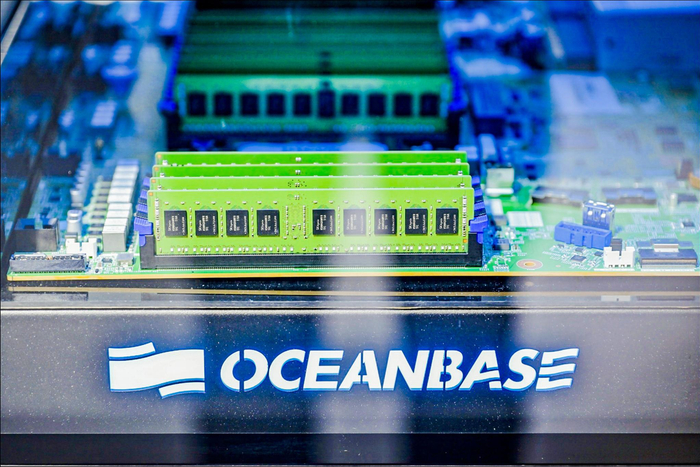
Core Insights - The rapid development of artificial intelligence (AI) is transforming databases from passive "data warehouses" to active "intelligent hubs" that drive business decisions [2] - OceanBase has launched its first AI-native hybrid search database, seekdb, aiming to transition databases from traditional "business support systems" to "AI-native data entry points" [4] - OceanBase's engineering capabilities are a key factor in its success, with over 4,000 clients and an average annual growth rate of over 100% in client numbers for five consecutive years [2][4] Engineering Evolution - OceanBase's 15-year journey has been driven by real business pressures, leading to a unique engineering culture focused on solving practical problems [5][7] - The company has achieved several key technological milestones, including the establishment of a native distributed architecture and the breakthrough of a single-node distributed integrated architecture [8] - The latest version, 4.4, integrates transaction processing (TP), analytical processing (AP), and AI capabilities into a single core, allowing businesses to handle high-concurrency transactions, complex data analysis, and AI-driven hybrid searches within one database [8][11] Architectural Innovations - OceanBase emphasizes data correctness as a core principle, implementing a comprehensive system for end-to-end control from code to hardware [10] - The architecture supports multi-modal data integration and workload fusion, addressing challenges posed by traditional database systems in the AI era [11][12] - The introduction of a shared storage architecture in version 4.4 significantly reduces storage costs by 50%-90% compared to traditional solutions, enhancing the efficiency of data storage for AI applications [12] AI-Native Capabilities - The seekdb database is designed with a focus on lightweight, agile, and open-source principles, featuring a four-dimensional hybrid search capability [13][15] - OceanBase's AI architecture allows for direct SQL calls to embedding models, creating a closed loop for data writing, vectorization, retrieval, and inference [16] - The company aims to redefine the standards for AI data bases, moving beyond traditional data storage to databases that can "understand" data semantics [16] Market Position and Future Outlook - OceanBase holds the leading market share in the financial sector, with significant deployments in government and telecommunications [17][19] - The company is actively pursuing global expansion, targeting emerging markets in Southeast Asia, Latin America, and the Middle East, with a goal of increasing overseas revenue to 20% [19] - According to Gartner, spending on databases supporting generative AI is projected to reach $218 billion by 2028, indicating a significant market opportunity for OceanBase [20]
大疆“扩疆”,影石、拓竹、追觅攻守不一
Tai Mei Ti A P P· 2025-11-20 11:02
Core Insights - DJI, traditionally low-profile and resistant to market interactions, has recently invited external parties to experience its upcoming panoramic drone, DJI Avata 360, indicating a strategic shift towards more engagement with the market [1][2] - Despite its repeated statements of "no financing, no IPO," DJI's recent activities suggest a proactive approach to counter competition and maintain its market position [2][3] Group 1: DJI's Strategic Moves - DJI has launched several new products this year, including the sweeping robot ROMO and has shown interest in investing in 3D printing companies, indicating a diversification of its business strategy [2][3] - The introduction of the DJI Avata 360 is perceived as a defensive move to showcase its technological advantages amidst slowing growth, aiming to reassure stakeholders of its profitability [13][26] - DJI's market share in consumer drones exceeds 70%, but it faces pressure to innovate and find new mass-market products as growth in the consumer drone market slows [26] Group 2: Competitive Landscape - Competitors like YingShi and TuoZhu are expanding beyond their original markets, indicating a shift in the competitive dynamics of the industry [4][5] - YingShi has entered the drone market with its brand "YingLing Antigravity," directly challenging DJI, while simultaneously expressing respect for DJI's founder, suggesting a complex competitive relationship [6][7][10] - TuoZhu, founded by former DJI engineers, is rapidly gaining traction in the 3D printing sector, with a valuation reportedly reaching 30 billion yuan, posing a significant challenge to DJI's interests [19][21] Group 3: Market Dynamics and Future Outlook - The competition is evolving from product-specific technological advancements to a broader ecosystem-based confrontation, where companies leverage their core competencies across multiple sectors [26] - DJI's entry into the sweeping robot market is expected to disrupt existing players like Chasing, as it applies its advanced drone technology to a new product category [22][23] - The strategic investments and product launches by DJI and its competitors reflect a broader trend of companies seeking to establish dominance in emerging markets while navigating the challenges of innovation and market saturation [26]
光伏下半场:光储协同、体系出海、技术融合丨行业风向标
Tai Mei Ti A P P· 2025-11-20 06:50
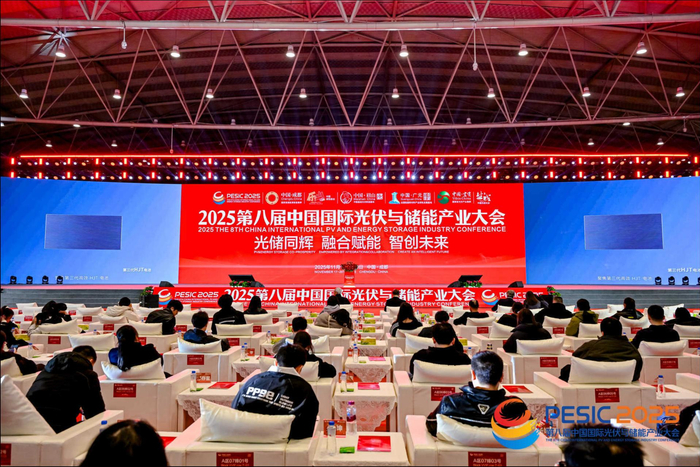
Core Insights - The photovoltaic industry is currently experiencing a "cold winter," characterized by widespread losses and intense competition, yet there is a strong consensus on the industry's promising future amid global energy transformation and carbon neutrality goals [2][3] - The 2025 China International Photovoltaic and Energy Storage Industry Conference highlighted the need for collaboration to overcome "involution" in the industry, with a declaration advocating for collective responsibility and innovation [2] Industry Status - China's photovoltaic installed capacity reached 1.125 billion kilowatts by September 2025, a 45.7% increase year-on-year, marking a 3.5-fold increase since the end of 2020 [3] - The industry is facing significant challenges, including overcapacity and price declines, with polysilicon prices dropping from 300,000 yuan/ton in 2023 to below 50,000 yuan/ton, and module prices decreasing by 52% compared to 2023 [3] - The production growth rates for various photovoltaic components have declined, with polysilicon production down 32.8% year-on-year, while module production grew by 12.2% [3][5] Market Dynamics - New installations in the photovoltaic sector totaled 240.27 GW in the first nine months of 2025, reflecting a 49.3% year-on-year increase, but with a notable decline in growth rates in the latter half of the year [5] - The overall financial performance of the photovoltaic industry showed a narrowing of losses, with net profit losses reaching 31.04 billion yuan in the first three quarters, down from previous periods [11] Future Prospects - The International Energy Agency recognizes photovoltaic power as the lowest-cost electricity source historically, with expectations for further cost reductions [7] - China's commitment to renewable energy development remains strong, with targets set for non-fossil energy consumption to reach over 30% by 2035, and annual new installations of wind and solar power expected to exceed 200 GW [8] Strategies for Overcoming Challenges - Industry leaders emphasize the need to "break involution" through rational pricing and quality improvements, with government support for reducing low-price competition [9][10] - The integration of energy storage with photovoltaic systems is seen as essential for addressing the intermittency of renewable energy sources and enhancing grid stability [10][11] International Expansion - Despite challenges such as carbon tariffs and trade barriers, China's photovoltaic product exports totaled $22.05 billion in the first nine months of 2025, a 14.9% year-on-year decline, with significant increases in the export of solar cells and modules [12][13] - Emerging markets in regions like India and Southeast Asia present new opportunities for growth, although companies must adapt to local market conditions and pricing sensitivities [13] Technological Advancements - The industry is undergoing a technological shift from P-type to N-type solar cells, with a focus on integrating various advanced technologies such as TOPCon, BC, and HJT [15][16] - The development of perovskite solar cells is ongoing, with expectations for future integration with silicon technology, although stability remains a challenge [16]