远川研究所

Search documents
内存涨价,千元机的天塌了
远川研究所· 2026-02-12 13:06
Core Viewpoint - The article discusses the significant impact of rising storage chip prices on the smartphone industry, particularly affecting mid-range and low-end models, as manufacturers shift focus to higher-margin products due to supply constraints driven by AI infrastructure demand [6][8][19]. Group 1: Market Dynamics - Since the second half of last year, storage chips have experienced a dramatic price surge, with consumer-grade memory modules increasing by over 600%, making them a highly valued investment product [6]. - Major storage chip manufacturers, including Samsung, Micron, and SK Hynix, have reported that their production capacities for DRAM, NAND Flash, and HBM products are fully booked until 2026 [6]. - The demand for HBM memory used in AI chips has led to prioritization in production, squeezing the supply of consumer-grade products and significantly impacting low-end smartphone manufacturers like Transsion [8][10]. Group 2: Financial Impact on Companies - Transsion, known for its cost-effective models, saw a 22.6% revenue increase in Q3 2025, but its net profit dropped by 11%, with a two-percentage-point decline in gross margin [8]. - Other smartphone manufacturers are also adjusting their strategies, with many opting to delay the launch of low-cost models and reducing overall order volumes by 10%-20% for 2026 [10]. - The rising costs of storage components have exposed the vulnerability of mid-range and low-end smartphones, which have less flexibility in pricing and profit margins compared to high-end models [13][14]. Group 3: Pricing Strategies and Market Trends - The average selling price (ASP) of smartphones is projected to exceed $400 for the first time, indicating a shift towards higher-priced models as manufacturers respond to rising component costs [19]. - Companies are likely to either increase prices to maintain margins or lower them to capture market share, particularly as the low-end market continues to shrink [19]. - The ongoing supply constraints and price increases in storage chips may signal the end of the "thousand-yuan phone era," pushing consumers towards higher-end devices [19].





沃尔玛还是优等生
远川研究所· 2026-02-11 13:48
Core Viewpoint - Walmart continues to innovate and adapt in the Chinese retail market, launching the "Mashi Store" concept to attract younger consumers and enhance the shopping experience, marking its 30th anniversary in China [2][19]. Group 1: Walmart's New Store Concept - The "Mashi Store" features interactive community themes, unique products, and engaging shopping experiences, aiming to create a vibrant atmosphere for consumers [2][8]. - The store in Shenzhen's Shekou area maintains a large physical space while enhancing the shopping experience with fun and diverse scenarios [8][9]. - The community store in the Xia Sha area focuses on a "10-minute walk" lifestyle, offering around 2,000 SKUs of high-quality, affordable products [8][9]. Group 2: Consumer Behavior and Market Trends - The concept of "nearness" is evolving, as consumers increasingly prefer online shopping, yet the popularity of the "Mashi Store" indicates a continued desire for physical shopping experiences [5][6]. - Young consumers are seeking emotional value and surprises in their shopping experiences, which traditional supermarkets often fail to provide [12][15]. - The "Mashi Store" aims to rekindle the joy of shopping by offering unique products and an immersive environment, transforming the perception of supermarkets from mere transactional spaces to engaging experiences [11][18]. Group 3: Walmart's Competitive Position - Walmart's market leadership is evidenced by its sales of 158.845 billion and a total of 334 stores, maintaining its position as the top retailer in China [19][21]. - The company's strong supply chain capabilities and commitment to customer satisfaction remain core competitive advantages, allowing it to adapt to changing consumer preferences [22][28]. - Walmart's self-owned brand "Wojuxian" has been upgraded to focus on simple, fresh ingredients, reflecting the company's dedication to quality and value [22][24].


春运开始,顺风车在五环外疾驰
远川研究所· 2026-02-11 13:48
Core Viewpoint - The ride-sharing market in China, particularly the "顺风车" (carpooling) segment, is experiencing rapid growth, with a compound annual growth rate of approximately 40% over the past seven years, significantly outpacing the 10% growth rate of traditional ride-hailing services [3][5]. Group 1: Market Dynamics - The total transaction volume of the carpooling industry is expected to exceed 100 billion RMB by 2027, making it the only segment outside of ride-hailing to reach this milestone in the transportation sector [4]. - The market for carpooling began to take shape around 2019, transitioning from a low-cost ride-hailing alternative to a distinct segment focused on intercity travel [5][8]. - The shift in order structure from urban to intercity travel has led to a significant influx of non-professional drivers, with nearly 30 million registered drivers on platforms like 哈啰 (Hello) [8][11]. Group 2: Consumer Behavior - Consumer preferences have evolved, with a growing demand for door-to-door services that carpooling can provide, addressing needs that traditional public transport cannot meet [9][10]. - The carpooling model has become a cost-effective option for long-distance travel, appealing to price-sensitive users and transforming it into a viable business model outside urban centers [9][10]. Group 3: Supply Side Changes - The rapid increase in car ownership in China over the past decade has created a vast pool of potential carpool drivers, with a younger demographic more open to the sharing economy [11][13]. - 哈啰 has distributed over 100 billion RMB in earnings to drivers, maintaining a lower service fee compared to traditional ride-hailing platforms, which enhances its attractiveness to drivers [16]. Group 4: Operational Strategies - 哈啰 has adapted its operational model to accommodate the unique characteristics of non-professional drivers, implementing a "select order" system to improve matching efficiency and reduce cancellations [15]. - The platform has introduced a membership system for active drivers to ensure a stable supply of drivers, addressing the challenges posed by the high proportion of non-professional drivers [16]. Group 5: Future Outlook - During the 2026 Spring Festival, 哈啰 is projected to handle 50-60 million orders, capturing about 50% of the market demand for carpooling during this peak travel period [20].

春节AI大战,谁摸到了那张入场券?
远川研究所· 2026-02-10 13:13
时至春节档的流量高峰期,互联网巨头们照例上演争夺战,今年的排头兵是各家的AI产品。 先是在去年年底,字节跳动旗下的豆包宣布将深度参与2026年春晚互动,互联网巨头们的春节AI大战 一触即发。 紧接着,腾讯旗下的元宝在今年1月喊出"上元宝,分10亿"的口号,马化腾在员工大会上畅想着能重现 12年前"偷袭珍珠港"的盛况。 一个月后,阿里旗下的千问宣布投入30亿启动"春节大免单"活动,联动淘宝闪购、天猫超市、盒马、 飞猪、大麦、支付宝等阿里全生态,请全国人民在春节期间吃喝玩乐。无论是前无古人的巨额投入,还 是独一无二的生态闭环,千问在各种意义上把这场AI大战推向高潮。 都是瞄准流量高峰期,各家的路线又出现明显分野,豆包看中春晚曝光,元宝指望社交裂变,而千问则 抢滩登陆日常生活,通过一杯免费奶茶到吃喝玩乐的方方面面,让用户习惯使用AI助手,志在抢夺"AI 超级Agent"的心智。 迄今为止,三家已总计投入约50亿营销费用,堪称史上最贵,但这笔投入买的不止是眼前的增量,而 是决定未来十年AI入场券的生死战。 AI时代的"中途岛战役" 2014年的春节前夕,微信红包横空出世,除夕夜高峰期,平均每分钟都有2.5万个红包被领 ...



闪电仓大分化
远川研究所· 2026-02-09 13:05
进入 2026 年,外卖大战的硝烟正逐渐散去, AI 大战取而代之。 随着平台补贴退潮,受影响的不仅是一日八杯奶茶的羊毛党,一个原本隐秘的战场 —— 闪电仓 ,也迎 来一波出清与分化。 作为即时零售浪潮下的产物,闪电仓与外卖的区别是 " 送饭以外的一切 " , 与电商区别是 " 半小时送 达 " 。这种兼具供给广度与履约效率的零售模型,正成为中国消费的新变量。 在 2025 年那场旷日持久的补贴混战中,闪电仓曾喜提各大平台倾斜资源。一时间, " 万单神话 " 、 " 火速上车 " 、 " 开店即回本 " 等造富话术在抖音、小红书、和加盟商微信群里病毒式蔓延。 这个赛道被强行按下了快进键,大量零售小白怀揣财富自由之梦,企图冲进场内捡钱。 然而熟悉大 A 的朋友都知道,开盘涨停背后往往紧跟着最大回撤。近段时间,大量闪电仓倒闭转让的 消息频频登上新闻,人们发现: 闪电仓不是一张傻瓜式的彩票,它其实是一门极讲耐心,对零售基本功有高要求的 " 苦生意 " 。 机会与挑战 从表面看,闪电仓只是做线上超市。但在实际运营中, 闪电仓的经营难度,不亚于螺狮壳里做道场。 它要对标超市的 " 多 " ,外卖的 " 快 " ,价格却 ...

美团捡了个大便宜
远川研究所· 2026-02-06 13:04
Core Viewpoint - Meituan announced the acquisition of Dingdong Maicai for $717 million, marking a significant move in the fresh e-commerce sector, which has seen many players exit the market [3][5]. Group 1: Industry Overview - Dingdong Maicai has been a survivor in the fresh e-commerce space since 2017, adapting its business model through strategic contraction and selective focus on high-margin products [5][7]. - The fresh e-commerce sector has seen a decline, with major players like Meituan, Dingdong Maicai, and Pupu Supermarket remaining, while others like Missfresh have exited [7][10]. - The industry is shifting towards profitability, with companies like Hema and Pupu Supermarket actively seeking growth and expansion [17]. Group 2: Dingdong Maicai's Strategy - Dingdong Maicai implemented strategic contraction by reducing its operational footprint, focusing on high-efficiency areas, and cutting down on marketing expenses [7][10]. - The company has shifted towards high-margin prepared foods, achieving a gross margin of around 30%, significantly higher than competitors like Missfresh [10][12]. - Dingdong Maicai has maintained profitability for 12 consecutive quarters, with its GMV and revenue reaching historical highs [12]. Group 3: Meituan's Acquisition Rationale - Meituan's interest in Dingdong Maicai stems from the rapid growth of its own supermarket business, Xiaoxiang Supermarket, which has seen significant expansion and performance improvements [13][14]. - The acquisition allows Meituan to leverage Dingdong Maicai's established logistics and customer base, enhancing its operational efficiency and market presence [16]. - Xiaoxiang Supermarket is positioned to grow rapidly, with expectations to exceed industry growth rates in the coming years [14][17].


车长五米四,新能源车还能再大点吗?
远川研究所· 2026-02-05 13:13
Core Viewpoint - The article discusses the trend of larger SUVs in the Chinese automotive market, highlighting the shift towards three-row SUVs that cater to family needs and the growing consumer preference for spacious vehicles [5][10][30]. Group 1: Market Trends - The introduction of the Tesla Model YL and the success of large three-row SUVs have significantly impacted Tesla's delivery volumes, indicating a strong consumer preference for larger vehicles [5][7]. - The trend of larger vehicles is evident, with new models like the Denza N9 and N8L showcasing lengths exceeding 5 meters, which aligns with the growing demand for spacious SUVs [7][10]. - The market share of mid-to-large SUVs has seen a notable increase, with mid-large SUVs maintaining a market share of 3%-4% since September 2022, while large SUVs remain below 2% [12][13]. Group 2: Consumer Preferences - The demand for larger SUVs is driven by family-oriented needs, where consumers prioritize space and comfort for both daily use and family outings [26][30]. - The average vehicle ownership in China is projected to reach 52.9 vehicles per 100 households by 2025, indicating a strong market for family-sized vehicles [28]. - The article emphasizes that the preference for larger vehicles is not unique to China, as similar trends are observed globally, particularly in the U.S. and Europe [33]. Group 3: Technological Factors - The increase in vehicle size is attributed to the design of electric vehicles, which require more space for battery placement, leading to wider and longer vehicle dimensions [20][21]. - Advances in battery technology have allowed for larger battery capacities in SUVs, with many new models featuring batteries exceeding 80 kWh, enhancing their range and appeal [23][24]. - The integration of battery technology into vehicle design has improved the overall space within the cabin, allowing for more comfortable seating arrangements and features [30].





谁在围剿雅诗兰黛?
远川研究所· 2026-02-03 13:05
Core Viewpoint - Estée Lauder is experiencing a paradoxical situation in 2026, marked by significant layoffs and restructuring alongside a recovery in performance driven by cost-cutting measures. Despite this, major Wall Street firms have raised their ratings and target prices for the company [5]. Group 1: Company Performance - Over the past five years, Estée Lauder's market value has decreased by $110 billion, but it managed to recover $21 billion last year. However, its stock performance has diverged sharply from that of competitors like L'Oréal [5]. - The main brand, Estée Lauder, saw its average price on the Taobao platform drop below ¥600, leading to questions about the brand's perceived value among consumers [7]. - In the fiscal year 2025, Estée Lauder reported a net sales increase of 4% year-over-year, but its operating profit margin fell to 7.3%, a decline of over 300 basis points [7][10]. Group 2: Market Challenges - The company has faced a continuous decline in operating profit for five consecutive years, with a projected loss of $11.33 billion in fiscal year 2025 [10]. - In 2023, Estée Lauder's sales dropped by 7% and net profit fell by 69%, attributed to a weak high-end beauty market in the Asia-Pacific region [12]. - The company launched a "Profit Recovery and Growth Plan" in November 2023, which was later expanded into a major operational transformation under new CEO Fabrizio Freda [12][14]. Group 3: Competitive Landscape - Estée Lauder's reliance on travel retail has become a liability, with a 45% decline in organic sales in this channel in Q1 2023, primarily due to reduced replenishment orders [20]. - The competitive landscape has shifted, with domestic brands like Perfect Diary gaining significant market share, leading to a decline in Estée Lauder's high-end market position [25][29]. - The company has struggled with internal conflicts between travel retail and local market teams, which has contributed to pricing issues and a fragmented market strategy [23][24]. Group 4: Strategic Adjustments - Estée Lauder is attempting to integrate its travel retail and conventional retail strategies to address pricing conflicts and improve overall performance [23]. - The company is also facing challenges from a saturated market where high-end brands are increasingly competing with affordable alternatives, making it difficult to maintain premium pricing [27][29]. - The shift in consumer preferences towards domestic brands and value-driven products has forced Estée Lauder to reconsider its market approach and product offerings [25][29].


Model S/X停产,这次真是资本做局
远川研究所· 2026-02-01 13:14
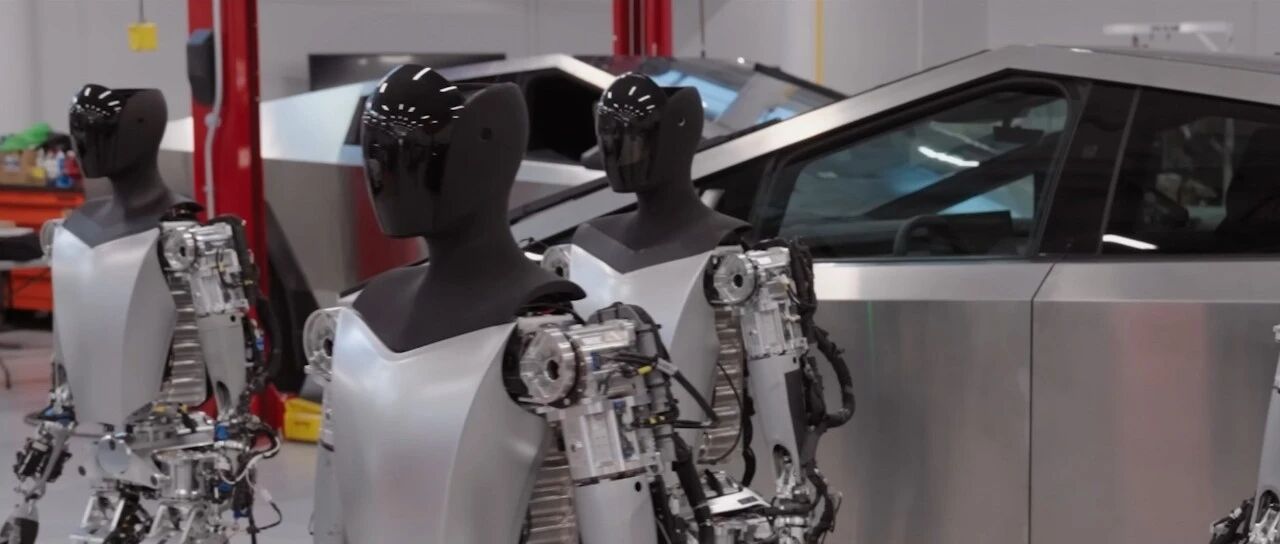
以下文章来源于远川科技评论 ,作者何律衡 远川科技评论 . 刻画这个时代(的前沿科技) 2014年,首批Model S在中国交付 马斯克在2019年就曾表示,继续生产Model S/X"更多是出于一种情怀"[2],如今六年过去,这么长的时间也足够把情怀消磨干净了。 "光荣退役"的体面包装下,是一个越来越清晰的事实:特斯拉已经不关心汽车了。 特斯拉全年财报出炉,年度营收首次下降,汽车业务交付量连续第二年下滑,营收同比大降10%。财报电话会上,马斯克宣布了个伤感的消息: 特斯拉标杆车型Model S/X将在第二季度末停产,位于弗里蒙特的产线将被改造成Optimus机器人工厂,暂定小目标 年产能 100万台[1]。 作为S3XY系列的老大哥,Model S发布于2012年,是Roadster后特斯拉真正意义上的首款量产车型,Model X在2015年发布,两款车型确立了特斯拉电动车霸主的 品牌形象。 但从销量来看,Model S/X在特斯拉财报中与Cybertruck、Semi一同被归类于 other model 中,销量一直不高,2025年四个车型满打满算不到5万台,只有Model 3/Y 的零头(158.53万 ...
丰田第一,烧油的车还是主流
远川研究所· 2026-01-30 13:14
Core Viewpoint - Toyota has managed to achieve a slight increase in sales in China and globally despite challenges in the electric vehicle (EV) transition, primarily due to its strong performance in hybrid electric vehicles (HEVs) [5][9][22]. Group 1: Sales Performance - In 2025, Toyota's sales in China increased by 0.23% to 1.78 million units, marking a turnaround from three years of decline and making it the only survivor among Japanese automakers [5]. - Globally, Toyota sold 11.32 million vehicles in the previous year, maintaining its position as the annual sales champion, which is approximately double that of BYD and over 200,000 units more than Volkswagen [7]. - HEVs accounted for over 40% of Toyota's sales structure, with traditional fuel vehicles still dominating at 97% as of March 2025 [9][19]. Group 2: Hybrid Electric Vehicles (HEVs) - Toyota is a pioneer in HEVs, with its hybrid technology, the Toyota Hybrid System (THS), being a significant contributor to its sales, especially in markets like the U.S. where HEVs captured 17% of the market share [15][19]. - The HEV market is thriving, with a notable increase in U.S. consumers transitioning from traditional fuel vehicles to HEVs, doubling from 6% to 13% between 2022 and 2025 [19]. - In China, HEVs contributed significantly to Toyota's sales, with the Camry hybrid version seeing a 62% year-on-year increase [21]. Group 3: Electric Vehicle Strategy - Despite the global push for electrification, Toyota's conservative approach to EVs has allowed it to avoid significant financial losses associated with aggressive investments in this area [22][30]. - The company has acknowledged its shortcomings in the pure electric vehicle segment, with its bZ4X model failing to make a significant impact in the market [35]. - Toyota is now focusing on leveraging local supply chains in China to enhance its EV offerings, integrating local suppliers for components in new models [38][39]. Group 4: Market Dynamics - The global automotive market is experiencing a divergence, with China rapidly increasing its EV penetration rate to over 50% by 2025, while the U.S. and European markets lag behind [23][26]. - Traditional automakers face the challenge of balancing investments in both EVs and traditional fuel vehicles, leading to increased financial burdens [26]. - Toyota's strong profitability, with net profits exceeding 4.5 trillion yen in the past two fiscal years, contrasts sharply with the financial struggles of its competitors [30].