36氪

Search documents
9点1氪:系统故障致机票低至0.4折,海航:已售机票均有效;最高法:以婚姻为目的给予的购车、购房款应视为彩礼;MiniMax总市值超千亿港元
36氪· 2026-01-10 01:19
Group 1 - Hainan Airlines experienced a temporary system failure that caused some flight ticket prices to display abnormally low rates, with prices as low as 70 yuan for a flight from Hangzhou to Shenzhen, equating to 0.4 of the original price [3] - The airline confirmed that all tickets sold during the incident remain valid and that the system has been restored to normal operations [3] Group 2 - Major banks in China have seen short-term large-denomination certificate of deposit (CD) rates drop below 1%, entering the "0" range, with rates for 1-month and 3-month CDs at 0.9% [5] - The decline in rates indicates a significant shift in the banking sector, aligning short-term CD rates closely with regular fixed-term deposit rates [5] Group 3 - The Supreme People's Court of China has clarified that funds given for purchasing cars or houses with the intent of marriage should be treated as bride price, impacting legal interpretations of such financial transactions [4] - This ruling may influence future disputes regarding financial gifts in the context of marriage, potentially leading to increased legal cases in this area [4] Group 4 - Apple is reportedly accelerating the selection process for a new CEO, with John Ternus, the current Senior Vice President of Hardware Engineering, emerging as a leading candidate [6] - The current CEO, Tim Cook, has expressed a desire to reduce his workload, indicating a potential transition in leadership within the company [6] Group 5 - Xiaomi has announced a price reduction for its Xiaomi 17 model and has eliminated the use of small print in its marketing materials, responding to criticism regarding transparency in advertising [8] - The company aims to enhance user experience by ensuring that key information is clearly presented [8] Group 6 - The number of corporate bankruptcies in Germany has reached a 20-year high, with 15,619 cases reported in 2025, reflecting ongoing structural pressures in the economy [20] - This trend indicates significant challenges for businesses in Germany, with a notable impact on employment as approximately 170,000 jobs were affected by these bankruptcies [20]






医用机器人研发企业获近3000万元融资,已推出全球首款眼视光影像智能机器人|早起看早期
36氪· 2026-01-10 01:19
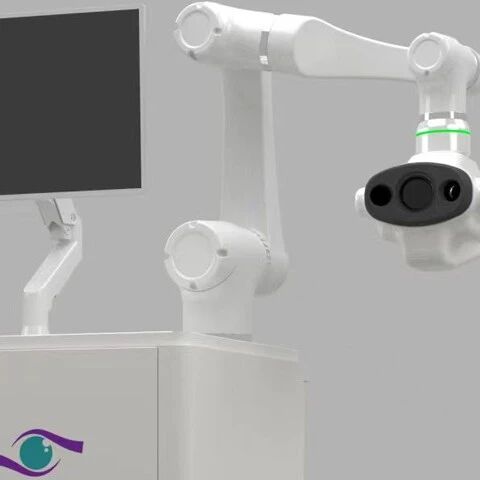
Financing Information - The company "Muguang Medical" has completed a Pre-A round financing of nearly 30 million yuan [6] - Investors include Huihe Asset and Xiamen Heguang Tongchuang [6] - The funds will be primarily used for product registration, accelerating the development of robots in research, and marketing existing products [6] Company Overview - Founded in 2023 and based in Chengdu, Sichuan Province, Muguang Medical focuses on developing the world's first intelligent robot for ocular imaging [8] - The company addresses clinical challenges faced by newborns, elderly individuals, and disabled persons who struggle with existing optical coherence tomography (OCT) devices [8] - The intelligent robot has received national medical device registration and multiple patents, offering a unique advantage in the market [8] Market Potential - Muguang Medical's intelligent ocular imaging robot breaks the limitations of traditional OCT devices, expanding its application to various medical settings such as outpatient clinics, hospital wards, and community health [10] - The robot's capabilities allow it to cater to low-cooperation populations, significantly increasing the potential service user base [10] - The device supports a full cycle of eye disease management, enhancing its role from diagnosis to treatment [10] Team Background - The founding team consists of high-level overseas talents from top universities, including the University of Electronic Science and Technology of China and Washington University in St. Louis [12] - The company aims to lead the global transformation of medical intelligence through its innovative approach combining academia and industry [12] Product Innovation - The intelligent ocular imaging robot allows for non-contact, fully automated imaging, significantly reducing the need for patient cooperation [15] - The device can perform eye examinations in various positions and conditions, making it suitable for infants and patients with mobility issues [15] - It features advanced 3D vision and tracking algorithms, enabling quick and efficient imaging within 10 seconds [16] Future Plans - Muguang Medical plans to initiate a larger A round financing next year, targeting several hundred million yuan to support the development of new medical devices [17] - The company has already accumulated clinical data since 2022, providing a competitive edge in the market [17] Investor Insights - Investors recognize the growing potential in the medical robotics field, particularly in ophthalmology, and highlight the team's strong commercialization capabilities [19] - The intelligent ocular imaging robot is expected to provide significant social and economic value, especially for elderly and visually impaired patients [19][20]
当面包开始「奶茶化」
36氪· 2026-01-10 01:19
Core Viewpoint - The article discusses the trend of "milk tea-ification" in the baking industry, where traditional baked goods are increasingly incorporating popular ingredients from the milk tea sector to attract younger consumers and enhance product appeal [4][6][22]. Group 1: Milk Tea-ification in Baking - The baking industry is experiencing a transformation where products are no longer limited to traditional ingredients, with items like taro and glutinous rice becoming central components in baked goods [6][10]. - The trend reflects a broader consumer preference for visually appealing and flavorful products, as seen in the rise of items like "taro snow mountain buns" and "glutinous rice soft European bread" [8][10]. - The incorporation of diverse fillings and flavors is becoming a key selling point, with consumers increasingly valuing products that are rich in ingredients and visually attractive [11][13]. Group 2: Consumer Behavior and Market Dynamics - Despite a general trend of consumption downgrade, consumers are willing to pay a premium for innovative and high-quality baked goods, indicating a shift in spending habits towards frequent, enjoyable food experiences [22][25]. - The average price of baked goods has risen significantly, with items like bagels and ciabatta now commanding prices well above their previous levels, reflecting a willingness to invest in quality [22][28]. - Data shows that while luxury goods are seeing a decline in sales, the demand for high-quality baked products is increasing, with an average annual growth of 8% to 10% in the sector [28][29]. Group 3: Innovation and Product Development - The article highlights the innovative approaches taken by various baking brands, such as integrating local flavors and ingredients into traditional recipes, which enhances the appeal of products like ciabatta [18][20]. - The concept of "doing addition" in product development is emphasized, where brands are not just adding ingredients but also creating new culinary experiences that resonate with consumer preferences [29][31]. - The success of these products is attributed to their ability to balance flavors and meet the emotional needs of consumers, leading to a new wave of popular items in the market [31].

Meta收购Manus最新进展:商务部介入,启动评估调查
36氪· 2026-01-09 13:09
Core Viewpoint - The acquisition of Manus by Meta, valued at several billion dollars, is facing new uncertainties due to an evaluation investigation initiated by the Chinese Ministry of Commerce, which may affect the completion of the deal [4][60][61]. Group 1: Regulatory Concerns - The Ministry of Commerce announced it will assess the acquisition's compliance with laws related to export control, technology import and export, and foreign investment [5][9][60]. - The term "evaluation investigation" used by the Ministry suggests a potential for either a routine compliance check or a more in-depth investigation [10][11]. - The Ministry emphasized that companies must adhere to Chinese laws and regulations when engaging in foreign investments and technology exports [9]. Group 2: Export Control and Data Management - AI technology is categorized under "restricted export" in China's technology export list, requiring a license for transfer to foreign entities [18][19]. - Any transfer of AI technology developed in China, even if moved to a foreign company, may require prior approval from the Ministry of Commerce [24][25]. - Companies must undergo a "security assessment" before transferring user data collected in China to foreign servers or companies [28][29]. Group 3: Potential Outcomes of the Investigation - Scenario One: If the evaluation finds compliance with Chinese laws, the acquisition will proceed as planned, allowing Meta to gain Manus's team and technology [36]. - Scenario Two: If procedural issues are identified but deemed remediable, the transaction may be delayed while necessary licenses are obtained [38]. - Scenario Three: If significant violations of export controls are found, the transaction could be halted or require substantial adjustments [39]. Group 4: Manus Development Timeline - Manus was founded in 2022 in Beijing, initially focusing on AI browser plugins before transitioning to a general-purpose AI agent product [42][44]. - The company gained significant attention after its product surpassed competitors in performance benchmarks shortly after its launch in March 2025 [45][46]. - By December 2025, Manus achieved an annual revenue of $125 million and was valued at $2 billion while being acquired by Meta [53][56][57].


借CES开幕展望2026年科技趋势
36氪· 2026-01-09 13:09
Core Viewpoint - The article discusses the upcoming trends in the technology industry, particularly focusing on the application of generative AI and the emergence of new devices in the "post-smartphone" era, as showcased at the CES 2026 event [4][5]. Group 1: Generative AI and New Devices - Generative AI is expected to be practically applied in consumer devices and society by 2026, with concerns about over-investment in this technology [5]. - OpenAI plans to release an "AI terminal" in 2026, which will operate solely through voice commands without a display [7]. - Meta is developing AI-powered glasses that allow users to see the real world while displaying digital images [7]. Group 2: Market Trends and Competition - Apple is set to launch its first foldable iPhone in 2026, with IDC predicting a 30% growth in the global market for foldable smartphones compared to 2025 [9]. - By 2029, foldable smartphones are expected to account for 10% of the overall smartphone market [9]. - The competition in the AI and smartphone sectors is intensifying, with companies like Google and South Korean manufacturers leading in trends related to AI smartphones and foldable devices [9]. Group 3: Physical AI and Automation - Physical AI, which involves autonomous control of robots and machinery, is anticipated to be a major focus at CES, with Nvidia's CEO highlighting it as the next wave of technology [11]. - The market for physical AI is projected to reach $68.5 billion by 2034, increasing 13 times from 2025 [13]. - Automation in both industrial and household sectors is becoming essential due to labor shortages and demographic changes [14]. Group 4: Future of AI Development - There are predictions that "General AI" (AGI) could be achieved by 2026, but concerns about the current plateau in generative AI development are also noted [16]. - OpenAI and Meta are expected to release upgraded AI models in early 2024, amidst increasing competition from Chinese companies developing independent AI supply chains [18]. - The article emphasizes the need for ethical governance of AI as its societal impacts become more pronounced [19].

从联网设备到智能体终端,阿里云开启AI硬件的普惠元年
36氪· 2026-01-09 13:09
Core Viewpoint - The article emphasizes that AI hardware has evolved from being mere gimmicks to becoming independent intelligent entities, showcasing significant innovation from Chinese manufacturers at CES 2026 and the role of Alibaba Cloud in this transformation [3][6][19]. Group 1: AI Hardware Evolution - AI hardware has crossed the threshold from being toys to independent intelligent agents, indicating a major shift in the industry [3][6]. - The transition from "China manufacturing" to "China creation" is highlighted, with Alibaba Cloud playing a crucial role in providing the necessary technological support for hardware innovation [7][19]. - The year 2026 marks the beginning of a "species explosion" in AI hardware, driven by continuous technological advancements and a shift in business logic [9][10]. Group 2: Technological Advancements - AI hardware is undergoing a transformation from "functional intelligence" to "system-level intelligence," with the ability to understand complex environments [10][11]. - The collaboration between cloud computing and edge computing is becoming the industry standard, allowing for a balance between performance and power consumption [11][12]. - Alibaba Cloud's models, ranging from 0.5 billion to 480 billion parameters, provide tailored intelligence solutions for various hardware needs [11][12]. Group 3: Market Dynamics - The market for AI consumer hardware is shifting from an "enlightenment market" to a more mature one, where users demand stable performance and real-life value [13][14]. - Users are increasingly willing to pay for AI functionalities, particularly in health-related applications, indicating a significant change in consumer behavior [14][16]. - The evolution of payment models from one-time purchases to subscription services reflects a deeper integration of AI into everyday life [16]. Group 4: Role of Alibaba Cloud - Alibaba Cloud is positioned as a silent innovator, supporting over 150,000 hardware manufacturers without competing directly in the hardware market [19][34]. - The company’s approach fosters trust among manufacturers, allowing them to innovate collaboratively rather than defensively [19][34]. - By providing a robust AI infrastructure, Alibaba Cloud enables Chinese manufacturers to transition from low-margin assembly to high-value innovation [39][40]. Group 5: New Product Innovations - New AI products, such as the Mooni M1 for children, demonstrate how AI capabilities are integrated into hardware, enhancing user interaction [22][28]. - The collaboration with various companies has led to significant advancements in wearable technology and creative hardware, showcasing the versatility of AI applications [24][26]. - The smartphone industry is also experiencing a transformation, with enhanced interaction capabilities through AI, making devices more intuitive and responsive [29][30]. Group 6: Global Market Position - Chinese hardware is evolving from being a follower in the global tech landscape to becoming a leader in defining new standards [36][38]. - The collaboration between Alibaba Cloud and hardware manufacturers is reshaping the global value chain, allowing for a more competitive stance in the international market [39][40].

开店超80家的穷鬼超市鼻祖,在革「贵妇美妆」的命
36氪· 2026-01-09 13:09
Core Viewpoint - The article discusses the emergence of supermarket beauty brands, particularly ALDI's Lacura, as a new player in the affordable beauty market, challenging traditional high-end brands with lower prices and similar quality [5][21]. Group 1: Product Launch and Market Response - ALDI's Lacura launched a caviar essence series in October 2025, which quickly gained popularity on social media, with related topics reaching over 10 million views [5]. - The pricing of Lacura products is significantly lower than that of luxury brands, with items priced between 14.9 yuan and 49.9 yuan, making the total cost for core products just over 200 yuan [6]. - Consumers, like a 36-year-old Shanghai white-collar worker, have shifted their purchasing habits to include supermarket beauty products, often finding them comparable to high-end alternatives [5][8]. Group 2: Competitive Landscape - The article highlights a shift in the beauty market where overseas retail giants are now competing with domestic brands by offering lower prices and more accessible channels [8][12]. - Lacura's growth is closely tied to ALDI's global expansion, with the brand being developed and validated over time in various markets [11]. - The competitive landscape is evolving, with differentiation and category expansion becoming crucial as the retail industry enters a phase of hard discount competition [12]. Group 3: Consumer Behavior and Perception - A significant portion of beauty consumers (74%) believe that affordable products perform similarly to high-end ones, especially among younger demographics [14]. - Social media plays a vital role in shaping consumer behavior, with users sharing reviews and experiences of affordable skincare products, thus altering perceptions of price and effectiveness [15]. - The article notes that consumers are increasingly seeking products that suit their needs rather than the most expensive options, reflecting a shift towards more rational purchasing decisions [15]. Group 4: Supermarket Beauty Dynamics - Supermarket beauty products operate under a different consumer psychology, where trust is placed in the retailer rather than the brand itself [17]. - The decision-making process for purchasing supermarket beauty items is simplified, focusing on price and familiarity rather than complex marketing narratives [17][19]. - ALDI's business model allows for significant cost advantages, as it incurs minimal marketing expenses and integrates its supply chain, enabling lower prices for consumers [19][20]. Group 5: Strategic Implications - The success of Lacura signifies a transformation in the beauty market narrative, where retailers are now leading the charge in offering affordable alternatives [20][21]. - The article emphasizes that supermarket beauty products do not need to rely on high margins to be successful, as they serve to enhance customer experience and increase overall spending in stores [20].

CES 2026,这20个产品有意思
36氪· 2026-01-09 13:09
Core Insights - The article highlights the significant advancements in AI technology showcased at CES 2026, emphasizing the transition of AI capabilities from screens into the physical world [7]. Group 1: Event Overview - CES 2026 took place in Las Vegas from January 6-9, featuring over 4,500 exhibitors, with approximately 1,000 being Chinese companies [6]. - The event showcased a diverse range of AI hardware, indicating a growing trend of AI integration into everyday life [7]. Group 2: Notable Exhibits - Sharpa introduced the humanoid robot Sharpa North, capable of performing complex tasks such as playing table tennis and folding origami, utilizing its advanced dexterous hand technology [10][11]. - Boston Dynamics' Atlas robot made its public debut, demonstrating its ability to lift up to 50 kg and perform tasks in a modern automotive factory setting [16][17]. - Vbot, a language-understanding robotic dog, showcased its ability to navigate and assist owners in various tasks, including shopping [20][21]. - The X60 series of robotic vacuum cleaners by追觅 was launched, featuring a stair-climbing robot and a multi-jointed robotic arm for enhanced cleaning capabilities [26][27]. - HeSai presented a "mini robot community" at CES, featuring robots equipped with advanced 3D LiDAR technology for autonomous navigation and obstacle avoidance [31][32]. Group 3: Innovative AI Products - Onero H1, a household robot, can perform various tasks such as meal preparation and organizing, while coordinating with other smart devices [35][36]. - LG's CLOiD robot can interact with users and perform household chores, marking a significant upgrade from previous models [39][40]. - Samsung's Ballie robot, despite previous delays, continues to be a focal point for smart home integration [43][44]. - Fraimic, an AI "artist," can generate artwork based on user input and environmental factors, showcasing the creative potential of AI [50]. - BreakReal introduced an AI cocktail machine that creates personalized drink recipes based on user preferences [53]. Group 4: Emerging Trends - The article notes the increasing presence of AI in pet care, with products like Satellai's AI collar that tracks pet health and behavior [63]. - The introduction of AI-driven educational tools, such as Mooni Pro, aims to enhance children's learning experiences through interactive engagement [66]. - Mui's wall-mounted device combines sleep monitoring with smart home control, reflecting a trend towards integrated health and home management solutions [89][90].

预警「活下去」的郁亮谢幕,万科仍困「深渊」
36氪· 2026-01-09 08:57
Core Viewpoint - The retirement of Yu Liang marks the end of an era for the Chinese real estate industry, symbolizing the transition from a period of rapid growth to one filled with uncertainty and challenges [8][27]. Group 1: Yu Liang's Career and Impact - Yu Liang, who has been a pivotal figure in the real estate sector, officially retired at the age of 61 after a 36-year career at Vanke [4][8]. - He is recognized for his significant contributions to Vanke, leading the company to achieve over 100 billion yuan in sales in 2010, making it the first real estate firm in China to reach this milestone [13]. - Yu's cautious approach, influenced by his financial background, led him to predict industry downturns, coining terms like "Silver Age" and "Black Iron Age" to describe the evolving market conditions [13][11]. Group 2: Vanke's Current Challenges - As of Q3 2025, Vanke faced severe financial difficulties, with total interest-bearing liabilities reaching 362.93 billion yuan and a cash short-term debt ratio of only 0.43, indicating a precarious liquidity position [23]. - The company reported a revenue decline of 26.61% year-on-year, with a net loss of 28.02 billion yuan, exacerbating concerns over its financial health [23]. - Vanke's major shareholder, Shenzhen Metro Group, has provided nearly 30 billion yuan in financial support, highlighting the urgent need for capital to navigate the crisis [23][19]. Group 3: Management Changes and Future Direction - The recent management shake-up at Vanke, including Yu Liang's resignation and the appointment of new executives from Shenzhen Metro Group, signifies a shift towards a dual management model of state-owned and professional managers [19][14]. - The upcoming shareholder meeting will address a framework agreement for a loan of up to 22 billion yuan from Shenzhen Metro Group, aimed at repaying debts and stabilizing the company's finances [20]. - Despite the challenges, Vanke aims to deliver 117,000 housing units in 2025, having completed about 70% of the required deliveries, indicating a focus on maintaining operational commitments [24].


引爆港股A股两地行情,市场为何「抢购」MiniMax?
36氪· 2026-01-09 08:57
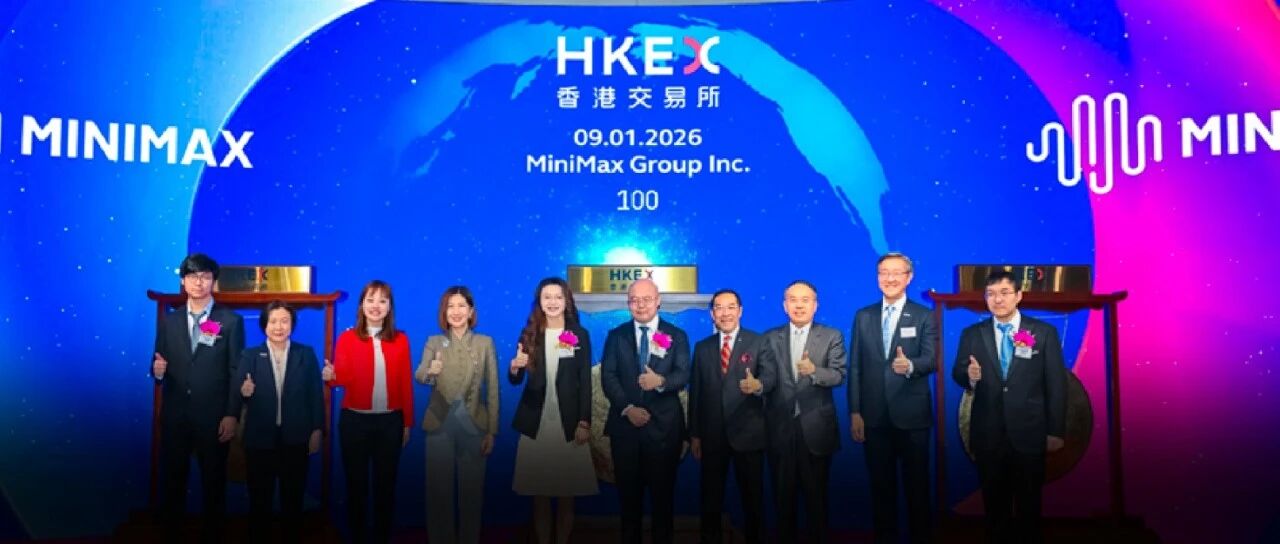
Core Viewpoint - MiniMax's successful listing on the Hong Kong Stock Exchange has ignited enthusiasm in the AI sector, with significant stock price increases and market capitalization exceeding HKD 100 billion [3]. Group 1: Market Performance - MiniMax's stock surged by 109% on its debut, leading to a market capitalization surpassing HKD 100 billion [3]. - The AI sector in both Hong Kong and A-shares experienced a notable rally, with companies like iFlytek Medical Technology and Fourth Paradigm seeing increases of approximately 20% and 7%, respectively [5]. - MiniMax's public offering was met with overwhelming demand, achieving 1,837 times oversubscription for the public tranche and 37 times for the international tranche, potentially raising around HKD 55.4 billion through the exercise of the greenshoe option [5]. Group 2: Company Performance - MiniMax reported a revenue of USD 53.44 million for the first nine months of 2025, reflecting a year-on-year growth of 174.7% [6]. - The company has over 200 million personal users across more than 200 countries and regions, with over 70% of revenue coming from international markets [6]. - MiniMax's M2 model became the first Chinese model on OpenRouter to exceed a daily token consumption of 50 billion, indicating its significant usage [7]. Group 3: Business Strategy - MiniMax's CEO emphasizes the concept of "model as product," asserting that the core product in the era of large models is the model itself, rather than applications or APIs [11][12]. - The company has shifted its focus from a dual emphasis on models and products to prioritizing model capabilities, believing that improved model performance will naturally enhance product quality [13]. - MiniMax's revenue model is evolving, with a notable increase in paid user growth, particularly in AI-native applications, as the company anticipates a convergence of B2B and B2C markets [16][18]. Group 4: Financial Health - MiniMax boasts a cash reserve exceeding USD 1.1 billion, allowing for over 53 months of operational sustainability without additional fundraising [24]. - The company's gross margin has improved significantly, moving from -24.7% in 2023 to 23.3% in the first nine months of 2025, while adjusted net losses have only slightly increased despite substantial revenue growth [24][25]. - The company has achieved a remarkable 15-fold increase in paid users for AI-native products within two years, demonstrating effective scaling and cost management [18][26]. Group 5: Organizational Structure - MiniMax employs 385 staff, with an average age of 29 and 73.8% being R&D personnel, showcasing a high talent density and efficient output [26]. - The company utilizes AI to enhance productivity, with over 80% of its code generated by AI, reflecting a commitment to innovation and efficiency [27]. - MiniMax's strategic vision remains consistent since its inception, focusing on long-term goals and maintaining a strong organizational structure to adapt to market changes [28][29].