半导体芯闻

Search documents
格罗方德与中国晶圆厂合作
半导体芯闻· 2025-08-06 11:22
Group 1 - GlobalFoundries is taking bold steps in the Chinese market despite a bleak outlook for Q3 due to weak consumer demand, focusing on a "Made in China" strategy and launching automotive-grade CMOS and BCD technologies [2] - The company aims to retain full control over intellectual property and quality while leveraging strong customer relationships in China, having secured design orders in battery management, radar, microcontrollers (MCUs), and power management integrated circuits (PMICs) over the past year [2] - CEO Tim Breen noted that this initiative has sparked strong interest from Chinese customers, who are seeking not only domestic supply but also the ability to serve overseas markets through GlobalFoundries' global influence [2] Group 2 - GlobalFoundries is not the only chip manufacturer localizing its operations in China; NXP is also considering partnerships with local foundries to achieve complete chip production in China [3] - The company has a pessimistic outlook for Q3, expecting revenue of $1.68 billion, which is below Wall Street's expectation of $1.79 billion [3] - In June, GlobalFoundries raised its investment plan to $16 billion, including an additional $1 billion in capital expenditures and $3 billion for R&D in next-generation electric vehicle and AI server chips, with Q2 revenue reaching $1.69 billion and earnings per share of $0.42, exceeding expectations [3]


台积电的封神之路
半导体芯闻· 2025-08-06 11:22
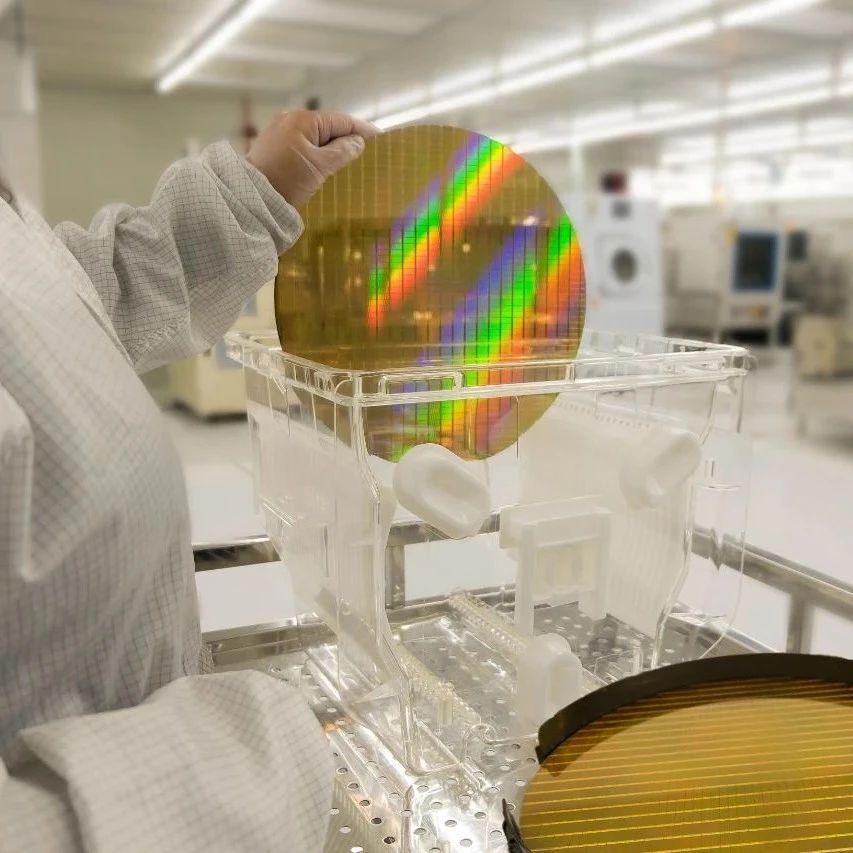
Core Viewpoint - TSMC has established itself as the leading player in the foundry industry through strategic technological advancements and expansions over the decades, starting from its inception in 1986 to becoming a dominant force in semiconductor manufacturing [2]. Phase 1 - Initiation - TSMC was founded in 1986 with an initial capital of $48 million, primarily funded by the Taiwanese government and Philips [4]. - The company began production in 1987 using 6-inch wafers and quickly advanced to 3.0-micron technology, marking its first significant production milestone [4][5]. - By 1994, TSMC had developed a 0.6-micron process and achieved a sales increase from NT$2.2 billion to NT$19.3 billion between 1990 and 1994, indicating a robust growth trajectory [7]. Phase 2 - Expansion and Catch-Up - In 1995, TSMC launched its 8-inch Fab III and introduced tungsten plugs, enhancing its manufacturing capabilities [11]. - The company achieved NT$50 billion in revenue in 1998, despite a semiconductor downturn, and began producing 0.22-micron nodes [14]. - By 2000, TSMC's sales grew by 127% compared to 1999, with a compound annual growth rate of 50% from 1992 to 2000 [19]. Phase 3 - Leveling Up and Leading - TSMC's 180nm node positioned it competitively against major manufacturers like IBM and Intel, with a slight edge in the use of fluorosilicate glass (FSG) [24]. - Despite a 32% decline in the semiconductor market in 2001, TSMC's 150nm products still accounted for 21% of sales by Q4 [26]. - The introduction of 130nm technology in 2002 marked a significant milestone, with TSMC adopting copper interconnects and low-k dielectrics [29]. Phase 4 - 300mm and Consolidation - TSMC's 90nm process was the first to achieve full production on 300mm wafers, adopted by over 30 customers in its launch year [37]. - By 2006, TSMC had become the largest foundry globally, with a sales figure 2.5 times higher than its nearest competitor [46]. - The establishment of "GigaFabs" aimed at enhancing manufacturing excellence through automation and efficiency [49]. Phase 5 - HKMG and Expansion - In 2010, TSMC announced the construction of its third 300mm fab, focusing on 40nm and 28nm processes, while also developing high-k metal gate (HKMG) technology [63]. - The introduction of 20nm technology in 2014 required advanced double patterning techniques, showcasing TSMC's commitment to cutting-edge manufacturing [84]. - By 2011, TSMC's monthly capacity exceeded 270,000 wafers, reflecting significant growth despite a challenging semiconductor market [80]. Conclusion - TSMC's journey from a startup to a semiconductor powerhouse illustrates its strategic focus on innovation, capacity expansion, and technological leadership, solidifying its position in the global market [2].

推理芯片市场,HBM迎来了挑战者
半导体芯闻· 2025-08-06 11:22
Core Viewpoint - The article highlights the rapid growth of the AI market, emphasizing SK Hynix's emergence as a leading DRAM supplier, surpassing Samsung, driven by its HBM technology and the evolving demands of AI applications [1][3]. Group 1: SK Hynix and HBM Technology - SK Hynix achieved revenue of $16.23 billion and a profit of $5.1 billion in Q2 2025, marking a 69.8% year-over-year growth, making it the world's top DRAM supplier [1]. - HBM, which accounts for 77% of SK Hynix's revenue, utilizes vertical stacking and TSV technology to enhance memory bandwidth, playing a crucial role in training large AI models [1][3]. - The cost pressures associated with HBM have led to a shift towards GDDR memory for AI inference applications [1][3]. Group 2: Evolution of AI - The article describes the transition from AI 1.0, characterized by simpler applications like voice assistants and recommendation engines, to AI 2.0, which includes large language models (LLMs) capable of understanding complex inputs and generating diverse outputs [2][3]. - The scale of AI models has significantly increased, with parameters in models like Chat GPT-4 reaching 1.76 trillion, highlighting the growing demand for memory bandwidth and capacity [3]. Group 3: GDDR Memory Advantages - GDDR memory, originally designed for GPUs, offers high data transfer rates and is now favored for AI inference due to its cost-effectiveness and performance [4][5]. - GDDR7, with a data rate of 192 GB/s and a chip density of 32 Gb, is positioned as a suitable option for edge networks and IoT devices, providing high bandwidth at lower costs compared to HBM [4][5][8]. - GDDR7's performance is particularly notable, offering 128 GB/s bandwidth, which is more than double that of alternative solutions, making it ideal for AI inference applications [8]. Group 4: Rambus and GDDR7 Controller - Rambus has developed the industry's first GDDR7 memory controller IP, which supports data rates up to 40 Gbps and provides 160 GB/s of usable bandwidth per device [12]. - The GDDR7 controller is designed for high memory throughput and low latency, utilizing advanced scheduling algorithms to optimize bus efficiency [13]. - Rambus's expertise in signal integrity and power integrity positions it as a key player in the AI chip market, enhancing the performance of GDDR7 memory in advanced applications [11][12].


矽睿科技或入主安车检测 已筹备IPO多年
半导体芯闻· 2025-08-06 11:22
Core Viewpoint - The article discusses the change of control in Ancar Detection, with Shanghai Xirui Technology Co., Ltd. intending to acquire control through share transfer and voting rights delegation [2][3]. Group 1: Control Change Details - Shanghai Xirui Technology plans to acquire 14.72 million shares of Ancar Detection, representing 6.43% of the total shares, from the current controlling shareholder, He Xianning [2]. - After the share transfer, He Xianning will delegate voting rights corresponding to 13.57% of the shares to Xirui Technology, allowing it to control a total of 20% of the voting rights [2][3]. - The first phase of the share transfer is priced at 21.84 yuan per share, totaling 322 million yuan, which reflects a discount of approximately 17% compared to Ancar Detection's last trading price of 26.15 yuan per share before suspension [3]. Group 2: Company Background - Xirui Technology, established in 2012, focuses on the smart sensor field and has developed a product matrix that includes six core products such as smart motion sensing systems and industrial-grade integrated sensing modules [3]. - The company aims to empower sectors like smart automotive, advanced manufacturing, and consumer electronics, while also exploring strategic emerging fields like smart healthcare and humanoid robots [3]. - Xirui Technology does not have a major shareholder with more than 10% ownership, with notable shareholders including state-owned entities and investment funds [3][4]. Group 3: Previous Market Engagements - This is not Xirui Technology's first engagement with the capital market; in June of the previous year, it sold 68.28% of its shares in Shanghai Maigeen Microelectronics for 683 million yuan [5]. - Xirui Technology has undergone two rounds of IPO counseling in 2021 and 2023, with ongoing efforts to enhance its business strategy and investment projects [5].

英伟达发长文:重申芯片无后门
半导体芯闻· 2025-08-06 11:22
Core Viewpoint - Nvidia emphasizes that its chips do not contain backdoors, kill switches, or monitoring software, asserting that these features are not a way to build trustworthy systems and will never be implemented [2][3]. Group 1: Nvidia's Position on Chip Security - Nvidia's statement addresses concerns raised by experts and policymakers about the need for kill switches or built-in controls in hardware to prevent misuse, asserting that such measures could provide opportunities for hackers and hostile entities [2][3]. - The company cites the Clipper chip incident from the 1990s as a cautionary tale, highlighting that government backdoors can undermine user trust and create centralized vulnerabilities [3]. - Nvidia argues that the existence of government backdoors damages the confidence users have in system security, and that intentional weakening of critical infrastructure should not be a strategy for protection [3]. Group 2: Regulatory Context - On July 31, the Chinese National Cyberspace Administration interviewed Nvidia regarding security risks associated with the H20 computing chip sold to China, requesting explanations and relevant proof of data [4].

PCIe 8来了,还能用铜缆吗?
半导体芯闻· 2025-08-06 11:22
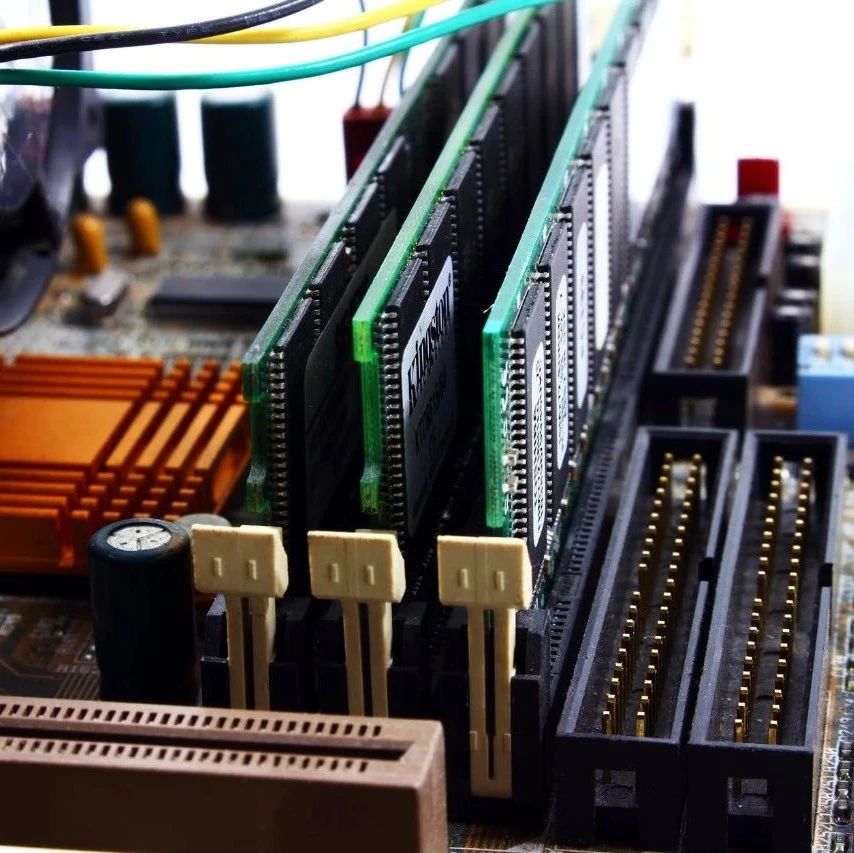
Core Viewpoint - PCI-SIG has officially announced the development of the PCI Express 8.0 specification, which aims to double the data transfer rate to 256 GT/s per lane, achieving up to 1 TB/s bidirectional bandwidth in x16 configuration [2][6]. Group 1: Technical Specifications - PCIe 8.0 will utilize PAM4 signaling with forward error correction (FEC) and Flit Mode encoding, similar to PCIe 6.0 and 7.0 [2][3]. - The new specification will introduce protocol enhancements to optimize bandwidth usage and improve power efficiency [3]. - The maximum data rates for various PCIe generations are outlined, with PCIe 8.0 achieving 256.0 GT/s, translating to 1 TB/s in x16 configuration [4][5]. Group 2: Challenges and Innovations - Achieving 256 GT/s on copper interconnects presents significant challenges in signal integrity, length limitations, and reliance on advanced materials and technologies [4][6]. - The industry is moving towards optical interconnects and advanced packaging solutions to meet the demands of future high-speed systems [6]. Group 3: Market Applications - PCIe 8.0 is primarily targeted at high-end, high-bandwidth applications such as AI servers, data centers, high-performance computing workloads, and solutions for automotive, aerospace, and military sectors [7]. - While client PCs may eventually adopt PCIe 8.0, this is not expected to occur until the 2030s [7].
世界GaN日|GaN可能从哪些细分应用市场挑战SiC
半导体芯闻· 2025-08-06 11:22
Core Viewpoint - The article emphasizes the significance of Gallium Nitride (GaN) as a strategic material in modern technology, highlighting its potential applications and advantages over Silicon Carbide (SiC) in various sectors [1][10][25]. Group 1: Material Comparison - GaN and SiC are classified as compound semiconductors, composed of multiple elements, and their properties significantly impact the performance of electronic devices [2]. - SiC MOSFETs excel in high power applications, while GaN HEMTs are superior in high-frequency applications [3][4]. - The substrate for GaN can be silicon or sapphire, while SiC and silicon devices use their respective materials as substrates [6][7]. Group 2: Application Markets - In the automotive sector, GaN is still in the exploratory phase for high-power applications, with SiC currently dominating due to its superior short-circuit protection capabilities [10][11]. - GaN power devices have gained traction in consumer electronics, particularly in fast charging solutions, with significant market penetration since 2019 [12]. - The AI server power market demands high power density, where GaN's high-frequency switching and low-loss characteristics are advantageous [18]. - In humanoid robotics, GaN FETs enable faster switching speeds, enhancing the performance of joint motors [21][23]. - GaN shows promise in integrated solar-storage-charging systems, improving inverter size and dynamic performance [24]. Group 3: Technical Challenges - GaN faces challenges related to lattice and thermal mismatch when grown on silicon substrates, impacting the quality and reliability of devices [25]. - The cost structure of GaN devices is influenced by substrate costs, wafer manufacturing, depreciation, yield, and packaging [25]. Group 4: Industry Events - The IPF 2025 conference serves as a significant platform for discussions on GaN and SiC technologies, featuring prominent industry leaders and experts [34][35].
惠誉下调英特尔评级
半导体芯闻· 2025-08-05 10:10
Core Viewpoint - Fitch Ratings has downgraded Intel's long-term credit rating to "BBB" with a negative outlook, indicating that it is close to junk status and facing significant operational pressures due to market competition and slowing demand [2]. Group 1: Credit Rating Changes - Fitch has lowered Intel's rating from "BBB+" to "BBB," which is only two levels above junk status [2]. - Standard & Poor's had previously downgraded Intel's credit rating to "BBB" in December 2024, while Moody's downgraded it from "A1" to "Baa1" in August 2023, with a negative outlook [2]. Group 2: Market Challenges - Intel is facing increased competition from rivals such as NXP, Broadcom, and AMD, which is fragmenting its market share [2]. - The demand environment for consumer electronics and enterprise needs is growing more challenging than previously expected, further pressuring Intel's operations and profitability [2]. Group 3: Future Outlook - To regain its previous credit rating level, Intel will need stronger terminal market performance and successful new product launches within the next 12 to 24 months, along with achieving net debt reduction targets [2].

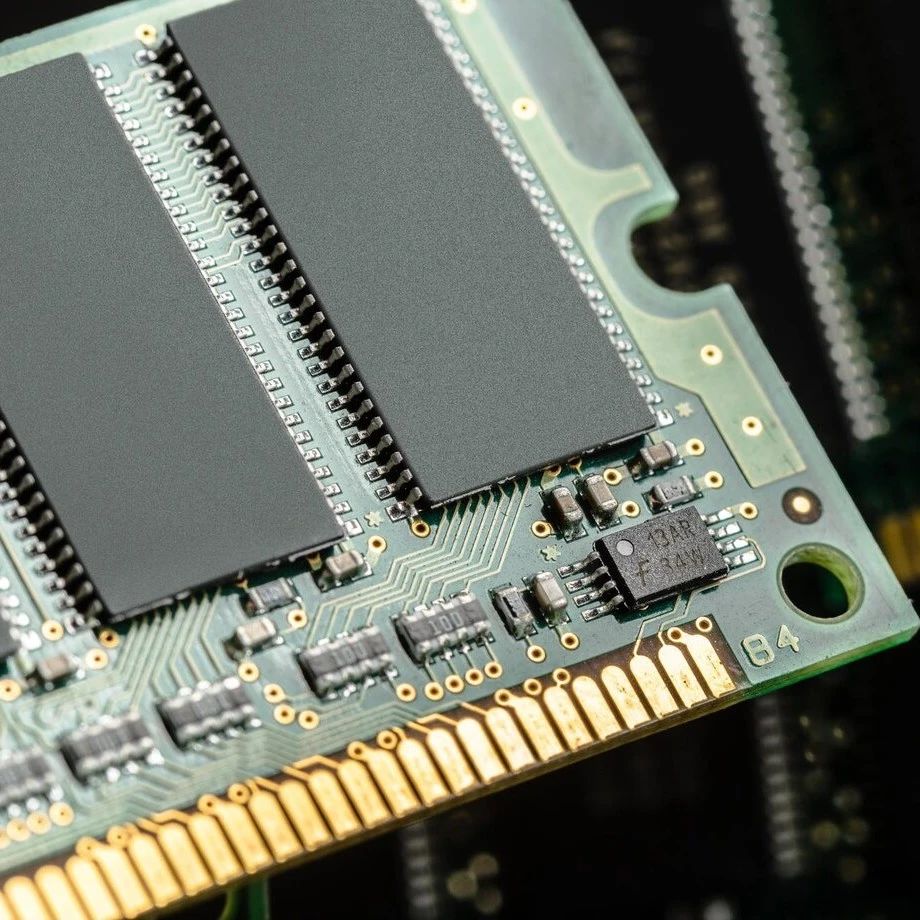
DDR4,价格翻番
半导体芯闻· 2025-08-05 10:10
Group 1 - The core viewpoint of the article highlights the significant increase in DRAM prices, which have doubled within a month due to expectations that Chinese manufacturers will cease production of DDR4 and shift towards next-generation DDR5 products [2][3] - The wholesale price of DDR4 8Gb reached approximately $4.12, and the 4Gb product price was around $3.14, both of which are double the prices from the previous month [2] - The price surge is attributed to the anticipated reduction in DDR4 production by major manufacturers like Samsung, SK Hynix, and Micron, alongside the shift of Chinese manufacturers towards DDR5, leading to widespread concerns about DDR4 shortages [3] Group 2 - The article notes that the three major DRAM manufacturers are transitioning to DDR5 and AI-related HBM products, which has contributed to the upward price trend since early spring [3] - The expectation of ongoing shortages has prompted buyers to rush to procure DRAM, resulting in negotiations favoring sellers [3] - The article mentions that only a few manufacturers, such as Nanya Technology from Taiwan, remain capable of supplying DDR4, further exacerbating the supply concerns [3]

2nm芯片,价格飙升
半导体芯闻· 2025-08-05 10:10
Core Viewpoint - TSMC is advancing its 2nm production with plans for four factories to operate at full capacity, despite high costs for customers due to increased pricing per wafer [2] Group 1: 2nm Production Progress - TSMC is set to have four 2nm factories operational next year, with a total monthly output of 60,000 wafers [2] - The current yield rate for 2nm in the trial production phase has reached 60%, indicating readiness for stable mass production [2] - Major clients like Apple, Qualcomm, and MediaTek are expected to be the first to adopt the new technology [2] Group 2: Cost Implications - The price per wafer for the 2nm process is projected to be around $30,000, which is 50% higher than the 3nm process [2] - To help clients manage costs, TSMC has initiated a shared trial production service called "CyberShuttle," allowing multiple clients to share a single test wafer for design validation [2] Group 3: Competitive Landscape - There is potential pricing pressure on TSMC if competitors like Samsung successfully launch their first 2nm GAA architecture chip, Exynos 2600, with improved yield rates [2]