半导体芯闻

Search documents
日本半导体,又不行了
半导体芯闻· 2025-05-20 11:00
来源:内容编译自日经 ,谢谢 。 截至2024年4月,日本企业在2023财年和2024财年新建或收购的七座半导体工厂中,只有三座实 现了量产,反映出除人工智能以外领域的芯片需求复苏依然缓慢。 如果您希望可以时常见面,欢迎标星收藏哦~ 日本正与其他国家一道,在美中紧张关系加剧的背景下,致力于加强本国的半导体生产能力。 预计2022年至2029年期间,日本半导体行业将吸引约9万亿日元(约合620亿美元)的投资;同 时,日本政府计划在2030财年之前为半导体和人工智能领域提供超过10万亿日元的支持。 但根据《日经新闻》对过去两年九家主要半导体公司的投资调查,目前为止这些努力尚未带来显著 成果。 例如,日本瑞萨电子在2024年4月重启了关闭九年的甲府工厂,原计划年初开始量产,但由于电动 汽车等领域所用的功率半导体需求疲软,瑞萨被迫调整计划。 "市场环境依然极不确定。我们将继续保持尽可能谨慎的态度,"总裁柴田英利上月在记者会上表 示,并未提供新的时间表。 芯片制造商正在密切关注市场走向,以降低新厂建设带来的财务负担。即使工厂建设完成,通常也 要在正式投产后才开始计提折旧。 罗姆公司于2023年收购的一座工厂在去年11月 ...

AI芯片,需要重构
半导体芯闻· 2025-05-20 11:00
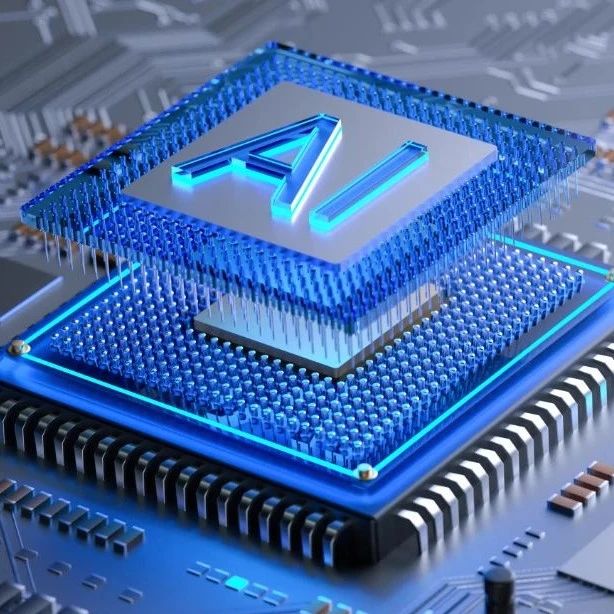
如果您希望可以时常见面,欢迎标星收藏哦~ 来源:内容 编译自 eenewseurope ,谢谢 。 比利时鲁汶研究机构 IMEC 的首席执行官 Luc Van den hove 呼吁半导体行业应采纳三维可重构 AI 芯片的策略,以应对迅速变化的 AI 软件。 Van den hove 在一份将于近期发布的声明中表示,相较于当前为了应对 AI 数据流与计算瓶颈而 开发专用 ASIC 的策略,AI 算法的发展速度更为迅猛。据路透社提前看到的这份声明内容,Van den hove 强调了当前芯片开发模式与 AI 演进之间的严重脱节。 IMEC 每年的技术论坛将于本周二在比利时安特卫普开幕,并持续到周三。 专用集成电路(ASIC)的开发通常需要一到两年时间,而制造过程又需六个月。 路透社援引 Van den hove 的话称:"这中间存在巨大的资产搁浅风险。等到 AI 硬件终于就绪之 时,AI 软件社区可能已经走向了另一条发展路径。" 据路透社描述,Van den hove 提出的,是一种三维结构、可编程的 AI 计算单元阵列。 英伟达之所以能成长为全球最大的半导体公司,是因为它推出的多处理 GPU 具有足够的通用性 ...

三星代工,终于有了大客户
半导体芯闻· 2025-05-20 11:00
Core Viewpoint - Nintendo has turned to Samsung Electronics to assist in manufacturing the main chip for the Switch 2, aiming to boost production to exceed the expected 20 million units by March 2026 [1][2]. Group 1: Nintendo's Production and Sales Expectations - Nintendo anticipates selling 15 million units of the Switch 2 in the current fiscal year, factoring in the impact of tariffs on profits, but this figure does not account for supply constraints [2][3]. - The company has received 2.2 million pre-orders in Japan alone and has apologized for being unable to accept more pre-orders due to high demand [3]. - Nintendo's initial goal is to match the sales of the original Switch in its first 10 months, which was approximately 15 million units, indicating potential for upward revision of shipment estimates [3]. Group 2: Samsung's Role and Competitive Landscape - Samsung is utilizing its 8nm process node to manufacture custom chips designed by NVIDIA for the Switch 2, which is expected to enhance Samsung's foundry capacity utilization and business performance [1]. - This collaboration marks a significant endorsement for Samsung's foundry business, which has struggled to compete with TSMC in the semiconductor market [1][2]. - Historically, Samsung has been a key supplier for Nintendo, providing NAND flash memory and OLED screens, and has encouraged Nintendo to continue using OLED panels in future Switch 2 models [2]. Group 3: TSMC's Market Position - TSMC has been expanding its lead in the semiconductor market through continuous technological iterations and stable mass production capabilities, attracting major clients like Apple and NVIDIA [2]. - The competition between Samsung and TSMC in advanced process technology is intensifying, with both companies striving to improve the yield of 2nm processes to enhance profitability and product quality [2].
兆易创新:筹划发行H股股票并上市
半导体芯闻· 2025-05-20 11:00
如果您希望可以时常见面,欢迎标星收藏哦~ 来源:内容来自半导体芯闻综合 ,谢谢 。 兆易创新5月20日晚间发布公告,公司拟发行境外上市外资股(H股)股票并在香港联交所主板挂 牌上市。公司将充分考虑现有股东的利益和境内外资本市场的情况,在股东会决议有效期内选择适 当的时机和发行窗口完成此次发行并上市。 兆易创新成立于2005年,总部位于北京,2016年在上交所挂牌上市,当前总市值超过800亿元,员 工近2000人。公司专注于存储芯片与MCU设计,产品覆盖NOR Flash、NAND Flash、DRAM、 MCU及传感器等,广泛应用于消费电子、物联网、汽车电子和工业控制等领域。 兆易创新在财报中表示,2024年,公司收入同比增长27.7%至73.6亿元,归母净利润同比增长 584%至11.03亿元。公司以市占率为核心的策略取得了显著成效,整体产品出货量创出新高,达到 43.62亿颗,同比增长39.72%。 主要产品上,NOR Flash继续在消费、网通、计算、汽车等领域实现较快增长,总出货容量创历史 新高,2024年度公司Serial NOR Flash市占率稳居全球第二位。在DRAM产品上,营收及出货量 实现 ...

鸿蒙电脑,正式发布!
半导体芯闻· 2025-05-19 10:04
Core Viewpoint - The release of the HarmonyOS computer marks a significant breakthrough for domestic computer operating systems, potentially reshaping future computing paradigms and the underlying logic of the Internet of Things [1][2]. Group 1: Technological Breakthroughs - The HarmonyOS computer represents a self-controlled operating system from the kernel level, filling a technological gap in China's computer industry [2][3]. - The global personal computer operating system market is highly concentrated, with Windows holding a 71.06% market share, while HarmonyOS aims to establish itself as a third-tier global operating system [3]. - The HarmonyOS 5 operating system is a result of independent research and development, marking a key technological advancement for China's computer industry [3][4]. Group 2: Market Confidence and Policy Support - Market confidence in HarmonyOS computers is driven by technological breakthroughs, policy support, ecosystem collaboration, and financial resonance [2][4]. - Shenzhen's 2024 policy explicitly supports the development of HarmonyOS, enhancing market demand through various initiatives [3][4]. Group 3: Ecosystem Development - The Harmony ecosystem has surpassed 1 billion devices, with the addition of HarmonyOS computers completing a crucial part of the ecosystem [4]. - Huawei's computer shipments reached 4.3 million units in 2024, capturing an 11% market share, indicating strong market performance [4]. - The development of a domestic computer operating system is essential for information security and industry autonomy, contributing to a reliable digital ecosystem [4]. Group 4: Features and User Experience - HarmonyOS computers offer system-level AI capabilities, seamless cross-device collaboration, and robust security features, enhancing user experience [5][6]. - The AI capabilities allow users to control the computer using voice commands and automate tasks, such as online meeting reminders [5][6]. - The new security architecture of HarmonyOS computers has achieved international CC EAL6+ certification, ensuring data protection and application reliability [6][7]. Group 5: Challenges and Opportunities - Expanding the computer operating system ecosystem is more challenging than mobile ecosystems due to the need for specialized productivity software and peripheral support [8][9]. - HarmonyOS's "one development, multi-end deployment" capability simplifies the development process for ecosystem partners, facilitating the growth of applications across various fields [9][10]. - The integration of mobile applications into the desktop environment creates new market opportunities and enhances user interaction experiences [9][10]. Group 6: Future Prospects - The HarmonyOS computer is expected to change the current landscape of computer operating systems and provide a new foundation for the development of domestic software [9][11]. - Experts emphasize the importance of a rich software ecosystem for the success of an operating system, advocating for support in developing key industrial software [11].

小米芯片,3nm
半导体芯闻· 2025-05-19 10:04
如果您希望可以时常见面,欢迎标星收藏哦~ 来源:内容来自央视新闻 ,谢谢 。 今天(5月19日),小米集团创始人、董事长兼CEO雷军在个人社交平台发布消息,小米自主研发设计的3nm制程手机处理器芯片玄戒O1即将亮 相。这是中国大陆地区首次成功实现3nm芯片设计的突破,紧追国际先进水平,填补了大陆地区在先进制程芯片研发设计领域的空白。 2024年,中国集成电路出口额首次突破万亿元大关,从设计、制造到封装测试,我国半导体产业链各个环节都取得了显著进展,小米突破3nm先进 制程设计是我国半导体产业又一个令人振奋的好消息。 据雷军介绍,小米投入芯片研发历时十年之久,自2014年就开始探索SoC芯片,遭遇挫折后,转向ISP影像芯片、快充芯片等小芯片研发。在长期 技术探索和积累后,小米于2021年再次启动SoC芯片研发工作,以"10年投入500亿元"的战略决心,历时四年打造出玄戒O1。这一重大创新突破, 让小米成为继苹果、高通、联发科后,全球第四家可以自行设计3nm手机SoC芯片的科技企业。 近年来,小米不断加大科技创新力度,提出"大规模投入底层技术,致力成为全球新一代硬核科技引领者"的新十年目标,并将芯片、AI和OS确 ...

英伟达,巨头转型
半导体芯闻· 2025-05-19 10:04
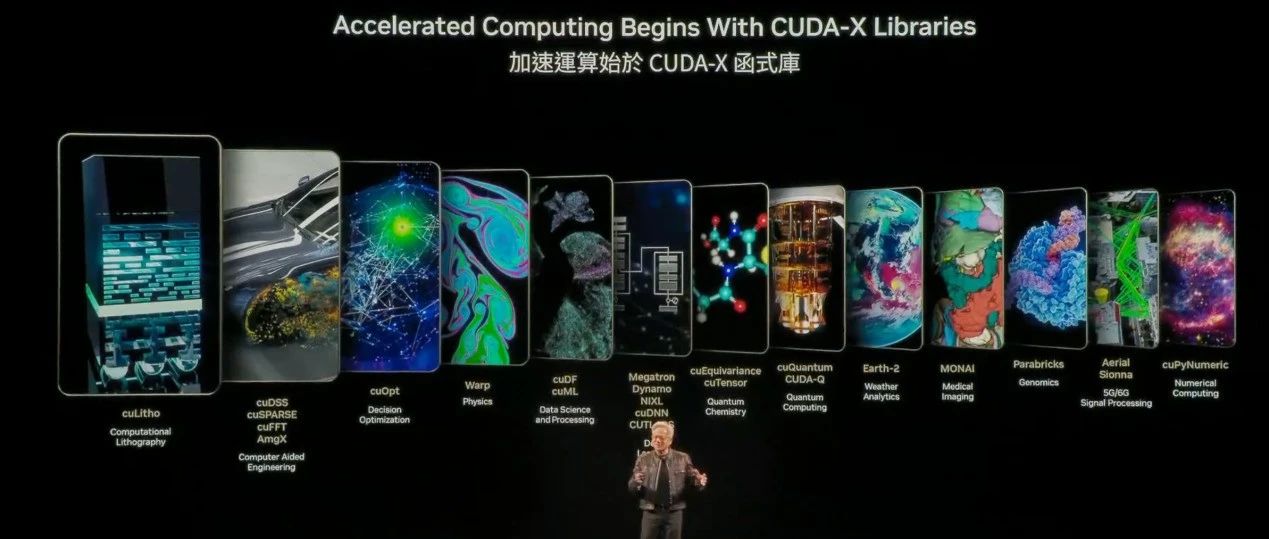
Core Viewpoint - NVIDIA is positioned as a leading giant in the AI and accelerated computing landscape, evolving from a GPU manufacturer to a critical infrastructure company that shapes the future of AI and computing [1][3][29]. Group 1: Evolution of NVIDIA - NVIDIA started as a graphics processing unit (GPU) provider for gaming and professional visualization, but has transformed into a comprehensive computing platform provider [3]. - The introduction of CUDA in 2006 revolutionized parallel computing, leading to the development of the DGX system and marking the beginning of the AI revolution [3][4]. - NVIDIA's acquisition of Mellanox in 2019 enhanced its capabilities in data center networking, allowing for the creation of unified computing units [4]. Group 2: AI Infrastructure and Market Potential - The future AI infrastructure is likened to essential resources like electricity and the internet, with AI data centers referred to as "AI factories" that generate valuable outputs [5]. - NVIDIA's founder, Jensen Huang, highlighted the vast market opportunity, estimating that a $300 million chip industry could leverage a $1 trillion data center market [5]. Group 3: CUDA and Its Impact - CUDA is central to NVIDIA's success, enabling a vast ecosystem of libraries and applications that drive user engagement and developer innovation [9][10]. - The limitations of general-purpose CPUs in AI are emphasized, with CUDA allowing for targeted hardware design that accelerates performance significantly [9]. Group 4: Advanced Computing Systems - The introduction of the Grace Blackwell supercomputer represents a significant leap in computing power, capable of horizontal and vertical scaling [17][20]. - The GB300 upgrade promises a 1.5x increase in inference performance and doubled network connectivity, showcasing NVIDIA's commitment to continuous improvement [17][18]. Group 5: Collaborative Manufacturing and Innovation - The production of the Grace Blackwell supercomputer involves collaboration with various Taiwanese manufacturers, highlighting the importance of the semiconductor supply chain [24][26]. - The final product integrates over 1.3 trillion transistors and showcases the technological prowess of the Taiwanese semiconductor industry [27]. Group 6: Future Outlook - NVIDIA's strategy of continuous self-disruption and innovation positions it to dominate the future of computing, moving from chips to platforms and ultimately to infrastructure [29].
亿咖通发布了一个RISC-V芯片
半导体芯闻· 2025-05-19 10:04
Core Viewpoint - ECARX has unveiled its first 32-bit RISC-V ISA-based processor design, EXP01, which features a dual-core safety architecture that has achieved the highest level of functional safety certification ISO 26262 ASIL-D, enhancing reliability for critical automotive functions [2][3] Group 1: Product Announcement - ECARX introduced the EXP01 processor at the 2025 European RISC-V Summit, marking a significant technological breakthrough for the company [1] - The EXP01 processor is designed with a dual-core safety architecture that continuously verifies the operation of both cores, ensuring high reliability for advanced driver assistance and smart cockpit interfaces [2] Group 2: Future Development Plans - ECARX outlined its roadmap for the next generation of automotive-grade microcontrollers (MCUs), which will be scalable and designed for smart cockpit and body domain control applications, compliant with ISO 26262 ASIL-B safety standards [2] - The upcoming MCUs will support current and future encryption protocols, ensuring compliance with international data regulations [2] Group 3: Strategic Collaborations - During the event, ECARX's R&D director engaged in technical discussions with leading RISC-V developers, including StarFive Technology, laying the groundwork for joint R&D initiatives aimed at accelerating the integration of RISC-V-based computing platforms with next-generation automotive architectures [2] Group 4: Company Vision - The CEO of ECARX emphasized that the launch of EXP01 is a critical step towards providing a high-reliability open architecture computing platform for the automotive industry, aiming to enhance performance and safety through a global partner ecosystem [3] - The open architecture of RISC-V is seen as a means to accelerate innovation and optimize costs, aligning with the company's goal to help automotive manufacturers lead technological advancements [3]

三星芯片,亮剑
半导体芯闻· 2025-05-19 10:04
Core Viewpoint - Samsung Electronics is intensifying its research and investment in the semiconductor sector, aiming to reclaim its position as the "king of semiconductors" following a strategic push from Chairman Lee Jae-Yong [1][3]. Investment and Financial Performance - In Q1 of this year, Samsung's R&D expenditure reached 9.0348 trillion KRW (approximately 46.78 billion RMB), marking a year-on-year increase of 15.5%, while capital expenditure was 11.9983 trillion KRW, up 6.1% year-on-year [1]. - The capital expenditure for the DS (Device Solutions) department hit a record high of 10.948 trillion KRW, accounting for 91.2% of total investments, which is the first time the semiconductor facilities investment exceeded 10 trillion KRW in Q1 [1][2]. - Historically, from 2015 to 2019, Q1 semiconductor investments ranged from 2 trillion to 6 trillion KRW, with the 2020s seeing an increase to 6 trillion to 9 trillion KRW, highlighting the significant investment surge this year [1]. Strategic Initiatives - The capital expenditure in Q1 was primarily directed towards expanding advanced processes and infrastructure in the DS and SDC (Samsung Display) departments, while also enhancing next-generation memory technology competitiveness [2]. - Vice Chairman Choi Yong-Hyun, who oversees the DS department, is continuing efforts to strengthen fundamental competitiveness, having previously submitted a reflection report and initiated discussions to revitalize corporate culture [2]. Market Challenges and Competitive Landscape - Despite achieving an operating profit of 1.1 trillion KRW in Q1, the improvement was largely due to a recovery in demand for server DRAM and NAND, influenced by preemptive stockpiling amid U.S. tariff concerns [3]. - Samsung has not yet successfully penetrated the HBM (High Bandwidth Memory) supply chain of Nvidia, with SK Hynix outperforming in the HBM market and claiming the top spot in the global DRAM market [3]. - Samsung plans to ramp up its foundry business with a target for 3nm process mass production in the first half of the year and aims to introduce 2nm technology in the second half, while also preparing for HBM4 mass production ahead of market demand [3][4].

智能诊断+AI 双核赋能 广立微YAD贯穿全链路良率诊断分析
半导体芯闻· 2025-05-19 10:04
Core Viewpoint - Yield has long been regarded as the lifeline for chip manufacturers and foundries, being crucial for cost control, production efficiency, capacity increase, and market competitiveness [1] Group 1: Yield Improvement Challenges - The issue of yield in advanced processes has evolved from single-point defects to more systemic, multi-source, and cross-layer complex characteristics due to increased design and process complexity [1] - Traditional DFT tools often struggle to effectively identify complex failure modes caused by manufacturing deviations, layout hotspots, and test boundary effects [1] Group 2: YAD Platform Overview - The Guangliwei YAD yield perception big data diagnostic analysis platform was developed to address the challenges in yield analysis [2] - YAD integrates with the Guangliwei DATAEXP big data analysis platform and the Yield Management System (YMS), enabling real-time correlation of cross-domain data, covering the entire "design-manufacturing-testing-analysis" data diagnostic map [2][4] Group 3: Customer Value and Benefits - YAD enhances analysis efficiency, reducing the analysis time from weeks to hours through a powerful graphical interface and reporting functions [8][9] - It improves root cause analysis accuracy by utilizing AI algorithms for multi-dimensional identification of failure causes and automatically recommending PFA candidates [9] - The platform identifies hidden systemic design issues by incorporating design information into yield analysis [9] - YAD supports multi-dimensional data analysis and verification, dynamically adjusting the analysis scope through deep integration with YMS [9] - The system is highly automated, minimizing manual intervention and enabling systematic data management [9] Group 4: Intelligent Diagnostic Analysis - YAD employs data mining and advanced AI algorithms for accurate root cause analysis (RCA), supporting the identification of specific layout patterns causing systemic failures [11] - The platform generates defect root cause probability maps and intelligently recommends PFA candidates, facilitating quick problem localization [11][15] Group 5: Visualization and Reporting - YAD provides visual analysis of diagnostic reports, including circuit diagrams and layout information, significantly saving time [14] - The platform supports intuitive Wafer Map views for flexible data correlation analysis, aiding efficient diagnostic processes [14] Group 6: Future Directions - Guangliwei YAD transforms dispersed design, process, and testing data into core momentum for yield improvement, breaking down data silos and utilizing AI algorithms to quickly identify key failure modes [16]