聪明投资者

Search documents
“非赛道选手”的易方达蔡荣成:理解科技创新,找到那些真正能够创造时代价值的企业
聪明投资者· 2025-11-12 03:33
Core Insights - The article emphasizes the importance of avoiding arrogance in technology investments, advocating for a deep understanding of technological innovations and their value creation potential [4][3]. - It highlights the investment philosophy of Cai Rongcheng from E Fund, focusing on identifying companies with strong value creation capabilities and significant revaluation potential within major industry trends [4][5]. Investment Philosophy - Cai Rongcheng believes that successful investment in the technology sector requires a return to fundamentals, understanding the true value of technological innovations, and developing sustainable investment strategies [4][5]. - His approach involves identifying high-quality growth companies with scarcity or shortage in supply, high competitive barriers, and excellent management [7]. Performance Metrics - As of November 7, 2025, Cai Rongcheng manages five funds with a total scale of 66.73 billion, achieving a return of 111.07% since taking over the E Fund Technology Innovation fund on April 21, 2022, with an annualized return of 23.54% and a year-to-date return of 74.46% [5][6]. - The performance of his funds significantly outperformed the market, with the CSI 300 index returning 17.94% and the electronics sector returning 47.96% during the same period [5]. Investment Strategy - Cai Rongcheng employs a cyclical thinking framework to understand industry undervaluation and overvaluation, focusing on supply and demand elasticity to identify investment opportunities and mitigate market risks [7]. - He emphasizes the importance of drawdown control and avoids zero-sum games, seeking elastic returns within a framework that minimizes significant losses [7]. Case Studies - The article discusses successful investments in companies like Baoxin Software and Tonghuashun, which benefited from the AI wave, showcasing Cai's ability to identify and capitalize on growth opportunities [13][15]. - Cai's investment in Huadian Co., which saw an 82.06% increase in stock price, exemplifies his strategy of buying at market bottoms and making timely exits to secure profits [15]. Future Outlook - Cai Rongcheng anticipates that 2025 will mark the beginning of a significant AI revolution, with increasing demand for computing power and the rapid adoption of AI technologies across various industries [26][27]. - He identifies three main sources of alpha assets: companies with core competitiveness in overseas markets, assets that provide stable returns, and industry leaders with strong risk resilience [30][31].


陈光炎、朱天深谈中国经济,关于房地产、产业韧性与需求的重启
聪明投资者· 2025-11-12 03:33
Core Viewpoint - The current economic downturn in China is primarily driven by the decline in the real estate sector, which has significant ripple effects on consumer confidence and spending [4][8][73]. Group 1: Real Estate Impact - The decline in real estate is likened to "muscle cramps" rather than a "heart attack," indicating that while it is serious, it is not fatal [5][68]. - Real estate has historically contributed up to 60% to GDP growth, and its current downturn is a major factor in the weak economic performance and rising savings rates [14][18]. - A rough estimate suggests that approximately 6% of GDP has shifted from consumption to savings over the past four years due to declining consumer confidence linked to falling property prices [18][98]. Group 2: Economic Policy and Solutions - Both economists agree on the need to stimulate demand, with proposals including large-scale, unconditional consumer vouchers to boost spending [8][106]. - A "dual pillar" approach is suggested, focusing on stabilizing the real estate market while simultaneously stimulating consumer demand [9][105]. - The suggestion includes establishing a national real estate restructuring trust funded by the central government to manage industry risks and prevent further economic drag [109]. Group 3: Structural Issues and Long-term Strategy - While structural issues like high leverage and low consumption exist, they are not the immediate causes of the current economic slowdown [80][111]. - The focus should be on increasing total consumption and investment rather than merely adjusting their proportions in GDP [102][104]. - The current economic strategy aims to ensure a "soft landing" for real estate and to stimulate new growth drivers while managing systemic risks [70][110].
愿好运无尽头!巴菲特致股东的首封感恩节信,细数人生中那些 “天选之签”
聪明投资者· 2025-11-11 11:12
Core Insights - Warren Buffett's Thanksgiving letter this year is particularly anticipated as he hands over the reins of Berkshire Hathaway to Greg Abel, leading to a sense of loss among shareholders regarding Buffett's insights [5][12] - Buffett converted 1,800 A shares into 2.7 million B shares and donated them to four family foundations, highlighting his commitment to philanthropy [5][6] - The letter emphasizes the importance of trust in leadership, with Buffett expressing confidence in Abel's capabilities to manage the company [8][75] Group 1 - Buffett's Thanksgiving letter is filled with personal reflections and gratitude, contrasting with the more business-focused annual shareholder letters [7][19] - The letter discusses the transition of leadership to Greg Abel, who Buffett believes is exceptionally qualified to manage the company's funds [15][75] - Buffett reflects on his life experiences and the influence of key individuals in his journey, emphasizing the importance of relationships and mentorship [35][36][40] Group 2 - The letter addresses the challenges of aging and the need for careful planning regarding wealth distribution and charitable goals [60][62] - Buffett plans to accelerate donations to his children's foundations to ensure they can manage his estate effectively while they are still in their prime [63][64] - He expresses a desire for his children to continue his philanthropic legacy, emphasizing the importance of responsible wealth management [71][72] Group 3 - Buffett acknowledges the unpredictability of life and the role of luck in his longevity and success, reflecting on the advantages he has had [58][59] - The letter critiques the corporate culture surrounding executive compensation, highlighting the need for vigilance among boards of directors [78][82] - Buffett concludes with a message of gratitude and encouragement for continuous improvement, regardless of past mistakes [91][95]

“打孔机”只打了不到10个孔!段永平与方三文最新对话,详解“投资中如何真正算看懂”……
聪明投资者· 2025-11-11 11:12
Investment Philosophy - The core investment philosophy is that "buying stocks is buying companies," emphasizing the importance of understanding the business behind the stock [9][10]. - Understanding a company's business model and future cash flows is crucial, but it is often challenging to achieve [10][28]. - The concept of "margin of safety" is interpreted as the investor's understanding of the company rather than just its price [38]. Investment Examples - Significant investments include Apple, Tencent, and Moutai, with Apple being a major holding since 2011 [23][42]. - The investment in NetEase was based on a strong belief in its gaming team and business model, resulting in a 20-fold increase in six months [36]. - The investment in General Electric was later deemed a mistake due to a lack of understanding of its business model and a shift in corporate culture [64][68]. Company Analysis - Apple is recognized for its strong corporate culture focused on user experience and long-term value creation, which influences its product decisions [45][56]. - The discussion on Nvidia highlights its strong ecosystem and competitive advantage in the AI chip market, suggesting a sustainable business model [70][74]. - Pinduoduo is viewed as a risk investment, with potential for growth but uncertainty about its long-term sustainability [87][88]. General Investment Advice - Investing is recommended for those who understand the business; otherwise, it is advised to avoid stock trading due to its inherent difficulties [90][93]. - Moutai is suggested as a relatively easy-to-understand investment, despite concerns about changing consumer preferences [92][96]. - The importance of understanding the business and its market dynamics is emphasized, as it significantly impacts investment success [95][97].



再访韩冬,听他复盘“好公司+多策略”的实践
聪明投资者· 2025-11-10 07:03
Core Insights - The article emphasizes the importance of selecting high-quality companies as the foundation for investment strategies, with a focus on long-term value creation and risk management [4][7][28] - The investment approach involves a multi-strategy framework that includes non-consensus stock selection, cross-market allocation, and the use of derivative tools to manage volatility [3][5][30] Group 1: Investment Philosophy - The core investment philosophy revolves around identifying "good companies" as the primary filter for stock selection, which is believed to contribute significantly to market value growth over the long term [4][7] - The investment strategy is flexible, allowing for experimentation with new ideas while maintaining a focus on high-quality assets [7][8] - The emphasis is placed on maintaining a stable emotional state and a long-term perspective when making investment decisions, which helps in navigating market volatility [5][24] Group 2: Market Analysis and Strategy - The analysis of market conditions indicates a preference for stocks with limited downside potential, particularly in uncertain market environments [17][20] - The investment strategy includes a focus on companies with high return on equity (ROE) or return on invested capital (ROIC), ensuring that selected companies can sustain profitability over time [8][9] - The approach to cross-market investment remains consistent, with a unified standard for identifying quality companies across different markets [10][12] Group 3: Risk Management - A robust risk management framework is established, which includes diversifying across markets and sectors to mitigate systemic risks [33] - The use of derivative tools is highlighted as a method to optimize volatility and enhance the risk-return profile of the investment portfolio [33] - The strategy also involves adjusting portfolio positions based on market conditions, focusing on minimizing drawdowns while maximizing potential returns [16][19] Group 4: Future Outlook - The key market variables to watch in the next 12 months include the emergence of an economic bottom, which could signal a shift in market dynamics and investment opportunities [35] - The impact of AI on traditional business models is discussed, with a belief that AI will not only enhance efficiency but also reshape demand and market dynamics [36][37] - The potential for new consumption trends and innovative pharmaceuticals is acknowledged, with a cautious but optimistic outlook on their long-term growth prospects [39][41]
巴菲特:做投资的关键不是聪明,而是敢出手
聪明投资者· 2025-11-09 02:07
Group 1 - The article emphasizes the importance of stable investment products, particularly in the current market environment where investors are more sensitive to drawdowns and risk management [2][3] - It highlights the collaboration between Smart Investors and Guotai Fund in the "Midnight Diner" series, which has been ongoing for four years, reflecting a commitment to providing reliable investment insights [2] - The article suggests that despite the volatility in technology and energy sectors, a stable investment remains a crucial anchor for investors, often underestimated in its strength [3] Group 2 - The article mentions key insights from the APS 30th anniversary forum, including discussions on the rare earth market, institutional resilience, and the reassessment of the China-US landscape [4] - It features an exclusive interview with Zhang Yidong, who advocates for a patient long-term investment strategy, suggesting that the upcoming AI market will likely lead growth in large-cap stocks, with both emerging and traditional sectors expected to perform well next year [4] - Liu Yuhui's recent commentary indicates that the sentiment in the A-share market is unlikely to be aggressive as it approaches the year-end, with a focus on four key sectors and gold as a preferred stable investment asset [4]
能评估价值的领域都是价值投资的范围,科技并不例外
聪明投资者· 2025-11-07 03:05
Core Viewpoint - The article discusses the significant performance disparity between value and growth investments, highlighting the ongoing debate between "value investors" and "growth investors" in the context of the current market environment [2][3]. Group 1: Value Investment and Technology - The perception that value investing and technology investing are mutually exclusive is prevalent, with value investors often criticized for not engaging with tech stocks [3][7]. - Value investment encompasses any area where value can be assessed, including technology, although the barriers to evaluating value in different sectors vary [4][12]. - The development of AI is expected to drive demand growth in the semiconductor industry, indicating that value assessments can be made in this sector despite its complexities [15][16]. Group 2: Conditions for Assessing Company Value - Three conditions are essential for determining a company's value: the long-term demand baseline, the business model's viability, and the assessability of the company's competitive advantage [17][19]. - Current profitability is not a prerequisite for investment; what matters is the presence of a competitive moat and long-term demand [20][21]. Group 3: Semiconductor Industry Insights - The semiconductor industry, particularly wafer foundries, is characterized by a stable business model and a clear competitive moat, making it a sector where value can be assessed [25][31]. - The investment required for advanced process nodes in semiconductor manufacturing is substantial, leading to a niche market dominated by a few leading firms [30][31]. Group 4: Storage Industry Dynamics - The storage industry is experiencing rapid demand growth, particularly for high-bandwidth memory (HBM), driven by AI applications [36][37]. - The shift from traditional computing to AI has altered the storage requirements, leading to a supply-demand imbalance and significant price increases for DRAM [36][38]. Group 5: Domestic vs. International Competitiveness - The competitive landscape in semiconductor manufacturing is evolving, with domestic firms gaining opportunities due to the push for self-sufficiency in the semiconductor sector [41][42]. - The ability to overcome initial disadvantages in technology and customer acquisition is crucial for domestic firms to compete effectively [40][42]. Group 6: Future of Value Assessment - The concept of "self-sufficiency" is expected to influence how companies' values are assessed, potentially altering market share and profitability expectations for domestic firms [44][45]. - The fundamental understanding of business operations remains unchanged, but the parameters for evaluating companies will adapt to reflect new market realities [46][48]. Group 7: Long-term Investment Opportunities - The slowing pace of technological advancement in semiconductors suggests that the industry may not see rapid iterations in the future, leading to a focus on stable, value-generating companies [50][55]. - Identifying companies that can create value amidst these changes will be essential for value investors, emphasizing the importance of thorough research and understanding of market dynamics [59][61].
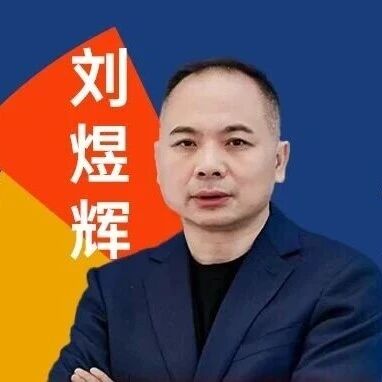
刘煜辉最新发声:A股收官阶段的情绪面大概率不具备进攻性,明年布局最看好四个领域,黄金仍是最好的定投资产……
聪明投资者· 2025-11-07 03:05
Core Viewpoint - The sentiment in the A-share market during the year-end phase is unlikely to be aggressive, with a focus on four key sectors for investment in the coming year, while gold remains the best fixed investment asset [2] Group 1: Market Sentiment - The current market sentiment in A-shares is expected to lack aggressiveness as the year concludes [2] - Investors are advised to be cautious and not overly optimistic about immediate market movements [2] Group 2: Investment Focus - The company identifies four sectors as the most promising for investment in the upcoming year [2] - Gold is highlighted as the most reliable fixed investment asset, suggesting a continued preference for safe-haven assets [2]
深夜食堂第十三季|在极端市场环境中,如何寻求“稳”的力量
聪明投资者· 2025-11-06 07:03
Core Viewpoint - The article discusses the current market environment characterized by volatility and the significance of the number "4000" in relation to the Shanghai Composite Index and gold prices, highlighting the challenges faced by investors in maintaining stability in their portfolios [2][3]. Group 1: Fund Manager Insights - Zhang Ronghe, a fund manager at Guotai Fund, emphasizes the importance of understanding investor needs and constructing portfolios that provide a stable experience for holders [3][9]. - He believes that portfolio management is a structural optimization problem under multiple constraints, focusing on creating a "usable combination" within defined boundaries [5][6]. - Zhang's investment philosophy includes a strong emphasis on communication with investors, particularly through quarterly reports, to align expectations and experiences [9][62]. Group 2: Market Analysis - The article notes a significant divergence between traditional industries and technology stocks, with the latter showing strong performance while the former remains under pressure [20][26]. - Zhang observes that the market's current low volatility and high concentration in certain sectors may lead to a reversal of trends, suggesting opportunities in domestic demand as economic conditions evolve [9][28]. - He highlights the cyclical nature of investments, particularly in core assets that have been overlooked, indicating that such periods may present opportunities for finding discrepancies in expectations [27][28]. Group 3: Investment Strategies - Zhang advocates for a balanced approach to asset allocation, adjusting portfolios based on market conditions and asset performance, rather than maintaining a static strategy [21][22]. - He advises investors to diversify their portfolios to mitigate systemic risks, suggesting that combining assets with negative correlations can enhance overall stability [41]. - The importance of adjusting expectations regarding returns is emphasized, encouraging investors to accept a gradual wealth-building process rather than seeking immediate high returns [40][41]. Group 4: Macro Economic Considerations - The article discusses the current macroeconomic environment, with many investors recognizing a stagflation period rather than a high-growth, low-inflation scenario [34][35]. - Zhang points out the challenges faced by the Federal Reserve in balancing inflation control and unemployment rates, which could significantly impact asset prices [37]. - He notes that the current market dynamics, including the performance of AI stocks, do not align with traditional economic indicators, suggesting a complex relationship between asset performance and macroeconomic conditions [36][38].
站在4000点的十字路口,这六位“固收+”强将值得一看
聪明投资者· 2025-11-05 07:04
Core Viewpoint - The article discusses the performance and strategies of various "fixed income +" fund managers at GF Fund, highlighting their unique investment styles and the overall growth of the "fixed income +" fund sector amid a fluctuating market environment [2][3][41]. Group 1: Market Overview - The Shanghai Composite Index has entered a phase of fluctuation after surpassing 4000 points, driven by the technology market [2]. - Interest rates have been declining throughout the year, with new household deposits in August decreasing by 600 billion yuan compared to the same period last year [3]. Group 2: Fund Performance - Over 94% of "fixed income +" funds have achieved positive returns this year, with the total market size exceeding 2.7 trillion yuan, a 26% increase from the previous quarter [3]. - GF Fund has 50 "fixed income +" products reaching new net asset value highs, with seven products showing a net value growth rate exceeding 10% this year, ranking in the top ten among over 100 fund companies [3][4]. Group 3: Fund Manager Profiles - Zhang Qian, with 24 years of experience, manages eight funds, achieving a total return of 187.26% since taking over the GF Ju Xin fund in July 2013, with an annualized return of 8.95% [5][6]. - Zeng Gang, another experienced manager, focuses on balanced and flexible asset allocation, achieving a 10% return in the GF Ji Yu fund this year [12][13]. - Zhang Xue emphasizes macro analysis and asset timing, managing five funds with a focus on high-growth sectors like gold and Hong Kong stocks [20][24]. - Liu Zhi Hui, with 13 years of experience, has maintained positive returns in the GF Ji Yuan fund since its inception, with a total return of 48.70% [27][28]. - Yao Qiu prioritizes safety and valuation, managing six funds with a focus on stable returns and risk control [31][35]. - Wu Di employs quantitative strategies in managing three "fixed income +" products, focusing on credit and interest rate bonds [36][38]. Group 4: Investment Strategies - The "fixed income +" products at GF Fund feature a diverse range of strategies, including low-risk options, stable income through bonds, and aggressive strategies using stocks and convertible bonds [4][5]. - Fund managers utilize a combination of qualitative and quantitative methods to optimize asset allocation and enhance returns, adapting to market conditions [39][42]. - The investment framework at GF Fund is supported by a robust research team and a collaborative environment, allowing fund managers to leverage shared insights and strategies [41][43].