虎嗅APP

Search documents
被美国疯狂攻击的国家授时中心,到底是个啥?
虎嗅APP· 2025-10-21 13:15
Core Viewpoint - The article discusses the importance of accurate timekeeping in modern society, highlighting that the official time in China originates from the National Time Service Center in Xi'an, Shaanxi Province, and emphasizes the implications of time accuracy for various sectors, including finance and national security [8][10][44]. Group 1: Timekeeping and Its Importance - The unified and precise Beijing time is crucial for the functioning of society, as it serves as the foundation for various systems [8][10]. - The National Time Service Center has been under cyberattacks from the United States for nearly two years, indicating the strategic importance of time management [9][10]. - Accurate time is essential for high-precision fields such as aerospace, satellite navigation, and financial transactions, where even a slight error can lead to significant consequences [18][38]. Group 2: Mechanisms of Timekeeping - The National Time Service Center employs two main methods for time dissemination: ground-based and space-based systems [26][27]. - Ground-based time dissemination includes shortwave radio broadcasts and low-frequency time code signals, achieving millisecond to microsecond accuracy across the country [28][30][39]. - Space-based time dissemination relies on Global Navigation Satellite Systems (GNSS), such as GPS and BeiDou, which provide time signals with nanosecond precision [34][36]. Group 3: Implications for Various Sectors - In finance, accurate time signals are critical for transactions, as they follow a "price priority, time priority" principle, where the speed of order execution can determine success or failure [39][40]. - Regulatory bodies in the EU and the US require financial institutions to synchronize their systems with standard time, emphasizing the need for precision in timekeeping [43]. - The military also relies on precise time coordination for operations, where discrepancies can lead to confusion and loss of control [43][44].


日本餐饮的“平成食代”,正是中国“西贝们”的镜与鉴
虎嗅APP· 2025-10-21 13:15
Core Viewpoint - The article draws parallels between the challenges faced by Chinese restaurant chains and the historical experiences of Japan's dining industry during its economic stagnation, emphasizing the lessons that can be learned from Japan's "Heisei Era" [5][6]. Group 1: Historical Context - The Japanese "Heisei Era" began in 1989, marked by a GDP growth rate of 5.4%, which was never reached again in the following thirty years [8]. - The economic bubble burst in Japan led to a significant decline in various industries, but the restaurant sector managed to remain relatively stable, with food and beverage consumption maintaining a ratio of 23%-25% during the downturn [10][12]. - Despite a decrease in absolute food spending from 82,000 yen in 1992 to 74,000 yen in 2000, the restaurant industry acted as a buffer against the economic collapse [10][11]. Group 2: Changes in Consumer Behavior - The average dining price in Japan decreased by approximately 20% over two decades due to economic pressures [11]. - There was a notable shift in dining habits, with "home cooking" and "eating out" both declining, while "convenience food" consumption tripled, reflecting a preference for quick and affordable meals [12][13]. - The economic downturn led to a significant reduction in restaurant numbers, from 1.55 million to around 1.4 million, despite only a 1%-3% drop in demand [14][19]. Group 3: Industry Dynamics - The Japanese restaurant industry experienced a wave of horizontal mergers in the late 1990s, driven by a "community thinking" approach, despite a decrease in the number of outlets [18][21]. - The capital market saw a surge in restaurant companies going public, with over 100 listed, making Japan a leader in restaurant financing [21][22]. - The need for digitalization and standardization became crucial for restaurant businesses to attract investment, leading to the rise of pre-prepared food products [22][23]. Group 4: The "Impossible Triangle" - The article discusses the "impossible triangle" in the restaurant industry, where high pricing, chain operations, and quality cannot coexist [24][26]. - Successful restaurant chains often had to choose between maintaining high prices or expanding their operations, with most opting for the latter to ensure survival [28][29]. - The case of Watami, a Japanese chain, illustrates the pitfalls of trying to achieve high pricing while expanding, leading to significant losses [28][31]. Group 5: Lessons for the Future - The article concludes that the Japanese experience suggests a clear choice for restaurant businesses: to pursue either scale at lower prices or maintain high prices without expansion [38][42]. - The success of Japan's high-end dining sector, which focuses on quality rather than scale, contrasts with the struggles of chains attempting to balance both [36][40]. - The differences between the Japanese and Chinese dining markets highlight the challenges of standardization in China, where individual dining establishments still dominate [37][42].

中美谁治谁?
虎嗅APP· 2025-10-21 13:15
Core Viewpoint - The article discusses the evolving dynamics of Sino-U.S. economic relations, highlighting a shift from patience and restraint to a more assertive stance from China, particularly in response to U.S. trade policies and sanctions [2][12]. Historical Context - The U.S. has historically held a dominant position in global trade, establishing frameworks like the GATT and WTO, but has recently deviated from these rules, imposing tariffs and sanctions unilaterally [5][6]. - The U.S. employs various measures such as long-arm jurisdiction and economic sanctions to exert control over perceived threats [6][7]. Background of Countermeasures - The trade tensions escalated with the initiation of a tariff war by the U.S. in April 2018, leading to a complex interplay of cooperation and conflict in various sectors [8][9]. - Despite ongoing negotiations, the U.S. continues to impose new restrictions, complicating the dialogue and leading to a cycle of retaliatory measures from China [9][11]. Content of Countermeasures - China has announced significant countermeasures, including: 1. Export controls on certain rare earth materials effective December 1 [13]. 2. Export controls on high-performance lithium batteries and related materials starting November 8 [13]. 3. Imposition of special port fees on U.S. vessels effective October 14 [14]. - The measures reflect a direct response to U.S. tariffs and are aimed at asserting China's position in critical supply chains, particularly in semiconductors and battery production [15][16]. Next Steps in Countermeasures - The U.S. has reacted to China's export controls with threats of increased tariffs and restrictions on software exports, indicating a potential escalation in trade tensions [18][19]. - Both nations are engaged in ongoing discussions to mitigate the situation, with a focus on avoiding further deterioration of economic relations [19][20]. Underlying Strength of Countermeasures - China's countermeasures are backed by its substantial industrial capabilities and strategic resources, positioning it to effectively respond to U.S. pressures [21][22]. - The interdependence of the two economies suggests that a complete decoupling is unlikely, as both sides would incur significant costs [22][23]. Long-term Perspective - The article emphasizes that while immediate tensions may arise, the long-term relationship between the U.S. and China will likely remain intertwined due to mutual economic interests [29][30]. - China's approach is framed as one of rational counteraction rather than aggressive retaliation, aiming to maintain stability in global supply chains [30][31].

日本熊灾,吓跑多少中国游客?
虎嗅APP· 2025-10-21 09:24
以下文章来源于旅界 ,作者theodore熙少 旅界 . 跟踪时代浪潮,讲述文旅商业好故事。 那天天气很好,阳光打在中山道石阶上,我们走在细细山道上,一边拍照,一边打趣这条路也太江户时代了,路标写得像俳句。 日本中山道/旅界实拍 走着走着,突然丁丁在前面喊,快看,这有个熊出没注意的牌子。 我们一拥而上,纷纷拍照合影。蛋总和我太太麦琪还摇了两下旁边挂着的熊铃,说这声音挺悦耳,应该能驱邪。 但铃声一响,再一走,队伍又逐渐安静了下来。 接着第二块熊出没注意牌子出现了,然后是第三块。 本文来自微信公众号: 旅界 (ID:tourismzonenews) ,作者:theodore熙少,头图来自:AI生成 前段时间,我和朋友蛋总、丁丁在日本妻笼宿徒步。 我们开始交换眼神,没人说话,但所有人都开始走得飞快。 我边走边手贱查了下这条中山道上熊的分布情况,结果吓出一身汗。 一 白川乡可是联合国世界文化遗产,每年来访游客过百万,在全球自由行客群心中几乎是最安全的日本景区代表。 那天原本预计要花四个小时走完的山路,我们走了不到两小时,一路狂奔到终点。 等到了旅馆,我们定下神来复盘,才发现日本中部地区这边是小巫见大巫。 根据日本环境 ...

剖析智元机器人:一场关于人才与资本的博弈
虎嗅APP· 2025-10-21 09:24
以下文章来源于AGI接口 ,作者宋思杭 AGI接口 . 出品|虎嗅科技组 作者|宋思杭 编辑|苗正卿 头图|视觉中国 数据来源:企查查、天眼查 AI卷起的财富风暴。 10月10日晚,有消息称,智元机器人计划于2026年在香港启动IPO,目标估值区间为400亿至500亿港币。对 此,虎嗅第一时间向智元机器人求证,其否认了这一消息。 与此同时,虎嗅还了解到,2024年,智元机器人的营收约1亿元规模。对此,智元方面向虎嗅透露道,2025 年智元的营收将翻几倍。就在不久前,智元刚刚发布精灵G2,目前该机器人已锁定数亿元订单。 而从2025年开始,智元机器人就一直处于风口浪尖。 值得注意的是,9月,在智元机器人官网上还公布了一份合伙人名单:其中前三位均来自华为,而他们也是 智元这家公司最重要的三名主舵手,分别手握战略、技术和商业化大权。 名单一出,在业内迅速引发关注。对比这家成立不过两年半的公司今日的估值与体量,很多人第一反应是 ——"这不就是一家浓厚的华为系公司吗?" 但若近距离观察,便能发现这家具身智能公司身上的特殊性,它不属于华为,也不像其他任何大厂。 当然,智元的创始团队里,不乏华为及科技大厂出身的高管;其行事 ...

地铁里,没有人穿高跟鞋了
虎嗅APP· 2025-10-21 09:24
Core Viewpoint - The article discusses the declining relevance and acceptance of high heels in professional settings, particularly among female employees, highlighting a shift towards comfort and practicality in fashion choices [4][10][20]. Group 1: Changing Attitudes Towards High Heels - There is a growing movement against the expectation for flight attendants to wear high heels, with several airlines allowing "flat shoe freedom" [4][10]. - High heels, once seen as a symbol of professionalism and elegance, are now viewed as a "beautiful torture" due to their negative health impacts [11][20]. - The pandemic has accelerated the acceptance of casual and comfortable attire, leading to a decline in the traditional dress code that included high heels [9][12]. Group 2: Fashion Trends and Consumer Preferences - Current fashion trends favor comfort and versatility, with styles like "urban outdoor" and "gender-neutral dressing" gaining popularity [14][15]. - High heels are increasingly seen as incompatible with modern fashion sensibilities, which prioritize practicality and multi-functionality [16][20]. - The rise of alternative footwear options such as sneakers and loafers reflects a broader cultural shift away from high heels [12][24]. Group 3: Market Dynamics and Business Implications - Sales of high heels have been declining, with a reported annual decrease of 1.5% to 2% from 2019 to 2023 [23][24]. - Brands like Christian Louboutin are diversifying their product lines to include non-heel options, indicating a strategic shift in response to changing consumer preferences [22][24]. - The footwear market is witnessing a concentration of sales among a few leading brands, while many traditional high heel brands struggle to maintain profitability [25][26].

一万斤玉米换不来一部苹果手机,土地还要不要种?
虎嗅APP· 2025-10-21 09:24
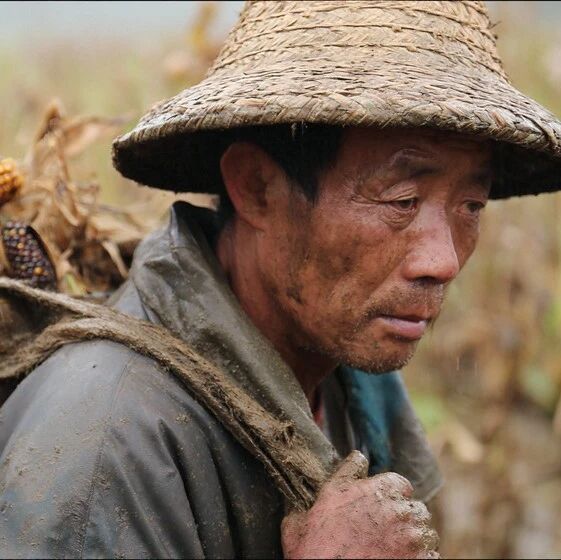
Core Viewpoint - The article discusses the challenges faced by farmers during the corn harvest season in northern China due to continuous rainfall, which has led to crop damage and delays in harvesting [4][7][31]. Group 1: Impact of Weather on Agriculture - Continuous rainfall during the corn harvest season has caused significant issues, including crop spoilage and difficulties in using harvesting machinery [7][31]. - The mechanization rate for crop farming in northern China exceeds 74%, with regions like Shandong reaching 91.7%, but weather conditions limit the effectiveness of these machines [7][31]. - Farmers are forced to engage in urgent harvesting efforts to prevent further crop loss, highlighting the unpredictability of agricultural production [7][8]. Group 2: Traditional Agricultural Practices - Farmers are resorting to traditional methods of harvesting, such as manually collecting corn and transporting it despite challenging conditions [8][12]. - The social aspect of harvesting, where community members come together to help, reflects deep-rooted agricultural traditions [14][22]. - The process of drying corn involves innovative methods developed over generations, showcasing the adaptability of farmers [15][16]. Group 3: Economic Considerations - The economic viability of farming is questioned, as rising costs for seeds, fertilizers, and other inputs make it difficult for farmers to achieve profitable returns [26][28]. - The opportunity cost of farming is highlighted, with many farmers considering more lucrative employment options in urban areas [26][28]. - The article raises concerns about the future of farming, particularly regarding labor shortages as younger generations migrate to cities [27][28]. Group 4: Government Response - The government has allocated nearly 500 million yuan to assist affected areas with agricultural recovery efforts, but the amount is deemed insufficient given the scale of the challenges [31]. - The ongoing rainfall complicates not only the corn harvest but also the upcoming wheat planting season, indicating a broader agricultural crisis [31].
早报 | 胖东来设开放日,参观一次收2万;苹果股价创历史新高;多款知名进口药告别国内市场;多方回应酒店花洒有粪便
虎嗅APP· 2025-10-20 23:58
Group 1 - Apple's stock price reached an all-time high of $262.24, with a 3.94% increase, bringing its total market capitalization to $3.89 trillion. Early sales of the iPhone 17 series in China and the U.S. are 14% higher than the iPhone 16 series, with the basic model's sales in China nearly doubling [2] Group 2 - DeepSeek released a new OCR model that can process over 200,000 pages of data daily using a single A100 GPU. The model achieves nearly 10 times lossless context compression while maintaining an accuracy rate above 97% [3] Group 3 - SpaceX is falling behind schedule on NASA's Artemis lunar program, prompting the U.S. Transportation Secretary to reopen contract bidding to other companies. The Artemis program aims to establish a long-term human presence on the Moon [4][5] Group 4 - The Vietnamese stock market experienced its largest drop since April, with the Ho Chi Minh Index falling nearly 5.5%. Approximately 150 stocks hit the daily limit down, primarily in the real estate, securities, and banking sectors [6] Group 5 - The European Union agreed to gradually stop importing natural gas from Russia by January 2028, with a ban on new contracts starting January 2026 [7][8] Group 6 - The Chinese pharmaceutical market is undergoing significant changes, with the National Medical Products Administration canceling the registration of 80 drugs, including well-known allergy and cancer treatments, due to the rise of domestic companies [11][12] Group 7 - 25 provinces in China have begun direct disbursement of maternity benefits to individuals, with plans for nationwide implementation by November 1 [13] Group 8 - Amer Sports announced a new interim general manager for its Arc'teryx brand in Greater China, following the departure of the previous GM. The new appointee will oversee operations during a transitional period [16][19] Group 9 - NVIDIA's CEO Huang Renxun announced plans to deploy $500 billion in AI supercomputing technology over the next three to four years, indicating a significant shift in global industry dynamics [27]


AI变革将是未来十年的周期
虎嗅APP· 2025-10-20 23:58
Core Insights - The article discusses insights from Andrej Karpathy, emphasizing that the transformation brought by AI will unfold over the next decade, with a focus on the concept of "ghosts" rather than traditional intelligence [5][16]. Group 1: AI Evolution and Cycles - AI development is described as "evolutionary," relying on the interplay of computing power, algorithms, data, and talent, which together mature over approximately ten years [8][9]. - Historical milestones in AI, such as the introduction of AlexNet in 2012 and the emergence of large language models in 2022, illustrate a decade-long cycle of significant breakthroughs [10][22]. - Each decade represents a period for humans to redefine their understanding of "intelligence," with past milestones marking the machine's ability to "see," "act," and now "think" [14][25]. Group 2: The Concept of "Ghosts" - Karpathy introduces the idea of AI as "ghosts," which are reflections of human knowledge and understanding rather than living entities [30][31]. - Unlike animals that evolve through natural selection, AI learns through imitation, relying on vast datasets and algorithms to simulate understanding without genuine experience [30][41]. - The notion of AI as a "ghost" suggests that it mirrors human thought processes, raising philosophical questions about the nature of intelligence and consciousness [35][36]. Group 3: Learning Mechanisms - Karpathy categorizes learning into three types: evolution, reinforcement learning, and pre-training, with AI primarily relying on pre-training, which lacks the depth of human learning [40][41]. - The fundamental flaw in AI learning is the absence of "will," as it learns passively without the motivations that drive human learning [42][43]. - The distinction between AI and true "intelligent agents" lies in the ability to self-question and reflect, which current AI systems do not possess [43][44]. Group 4: Memory and Self-Reflection - AI's memory is likened to a snapshot, lacking the continuity and emotional context of human memory, which is essential for self-awareness [45][46]. - Karpathy suggests that the evolution of AI towards becoming an intelligent agent may involve developing a self-referential memory system that allows for reflection and understanding of its actions [48][50]. - The potential for AI to simulate "reflection" marks a significant step towards the emergence of a new form of consciousness, where it begins to understand its own processes [49][50].
你说,你去越南做什么?
虎嗅APP· 2025-10-20 23:58
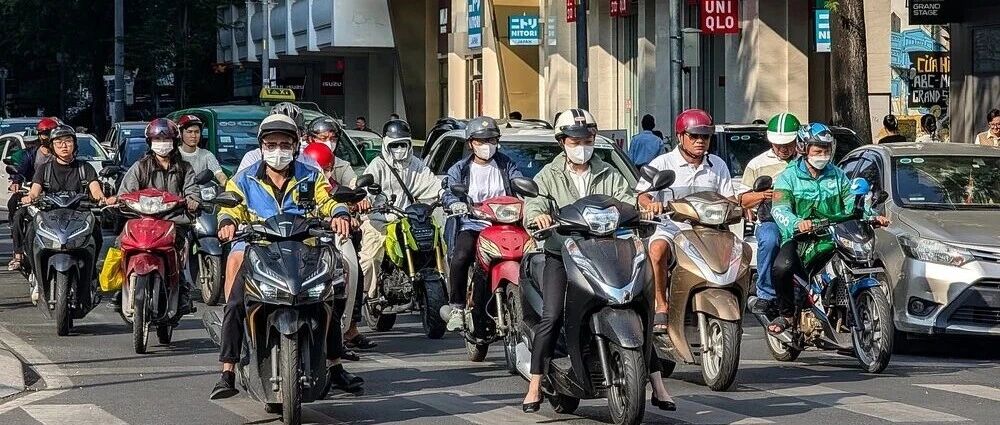
Core Viewpoint - The article explores the complexities of a banana plantation in Vietnam, focusing on the lives of Chinese and Vietnamese workers, their interactions, and the socio-economic challenges they face in a foreign land [5][7][27]. Group 1: Workers' Lives and Interactions - The Chinese workers, often from rural backgrounds, face challenges such as low wages, theft, and a lack of skilled labor, leading to a tense employer-employee relationship [15][27][36]. - Vietnamese workers, particularly from the Khmer ethnic group, experience marginalization and are often viewed as inferior by the local population, which affects their job opportunities and social standing [38][39]. - The article highlights the cultural and linguistic barriers between Chinese managers and Vietnamese workers, which contribute to misunderstandings and a lack of effective communication [34][36]. Group 2: Economic and Operational Challenges - The banana plantation operates on a model of large-scale land leasing, monoculture, and cheap labor, which has been in place for over a century, allowing for year-round banana production [25][27]. - Weather conditions, such as heavy rains, pose significant risks to banana production, leading to crop damage and financial losses [13][27]. - The plantation's management struggles with high worker turnover and theft, which complicates operational efficiency and profitability [15][27][36]. Group 3: Social Dynamics and Cultural Exchange - The article discusses the social dynamics within the plantation, where Chinese workers often form a close-knit community, while Vietnamese workers live in separate quarters, leading to a sense of isolation [23][34]. - Cultural exchanges occur through personal relationships, such as the connection between a Chinese worker and a Vietnamese woman, which highlights the potential for bridging cultural gaps despite systemic barriers [46][49]. - The narrative illustrates the resilience of both Chinese and Vietnamese workers, who find ways to cope with their circumstances through community and shared experiences [7][32][37].