虎嗅APP

Search documents
别再瞎折腾了,中产家庭留学的时代已经结束
虎嗅APP· 2025-08-20 09:31
Core Viewpoint - The article discusses the declining trend in Chinese students pursuing overseas education, highlighting the shift in perception from optimism to concern due to rising costs and uncertain job prospects after graduation [3][5]. Summary by Sections Decline in Overseas Education - The number of students choosing to study abroad has decreased significantly over the past five years, with notable reductions in various prestigious universities: Peking University saw a drop of over 21% from 818 students in 2019 to 641 in 2024, while Tsinghua University experienced a 28% decrease from 2019 to 2023 [4]. Financial Burden - The cost of studying in the U.S. has become prohibitively high, with tuition at Columbia University reaching $70,000 per year and average costs exceeding $100,000 annually when including living expenses. Over four years, this amounts to approximately 3 million RMB [7]. Job Market Challenges - The likelihood of securing a job in the U.S. post-graduation has diminished, with H1B visa approval rates dropping from 50% a decade ago to between 14% and 25% currently. This has led to a situation where many Chinese students may have to return home without recovering their educational investments [8][20]. Changing Landscape of Opportunities - The previous advantages of studying abroad, such as the demand for overseas-educated talent, have eroded. The current job market in China is highly competitive, with public sector jobs and large state-owned enterprises becoming more desirable than private companies [10][24]. Historical Context - The article reflects on the historical context of educational opportunities in China, noting that the "exam boom" and subsequent globalization created a demand for overseas-educated individuals. However, this demand has shifted as the global landscape changes [12][16]. Current Realities - The tightening of U.S. visa policies and the overall geopolitical climate have made it increasingly difficult for international students to secure opportunities abroad. The article emphasizes that the landscape for studying abroad has fundamentally changed, and the previous pathways to success are no longer as viable [19][21]. Future Considerations - Despite the challenges, the article suggests that there are still opportunities for those who pursue excellence in fields such as STEM. The emphasis is on the need for individuals to align their education and career paths with their strengths and aspirations in a competitive global environment [26].


幻想靠团播暴富的00后,深陷债务危机
虎嗅APP· 2025-08-20 00:22
Core Viewpoint - The article discusses the rise of group broadcasting (团播) as a perceived shortcut to wealth for young people, particularly those born after 2000, while highlighting the underlying exploitation and debt traps set by media companies [4]. Group 1: The Illusion of Wealth - Group broadcasting has become a popular trend among young people, who believe it offers a quick path to financial freedom [4]. - Many young individuals, regardless of their previous occupations, are drawn to the high earnings potential, often exceeding 10,000 yuan per month [4]. - The article warns that the reality is a "pyramid scheme" where the companies profit at the expense of the young workers [4]. Group 2: Recruitment Tactics - Media companies employ deceptive recruitment practices, presenting low barriers to entry while targeting inexperienced and financially vulnerable individuals [10][11]. - The selection criteria favor young candidates from less privileged backgrounds, as they are less likely to have support systems to question contracts [14]. - The article emphasizes that these companies systematically filter out experienced candidates, leaving behind naive young workers [11]. Group 3: Contractual Exploitation - Workers like Sun Qi face severe penalties for contract violations, such as an 80,000 yuan breach fee, which they often do not fully understand when signing [15]. - The article illustrates how companies create conditions that lead to forced resignations, allowing them to exploit contractual loopholes [24]. - The narrative of Sun Qi and others reveals a pattern of manipulation where companies set up young workers for failure [24]. Group 4: Pressure for Cosmetic Enhancements - Media companies often pressure their employees to undergo cosmetic procedures to enhance their on-screen appearance, with costs frequently borne by the workers themselves [19][21]. - The article describes how employees are coerced into taking loans for these procedures, further entrenching them in debt [22]. - The practice of requiring cosmetic enhancements is framed as a work necessity, leading to significant financial burdens on the employees [22]. Group 5: Industry Longevity and Risks - The average lifespan of small to medium-sized media companies is only 1.5 to 2 years, often leading to abrupt closures and financial losses for employees [24]. - The article highlights that many companies will exploit their workers for final payments before shutting down, leaving them with unpaid wages and debts [24]. - The experiences of multiple individuals illustrate a broader trend of exploitation within the industry, where the promise of quick wealth is often a facade [29].

早报 | 美商务部推进收购英特尔10%股份;东方甄选辟谣CEO被立案调查;个人养老金新增3种领取情形;中印边界问题达成10点共识
虎嗅APP· 2025-08-20 00:22
Group 1: Intel Acquisition - The U.S. Department of Commerce is continuing to advance the government's acquisition of a 10% stake in Intel, with Secretary of Commerce Gina Raimondo addressing the details [2][4] - Intel must provide equity in exchange for federal subsidies [2] Group 2: Tariffs on Steel and Aluminum Products - The U.S. Department of Commerce announced the inclusion of 407 product categories in the steel and aluminum tariff list, with a tax rate of 50% [5][6] - The expanded tariff list aims to protect domestic manufacturing and reduce import dependency [6] Group 3: Personal Pension Withdrawals - New regulations effective September 1 allow for three additional scenarios for personal pension withdrawals, including significant medical expenses and unemployment benefits [7][8] Group 4: Stock Market Movements - Oriental Selection's stock experienced a dramatic fluctuation, rising by 23.56% before dropping by 20% within an hour, with a trading volume of 93.85 billion HKD [11][12] - The company has denied rumors regarding its CEO and stated that the average commission rate is below 20% [13] Group 5: Kodak's Financial Status - Kodak has denied reports of impending bankruptcy, asserting confidence in meeting debt obligations and improving its balance sheet [19] Group 6: Meta's AI Business Restructuring - Meta plans to restructure its AI division into four groups to enhance resource integration and accelerate product development [23] Group 7: ByteDance's Mobile Phone Rumors - ByteDance has refuted claims about developing an AI phone named "Doubao," stating there are no plans for a proprietary mobile product [25] Group 8: Bubble Mart's Financial Performance - Bubble Mart reported a revenue of 13.88 billion CNY for the first half of the year, a 204.4% increase year-on-year, driven by the success of LABUBU [28]

小米仍在狂飙
虎嗅APP· 2025-08-20 00:22
Core Viewpoint - The article discusses Xiaomi's recent financial performance and its strategic moves across various industries, highlighting its growth in the home appliance and smart car sectors while facing challenges in the smartphone market [5][8][21]. Financial Performance - Xiaomi reported a revenue of 116 billion yuan for Q2 2025, marking a 30.5% year-on-year increase, with adjusted net profit rising by 75.4% to 10.8 billion yuan [5]. - The company has achieved six consecutive quarters of record-breaking financial results, indicating strong operational performance [5]. Home Appliance Sector - In the home appliance segment, Xiaomi's air conditioner, washing machine, and refrigerator shipments grew by 60%, 25%, and 45% respectively [5]. - The "IoT and Lifestyle Products" segment saw a revenue increase of 44.7% to 38.7 billion yuan, with wearable products growing by 70.9% and tablet sales increasing by 41.4% [11][12]. Smart Car Business - Xiaomi's smart car revenue reached 21.2 billion yuan, with a gross margin of 26.4%, exceeding market expectations [6]. - The operating loss in the smart car business narrowed to 300 million yuan, with expectations of achieving profitability in the second half of the year [7]. Smartphone Market Challenges - Xiaomi's smartphone revenue declined by 2.1% to 45.5 billion yuan, ending a streak of seven consecutive quarters of growth [21]. - Despite the overall market decline, Xiaomi was the only domestic manufacturer to achieve positive growth in Q2, with a 3.4% increase in shipment volume [22][21]. Strategic Approach - Xiaomi employs a "hit product model," focusing resources on creating standout products, which has proven effective in the air conditioning market [15]. - The company is also pushing for ecosystem integration, enhancing user stickiness through interconnected devices [16]. Market Dynamics - The smartphone market is experiencing a slowdown, with a longer replacement cycle for consumers, leading to a strategic focus on maintaining market share through competitive pricing [25][26]. - Xiaomi's high-end smartphone strategy is showing results, with increased market share in the 4000-5000 yuan and 5000-6000 yuan price segments [26].

为什么韩国能“影视立国”,中国却盛产烂片?
虎嗅APP· 2025-08-19 13:20
Core Viewpoint - The article discusses the differences between the Chinese and Korean film industries, emphasizing how Korea has successfully established a strong cultural identity through its film and television productions, while China struggles with the prevalence of low-quality films [5][6]. Group 1: Chinese Film Characteristics - Chinese quality films often embody a "grassroots spirit" and a narrative of "common struggle," focusing on characters who transcend personal desires for greater ideals [5][8]. - The evolution of Chinese protagonists reflects a shift from socialist realism to a more complex portrayal of characters who embody self-overcoming and collective ideals, contrasting with Western narratives that often feature larger-than-life heroes [10][11]. Group 2: Korean Film Industry Insights - The Korean film industry has established a symbiotic relationship with the government, which actively supports and funds small production companies, creating a robust ecosystem for film production [18]. - The success of Korean dramas has led to a cultural phenomenon where learning the Korean language has become popular in Europe, showcasing the strategic value of the film industry in national branding [17][18]. Group 3: Cultural and Economic Implications - The article highlights the need for a "negotiated decoding" relationship between creators and audiences, which is currently lacking in the Chinese film industry, leading to a general skepticism towards new releases [19]. - The discussion includes the role of capital in the film industry, noting that while capital can drive production, it also complicates the relationship between artistic integrity and commercial success [24][23]. Group 4: Future Directions - There is a call for a cultural reconstruction that emphasizes shared values and community, suggesting that the film industry should focus on creating narratives that resonate with the everyday experiences of the audience [27]. - The potential for new forms of storytelling and audience engagement through digital platforms and user-generated content is recognized as a transformative force in the industry [22][27].

3人公司9周内赚100万美元的极致创业
虎嗅APP· 2025-08-19 13:20
Core Viewpoint - The article discusses how Swan AI, an Israeli AI company, is revolutionizing the startup landscape by utilizing a minimalistic team structure combined with AI agents to automate sales processes, aiming for significant revenue growth without traditional hiring practices [5][11][38]. Group 1: Company Overview - Swan AI consists of three founders and over 20 AI agents, aiming to achieve $30 million in annual revenue within a year [5][11]. - The company has successfully acquired 71 B2B clients in just 60 days, showcasing the effectiveness of its AI-driven sales approach [5][31]. - Swan AI's operational philosophy emphasizes leveraging AI to enhance human capabilities rather than replacing them, focusing on maximizing individual contributions [11][12]. Group 2: Business Model and Strategy - Swan AI operates on a unique "Autonomous Business OS" model, where decision-making is streamlined among the three founders, avoiding traditional team expansions [12][14]. - The company has achieved a 30% increase in annual revenue within 30 days of product launch, with a 45% conversion rate from trial to paid users [9][16]. - Swan AI's core product is an AI-driven sales development platform that automates the entire marketing and sales process for small to medium-sized B2B companies [18][30]. Group 3: Marketing and Customer Acquisition - The marketing strategy relies heavily on organic growth through LinkedIn, where the founder shares insights and experiences, generating over $1 million in sales opportunities monthly [33][34]. - Swan AI's customer base primarily consists of B2B companies with high-value products and significant lead conversion potential, particularly in sectors like SaaS and fintech [32][33]. - The company utilizes a dual-platform approach, with LinkedIn for lead generation and Slack for internal operations, ensuring efficient customer engagement and service delivery [34][35]. Group 4: Future Outlook and Industry Impact - Swan AI has not pursued traditional venture capital funding, instead focusing on revenue-driven growth, which the founder believes is a more sustainable model in the AI era [37][38]. - The company's innovative approach to organization and marketing serves as a valuable reference for AI-native startups looking to optimize their operations and growth strategies [38].

困在高端梦里的百果园,又贵又不赚钱
虎嗅APP· 2025-08-19 13:20
Core Viewpoint - The article discusses the challenges faced by Baiguoyuan, a fruit retail chain, highlighting its struggle to maintain a high-end image while dealing with declining sales, franchisee losses, and consumer dissatisfaction with pricing [4][5][21]. Summary by Sections 1. Consumer Perception and Pricing Issues - Baiguoyuan's chairman emphasized a commitment to quality over consumer preferences, which has led to backlash as consumers perceive the brand as overpriced [4][5]. - Despite a strategic focus on "high cost-performance" in 2024, the chairman's statements have undermined the company's efforts [4][5]. 2. Franchisee Challenges - Franchisees are facing significant difficulties, with many reporting losses and some choosing to close their stores due to high costs and low sales [7][13]. - The company's supply chain practices, including high inventory costs and rigid pricing, have made it difficult for franchisees to operate profitably [10][12]. 3. Historical Context and Expansion - Baiguoyuan initially thrived during China's economic growth by positioning itself as a high-quality fruit retailer, rapidly expanding to over 2,600 stores [8][22]. - The company adopted a franchise model that allowed for rapid growth, but this has led to issues with quality control and franchisee profitability [17][21]. 4. Supply Chain and Operational Inefficiencies - The company's centralized supply chain model has resulted in high inventory turnover days, indicating inefficiencies in inventory management compared to competitors [18]. - Franchisees have reported high spoilage rates due to overstocking, which has further strained their finances [10][20]. 5. Market Competition and Consumer Choices - The rise of alternative retail channels, such as community group buying and e-commerce, has provided consumers with more affordable options, leading to a decline in Baiguoyuan's customer base [23][24]. - Consumers are increasingly opting for lower-priced alternatives, diminishing the perceived value of Baiguoyuan's premium pricing strategy [25]. 6. Future Outlook and Strategic Shifts - Baiguoyuan is attempting to adapt by exploring new online business models and membership strategies, but these efforts have yet to resonate with franchisees and consumers [25]. - The company must shift its focus from "educating consumers" to better aligning with consumer preferences to survive in a competitive market [25].

辛巴退网,一步一回头
虎嗅APP· 2025-08-19 13:20
Core Viewpoint - The article discusses the recent announcement by the influencer Xinba to withdraw from the live streaming industry due to serious health issues, marking his fifth such announcement since 2020. This situation reflects broader trends in the live streaming e-commerce sector and the challenges faced by key figures like Xinba as the industry evolves [5][10][24]. Group 1: Xinba's Withdrawal - Xinba announced his withdrawal from live streaming on August 18, citing severe lung health issues, which he described as akin to chronic cancer [5][7]. - This marks the fifth time Xinba has declared his intention to leave the industry, with previous announcements occurring in April 2020, April 2021, November 2023, and April 2024 [9][10]. - Following his announcement, management of his company, XinXuan Group, has been transferred to his co-founder, Churui Xue, who will oversee operations moving forward [7][24]. Group 2: Health and Product Controversies - Prior to Xinba's announcement, his brand "Cotton Password" faced backlash for allegedly containing the carcinogenic substance thiourea, leading to consumer complaints [10][12]. - Thiourea is classified as a Group 3 carcinogen by the International Agency for Research on Cancer, indicating insufficient evidence of its carcinogenicity but not ruling out potential harm [12][15]. - The presence of thiourea in sanitary products raises concerns about regulatory compliance, especially as new national standards prohibiting its use will take effect in July 2025 [15][16]. Group 3: Industry Context and Implications - Xinba's influence in the live streaming e-commerce sector has been significant, with his sales contributing to a substantial portion of the overall GMV on platforms like Kuaishou [22]. - The live streaming e-commerce landscape is shifting, with major players like Xinba facing increased scrutiny and competition, leading to a strategic retreat from the spotlight [24]. - The transition of management to Churui Xue, who is also Xinba's wife, suggests a continuation of the existing leadership style, despite the shift from a public to a more behind-the-scenes role [24].

越来越多的园区,开始“0租金”了
虎嗅APP· 2025-08-19 10:00
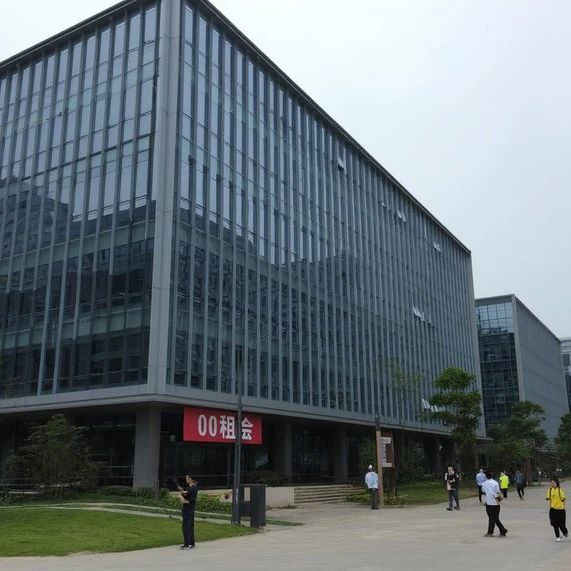
Core Viewpoint - The article discusses the recent trend of "zero rent" industrial parks in China, highlighting the motivations behind this phenomenon, including macroeconomic pressures, policy shifts, and regional competition [4][7][9]. Group 1: Reasons for the Emergence of "Zero Rent" - The rise of "zero rent" industrial parks is attributed to the challenges of economic recovery post-pandemic, where local governments face dual pressures of stabilizing growth and promoting innovation [10][11]. - Policy changes, such as the decline of land finance and the introduction of regulations against unfair competition, have prompted local governments to seek new, compliant support tools [12][13]. - Intense regional competition among major cities like Guangzhou, Shenzhen, and Hangzhou has led to aggressive "zero rent" initiatives to attract high-quality projects and talent [15]. Group 2: New Operational Models - The "zero rent" model is not merely about waiving rent; it signifies a transformation in the operational model of industrial parks, where state-owned enterprises (SOEs) take on roles beyond traditional landlords [17][18]. - SOEs are increasingly acting as both landlords and investors, providing capital support through venture funds and equity investments, thus aligning their interests with the success of tenant companies [20][21]. - The relationship between parks and enterprises is evolving into a partnership model, where the success of the enterprise directly benefits the park [22]. Group 3: Eligibility for "Zero Rent" Benefits - Access to "zero rent" benefits is highly selective, focusing on strategic emerging industries and high-growth potential companies, while traditional and low-value industries are largely excluded [29][30]. - The selection criteria for companies include high-tech firms, "little giants," unicorns, and winners of innovation competitions, ensuring that only the most promising enterprises benefit from these policies [31][33]. Group 4: Economic Assessment - The short-term economic impact of "zero rent" policies is positive, attracting numerous companies and significantly reducing their operational costs, which can lead to job creation and innovation [36][37]. - Long-term, the government aims to recoup lost rental income through increased tax revenue and job creation as these companies grow, with historical examples demonstrating the potential for substantial returns on such investments [39][40]. Group 5: Challenges and Future Outlook - The "zero rent" model faces challenges, including financial sustainability for park operators and the risk of creating "ghost towns" if companies fail to establish a competitive edge [41][42]. - The evolution of this model represents a significant shift in China's industrial policy, moving towards a more integrated approach that combines space, capital, and services to foster innovation ecosystems [44][46].
133岁的“柯达胶卷”,要破产了
虎嗅APP· 2025-08-19 10:00
Core Viewpoint - Eastman Kodak Company, once a leader in the imaging industry, is facing a significant operational crisis due to a $500 million debt due without financing options, leading to a survival warning to investors [5][6][8]. Financial Performance - In Q2, Kodak reported revenues of $263 million, a year-on-year decline of 1%, with gross profit down 12% to $51 million, and a net loss of $26 million compared to a net income of $26 million in the same period last year [8]. - The company has only $155 million in cash and equivalents while facing $500 million in debt maturing within 12 months, raising serious doubts about its ability to continue operations [8]. Debt Crisis - Kodak's current debt crisis is attributed to its long-standing unsuccessful transformation efforts, with a lack of viable financing channels to address the impending debt [9]. - Analysts express pessimism regarding Kodak's ability to refinance or modify its debt, as its credit rating has fallen to junk status, leading to increased financing costs [8][9]. Business Strategy and Transformation - Kodak has struggled with a fluctuating business strategy, attempting to pivot towards specialty chemicals and pharmaceuticals, but lacks experience in generic drug manufacturing [9]. - The company previously attempted to enter the pharmaceutical sector with a $765 million loan from the U.S. government, which was ultimately halted [9]. Historical Context - Kodak's decline can be traced back to its failure to embrace digital technology, despite having developed the first digital camera in 1975, leading to a significant loss of market share to competitors [18][19]. - The company underwent multiple rounds of layoffs and asset sales, culminating in a bankruptcy filing in 2012, with debts of nearly $6.8 billion and assets of only $5.1 billion [19][20]. Current Opportunities - Despite its challenges, Kodak possesses a valuable patent portfolio related to imaging and chemical technologies, which could attract potential buyers [11]. - There has been a slight resurgence in demand for film due to nostalgia, which may provide some financial relief [11].