雷峰网

Search documents
独家 | 石头钱启杰调离全球销售负责人岗位
雷峰网· 2025-06-25 11:47
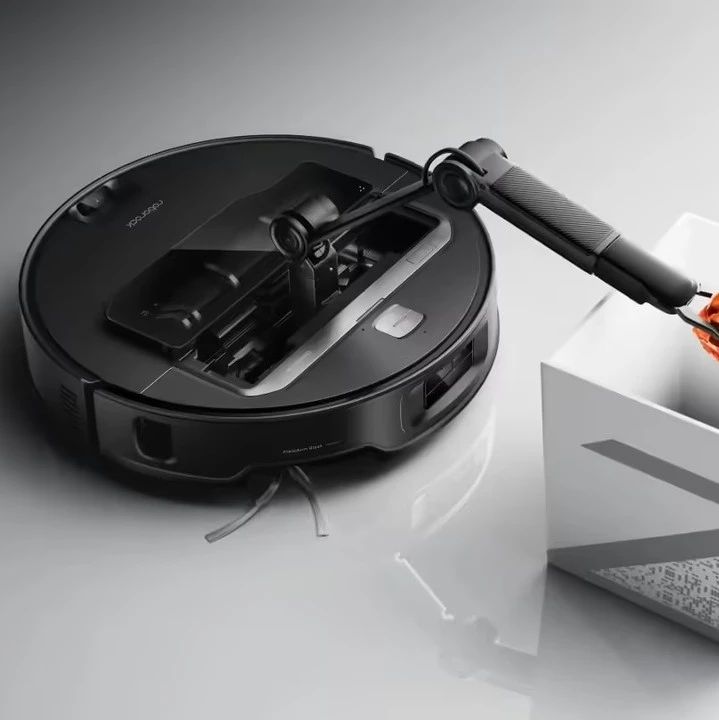
Group 1 - Personnel changes are ongoing within the company, with significant shifts in leadership roles [1][3] - Qian Qijie, previously responsible for global sales, has been reassigned, leaving only one core executive in the global market [2][3] - The company has shifted its marketing strategy, heavily investing in online promotions and expanding offline stores, leading to impressive sales results during the 618 shopping festival, particularly in the floor cleaning machine segment [3] Group 2 - The competitive landscape in the cleaning market has intensified, prompting the company to adapt its strategies [3] - The departure of key personnel, including the former global sales head, raises questions about internal stability and future performance [3]


中国泳池机器人,冲开天花板
雷峰网· 2025-06-25 11:47
Core Viewpoint - The article discusses the rapid rise of Xingmai, a pool cleaning robot company, highlighting its innovative technology, high-end market positioning, and significant funding achievements, which have led to a strong market presence and competitive advantage in the industry [2][19][50]. Group 1: Company Overview - Xingmai has raised over 500 million yuan in funding within two years, attracting investments from prominent firms like Anker and Hillhouse [2][18]. - The company was founded in July 2022 and has quickly established itself in the pool cleaning robot market, achieving a valuation of nearly 2 billion yuan [19]. - Xingmai's flagship product, AquaSense Pro, priced at $2,199, has captured 85% of the high-end market share within six months of launch [19][24]. Group 2: Market Dynamics - The pool cleaning industry has been dominated by international brands for over 20 years, with little innovation until recent years when Chinese tech companies began to enter the market [15][16]. - The shift from traditional low-cost manufacturing to high-end branding and technology innovation marks a new era for Chinese companies in global markets [22][23]. - The competitive landscape is changing, with established players like Dolphin facing challenges due to declining revenues and slower innovation cycles, creating opportunities for new entrants like Xingmai [49][50]. Group 3: Innovation and Technology - Xingmai's products incorporate advanced technologies such as AI visual recognition and sonar laser SLAM, setting them apart from competitors [19][30]. - The company invests heavily in R&D, with 70% of its workforce dedicated to this area and 20% of revenue allocated to research, significantly higher than industry averages [37]. - Xingmai has developed 221 patents and is focused on continuous innovation to maintain its competitive edge in the rapidly evolving market [37][38]. Group 4: Strategic Positioning - Xingmai's strategy involves targeting high-income pool owners who are willing to pay for innovative solutions that offer better performance than traditional cleaning methods [26][33]. - The company has chosen to avoid low-end market competition, instead opting for a high-end positioning that allows for greater profit margins and brand building [24][25]. - By establishing a strong brand presence and focusing on product quality, Xingmai aims to create a differentiated market position that can withstand future competition [29][46]. Group 5: Future Outlook - The article suggests that the competition in the pool cleaning robot market will intensify, with the potential for significant market shifts as new technologies and players emerge [51][52]. - Xingmai's approach to building a robust organizational structure and maintaining a balance between innovation and operational efficiency positions it well for future growth [45][46]. - The ongoing evolution of the market indicates that while Xingmai has made significant strides, the journey is just beginning, and the ultimate winners will be those who can adapt and innovate continuously [47][52].

优选「刹车」,美团集中火力攻即时零售
雷峰网· 2025-06-25 00:29
Core Viewpoint - Meituan has decided to accelerate the expansion of its Xiaoxiang Supermarket to all first- and second-tier cities, one year earlier than industry expectations, following a strategic adjustment in its community group buying business, Meituan Youxuan [1][6]. Group 1: Business Adjustment - On June 23, Meituan announced a comprehensive adjustment to its Meituan Youxuan business, pausing services in multiple provinces while retaining operations in select cities such as Huizhou, Dongguan, and Hangzhou [1][3]. - The internal email from Meituan indicated that there would be no layoffs, and the personnel from Youxuan would be reassigned to the "Fast Buy" system and Xiaoxiang Supermarket [3][4]. - Prior to the adjustment, Meituan Youxuan had a team of approximately 10,000 employees, down from a peak of over 20,000 [3][4]. Group 2: Financial Performance - The strategic shift aims to reduce losses, with Meituan Youxuan's quarterly operating loss decreasing to just over 1 billion yuan [3][4]. - Investors have shown support for the decision, emphasizing the importance of focusing on profitable business segments [4][6]. Group 3: Xiaoxiang Supermarket Expansion - Xiaoxiang Supermarket is set to cover all first- and second-tier cities, with nearly 1,000 front warehouses currently in operation [6][7]. - As of June 24, Xiaoxiang Supermarket has expanded to 21 cities, with plans to cover all coastal cities and high-quality new first-tier cities like Chongqing and Chengdu [6][7]. - The average daily order volume per warehouse is stable at around 3,000 orders, with larger warehouses reaching up to 6,000 orders [6][7]. Group 4: Product Strategy - Xiaoxiang Supermarket aims to enhance consumer engagement by diversifying product offerings, particularly increasing the proportion of seafood and frozen products due to their higher repurchase rates [7][8]. - The projected sales of agricultural products for Xiaoxiang Supermarket this year are expected to exceed 20 billion yuan [7][8]. Group 5: Market Positioning - Meituan's focus on Xiaoxiang Supermarket and Meituan Flash Purchase aligns with its core business strengths, providing a competitive edge in the ongoing food delivery market [6][7]. - Investors are willing to tolerate some losses during the expansion phase, as long as there is a clear growth trajectory for Xiaoxiang Supermarket [7][8].
泡泡玛特疑进军家电行业,正招聘相关人才;雷军否认YU7是拉高版SU7,90%零部件重新开发;马云现身饿了么工区,吴泳铭陪同
雷峰网· 2025-06-25 00:29
Key Points - Lei Jun stated that the Xiaomi YU7 is not just a high-end version of the SU7, with 90% of its components newly developed [4] - Xiaomi YU7's user interest is three times that of SU7 during the same period [4] - Pop Mart is reportedly entering the home appliance industry, actively recruiting talent for various positions [7] - Apple has launched a national subsidy program for specific products, offering up to 2000 yuan in discounts [12][13] - Wang Huixing has been officially promoted to Vice President of Tencent, overseeing multiple cloud product departments [14] - NIO has introduced a Battery as a Service (BaaS) rental service for its Firefly model, significantly reducing purchase costs [24][25] - DeepSeek has faced criticism for misinformation and has promised compensation that has not been fulfilled [24] - Nvidia's CEO Jensen Huang has initiated a stock sell-off plan, potentially cashing out nearly $900 million this year [32] - Siemens' CTO expressed intentions to allocate one-third of the IT budget to DeepSeek next year, highlighting its potential [38]





淘宝闪购日订单破6000万,背后是中国消费万亿增量空间
雷峰网· 2025-06-24 12:55
Core Viewpoint - Alibaba is transitioning from an e-commerce platform to a comprehensive consumer platform, leveraging the rapid growth of Taobao Flash Sales and the integration of Ele.me and Fliggy to enhance consumer experience and drive new consumption growth [2][3][17]. Group 1: Market Dynamics - Taobao Flash Sales has seen a significant increase in daily orders, surpassing 60 million, with retail orders growing by 179% year-on-year, indicating strong consumer demand for a comprehensive consumption platform [2][5]. - The integration of Ele.me and Fliggy into Alibaba's China e-commerce group is a strategic move to enhance business synergy and meet evolving consumer needs [13][15]. - The Chinese instant retail market is projected to grow from 650 billion in 2023 to over 2 trillion by 2030, highlighting the untapped potential in consumer demand [5][7]. Group 2: Consumer Behavior - Younger consumers, particularly those aged 35 and below, represent 72% of instant retail users, indicating a shift towards convenience and immediate satisfaction in shopping habits [12]. - The demand for instant retail is driving brands to focus on this segment, with significant sales increases observed during promotional events like the "618" shopping festival [16]. Group 3: Business Integration and Synergy - The merger of Ele.me and Fliggy into Alibaba's ecosystem allows for a seamless consumer experience, enabling users to manage travel and dining needs within a single platform [15][16]. - Brands are increasingly leveraging instant retail to enhance their market presence, with notable sales growth in various sectors, including 3C electronics and fast-moving consumer goods [16][17]. - The integration is expected to lower operational costs for merchants through unified platform management and data sharing, enhancing overall efficiency [16].

独家丨王慧星正式晋升成为腾讯副总裁
雷峰网· 2025-06-24 12:55
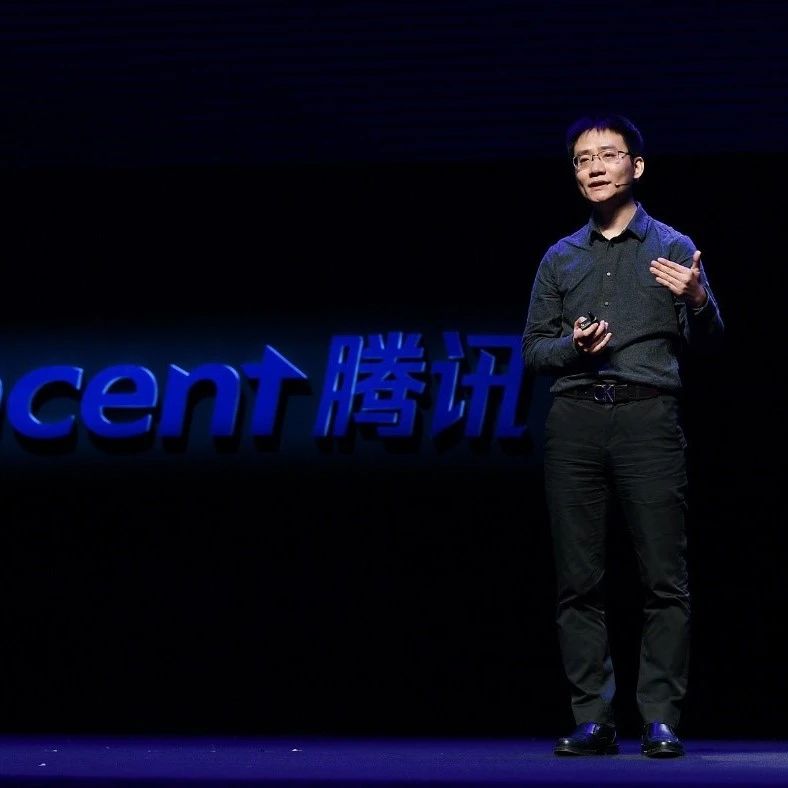
Core Viewpoint - Tencent has officially announced the promotion of Wang Huixing to Vice President, overseeing multiple departments within Tencent Cloud, marking a significant leadership change within the company [2]. Group 1: Promotion Details - Wang Huixing has been promoted to Vice President of Tencent, responsible for Tencent Cloud's Product Division 2, Product Division 4, Technical Support Division, Cloud Operations Service Division, and Cloud Security, with a dotted line management of Product Division 1 [2]. - Wang Huixing has been with Tencent since 2004 and has played a crucial role in the development of key products and infrastructure, contributing to Tencent's dominance in the social media space [2]. Group 2: Contributions and Achievements - Wang was instrumental in the early technical architecture of Tencent's major platforms like QQ and QQ Space, which helped establish Tencent's leading position in social networking [2]. - He has led the development of Tencent Cloud's core product system from the ground up, continuously optimizing product performance and creating industry-leading products such as TDSQL and TRTC [2].

摩尔线程、沐曦完成上市辅导,国产AI芯片进入决赛阶段
雷峰网· 2025-06-24 08:51
Core Viewpoint - The valuation of domestic AI chip companies preparing for IPOs is significantly lower than that of established companies like Cambrian, leading to a complex pricing negotiation process for their upcoming listings [5][6]. Group 1: IPO Progress of AI Chip Companies - Recent updates indicate that companies like Moore Threads and Muxi Integrated Circuit are nearing their IPOs, with expectations of listing within six months after completing their counseling [2][3]. - The valuation of Moore Threads is approximately 25.5 billion, while other companies are valued over 20 billion, highlighting the high valuations in the primary market [4]. Group 2: Challenges in the IPO Process - Multiple rounds of financing have complicated the IPO counseling process for these companies, as they need to manage extensive shareholder verification [5]. - The expected timeline for Muxi Integrated Circuit to submit its IPO application is the second quarter of 2025 [5]. Group 3: Market Dynamics and Valuation - Cambrian's market cap has fluctuated, reaching a peak of over 340 billion but recently dropping to 237.1 billion, illustrating the volatility in the AI chip sector [5]. - The significant valuation gap between Cambrian and the upcoming AI chip companies (10 times higher) indicates a challenging pricing environment for new listings [5][6]. Group 4: Revenue and Profitability Challenges - Most domestic AI chip companies have not yet achieved profitability, with projected revenues ranging from several million to tens of millions in 2024 [6]. - The performance gap between domestic AI chips and leading competitors like NVIDIA poses a challenge for market acceptance and revenue generation [6][8]. Group 5: Manufacturing and Technological Hurdles - Domestic AI chip companies face challenges in advanced manufacturing due to U.S. restrictions, impacting their ability to produce high-performance chips [8]. - Despite these challenges, there is optimism that stricter U.S. regulations may drive demand for domestic chips, as companies seek alternatives [9]. Group 6: Competitive Landscape - Companies like Kunlun and Suiyuan Technology are emerging as significant competitors in the domestic AI chip market, with notable revenue figures and ongoing IPO discussions [9]. - The competitive landscape is expected to intensify as several companies approach their IPOs, with not all being able to succeed in the market [9].

算力产业情报大览:大厂算力项目验收存在「潜规则」;明星AI公司大量囤卡后卖卡回血;万卡集群项目「烂尾」;
雷峰网· 2025-06-24 08:51
Group 1 - The core viewpoint of the articles highlights the challenges and dynamics within the computing power rental market, including the influence of relationships on project acceptance and the pricing strategies of major tech companies [1][2][12]. - Major tech companies are leveraging their market position to negotiate lower prices for computing power, often below market rates, which can lead to financial strain for rental companies [2][12]. - The acceptance process for computing power projects is often influenced by the relationships between the parties involved, leading to disparities in project timelines and financial impacts [1][2]. Group 2 - The release of the draft for the National Integrated Computing Power Network outlines technical requirements and aims to improve resource utilization and balanced development across regions [3][4]. - The construction of large-scale computing power centers faces significant challenges, including high requirements for green energy and the need for strong justifications for projects outside major nodes [5][13]. - The competition for resources and pricing in the computing power market is intense, with various stakeholders vying for the best deals, leading to fluctuating prices and project delays [12][13]. Group 3 - A major AI company in Shanghai has accumulated a significant amount of computing resources, indicating a strong position in the domestic intelligent computing sector [6]. - Reports suggest that some companies are facing operational challenges, leading to the sale of computing hardware resources to manage financial pressures [7]. - A project initiated by Alibaba in Dongguan is currently stalled, highlighting the complexities and risks associated with large-scale computing power deployments [8]. Group 4 - The market for specific computing hardware, such as the H20 and H200 models, has seen price volatility due to external factors, including export restrictions, affecting demand and project planning [9][10]. - Some large-scale computing projects are facing issues with compliance and resource allocation, as evidenced by a project in a central region that is reportedly selling computing resources against initial agreements [11]. - The introduction of computing power vouchers as a subsidy mechanism is reshaping market dynamics, often benefiting the consuming parties more than the providers [15].

字节大模型高管被开除,牵涉未申报关系,扣罚全部年终奖;阿里大调整!饿了么、飞猪加入阿里中国电商事业群;小米雷军:没有计划造油车
雷峰网· 2025-06-24 00:31
Group 1 - Alibaba is transitioning to a major consumer platform by integrating Ele.me and Fliggy into its China e-commerce business group, aiming to enhance user experience and optimize business models [4] - ByteDance's Seed language model head was dismissed due to a serious violation involving undisclosed personal relationships, potentially jeopardizing his significant salary and stock options [6][7] - Galaxy General Robotics secured a record RMB 1.1 billion financing round, marking the largest single financing in the humanoid robot sector to date [8] - Changan Automobile Group has officially changed its name to Chanzhi Automobile Technology Group, indicating a new central enterprise [10] - Xiaomi's first SUV, the YU7, is set to launch on June 26, with a focus on high performance and advanced features [12][11] Group 2 - Wolkspeed, a US semiconductor manufacturer, plans to file for bankruptcy restructuring, reducing its $6.5 billion debt by 70% [29][30] - Tesla launched its Robotaxi service in Austin, Texas, utilizing updated Model Y vehicles for autonomous rides [24] - Haier's Robotaxi business has completed over RMB 3 billion in financing, with strategic investments from Ant Group and CATL [18] - Long-term restructuring at Changan Automobile includes the integration of its software development team into other departments to enhance efficiency [21] - Deli Stationery has entered the new energy sector with the launch of its first home charging station [22]






理解百度地图,就能理解百度这二十年的所有选择
雷峰网· 2025-06-23 11:11
Core Viewpoint - The article discusses the evolution of Baidu Maps over the past two decades, highlighting its strategic shifts, technological advancements, and the challenges it faced in maintaining market leadership in the competitive landscape of mapping services. Group 1: Historical Development - Baidu Maps was launched in 2005, initially as a simple interface leveraging Mapbar's API, responding to over 8% of search requests related to maps [6][8] - The product underwent significant transformation in 2009 with a fully self-developed version, quickly gaining millions of daily active users [9] - By 2013, Baidu Maps had become a leading application with over 200 million users and a market share of 70%, largely due to its aggressive O2O strategy [27] Group 2: Strategic Shifts - Baidu Maps' strategy evolved from being a search traffic beneficiary to attempting to become an O2O service platform, integrating various services like ride-hailing and hotel bookings [20][21] - The transition to a more complex service model led to operational challenges, with users primarily utilizing the app for navigation rather than O2O services [28] - The competitive landscape shifted as competitors like Amap (Gaode) focused on enhancing user experience while Baidu struggled with app bloat and user retention [28][32] Group 3: Technological Innovations - Baidu Maps introduced real-time traffic features and advanced algorithms to improve navigation accuracy, setting industry standards [34] - The launch of the V20 version marked a significant technological advancement, integrating AI and enhancing user interaction through natural language processing [60][61] - The company also pursued internationalization by acquiring HERE Technologies' data to support users abroad, particularly as Chinese brands expanded globally [36] Group 4: Financial Performance and Challenges - Despite technological advancements, Baidu Maps faced financial difficulties, with annual revenues in the single-digit billion range and significant losses due to high operational costs [42] - The lack of a robust user account system hindered Baidu Maps' ability to create a comprehensive ecosystem, limiting its competitive edge against rivals like Amap [44][45] - The strategic misalignment and high marketing costs contributed to a decline in market share, prompting a reevaluation of the business model [43][46] Group 5: Future Directions - The current leadership under Shang Guobin aims to integrate various mapping services within Baidu's broader AI and autonomous driving initiatives, reflecting a shift towards a more data-centric approach [59][60] - The focus on high-precision maps and vehicle navigation systems indicates a strategic pivot towards supporting the autonomous driving sector, which is seen as a key growth area for Baidu [53][56] - The article concludes with a reflection on the enduring significance of mapping technology within Baidu's ecosystem, emphasizing its role in both consumer applications and foundational technology for future innovations [63]