经济观察报

Search documents
产业领军者 | 对话Veeva研发与质量业务亚太总经理Chris Shim:中国创新药企的全球化路径
经济观察报· 2025-10-09 10:41
洞察变化的商业世界 造机器人:一场"谁都能干"的"全 专访黄勇:行业"反内卷"需规避垄断风险 7 (0) 1/25 优质内容每日放送 扫码加入经观社群 [长按二维码加入] 深度 / 广度 / 锐度 / 悦度 信 扫 经观APP 下 载 经 观 A P P f G 2025年对于中国创新药行业来说是很特殊的一年,今年有多 笔重磅BD交易落地,催生了创新药的新一轮牛市。同时我国 在研新药的数量也已经跃居了全球第二位,这说明中国创新药 正在从跟跑者向领跑者转变。本期《产业领军者》我们有幸邀 请到Veeva研发与质量业务亚太总经理Chris Shim先生,我 们将一同探寻中国创新药行业的发展机遇与未来方向。 "> 数据来源:Veeva中国 经济观察报 封图:图片资料室 e 推荐阅读 ...



网下询价超374倍,华夏中海商业REIT创市场新高
经济观察报· 2025-10-09 10:41
Group 1 - The core viewpoint of the article emphasizes the growing importance of consumption as the primary driver of economic growth, highlighting the role of consumption REITs in providing stable cash dividends and asset appreciation opportunities for investors [1][4]. - The announcement of the 华夏中海商业 REIT (Fund Code: 180607) indicates a public offering scheduled from October 13 to October 14, 2025, with a total fundraising target of 1.5843 billion yuan and a public offering price of 5.281 yuan per share [2]. - The underlying asset of 华夏中海商业 REIT, 佛山映月湖环宇城, is positioned in a key area of the Guangdong-Hong Kong-Macao Greater Bay Area, showcasing significant location advantages as a major shopping center [2][4]. Group 2 - The strong interest in 华夏中海商业 REIT is attributed to its high-quality underlying assets and the expertise of its management team, which has 46 years of experience in real estate development and property management [3][4]. - The collaboration between 信证券 and 华夏基金, both of which have extensive experience in managing consumption REITs, is expected to support the stable operation and growth of 华夏中海商业 REIT [4]. - In the first half of 2025, consumption REITs outperformed other mainstream asset classes such as stocks and bonds, indicating their significant market attention and the effective connection between consumption growth and capital returns [4].

老年人旅游不贪便宜了
经济观察报· 2025-10-08 07:03
Core Viewpoint - The article highlights the transformation of the elderly travel market, showcasing a shift from budget-focused travel to a preference for high-quality experiences among the new generation of retirees [2][4][5]. Group 1: Market Trends - During the National Day holiday, there was a significant increase in travel among the elderly, with Ctrip reporting over a 22% growth in travel orders for the silver-haired demographic in 2024 compared to 2023 [2]. - The age group of 61-65 years showed the highest growth rate at 58% year-on-year, indicating a robust demand for travel experiences among this segment [2]. - The elderly population in China has reached 310 million, marking a shift towards a more mature travel market that is becoming a new blue ocean for cultural and tourism consumption [2][7]. Group 2: Changing Consumer Behavior - The motivations for elderly travel have evolved, with a focus on social interaction, self-fulfillment, and health and wellness, rather than merely sightseeing [5][6]. - Elderly travelers are increasingly willing to pay for better experiences, prioritizing quality over cost [5][7]. - The preference for slower-paced, immersive travel experiences is becoming mainstream, with many elderly tourists rejecting rushed itineraries [6][7]. Group 3: Product Development and Services - Travel companies are responding to the growing silver-haired market by developing tailored products, such as Ctrip's "Old Friends Club" and cultural travel experiences from other agencies [13]. - There is a trend towards personalized travel itineraries that cater to the specific needs of elderly travelers, moving away from standardized offerings [13]. - The importance of emotional support and companionship during travel is increasingly recognized, with a focus on enhancing the overall travel experience [13][10]. Group 4: Infrastructure and Accessibility - The article discusses the need for improved accessibility in tourist destinations, with examples of successful adaptations such as mountain elevators and supportive infrastructure in scenic areas [9]. - Travel companies are also adapting their services to include medical support and comfortable transportation options for elderly travelers [10][11].

“反内卷”,从修复家庭账本开始
经济观察报· 2025-10-08 07:03
Core Viewpoint - The article emphasizes the need for income distribution reform and welfare system construction to alleviate household financial risks, thereby stimulating real consumption and investment willingness as a fundamental path for economic growth [4][6][24]. Group 1: Economic Challenges and Reforms - The concept of "anti-involution" signifies a restructuring attempt of institutional design and social ecology, addressing issues like low-level competition and unfair practices [4][6]. - Current economic challenges in China include low consumer willingness and insufficient investment motivation, necessitating a focus on household financial stability and risk resilience [5][6][12]. - The historical reliance on export-driven growth has suppressed wage and consumption growth, leading to a conservative consumption trend and limited domestic demand [7][11][24]. Group 2: Historical Context and Economic Development - The analysis framework includes three historical long cycles: globalization, hegemonic shifts, and technological revolutions, which collectively influence economic dynamics [7][8]. - China's reform and opening-up coincided with a global shift from protectionism to market forces, allowing it to integrate into the global production system and achieve rapid growth [8][9]. - The export-oriented growth model has led to wage suppression and inadequate social security, creating structural liabilities that are now evident in the face of external shocks [11][12]. Group 3: The Role of Welfare State - Establishing a welfare state is crucial for addressing the challenges posed by the technological revolution, particularly the impact of artificial intelligence on labor distribution [17][24]. - The welfare state aims to reduce the risk burden on residents, encouraging consumption and fostering a robust domestic market [24][25]. - Without a welfare state, sustaining consumer spending becomes difficult, which in turn affects the strength of the domestic market and China's position in international economic governance [25]. Group 4: Real Estate and Economic Growth - The relationship between real estate and economic growth is undergoing a transformation, with diminishing returns on investment in the real estate sector [18][19]. - The current economic environment necessitates a reevaluation of resource allocation, particularly in light of the limited fiscal space and rising local government debt [20][21]. - The shift away from real estate as a primary growth driver could allow for more strategic investments in emerging industries, enhancing overall economic resilience [19][20]. Group 5: Regional Disparities and Open Market - Addressing regional disparities is essential for further opening up the market and achieving common prosperity, as balanced regional development supports higher levels of external engagement [21][22]. - The article suggests that fostering investment in underdeveloped regions through new special economic zones could effectively address wealth distribution issues [22][23]. - The dual focus on internal circulation and market openness is vital for navigating the complexities of the current global economic landscape [23][24].

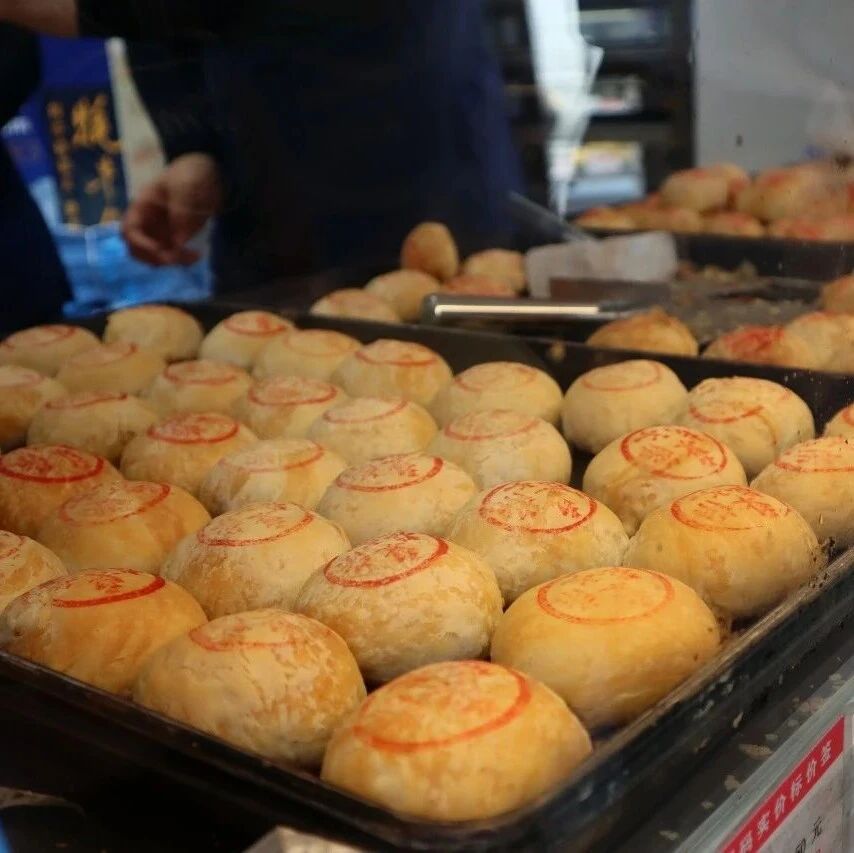
上海中秋的鲜肉月饼 | 十月行记
经济观察报· 2025-10-08 07:03
Core Viewpoint - The article emphasizes the cultural significance and consumer preference for fresh meat mooncakes in Shanghai, highlighting that they are more about substance than appearance, reflecting the practical consumption habits of Shanghai residents [1][5]. Group 1: Cultural Significance - Fresh meat mooncakes are a staple for Shanghai families, preferred for their taste and freshness rather than their packaging [1][4]. - The aroma of fresh meat mooncakes signifies the arrival of the Mid-Autumn Festival in Shanghai, contrasting with the sweeter varieties found in other regions [3][4]. Group 2: Historical Background - The origins of fresh meat mooncakes are debated, with claims linking them to the Gaoqiao sponge cake and various local shops in Shanghai, such as the famous "Yuelai Fang" established in 1926 [6][7]. Group 3: Preparation and Quality - The preparation of fresh meat mooncakes involves a meticulous process to achieve a flaky crust, with preferences varying between traditional charcoal baking and modern oven methods [8]. - A well-made fresh meat mooncake is characterized by a balance of flavors and textures, with a focus on the quality of the meat filling and the pastry [8]. Group 4: Consumer Behavior - Long queues at popular shops like Guangmingcun during the Mid-Autumn Festival illustrate the high demand and cultural importance of fresh meat mooncakes among locals [8]. - The article notes that both locals and tourists seek out these mooncakes, indicating their status as a culinary highlight of the season [9].
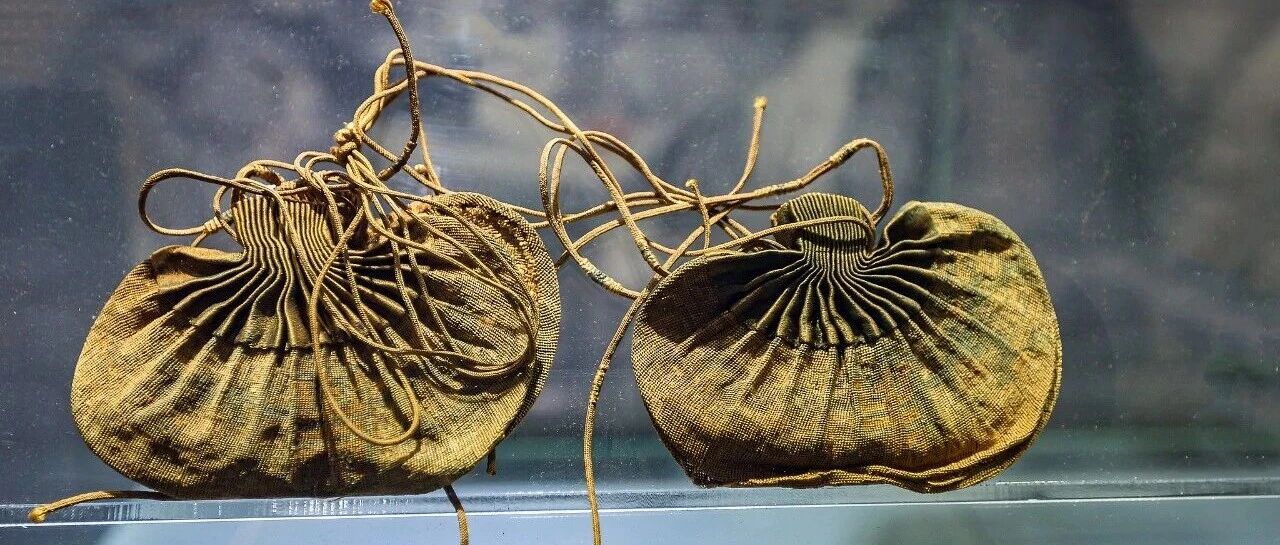
在白沟,这里有北方商埠的流量密码|十月行记
经济观察报· 2025-10-08 04:20
Core Viewpoint - The article highlights the transformation of Baigou from a traditional trading hub to a global e-commerce powerhouse, emphasizing its significant growth in the bag industry and the integration of digital commerce into its business model [31][32]. Group 1: Historical Context and Evolution - Baigou, located in the northern part of Xiong'an New Area, has a rich history as a significant trading port, dating back to the Song and Liao dynasties, which laid the foundation for its commercial culture [5][9]. - The local bag industry began in the 1980s with street vendors, evolving from small-scale operations to a modern industrial base, now producing nearly 50 billion yuan in annual output [12][13]. Group 2: Current Industry Landscape - Baigou is now one of China's largest bag production and sales bases, with over 40,000 e-commerce entities and nearly 80,000 employees, showcasing a complete industrial chain [13][7]. - The town handles an average of 1.2 million express deliveries daily, reflecting its transition from a traditional market to a digital trade hub [7]. Group 3: E-commerce and Digital Transformation - The rise of e-commerce has significantly impacted Baigou, with local businesses adapting to online sales through platforms like live streaming and social media, marking a shift from traditional sales methods [15][16]. - Baigou's e-commerce ecosystem has developed a complete closed loop, including associations for e-commerce and live streaming, fostering a collaborative environment for businesses [17]. Group 4: Cross-border E-commerce Growth - Cross-border e-commerce has emerged as a new growth point for Baigou, with exports reaching 199 countries and regions, supported by the establishment of a cross-border e-commerce industrial park [19][20]. - The local government is actively promoting e-commerce development through financial support and training programs, facilitating the transition of traditional merchants to digital platforms [21][22]. Group 5: Future Development and Infrastructure - Baigou is undergoing a transformation into a comprehensive consumption experience center, integrating various business functions and enhancing its appeal as a tourist destination [24][26]. - Infrastructure improvements, such as the upcoming R1 line rapid transit, will further integrate Baigou into the Beijing-Tianjin-Hebei economic region, enhancing its logistical capabilities [30].
来到北方水乡,我错觉自己在江南|十月行记
经济观察报· 2025-10-08 03:48
历史上,这里曾是碧波千顷的东淀,宋辽时期便是边关贸易的"水陆码头"。北宋文人苏洵(苏轼之 父)在此为官时,不仅引入了南方的水稻莲藕,更带来了江南的营城理念与生活美学。清代,胜芳 凭借漕运之利跻身"直隶六大名镇",赢得了"南有苏杭,北有胜芳"的盛誉。 位于北京、天津、雄安三角地带的霸州,自古便是通衢要冲, 但它的底色,远不止于干戈与车马。置身于霸州胜芳古镇,会 颠覆你对北方的固有想象。霸州的基因里,镌刻着北方的雄 浑。历史上,北宋文人苏洵(苏轼之父)在此为官时,不仅引 入了南方的水稻莲藕,更带来了江南的营城理念与生活美学。 作者: 王雅洁 封图:东方IC 穿行在胜芳古镇的窄巷里,空气中弥漫着河水的湿润与老槐树的清香,橹声欸乃,若不是耳边传来 的地道冀中乡音一再提醒,恍惚之间,会让人恍然置身于江南某个水乡古镇。 从北京出发,沿京德高速一路向南,车窗外的景致从峻峭的森林渐次变为平旷的田野。不过一小时 车程,当"霸州"的路牌映入眼帘时,一种与北方干燥气息迥异的湿润感便悄然袭来。 位于北京、天津、雄安三角地带的霸州,自古便是通衢要冲,但它的底色,远不止于干戈与车马。 置身于霸州胜芳古镇,会颠覆你对北方的固有想象。 这里 ...

金价上涨的秘密:美元主导的世界货币格局正在巨变
经济观察报· 2025-10-07 07:30
Core Viewpoint - The recent surge in gold prices, reaching $4000 per ounce, reflects not only rising risk aversion but also a response to shifts in the global monetary order, particularly in the context of the Federal Reserve's interest rate cuts and a weakening dollar [2][5]. Group 1: Gold Market Dynamics - Gold prices have increased over 50% this year, driven by factors such as central banks accumulating gold reserves and private sectors actively investing in gold assets [2]. - The historical peak in gold prices coincides with a technical government shutdown in the U.S. and an uncertain global economic outlook, highlighting a blend of market risk appetite and instinct for safety [2]. Group 2: Renminbi Internationalization - The internationalization of the Renminbi (RMB) is currently in a phase of "spiral ascent" but faces structural challenges, despite China's growing economic influence [4]. - In Q1 2025, the RMB accounted for 2.12% of global foreign reserves, ranking sixth, significantly lower than the U.S. dollar's 57.74% [3]. Group 3: Market Adoption of Renminbi - A notable shift occurred in Q2 2024, where RMB cross-border transaction settlements surpassed those in USD for the first time, indicating a growing preference for RMB among enterprises [5]. - Surveys show that 68% of companies used RMB for cross-border trade settlements in Q4 2024, with 71% citing "asset safety" as the primary reason for this choice [5]. Group 4: Infrastructure and Policy Developments - The establishment of the Digital Renminbi International Operation Center and the upcoming 10th anniversary of the Cross-Border Interbank Payment System (CIPS) signify a shift towards a transaction-driven RMB infrastructure [12][16]. - The People's Bank of China is focused on enhancing the global cross-border payment system, promoting the principles of "no loss, compliance, and interoperability" for digital currency [15]. Group 5: Future Challenges and Strategies - Over 60% of enterprises perceive the complexity of cross-border RMB policies as a significant barrier, indicating a need for simplification and optimization of capital flow processes [20]. - To enhance RMB internationalization, strategies should focus on improving liquidity, developing onshore derivative markets for risk hedging, and creating tailored financial products for enterprises [20]. Group 6: Broader Implications - The ongoing structural changes in the global monetary environment are reflected in the increasing use of RMB and the historical highs in gold prices, suggesting a potential shift away from dollar dominance [21][22]. - The RMB's evolution from a policy-driven currency to one that gains market acceptance through transaction experiences is crucial for its future credibility and stability [17][24].

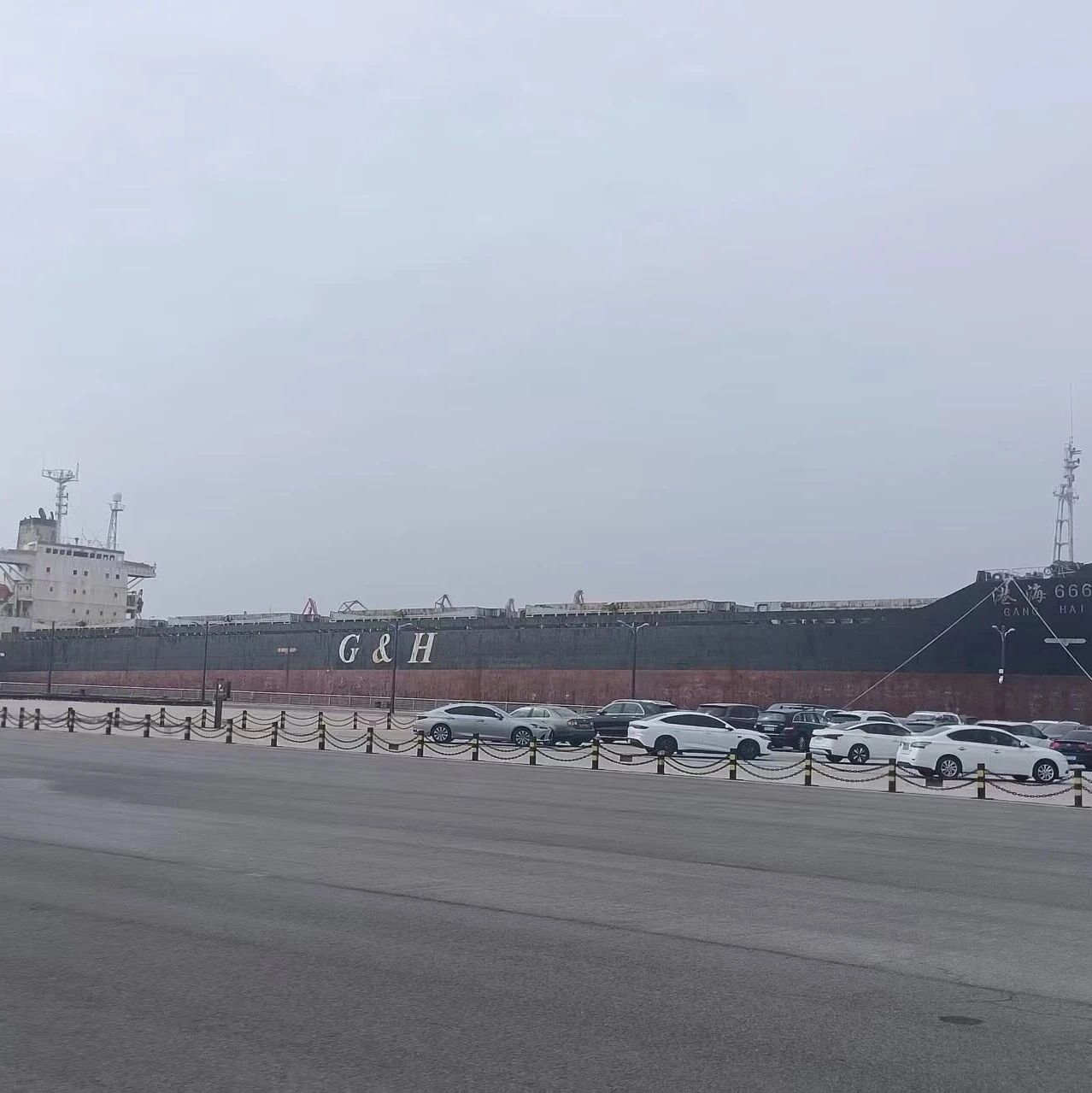
秦皇岛港蝶变|十月行记
经济观察报· 2025-10-07 07:30
Core Viewpoint - The article discusses the transformation of Qinhuangdao from a coal transportation hub to a tourism destination, highlighting the development of the Port Industrial Tourism Area and its impact on local tourism and economy [5][12][22]. Group 1: Historical Context and Development - Qinhuangdao Port was established in 1898 and became a significant coal transportation hub due to its strategic location and proximity to major coal mines [6][7]. - The port has historically been a key player in coal transportation, being the first in the world to output over 200 million tons of coal annually by 2007, accounting for over 40% of the total coastal coal output in China [7]. - The city has evolved from a small fishing village to a major urban center, largely due to the development of the port and its associated rail infrastructure [8][9]. Group 2: Current Operations and Challenges - Qinhuangdao Port has faced challenges in coal transportation, with a decline in coal throughput expected in 2023 and 2024 due to competition from imported coal and the rise of renewable energy [12]. - The port's coal throughput was reported at 2.08 billion tons in 2024, with a total cargo throughput of 4.14 billion tons across its facilities [4][12]. - The local economy heavily relies on the port for employment, raising concerns about the economic impact of any potential closure or significant operational changes [12]. Group 3: Transition to Tourism - The Port Industrial Tourism Area has been developed to repurpose industrial sites into tourist attractions, featuring elements like the "Railway Flower Sea" and various recreational facilities [15][18]. - The area aims to connect various tourist spots along the coast, enhancing the overall visitor experience and promoting local tourism [22]. - The transformation includes the establishment of a sailing base and event spaces, indicating a shift towards a more diversified economic model [18][21].
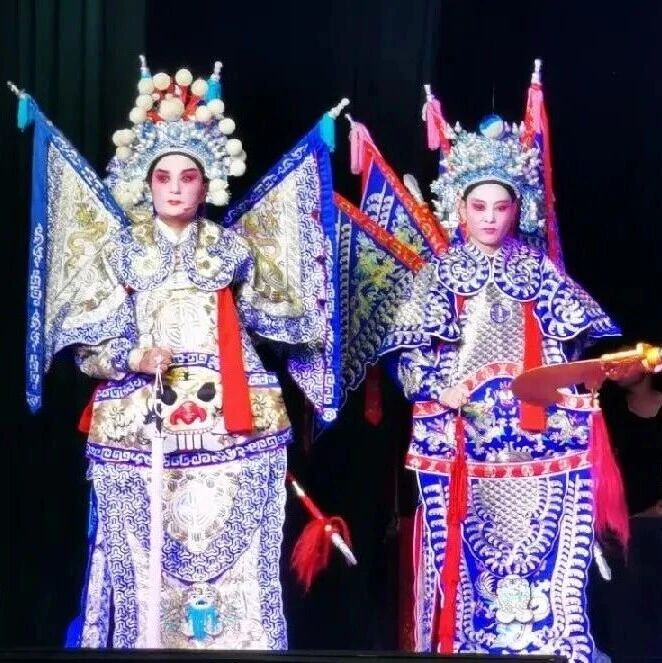
四天四夜同台斗戏,流传五百年的婺剧也疯狂
经济观察报· 2025-10-07 07:30
Core Viewpoint - The article reflects on the cultural significance and personal memories associated with the local opera, specifically the Wuju opera in the Jinhua region, highlighting its historical roots and contemporary relevance in rural entertainment [2][15]. Group 1: Historical Context - Wuju opera, originating from the Ming Dynasty, has a history of over 500 years and is considered a "living fossil" of Southern opera, combining various vocal styles [15]. - The tradition of watching opera in rural areas has been passed down through generations, with performances often announced through word of mouth and now via social media platforms [3][4]. Group 2: Cultural Practices - The practice of "Dou Tai," where two opera troupes perform simultaneously, is a popular form of entertainment in the region, attracting large audiences from surrounding areas [2][4]. - The article describes the lively atmosphere during performances, including the presence of food vendors and the communal experience of watching opera in less-than-ideal sanitary conditions [8][9][10]. Group 3: Economic Aspects - The cost of hiring a Wuju troupe for performances can be significant, with estimates for a four-day event reaching around 200,000 yuan, indicating a competitive local entertainment market [16]. - The popularity of Wuju opera in Jinhua is attributed to the region's economic development, where local entrepreneurs often sponsor performances as a means of social prestige [16]. Group 4: Modern Adaptations - Contemporary Wuju performances have incorporated modern elements such as electronic subtitles and enhanced stage effects, making them more accessible to a wider audience [15]. - The article notes that Wuju opera has expanded beyond rural settings, finding its place in urban theaters, thus broadening its audience base [16].