BYD(002594)

Search documents
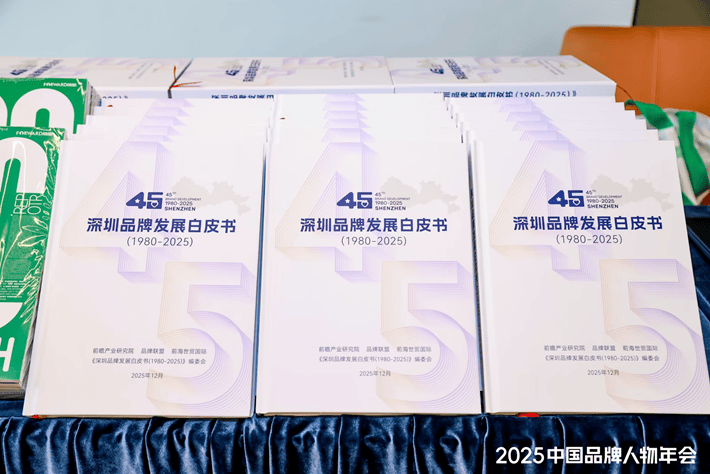
40万字重磅品牌白皮书发布:深圳45年的超级进化论
Sou Hu Cai Jing· 2025-12-31 06:11
Core Insights - Shenzhen has produced a number of globally impactful companies, showcasing a shift from "Made in China" to "Created in China" [2] - The 45th anniversary of Shenzhen Special Economic Zone marks a significant milestone in its rapid modernization and brand development [2][3] - The "Shenzhen Brand Development White Paper (1980-2025)" outlines the evolution of Shenzhen's brands and their internal logic and success factors [3][5] Group 1: Brand Evolution - Shenzhen's brand journey reflects a transition from manufacturing to innovation, with key phases including the emergence of local brands in the 1980s and 1990s, and the rise of autonomous brands in the early 2000s [7][10] - The current phase is characterized by cluster upgrades, with companies like Tencent, BYD, and DJI leading in various sectors [8][10] - As of now, Shenzhen has cultivated 1,220 notable local brands, including 13 billion-level brands and 7 trillion-level brands, with Tencent, Ping An, and Huawei each exceeding a brand value of 490 billion [10][11] Group 2: Economic Contributions - The 1,220 notable brands contribute 47.97% of the city's sales, 42.05% of tax revenue, and 32.87% of exports, serving as the backbone of Shenzhen's high-quality economic development [11] - These brands span critical sectors such as electronics, renewable energy, biomedicine, high-end equipment, financial services, and digital economy, forming a robust industrial structure [11] Group 3: Brand Development Factors - Shenzhen's brand success is attributed to a unique ecosystem supported by policy innovation, technological advancement, and collaborative industrial frameworks [15][16][19] - The government has played a crucial role in creating a conducive environment for brand growth through targeted policies and regulatory frameworks [16] - Innovation drives brand competitiveness, with companies investing over 10% of their annual revenue in R&D, fostering a comprehensive innovation ecosystem [17] Group 4: Global Expansion and Responsibility - Shenzhen brands have established clear pathways for international expansion, evolving from processing trade to localized operations and global standardization [20] - Social responsibility is ingrained in the corporate strategy, enhancing brand value and sustainability through practices like tax compliance and community support [21] Group 5: Future Outlook - The release of the white paper is a significant step in documenting Shenzhen's brand journey and providing strategic guidance for future brand development [31] - Shenzhen's brands are expected to continue thriving in emerging sectors like digital and low-altitude economies, contributing to the global narrative of Chinese brands [33][34]




汽车延续两新补贴,利好中高端车
HTSC· 2025-12-31 05:38
证券研究报告 汽车 汽车延续两新补贴,利好中高端车 华泰研究 2025 年 12 月 31 日│中国内地 动态点评 SAC No. S0570525020001 wanglixian@htsc.com +(86) 755 8249 2388 张高栋* 联系人 SAC No. S0570124120007 zhanggaodong@htsc.com +(86) 10 6321 1166 行业走势图 (5) 5 14 24 33 Jan-25 May-25 Sep-25 Dec-25 (%) 汽车 沪深300 资料来源:Wind,华泰研究 重点推荐 | | | 目标价 | | | --- | --- | --- | --- | | 股票名称 | 股票代码 | (当地币种) | 投资评级 | | 小鹏汽车-W | 9868 HK | 122.71 | 买入 | | 吉利汽车 | 175 HK | 27.07 | 买入 | | 比亚迪 | 002594 CH | 136.93 | 买入 | | 理想汽车-W | 2015 HK | 84.80 | 买入 | 汽车 增持 (维持) | 12 月 30 日,国家发展改革委 ...
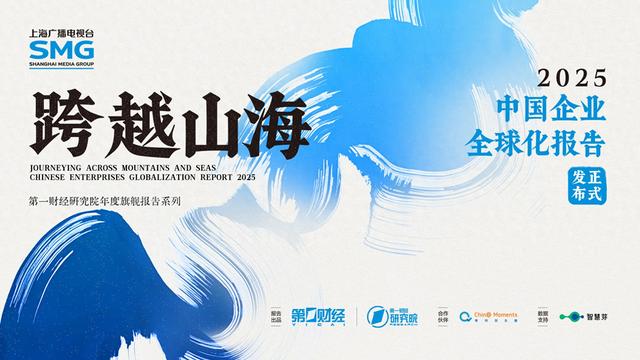
全球产业链供应链重塑期的中国企业:能力提升!| 跨越山海
Di Yi Cai Jing· 2025-12-31 05:09
Core Insights - The article discusses the evolving landscape of globalization in 2025, highlighting the rise of trade protectionism and the emphasis on national economic policies, which create uncertainties for Chinese enterprises in their global expansion efforts [2][4]. Group 1: Globalization Trends - The global trade environment is increasingly characterized by protectionism, with countries favoring regional trade agreements over multilateral cooperation, leading to a fragmented trade landscape [6]. - Major economies are tightening foreign economic policies under the guise of national security, particularly the U.S. and EU, which are implementing measures aimed at reducing reliance on Chinese technology and supply chains [6][7]. - The EU is establishing new compliance barriers through regulations that impose environmental and labor standards, creating additional challenges for Chinese products entering the European market [7][11]. Group 2: Market-Specific Challenges - In the U.S. market, Chinese companies face stringent export controls and investment scrutiny, particularly in high-tech sectors, which complicates their operational landscape [9][10]. - The EU has introduced a unified foreign direct investment review mechanism, increasing barriers for Chinese investments in critical sectors, alongside new environmental regulations that impose additional costs on Chinese exports [11][12]. - India has adopted a cautious approach towards Chinese enterprises, implementing strict market entry barriers and local compliance requirements, which complicates the operational environment for Chinese firms [14][15]. Group 3: Regional Dynamics - The RCEP agreement offers both opportunities and challenges for Chinese companies, facilitating trade with ASEAN nations while also intensifying competition from regional players [17][18]. - In Latin America, political changes and regional trade agreements introduce uncertainties for Chinese investments, necessitating a flexible approach to navigate the evolving landscape [19][20]. - The Middle East presents a mixed opportunity for Chinese enterprises, with potential for collaboration in infrastructure and technology, but also challenges related to geopolitical tensions and compliance with local regulations [21][22]. Group 4: Case Studies - DHgate has successfully navigated the U.S. market by leveraging a flexible supply chain and innovative marketing strategies, despite facing significant regulatory challenges [28][29]. - Xiaohongshu has capitalized on the migration of users from TikTok, rapidly expanding its user base internationally, but must address content regulation and data security concerns [34][35]. - BYD has adopted a localization strategy in Europe to mitigate the impact of anti-subsidy investigations, while facing significant barriers in the U.S. market due to high tariffs and restrictive policies [39][40][42].

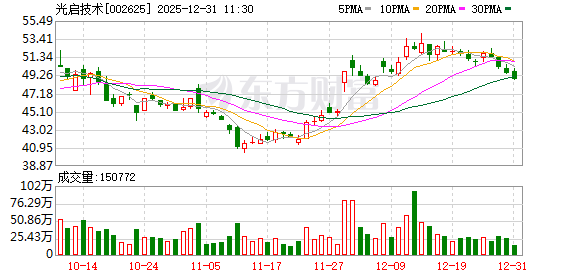
光启技术:当前尚未为比亚迪等汽车企业研制雷达罩
Mei Ri Jing Ji Xin Wen· 2025-12-31 04:34
Group 1 - The company, Guangqi Technology, is currently developing and delivering metamaterial radar covers for various new-generation aviation equipment models in China, achieving advanced performance levels both domestically and internationally [2] - The company holds a dominant market share in the metamaterial radar cover sector [2] - As of now, the company has not developed radar covers for automotive companies like BYD, but will announce any future collaborations promptly [2]
马凯硕:深圳APEC会议或将为全球发展提供启示
Huan Qiu Wang· 2025-12-31 03:23
来源:美通社 在马凯硕看来,深圳45年的发展历程,也是一段深港关系演变的历史——从单向溢出,走向相互赋能。 凭借年轻的人口结构和高度集聚的创新生态,深圳持续吸引包括新能源汽车、增强现实在内的新兴产 业。在全球经济增长放缓的背景下,马凯硕认为,深圳为发展问题提供了另一种思路。 马凯硕表示:"深圳所取得的成就,能够真正启发各国思考,在如此短的时间内究竟可以实现多大的发 展跨越。" 在他看来,这种启示源于深圳的产业转型。站在俯瞰深圳湾的摩天大楼上,马凯硕回忆起数十年前从香 港眺望这里的情景:"当时这里什么都没有,只有稻田;而今天,这里的天际线已可与世界主要城市比 肩。" 在深圳本土电动汽车制造商比亚迪,马凯硕试驾了多款新车型,并观摩了刀片电池技术的安全演示。 成立于三十年前的比亚迪,如今业务遍及全球116个国家和地区。在马凯硕看来,比亚迪的崛起正是深 圳从传统制造迈向高端科技产业转型的缩影。 今年是深圳经济特区建立45周年。45年来,深圳已发展成为中国内地规模最大的城市经济体之一,并被 广泛视为中国发展政策的重要试验田。 马凯硕指出,深圳的优势不仅体现在产业层面,也体现在制度层面。在前海深港青年创业梦工场,他与 多 ...
2026商品年度报告碳酸锂:储能高景气,碳酸锂开启新周期
Zhong Hui Qi Huo· 2025-12-31 01:39
1. Report Industry Investment Rating No information provided in the content. 2. Core Viewpoints of the Report - In 2026, lithium carbonate will shift from oversupply to a tight - balance pattern. The significant decline in the industry's inventory coverage days will push up the price center. In the long - term, the peak of the current cycle's production cycle has passed, and the support for energy storage from countries around the world strengthens optimistic expectations, leading to strong speculative demand in the market. However, due to the high supply elasticity, the price increase will be tortuous. The annual price is expected to fluctuate between 90,000 - 200,000 yuan/ton [2][99]. 3. Summary According to the Directory 3.1 Market Review - The main contract of lithium carbonate showed a trend of hitting the bottom and then rebounding. As of December 25, LC2605 closed at 123,520 yuan/ton, a 59% increase from the beginning of the year. The quotes of battery - grade and industrial - grade lithium carbonate were 115,000 yuan/ton and 113,000 yuan/ton respectively, with increases of 52% and 55% from the beginning of the year [6]. - In the first quarter, pre - Spring Festival restocking by downstream and the advancement of demand due to tariff implementation led to a tight spot market. After the Spring Festival, the early resumption of work by leading manufacturers and slow downstream resumption put pressure on the market. In the second quarter, the price dropped rapidly due to the off - season of terminal demand and cost collapse. In the third quarter, the price fluctuated sharply. In the fourth quarter, the price trended upwards due to supply growth being slower than demand growth and the continuous destocking of total inventory [6][7]. 3.2 Demand Side of Lithium Carbonate 3.2.1 New Energy Vehicle Market - In 2025, from January to October, global new energy vehicle sales reached 17.78 million, a 28.1% year - on - year increase, with a penetration rate of 22.7%. The Chinese market maintained growth, with a penetration rate of 46.7%. The European market showed an increasing penetration rate, while the North American market was affected by subsidy withdrawal, with a slowdown in growth [11]. - In 2026, the European new energy vehicle market is expected to maintain high growth, with a year - on - year growth rate of over 30%. The US market will experience a painful period of policy withdrawal and demand adjustment, with an expected sales decline of 10% - 20% and a penetration rate within 10%. The Chinese market is expected to slow down in growth but optimize in structure, with the penetration rate expected to exceed 60% [15][20][29]. 3.2.2 Energy Storage Market - In 2025, the global energy storage market experienced explosive growth, with an expected annual installed capacity demand of 329GWh, an 87% year - on - year increase. The expected compound growth rate from 2025 - 2027 is 86% [30]. - In 2026, the domestic installed capacity is expected to reach 300GWh. The US and European markets also have strong growth potential, and emerging markets such as the Middle East are also growing rapidly [35][38][39]. 3.2.3 Battery Market - In the first three quarters of 2025, the global lithium - battery shipments exceeded 1.2TWh, a 60% year - on - year increase. It is estimated that the shipments in 2025 will exceed 1.7TWh [43]. - In 2026, the total demand for global power and energy - storage batteries is expected to reach 2600 - 2700GWh, a year - on - year increase of over 30%. The demand for energy - storage batteries will grow faster than that of power batteries [46]. 3.2.4 Cathode Materials - In the first three quarters of 2025, the shipments of Chinese cathode materials were expected to be 3.5 million tons, a 53% year - on - year increase. Lithium iron phosphate led the growth, with shipments of 2.575 million tons, a 60.8% year - on - year increase. Ternary materials also increased by 20% [52]. - In 2026, lithium iron phosphate is expected to continue high - growth, with an expected output of 5.8 million tons, a 50% increase from 2025. The demand for high - nickel ternary materials and precursors will also increase [53][60]. 3.3 Supply Side of Lithium Carbonate 3.3.1 Lithium Ore Supply - In 2026, Australian mines are expected to have a 15% year - on - year output increase to 503,000 tons LCE. African mines will benefit from the recovery of lithium prices, and South American salt lakes also have certain production increases. Domestic lithium ore supply is expected to be about 100,000 tons LCE, and the output of domestic salt - lake lithium extraction is expected to be about 228,000 tons LCE [76][78][79]. 3.3.2 Lithium Carbonate Supply - In 2026, new lithium carbonate production capacity will be significantly slowed down, with only 45,000 tons of new capacity to be put into production, mainly in the second half of the year. From January to November 2025, the cumulative domestic lithium carbonate output reached 871,200 tons, a 44% year - on - year increase [81][82]. 3.3.3 Cost and Profit - As of December 19, the average production cost of lithium carbonate was 84,551 yuan/ton. The industry profit was 15,830 yuan/ton. The cost mainly comes from raw material procurement, accounting for over 85% of the production cost [85]. 3.4 Import, Export, and Inventory 3.4.1 Import and Export - In November 2025, China's lithium carbonate import volume was about 22,055 tons, a 8% month - on - month decrease and a 15% year - on - year increase. From January to November, the cumulative import volume was 219,000 tons, a 5.8% year - on - year increase [92]. 3.4.2 Inventory - As of December 24, the sample inventory of lithium carbonate was 109,773 tons. The inventory structure has improved, with upstream inventory gradually transferred to downstream and intermediate links. In 2026, attention should be paid to the sustainability of destocking [96].
重点项目夯实高质量发展之基
Shan Xi Ri Bao· 2025-12-31 00:42
Group 1 - The completion of key infrastructure projects in Shaanxi, such as the Xiyan High-speed Railway and the third runway at Xi'an Xianyang International Airport, marks a significant advancement in the region's connectivity and economic development [1][2] - The province has implemented approximately 3,500 key projects annually since the start of the 14th Five-Year Plan, which has strengthened the foundation for high-quality development [2][3] - Shaanxi has initiated a comprehensive project management mechanism, allocating over 1 trillion yuan in fiscal funds since 2021, resulting in the implementation of over 30,000 government investment projects [5][6] Group 2 - The fixed asset investment in Shaanxi has shown a steady increase, with a year-on-year growth of 2.9% in the first three quarters, surpassing the national average [6] - The province's industrial investment has surged by 17.8%, and manufacturing investment has increased by 19.7%, indicating a continuous optimization of investment structure [6][7] - The production of new energy vehicles in Shaanxi has skyrocketed from 59,000 units in 2020 to 1.198 million units in 2024, reflecting a remarkable annual growth rate of 112% [7] Group 3 - Shaanxi has actively engaged private enterprises in national investment and loan linkage pilot projects, promoting 698 major projects suitable for private participation, which has facilitated the signing of intention agreements involving over 29 billion yuan [8] - The province has implemented a loan interest subsidy policy for new private investment projects for three consecutive years, effectively reducing financing costs for enterprises [8] - The focus on project planning and reserve is seen as crucial for maintaining competitive advantages and driving future development [9]
2025年度NEWS品牌样本发布
Xin Jing Bao· 2025-12-31 00:17
Core Insights - The article emphasizes the critical role of enterprises in driving economic stability, technological innovation, industrial upgrades, and improving people's livelihoods, positioning them as the "ballast stone" of economic operation and the "main force" of technological innovation [1][2]. Group 1: NEWS Brand Sample Evaluation - The 2025 NEWS Brand Sample focuses on "new consumption, new scenarios, and new applications," assessing companies based on three key dimensions: AI+, green development, and brand social responsibility [2][3]. - The acronym "NEWS" represents four dimensions: - "N" for Innovation (New) evaluates brands on their innovation capabilities and outcomes - "E" for Energy (Energetic) assesses brands' market responsiveness and activity - "W" for Wisdom (Wise) measures strategic planning and decision-making abilities - "S" for Sustainability (Sustainable) looks at social responsibility and long-term development plans [2]. Group 2: Key Brand Highlights - The 2025 NEWS Brand Sample includes 39 companies recognized for their market leadership, innovation, sustainability, and AI+ application capabilities [6]. - Notable brands include: - China Agricultural Bank, which has significantly increased its county loan scale, surpassing 1 trillion yuan, and has seen rapid growth in various financial services [9]. - BYD Group, which achieved the production of its 15 millionth new energy vehicle and expanded its overseas sales significantly, covering over 110 countries [10]. - Tencent, which has seen international market revenue exceed 20 billion yuan and has actively engaged in social responsibility initiatives [11]. - Haidilao, which has innovated its service offerings to enhance customer experience and expand its brand portfolio [16]. - Aier Eye Hospital, which has integrated AI into its services and focused on social responsibility projects [17]. Group 3: Brand Categories - The brands are categorized into different groups based on their strengths: - 9 brands recognized for their influence include China Agricultural Bank, BYD, Tencent, and others [6]. - 9 brands noted for their responsibility include Abbott, Xifeng Wine, and others, focusing on compliance and ESG governance [19]. - 8 brands leading in innovation include Perfect China and Zebra Language, which have made significant market breakthroughs [20]. - 6 brands identified as AI+ pioneers include Xueersi and Squirrel AI, showcasing the application of AI in transforming business models [22]. - 7 brands recognized for industry breakthroughs include Nu Skin and Mousse Group, which have disrupted traditional industry paths [22].




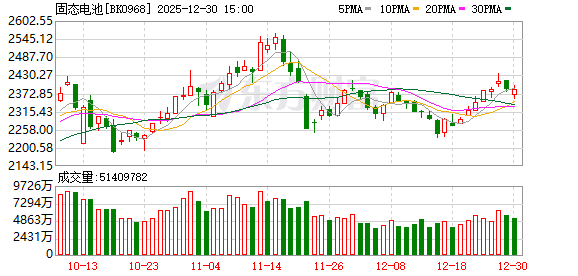
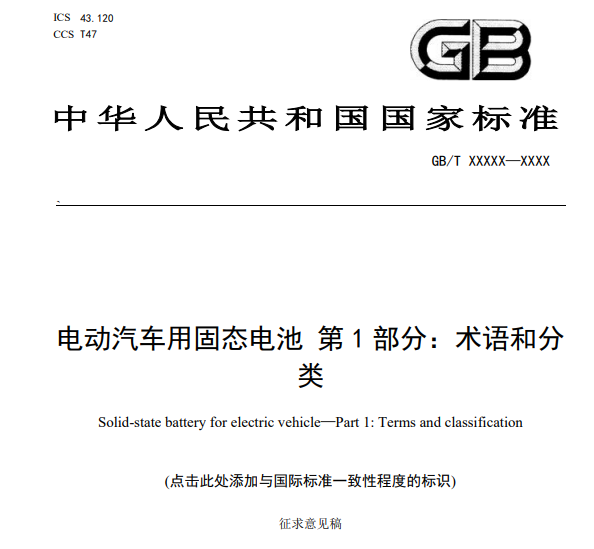
固态电池“标尺”来了,首个国家标准出炉,门槛大提升(附股)
Zheng Quan Shi Bao· 2025-12-31 00:11
Core Viewpoint - The first national standard for solid-state batteries has been publicly solicited for opinions, marking a significant step towards the industrialization of solid-state battery technology [1][2]. Group 1: National Standard Development - The national standard titled "Solid-State Batteries for Electric Vehicles Part 1: Terminology and Classification" has been released for public consultation, defining key terms, classifications, and coding related to solid-state batteries [2]. - The standard will be developed in four parts: terminology and classification, performance specifications, safety specifications, and lifespan specifications [4]. - The draft categorizes solid-state batteries based on the type of electrolyte, ion conduction type, and application area, including categories such as sulfide, oxide, polymer, and halide solid-state batteries [6]. Group 2: Stricter Classification and Standards - The draft specifies that solid-state batteries must have a weight loss rate of no more than 0.5%, which is stricter than the previous group standard of less than 1% [6]. - The standard aims to eliminate the concept of semi-solid batteries, focusing on clear definitions and classifications [5]. Group 3: Industry Implications - The establishment of a national standard is expected to unify technical standards, enhance industry collaboration, and strengthen China's position in international regulations, facilitating the transition from laboratory to mass production [7][8]. - The solid-state battery industry in China is experiencing significant capital investment, with major companies completing substantial financing rounds, indicating strong market confidence in the technology [9]. Group 4: Market and Investment Trends - A total of 54 listed companies in A-shares are involved in the solid-state battery supply chain, attracting institutional interest [10]. - In the fourth quarter, 22 concept stocks received institutional research, with companies like Rongbai Technology and Dandeng Technology being the most frequently researched [12]. - Companies are increasing their R&D investments, with several solid-state battery stocks reporting significant growth in R&D expenses as a percentage of revenue [13][14].


重磅!固态电池“标尺” 来了 首个国家标准出炉 门槛大幅提升(附股)
Zheng Quan Shi Bao Wang· 2025-12-31 00:06
固态电池首个国家标准公开征求意见,标志着固态电池技术开始由实验室走向产业化。 固态电池首个国家标准出炉 证券时报·数据宝从全国汽车标准化技术委员会获悉,12月30日,固态电池首个国家标准——《电动汽车用固态电池第1部分:术语和分类》公 开征求意见(以下简称"征求意见稿")。征求意见稿明确了固态电池的相关术语、分类、编码等基础内容。 据悉,《电动汽车用固态电池》系列标准拟分为4个部分进行编制,包括术语和分类、性能规范、安全规范、寿命规范。此外,《电动汽车固 态电池用固体电解质技术规范》目前也已进入起草阶段。 固态电池分类明确,判定标准更加严格 上述征求意见稿显示,根据电池单体内部传递离子方式不同,将电池分为液态电池、混合固液电池和固态电池。这与此前中国汽车技术研究中 心透露的消息一致,即不再有半固态电池的说法。 另外,征求意见稿对固态电池根据电解质种类、传导离子种类、应用领域不同再次分类。 根据固体电解质种类不同,分为硫化物固态电池、氧化物固态电池、聚合物固态电池、卤化物固态电池、复合电解质固态电池等;根据传导离 子种类不同,分为固态锂离子电池、固态钠离子电池等类型;根据应用领域不同,分为高能量固态电池、高功率 ...