BYD(002594)

Search documents
报名通道 | 2026高工固态电池技术与应用峰会倒计时32天
高工锂电· 2026-03-22 08:28
Core Viewpoint - The solid-state battery industry is entering a critical year in 2026, transitioning from technology validation to large-scale production, driven by policies, technology, capital, and application scenarios [2][3]. Group 1: Industry Development - The standard system for solid-state batteries has been officially implemented, marking the end of conceptual confusion in the industry, with the Ministry of Industry and Information Technology identifying solid-state batteries as a core breakthrough direction [2]. - The focus of the industry has shifted from basic research to production, with semi-solid batteries entering the testing and commercialization phase, while full solid-state batteries face significant challenges in stability and yield during various production stages [3]. - The mainstream research direction has converged on sulfide electrolytes due to their high ionic conductivity, while other routes like oxides and polymers are pursuing differentiated strategies [3]. Group 2: Application Scenarios - High-end passenger vehicles remain the primary window for the large-scale deployment of solid-state batteries, while new applications in eVTOL, humanoid robots, AIDC data centers, commercial aerospace, and low-altitude economies are emerging [3]. - The industry is developing a multi-dimensional application landscape, with consumer electronics such as two-wheelers and wearables seeing increased adoption of solid-state batteries [3]. Group 3: Industry Collaboration and Competition - The competition in the solid-state battery sector is evolving from a focus on individual battery companies to a comprehensive ecosystem involving materials, equipment, cells, vehicles, resources, and applications [3]. - Vertical integration within the supply chain is becoming more pronounced, with automakers and upstream resource giants accelerating their involvement [3]. Group 4: Cost and Supply Chain Challenges - Solid-state batteries currently cost over 30% more than traditional lithium batteries, with low yield rates and shortages of high-end materials posing significant production bottlenecks [4]. - The industry's development logic is shifting from competing on technical parameters to creating value across the entire lifecycle, emphasizing collaborative innovation throughout the supply chain [4]. Group 5: Summit Highlights - The 2026 Solid-State Battery Technology and Application Summit will take place on April 23, 2026, in Hangzhou, Zhejiang, featuring over 200 key enterprises and 300 industry leaders [2][7]. - The agenda includes discussions on overcoming production bottlenecks, advancements in core materials, and the impact of national standards on industry dynamics [9][10].







电力设备及新能源周报20260322:1月全球动力电池装机量同比增10.7%,特斯拉拟采购中国光伏设备-20260322
Guolian Minsheng Securities· 2026-03-22 07:05
Investment Rating - The report maintains a "Buy" rating for key companies in the industry, including CATL, Keda, and others, indicating a positive outlook for their performance [6][7]. Core Insights - In January 2026, global installed capacity of electric vehicle batteries reached approximately 71.9 GWh, marking a year-on-year increase of 10.7%. Chinese companies have expanded their market share to 73.3%, with CATL leading at 32.5 GWh and a 45.2% market share [2][18]. - Tesla plans to procure approximately $2.9 billion worth of solar equipment from Chinese manufacturers to support its goal of establishing 100 GW of solar manufacturing capacity in the U.S. This highlights the ongoing reliance on Chinese trade despite efforts to boost domestic manufacturing [3][32]. - Total electricity consumption in China for January and February 2026 was 16,546 billion kWh, reflecting a year-on-year growth of 6.1%. The industrial sector saw a 6.3% increase in electricity usage, with high-tech manufacturing growing by 10.6% [4][45]. Summary by Sections 1. Power Batteries - The global installed capacity of electric vehicle batteries in January 2026 was approximately 71.9 GWh, a 10.7% increase year-on-year. This growth occurred despite a slight decline in global electric vehicle deliveries [15][18]. - Chinese companies dominate the market, with six firms in the top ten, collectively holding a 73.3% market share, up from 68.3% the previous year [18][20]. 2. New Energy Generation - Tesla's procurement plan for solar equipment from China, valued at $2.9 billion, aims to bolster its solar manufacturing capabilities in the U.S. This reflects the complexities of reducing reliance on Chinese imports while attempting to revitalize domestic manufacturing [3][32]. 3. Power Equipment and Industrial Control - The total electricity consumption in China for January and February 2026 was 16,546 billion kWh, with significant growth in various sectors, including a 10.6% increase in high-tech manufacturing electricity usage [4][45]. 4. Key Company Earnings Forecasts - The report provides earnings forecasts and valuations for key companies, with CATL, Keda, and others receiving "Buy" ratings based on their projected performance and market positions [6][7].
中国车企全球销量首超日本,比亚迪等6家上榜前20
Mei Ri Jing Ji Xin Wen· 2026-03-22 04:32
Core Viewpoint - Chinese automotive manufacturers have surpassed Japanese automakers in global sales for the first time in over 20 years, marking a significant shift in the global automotive landscape [1] Group 1: Sales Performance - In 2025, Japanese automakers are projected to see a slight decline in global cumulative sales to approximately 25 million vehicles, falling from the top position for the first time since 2000 [1] - Chinese automotive companies achieved nearly 27 million global cumulative sales last year, overtaking Japan to become the world's largest automotive market [1] Group 2: Company Rankings - BYD is expected to surpass Ford in 2025, ranking sixth globally, while Geely is projected to surpass Honda, ranking eighth [1] - In the electric vehicle segment, BYD has overtaken Tesla to become the global leader [1] - Six Chinese automakers are listed among the top 20 global manufacturers, surpassing five Japanese companies, with Chery, Changan, SAIC, and Great Wall also making the list [1] Group 3: Industry Insights - The surpassing of Japanese automakers by Chinese companies is not merely a ranking change but signifies a restructuring of global automotive influence [1] - The rapid development of Chinese automotive companies is attributed to advanced technology, cost advantages, and fast-paced research and development [1] - Japan is urged to reassess its automotive industry's electrification and global strategy in response to this shift [1]

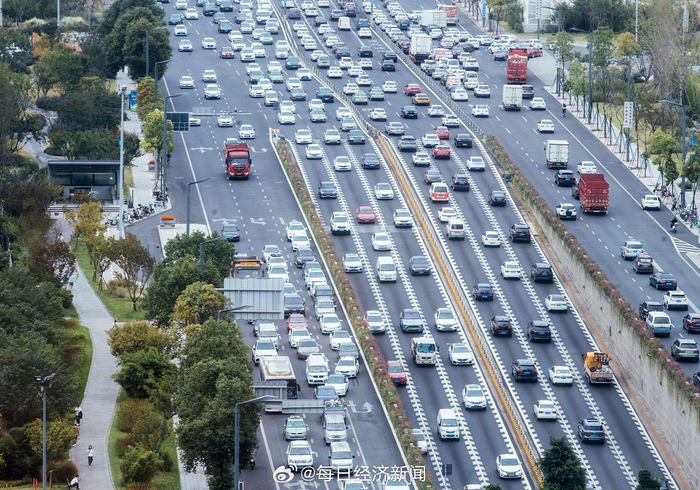
中国车企全球销量,“20多年来首次超日本居榜首”
券商中国· 2026-03-22 01:23
Core Viewpoint - Chinese automotive manufacturers have surpassed Japanese companies in global sales for the first time in over 20 years, marking a significant shift in the global automotive landscape [1]. Group 1: Sales Performance - In 2025, Japanese automotive manufacturers are projected to have a slight decline in global cumulative sales to approximately 25 million vehicles, falling from the top position for the first time since 2000 [1]. - Chinese automotive companies achieved nearly 27 million global cumulative sales last year, overtaking Japan to become the world's largest automotive market [1]. Group 2: Company Rankings - BYD is expected to surpass Ford in sales, ranking sixth globally, while Geely has overtaken Honda to secure the eighth position [1]. - In the electric vehicle sector, BYD has surpassed Tesla to become the global leader [1]. - Six Chinese automotive companies made it to the top 20 global manufacturers list, exceeding Japan's five companies, with Chery, Changan, SAIC, and Great Wall also included [1]. Group 3: Industry Insights - The increase in Chinese automotive sales is attributed to a combination of advanced technology, cost advantages, and rapid research and development capabilities [1]. - Experts suggest that Japan needs to reassess its automotive industry's electrification and global strategy in light of this shift [1].

任泽平带你看前沿科技:2026研学计划
泽平宏观· 2026-03-21 17:01
Core Insights - The article emphasizes the importance of practical learning experiences in cutting-edge technology sectors, aiming to connect entrepreneurs with leading companies and experts in the field [4][13][25]. Schedule Overview - The schedule for 2025 includes visits to major tech companies and events such as CES, featuring industry leaders like NVIDIA, Tesla, and Google, as well as academic institutions like Stanford and UC Berkeley [7][8]. - Specific events include closed-door research meetings focusing on AI and robotics, with participation from companies like Huawei and various leading robotics firms [9][10]. Learning Objectives - The program aims to provide deep insights into the strategic decisions and technological advancements of top companies, facilitating direct dialogue with founders and executives [13][25]. - It focuses on three main dimensions: emerging technology trends, new industry ecosystems, and innovative business strategies, helping entrepreneurs identify investment opportunities and drive practical innovation [13][25]. Past Activities - In 2023, participants visited notable companies such as Huawei, ByteDance, and NIO, engaging with prominent entrepreneurs for firsthand insights [24]. - The 2024 agenda includes visits to companies like BYD, Tencent, and JD.com, focusing on themes like artificial intelligence and renewable energy [25]. Future Aspirations - The program aims to continue exploring new investment opportunities in frontier technologies, with plans to visit leading firms in robotics, autonomous driving, and advanced sensing technologies [25]. - The initiative seeks to foster a community of entrepreneurs and investors, enhancing their understanding of macroeconomic trends and industry dynamics [48].



日媒:中国车企全球销量20多年来首次超日本
第一财经· 2026-03-21 16:19
Group 1 - The core viewpoint of the article highlights that Japanese automakers are projected to see a slight decline in global cumulative car sales to approximately 25 million units by 2025, marking the first time since 2000 that they will not hold the top position in global sales [1] - Chinese automakers achieved a significant milestone in 2022, with total global sales nearing 27 million units, surpassing Japan and securing the number one position in the world for the first time [1] - BYD is expected to surpass Ford in sales by 2025, ranking sixth globally, while Geely is projected to surpass Honda, placing eighth [1] Group 2 - In the electric vehicle segment, BYD has overtaken Tesla to become the global leader in sales [1] - Among the top 20 global automakers, six Chinese companies made the list, exceeding the five Japanese companies represented [1] - Notable Chinese brands such as Chery, Changan, SAIC, and Great Wall are included in the rankings [1]

中国汽车出海,为什么从造船开始?
创业邦· 2026-03-21 15:57
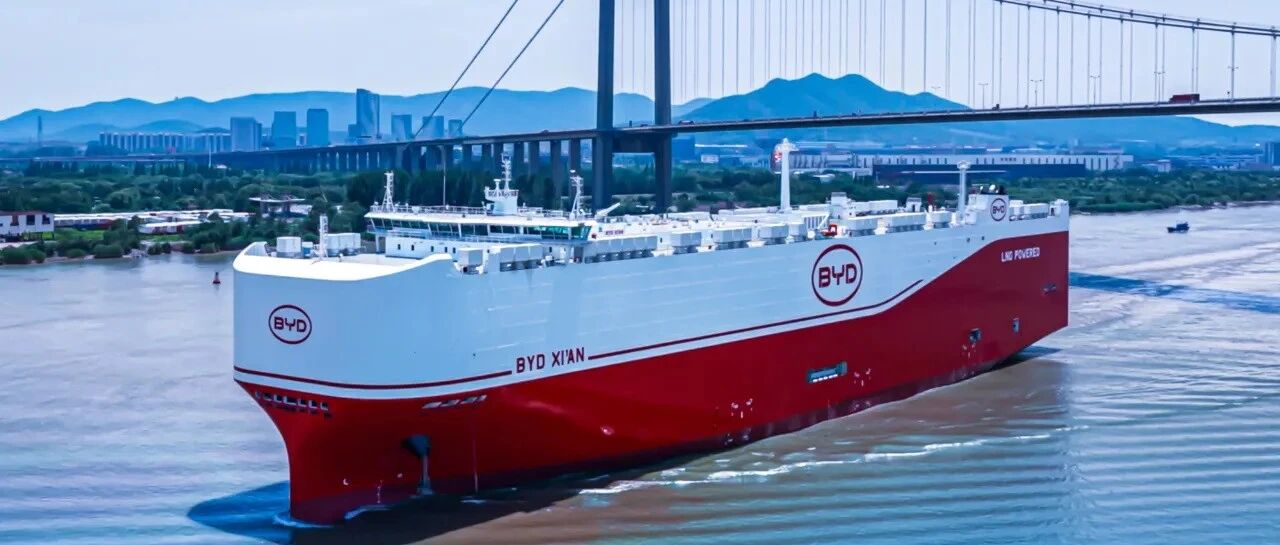
Core Viewpoint - The article discusses the transformation of Chinese automotive companies as they shift from relying on external shipping services to developing their own shipping capabilities, marking a significant step in the globalization of the Chinese automotive industry [6][8]. Group 1: Current State of Chinese Automotive Exports - From 2020 to 2023, China's automotive export volume surged from 1.08 million to 5.22 million units, nearly a fivefold increase in just three years [8]. - By 2025, China's automotive export volume is projected to reach 7.095 million units, maintaining its position as the world's largest automotive exporter [8]. - Despite the rapid growth in export volume, the shipping capacity has not kept pace, leading to increased shipping costs and logistical challenges for automotive companies [9][12]. Group 2: Shipping Challenges - The daily rental price for a 6,500-car capacity roll-on/roll-off (RoRo) ship skyrocketed from approximately $10,000 in August 2020 to $115,000 by November 2023, an increase of 1,150% [8]. - Shipping costs to Europe averaged around $1,400 per vehicle at peak prices, significantly impacting profit margins for automotive companies [9]. - The shortage of available ships has led to delays, with vehicles often waiting at ports for weeks due to a lack of transportation options [9][11]. Group 3: Structural Issues in Shipping - As of 2023, only about 700 specialized automotive transport ships exist globally, with the majority owned by Japanese, Korean, and Norwegian companies, leaving Chinese companies with limited access [13][16]. - China's share of the global automotive transport fleet was only 39 ships, representing less than 3% of total capacity, highlighting a significant gap in shipping capabilities [13][16]. - The automotive shipping industry has developed a stable network over decades, primarily serving established players like Japan and Korea, making it difficult for newer entrants like China to gain a foothold [14][16]. Group 4: Strategic Shifts by Chinese Automotive Companies - Companies like BYD have begun investing heavily in their own shipping capabilities, with BYD investing approximately 5 billion RMB to build eight RoRo ships, the first of which, "Pioneer 1," is set to launch in 2024 [18][20]. - SAIC Group has also expanded its shipping fleet, investing over 10 billion RMB and currently operating 14 RoRo ships, significantly enhancing its logistics capabilities [20][22]. - The establishment of self-owned shipping fleets allows companies to better control their logistics, reduce costs, and create new revenue streams by offering transportation services [22][23]. Group 5: Future Developments and Local Production - Chinese automotive companies are not only focusing on shipping but are also establishing local production facilities to mitigate shipping costs and tariff risks, with BYD planning a factory in Hungary [25][27]. - SAIC aims to increase its overseas sales to 1.5 million units by 2025, with a growing proportion of production occurring locally [27]. - The shift towards local production and enhanced logistics infrastructure is expected to transform the export model from simple vehicle sales to a more integrated global operation [29][30].

伊朗冲突爆发后,亚洲各地的比亚迪经销店生意火爆
Xin Lang Cai Jing· 2026-03-21 12:49AI Processing
在菲律宾马尼拉金融区的一家比亚迪汽车经销店,中国公司生产的电动汽车需求量非常高,销售人员 Poh表示,过去两周内的订单量已相当于以往一个月的水平,"由于油价上涨,客户纷纷用电动汽车替换 燃油汽车"。在越南河内一家VinFast(VFS.O)展厅,由于客户到访量翻了四倍,该店不得不增聘销售人 员。自伊朗战争爆发以来的三周内,该展厅已售出250辆电动汽车。这意味着每周销量超过80辆,是 2025年平均销量的两倍。亚洲开发银行首席经济学家阿尔伯特·帕克表示,油价上涨正在创造经济动 力,加速向电动汽车的转型。 ...
鹏辉/多氟多/楚能/蓝京/烟台力华/川源/鹏锦/创明/小鲁/利维能/联动天翼/大族/诚捷/亿鑫丰/嘉智信诺/孚悦/高视等赞助支持起点圆柱电池论坛
起点锂电· 2026-03-21 09:22
Group 1 - The core theme of the forum is "Full-Ear Technology Leap, Leading the Large Cylinder Market," focusing on the technological breakthroughs and market opportunities in the cylindrical battery industry [3][5]. - The cylindrical battery industry is expected to experience explosive growth in 2025, with a year-on-year increase in China's cylindrical battery shipments exceeding 15%, and large cylindrical battery growth surpassing 40% [5]. - Key players in the industry, such as EVE Energy, Dofluorid, and Penghui Energy, are facing continuous demand that outstrips supply, particularly for large cylindrical products used in electric two-wheelers, household energy storage, and automotive power [5]. Group 2 - The forum will feature three core sessions: 1. Cylindrical Battery Technology and Applications, which will release the "2026 China Cylindrical Battery White Paper" and analyze the competitive landscape [7]. 2. New Materials and New Processes, focusing on high-nickel cathodes and silicon-based anodes, addressing cost control and yield improvement challenges [7]. 3. Full-Ear Large Cylindrical Battery Technology Innovation, which will explore production pain points and application potential in emerging scenarios like AI robots and drones [7]. - High-profile roundtable discussions will be held in each session, addressing critical topics such as overseas market access, emerging application markets, and cost-performance balance [7]. Group 3 - The forum will gather top industry players across the entire cylindrical battery supply chain, including sponsors and speakers from leading companies like Penghui Energy, Dofluorid, and others [9]. - Downstream application companies such as Xiaomi, Huawei, and Wuling Motors will also participate, creating a comprehensive platform for R&D, production, application, and capital integration [9]. - The event aims to provide practical solutions and forward-looking trend analysis for enterprises, enhancing collaboration opportunities within the industry [9].



安徽男子比亚迪“白嫖”事件,让多少人开了眼界?
商业洞察· 2026-03-21 09:22
以下文章来源于桌子的生活观 ,作者桌子先生 桌子的生活观 . 三观比五官更正,思想比套路更深。著有畅销书《你只是假装很努力》、《我们终将与美好的一切相 遇》.... -------------------------- 作者:桌子先生 来源:桌子的生活观 这是怎么回事?什么时候,广大网友竟然同情起商家来了? 这事儿,还得好好从头说起。 最近的互联网,真是小刀拉屁股——让人开眼了。 01 这几天,安徽一位"比亚迪庞先生"彻底火了。 他在短短一年多的时间内,去他买车的4S店就餐260天,洗车和充电的次数更是不计其数,被人戏 称"天底下最成功的白嫖"。 然而,众多一向跟4S店"势不两立"的网友们,纷纷站到了庞先生这边,因为4S那边已经站不下 了。 2024年9月,安徽的庞先生在合肥一家比亚迪4S店购买了一台"比亚迪·秦"汽车。 当时,门店销售曾口头承诺,购买车之后,店里可以提供用餐、洗车、充电等服务。 没想到,就是这次"口头承诺",引来了后续一年多无休止的拉锯战。 按照一般人的思维,提供了这个服务,咱也不能老来是不是?顶多充几次电,吃几餐饭,平时该干 嘛干嘛,交易结束,咱们两清。 但没想到,这个庞先生,可不是一般人 ...