LI AUTO(LI)

Search documents
新势力销量持续高增
Shanghai Aijian Securities· 2025-11-04 13:22
Investment Rating - The report rates the automotive industry as "Outperforming the Market" [29] Core Insights - The new energy vehicle sales continue to grow significantly, with various companies reporting impressive sales figures for October 2025 [3] - The report highlights the acceleration of intelligent driving technology among leading companies, indicating a shift towards enhanced user experience and competitive differentiation [3] - The investment recommendation focuses on companies that are leading in smart technology and user experience, specifically mentioning Xiaomi Group, Xiaopeng Motors, and Li Auto as key players to watch [3] Summary by Sections Sales Performance - Leap Motor reported sales of 70,289 units in October, showing a year-on-year increase of 84.1% and a month-on-month increase of 5.4% [3] - Xiaopeng Motors sold 42,013 units, with a year-on-year increase of 75.7% and a month-on-month increase of 1.0% [3] - NIO's sales reached 40,397 units, marking a year-on-year increase of 92.6% and a month-on-month increase of 16.3% [3] - BYD maintained strong sales with 441,706 units sold, although it experienced a year-on-year decline of 12.1% [3] - Other companies like Geely, Changan, and SAIC also reported significant sales figures, contributing to the overall growth in the sector [3] Technological Advancements - Xiaopeng Motors is enhancing its intelligent driving capabilities, with a notable penetration rate of 86% for its XNGP urban driving feature [3] - Tesla continues to leverage its Full Self-Driving (FSD) technology, achieving a record global delivery of 497,000 units in Q3 2025, a year-on-year increase of 7.4% [3] - The report emphasizes the importance of technological innovation in maintaining competitive advantages within the automotive industry [3] Market Dynamics - The report suggests that the industry is moving towards a concentrated market structure, with leading companies establishing user experience barriers through advanced technology [3] - The competitive landscape is characterized by a focus on smart technology and integrated ecosystems, as seen with Xiaomi's automotive strategy [3]





零跑首超7万辆“再拔头筹” 蔚来、小米均突破4万辆大关
Mei Ri Jing Ji Xin Wen· 2025-11-04 13:20
Core Insights - Multiple electric vehicle brands reported strong sales performance during the traditional sales peak in October, with significant year-on-year growth across the board [2][3][5]. Group 1: Company Performance - Leap Motor achieved a record delivery of 70,300 vehicles in October, marking an 84% year-on-year increase, and a total of 465,800 vehicles delivered from January to October [2]. - Xpeng Motors delivered 42,000 vehicles in October, a 76% year-on-year increase, with a total of 355,200 vehicles delivered in the first ten months, representing a 190% increase [2][3]. - NIO delivered 40,400 vehicles in October, a 92.6% year-on-year increase, with a focus on increasing production capacity to meet demand [3]. - Li Auto reported 31,800 vehicle deliveries in October, with a total cumulative delivery of 1,462,800 vehicles as of October 31, 2025 [4]. - Xiaomi Auto also surpassed 40,000 deliveries in October, facing challenges in production capacity and long delivery times for certain models [3]. Group 2: Market Trends - The overall retail market for passenger vehicles in October is expected to reach 2.2 million units, with electric vehicles projected to account for 1.32 million units, achieving a penetration rate of 60% [5]. - The current policy allows for a tax exemption on electric vehicles until 2025, with a planned reduction in the tax rate starting in 2026 [6]. - The market is expected to see continued growth driven by vehicle trade-in policies and the introduction of new models, with electric vehicle penetration anticipated to reach new highs [6].

新能源车购置税将减半征收 多家车企宣布税费“兜底”政策
Mei Ri Jing Ji Xin Wen· 2025-11-04 12:46
Core Insights - The upcoming reduction of the new energy vehicle (NEV) purchase tax is expected to stimulate a surge in vehicle purchases before the end of the year, with consumers aiming to take advantage of the tax benefits [1][4][5] Group 1: Tax Policy and Consumer Behavior - Several automakers have introduced "tax guarantee" policies to encourage consumers to place orders before the end of November, ensuring that any tax differences due to delays will be covered by the manufacturers [2][3] - Consumers are motivated to finalize their purchases quickly, as the current tax exemption will be replaced by a 5% tax next year, making timely orders crucial for savings [4][5] Group 2: Market Dynamics and Sales Strategies - The automotive market is currently experiencing a sales push as companies leverage the tax adjustment period to boost sales figures [4][5] - Data from the China Automobile Dealers Association indicates that from October 1 to 26, retail sales of new energy passenger vehicles reached 901,000 units, with a year-to-date total of approximately 9.77 million units, reflecting a 22% year-on-year increase [4]


野村展望2026中国电动车市场:谨慎乐观
Zhi Tong Cai Jing· 2025-11-04 12:21
Group 1 - The core viewpoint of the article indicates that despite a month-on-month growth in China's electric vehicle market in October, Nomura Securities remains cautiously optimistic, predicting a reshaping of the competitive landscape as the 2026 tax exemption policy approaches [1] Group 2 - In October 2025, Chinese electric vehicle OEMs generally achieved month-on-month growth in wholesale shipments, with significant performance disparities among brands [2] - BYD delivered 436,900 vehicles in October, a month-on-month increase of 11.1%, but a year-on-year decline of 12.7% due to a high base in 2024 [2] - Geely (including Zeekr) showed strong performance with total new energy vehicle sales of 178,000 units in October, a year-on-year increase of 63.6% [2] - Leap Motor achieved a record high delivery of 70,300 units in October, a year-on-year increase of 84.1% [2] - Xpeng, NIO, and Xiaomi also reported significant year-on-year growth, with Xpeng delivering 42,000 units (up 75.7%) and NIO delivering 40,400 units (up 92.6%) [2] - Li Auto's performance was weak, with deliveries of 31,800 units in October, a year-on-year decline of 38.2% [2] Group 3 - Starting in 2026, the reduction of the electric vehicle purchase tax exemption by half is expected to pressure market demand, particularly in the first quarter [3] - To mitigate this challenge, several automakers have introduced measures, including subsidies for consumers who order vehicles in October and November 2025 but cannot take delivery by year-end, offering up to 15,000 yuan [3] - The scope of the subsidy is expanding to include lower-priced models, potentially covering vehicles priced below 200,000 yuan [3] Group 4 - Nomura Securities holds a cautious outlook for the 2026 Chinese electric vehicle market, noting that competition will intensify due to persistent oversupply and unchanged production capacity [4] - Companies with rising market shares in the mass market are expected to maintain their advantages, while BYD is anticipated to launch a new strategy in early 2026 to improve its operations [4] - Demand uncertainty stemming from the tax policy adjustment and potential consumer demand fatigue will be critical factors influencing the market in 2026 [4] Group 5 - Based on company performance and industry trends, Nomura Securities provides investment ratings and recommendations [5] - Buy ratings are given to BYD and Xpeng, with expectations of improved operations and market position due to new strategies and model launches [5] - Neutral ratings are assigned to NIO and Li Auto, facing challenges related to production capacity and negative impacts from accidents [5] - Short-term focus is recommended on companies with purchase tax subsidies and strong order reserves, while long-term prospects favor leading manufacturers with strong technological upgrades and overseas expansion capabilities [5]
购置税变天之前,汽车公司“撒钱买量”
Tai Mei Ti A P P· 2025-11-04 11:37
Group 1 - The core point of the articles highlights the impact of the upcoming reduction in new energy vehicle purchase tax subsidies on the automotive industry, particularly in the fourth quarter sales strategies of car manufacturers [1][6] - Car manufacturers are aggressively offering purchase tax subsidies to stimulate sales, especially during the National Day holiday, which is seen as a critical sales period [2][6] - New models are being launched in large numbers, with over 80 new car release events reported in September alone, indicating a competitive market environment [1][3] Group 2 - NIO was one of the first companies to announce purchase tax subsidies for new models, ensuring that customers who place orders by December 31 will not bear additional tax costs [2][6] - Zeekr's new model, the Zeekr 9X, saw significant sales during the National Day holiday, attributed to its purchase tax subsidy program [2][3] - The AITO M7 model gained substantial attention, with a reported order volume significantly higher than its competitors during the holiday period [3][4] Group 3 - Li Auto's i6 model achieved impressive pre-order numbers, with concerns about potential purchase tax liabilities driving consumer interest [4][5] - Despite the success of the i6, other models from Li Auto did not perform as well, impacting the overall delivery numbers for October [5][6] - The competitive landscape shows that other new energy vehicle brands, such as Leap Motor and Xpeng, are also achieving high delivery volumes, surpassing Li Auto [5][6] Group 4 - Many car manufacturers are expected to incur significant costs due to the purchase tax subsidies, with estimates suggesting Xiaomi may need to spend over 2 billion yuan in subsidies by 2026 [7] - The new vehicle transportation regulations may affect delivery capabilities, further complicating the financial implications of the purchase tax subsidies for manufacturers [7][8] - Some manufacturers, like BYD, are not offering purchase tax subsidies, relying instead on short delivery times to attract customers [8]
Li Auto Recalls Over 11,000 of Its Flagship EV on Battery Fire
Insurance Journal· 2025-11-04 10:24
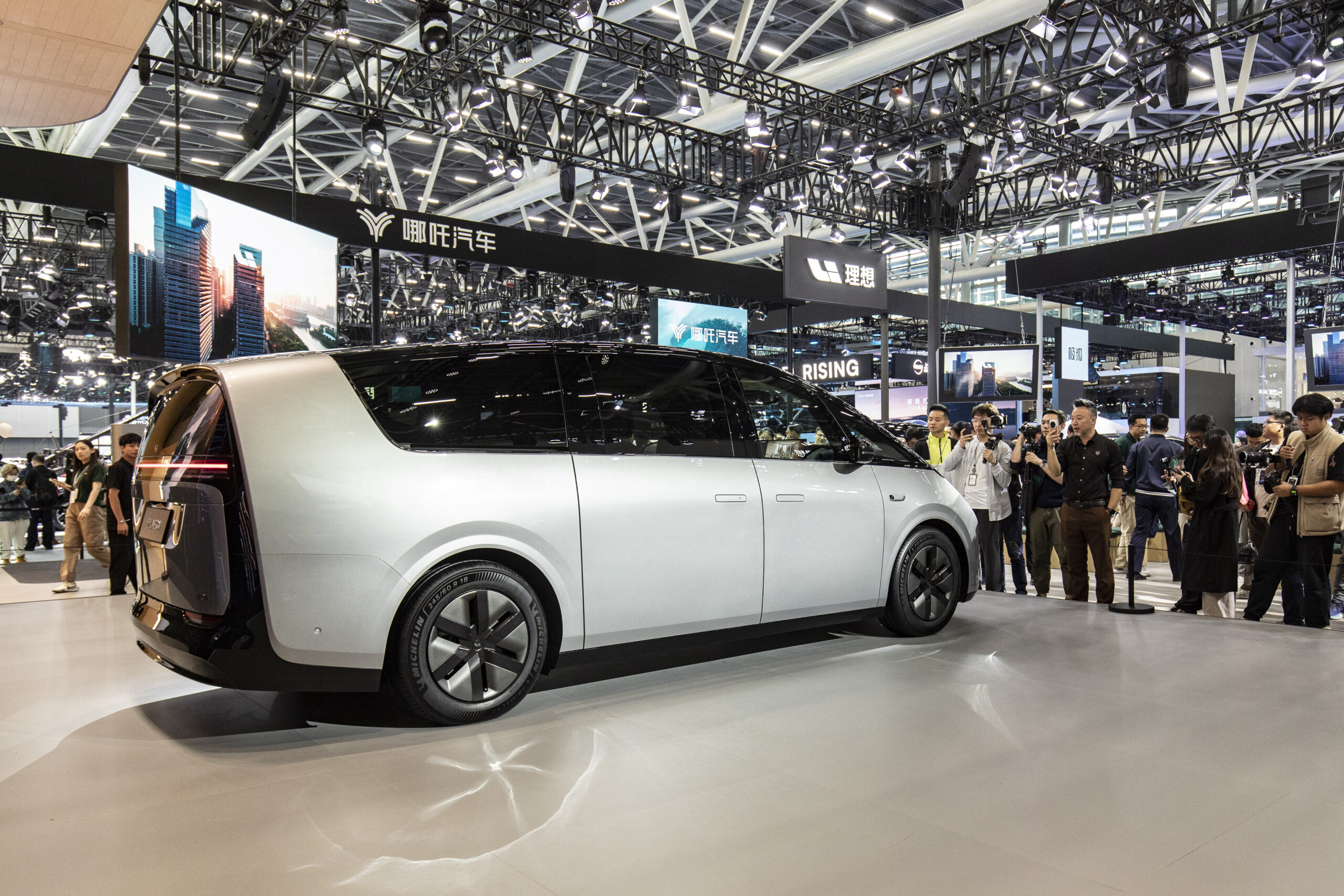
Core Viewpoint - Li Auto Inc. is recalling 11,411 of its Mega electric vehicles in China due to safety concerns following a fire incident, highlighting increasing scrutiny on the EV industry's safety standards [1][2]. Group 1: Recall Details - The recall affects the 2024 model of the Mega produced between February 18, 2024, and December 27, 2024, due to a coolant defect that could lead to thermal runaway in extreme conditions [2]. - The recall will commence on November 7, and the company will replace the coolant, power battery unit, and front motor controller on the affected vehicles, along with extending their standard warranty period [3]. Group 2: Safety Concerns and Regulatory Response - The incident that triggered the recall involved a Mega vehicle catching fire while in motion, raising public safety concerns [2]. - The investigation ruled out the possibility of the fire being caused by the battery cells manufactured by Contemporary Amperex Technology Co. Ltd. [3]. - The swift response from Li Auto reflects the growing scrutiny of the EV industry's safety record, with regulators proposing stricter rules on driver-assistance systems and door handle mechanisms following recent accidents [4][5]. Group 3: Company Commitments - Li Auto has committed to "eliminate all hidden dangers" and ensure "no further self-ignition accidents" in its vehicles [6].
理想MEGA惊魂爆燃后,三元锂电池天塌了?
36氪· 2025-11-04 09:48
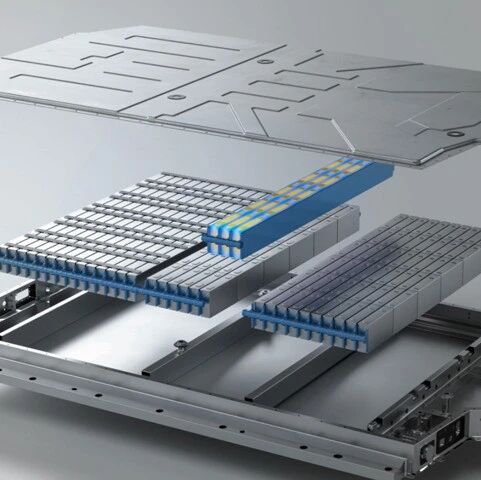
Core Viewpoint - The incident involving the Li Auto MEGA has reignited concerns about battery safety in the electric vehicle industry, particularly regarding the use of ternary lithium batteries versus lithium iron phosphate batteries [4][7][9]. Group 1: Incident Overview - The Li Auto MEGA, priced over 500,000 yuan and marketed for family safety, caught fire within 10 seconds without a severe collision, raising alarms in the new energy sector [4][5]. - Following the incident, Li Auto acknowledged a defect in the coolant of the MEGA 2024 model, which could lead to thermal runaway in extreme conditions [7][9]. Group 2: Battery Safety Debate - The MEGA incident has shifted focus from vehicle design issues to battery safety, with ternary lithium batteries, known for their high performance, now under scrutiny for their thermal stability [9][12]. - Research indicates that ternary lithium batteries can begin to decompose at around 200°C, leading to rapid thermal runaway, while lithium iron phosphate batteries require much higher temperatures (500-800°C) to decompose, making them inherently safer [12][13]. Group 3: Market Dynamics and Battery Choices - The shift in market dynamics since 2016 has favored ternary lithium batteries due to their higher energy density, which has made them the preferred choice for high-end electric vehicles [19][21]. - However, the rising costs of ternary lithium batteries and the increasing market share of lithium iron phosphate batteries, which have surpassed 70% in recent months, indicate a significant change in consumer preferences [21][28]. Group 4: Future of Battery Technologies - The future of battery technology may see a coexistence of both battery types, as high-end vehicles continue to demand the performance benefits of ternary lithium batteries, while cost-effective models may increasingly adopt lithium iron phosphate batteries [34][41]. - Innovations in battery technology, such as solid-state batteries, are expected to leverage the advantages of ternary lithium materials while addressing safety concerns, indicating a potential evolution in the industry [39][41].
理想汽车:2025年第44周上线47座理想超充站
Zheng Quan Shi Bao Wang· 2025-11-04 09:14
Core Insights - The article highlights that Li Auto is set to launch 47 new supercharging stations in the 44th week of 2025, bringing the total number of supercharging stations to over 3,500 [1] Company Developments - Li Auto will increase its supercharging infrastructure with the addition of 47 new stations [1] - The cumulative number of Li Auto's supercharging stations will exceed 3,500 following this expansion [1]
【新能源周报】新能源汽车行业信息周报(2025年10月27日-11月2日)
乘联分会· 2025-11-04 08:43
Industry Information - The term "semi-solid battery" is proposed to be renamed as "solid-liquid battery" to avoid confusion with solid-state batteries, which are seen as the future direction due to their higher safety, energy density, lifespan, and faster charging capabilities [9] - Shanghai's Haitong International Automobile Terminal has achieved a record high automobile export volume of 1.109 million units in the first three quarters of this year [10] - The commercial insurance premium income for new energy vehicles exceeded 100 billion yuan, reaching 108.79 billion yuan, with a year-on-year growth of 36.6% [11] - Anhui province ranked first in the country with an automobile production of 2.4044 million units in the first three quarters, significantly outpacing Guangdong [12] - The profit of the automobile manufacturing industry increased by 3.4% year-on-year from January to September [13] - The establishment of 10 measurement talent training centers has been approved, including those focused on new energy vehicles [13] - Huawei's HarmonyOS has delivered over 1 million units in just 43 months [13] - A new project for producing 1.6 million sets of chassis components has officially commenced [13] - The first automotive chip standard verification platform in China has been put into operation [16] - The demand for energy storage has significantly boosted the performance of the lithium battery industry in the third quarter [21] Policy Information - The National Energy Administration has released several important standards related to electric vehicle charging infrastructure [26] - Shenzhen's vehicle replacement subsidy policy will cease after October 28, 2025, due to budget constraints [30] - Guizhou province has implemented a management plan for electric vehicle charging infrastructure construction [30] - The Ministry of Industry and Information Technology is promoting the development of green industries, including new energy vehicles [20] Company Information - Seres Group plans to go public in Hong Kong with a maximum issue price of 131.50 HKD per share, aiming for a total issuance scale of approximately 17 billion USD [43] - Nio has achieved over 90 million battery swaps, with an average daily swap volume exceeding 100,000 [43] - Xpeng Motors has entered the Baltic states and Cambodia markets [43] - BYD's new car registrations in Europe increased nearly fourfold in September [43] - The establishment of Zhejiang Li Auto Battery Co., Ltd. has been completed with a registered capital of 70 million yuan [24]


理想郎咸朋:VLA 加强化学习将成为车企真正的护城河
晚点LatePost· 2025-11-04 08:03
Core Viewpoint - The article discusses the evolution of Li Auto's autonomous driving technology, particularly focusing on the development and implementation of the VLA (Vision-Language-Action) model, which aims to enhance the driving experience by integrating multi-modal AI capabilities. The article highlights the challenges faced by the team, the strategic decisions made, and the competitive landscape in the autonomous driving sector [5][6][18]. Team Development and Structure - The Li Auto autonomous driving team has undergone significant changes since its inception in 2018, with three generations of core personnel. The recent restructuring aimed to create a flatter organization with 11 new departments, enhancing communication and decision-making efficiency [8][9][51]. - The team has shifted from a centralized, closed development model to a more open and collaborative approach, reflecting the need for agility in AI development [10][11]. Strategic Decisions - The decision to pursue the VLA model was driven by the recognition that simply following existing paths, such as those taken by competitors like Huawei and Tesla, would not suffice. The team aimed to create a new competitive edge through innovative technology [6][14][18]. - The VLA model is positioned as a significant advancement over previous methods, with the goal of achieving L4 level autonomous driving capabilities. The model emphasizes the importance of human-like reasoning and decision-making in driving [21][29]. Challenges and Criticism - The VLA model has faced skepticism from industry experts, with concerns about its feasibility and the technical challenges associated with multi-modal AI integration. Critics argue that the approach may be overly simplistic or "tricksy" compared to other methods [22][24]. - Despite the criticism, the team believes that the challenges presented by the VLA model are indicative of its potential correctness and innovation [24][25]. Future Outlook - The company aims to establish a robust reinforcement learning loop to enhance the VLA model's capabilities, with expectations of significant improvements in user experience by the end of 2023 and into 2024 [28][39]. - The long-term vision includes achieving L4 autonomous driving by 2027, with a focus on building a comprehensive data-driven ecosystem that supports continuous learning and adaptation [41][44].