NIO(NIO)

Search documents
合肥“奇迹”,又打脸了唱衰者
Sou Hu Cai Jing· 2025-12-02 03:28
Core Insights - Hefei has emerged as a leading city in China, with a GDP of 10,252.4 billion yuan in the first three quarters of 2025, reflecting a year-on-year growth of 5.9%, ranking third among cities with a trillion GDP [3] - The city's industrial value-added growth rate reached 15.2%, significantly outpacing other trillion GDP cities, showcasing its robust economic resilience during a downturn [3] - The success of Hefei is attributed not to mere "gambling" on individual companies but to a well-structured industrial ecosystem that emphasizes nurturing industries rather than just acquiring enterprises [3][4] Industrial Strategy - Hefei's approach to the new energy vehicle sector is notable, with a production volume of 1.3761 million units in 2024, ranking second nationally, only behind Shenzhen [4] - The city has strategically developed a full industrial chain, incorporating not just vehicle manufacturing but also critical components like batteries, chips, displays, and artificial intelligence, ensuring stability against market fluctuations [4][5] - The collaborative network among various industries allows for resilience, as downturns in one area can be offset by growth in others, exemplified by the significant increases in lithium-ion battery production (54.5%) and semiconductor components (52.2%) [5] Government Role - The local government acts as a "banking and industrial partner," providing support during challenging times while allowing companies to operate independently once stabilized [10] - Hefei's government has maintained a consistent industrial focus despite changes in leadership, which is crucial for long-term strategic development [10][12] - The clarity in defining the boundaries between government and market roles has been pivotal in Hefei's economic strategy, allowing for a stable environment conducive to growth [12] Long-term Vision - Hefei's rapid ascent in provincial rankings over the past two decades highlights its role as a core engine for resource retention in Anhui province [7] - The city has strategically aligned its industrial focus with national priorities, such as semiconductor development, which has garnered governmental support [9] - The presence of institutions like the University of Science and Technology of China provides ongoing intellectual resources, further bolstering Hefei's industrial capabilities [9]



新势力交付再洗牌!蔚小理排位大反转
Guo Ji Jin Rong Bao· 2025-12-02 03:08
Core Insights - The new energy vehicle (NEV) market is experiencing significant changes in delivery volumes among various companies, with some achieving record highs while others struggle to meet their targets [3][4][5]. Delivery Performance - Hongmeng Zhixing achieved a record monthly delivery of 81,900 units in November, marking a year-on-year increase of 89.61% and a 20% increase from October [3][4]. - Leap Motor delivered 70,300 units in November, a year-on-year increase of over 75%, and has exceeded its annual target of 500,000 units with a total of 536,000 units delivered in the first eleven months [5]. - Xiaomi's total deliveries surpassed 40,000 units in November, but specific figures were not disclosed, and the company is facing challenges related to production capacity and customer cancellations [7]. - Xpeng delivered 36,700 units in November, but this was a decrease from October's 42,000 units, with a total of 391,900 units delivered in the first eleven months, achieving 89% of its annual target [8][10]. - NIO delivered 36,300 units in November, a year-on-year increase of 76.3%, but is struggling to meet its annual target of 440,000 units with a completion rate of 63.15% [10][12]. - Li Auto's deliveries fell to 33,200 units in November, a year-on-year decline of 31.92%, with a completion rate of only 56.58% against its annual target of 640,000 units [12]. Market Trends - The NEV market is seeing a reordering of delivery rankings among the "new forces" in the industry, with companies like Hongmeng Zhixing and Leap Motor leading the charge [4][5]. - The introduction of new models and strategic initiatives, such as Leap Motor's new Lafa5 model, is aimed at boosting future sales and achieving ambitious delivery targets [5]. - Xiaomi's new purchasing model, "current vehicle selection," aims to address inventory issues and customer dissatisfaction due to long wait times for vehicle delivery [7]. - The overall market is facing challenges, including a decline in new orders and increased competition, which may impact future sales and profitability for several companies [8][12].



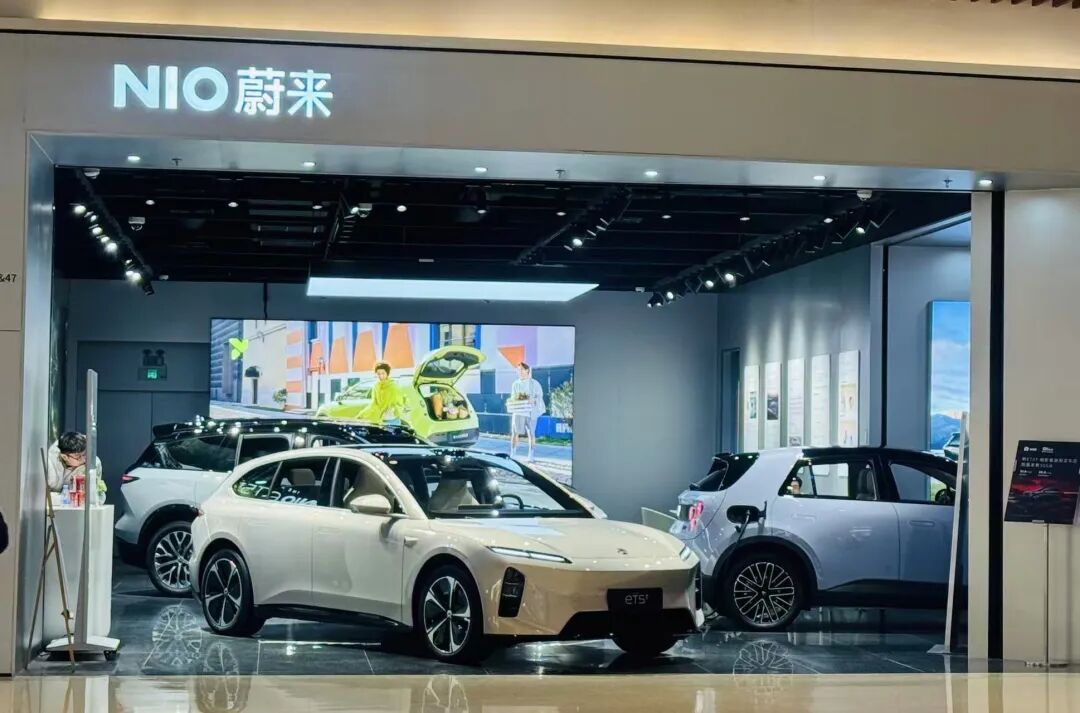
蔚来跌超6%三季度亏30亿,理想由盈转亏,零跑盈利,造车新势力洗牌加剧
2 1 Shi Ji Jing Ji Bao Dao· 2025-12-02 02:43
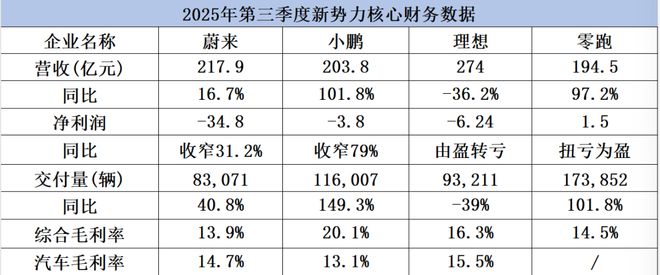
Core Viewpoint - The competitive landscape of new energy vehicle manufacturers is reshaping as Q3 2025 financial reports are released, highlighting significant performance variations among companies, with some showing improved profitability while others struggle with losses [1][3]. Group 1: Company Performance - Xiaopeng Motors achieved a revenue of 203.8 billion yuan, a year-on-year increase of 101.8%, despite a net loss of 3.9 billion yuan, which narrowed by 79% [2][5]. - NIO reported a revenue of 217.9 billion yuan, a year-on-year increase of 16.7%, but remains the largest loss-maker among new energy vehicle companies with a net loss of 34.8 billion yuan, although this loss narrowed by 31.2% [2][13]. - Li Auto, once profitable, faced a revenue decline of 36.2% to 274 billion yuan, resulting in a net loss of 6.24 billion yuan, ending its streak of 11 consecutive profitable quarters [2][10]. - Leap Motor recorded a revenue of 194.5 billion yuan, a year-on-year increase of 97.2%, and achieved a net profit of 1.5 billion yuan, marking its second consecutive profitable quarter [2][16]. Group 2: Strategic Adjustments - Xiaopeng Motors is shifting its strategy by embracing range-extended electric vehicles (REEVs) and enhancing its overseas market presence, with a focus on models like the Xiaopeng X9 [5][8]. - NIO is refocusing on its core automotive business, reducing costs, and aiming for improved sales efficiency while cutting down on non-core expenditures [13][14]. - Li Auto is pivoting towards AI technology, emphasizing the transformation of vehicles into smart terminals, while still facing challenges in its electric vehicle transition [11][10]. - Leap Motor is entering the REEV market and targeting the high-end SUV segment, attempting to elevate its brand image beyond its previous focus on cost-effectiveness [16][17]. Group 3: Market Dynamics - The Chinese new energy vehicle market is transitioning from growth to competition for existing market share, with companies needing to enhance their product, technology, and brand strengths to survive [3][17]. - The competitive landscape is characterized by companies learning from each other and adjusting their strategies to remain relevant in a rapidly evolving market [3][17]. - The overall profitability of the new energy vehicle sector is under scrutiny, with the upcoming financial results expected to determine which companies will thrive in the future [17].
四季度营收指引新势力第一,蔚来凭什么?
Xin Lang Ke Ji· 2025-12-02 02:24
Core Insights - The automotive industry is experiencing a downturn due to the suspension of the vehicle replacement subsidy policy, leading to a significant drop in retail sales of passenger cars in November [1][3] - NIO's CEO, Li Bin, highlighted that the industry faced unexpected challenges with a substantial decline in new orders as consumers adopted a wait-and-see approach [3] - Despite the overall market challenges, NIO reported strong financial performance in Q3 and optimistic revenue guidance for Q4, positioning itself as a leader among new energy vehicle manufacturers [5][13] Financial Performance - NIO achieved a record revenue of 21.79 billion yuan in Q3, marking a year-on-year increase of 16.7% and a quarter-on-quarter increase of 14.7% [5] - The revenue guidance for Q4 is projected to be between 32.758 billion yuan and 34.039 billion yuan, representing a significant year-on-year growth of approximately 66.3% to 72.8% [5][13] - NIO's cash reserves reached 36.7 billion yuan in Q3, with a notable increase in operating cash flow and free cash flow, indicating enhanced profitability [10] Market Trends - The sales of pure electric three-row SUVs have surpassed other powertrain types, indicating a shift in consumer preference towards electric vehicles [12] - The market for high-end pure electric vehicles is expected to grow, with NIO focusing on this segment as a long-term strategy [16] - The overall automotive market is projected to see continued growth, with estimates suggesting that new energy vehicle sales will reach new highs by 2026 [16] Strategic Focus - NIO plans to concentrate on its core automotive business, emphasizing vehicle sales and customer experience [14] - The company is investing in technological innovation, including self-developed smart driving chips and operating systems, to enhance its product offerings [17] - NIO's multi-brand strategy aims to capture various consumer segments, with expectations of continued benefits as the electric vehicle market expands [17]
热门中概股开盘涨跌不一


Xin Lang Cai Jing· 2025-12-02 02:09
Core Viewpoint - The stock performance of major Chinese tech companies shows mixed results, with NetEase experiencing a significant increase while several electric vehicle manufacturers face declines [1] Group 1: Stock Performance - NetEase's stock rose over 4% [1] - Alibaba's stock increased by more than 2% [1] - Baidu's stock saw an increase of over 1% [1] - Li Auto and NIO both experienced declines of over 2% [1] - Xpeng Motors' stock fell by more than 1% [1]
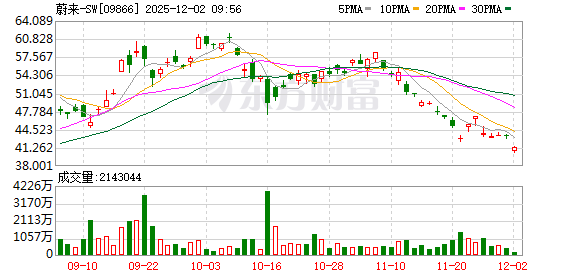
蔚来港股跌超6%
Mei Ri Jing Ji Xin Wen· 2025-12-02 01:55
Group 1 - NIO's stock price fell by 6.2% to HKD 40.64 per share on December 2 [2]
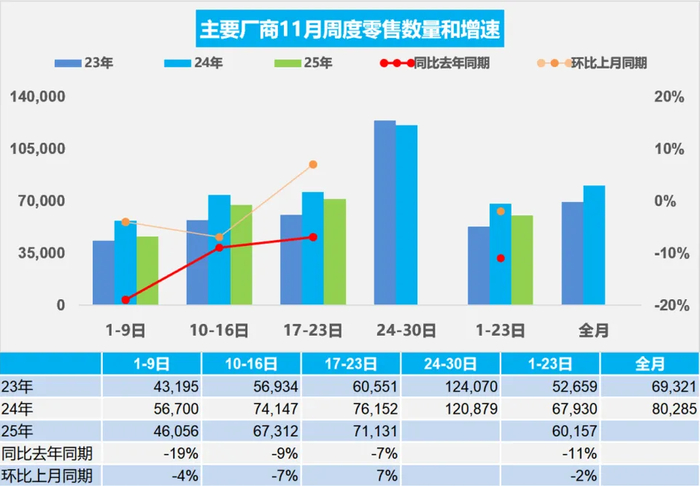
11月新能源车销量跟踪:“翘尾”行情遇冷,全年格局基本落定
Haitong Securities International· 2025-12-02 01:40
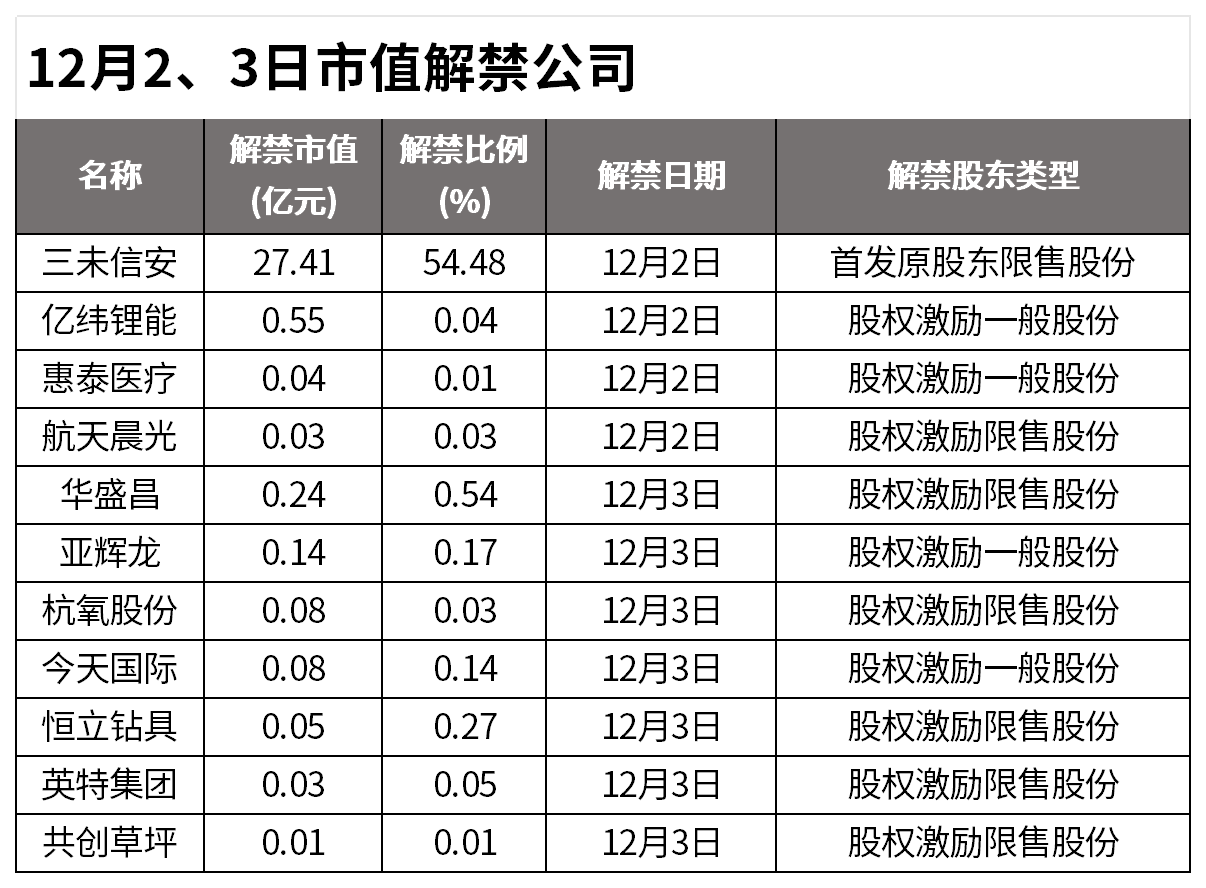
Investment Rating - The report does not explicitly provide an investment rating for the automotive industry or specific companies within it [26]. Core Insights - The year-end sales data for major automakers indicates a significant divergence in performance, with the typical "year-end tailwind" being weaker than in previous years. The phase-out of the "two-new" subsidy policies is contributing to a trend of slowing or declining sales growth [8][9]. - BYD's November sales were 480,000 units, down 5% year-on-year but up 9% month-on-month, primarily due to weaker domestic demand. Domestic sales were 348,000 units, down 27% year-on-year. Cumulative sales from January to November reached 4.18 million units, an 11% increase year-on-year [9][10]. - Geely's November sales reached 310,000 units, a 24% year-on-year increase, with cumulative sales of 2.79 million units, up 42% year-on-year, putting its annual target of 3 million units within reach. NEV sales for Geely in November were 188,000 units, a 53% year-on-year increase [9][10]. - Leapmotor exceeded 70,000 units in November, marking a 75% year-on-year increase, with cumulative deliveries reaching 536,000 units, surpassing its annual target ahead of schedule [10][11]. - Xiaomi Auto delivered over 40,000 units in November, maintaining this level for three consecutive months, and raised its full-year delivery outlook to over 400,000 units [12]. - Li Auto's November deliveries were 33,000 units, down 32% year-on-year, with cumulative deliveries of 362,000 units, an 18% decrease year-on-year [13]. - NIO's November sales were 36,000 units, a 76% year-on-year increase, but cumulative deliveries totaled 278,000 units, indicating challenges in achieving profitability in Q4 [14][15]. Summary by Sections Sales Performance - BYD's November sales were 480,000 units, with domestic sales at 348,000 units, reflecting a significant year-on-year decline [9][10]. - Geely's sales performance showed strong growth, particularly in NEVs, with a notable increase in overseas exports [9][10]. - Leapmotor and Xiaomi Auto demonstrated robust sales growth, exceeding their targets [10][12]. Market Dynamics - The automotive market is experiencing a reshuffling of sales rankings, with leading new energy vehicle (NEV) players facing slowing growth [10][11]. - The competitive landscape is intensifying, with companies needing to balance volume and profitability as subsidies phase out [15].



12月2日早餐 | Deepseek发布新模型;大摩大幅上调谷歌TPU产量预测
Xuan Gu Bao· 2025-12-02 00:00
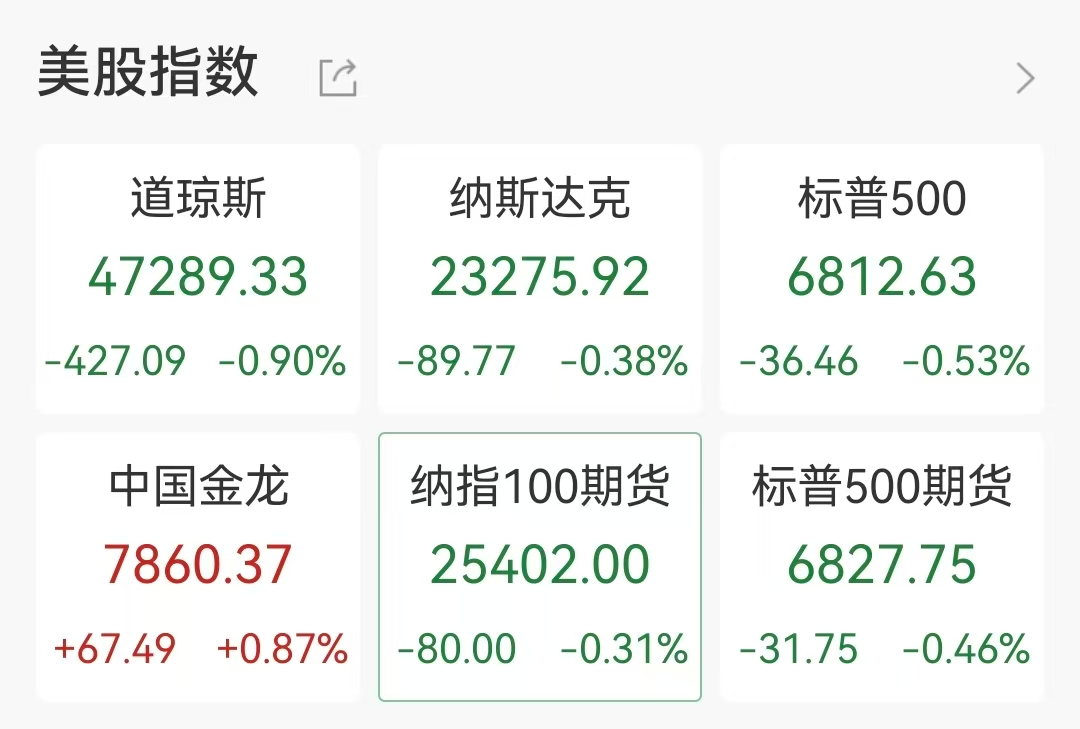
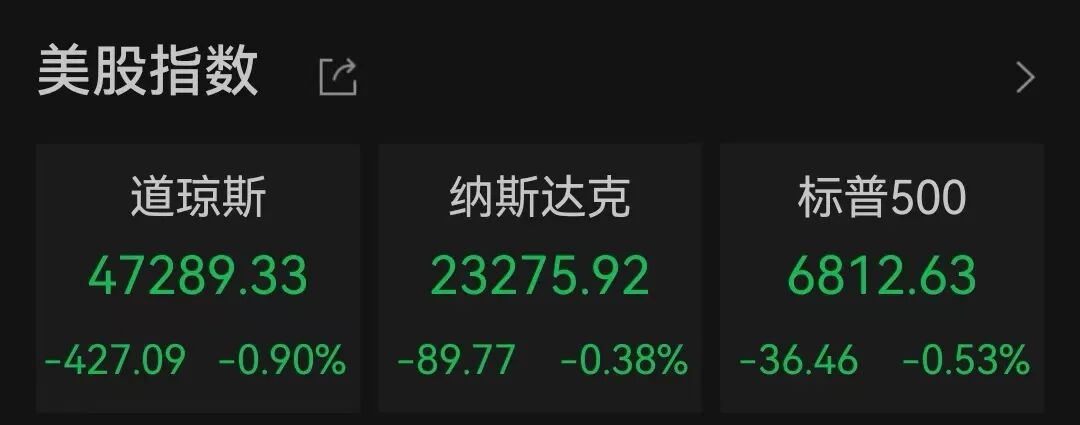
Market Overview - US stock markets experienced a decline, with the Dow Jones down 0.9%, Nasdaq down 0.38%, and S&P 500 down 0.53% [1] - Notable stock movements included Google A down 1.65%, Meta down 1.09%, and Microsoft down 1.07%, while Tesla rose 0.01% and Apple increased by 1.52% [1] - The Nasdaq Golden Dragon China Index rose by 0.96%, with significant gains from NetEase (up 4.9%) and Alibaba (up 4.4%) [1] Company Developments - Nvidia announced a $2 billion investment in EDA giant Synopsys [1] - Apple is accelerating the development of its first foldable iPhone, expected to launch in Fall 2026, following the departure of its AI chief [2] - Google introduced the Gemini 3 AI model into its search engine, covering nearly 120 countries and regions [2] Industry Insights - The cobalt market saw prices surpass $50,000 per ton, with ongoing export bans affecting supply from the Democratic Republic of Congo [3] - A report from Morgan Stanley indicated a significant increase in Google's TPU chip production forecast, with expectations to reach 5 million units by 2027, potentially generating an additional $13 billion in revenue for every 500,000 units sold [7][10] - The NAND Flash market is experiencing strong demand driven by AI applications, with prices expected to rise by 20% to 60% across various products [6][7] - Rare earth prices, including praseodymium and neodymium, have increased by 3-6%, driven by tight supply and stable demand from domestic and overseas markets [8] Strategic Moves - DeepSeek announced the launch of its DeepSeek V3.2 model, achieving top performance in AI assessments, which may enhance its competitive position in the AI market [6] - Barclays predicts that AI inference computing demand will reach 4.5 times that of training demand by 2026, indicating a shift in the AI market focus [10]


美股全线收跌,中国资产走强
Zhong Guo Zheng Quan Bao· 2025-12-01 23:42
Group 1: US Stock Market Performance - On December 1, US stock indices closed lower, with the Dow Jones down 0.9% at 47,289.33 points, the S&P 500 down 0.53% at 6,812.63 points, and the Nasdaq down 0.38% at 23,275.92 points [2] - The large-cap tech stocks showed mixed results, with the US Tech Giants Index up 0.15%. Nvidia rose over 1%, while Google's parent company Alphabet and other major tech firms like Microsoft and Meta fell over 1% [4] Group 2: Chinese Stocks Performance - Most Chinese stocks saw gains, with the Nasdaq Golden Dragon China Index up 0.87%. Notable performers included NetEase up about 5% and Alibaba up over 4% [4] Group 3: Airbus Stock Movement - Airbus shares experienced a significant drop, falling over 10% during intraday trading on December 1, due to a statement regarding the urgent grounding of a number of A320 series aircraft affected by flight control software issues [5] - Airbus indicated that approximately 6,000 aircraft could be impacted, with most already completing necessary technical work [5] Group 4: Precious Metals Market - On December 1, international precious metal futures generally rose, with COMEX gold futures up 0.24% at $4,265.00 per ounce and COMEX silver futures up 2.25% at $58.45 per ounce [6] - The market is closely monitoring the potential for interest rate cuts by the Federal Reserve, which could influence gold prices due to their sensitivity to such expectations [6]


美股三大指数集体收跌,道指跌420点,蔚来跌超5%,阿里网易涨超4%
2 1 Shi Ji Jing Ji Bao Dao· 2025-12-01 23:31
Market Overview - On December 1, U.S. stock indices collectively declined, with the Dow Jones falling by 0.9%, losing over 420 points, the Nasdaq down by 0.38%, and the S&P 500 decreasing by 0.53% [1][2]. Technology Sector - Major tech stocks mostly fell, with Broadcom dropping over 4%, Google and Microsoft down more than 1%, while Nvidia rose by 1.65% and Apple increased by 1.52%, reaching a historical high of $283.42 during the session [2][3]. - The MAG index, which includes major tech giants, showed a slight increase of 0.15% [3]. Cryptocurrency Market - The cryptocurrency sector experienced significant declines, with Bitcoin dropping over 5% to $86,415.3 and Ethereum falling more than 7% to $2,797.79. The total cryptocurrency market cap has evaporated by over $1 trillion since reaching a peak of approximately $4.3 trillion [6][7]. Commodities - In commodities, spot gold rose by 0.28% to $4,232.12, while silver prices reached a new high of $58.8 per ounce, marking a year-to-date increase of over 100% [5]. - Crude oil prices also saw gains, with West Texas Intermediate (WTI) rising by 1.64% to $59.51 per barrel and Brent crude increasing by 1.49% to $63.31 per barrel, driven by geopolitical risks and supply concerns [5][6]. Retail Sector - Walmart's stock increased by nearly 1%, reaching a historical high, as the "Cyber Monday" shopping event commenced, with online sales expected to reach $14.2 billion according to Adobe Analytics [4]. - Shopify faced a decline of 5.9% due to system outages affecting merchants trying to access its platform [4]. Chinese Stocks - Chinese stocks showed strength, with the Nasdaq Golden Dragon China Index rising by 0.87% and the Wind Technology Leaders Index increasing by 1.61%. Notable individual stock movements included a rise of over 5% for Atour and NetEase, while NIO fell by over 5% [4].