PDD(PDD)

Search documents
12月电商大盘增速放缓,阿里千问打通生态业务
国投证券(香港)· 2026-01-19 11:15
Investment Rating - The report suggests a cautious outlook on the e-commerce sector, indicating a slowdown in growth due to macroeconomic factors and high base effects from previous years [5]. Core Insights - In December, the online retail sales of physical goods grew by 0.8% year-on-year, with a total of 1.3 trillion yuan, marking a significant slowdown compared to previous months [2][5]. - Alibaba's Qianwen app has integrated various services within its ecosystem, potentially enhancing user engagement and transaction efficiency, with expectations that AI will handle 60-70% of digital tasks in the next two years [3][5]. - The overall e-commerce market is projected to grow by 5.2% year-on-year in 2025, with specific categories like food seeing a growth of 14.5% [2][5]. Summary by Sections E-commerce Market Performance - December's online retail sales reached 1.3 trillion yuan, with a year-on-year growth of 0.8%, a decline from 4.9% in October and 1.5% in November [2]. - For the entire year of 2025, online retail sales are expected to total 13.1 trillion yuan, reflecting a 5.2% increase compared to previous years [2]. Alibaba's Ecosystem Development - Alibaba's Qianwen app has connected with various services, launching over 400 AI functionalities, which allows users to complete transactions seamlessly [3]. - The monthly active users (MAU) of the Qianwen app surpassed 100 million, indicating rapid user growth [3]. Competitor Updates - Pinduoduo is testing a new "Billion Supermarket" initiative and has launched shared warehouse services to improve delivery efficiency [4]. - JD.com reported that its Plus members saved nearly 30 billion yuan in 2025, while Douyin e-commerce helped merchants save over 32 billion yuan in operational costs [4]. Investment Recommendations - The report emphasizes the importance of companies with strong AI capabilities and platform ecosystems, suggesting that the profit uplift from AI tools will outweigh revenue impacts in the current macroeconomic environment [5].


从耶鲁硕士到返乡汽修工:在拼多多的“快反”战场,重构中国养生图谱
创业邦· 2026-01-19 10:41
Core Viewpoint - The article discusses the transformation of traditional supply chains in China through digital platforms like Pinduoduo, emphasizing the shift from conventional trading methods to data-driven, efficient production and sales strategies [4][28]. Group 1: Transformation of Traditional Industries - The narrative highlights the journey of individuals like Luo Weiyou, who transitioned from traditional farming to utilizing digital tools for better management of medicinal herbs, leading to a more predictable and efficient business model [8][12]. - Luo's approach involved "reverse R&D," where he set standards for products based on consumer data, thus changing the perception of agricultural products from unpredictable to manageable commodities [10][13]. - The article illustrates how Pinduoduo's platform enables farmers to connect directly with consumers, allowing for a more structured and data-informed approach to agriculture [9][12]. Group 2: Fast-Moving Consumer Goods (FMCG) Innovation - The case of the beverage brand "Qing Shang" demonstrates how companies must adapt quickly to consumer preferences, with product development cycles reduced to as little as 30 days [15][16]. - Qing Shang's strategy includes monitoring trending keywords and rapidly developing products that meet emerging consumer demands, showcasing a shift towards a more agile supply chain [16][19]. - The brand's success during events like the Double 11 shopping festival, where it achieved over 500,000 cans sold in a single day, underscores the effectiveness of its data-driven approach [18]. Group 3: Brand Evolution and Consumer Trust - The article discusses how brands like "Mei Ri Qiao An" initially hesitated to engage with Pinduoduo due to preconceived notions about the platform, but later adapted their products to meet the needs of a different consumer demographic [24][26]. - The introduction of a "black label" certification by Pinduoduo significantly improved trust and sales for new brands, demonstrating the importance of credibility in online retail [26]. - Traditional brands like "Fu Dong Hai" have also successfully rebranded to appeal to younger consumers, indicating a broader trend of brand rejuvenation through digital platforms [27][28]. Group 4: Supply Chain Reconfiguration - The article emphasizes that Pinduoduo is not merely a sales platform but a catalyst for deep supply chain restructuring, promoting standardization in agricultural products and flexibility in industrial production [28][29]. - The success of various brands on Pinduoduo reflects a shift towards a more efficient and responsive market, where consumer insights drive production and sales strategies [29].


大行评级|大摩:预计今年AI发展道路更光明,予腾讯、阿里巴巴、拼多多等“增持”评级
Ge Long Hui· 2026-01-19 08:51
Core Insights - Morgan Stanley's report on Chinese tech stocks presents an optimistic outlook for AI development by 2026, driven by both supply and demand factors [1] - The overseas expansion of internet companies is highlighted as a crucial strategy to address macroeconomic, competitive, regulatory, and geopolitical risks [1] Company Preferences - The report lists preferred stocks with an "overweight" rating, including Tencent, Alibaba, Pinduoduo, Tencent Music, NetEase, BOSS Zhipin, Manbang, Meituan, Trip.com, Tongcheng Travel, TAL Education, and Beike [1]


科技小院里藏着的兴农密码
Jing Ji Wang· 2026-01-19 07:28
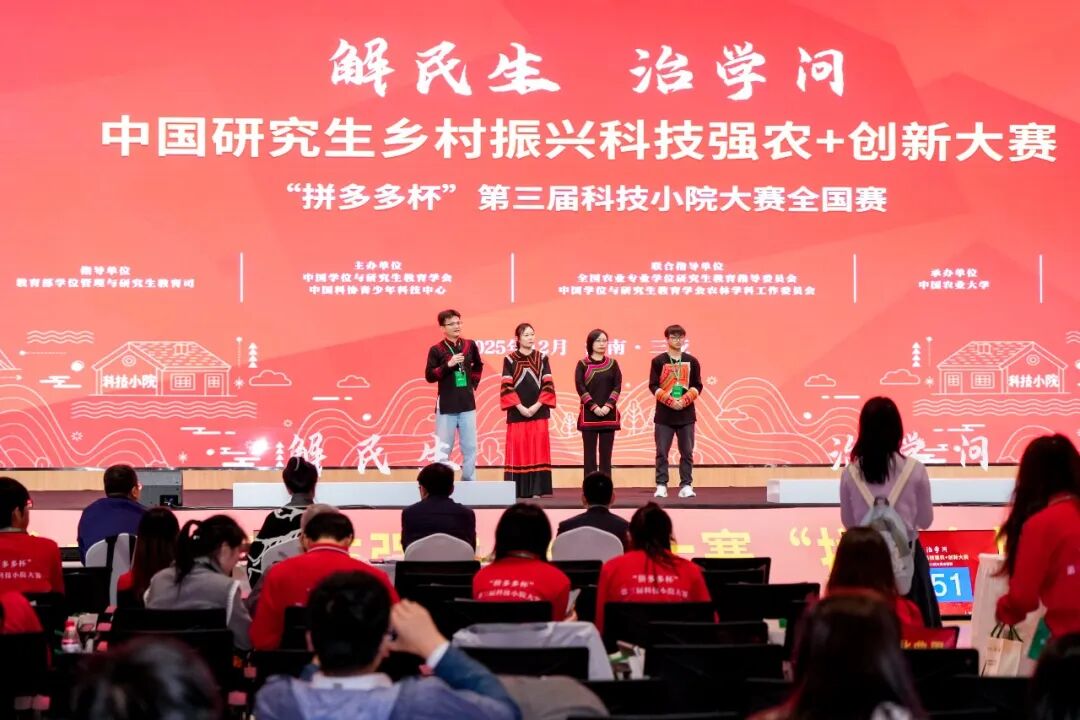
Core Insights - The "Pinduoduo Cup" Third Technology Academy Competition concluded in Sanya, Hainan, showcasing innovative agricultural technologies from six teams that emerged from 247 teams across 87 graduate institutions [1][4] Group 1: Competition Overview - The competition focused on the theme "Solving Livelihood Issues, Addressing Academic Questions," highlighting the collaboration between young scholars and agricultural practices [2] - The event featured rigorous evaluations, including on-site assessments by an "Academician Flying Team" to ensure teams were deeply engaged with local communities [6] Group 2: Agricultural Innovations - The Hebei Quzhou Liu Zhuang Technology Academy developed a quality management system that reduced nitrogen fertilizer usage by 33.3% while increasing protein content to 14.9%, breaking the dependency on imported high-end baking flour [3] - The bamboo technology academy in Sichuan achieved a fivefold increase in bamboo shoot yield, generating an income of 120,000 yuan from 80 acres in 2025, and trained over 500 bamboo farmers [5] - The Shaanxi Yongshou Wheat Technology Academy utilized drone technology for precise application of zinc and selenium, promoting over 10,000 acres of enriched wheat and achieving zero new cases of a prevalent disease in the last five years [5] Group 3: Community Engagement - The core philosophy of the technology academies is to address local agricultural challenges directly, with a focus on building trust and relationships with farmers [6][8] - Students actively assist villagers with various issues, enhancing community ties and fostering a collaborative environment [8] Group 4: Support from Pinduoduo - Pinduoduo's "Billion Support" initiative continues to provide financial backing, including a 100 million yuan donation to China Agricultural University for research funding [9] - The platform has established a direct channel for "Research + Market" integration, offering operational guidance and promotional support to technology academies [11] - Pinduoduo collaborates with the Food and Agriculture Organization to facilitate international exchanges, expanding the reach of technology academies to over 31 provinces and various agricultural sectors [11][12]
布局中国互联网:AI 投资关键年与核心定位防守战;围绕每股收益兑现、叙事转变与股东回报的个股精选-Navigating China Internet_ Pivotal year for AI investments & Defending core positioning; Stock picking around EPS delivery, Narrative changes & Shareholder returns
2026-01-19 02:32
Summary of Key Points from the Conference Call Industry Overview - The conference call focuses on the **China Internet** sector, particularly the competitive landscape involving major players like **ByteDance**, **Alibaba**, and **Tencent**. It highlights the strategic pivots expected in 2026 due to advancements in AI technologies and changing market dynamics. Core Insights and Arguments 1. **Strategic Pivot Year**: 2026 is anticipated to be a pivotal year for China internet mega-caps, driven by increased investments in AI technologies and efforts to defend core market positions. ByteDance's advancements in AI and eCommerce are significant factors prompting these changes [1][11][42]. 2. **ByteDance's Market Position**: ByteDance has achieved notable success, being the top in daily token consumption and having the most used consumer-facing app, Doubao, with over 100 million daily active users (DAU). Its Douyin eCommerce GMV is projected to grow over 30% in 2025, positioning it to surpass Pinduoduo in 2026 [11][43]. 3. **AI Investment Themes**: Six key AI themes for 2026 include: - Shift towards ROI-based advertising and new marketing strategies. - Breakthroughs in AI models focusing on multi-modal and cost-efficient architectures. - Proliferation of consumer-facing AI assistants. - Competition for next-generation chips impacting AI model performance. - Expansion into global markets with a mix of open and closed-source models. - Increased demand for AI inference driving cloud revenue growth [2][15]. 4. **Stock Recommendations**: - **Alibaba** and **Tencent** are viewed as strong long-term investments due to their AI capabilities. - **PDD** is highlighted as a key mega-cap idea for 2026, benefiting from a favorable risk-reward profile and strong user engagement [3][16][20]. 5. **Sub-sector Preferences**: The updated preference ranking includes: - **Cloud & Data Centers** (1) - **Games & Entertainment** (2) - **AI Models** (newly added) [21]. Additional Important Insights 1. **Regulatory Environment**: The call discusses the regulatory landscape, indicating that recent investigations into the food delivery sector are not indicative of a return to stringent regulatory measures but rather a push for healthy competition [32]. 2. **Market Valuations**: Current valuations for China internet stocks are noted, with the sector trading at a median 2026E P/E of 18X, which is competitive compared to US peers [13][26]. 3. **Food Delivery Competition**: The competitive landscape in food delivery is expected to normalize, with significant losses narrowing for Alibaba and JD as they adapt to new regulations and market conditions [30][32]. 4. **AI Model Competition**: The competition in AI models is expected to extend towards multi-modal capabilities, with Alibaba positioned as a leader in this space [22][43]. This summary encapsulates the key points discussed in the conference call, providing insights into the strategic direction of the China internet sector and the implications for major players.
社区团购,倒在了2026年?
3 6 Ke· 2026-01-19 02:30
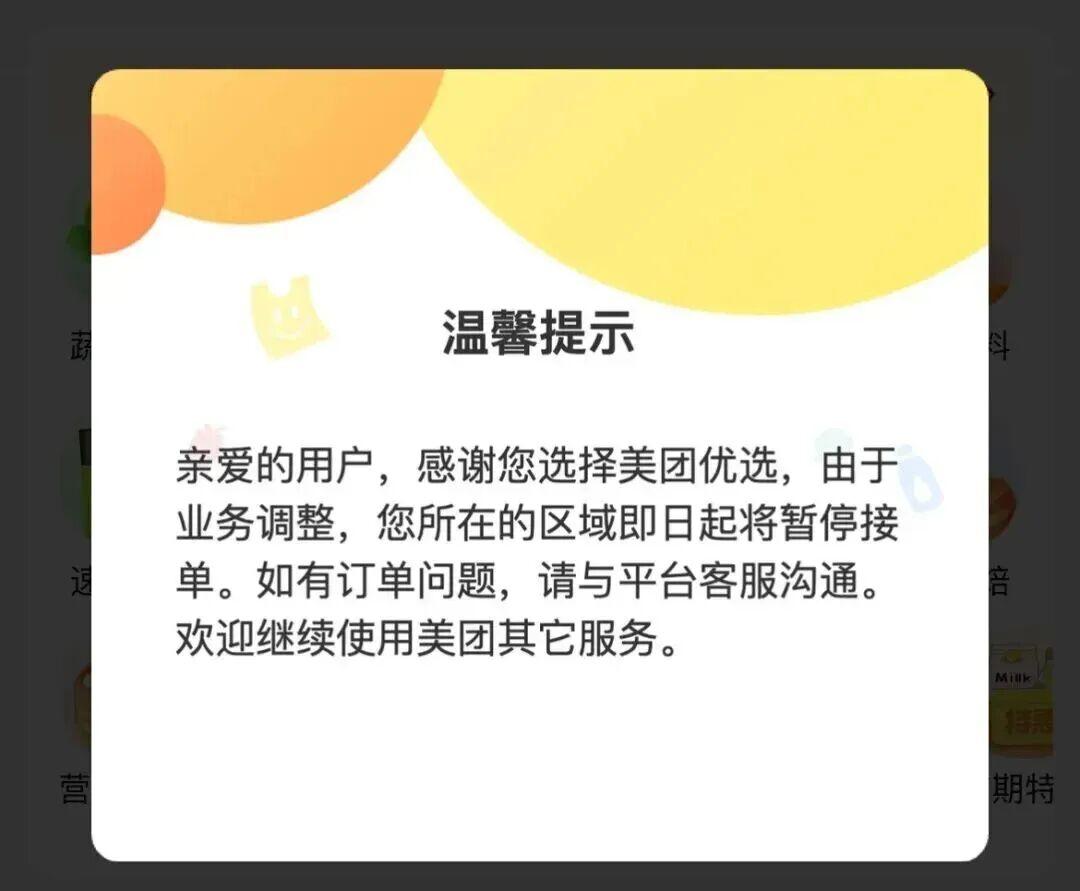
Core Insights - The community group buying sector has rapidly transitioned from explosive growth to a collective retreat, with major players like Alibaba's Taocai Cai, Didi's Orange Heart Selection, and Meituan exiting the market, leaving only Pinduoduo's Duoduo Maicai remaining [1][2] Group 1: Market Dynamics - In 2020, internet giants heavily invested in community group buying, with total financing reaching hundreds of billions and over 200 companies involved, leading to a fierce competition [2] - Regulatory scrutiny began in December 2020, with the introduction of new rules aimed at preventing unfair competition, marking a turning point for the industry [2] - By 2021, the bubble burst, leading to a wave of bankruptcies and significant business reductions among major players, including Didi and JD [3] Group 2: Business Model Challenges - The community group buying model has faced fundamental profitability issues since its inception, relying on heavy subsidies and unsustainable pricing strategies that failed to yield long-term profits [4] - The high loss rates and low margins associated with fresh produce further exacerbated the profitability challenges, leading to long-term losses for many platforms [4] Group 3: Competitive Pressures - The sector faced intense competition, with numerous platforms vying for market share, resulting in resource wastage and increased market saturation [7] - The rise of alternative retail formats, such as discount stores and instant retail, diminished the competitive advantages of community group buying, leading to a decline in market space [7] Group 4: Shift to Instant Retail - Instant retail has emerged as a new battleground for major players, with projections indicating that the market could exceed 1 trillion yuan by 2026 [8] - Changing consumer preferences towards immediate gratification have rendered the community group buying model less appealing, as consumers now prioritize convenience and speed [8] - Major companies are investing heavily in instant retail, with Alibaba, JD, and Meituan all planning significant financial commitments to capture market share [9]

中国所有互联网公司市值加起来,竟然不如一个 Google?劝劝巨头们 别再卷了 通过免费打压行业对手追求垄断
Xin Lang Cai Jing· 2026-01-18 13:23
Core Viewpoint - The market capitalization of Google (Alphabet) is approximately $4 trillion, while the combined market capitalization of China's top internet companies is only about $1.8 trillion, indicating a significant disparity in valuation and market perception [25][28][30]. Market Capitalization Comparison - As of the end of 2025 or early 2026, the estimated market capitalizations of major companies are as follows: - Google (Alphabet): ~$40,000 million - Tencent: ~$5,917 million - Alibaba: ~$3,333 million - Xiaomi: ~$1,987 million - Pinduoduo: ~$1,486 million - Meituan: ~$975 million - NetEase: ~$852 million - JD: ~$471 million - Trip.com: ~$383 million - Kuaishou: ~$345 million - Tencent Music: ~$302 million - The total market capitalization of the top 10 Chinese internet companies is estimated to be around $17,000–20,000 million, which is more than 2.2 times less than that of Google [28][3][25]. Competitive Landscape - The primary issue in the Chinese internet sector is not a lack of effort but rather a misdirection in competitive strategies, focusing excessively on user acquisition, subsidies, and speed, leading to a dangerous cycle of competition [30][5]. - This competitive model, which relies on free services to gain scale and eliminate competitors, is damaging long-term sustainability in the industry [31][32]. Impact on Entrepreneurship - The current environment is systematically clearing out entrepreneurs, reducing their roles to mere tools for larger platforms, and stifling genuine innovation [34][37]. - The lack of reasonable pricing, stable profits, and long-term investment in research and development is leading to fewer companies being profitable and surviving [35][36]. Employment Challenges - The concentration of the industry into a few dominant platforms is contributing to job losses, with monopolistic structures eliminating positions rather than technological advancements like AI [39][10]. - As industry profits shrink, salaries are also compressed, leading to fewer job opportunities for young people [11][39]. Comparison with Google - Google’s strength lies not in the number of applications but in its focus on foundational capabilities, allowing ecosystem partners to thrive and generating productivity-based revenue rather than merely capturing attention [40][41]. - The competitive landscape in China, characterized by internal strife, hinders the emergence of globally competitive companies [41][42]. Future Outlook - If the current competitive practices continue, the industry may end up with a few platforms and many dependent entities, leading to a degraded ecosystem rather than a mature industry [42][45]. - A healthy internet ecosystem should support entrepreneurship and job creation, rather than relying solely on free services as a competitive tool [44][51].



行业周报:千问打通阿里生态,拼多多内测“百亿超市”-20260118
SINOLINK SECURITIES· 2026-01-18 11:50
Investment Rating - The report does not explicitly state an investment rating for the industry Core Insights - The coffee industry remains highly prosperous, with brands actively opening new stores despite the onset of the off-peak season, which may lead to short-term data fluctuations [4] - The tea beverage sector is experiencing slight pressure, with platforms focusing on immediate retail market share and a gradual reduction in subsidies, although the data still shows resilience [4] - The e-commerce sector continues to face challenges due to the domestic consumption environment, with Alibaba integrating its ecosystem with the Qianwen app for AI shopping, while Pinduoduo is testing a new "Billion Supermarket" feature [4][12] - The music streaming platform is highlighted as a quality internet asset driven by domestic demand, suggesting continued interest in music subscription platforms due to their profitability potential [4] - The automotive service market is projected to see a year-over-year decline of 6% by December 2025, with a quarter-over-quarter increase of 9% [4] - The AI and cloud sector is expected to grow, with Qianwen app integrating AI capabilities and significant investments in AI applications anticipated from both domestic and international tech giants [4] Summary by Sections 1.1 Consumer & Internet - The non-essential consumer sector index increased by 5.67%, outperforming the Hang Seng Index by 3.33 percentage points, with notable stock performances from Haidilao (+10.65%) and Luckin Coffee (+2.51%) [9][10] - The e-commerce index rose by 3.73%, with Alibaba's stock increasing by 13.45% and Pinduoduo declining by 11.44% [11][15] 1.2 Platform & Technology 1.2.1 Streaming Platforms - The Nasdaq Internet index fell by 3.59%, while the Hang Seng Media Index rose by 5.99%, with Netflix and Tencent Music experiencing declines [16][38] 1.2.2 Virtual Assets & Trading Platforms - The global cryptocurrency market cap reached $332.23 billion, with Bitcoin and Ethereum prices increasing by 5.5% and 6.9% respectively [22][24] 1.2.3 Automotive Services - The automotive aftermarket is projected to decline by 6% year-over-year by December 2025, with a quarter-over-quarter increase of 9% [34] 1.2.4 O2O - The internet technology index rose by 3.73%, with significant stock movements in companies like Didi and JD Health [35][40] 1.2.5 AI & Cloud - The Nasdaq Internet index fell by 3.59%, with Alibaba and TSMC showing positive stock performance [38][44] 1.3 Media - The media index increased by 2.04%, with the advertising sector performing well while the film and television sector faced declines [45][46]
9点1氪丨贾国龙罗永浩微博被禁言,罗永浩朋友圈最新发声;李湘多平台账号被禁止关注;特朗普拿到诺贝尔和平奖奖章
3 6 Ke· 2026-01-17 01:12
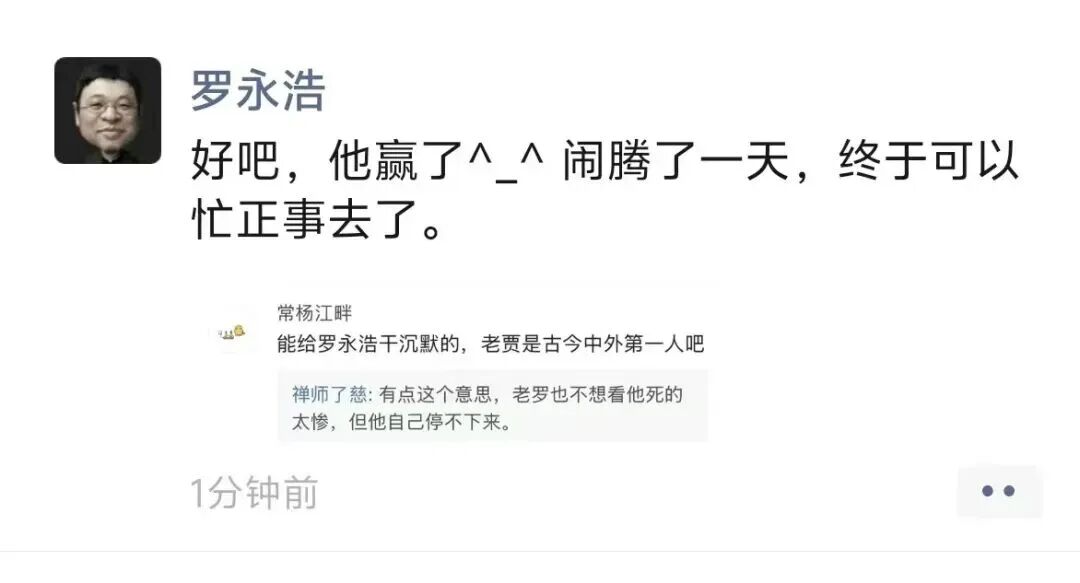
Group 1 - The accounts of well-known figures Jia Guolong and Luo Yonghao have been banned on Weibo due to negative behavior, as stated by Weibo's CEO Wang Gaofei [1] - Jia Guolong responded to accusations from Luo Yonghao, emphasizing that his company, Xibei, has operated legally and has not engaged in any illicit activities [1][2] - Xibei's public relations vice president, Song Xuan, has resigned, citing personal development reasons and the pressure from recent events [4][6] Group 2 - Ctrip has been under investigation by local market regulatory authorities for alleged monopolistic practices, including price manipulation and forced exclusivity [5][7] - Some Moutai provincial direct stores are now allowing eligible taxpayers to purchase the Flying Moutai at a price of 1499 yuan per bottle, without the need to buy additional products [7] - New regulations for the recycling and utilization of used power batteries from electric vehicles will be implemented starting April 1, 2026, focusing on comprehensive lifecycle management [7] Group 3 - Several smartphone manufacturers, including Xiaomi and OPPO, have lowered their annual shipment forecasts by over 20% due to rising upstream supply chain costs [8] - Porsche announced a 10% decrease in global deliveries for 2025, totaling 279,449 vehicles, with significant declines in the European market attributed to supply shortages [12][13] - Gree Electric plans to distribute over 5.58 billion yuan in cash dividends to shareholders, with a payout of 10 yuan per 10 shares [10] Group 4 - Smart has suspended its charging cooperation with multiple charging operators, possibly due to financial pressures [11] - Major banks in the U.S. have reduced their workforce by approximately 10,600 employees, marking the highest reduction in nearly a decade [14] - The AI startup Anthropic has appointed former Microsoft executive Irina Ghose as its General Manager for India [14]





1月16日热门中概股涨跌不一 台积电涨4.48%,腾讯音乐跌4.98%
Xin Lang Cai Jing· 2026-01-15 21:30
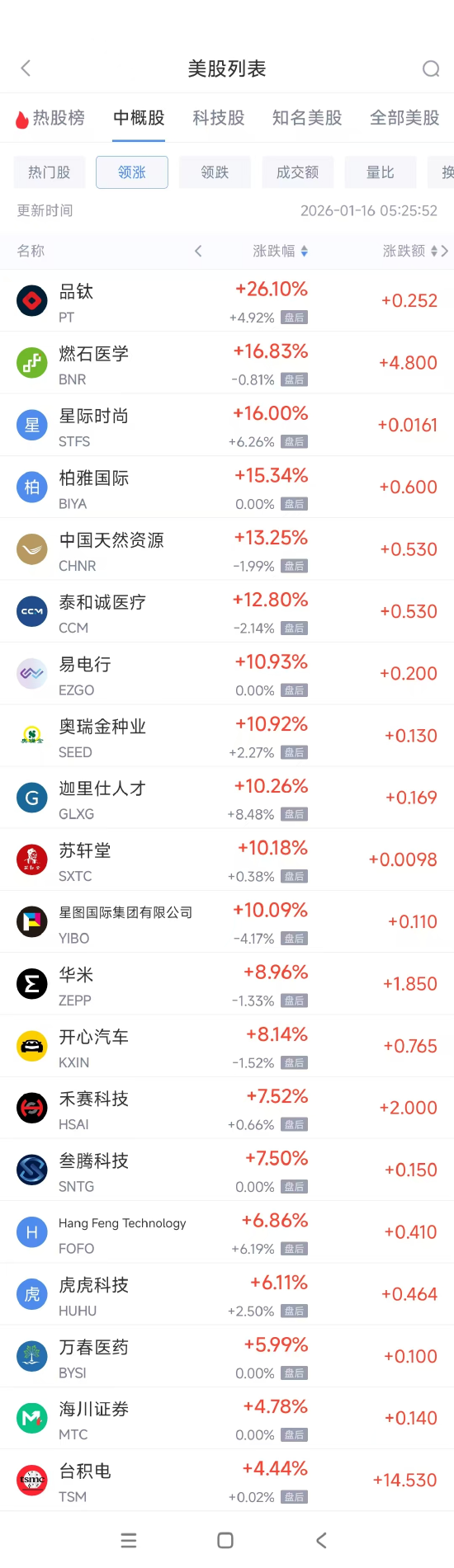
Group 1 - The Nasdaq China Golden Dragon Index (HXC) closed down by 0.60% on January 16, with mixed performance among Chinese concept stocks [1][8]. - Among the stocks that increased, TSMC rose by 4.48%, Alibaba by 0.62%, and NIO by 1.64% [1][8]. - Stocks that declined included Pinduoduo down by 0.40%, NetEase down by 2.09%, and Tencent Music down by 4.98% [1][8]. Group 2 - The US stock market saw gains on Thursday, led by the chip and banking sectors, helping major indices rebound after two days of decline [2][9]. - The Dow Jones Industrial Average increased by 292.81 points, or 0.60%, closing at 49,442.44 points; the Nasdaq rose by 58.27 points, or 0.25%, to 23,530.02 points; and the S&P 500 gained 17.87 points, or 0.26%, to 6,944.47 points [2][9]. Group 3 - A list of top-performing Chinese concept stocks includes Pintai with a rise of 26.10%, and Fuel Medical with an increase of 16.83% [3][11]. - The list of declining Chinese concept stocks features Fanhua Financial down by 14.04%, and Zhongchi Chefu down by 12.98% [6][14].