XPENG(XPEV)

Search documents
小鹏机器人,为啥真的像人?
3 6 Ke· 2025-11-10 05:32
Core Insights - The article discusses the recent launch of the humanoid robot IRON by Xiaopeng Motors, which has sparked significant public interest and debate regarding its human-like appearance and movement capabilities [1][3][9]. Group 1: Technology and Innovation - The humanoid robot IRON features advanced technologies such as a bionic spine design, 82 degrees of freedom in joints, and large model training for human gait, contributing to its fluid and human-like movement [3][6]. - A key innovation in IRON is the use of a new type of material called elastomer, which allows for flexible and lightweight structures, enhancing the robot's ability to mimic human muscle movement [4][6][8]. - The elastomer material is significantly lighter than traditional rigid materials, reducing energy consumption and improving safety in human-robot interactions [6][8]. Group 2: Market and Business Strategy - Xiaopeng Motors aims to create a closed-loop system where humanoid robots are utilized in automotive manufacturing, enhancing automation and efficiency while collecting valuable operational data for further technological advancements [9][13]. - The company believes that humanoid robots will have a more appealing presence in the market, leading to increased sales and cost reductions, thus fostering a positive business cycle [11][13]. - Xiaopeng Motors anticipates that the robotics market could reach $20 trillion in the next 10-20 years, potentially surpassing the automotive market, indicating a strong growth outlook for the industry [13].


小鹏机器人被质疑藏真人!何小鹏发视频澄清:总有人不相信世界变化如此快【附人形机器人行业市场分析】
Qian Zhan Wang· 2025-11-10 03:53
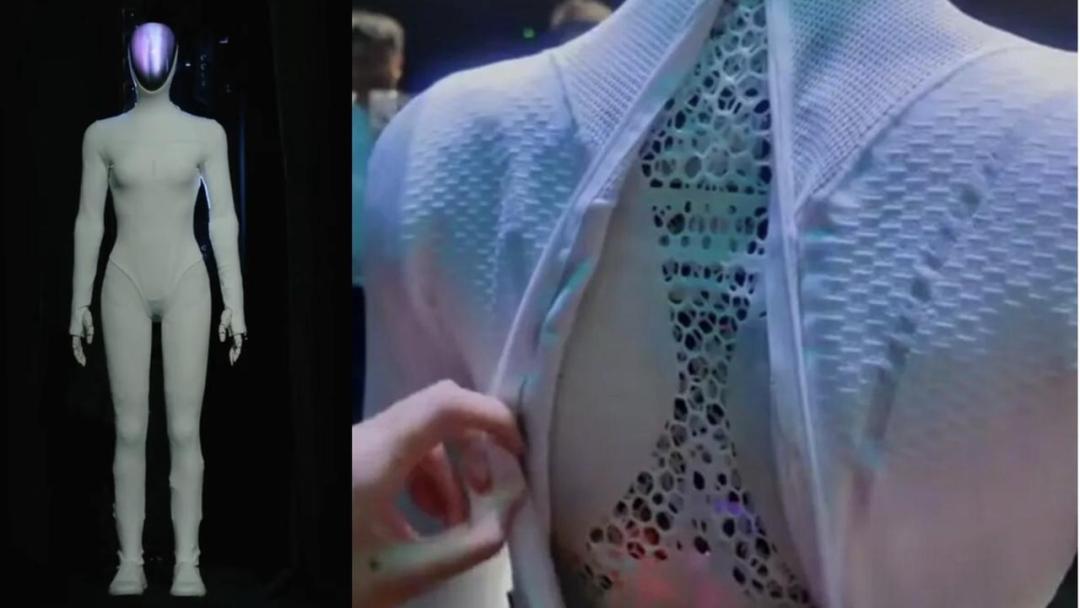
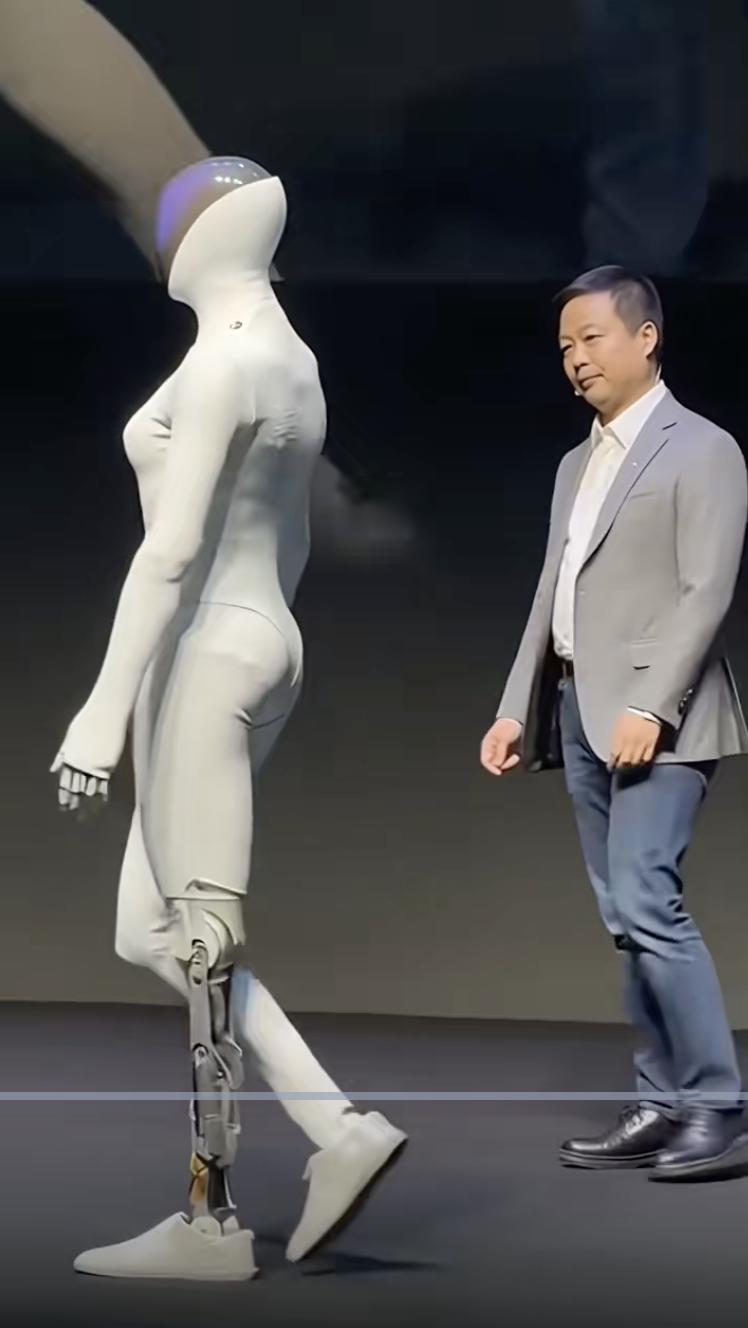
11月5日,小鹏科技日的舞台上,人形机器人IRON踩着轻盈的猫步闪亮登场,成为全场焦点,这段现场视 频在社交媒体瞬间引爆。何小鹏或许没料到,一场因太逼真而起的舆论风暴正席卷而来。现场视频中, IRON肩颈舒展自然、胯部随步伐摆动,转身时的重心转移与真人如出一辙,以至于社交媒体瞬间被100%真 人在里面的质疑淹没。网友们纷纷猜测,"这里面是真人,放大能看到头部有耳朵的轮廓"、"特斯拉的机器 人走路都没这个利索,不可能是真的,不可能做到这么丝滑"。 面对铺天盖地的质疑,11月6日,小鹏汽车董事长、CEO何小鹏回应称"既高兴又哭笑不得,总有人不相信 世界变化如此快",并发布一镜到底视频证明。为彻底打消网友的疑虑,员工还扒开机器人背部拉链,将内 部晶格状仿生肌肉与精密控制器展现在众人眼前,散热风扇的嗡嗡声清晰可闻。何小鹏解释道:机器人皮肤 下面是肌肉,手中有谐波关节,绝对不是人;而头部看着像耳朵的地方,其实是两组麦克风阵列,解决了机 器人听觉的问题。 (图片来源:视频截图) 当众"解剖"IRON的何小鹏,心酸地表示:"大家不愿意相信,一个强大的技术来自中国的创业公司,我们心 中的成见是一座大山。" 争议的背后,实则是 ...
小鹏,“重拾”执念
虎嗅APP· 2025-11-10 03:44
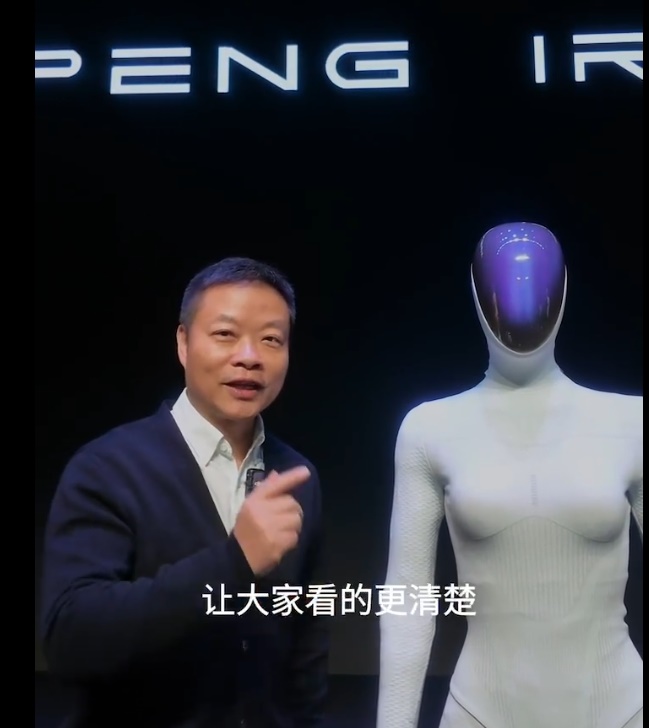
Core Viewpoint - The article discusses the recent unveiling of Xiaopeng's humanoid robot "IRON" during the "Technology Day" event, highlighting its advanced capabilities and the strategic shift in Xiaopeng's robotics direction, moving away from industrial applications to more interactive roles like guiding and shopping assistance [4][18][20]. Group 1: Robot Presentation and Public Reaction - Xiaopeng's "Technology Day" featured the release of the humanoid robot "IRON," which showcased basic walking capabilities, sparking public interest and skepticism regarding its authenticity [4][6]. - The event generated significant media attention, with Xiaopeng leveraging social media to enhance visibility, including a video of the CEO interacting with the robot [6][7]. - The public's reaction included doubts about the robot's capabilities, with some speculating it was merely a human in disguise due to its lifelike appearance [6][9]. Group 2: Technical Aspects of IRON - The "IRON" robot demonstrated advanced gait capabilities, attributed to its complex mechanical structure and generative algorithms that allow for real-time adjustments in movement [10][14]. - The robot's design features significant upgrades in its joints and movement flexibility compared to earlier versions, indicating a substantial leap in hardware complexity [14][22]. - The integration of generative models into the robot's control systems enables it to perform actions based on high-level commands rather than pre-programmed sequences, mimicking human-like decision-making [15][30]. Group 3: Strategic Shift in Robotics - Xiaopeng has shifted its focus from industrial applications to more consumer-oriented roles for the IRON robot, such as guiding and shopping assistance, reflecting a change in market strategy [18][20]. - The initial applications for the robot have been revised from factory automation to more interactive scenarios, indicating ongoing uncertainty in the robotics business [23][24]. - The timeline for mass production of advanced humanoid robots has been set for the end of 2026, but the specifics of the robot's capabilities and applications remain unclear [24][25]. Group 4: AI and Autonomous Driving Developments - Xiaopeng's advancements in AI and autonomous driving technology are crucial for its core automotive business, with the second-generation VLA model being introduced to enhance driving capabilities [29][30]. - The new VLA model aims to improve data processing efficiency and reduce reliance on labeled data, indicating a significant evolution in the company's AI strategy [30][31]. - Despite the progress, there are concerns about the competitive landscape in the autonomous driving sector, with Xiaopeng's performance reportedly declining over the past year [29][34].

中国电动汽车_2025 年独家调研,中国与国际车企电动汽车技术差距对比-China EV_ Proprietary survey 2025, Part 3. 10-year anniversary, Bonus edition – China vs. International OEMs‘ EV technology gap
2025-11-10 03:35
Summary of Key Points from the Conference Call Industry Overview - **Industry**: Chinese Electric Vehicle (EV) Market - **Focus**: Comparison between Chinese OEMs and international OEMs regarding EV technology and consumer preferences Core Insights 1. **Shift in Consumer Preferences**: Over the past decade, Chinese consumers have transitioned from favoring German and Japanese internal combustion engine (ICE) vehicles to embracing Chinese EVs, prioritizing value over brand loyalty [2][16][17] 2. **Value Definition**: Current consumer preference for Chinese brands is driven by perceived value for money, which includes build quality, energy efficiency, and advanced technologies like ADAS and smart cockpit systems [2][17] 3. **Upgrade Aspirations**: Chinese consumers are increasingly willing to raise their car budgets to purchase the best vehicle they can afford, with a strong focus on advanced EV technologies [3][18] 4. **Technology Adoption**: Chinese consumers have been early adopters of intelligent driving technologies, with a notable gap in product offerings from foreign OEMs due to their underestimation of the EV trend [4][20] 5. **Perceived Technological Leadership**: A survey indicates that Chinese OEMs are perceived to be five years ahead of Western peers in EV technology, particularly in battery technology and speed to market [5][6] 6. **Government Support**: The success of Chinese OEMs is attributed to strong government support, market competition, and a corporate culture that emphasizes agility and hard work [5][6] 7. **Competitive Landscape**: The competitive gap between Chinese and Western OEMs may be wider than perceived, with Western OEMs needing to focus on cost reduction and organizational restructuring to catch up [6] Market Projections 1. **Sales Growth**: China's auto sales in the first half of 2025 have exceeded expectations, with forecasts indicating an 8% growth in industry wholesale volumes, reaching approximately 29.5 million units [8] 2. **EV Sales Growth**: The long-term outlook for EVs remains strong, with expected sales growth of around 30% in 2025, driving EV penetration to 57% [9] Investment Implications 1. **Cautious Sector Outlook**: Despite positive trends, the sector is viewed cautiously due to potential pricing pressures and intense competition within the domestic market [8][9] 2. **Company Ratings**: BYD and Xiaomi are rated as Outperform, while XPeng, Li Auto, and NIO are rated as Market-Perform [9] Valuation Comparisons - A detailed valuation comps table shows various metrics for companies like BYD, XPeng, and NIO, indicating their market cap, EV/EBITDA, and P/E ratios, which reflect the competitive positioning of these companies in the market [10] Additional Insights 1. **Brand Building Challenges**: While Chinese OEMs are agile in technology adoption, they face challenges in building strong brands, which are essential for maintaining price premiums as technology commoditizes [4][21] 2. **Consumer Behavior**: The shorter history of car ownership in China makes vehicle purchases more discretionary, emphasizing lifestyle choices over necessity [19] This summary encapsulates the key points discussed in the conference call, highlighting the evolving landscape of the Chinese EV market and the implications for both consumers and investors.


机器人芯片_工业机器人与人形机器人 “大脑” 简明指南_全球半导体与亚洲工业技术-Robotics Chips_ Short primer on the ‘brains‘ for industrial and humanoid robots_ Global Semiconductors & Asian Industrial Technology
2025-11-10 03:34
Summary of Key Points from the Conference Call on Robotics and Semiconductor Industry Industry Overview - The robotics sector, particularly industrial and humanoid robotics, is identified as a prominent emerging technology frontier for 2025 and beyond [1][2] - The market is segmented into three categories: industrial robots, service robots, and humanoid robots, each with distinct operational environments and processing demands [2][11] Robotics Processor Requirements - Two types of processors function as the "brain" and "cerebellum" in robotics, enabling perception & planning and motion control, respectively [2][21] - Industrial robots require specialized processors for predictable tasks under heavy workloads, while service robots need advanced navigation systems and AI models for dynamic environments [12][13][25] - Humanoid robots demand significantly more powerful processors due to their complex movements and the need for real-time processing of multimodal information [15][17][21] Market Fragmentation - The robotics processor market is inherently fragmented due to diverse use cases and varying specifications required by different applications [3][29] - Major suppliers include NVIDIA, Qualcomm, and Intel for high-performance computing, alongside traditional semiconductor vendors like Texas Instruments and emerging fabless companies [3][42][41] Competitive Landscape - Horizon Robotics is highlighted as a leading provider of smart driving chips in China, with a strong balance sheet enabling significant R&D investments [8][71] - NVIDIA is noted for its dominance in the humanoid robot processor segment, providing 3-5x higher compute power than competitors [43][65] - The humanoid robotics sector is still in the early innovation phase, with commercial applications and processor specifications yet to be fully established [3][50] Investment Implications - Horizon Robotics is rated as "Outperform" with a price target of HKD 15, driven by its integrated hardware-software solutions for ADAS systems [8][89] - NVIDIA is also rated "Outperform" with a price target of $225, capitalizing on the datacenter opportunity [9][90] - XPeng is rated "Market-Perform" with a cautious outlook on its strategic shift towards the premium segment and competitive PHEV market [10][92] Future Outlook - The humanoid robotics industry is expected to transition from the innovation trigger phase to more defined applications, but widespread adoption is projected to be 10-20 years away [52][61] - Processor vendors are encouraged to monitor new product release timelines and maintain leadership in compute power to capture market share in the evolving humanoid robotics sector [48][63] Key Takeaways - The robotics market is characterized by rapid technological advancements and a lack of convergence on dominant technical approaches, necessitating continuous innovation in both SoC hardware and AI algorithms [50][63] - The investment narrative is shifting towards event-driven valuation uplifts rather than immediate revenue contributions, particularly in the humanoid robotics sector [64][64] - Companies that can establish robust development ecosystems and maintain technological leadership are likely to succeed in the fragmented robotics processor market [63][82]


小鹏汽车发布鲲鹏超级增程技术,首搭车型小鹏X9超级增程开启预售
Jing Ji Wang· 2025-11-10 03:15
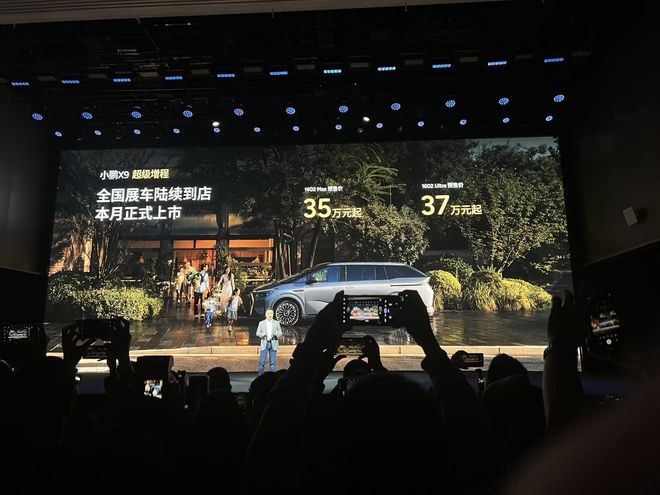
Core Viewpoint - Xiaopeng Motors has launched its new range extender technology solution, Kunpeng Super Range Extender, aimed at addressing five major pain points faced by traditional range extender users, with the first model, Xiaopeng X9 Super Range Extender, now available for pre-sale [1][3] Group 1: Technology and Features - Kunpeng Super Range Extender technology is a result of Xiaopeng's eleven years of pure electric technology, featuring a combination of ultra-fast charging large battery and a large fuel tank, along with a third-generation 1.5T efficient turbocharged engine [3] - The technology achieves a CLTC pure electric range of over 450 km and a comprehensive range of over 1600 km, allowing users to charge once a week without range anxiety [3][6] - The vehicle can charge 70% SOC in just 12 minutes using 5C+800V ultra-fast charging technology, significantly reducing charging wait times [3] - The third-generation 1.5T efficient turbocharged engine maintains a stable cruising speed of 150 km/h even in low battery conditions, addressing the issue of reduced power when the battery is depleted [3][4] Group 2: Energy Efficiency - The Kunpeng Super Range Extender achieves a comprehensive fuel consumption that is 15% better than competitors, addressing concerns about high energy consumption in range extender vehicles [4] - The design includes a super quiet range extender that reduces noise during operation, achieving noise levels below 0.5 dB, providing a driving experience comparable to pure electric vehicles [4] Group 3: Model Specifications - The Xiaopeng X9 Super Range Extender features a 63.3 kWh ultra-fast charging lithium iron phosphate battery and a 60L fuel tank, achieving a CLTC pure electric range of 452 km and a comprehensive range of 1602 km, making it the longest range seven-seater vehicle globally [6] - The vehicle supports 92-octane gasoline, reducing operating costs, and achieves a low comprehensive energy consumption of 16.5 CLTC and 6.4L WLTC in low battery conditions [6] Group 4: Design and Safety - The Xiaopeng X9 Super Range Extender incorporates a unique 9-in-1 integrated rear axle design, maximizing space utilization at 95.8% while integrating various systems [8] - The vehicle meets international safety standards and has undergone extensive global testing across 20 countries and 330 cities, covering over 20 million kilometers to ensure reliability and safety in extreme conditions [10] - The Xiaopeng X9 Super Range Extender is available in two versions, Max and Ultra, with pre-sale prices of 350,000 and 370,000 yuan respectively [10]
小鹏开启增程转向,X9超级增程加入大电池增程竞争
Guan Cha Zhe Wang· 2025-11-10 03:08
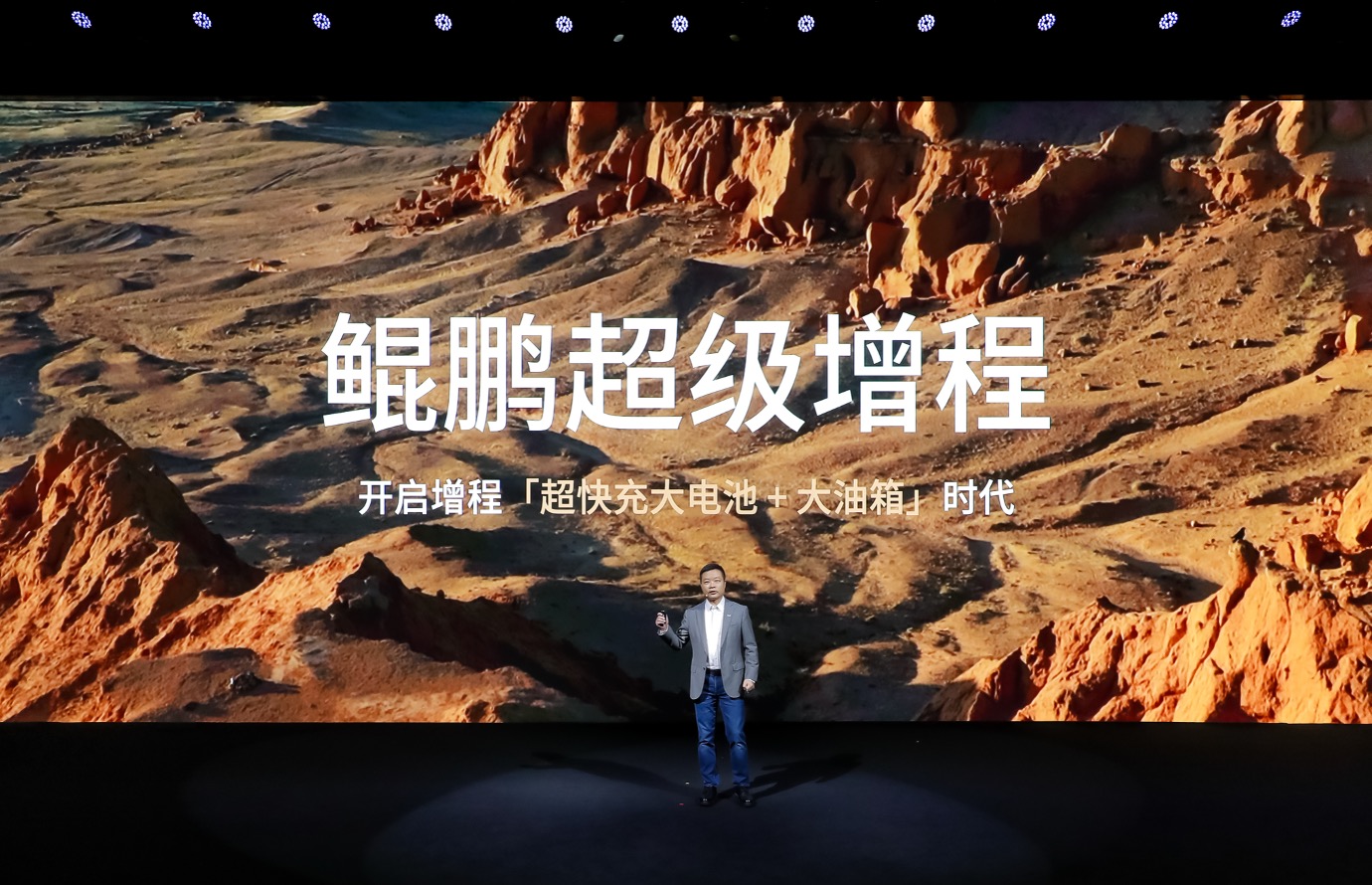
Core Viewpoint - Xiaopeng Motors officially launched its new range-extended technology "Kunpeng Super Range Extender" and announced the pre-sale of the Xiaopeng X9 Super Range Extender model, aiming to address the shortcomings of traditional range-extended vehicles in terms of range, charging, energy consumption, and noise [1][3]. Product Overview - The Xiaopeng X9 Super Range Extender is available in two versions, Max and Ultra, with pre-sale prices set at 350,000 yuan and 370,000 yuan respectively [3]. - The vehicle features a 63.3 kWh lithium iron phosphate ultra-fast charging battery and a 60L fuel tank, offering a pure electric range of 452 km and a comprehensive range of 1602 km under CLTC standards [5]. - It incorporates 5C+800V ultra-fast charging technology for enhanced charging and discharging capabilities [5]. Powertrain and Efficiency - The X9 Super Range Extender is equipped with a third-generation 1.5T efficient range extender, a high-pressure oil-cooled generator, and a silicon carbide electric drive system, achieving a 15% reduction in comprehensive fuel consumption compared to similar models [7]. - The vehicle can maintain a cruising speed of 150 km/h even in low battery conditions, and it employs active noise reduction technology to minimize noise and vibration during operation [7]. Design and Space Utilization - The vehicle's rear axle features a highly integrated 9-in-1 modular design, optimizing space utilization with a rear cabin space utilization rate of 95.8% [8]. - The three-row seating arrangement includes an electric folding structure to support various usage scenarios [8]. Market Trends and Competition - The trend of "large battery + range extender" is becoming mainstream in the domestic market, with increasing battery capacities aimed at enhancing pure electric mileage and user experience [10]. - The X9 Super Range Extender will face competition from established brands like Li Auto and Aito, particularly in the large/seven-seat and long-range segments [12]. - The market acceptance of the X9 will depend on its real-world performance in terms of electric range, fuel consumption, and overall user experience [12][14]. Strategic Implications - The launch of the X9 Super Range Extender represents Xiaopeng's strategic expansion towards "range extension + long range," reflecting a collective industry push towards improving daily user experience through larger batteries and high-voltage fast charging [14]. - As a new segment in the market, the performance comparison of various manufacturers in real-world conditions will likely intensify competition in the range-extended vehicle market [14].
花拳绣腿还是真实用?别被小鹏机器人给骗了
3 6 Ke· 2025-11-10 03:03
Core Viewpoint - Xiaopeng's humanoid robot, IRON, has been confirmed as a real entity, dispelling initial doubts about its authenticity. However, questions remain regarding its practical applications and functionality beyond its impressive appearance [1][3][4]. Group 1: Product Presentation and Public Perception - The unveiling of the IRON robot generated significant attention, with CEO He Xiaopeng demonstrating its authenticity through a live reveal [4][5]. - Despite the excitement, there are concerns about the robot's actual utility, as its capabilities appear limited to performing elegant movements rather than practical tasks [4][9]. - The marketing claims of being "China's first mass-produced advanced humanoid robot" raise questions about the robot's current state, which is reportedly still in the research phase [5][9]. Group 2: Market Positioning and Competitor Comparison - The term "mass production" implies a fully developed product ready for market, yet the CEO's statements suggest the robot is still largely experimental [7][9]. - Competitors like Tesla and Figure are focusing on practical applications for their humanoid robots, such as performing tasks in factories and logistics, while Xiaopeng's robot seems to prioritize aesthetic demonstrations [18][20][22]. - The lack of a clear application scenario for the IRON robot, aside from being a "technology guide" in the X9 vehicle, raises doubts about its market viability [13][14]. Group 3: Future Challenges and Industry Expectations - The industry faces significant challenges in transitioning humanoid robots from mere demonstrations to functional tools that can operate in real-world environments [26][27]. - There is a call for Xiaopeng to focus on practical applications and cost reduction to ensure the robot can effectively serve its intended purpose [26][27]. - The expectation is for future presentations to showcase the robot's ability to perform meaningful tasks rather than just impressive movements [27][28].
小鹏科技日完善AI布局,继续看好汽车板块 | 投研报告
Zhong Guo Neng Yuan Wang· 2025-11-10 02:55
Core Viewpoint - The automotive sector is experiencing mixed performance, with the commercial passenger vehicle segment showing a slight increase of 0.8%, while other segments like passenger vehicles and commercial cargo vehicles have seen declines of 3.4% and 3.2% respectively [1][2]. Industry Performance - The automotive industry has shown varied performance this week, with the best-performing sub-sector being commercial passenger vehicles, which increased by 0.8%. In contrast, the overall automotive sector declined by 1.2%, with commercial cargo vehicles down by 3.2% and passenger vehicles down by 3.4% [1][2][4]. Key Developments - Tesla's $1 trillion compensation plan has been approved, with ambitious performance targets including the delivery of 20 million vehicles, achieving 10 million active Full Self-Driving (FSD) users, commercializing 1 million Robotaxis, delivering 1 million Optimus robots, and reaching an adjusted annual EBITDA of $400 billion [3][4]. - XPeng Motors has launched its VLA2.0, the first fully self-developed Robotaxi, a new generation humanoid robot named IRON, and two flight systems [3][4]. - Companies such as Sunseeker, Pony.ai, and WeRide have officially listed on the Hong Kong Stock Exchange [3][4]. Investment Opportunities - The automotive industry is perceived to be at a crossroads, transitioning from the end of electric vehicle incentives to the dawn of automotive intelligence and robotics innovation [5]. - Key investment themes include: - **AI Smart Vehicles**: Focus on Robotaxi and Robovan applications, with major players like Tesla, XPeng, and various technology providers [6]. - **AI Robotics**: Emphasis on selecting quality components from companies like Top Group and Junsheng Electronics [6]. - **Growth and Favorable Structure**: Investment in buses (Yutong), heavy trucks (China National Heavy Duty Truck Group, Weichai Power), and two-wheelers (Chunfeng Power) [6].

日产45亿元出售总部大楼!吉利收购雷诺巴西公司股份!小鹏X9增程版、零跑Lafa5、新款享界S9等新车开启预售!丨一周大事件
电动车公社· 2025-11-10 01:30
New Car Launches - BYD's new model "Summer" launched with a price range of 206,800 to 269,800 yuan, featuring advanced technology and improved electric range [2][3][12] - Mazda's new EZ-6 launched at a price of 119,800 to 162,800 yuan, emphasizing safety and driving performance [13][20] - Zeekr X launched with a price range of 155,800 to 175,800 yuan, focusing on performance and design [21][28] - Mercedes-Benz's pure electric CLA launched at a price of 249,000 to 285,600 yuan, showcasing advanced technology and design [34] - Tank 400 plug-in hybrid launched with a price range of 249,800 to 319,800 yuan, featuring off-road capabilities and advanced technology [35][44] - Tesla's Model Y long-range rear-wheel drive version launched at a price of 285,800 yuan, achieving over 800 km of electric range [45][51] - IM LS9 opened for pre-sale with a price range of 346,900 to 376,900 yuan, featuring luxury and advanced technology [52][61] - Aion i60 opened for pre-sale with a price range of 119,800 to 126,800 yuan, offering both extended range and pure electric versions [62][70] - New Xiangjie S9 opened for pre-sale with a price range of 318,000 to 378,000 yuan, focusing on luxury and technology [79] - Xpeng X9 extended range version opened for pre-sale with a price range of 350,000 to 370,000 yuan, emphasizing design and technology [80][89] - Leap Lafa5 opened for pre-sale with a price range of 105,800 to 131,800 yuan, targeting young consumers [90][96] Company Developments - Geely acquired a 26.4% stake in Renault's Brazilian operations, enhancing its market presence in Latin America [98][101] - Xpeng unveiled its second-generation VLA model and self-developed Robotaxi, showcasing advancements in AI and autonomous driving [102][113] - Volkswagen announced a partnership with Horizon to develop system-level chips, aiming for mass production in 3-5 years [114][119] - Nissan sold its global headquarters for approximately 44.94 billion yuan to improve its financial situation [124][126] Domestic News - China's combination driving assistance technology has significantly improved, with a market penetration rate of 62.58% for passenger cars equipped with such systems [128][132]