奔驰

Search documents
车圈恒大,杯弓蛇影
36氪· 2025-05-31 13:40
Core Viewpoint - The Chinese new energy vehicle (NEV) industry is experiencing rapid growth on a mature industrial chain foundation, and the concerns regarding a "car circle Evergrande" are unfounded and stem from a natural market caution rather than the actual industry ecology [1][4][25]. Group 1: Industry Growth and Competition - The NEV industry in China has evolved since 2014, producing quality car manufacturers like NIO, Li Auto, and Xpeng, with BYD experiencing explosive sales growth by 2021, pushing NEV penetration rates above 50% [4][19]. - The current phase of the NEV industry is characterized by high competition, which naturally leads to both risks and opportunities [4][26]. - The industry is entering a harvest season, with many companies achieving significant sales growth and nearing profitability [20][27]. Group 2: Financial Metrics and Debt Levels - High debt levels are common in large manufacturing industries, with many global automakers like Ford and General Motors having debt ratios exceeding 70% [6][7]. - Chinese NEV companies generally have lower debt ratios compared to their American counterparts, with companies like BYD at 70.71% and others like Geely and SAIC also above 60% [7][8]. - The necessity for investment in R&D, factory expansion, and equipment acquisition during growth phases leads to increased debt levels, which is a normal aspect of development [11][16]. Group 3: Market Dynamics and Future Outlook - The NEV industry is not in a crisis similar to that of the real estate sector, as it is still in a growth phase, with companies like Xiaomi and Huawei entering the market and leveraging technology to enhance competitiveness [18][19]. - The market is expected to continue expanding, with new car manufacturers gradually narrowing losses and aiming for breakeven within the year [20][21]. - The industry has achieved significant technological advancements, with the cost of components like lidar and smart chips decreasing dramatically, facilitating broader market access [23][24].


尊界首款车型冲击百万级豪车市场,起售价较预售下探近30万元
第一财经· 2025-05-31 07:21
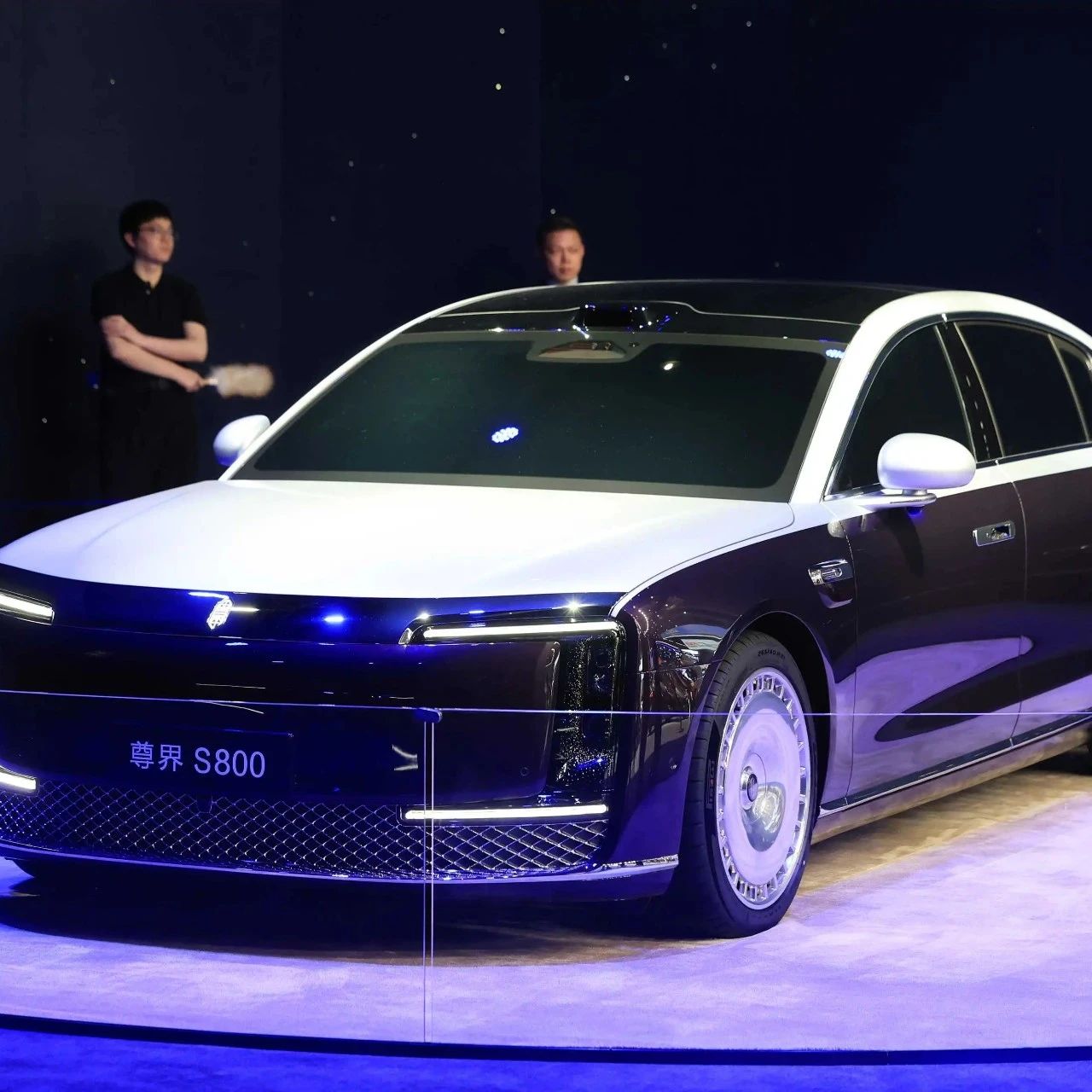
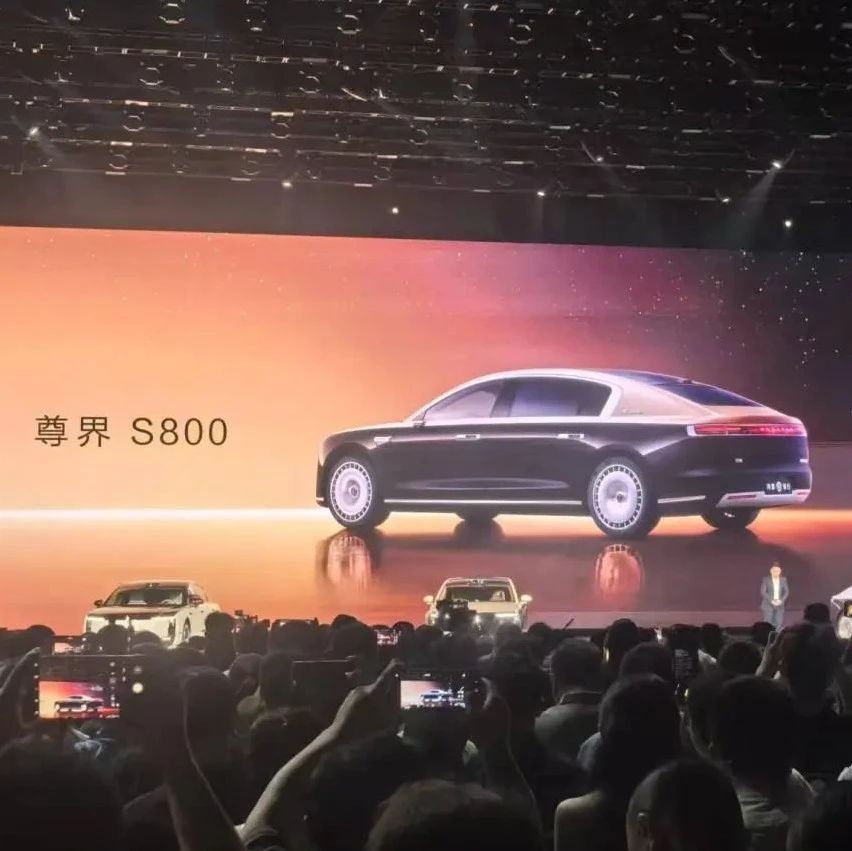
Core Viewpoint - The launch of the ZunJie S800, positioned in the million-level luxury car market, marks a significant shift with a starting price reduced to 708,000 yuan, nearly 300,000 yuan lower than the previous pre-sale price of 1 million yuan, indicating a competitive strategy against traditional luxury brands [2][3]. Group 1: Company Overview - ZunJie is a joint automotive brand launched by Jianghuai Automobile and Huawei, representing one of Huawei's "Five Realms" [2]. - The ZunJie S800 is the first model from this brand, offering both range-extended and pure electric versions with dual or tri-motor configurations, and features Huawei's advanced technologies [2]. Group 2: Market Dynamics - The D-class sedan market has traditionally been dominated by luxury fuel models such as Maybach S-Class, Mercedes-Benz S-Class, Audi A8, and BMW 7 Series, with only a few domestic brands like Hongqi entering the competition [2]. - The entry of more domestic brands into the D-class sedan market, including the ZunJie S800 and Yangwang U7, reflects a growing trend towards competition in this segment [2]. Group 3: Industry Trends - The Chinese high-end new energy brand market is rapidly developing, leading to a significant increase in the market share of new energy passenger vehicles [3]. - Data from the China Association of Automobile Manufacturers (CAAM) indicates that from January to April 2025, sales of new energy D-class vehicles reached 71,000 units, with a year-on-year growth rate of 15.9%, and vehicles priced at 500,000 yuan saw a growth rate of 27.7% [3].

70.8万元起,尊界S800正式发布!余承东:诚意满满!
券商中国· 2025-05-30 15:33
Core Viewpoint - The launch of the ZunJie S800 marks a significant collaboration between Huawei and JAC Motors, aiming to penetrate the high-end luxury car market with competitive pricing and advanced technology [3][10]. Group 1: Product Launch and Pricing - The ZunJie S800 was officially unveiled on May 30, with a total investment exceeding 10 billion yuan in the project [3][12]. - The pricing for the ZunJie S800 ranges from 708,000 yuan to 1,018,000 yuan, significantly lower than the previously anticipated price range of 1 million to 1.5 million yuan [9][10]. - The vehicle is positioned as a high-end intelligent luxury sedan, competing with traditional luxury brands like BMW 7 Series, Mercedes-Benz S-Class, and Audi A8 [3][8]. Group 2: Design and Features - The ZunJie S800 features a design philosophy called "Heaven, Earth, and Humanity," with advanced lighting systems and multiple color options [4][6]. - The dimensions of the vehicle are 5480mm in length, 2000mm in width, and 1542mm in height, with a wheelbase of 3370mm, providing a spacious interior [6]. - It incorporates advanced noise reduction technologies, achieving a noise level of 56.7 dB at 60 km/h on rough roads [6]. Group 3: Performance and Technology - The vehicle is built on the Tuling Longxing platform, featuring a digital chassis with a decision-making latency of less than 1 ms and a tenfold increase in processing capability [6][7]. - The ZunJie S800 offers impressive battery performance, with a range of 1,333 km for the range-extended version and 702 km for the pure electric version [7]. - It includes advanced safety features, such as a five-layer protective structure for the battery and active cooling systems to prevent thermal runaway [7][12]. Group 4: Strategic Vision - Both Huawei and JAC Motors emphasize their commitment to elevating China's automotive industry to the global value chain's top tier, focusing on cutting-edge design and technology [11][12]. - The ZunJie S800 is seen as a culmination of years of collaboration across the automotive supply chain, showcasing Chinese innovation and ambition [12].
售价70.8万元起!尊界S800正式亮相!
证券时报· 2025-05-30 15:04
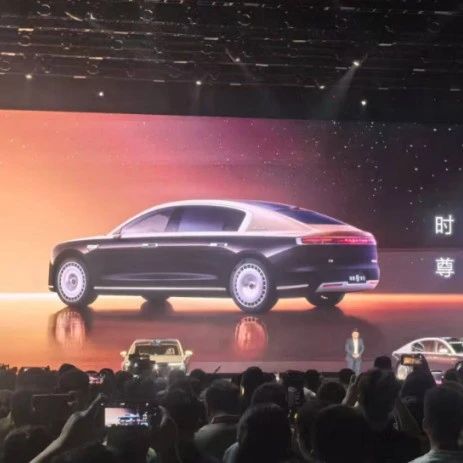
Core Viewpoint - The launch of the ZunJie S800 marks a significant collaboration between Huawei and JAC Motors, aiming to penetrate the high-end luxury car market with competitive pricing and advanced technology [2][10][15]. Summary by Sections Product Launch - The ZunJie S800 was officially unveiled on May 30 in Shenzhen, following a pre-sale that began in November 2022 with a price range of 1 million to 1.5 million yuan [2][5][13]. - The vehicle is positioned as a high-end intelligent luxury sedan, competing with traditional luxury brands like BMW 7 Series, Mercedes-Benz S-Class, and Audi A8 [2][10]. Pricing Strategy - The ZunJie S800 is priced starting at 708,000 yuan, significantly lower than the initial pre-sale price, which was between 1 million and 1.5 million yuan [12][13]. - The pricing tiers include 708,000 yuan for the Starry Enjoyment version, 788,000 yuan for the Starry Shine version, 818,000 yuan for the Starry Executive version, and 1,018,000 yuan for the top-tier Starry Executive version [12][13]. Design and Features - The ZunJie S800 features a design philosophy called "Heaven, Earth, and Humanity," with advanced lighting systems and a spacious interior [7][8]. - Dimensions are 5480mm in length, 2000mm in width, and 1542mm in height, with a wheelbase of 3370mm, providing a flagship-level experience [7]. - The vehicle incorporates multiple noise reduction technologies, achieving a noise level of 56.7 dB at 60 km/h on rough roads [8]. Performance and Technology - The ZunJie S800 utilizes the Tuling Longxing platform, featuring a digital chassis with a decision-making latency of less than 1 ms and a tenfold increase in processing capability [8]. - It offers advanced suspension systems and innovative features like the ActiveSafe zero-gravity seats and a smart battery management system [8][9]. Battery and Charging - The vehicle is equipped with an 800V intelligent range extension platform, allowing for rapid charging from 10% to 80% in just 10.5 minutes [8]. - The range for the extended version is 1333 km, while the pure electric version offers a range of 702 km [8]. Safety Features - The ZunJie S800 includes a robust battery safety system with multiple layers of protection and advanced cooling technologies [9]. - The design incorporates high-strength materials to enhance battery safety and prevent thermal runaway [9]. Strategic Vision - Both Huawei and JAC Motors emphasize their commitment to advancing China's automotive industry through innovative design and technology [15][16]. - The project has seen investments exceeding 10 billion yuan, reflecting a strong commitment to quality and performance [16].
智驾险兴起:是安全保障,还是营销包装?|钛度车库
Tai Mei Ti A P P· 2025-05-30 03:56
Core Viewpoint - The emergence of "smart driving insurance" (智驾险) is a response to the growing concerns about the safety and liability of autonomous driving technologies, as companies race to offer new insurance products to reassure consumers [2][3]. Group 1: Industry Dynamics - Smart driving insurance is being developed as a new product category, with companies like Huawei, Xiaopeng, and NIO launching their own plans to provide coverage for autonomous driving risks [2][3]. - The current market for smart driving insurance is characterized by a split consumer sentiment, where tech enthusiasts are willing to pay for coverage, while average users prioritize cost and practicality [2][3]. - The insurance models are primarily divided into two types: collaborative insurance with traditional companies and self-operated full-service models by car manufacturers [3][4]. Group 2: Product Design and Liability - Smart driving insurance products often take the form of "service rights" to navigate legal restrictions, with companies like Xiaopeng requiring users to purchase their insurance before accessing smart driving services [4][5]. - The design of these insurance products focuses on specific driving functions, with varying coverage limits and conditions, such as Xiaopeng's offering of up to 1 million yuan for certain scenarios [6][7]. - The responsibility for accidents during autonomous driving is complex, as it involves determining liability during the transition of control between the vehicle and the driver [6][8]. Group 3: Data and Transparency - The pricing of smart driving insurance relies on dynamic data, including system performance, user behavior, and environmental conditions, which differ from traditional insurance models [9][10]. - The control of data during claims processes raises concerns about transparency, as car manufacturers often hold the data needed for accident liability assessments [9][10]. - Proposals for third-party data oversight and legal reforms are being discussed to enhance the fairness and transparency of the insurance process [10]. Group 4: Future Trends - The evolution of smart driving insurance is expected to continue as technology advances, potentially expanding coverage to higher levels of autonomous driving [11][12]. - The success of smart driving insurance will depend on the ability of companies to provide genuine financial backing for their products and establish robust data systems for accurate pricing [12].

新能源汽车维修垄断何时破
Zhong Guo Qi Che Bao Wang· 2025-05-30 01:39
与新能源汽维行业存在大量人才缺口形成鲜明对比的是,独立第三方的新能源维修被戏称为"高危行业",原因是一些非厂家授权的新能源汽车维修技 师被新能源品牌告上法庭。 这场博弈的背后,是新能源车企对售后体系的绝对掌控。从核心技术数据到原厂零部件供应,厂家的"垄断"如同无形枷锁,不仅扼住了独立维修企业 的咽喉,更将高昂成本转嫁给消费者,同时也遏制了整个行业的正常竞争和健康发展。 站在2025年,国内新能源汽车渗透率有望彻底反超燃油车的历史节点上,究竟新能源汽车的维修"垄断"何时才能破除? 新能源独立售后艰难求生 自2016年起,我国对新能源汽车的电池、电机等核心部件实施8年或者12万公里的质保政策。时至2024年,首批享受这一质保的新能源汽车核心部件 陆续踏入"脱保期"。而这仅仅只是个开始,更多的"新能源脱保车"正源源不断地在路上。 不少脱保车主乃至还在保修期内的车主表示,在更换维修核心部件时,深切体会到了新能源汽车"价格刺客"的一面。看似不起眼的电池故障,维修费 用可能高达数万元,让车主们直呼"买得起、修不起"。 行业数据显示,2025年将有超300万辆新能源车脱离原厂质保。这一庞大的数量意味着独立售后市场对三电零部 ...

驭势新程 “汽”贯长虹
Zhong Guo Zheng Quan Bao· 2025-05-29 21:32
Group 1 - The global automotive industry is undergoing a significant transformation towards electrification and intelligence, with Chinese automotive brands capturing over 65% of the passenger car market share and a penetration rate of nearly 60% for new energy vehicles [1][2] - The integration of technology and capital is reshaping the competitive landscape, with green bonds providing funding for innovation and mergers and acquisitions creating "chain leader" enterprises [1][2] - The automotive industry is expanding beyond traditional manufacturing into social and technological realms, with smart driving and battery swapping models representing both commercial innovation and energy storage advancements [2][3] Group 2 - Chinese automotive companies are increasingly focusing on user-centric values, aiming to create sustainable value for users and society [2][4] - The industry is witnessing a shift from scale-driven growth to value-driven leadership, emphasizing the importance of long-term strategies and technological endurance [6][7] - The emergence of a new narrative around Chinese automotive culture is essential for breaking through value ceilings and fostering a spirit of innovation [3][5] Group 3 - The automotive sector is at a critical juncture, with companies like Geely, Changan, and Great Wall emphasizing the need for innovation and collaboration to enhance their positions in the global value chain [3][4] - The role of media is highlighted as crucial in providing insights and fostering dialogue within the industry, particularly in the context of rapid changes and challenges [2][6] - The industry is expected to leverage technological advancements to achieve a competitive edge, with a focus on smart and electric vehicles as key drivers of future growth [5][7]
被放大的车企“高负债焦虑”:一季报显示中国车企“换道超车”有足够战略韧性
21世纪经济报道· 2025-05-29 13:09
Core Viewpoint - The discussion around the potential high debt crisis of Chinese automotive companies highlights growing concerns about their financial health amidst intensifying global competition in the automotive industry [1] Group 1: Debt Levels in Global Automotive Industry - In Q1 2025, major global automotive companies such as Ford, General Motors, Volkswagen, and others reported debt ratios exceeding 60%, with Ford and GM at 84.30% and 76.45% respectively [3] - Chinese automotive companies like NIO (87.45%), Seres (87.38%), and BYD (74.64%) also reported high debt ratios, with Chery reaching 88.64% in Q3 2024 [3][4] Group 2: Nature of High Debt in Automotive Industry - High debt levels in the automotive sector are common due to the industry's characteristics of heavy assets and long cycles, especially as companies invest in technology for product development [4] - Unlike real estate, where leverage is used to capitalize on land value, automotive companies invest heavily in R&D and production capabilities, making high debt a necessary cost for industrial upgrades [4][10] Group 3: Trends in Debt Ratios - From 2023 to Q1 2025, while international automotive companies showed mixed trends in debt ratios, domestic companies like Chery, BYD, and others demonstrated a noticeable decline in their debt ratios [5] - For instance, BYD's debt ratio decreased by 3.93 percentage points, and Seres' dropped by 10.55 percentage points by Q1 2025 [5] Group 4: Debt Structure and Financial Health - The structure of debt is more critical than the debt ratio itself, with domestic companies showing a more conservative approach to interest-bearing debt compared to their international counterparts [8] - In 2024, Toyota's interest-bearing debt was 1.87 trillion yuan (68% of total debt), while BYD's was only 286 million yuan (5% of total debt) [8] Group 5: R&D Investment and Competitive Advantage - Chinese automotive companies have significantly increased R&D investments, often exceeding their net profits, indicating a shift from scale expansion to quality competition [9][10] - For example, BYD's R&D investment reached 14.22 billion yuan in Q1 2025, while its net profit grew by 100.38% to 9.155 billion yuan [9] Group 6: Strategic Resilience of Chinese Automotive Companies - Despite public concerns regarding debt levels, Chinese automotive companies are demonstrating strong strategic resilience through vertical integration and technological innovation [12] - In 2024, China's automotive production and sales reached 31.28 million and 31.43 million units respectively, maintaining its position as the world's largest automotive market for 16 consecutive years [12]

美联储暗示不会很快降息,A股继续缩量震荡
Chuang Yuan Qi Huo· 2025-05-29 12:36
Report Industry Investment Rating No relevant content provided. Core View of the Report - The Fed meeting minutes indicate that the Fed is facing inflation, employment, and financial risks, choosing a non - action strategy, and the expectation of interest rate cuts has declined. The domestic market is in a short - term policy vacuum period, with funds being reallocated. Before the Dragon Boat Festival, no significant changes are expected. Attention should be paid to whether there will be an opportunity for the market to increase with increased trading volume after the festival. Recently, the market's expectation of subsequent adjustments has risen. Technically, there is still a distance to fill the gap around 3316, and short - term funds are more likely to choose to fill the gap and buy at the bottom. Additionally, attention should be paid to the liquidity of small - cap stocks to prevent extreme market conditions [2][12] Summary According to Relevant Catalogs 1. Market View 1.1 Overseas Overnight - The Fed released FOMC meeting minutes, stating that due to rising risks in inflation and employment, and the uncertainty of the impact of Trump's tariff policy on the US economy, the Fed strongly implied that it would not cut interest rates soon and clearly predicted stagflation. Some officials also hinted at the financial risk of rising long - term US bond yields. Overnight, the US dollar index rose, US bond yields for 2 - year and 10 - year terms increased, gold prices fell, the three major US stock indexes declined, the Nasdaq Golden Dragon China Index dropped, and the offshore RMB exchange rate depreciated [1][4] 1.2 Domestic Market Review - On Wednesday, the broader market fell 0.02%, the Shenzhen Component Index dropped 0.26%, and the ChiNext Index declined 0.31%. The market showed a volatile downward trend, similar to Tuesday, with limited index movements, accelerated sector rotation, and many stocks experiencing a shrinking - volume decline. Some popular stocks appeared on the decline list. In terms of sectors, textile and apparel, environmental protection, coal, transportation, and communication led the gains, while chemicals, agriculture, forestry, animal husbandry and fishery, military industry, and automobiles led the losses. There were 1750 rising stocks and 3477 falling stocks in the whole market. China announced visa - free policies for Saudi Arabia, Oman, Kuwait, and Bahrain [2][5] 1.3 Important News - The EU trade chief will talk with the US Commerce Secretary and Trade Representative on Thursday, with topics including tariff policies and cooperation in aviation, semiconductors, and steel. Three major German car companies are in consultations with the US Department of Commerce on tariff issues, aiming for an agreement in early July. Trump responded angrily to the "TACO" deal. The Fed meeting minutes showed rising risks of unemployment and inflation, and the "Fed whisperer" said that the stagflation prediction might be the keynote of the Fed's June economic forecast. Chinese officials emphasized China's commitment to high - level opening - up and welcomed US financial institutions to participate in the Chinese capital market. The Chinese government also focused on building a good platform economy ecosystem and strengthening the publicity of rare - earth export control policies. DeepSeek open - sourced a new version, and China implemented visa - free policies for four Middle - Eastern countries [6][7][11] 1.4 Today's Strategy - The Fed is facing inflation, employment, and financial risks, choosing a non - action strategy with reduced expectations of interest rate cuts. The domestic market is in a policy vacuum, with funds being reallocated. Before the Dragon Boat Festival, no major changes are expected. After the festival, attention should be paid to potential market increases. The market's expectation of subsequent adjustments has risen, and there is a chance for short - term funds to fill the gap around 3316. Attention should also be paid to small - cap liquidity [12] 2. Futures Market Tracking - The report presents the performance, trading volume, and open interest of various stock index futures contracts such as the Shanghai 50, CSI 300, CSI 500, and CSI 1000, including details like closing prices, settlement prices, price changes, and changes in trading volume and open interest [14][15] 3. Spot Market Tracking - The report shows the performance of various stock indexes and sectors in the spot market, including current points, daily, weekly, monthly, and annual price changes, trading volumes, and valuation levels. It also analyzes the impact of market styles on different indexes [33][34][35] 4. Liquidity Tracking - The report includes charts on central bank open - market operations, Shibor interest rates, which are related to market liquidity [53]
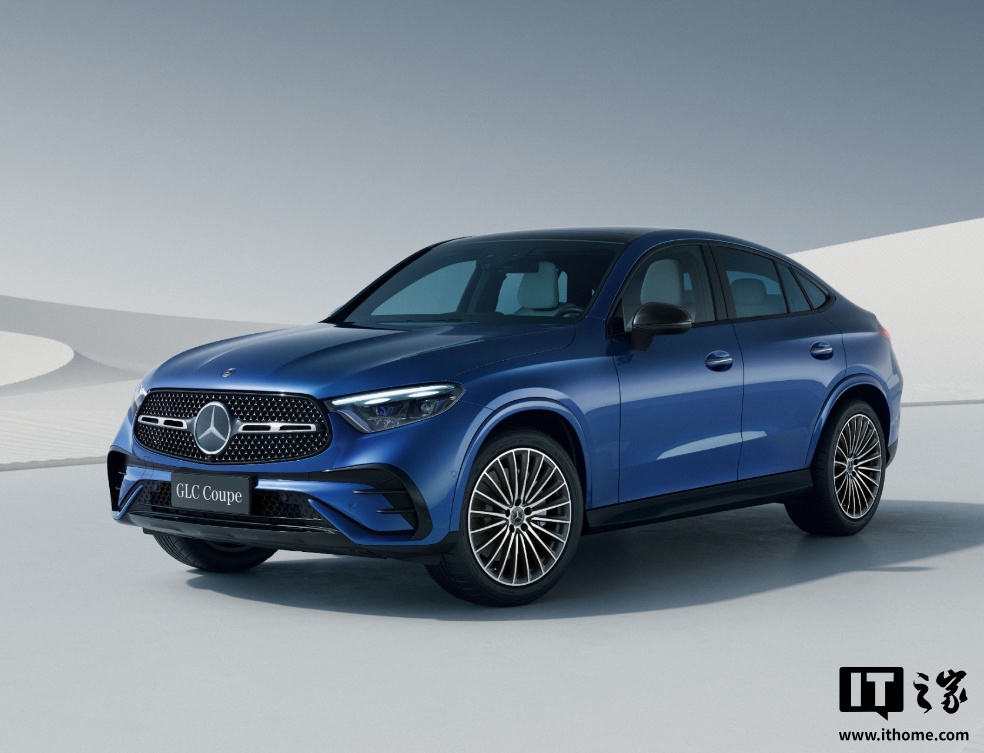
售价 48.95 万元起,新款奔驰 GLC 轿跑上市
Xin Lang Cai Jing· 2025-05-29 11:16
Core Viewpoint - Mercedes-Benz has launched two new configurations of the GLC Coupe, namely the GLC 260 4MATIC Coupe SUV and the GLC 300 4MATIC Coupe SUV, priced at 489,500 yuan and 566,000 yuan respectively, with adjustments made primarily in fuel economy and configuration [1]. Design and Dimensions - The new GLC Coupe continues the family design style, featuring a large front grille with horizontal chrome accents and a streamlined silhouette that enhances its sporty appearance [3]. - The vehicle dimensions are 4,769 mm in length, 1,920 mm in width, 1,603 mm in height, and a wheelbase of 2,888 mm [3]. Exterior and Interior Features - The rear design includes a sporty look with a small ducktail spoiler and dual exhaust layout, while the vehicle offers nine color options for the body [5]. - The interior retains the design of the current model, featuring a floating instrument panel and a vertical central control screen, equipped with the latest third-generation MBUX intelligent human-computer interaction system [5]. Powertrain and Fuel Economy - The new GLC Coupe is powered by a 2.0T engine with a 48V mild hybrid system, available in high and low power configurations, with maximum outputs of 190 kW and 150 kW respectively [8]. - The fuel economy has improved, with the GLC 260 4MATIC Coupe SUV achieving a combined fuel consumption of 7.17 liters per 100 kilometers, and the GLC 300 4MATIC Coupe SUV at 7.35 liters per 100 kilometers [8].