抖音

Search documents
抖音生活服务推"货款充保证金"政策,降低中小商家线上经营门槛
news flash· 2025-06-05 10:23
Group 1 - The core idea of the article is that Douyin Life Services has launched a "Goods Payment as Deposit" policy to lower the operational threshold for small and medium-sized businesses online [1] - This policy allows eligible new single-store merchants to use sales proceeds to directly recharge their store deposits, alleviating initial cash flow pressures [1] - The policy currently covers over 150 categories, including daily consumer goods, fresh produce, hotels, and recreational activities [1] Group 2 - Once merchants meet the deposit recharge requirements, they can withdraw their sales proceeds at any time, ensuring normal cash flow [1]
“618”线上白酒大促升温,酒商选择“打不过就加入”
Di Yi Cai Jing· 2025-06-05 10:03
Core Insights - The traditional offline sales ecosystem of the liquor industry is facing significant challenges from e-commerce platforms, particularly during promotional events like "618" [1][5] - Many liquor distributors are shifting strategies from resisting e-commerce to embracing it, indicating a transformation in the market dynamics [2][8] Group 1: Market Dynamics - The "618" promotional event this year has seen lower intensity compared to the previous year, leading to price pressures in the liquor market [1] - Some distributors report that online prices for well-known liquor brands are significantly lower than their wholesale prices, creating competitive pressure [2][5] - The entry of instant retail platforms into the promotional space has intensified price competition, further impacting traditional sales channels [2][7] Group 2: Sales Strategies - Distributors are increasingly participating in online promotions, a shift from previous years where they largely resisted e-commerce [2][6] - Some liquor businesses are utilizing live streaming and online sales to clear inventory, although profit margins remain tight [4][6] - A notable example includes a distributor who reported selling a well-known liquor at a price that, after deductions, resulted in a profit margin of only a few dollars per bottle [3][4] Group 3: Pricing and Consumer Behavior - E-commerce platforms are disrupting the established pricing structures of liquor brands, which traditionally relied on high pricing to maintain profit margins across distribution levels [5][9] - The lack of transparency in liquor pricing complicates consumer perceptions of value, especially as e-commerce platforms offer significant discounts [5][9] - The shift towards online sales is expected to reduce reliance on traditional retail channels, with predictions that many small liquor stores may exit the market in the next 3 to 5 years [9] Group 4: Future Outlook - The liquor industry is entering a period of adjustment, with rising inventories and declining sales leading to decreased control by manufacturers over distributors [8][9] - E-commerce is becoming an increasingly important sales channel for liquor, although traditional channels still play a crucial role in brand promotion and consumer engagement [9] - The industry faces a challenge in finding a balance between online and offline sales strategies to ensure sustainable growth [6][9]
全域创新,新场景塑造美好生活
Sou Hu Cai Jing· 2025-06-05 03:34
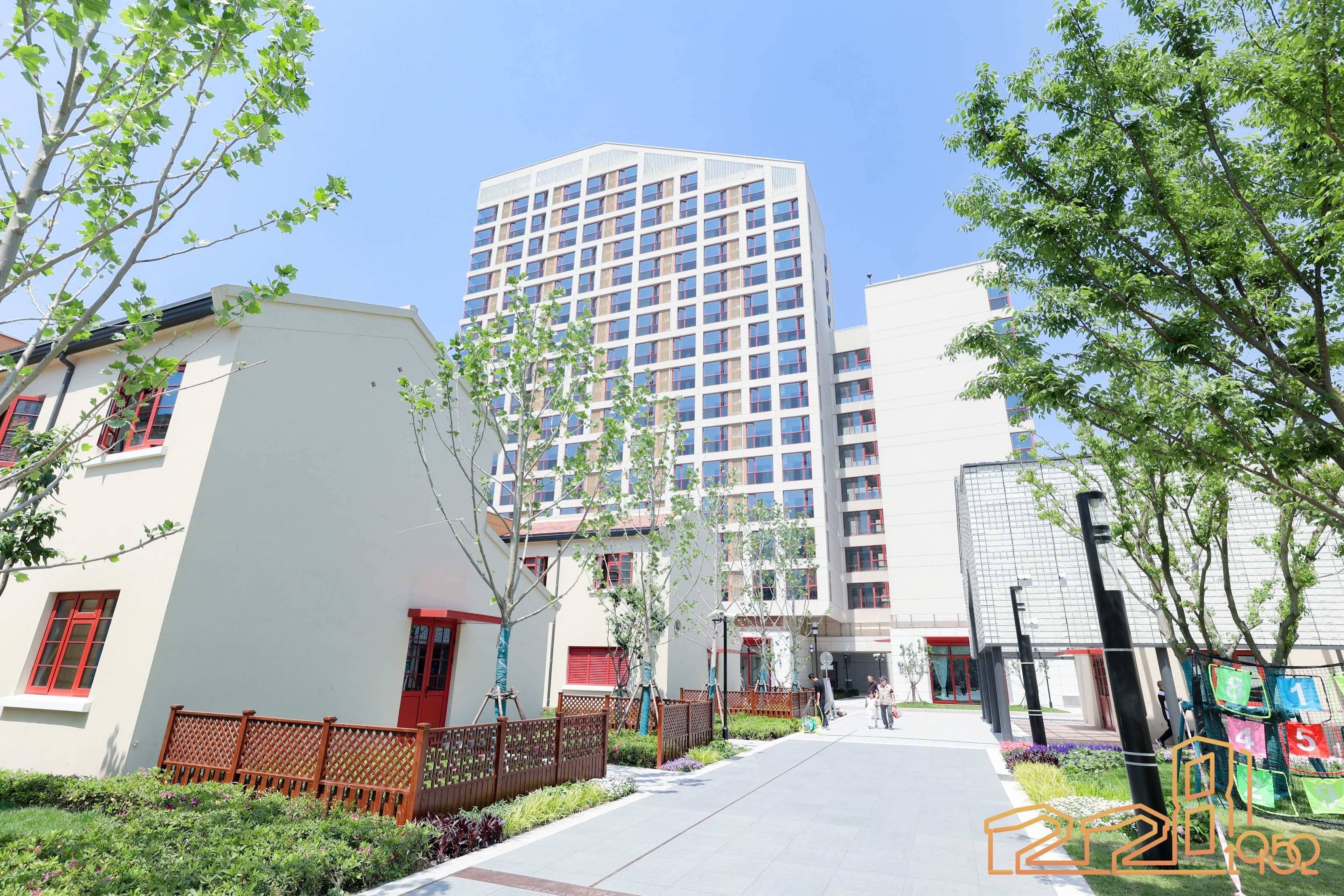
Core Insights - Yangpu District is transitioning from an industrial base to a digital economy hub, with software and information services projected to generate over 320 billion yuan in revenue by 2024, accounting for nearly one-fifth of Shanghai's total [1] - The district is focusing on technological innovation and the transformation of traditional industries, as emphasized by President Xi Jinping during his visit to Shanghai [1] - Yangpu is implementing a "three-zone linkage" development strategy to enhance its innovation ecosystem, moving from "Industrial Yangpu" to "Knowledge Yangpu" and now to "Innovative Yangpu" [1] Group 1: Talent and Innovation - "Chuangyu 228" is a talent apartment developed by Yangpu Science and Technology Group, representing the district's commitment to creating a supportive environment for talent retention and attraction [4] - In collaboration with the Shanghai Municipal Science and Technology Commission, Yangpu is developing a comprehensive innovation plan covering 60.61 square kilometers, integrating innovation, industry, and living spaces [4] - Yangpu has over 8,000 digital economy enterprises, including major players like Meituan, Douyin, and Bilibili, contributing to a vibrant innovation landscape [4] Group 2: Economic Development and Infrastructure - The Longyang Chuanggu area has transformed into a vibrant community with amenities like Michelin restaurants and creative cafes, emphasizing the importance of supportive services for entrepreneurs [5] - Meituan has launched a drone delivery service in Yangpu, marking a significant step in the development of low-altitude economy and enhancing service capabilities in urban areas [8] - Yangpu aims to create a new industrial cluster worth hundreds of billions by leveraging its unique cultural and technological assets [8] Group 3: Future Vision - Yangpu District is committed to becoming an experimental zone for innovation and a leader in future industries, aligning with Shanghai's goal of becoming a globally influential modern metropolis [10] - The district plans to build a comprehensive innovation support system to foster new productive forces and enhance its role in the global economy [10]



如何看部分地区线上国补暂停和618销售情况?
2025-06-04 15:25
Summary of Conference Call Records Industry Overview - The records primarily discuss the impact of the suspension of national subsidies (国补) on the black electrical appliances market, particularly in regions like Chongqing, Guangdong, and Jiangsu, which are significant for sales and production [1][2][3]. Key Points and Arguments 1. **Impact of Subsidy Suspension**: The suspension of national subsidies in regions like Chongqing and Guangdong has significantly affected the black electrical appliances market, leading to a decline in sales [1][2][3]. 2. **Market Dynamics**: The cross-province subsidy policy allowed companies registered in specific cities to sell nationwide while enjoying local government subsidies. This policy has been disrupted, causing market disorder [1][5]. 3. **E-commerce Competition**: In 2025, JD.com’s advantage in self-operated business through national subsidies is diminishing as platforms like Tmall and Douyin enter the competition [1][6]. 4. **Sales Growth**: During the subsidy period, major appliances saw significant growth, particularly in kitchen and bathroom appliances, with 70% of GMV contributed by subsidized products [1][7]. 5. **Sales Performance**: JD.com’s growth rate for major appliances in Q1 2025 was only 13%, falling short of the 20% target, indicating a slowdown in demand [1][21]. 6. **Consumer Behavior**: Consumers are willing to purchase appliances from other regions to take advantage of subsidies, especially when the subsidy amount is substantial [14]. 7. **Real Estate Market Influence**: The lack of explosive growth in appliance demand is attributed to the weak real estate market and demand being pulled forward in late 2024 due to subsidy rumors [15]. 8. **Future of Subsidy Policies**: The national subsidy policy is expected to continue beyond one year, despite local government financial pressures, as the overall goal is to stimulate consumption [16][18]. Additional Important Content 1. **Subsidy Usage**: The specific reasons for the suspension of subsidies include significant funding gaps in local governments, rather than system upgrades [2][4]. 2. **Product Performance**: Categories like kitchen appliances and air conditioners showed notable growth during the subsidy period, with average prices for kitchen appliances increasing from 2,200 yuan to approximately 2,800 yuan [10]. 3. **Online vs. Offline Sales**: Despite rumors of a shift towards offline sales, online platforms like JD.com and Tmall continue to dominate, with significant sales through online channels [12][23]. 4. **Sales Events**: The pre-sale period for JD.com’s 618 event in 2025 did not yield significant sales increases, only achieving 1.2 to 1.3 times the usual sales [19][22]. 5. **Government Settlement Processes**: The settlement cycle for subsidies varies by province, typically taking one to three months [8]. This summary encapsulates the critical insights from the conference call records, highlighting the challenges and dynamics within the black electrical appliances market amid changing subsidy policies and competitive pressures.

新消费快讯|爱马仕首次进军耳机市场;味全果汁官宣孟子义为代言人
新消费智库· 2025-06-04 12:42
New Consumption - Wei Chuan Juice announced Meng Ziyi as its spokesperson, promoting its 100% fruit and vegetable juice as a source of "spiritual vitamins" [1][3] - The North Face appointed Li Yunrui as its brand ambassador, focusing on a "pioneering exploration" theme to innovate its classic styles [1][3] - Wudao launched a drinkable Greek yogurt, designed for convenient consumption in various scenarios, utilizing advanced production techniques [1][5] - Chen Xianggui opened its first overseas store in Berlin, Germany, and initiated a global partner program, having nearly 300 stores in China since its establishment in 2020 [1][6] - McDonald's announced the closure of all five stores of its beverage sub-brand CosMc's, which was launched in 2023 to explore the growing beverage market [1][6] Investment and Financing - Tern Travel completed a $13 million Series A financing round led by Viewpoint Ventures and Haystack VC, offering various travel advisory features [1][8] - Nestlé acquired a minority stake in Indian pet food company Drools, with the deal valuing the company at over $1 billion [1][10] - Muyuan Foods submitted an application for an overseas listing on the Hong Kong Stock Exchange [1][10] - SHEIN is planning to list on the Hong Kong Stock Exchange in the coming weeks [1][10] - Cranswick acquired sausage manufacturer Blakemans for £32 million, aiming to enhance its production capacity in the food service market [1][12] Brand Expansion - UR opened its first store in Hong Kong, marking its entry into the market and showcasing its brand philosophy [1][13] - Hermès launched its first luxury headphones, entering the high-end personal technology market [1][13] - QP Corporation opened its second factory in the U.S., located in Tennessee, to expand its production capacity for mayonnaise and dressings [1][13] - Airbnb announced a three-year global partnership with the Tour de France to enhance the viewing experience for audiences [1][13] - Douyin (TikTok) formed a strategic partnership with Squirrel AI to enhance its educational offerings [1][14]

即时饮酒:啤酒拯救白酒,年轻人正在改写酒类消费规则
Sou Hu Cai Jing· 2025-06-04 11:16
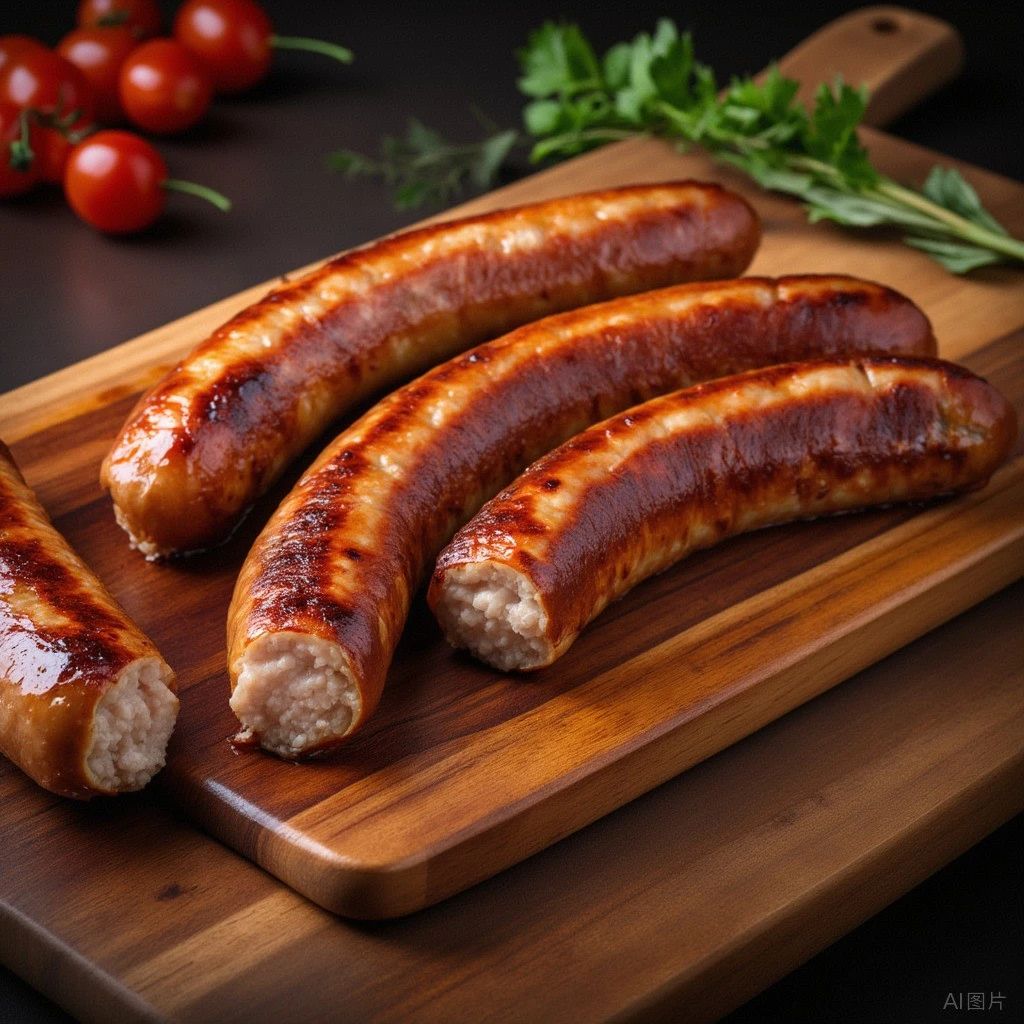
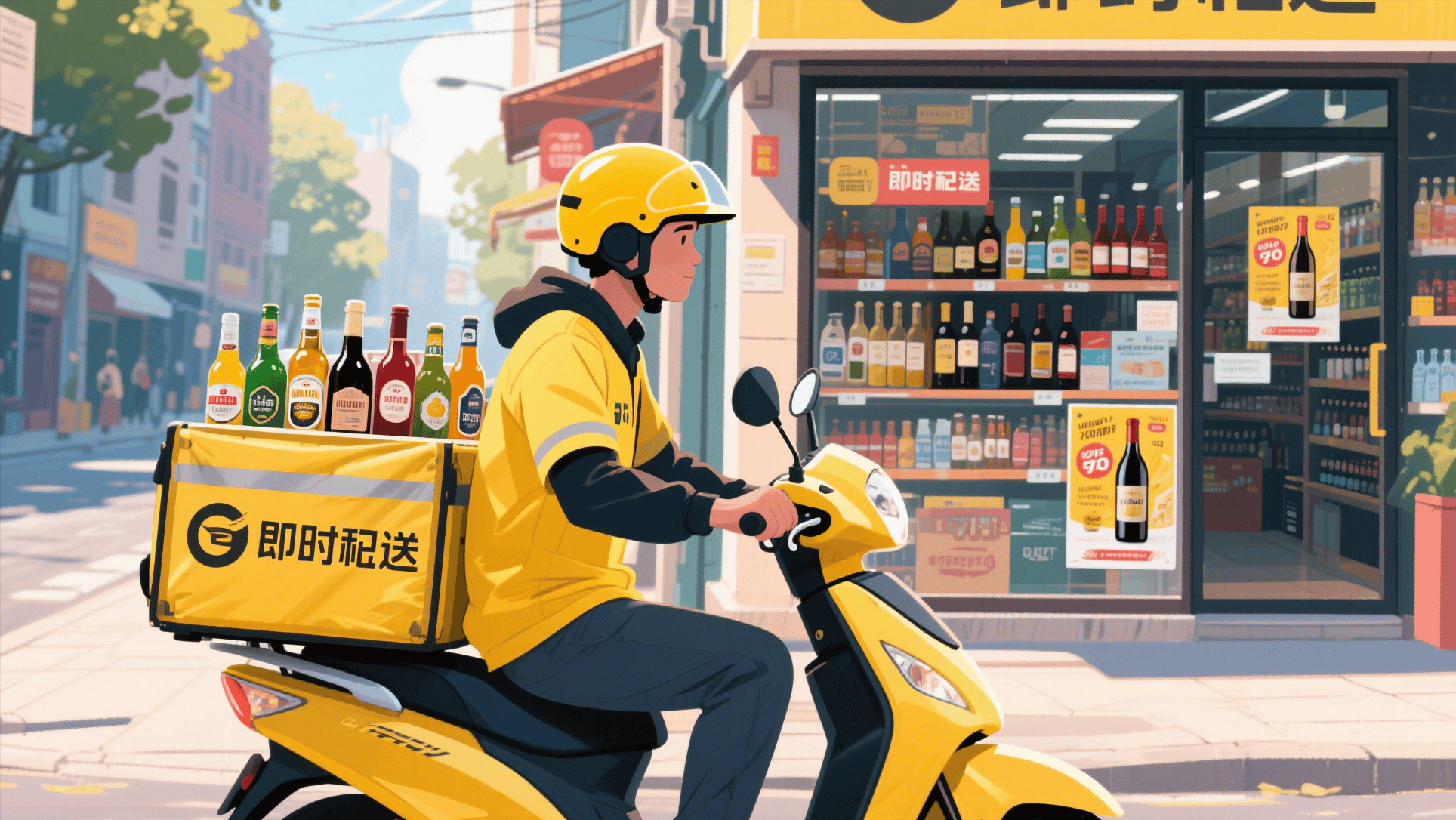
Core Insights - The rise of "instant retail" is reshaping the liquor consumption landscape, providing a solution to high inventory pressure and pricing issues in the liquor industry [9] - Meituan's participation in the 618 shopping festival has led to significant sales growth, particularly in the liquor category, with a reported 70-fold increase in white liquor sales compared to the previous year [9][26] Group 1: Instant Retail Impact - Instant retail is becoming a key driver for liquor consumption, with consumers enjoying the convenience of "30-minute delivery" [4][17] - The first day of the 618 event saw Meituan's overall transaction volume double year-on-year, with liquor sales increasing by over 18 times [9] - The white liquor sales reached over 3 billion yuan within the first 12 hours, marking a 70-fold increase compared to the previous year [9] Group 2: Consumer Trends - The "Z generation" is emerging as the main consumer group, favoring instant retail for its convenience and immediate gratification [18] - Younger consumers are reshaping the industry with high-frequency, low-cost consumption patterns, leading to a significant increase in beer sales in traditional liquor stores [20] - The demand for smaller bottle sizes (under 150ml) is rising, reflecting a shift towards social and casual drinking experiences [24] Group 3: Market Growth Projections - The instant retail market for liquor is projected to grow from approximately 360 billion yuan in 2024 to 1 trillion yuan by 2027, with a penetration rate expected to reach 6% [26] - Instant retail is becoming a crucial growth engine for e-commerce, maintaining over 50% growth from 2020 to 2022, while traditional e-commerce growth has slowed [26] Group 4: Industry Adaptation - Traditional liquor companies are adapting to the instant retail trend by collaborating with platforms to develop customized products, allowing for better profit control [23] - The liquor industry is facing challenges such as inventory buildup and price discrepancies, with over 60% of distributors reporting increased inventory levels [24]
海蓝之谜们10倍增长?深度解析 618美妆首轮战报
FBeauty未来迹· 2025-06-04 10:17
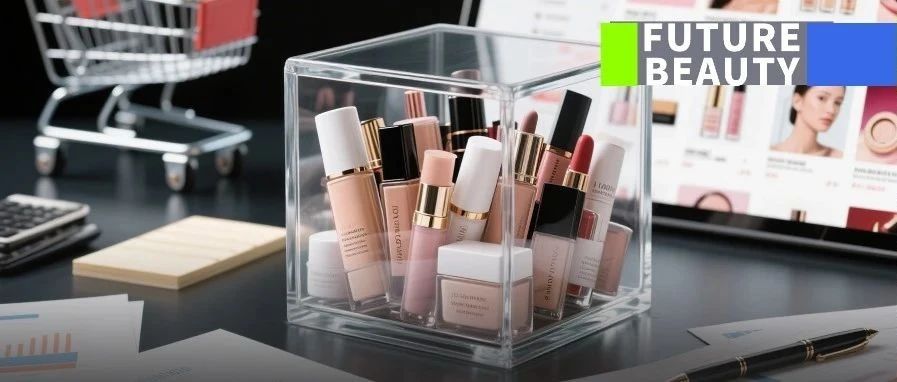
Core Viewpoint - The 618 shopping festival has undergone significant changes this year, with a longer duration and simplified promotional rules, leading to a shift in the beauty brand landscape where international brands are regaining prominence while domestic brands face pressure [2][20]. Group 1: Performance of Beauty Brands - Major beauty brands such as Proya, Lancôme, L'Oréal, and SK-II achieved over 100 million in GMV during the early stages of the 618 festival [3]. - International beauty brands outperformed domestic brands on platforms like Tmall, with a ratio of 5:1 in terms of brand representation in the top 20 rankings [3]. - The beauty category has become a core driver of sales growth across various platforms during the 618 festival [12]. Group 2: Changes in E-commerce Platforms - This year's 618 festival is the longest in history, with platforms like Tmall and JD.com extending the promotional period to around 39-40 days [13][14]. - E-commerce platforms have simplified promotional mechanisms, moving away from complex discount strategies to more straightforward price reductions and coupons [15][16]. - Platforms are focusing on balancing the interests of consumers, brands, and the platform itself, moving away from the previous price war strategy [16][20]. Group 3: Growth Trends and Strategies - JD.com reported significant growth in beauty product sales, with categories like lipsticks and serums seeing over 100% year-on-year growth [6]. - Douyin's beauty brand ecosystem has shifted, with high-end brands experiencing explosive growth while white-label products have disappeared from the rankings [9][20]. - Platforms are investing heavily in supporting quality brands, with Tmall and JD.com committing substantial resources to enhance brand visibility and sales [17][18]. Group 4: Implications for Domestic Brands - The shift towards supporting established brands may pose challenges for mid-tier domestic brands, which now face a more competitive environment [21]. - Domestic brands like Proya are solidifying their market position, while others must adapt to the changing landscape to maintain growth [22]. - The end of the price war signifies a new phase focused on brand value, product innovation, and user experience, presenting both opportunities and challenges for domestic brands [22].




外卖迷踪:这“锅”该谁背?
Hu Xiu· 2025-06-04 09:30
在CBD、居民区和大学城,外卖物流运输过程中,无论是被盗、商品受损,还是配送超时正在频繁发生,从个别事件上升到社会层面,外卖配送问题已 成为一种常态。 当外卖配送问题已成既定事实,消费者可一键发起理赔,却鲜少知晓:平台、商家与骑手之间盘根错节的责任链条,早已在"补送退款"的速效方案中悄然 隐没。 事实上,过去十余年,外卖行业经历了从商家自配到平台统一配送的转变,更多角色的介入使得这一责任分配日益复杂,那么,当外卖配送出现问题时, 责任究竟应该由谁来承担? 三分钟,一份外卖在大学城宿舍楼下不翼而飞。当大学生小鱼接到骑手送达通知匆匆下楼时,只余空荡荡的外卖架——这已是她第三次遭遇外卖失窃。 小鱼迅速联系了骑手,确认是外卖刚刚送到就失窃之后,她拨打了商家的电话。幸运的是,商家痛快地答应了补送,她的怒气平息下来。对于她来说,处 理这样的"外卖失踪案"已经有了经验,虽然失窃时感到气愤与无奈,但商家往往通过退款或者补送的方式,很好地为她处理了这一情况。 除了失窃,外卖配送中还会出现配送错误和超时等问题,往往更加复杂。"印象很深的是,有一次外卖竟然超时半小时。"同在上海的大学生的欧阳接受采 访时谈道。对此,她的处理方式是取 ...
618调查:狂欢潮下的中小商家
3 6 Ke· 2025-06-04 07:44
Group 1 - The 618 e-commerce promotion has been extended to nearly 40 days, starting from May 13 to June 20, with notable changes in promotional strategies across platforms [1][2] - Tmall has replaced the traditional "full reduction" method with "official reduction," simplifying the discount process for consumers, while JD.com has integrated various discount strategies, intensifying competition [1][2] - Xiaohongshu has shifted its focus from 618 to a "Friendly Market" initiative, providing significant subsidies and traffic support to new merchants, indicating a strategic pivot in promotional focus [1][2] Group 2 - AI tools are increasingly being utilized in the 618 promotions, with JD.com offering free access to digital personas and other AI applications for merchants, while Alibaba's AI tools aim to enhance conversion rates [2] - Content e-commerce is enhancing interconnectivity, with initiatives like the "Red Cat Plan" between Taobao and Xiaohongshu, aiming to improve merchant conversion rates through collaborative marketing [2] Group 3 - The shift to "direct reduction" and "subsidy stacking" has negatively impacted small merchants, with reports of daily GMV dropping significantly due to reduced consumer engagement in "full reduction" strategies [3][5] - Small merchants are increasingly feeling marginalized during promotional events, leading to a decrease in their expected sales and a reluctance to stock up for promotions [5][6] Group 4 - The apparel sector has seen a mixed performance, with a reported increase in sales on platforms like Taobao and Douyin, yet high return rates are causing significant concern among merchants [9][11] - Return rates for women's clothing have reached alarming levels, with reports indicating that up to 80% of items are returned, leading to increased costs and inventory challenges for merchants [11][12] Group 5 - The home appliance sector is experiencing a "crazy price" era during the 618 promotion, with many products being sold at prices lower than second-hand items, driven by aggressive pricing strategies from major brands [14][16] - The ongoing price war in the home appliance market is attributed to various factors, including government subsidies and competitive pressures from platforms like Pinduoduo, leading to a potential long-term decline in prices [16][17]
电商平台新战事:新需求呼唤新供给
Sou Hu Cai Jing· 2025-06-04 07:14
Group 1: Changing Consumer Landscape - The Chinese consumer landscape is undergoing significant changes, with examples from various sectors indicating that consumers are willing to spend, but only for quality experiences [2] - The rise of new tea beverage brands like Mixue Ice City and Ba Wang Cha Ji illustrates the demand for both affordability and premium offerings, with Mixue selling 9 billion cups at 5 yuan each and Ba Wang selling 600 million cups at 20 yuan each [2] - The film industry also reflects this trend, as evidenced by the performance of "Ne Zha 2," which has grossed over 15.8 billion yuan despite a lackluster performance from other films during the same period [2] Group 2: E-commerce Evolution - E-commerce platforms are focusing on improving the business environment and upgrading supply to meet diverse consumer needs, marking a new era of e-commerce equality [3][4] - The rapid growth of e-commerce in China has transformed economic relationships between urban and rural areas, allowing for greater access to a variety of products [5][6] Group 3: Supply and Demand Equality - E-commerce has democratized consumption opportunities, enabling rural consumers to access a wider range of products and prices, particularly through platforms like Pinduoduo and Douyin [5][6] - The emergence of e-commerce has allowed rural producers to reach national and global markets, significantly reducing information gaps and promoting consumption equality [8] Group 4: Changing Consumer Demands - Consumer demands are becoming increasingly segmented, with varying preferences based on income levels and regional differences, highlighting the need for e-commerce platforms to adapt [9][10] - The rise of diverse consumer needs presents opportunities for e-commerce platforms to innovate and upgrade their offerings [10] Group 5: Supply-Side Upgrades - E-commerce platforms are investing heavily in merchant support to drive supply-side upgrades, with initiatives from Douyin and Pinduoduo aimed at reducing costs for merchants [11] - Pinduoduo's "100 Billion Support" plan aims to invest over 100 billion yuan in the next three years to enhance the quality of the e-commerce ecosystem [11] Group 6: Market Dynamics - The traditional e-commerce model has led to a "Matthew Effect," where larger brands dominate market share, making it difficult for smaller players to compete [12][14] - Small and medium-sized businesses face challenges in advertising and marketing, which can hinder their ability to innovate and compete effectively [14] Group 7: Consumer Perception of Value - There is a misconception that higher prices equate to better quality, but this is not always the case, as demonstrated by various product examples [16] - The focus should be on providing good supply at reasonable prices, rather than solely on brand recognition or high price points [16] Group 8: E-commerce Growth and Challenges - The evolution of China's e-commerce market has been rapid, with online retail sales now surpassing those of the US and UK combined [20] - The current challenge for e-commerce platforms is to adapt to increasingly fragmented and personalized consumer demands, necessitating a rethinking of supply and demand dynamics [23]