高盛

Search documents
中国科技巨头指数首超“美股七巨头”,AI或提升估值20%
Jing Ji Guan Cha Wang· 2026-01-13 06:38
Core Viewpoint - The Bloomberg industry report indicates that the Chinese technology giants index is expected to experience significant profit growth by 2026, surpassing the "Big Seven" of the US stock market for the first time since 2022, which has garnered considerable market attention [1][5]. Group 1: Market Performance - Asian technology stocks have shown strong performance in 2026, with a key index tracking Asian tech companies rising approximately 6% year-to-date, compared to a mere 2% increase in the Nasdaq 100 index [2]. - A-shares in the technology sector have collectively surged, with sectors like AI applications and semiconductors seeing weekly gains exceeding 10% [1]. - The Hong Kong market also performed well, with the Hong Kong Technology 30 ETF attracting over 450 million yuan in net inflows over five trading days [1]. Group 2: Factors Supporting Growth - Significant advancements in AI technology and applications have been made by Chinese tech companies, with breakthroughs like the DeepSeek-R1 model driving practical applications [2]. - Policy support, including subsidies for semiconductor localization and investments in the integrated circuit industry, has provided a strong foundation for the development of Chinese tech enterprises [3]. - The increase in semiconductor equipment procurement subsidies from 25% to 40% is expected to lower procurement costs significantly, enhancing the competitiveness of domestic chip manufacturers [3]. Group 3: Comparison with US Tech Stocks - US tech stocks face pressures from valuation bubbles and slowing growth, with the average P/E ratio of the "Big Seven" around 30 times, significantly higher than the 14 times for Chinese tech stocks [4]. - Concerns about an "AI bubble" have emerged, with discussions about the sustainability of valuations in the US tech sector intensifying [4][5]. - Chinese tech stocks are driven by domestic technological breakthroughs, policy resonance, and internal market demand, contrasting with US tech stocks that rely on global standards and mature ecosystems [5].
美国五大行将拉开华尔街财报季帷幕,关注这四大看点!
Jin Shi Shu Ju· 2026-01-13 04:24
Group 1 - Major banks on Wall Street are set to release their Q4 earnings this week, with increasing competition across all business areas, including investment banking, talent acquisition, and technology investments [2] - Morgan Stanley, JPMorgan Chase, Bank of America, and Citigroup are among the banks reporting earnings, with analysts noting that the competition is the fiercest seen in nearly a decade [2] - Compensation trends indicate a strong year for bonuses, particularly in investment banking, with increases projected to exceed 20% year-over-year [2] Group 2 - The global M&A market showed a 45% year-over-year increase in transaction value, despite a slight decline in the number of deals, indicating a recovery in the sector [4] - Analysts expect this momentum to continue, potentially driving growth in investment banking fees and increasing spending from financial sponsors [4] - The demand for talent is rising as M&A activity increases, with firms investing heavily to retain top talent [4] Group 3 - Credit quality remains stable, but there are concerns about potential issues arising from localized problems in the credit market [5][6] - The recent bankruptcies in the subprime auto loan sector have raised questions about the health of the credit market, although major banks are not expected to face significant risks [5][6] - Goldman Sachs is focusing on its OneGS 3.0 initiative, aimed at enhancing profitability through AI, which is anticipated to be a key topic in the upcoming earnings reports [6] Group 4 - AI has transitioned from experimental phases to becoming a core strategic focus for banks, with executives expected to share more details on AI implementation during earnings calls [7] - The emphasis has shifted from pilot projects to enterprise-level strategies, indicating that AI is now a priority for top banks [7]
铜价分歧加剧!瑞银押注“供给崩塌” 高盛警惕“过热回调” 拐点到了吗?
智通财经网· 2026-01-13 03:15
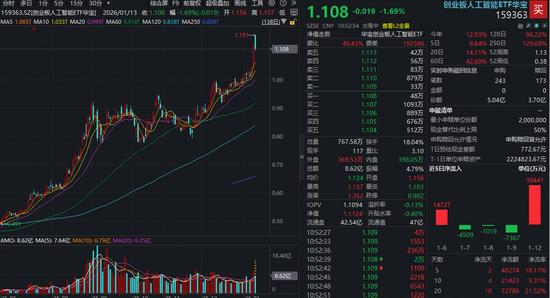
Core Viewpoint - There is a significant divergence in Wall Street's outlook on copper prices following a 22% surge, with UBS warning of a structural shortage by 2026/27 due to low project approvals, while Goldman Sachs and Citigroup caution against short-term price volatility driven by U.S. tariff fears [1][12]. Group 1: Supply and Demand Dynamics - UBS analysts highlight that despite a bullish long-term outlook for copper, the number of final investment decisions (FID) for projects remains low from 2023 to 2025, indicating a potential supply crisis [2][6]. - UBS's long-term model suggests that global mining supply will peak between 2028-2030 and then decline, with a projected supply-demand gap of 7 million tons by 2035 [6][7]. - To address this gap, the industry needs to increase capital expenditures significantly, requiring over $175 billion in new project spending by 2035 [7]. Group 2: Capital Expenditure Insights - Although nominal global copper industry capital expenditures remain stable at around $40 billion, real expenditures adjusted for inflation are projected to be only about 30% of the peak levels seen in 2013 by 2025 [3]. - The capital intensity of new projects is rising sharply, with potential projects from 2025-2030 requiring an average capital intensity of $25,000 per ton, a 50% increase compared to projects approved from 2021-2025 [3]. Group 3: Market Reactions and Short-Term Outlook - Goldman Sachs and Citigroup express concerns that the recent price surge is primarily driven by speculative "stockpiling" in anticipation of U.S. tariffs, warning that prices may revert to a surplus situation once clarity on tariffs is achieved [12][14]. - UBS counters this short-term perspective, asserting that the fundamental supply challenges and resilient demand will support further price increases, with 2026 expected to be a year of tangible shortages [13][14].

AI赛道放量分歧,风险还是机会?高盛:AI仍是市场的确定性主线之一!创业板人工智能ETF获资金抢筹
Xin Lang Cai Jing· 2026-01-13 03:10
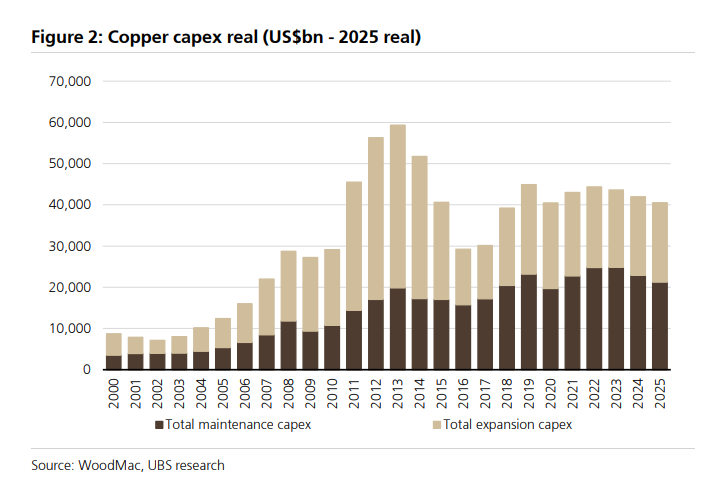
Core Viewpoint - The AI sector is experiencing a divergence in performance, with applications remaining active while the computing power segment faces adjustments. The market is transitioning into a new phase where AI applications are becoming the primary focus for investment opportunities [1][2][5]. AI Applications - AI downstream applications are accelerating into the commercialization verification stage, with significant developments in both domestic and international markets. Companies like xAI and Anthropic have completed financing, and policies promoting "AI + manufacturing" are being implemented in China. The upcoming release of DeepSeek-V4 is expected to spark a new wave of AI application enthusiasm [2][9]. - The AI application index has seen a cumulative increase of over 12% since the beginning of the year, significantly outperforming the communication equipment index, indicating a strong market sentiment towards AI applications [10]. Computing Power - Major domestic companies, including ByteDance, are significantly increasing their capital expenditure plans, leading to marginal improvements in chip supply. This, combined with the continuous iteration of domestic large models, is driving a resurgence in data center bidding activities. The IDC sector is currently positioned at a valuation low, presenting an investment window for recovery and performance realization [10]. - The current price of the AI application ETF (159363) closed at 1.127 yuan, approaching the pre-rights issue closing price of 1.191 yuan, suggesting a potential "fill rights" market trend reflecting high industry sentiment [10]. Investment Products - The AI application ETF (159363) is structured to benefit directly from the commercial explosion of AI technology, with approximately 60% of its portfolio allocated to computing power and 40% to AI applications. This ETF represents a core investment in both computing power and AI applications [5][12]. - The ETF has seen significant trading activity, with a real-time transaction volume exceeding 800 million yuan and a net subscription of 130 million units, indicating strong investor interest [1][2]. Market Outlook - Goldman Sachs' research indicates that AI will remain a key investment theme in the market through 2026, reinforcing the importance of AI applications in future investment strategies [4][9].

铜价分歧加剧!瑞银押注“供给崩塌”,高盛警惕“过热回调”,拐点到了吗?
Hua Er Jie Jian Wen· 2026-01-13 02:17
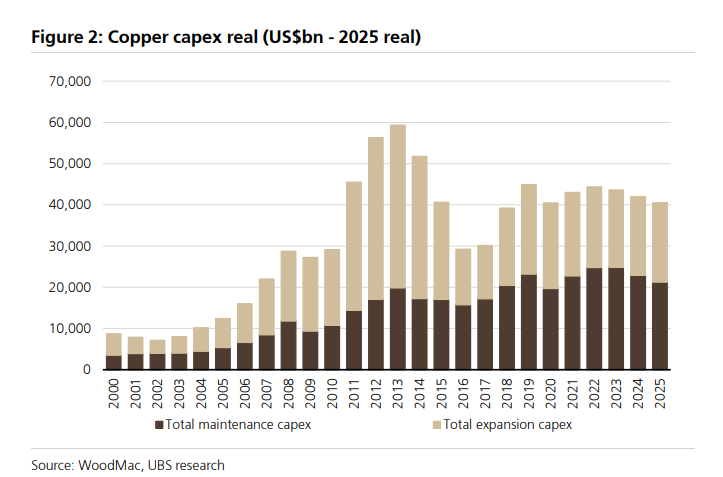
Core Viewpoint - There is a significant divergence in Wall Street's outlook on copper prices following a 22% surge, with UBS warning of a structural shortage by 2026/27 due to low project approvals, contrasting with Goldman Sachs and Citigroup's short-term caution regarding price sustainability driven by U.S. tariff fears [1][11][12] Group 1: Supply and Demand Dynamics - UBS analysts predict that despite a mixed demand outlook, the copper market will face a shortage by 2026/27, supported by declining inventories [5][12] - UBS's long-term model indicates that global mining supply will peak between 2028-2030 and then decline, with a projected supply-demand gap of 7 million tons by 2035 [5][6] - To address this gap, the industry needs to invest over $175 billion in new projects, with capital expenditures needing to rise significantly by 2026 and 2030 [6][8] Group 2: Capital Expenditure Challenges - UBS highlights that while nominal capital expenditures in the copper industry remain around $40 billion, real expenditures adjusted for inflation are only about 30% of the peak levels seen in 2013 [2][5] - The capital intensity of new projects is increasing, with potential projects from 2025-2030 requiring an average of $25,000 per ton, a 50% increase compared to previous projects [2][5] Group 3: Short-term Market Sentiment - Goldman Sachs and Citigroup express concerns that the recent price surge is primarily driven by speculative "stockpiling" in anticipation of U.S. tariffs, warning of a potential price correction once policy clarity is achieved [11][12] - Goldman Sachs maintains a forecast of a price drop to $11,200 per ton by Q4 2026, while Citigroup suggests that January may represent the peak price for 2026 [11][12] Group 4: Investment Strategies of Major Players - UBS notes that major mining companies like BHP and Rio Tinto are prioritizing mergers and acquisitions over high-risk new project developments, despite current prices being at levels that could incentivize new investments [8][12] - Key projects that may receive final investment decisions in the next 2-3 years include expansions in Chile and Argentina, as well as projects in the U.S. [8][12]
金价暴涨至1400元新人直呼难承受
Sou Hu Cai Jing· 2026-01-13 00:47
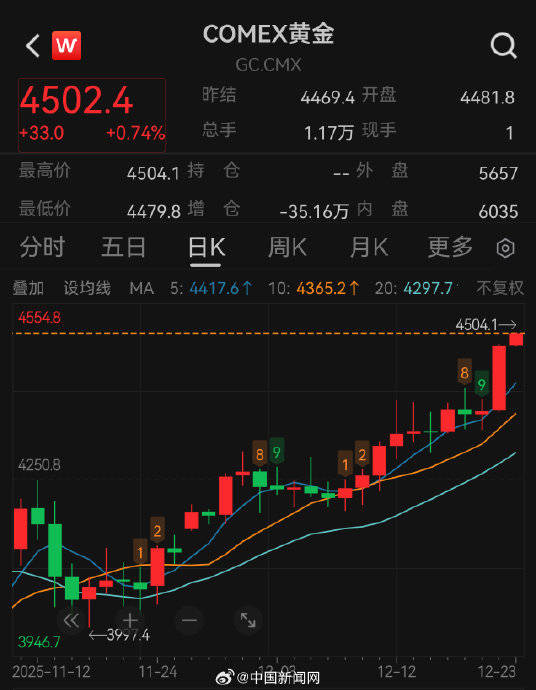
Core Dynamics and Data - Historical Breakthrough: On December 23, 2025, COMEX gold futures first broke $4500/oz, reaching a peak of $4555.1; London spot gold also surged to $4525.83/oz, with a year-to-date increase exceeding 70%, marking the largest annual gain since 1979 [2] - Consumer Transmission: Major brands like Chow Tai Fook and Chow Sang Sang saw a daily increase of 36 yuan in gold jewelry prices, with a reported price of 1411 yuan/gram on December 24, totaling a two-day increase of 44 yuan. The cost of 60 grams of wedding "three golds" skyrocketed from under 40,000 yuan at the beginning of the year to over 80,000 yuan, leading some couples to consider rentals or "gold-plated silver" alternatives [2] Driving Forces Behind the Surge - Monetary Easing Expectations: The Federal Reserve is expected to cut rates by 75 basis points cumulatively in 2025, with the market betting on further cuts in 2026. The decline in U.S. Treasury yields diminishes the dollar's attractiveness, while lower real interest rates reduce the cost of holding gold [3] - Surge in Safe-Haven Demand: - Geopolitical Risks: U.S. sanctions on Venezuelan oil tankers and tensions in the Middle East have heightened risk aversion [4] - De-dollarization: Central banks globally purchased a net 634 tons of gold in the first three quarters, with China increasing its gold reserves for 13 consecutive months, leading to a decrease in the dollar's share of foreign exchange reserves to 56.32% [4] - Technical Buying Pressure: The gold price broke through the resistance level of $4380 set in October, triggering algorithmic trading, with gold ETFs experiencing net inflows for five consecutive weeks [4] Market Divergence and Risk Alerts - Bullish Camp: Central bank gold purchases and an ongoing rate-cut cycle support a bullish outlook, with Goldman Sachs predicting $4900 and JPMorgan forecasting $5055 [5] - Cautious Camp: Concerns over short-term overbought conditions and policy fluctuations, with Citigroup warning of a pullback to $4280-$4300 and economist Guan Qingyou cautioning that rapid price increases may not be beneficial [5] - Historical Lessons: In October, gold prices twice touched $4380 before experiencing a single-day drop of nearly $200 (a 6.3% decline), with the current RSI indicating overbought conditions in the 74-80 range [5] Practical Advice for Ordinary Users - Consumer Pitfalls: - Wedding essentials should prioritize gold jewelry priced by weight in markets like Shenzhen's Shui Bei, avoiding brand premiums of around 30% [6] - Consider refurbishing old gold or opting for "gold-plated silver" alternatives, which are priced at only one-fifth of solid gold [6] - Investment Allocation: - Tools: Gold ETFs (with fees <0.5%) and bank gold savings should be preferred, avoiding high-leverage futures due to frequent liquidations at 80x leverage in October [7] - Strategy: Maintain positions at ≤10% of liquid assets, employing dollar-cost averaging to mitigate high-price risks and avoid chasing prices [7] Future Trend Core Contradictions - Upward Momentum: The erosion of the dollar's credit system is transforming gold from an "anti-inflation tool" to the "ultimate asset against sovereign credit risk," with Morgan Stanley predicting gold prices could challenge $7000-$8000 by 2030 [8] - Downward Risks: If the Federal Reserve's independence is restored or if global economic recovery exceeds expectations, a prolonged bear market for gold similar to the 1980-2000 period could re-emerge [8]


中国资产爆发、金银齐创新高!中国金龙指数大涨4.26%,阿里巴巴股价暴涨10.17%
Jin Rong Jie· 2026-01-13 00:41
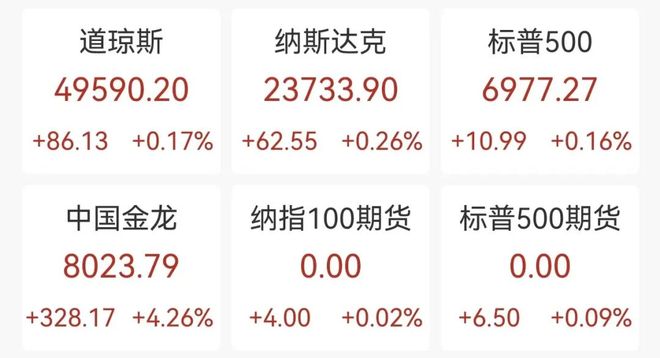
Market Overview - The global financial market displayed a distinct structural trend, with major US stock indices closing at historical highs, driven by a reallocation of funds between risk and safe assets [1] - The US stock market experienced a V-shaped rebound, with the Dow Jones Industrial Average rising by 86.13 points (0.17%) to close at 49,590.20 points, and the S&P 500 index increasing by 10.99 points (0.16%) to 6,977.27 points [2] Technology Sector - Large tech stocks showed mixed performance, with Google's Class A shares rising by 1.09%, marking a market capitalization breakthrough of $4 trillion, bolstered by a long-term AI collaboration agreement with Apple [4] - Apple's stock also increased by 0.34%, while Meta Platforms saw a decline of 1.7% as it announced a strategic project to build AI computing facilities over the next decade [4] Consumer and Financial Sectors - The consumer sector experienced significant gains, exemplified by Walmart's stock surging by 3% to reach a historical high, with a market capitalization exceeding $940 billion due to expectations of its inclusion in the Nasdaq 100 index [5] - Conversely, the financial sector led declines in the S&P 500 index, with a drop of over 1%, influenced by President Trump's announcement of a 10% cap on credit card annual interest rates, which pressured loan institutions and credit card companies [6] Chinese Stocks - Chinese stocks emerged as market stars, with the Nasdaq China Golden Dragon Index soaring by 4.26% to close at 8,023.79 points, marking a single-day increase of 328.17 points [7] - Notable individual stock performances included Kingsoft Cloud rising by 21.60%, Zhihu by 17.46%, and Alibaba by 10.17% [9] Precious Metals - The international precious metals market saw a strong surge, with COMEX gold futures rising by 2.40% to $4,608.80 per ounce, and spot gold increasing by 1.84% to $4,592.13 per ounce, reaching historical peaks [10] - Silver prices experienced even greater gains, with COMEX silver futures up by 7.33% to $85.16 per ounce [10] Oil and Industrial Metals - International oil prices saw slight increases, with light crude oil futures for February rising by $0.38 to $59.50 per barrel, and Brent crude oil futures for March up by $0.53 to $63.87 per barrel [10] - Industrial metals also showed signs of recovery, with copper prices returning to $6 per pound, indicating improved market expectations for global economic recovery [10]

黄金站上4600美元,有外资最高看至6000美元
第一财经· 2026-01-12 04:39
2026.01. 12 本文字数:1127,阅读时长大约2分钟 作者 | 第一财经 齐琦 1月12日亚洲早盘,COMEX黄金期货价格直线拉升,站上每盎司4600美元,时隔两周再度刷新历史 新高。 截至发稿,最高触及4612美元/盎司。 COMEX白银价格跟涨,截至发稿报83.9美元/盎司,日内大涨5.7%。 贺利氏金属(Heraeus Metals)贵金属交易员亚历山大·楚姆夫(Alexander Zumpfe)表示,如果地 缘政治紧张局势进一步扩大,或者美国数据强化了美联储将采取比目前预期更宽松政策的预期,那么 黄金很可能将持续刷新纪录。 市场分析人士指出,金银价格持续高位运行既得益于地缘风险的不确定性的刺激,也来自需求端长期 高增长。 央行最新数据显示,截至2025年12月末,国内黄金储备报7415万盎司(约2306.323吨),为连续第 14个月增持黄金。 "考虑到中国央行黄金储备相对于其他主要经济体的水平,中国央行的购金行为将持续为金价提供支 撑。"高盛全球团队预测,截至 2026年12月,金价将达到4900美元/盎司。 国内贵金属期货继续走高,沪金期货主力连续合约涨约3%,报1031元/克;沪银期货 ...

港股异动 | 百度集团-SW(09888)现涨超4% 昆仑芯赴港独立上市 百度持股价值或达220亿美元
智通财经网· 2026-01-12 03:15
Core Viewpoint - Baidu Group-SW (09888) announced the spin-off of its AI chip subsidiary Kunlun Chip, submitting a listing application to the Hong Kong Stock Exchange, which is expected to unlock significant value for the company [1] Group 1: Company Developments - As of the report, Baidu's stock rose by 4.22% to HKD 143.2, with a trading volume of HKD 866 million [1] - The spin-off of Kunlun Chip is part of Baidu's strategy to evaluate its AI cloud infrastructure as an independent business segment, with an implied value exceeding USD 50 billion [1] Group 2: Market Valuation and Projections - Goldman Sachs estimates that if Kunlun Chip receives a valuation multiple similar to Cambricon (40 times sales), Baidu's 59% stake could be valued at USD 22 billion, representing 45% of Baidu's current total market capitalization [1] - Sales projections for Kunlun Chip indicate expected revenues of RMB 3.5 billion in 2025, increasing to RMB 6.5 billion in 2026, with JPMorgan's more aggressive forecast suggesting revenues could reach RMB 8.3 billion in 2026 [1]

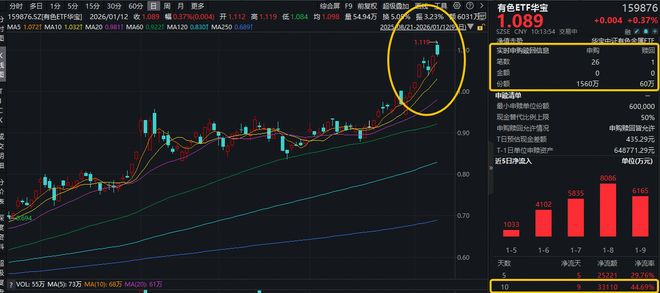
ETF盘中资讯 突破4600!金价再创历史新高!有色ETF华宝(159876)盘中拉升2.5%,刷新上市以来的高点!近10日狂揽3.3亿元
Jin Rong Jie· 2026-01-12 02:32
Group 1 - The core viewpoint of the articles highlights the surge in gold prices due to escalating geopolitical risks, with gold reaching a historical high of over $4600 per ounce, and predictions of further increases in the coming years [3] - The Huabao Nonferrous ETF (159876) has seen significant inflows, with a net subscription of 15 million units and a total of 331 million yuan in the last 10 days, indicating strong investor interest [1][3] - Major stocks within the nonferrous sector, such as Zhongjin Rare Earth and Shengxin Lithium Energy, have experienced notable price increases, reflecting the overall bullish sentiment in the market [1][3] Group 2 - Goldman Sachs forecasts that gold prices will rise to $4900 per ounce by the end of 2026, while Yardeni Research has raised its long-term gold price target from $5000 to $6000 per ounce, with a potential peak of $10000 per ounce by the end of the decade [3] - The nonferrous ETF Huabao covers a wide range of metals including copper, aluminum, gold, rare earths, and lithium, allowing investors to capture the beta performance across different market cycles [4] - The market outlook suggests that due to loose liquidity, frequent supply disruptions, and strong structural demand, various metals including copper, aluminum, and battery metals are expected to continue their upward trend [3]